

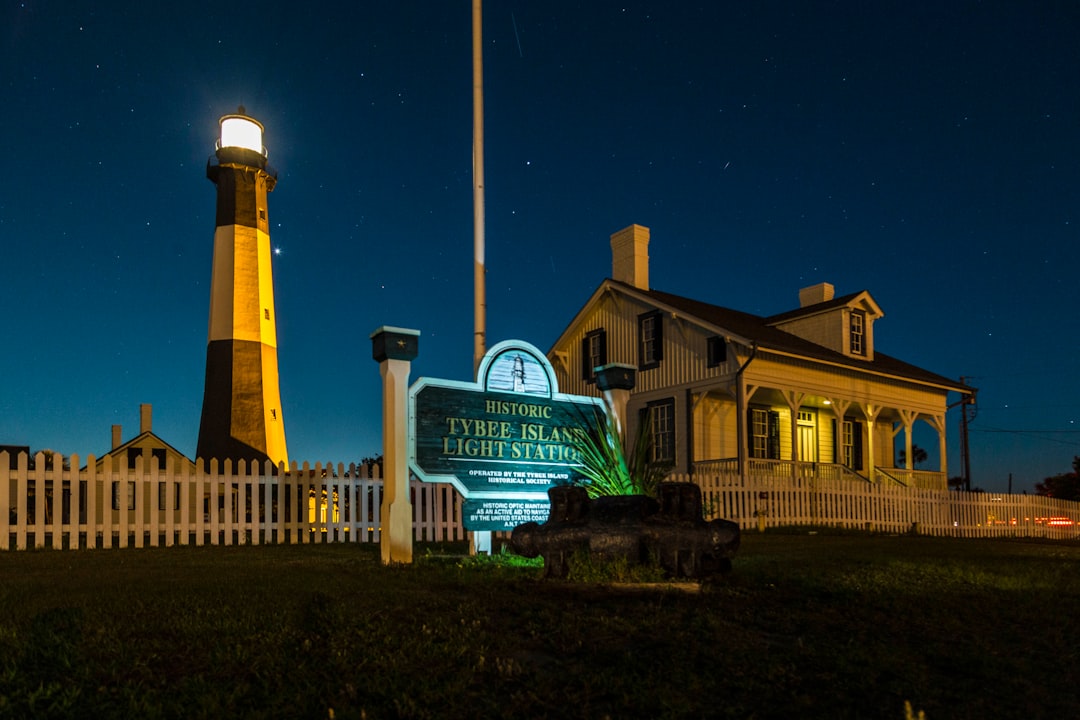
Most people believe that a truly “breathtaking” American vacation requires fighting the suffocating crowds in NYC or paying $15 for a bottled water in overpriced Hawaiian resorts. But while the masses are standing in line for hours just to take a blurry selfie, seasoned travelers have quietly pivoted toward the country’s hidden interior. The reality is that the most stunning landscapes and authentic cultural experiences aren’t found in big cities, but in tiny zip codes with more trees than stoplights. Insiders know that these “secret” towns are currently offering five-star views on a three-star budget. Here’s what the data and local experts actually say.
#23 — Wallace, Idaho
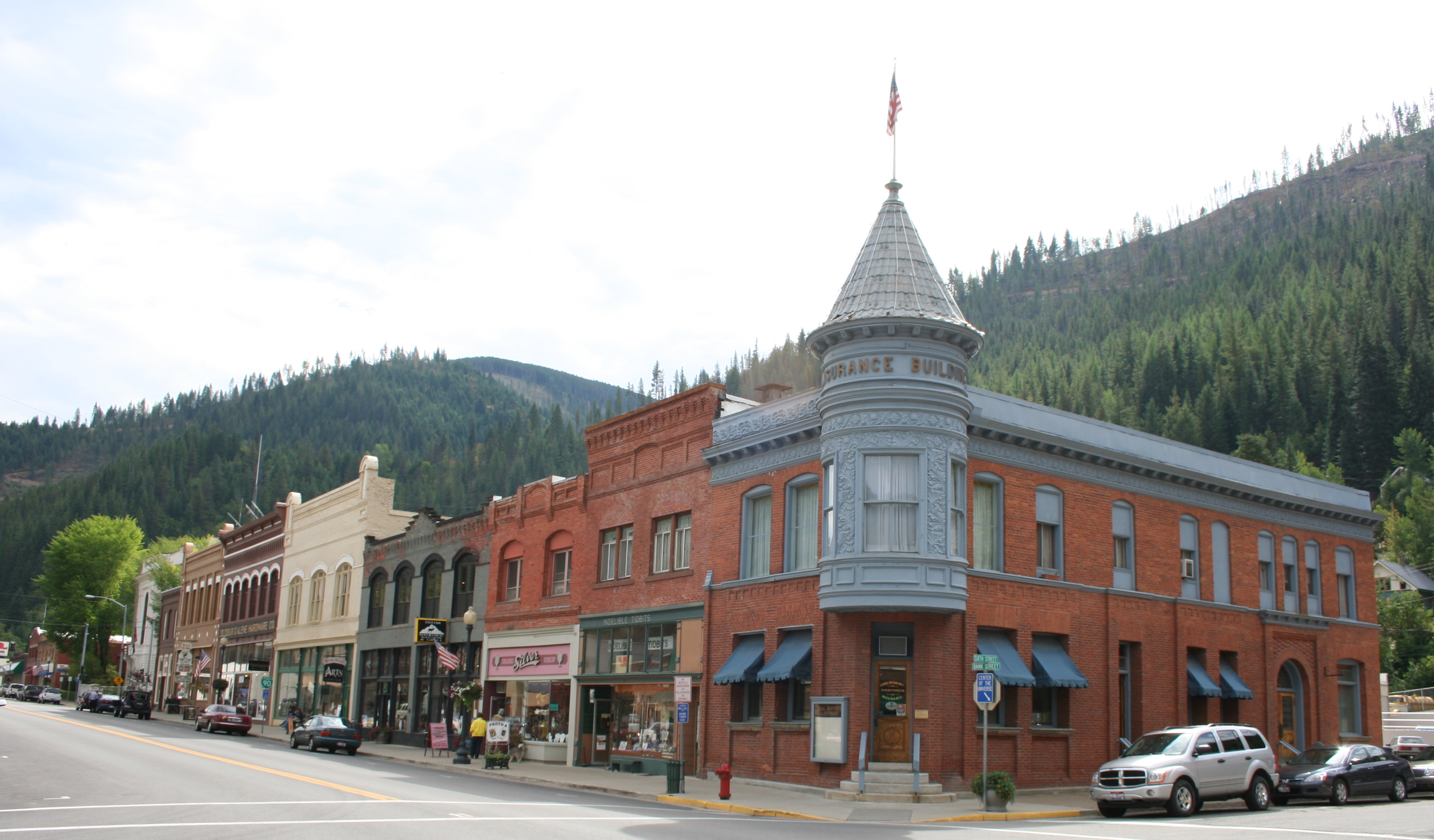
Most travelers drive right past the Silver Valley, unaware they are missing the “Silver Capital of the World.” This entire town is listed on the National Register of Historic Places, meaning every single brick and storefront is a preserved piece of 1880s Americana.
Nestled between two mountain passes, Wallace feels like a movie set where time simply stopped. While high-end ski resorts nearby charge a fortune, Wallace offers the Hiawatha Trail, often called the most scenic rail-to-trail mountain bike ride in the world. You’ll ride through ten tunnels and over seven sky-high trestles in deep cedar forests.
Despite its rugged surroundings, the town stays quirky. There is literally a manhole cover in the center of town declared the “Center of the Universe” by the local government. It sounds like a joke, but the locals take their isolation and beauty very seriously.
But if you think Idaho has a monopoly on mountain charm, you haven’t seen the coastal mystery of #22…
#22 — Beaufort, South Carolina

While everyone flocks to Charleston or Savannah, the true “lowcountry” soul resides in Beaufort. This town is situated on Port Royal Island, where moss-draped live oaks create a natural canopy over 18th-century mansions that haven’t changed since the Civil War.
What makes Beaufort unique is its untouched antebellum architecture, which served as the backdrop for films like Forrest Gump and The Prince of Tides. Most people don’t realize that Beaufort is also the heart of Gullah culture, offering a deep, spiritual history that you won’t find in the more commercialized beach towns.
The town is surrounded by “pluff mud” and expansive saltwater marshes that glow gold at sunset. Zoning laws are so strict here that you won’t see a single neon sign or skyscraper ruining the view. It’s the kind of place where locals still trade shrimp for favors.
Wait until you see the “Little Switzerland” hiding in the heart of #21…
#21 — Ouray, Colorado

Known as the “Switzerland of America,” Ouray is tucked into a box canyon surrounded by 13,000-foot peaks. It’s far more dramatic than Aspen or Vail, but it lacks the pretentious juice bars and $500-a-night parking fees.
The town’s main attraction is its natural hot springs, which are entirely sulfur-free, meaning you don’t get that “rotten egg” smell common in most geothermal pools. The perimeter trail offers a 6-mile loop that hits four massive waterfalls, all within walking distance of the historic downtown district.
While it’s a summer hiking paradise, Ouray is secretly the ice climbing capital of the world in the winter. The community gathers to watch climbers scale frozen turquoise pillars of water right at the edge of town. It’s terrifyingly beautiful to witness from the safety of a heated patio.
Think Colorado is vertical? You haven’t seen the cliffside drama of #[20]…
#20 — Mendocino, California
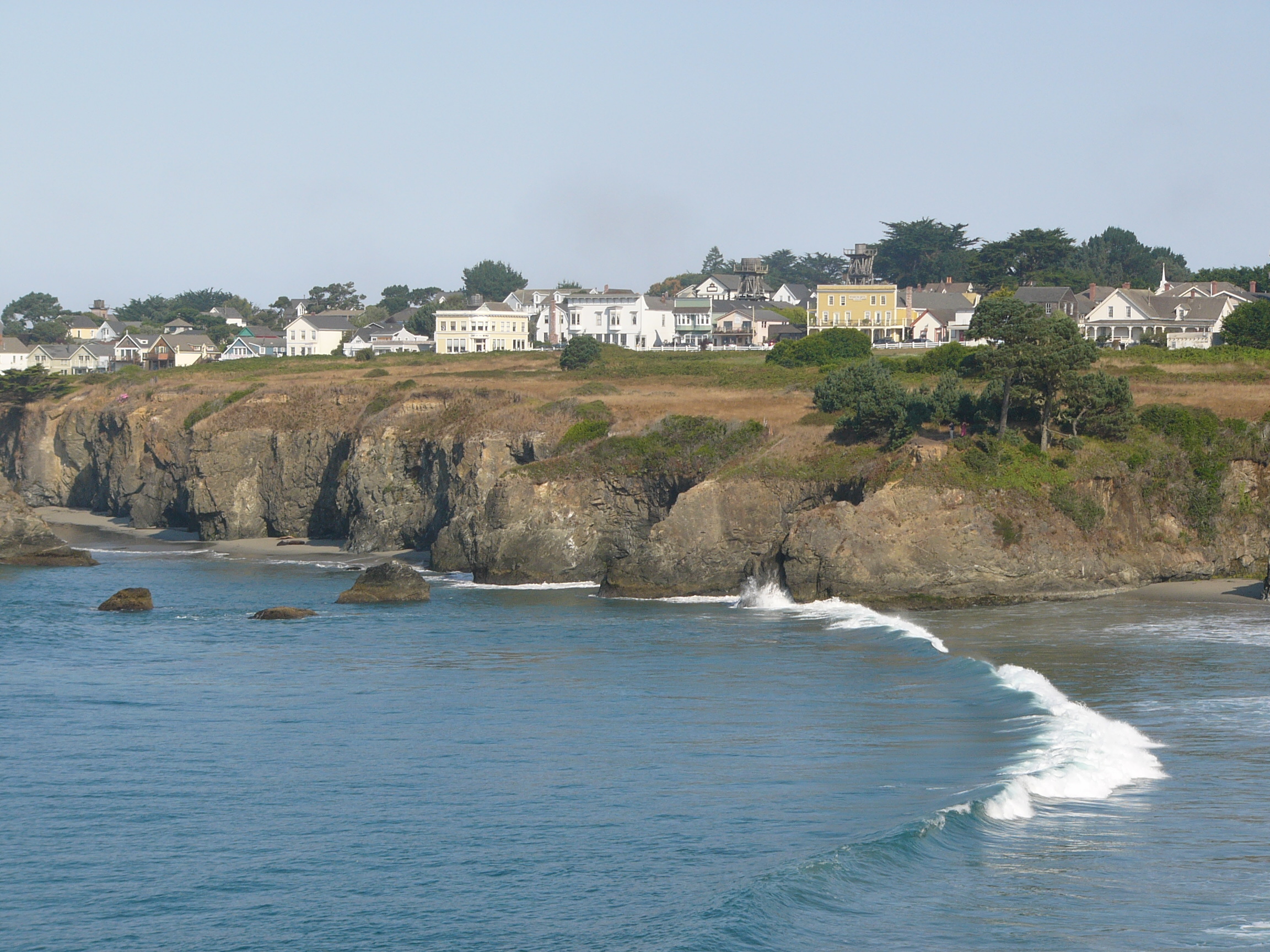
Perched precariously on a blustery cliff overlooking the Pacific, Mendocino is the only town on the California coast designated as a historical landmark. It looks more like a 19th-century New England village than a typical West Coast surf town.
The town is famous for its “salt-and-pepper” Victorian cottages and weathered wooden water towers. Unlike the crowded beaches of Southern California, the coastline here is rugged, jagged, and often shrouded in a cinematic mist. It’s where the redwoods literally meet the sea.
Travelers often overlook this area because it’s a three-hour drive from San Francisco with no direct highway access. This geographic barrier has preserved the town’s silent, bohemian atmosphere for decades. Expect galleries, local wine, and zero cell service—which is exactly how the residents want it.
But for a town that feels like a literal fairy tale, you have to look at #19…
#19 — Leavenworth, Washington
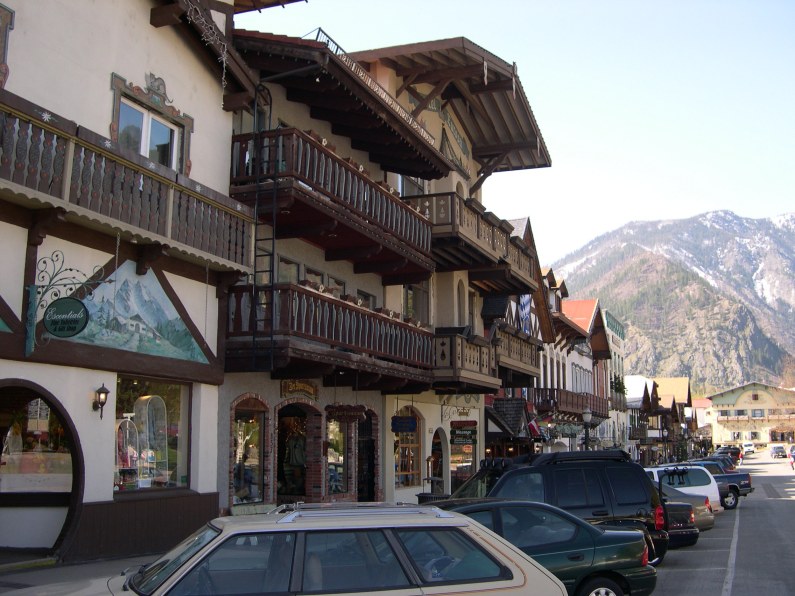
If you woke up here after a long nap, you’d swear you were in the Bavarian Alps. In the 1960s, this struggling logging town decided to completely remodel itself as a German village to attract tourists—and it worked better than anyone expected.
Everything here, from the Starbucks to the gas stations, is built in traditional Tudor style with ornate wood carvings. It’s surrounded by the jagged Cascades, which provide a backdrop so stunning it feels like a green-screen effect. The Nutcracker Museum here houses over 7,000 specimens, some dating back centuries.
While many call it a “tourist trap,” the surrounding Enchantments wilderness area offers some of the most exclusive and breathtaking hiking permits in North America. It’s a surreal mix of kitschy bratwurst stands and truly elite alpine scenery.
If you prefer red rocks over evergreen trees, you won’t believe #18…
#18 — Kanab, Utah

Most tourists use Kanab as a quick pit stop between Zion and the Grand Canyon, ignoring the fact that the town itself sits in the middle of a “Golden Circle” of natural wonders. It was once called “Little Hollywood” because of the hundreds of Westerns filmed among its crimson cliffs.
Kanab is the gateway to “The Wave,” a geological formation so rare and fragile that only 64 people per day are allowed to visit via a high-stakes lottery. Even if you don’t win a permit, the nearby Coral Pink Sand Dunes offer a landscape that looks like it belongs on Mars.
Interestingly, Kanab has become a global destination for animal lovers. It’s home to Best Friends Animal Sanctuary, the largest no-kill shelter in the United States, tucked into a stunning red rock canyon. It’s a place where the scenery is matched only by the compassion of the locals.
But for a town that’s literally floating on the water, check out #17…
#17 — Stonington, Maine

While Bar Harbor gets the fame, Stonington gets the “real” Maine. Located at the southernmost tip of Deer Isle, this is a working lobster port where the harbor is so crowded with boats you could almost walk across them.
Stonington sits on a massive deposit of pink granite, which was used to build monuments and bridges across the U.S. East Coast. This stone gives the coastline a distinctive rosy glow during the “golden hour” that you won’t find anywhere else in New England.
The town remains largely undiscovered by the “resort crowd” because it hasn’t changed its infrastructure to accommodate them. There are no chain stores, no traffic lights, and no hotels with more than a dozen rooms. It’s a place of quiet, salty air and the constant hum of diesel engines.
If you think Maine is the only place for rugged islands, wait until you see the secret of #16…
#16 — Mackinac Island, Michigan

This is a place where time didn’t just slow down; it legally stopped. Since 1898, motorized vehicles have been banned on the island. The only way to get around is by foot, bicycle, or horse-drawn carriage.
The town itself is a vibrant collection of Queen Anne-style “summer cottages” built by 19th-century industrialists. The Grand Hotel boasts the world’s longest porch, stretching 660 feet and overlooking the sparkling Straits of Mackinac.
What most people don’t realize is that 80% of the island is preserved as a State Park. You can bike the 8-mile perimeter road and see massive limestone formations like Arch Rock, which towers 146 feet above the water. The smell of the island—a mix of lilac, lake water, and horse manure—is something you never forget.
But for a town that feels like it’s tucked inside a volcano, you have to see #15…
#15 — Taos, New Mexico

Taos is a high-desert dreamscape that has attracted artists like Georgia O’Keeffe and Ansel Adams for over a century. It’s anchored by the Taos Pueblo, a multi-story adobe complex that has been continuously inhabited for over 1,000 years.
The light in Taos is different; the high altitude and dry air create a clarity that makes the Sangre de Cristo Mountains look like purple jagged glass. The Rio Grande Gorge Bridge towers 650 feet above the river, offering a view so dizzying it’s often ranked as one of the most beautiful—and terrifying—views in the country.
While it is undeniably beautiful, many locals warn of the “Taos Hum,” a low-frequency sound that some residents claim to hear constantly. It adds to the town’s mystic, slightly “out-there” reputation.
Looking for something more lush? The “hidden valley” of #14 is calling…
#14 — Hanalei, Hawaii

Forget the high-rises of Honolulu. Hanalei, located on Kauai’s northern shore, is a crescent-shaped bay backed by emerald mountains that literally weep with waterfalls after a rain.
The town is strictly regulated to prevent large-scale development, keeping it a low-key paradise for surfers and locals. The Hanalei Pier is the iconic centerpiece, where the water is so clear you can see the reef formations from the wooden planks.
The real secret is the Na Pali Coast trailhead just a few miles away. While most tourists see these cliffs via helicopter, the view from the beach in Hanalei, looking back at the “Cathedrals” of rock, is just as breathtaking and completely free.
But for a mountain town that’s actually “haunted” by its own beauty, look at #13…
#13 — Jerome, Arizona
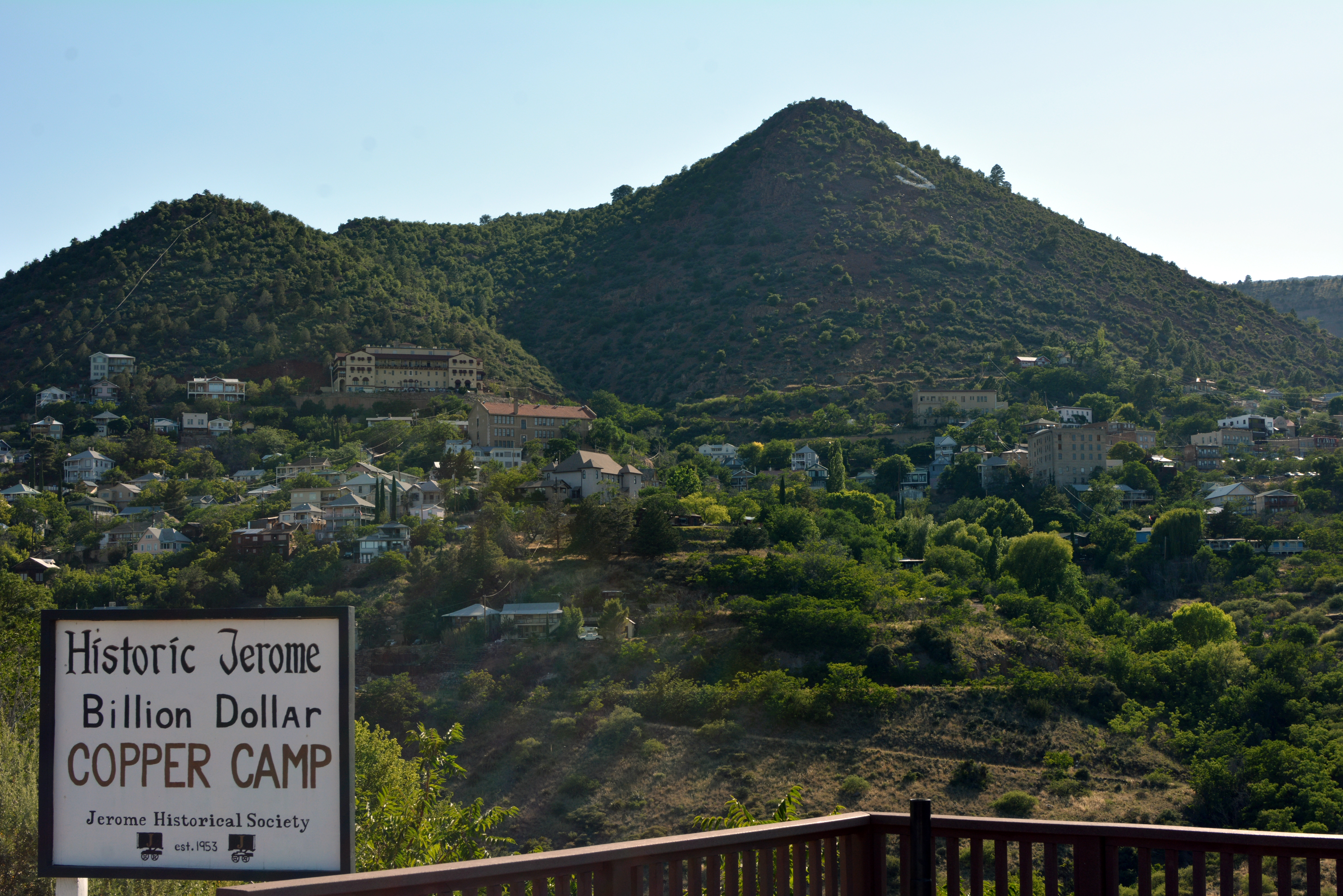
Once known as the “Wickedest Town in the West,” Jerome is built into the side of Cleopatra Hill at a 30-degree incline. In the 1920s, it was a booming copper mine; today, it’s an “artist colony” that is literally sliding down the mountain.
The town’s steep switchbacks and crumbling stone ruins give it a precarious, gothic feel. It’s perched nearly 2,000 feet above the Verde Valley, offering views that stretch for over 50 miles on a clear day. The “Sliding Jail” is a local landmark—a concrete structure that broke loose and slid 225 feet from its original location.
Because of its high elevation and colorful past, Jerome is widely considered the most haunted town in America. Whether you believe in ghosts or not, the sight of a Victorian hotel clinging to a red rock cliff is undeniably haunting.
If you like heights, but prefer more greenery, wait for #12…
#12 — Eureka Springs, Arkansas

Many people are shocked to find a town like this in the middle of the Ozarks. Eureka Springs has no 90-degree street corners; every winding road follows the natural curves of the steep hills and mountains.
The entire downtown is built around natural cold-water springs that were once believed to have magical healing powers. The architecture is a vertical maze of limestone and wood, with some buildings having street-level entrances on three different floors.
It is home to the Thorncrown Chapel, a glass-walled cathedral hidden in the woods that has won multiple international architecture awards. It’s a place where Southern hospitality meets a fiercely independent, bohemian spirit.
However, the “coolest” town in the South might actually be the island at #11…
#11 — Ocracoke, North Carolina

Located at the very end of the Outer Banks, Ocracoke is only accessible by ferry. This isolation has preserved a unique “Ocracoke Brogue” dialect that sounds more like 17th-century British English than modern American.
The town surrounds Silver Lake, a calm harbor where Blackbeard the Pirate was famously caught and killed. The Ocracoke Lighthouse is one of the oldest in the country, casting a white glow over the 16 miles of completely undeveloped National Seashore.
What makes Ocracoke truly breathtaking is the wild pony herd. Descended from Spanish shipwrecks, these horses roam in a massive protected enclosure, providing a glimpse of a wilder, older version of the Atlantic coast.
Think you’ve seen the best of the mountains? The “hidden gem” of the Blue Ridge is #10…
#10 — Blowing Rock, North Carolina

Named after an ancient rock formation where the wind blows vertically, this town is the refined crown jewel of the Blue Ridge Mountains. While neighboring Asheville has become a crowded urban center, Blowing Rock has maintained its strict “village” aesthetic.
The town sits right on the Blue Ridge Parkway, providing instant access to views that look like layers of blue silk stretching into the horizon. The downtown area is filled with flower boxes, high-end galleries, and no chain restaurants whatsoever.
The “Blowing Rock” itself is a geological oddity where the wind trajectory is so unique that snow actually falls upward. It’s a natural phenomenon that has fueled Cherokee legends for centuries.
But for a town that feels like it belongs in the Italian Riviera, you need to see #9…
#9 — Sausalito, California

Just across the Golden Gate Bridge from San Francisco, Sausalito is a Mediterranean-style village built into the steep hillsides of the Marin Headlands. It’s famous for its houseboats—a floating community of nearly 400 eclectic vessels.
Walking along the waterfront, you get a “reverse” view of the San Francisco skyline that is often better than the view from the city itself. The hills are so steep that many houses are only accessible by narrow staircases instead of roads.
While tourists take the ferry over for lunch, the locals head to the “hidden” beaches on the leeward side of the hills where the fog rarely touches. It’s a micro-climate of sunshine in a region known for being chilly.
Think that’s impressive? The “most photographed” town in America is #8…
#8 — Woodstock, Vermont

Woodstock is the platonic ideal of a New England Christmas card. It features a central green, three covered bridges, and perfectly maintained Federal-style mansions. It’s the kind of place where locals still tap maple trees in their front yards.
The town is home to the Marsh-Billings-Rockefeller National Historical Park, the only national park in Vermont. It’s a testament to the town’s history of forest conservation. The view from the top of Mount Tom, overlooking the town’s white steeples, is legendary.
While it looks “expensive,” the local culture is built around farming and artisanal living. The Billings Farm & Museum is one of the premier dairy farms in the country, and you can buy world-class cheese directly from the source.
But the most dramatic “lake town” in the country isn’t in Vermont—it’s #7…
#7 — Bayfield, Wisconsin

Perched on the edge of Lake Superior, Bayfield is the gateway to the 21 Apostle Islands. This is not your typical “beach town”; it’s a rugged, windswept port where the water is as clear and cold as the Arctic.
In the winter, the lake freezes thick enough to drive on, allowing visitors to walk to the Apostle Island Sea Caves. These caves transform into “ice palaces” with thousands of giant icicles hanging from the red sandstone ceilings. It is a visual experience unlike anything else on Earth.
In the summer, the town is a sea of sailboats and blooming lupines. It’s also the berry capital of the North, where you can pick your own strawberries and raspberries with a view of the world’s largest freshwater lake.
If you prefer the desert’s silence, you have to see #6…
#6 — Marfa, Texas

Marfa is a surrealist masterpiece sitting in the middle of the high-desert plateaus of West Texas. It was a dying railroad town until minimalist artist Donald Judd moved there and began installing massive aluminum boxes in the desert.
Today, it’s a global “art mecca” where high-fashion Prada boutiques exist as permanent art installations in the middle of nowhere. The “Marfa Lights” are the town’s most famous mystery—mysterious glowing orbs that appear on the horizon at night, which scientists still can’t fully explain.
The landscape is harsh, wide, and strangely beautiful. The Big Bend National Park is just a short drive away, offering some of the darkest night skies in the lower 48 states, making it a “sky-gazing” paradise.
But wait until you see the “waterfall capital” of the South at #5…
#5 — Highlands, North Carolina

At an elevation of 4,118 feet, Highlands is one of the highest towns east of the Mississippi. This ensures it stays cool and misty even when the rest of the South is sweltering in 100-degree heat.
The town is surrounded by the Nantahala National Forest, which contains some of the oldest hardwood trees in the world. Within a ten-minute drive of downtown, you can find over a dozen massive waterfalls, including Dry Falls, where you can actually walk behind a 75-foot roaring curtain of water without getting wet.
Highlands has a reputation for luxury, with “Old Money” estates tucked behind rhododendron thickets, but the real draw is the botanical diversity. It is one of the most biologically diverse regions in the temperate world.
Looking for something more “Old World”? The coastal secret of #4 is legendary…
#4 — Cape May, New Jersey

Forget what you’ve seen on reality TV; Cape May is the oldest seaside resort in America and looks absolutely nothing like the rest of the Jersey Shore. The entire city is a National Historic Landmark due to its massive concentration of Victorian gingerbread houses.
The town is situated at the very tip of a peninsula, meaning it is surrounded by water on three sides. It’s a world-renowned bird-watching spot, as it serves as a “bottleneck” for millions of migrating birds every spring and fall.
The beaches here are wide, clean, and backed by elegant boardwalks—no loud music, no tacky amusement parks. The “Cape May Diamonds”—clear quartz pebbles that look like real diamonds—wash up on the shore of Sunset Beach, providing a free souvenir for those who know where to look.
But for our #3 pick, we’re heading to the rugged frontier of the North…
#3 — Sitka, Alaska
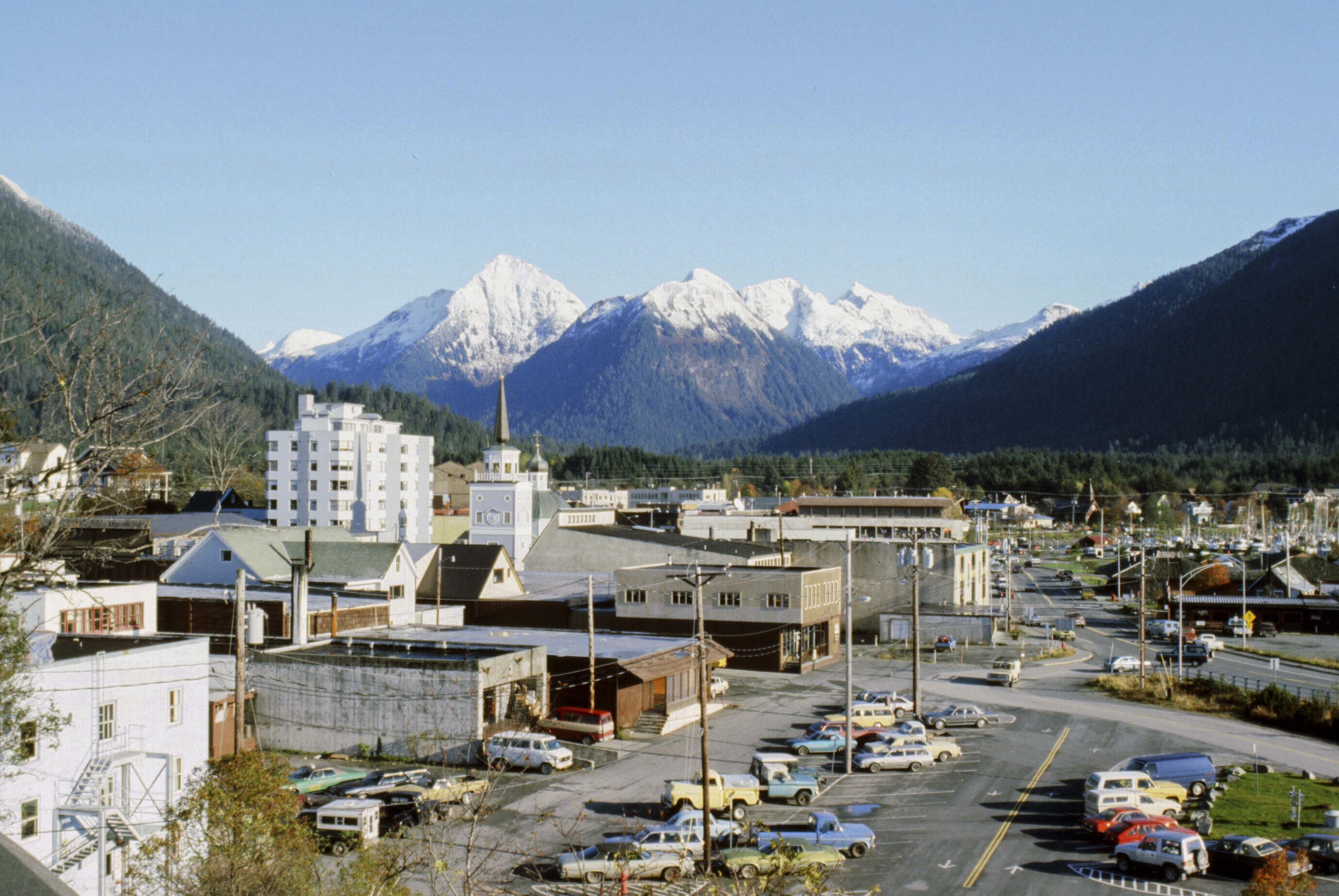
Accessible only by air or sea, Sitka is where the Pacific Ocean meets the mountains. Unlike other Alaskan towns that were founded by gold miners, Sitka was the capital of Russian America, and its skyline is still dominated by the onion dome of St. Michael’s Cathedral.
The town looks out over the “Sound,” which is filled with thousands of tiny, forested islands and the snow-capped peak of Mount Edgecumbe, a dormant volcano that looks exactly like Mount Fuji. Humpback whales and bald eagles are so common here they are treated like pigeons.
What makes Sitka truly breathtaking is the Totem Park, where massive Tlingit and Haida totem poles stand among towering Sitka spruces. It’s a place where indigenous culture and Russian history collide in a wilderness setting.
Think that’s remote? Our #2 town is a hidden valley you’ve likely never heard of…
#2 — Joseph, Oregon

Tucked away in the far northeast corner of Oregon, Joseph is often called the “Little Switzerland of America” (yes, another one, but this one is even more isolated). It sits at the base of the Wallowa Mountains, which rise abruptly from the valley floor with no foothills.
The town is famous for its world-class bronze foundries. Monumental bronze statues line the main street, contrasting with the rugged, cowboy atmosphere of the local ranches. Wallowa Lake, a deep blue glacial lake, sits just outside of town and is surrounded by 9,000-foot peaks.
Because it’s a 6-hour drive from any major airport, Joseph has remained completely unspoiled by “over-tourism.” It’s a place where you can still find a quiet trail and not see another human for hours.
But the #1 breathtaking small town in America is a place that feels like it shouldn’t even exist on this continent…
#1 — Carmel-by-the-Sea, California
Carmel is less of a town and more of a fever dream. There are no street addresses (residents go to the post office to get mail), no street lights, and no high heels allowed (technically, you need a permit to wear them due to the uneven cobblestone streets).
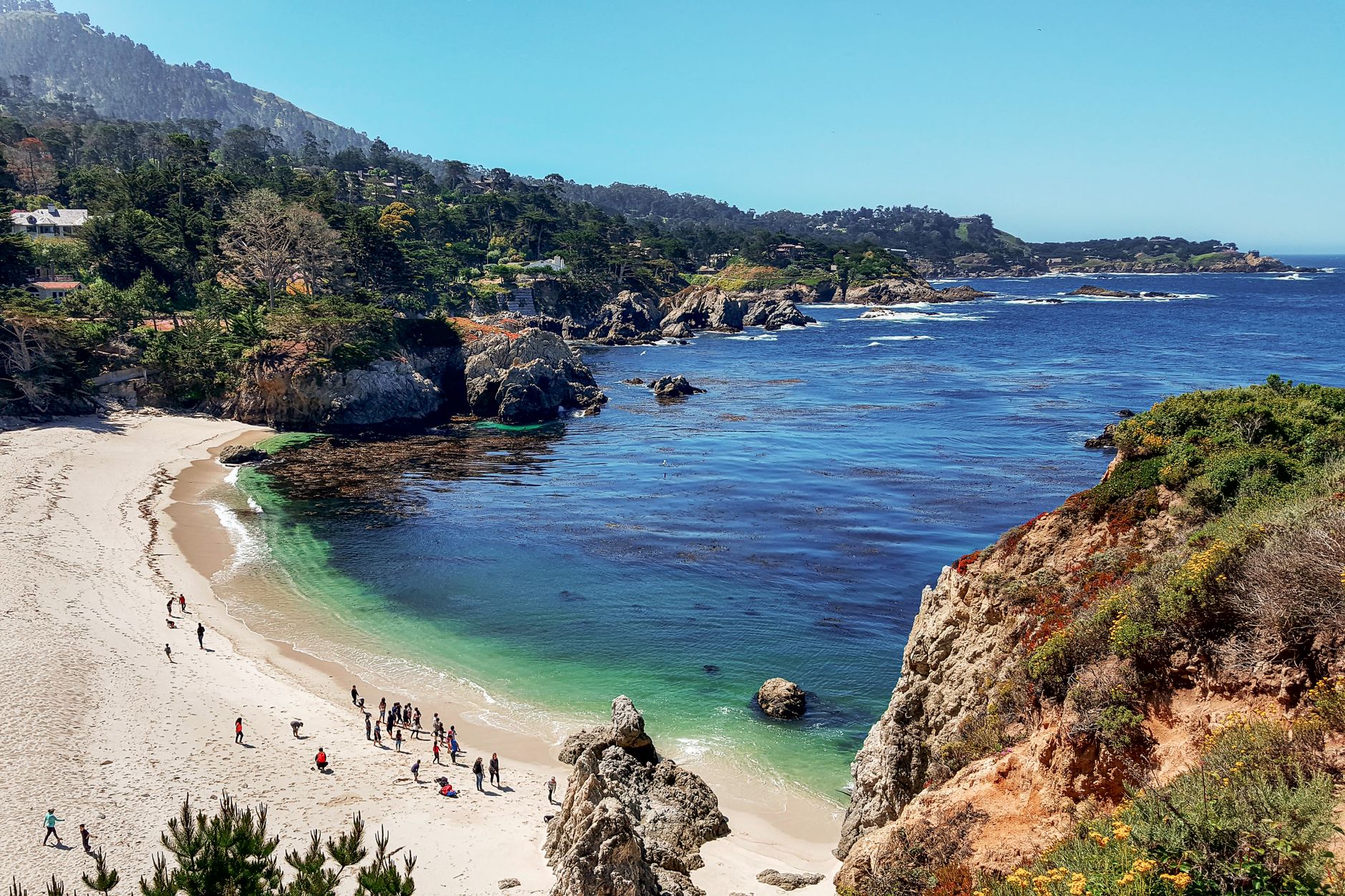
The architecture is a mix of “fairytale cottages” with rolled-shingle roofs and Spanish-Colonial villas. The town sits on a white-sand beach so bright it looks like sugar, framed by wind-sculpted cypress trees that look like they were drawn by Dr. Seuss.
While it’s famous for having Clint Eastwood as a former mayor, the real star is the Point Lobos State Natural Reserve just south of town. It’s been called “the greatest meeting of land and water in the world.” The combination of turquoise water, hidden coves, and barking sea lions makes it the most breathtaking spot in the country.
The most surprising fact? Despite its immense wealth, Carmel has a law against chain restaurants and neon signs, ensuring it looks exactly the same today as it did 100 years ago.
The Bottom Line
America isn’t just about the bright lights of Vegas or the monuments of D.C.; the true “soul” of the country is hidden in these small, 2,000-person towns that guard their views fiercely. From the alpine lakes of Joseph, Oregon, to the foggy cliffs of Mendocino, these locations prove that you don’t need a passport to find world-class beauty. However, as more people discover these “secrets” through social media, the window to see them in their quiet, authentic state is closing fast.
Did we miss your favorite small town? Let us know in the comments—unless you’d rather keep it a secret!

- 8 Things That Happen To Your Body on Everest’s Death Zone - August 14, 2026
- 5 Amazing Native Flowers for Your Garden - August 14, 2026
- 10 Calmest Dog Breeds for Senior Women - August 14, 2026