
Worried about unexpected vet bills?
Pet insurance can cover thousands in unexpected vet costs. Get a free quote from Lemonade in under 2 minutes.
Get My Free Quote →Sponsored · Opens Lemonade.com
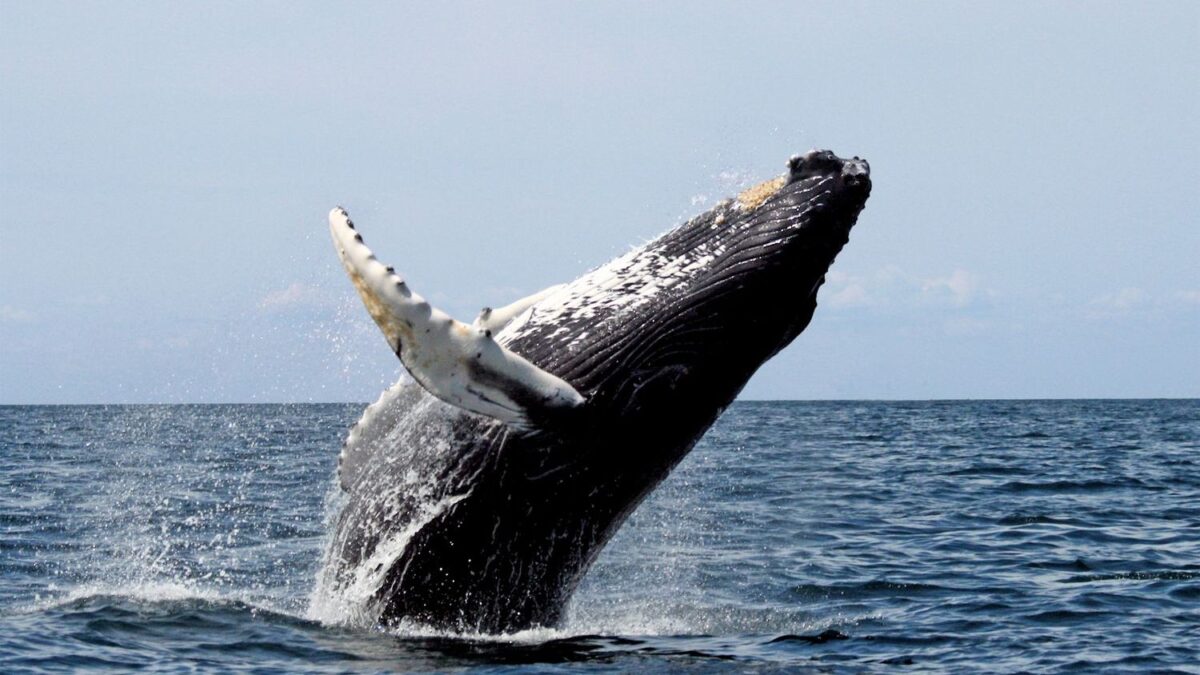
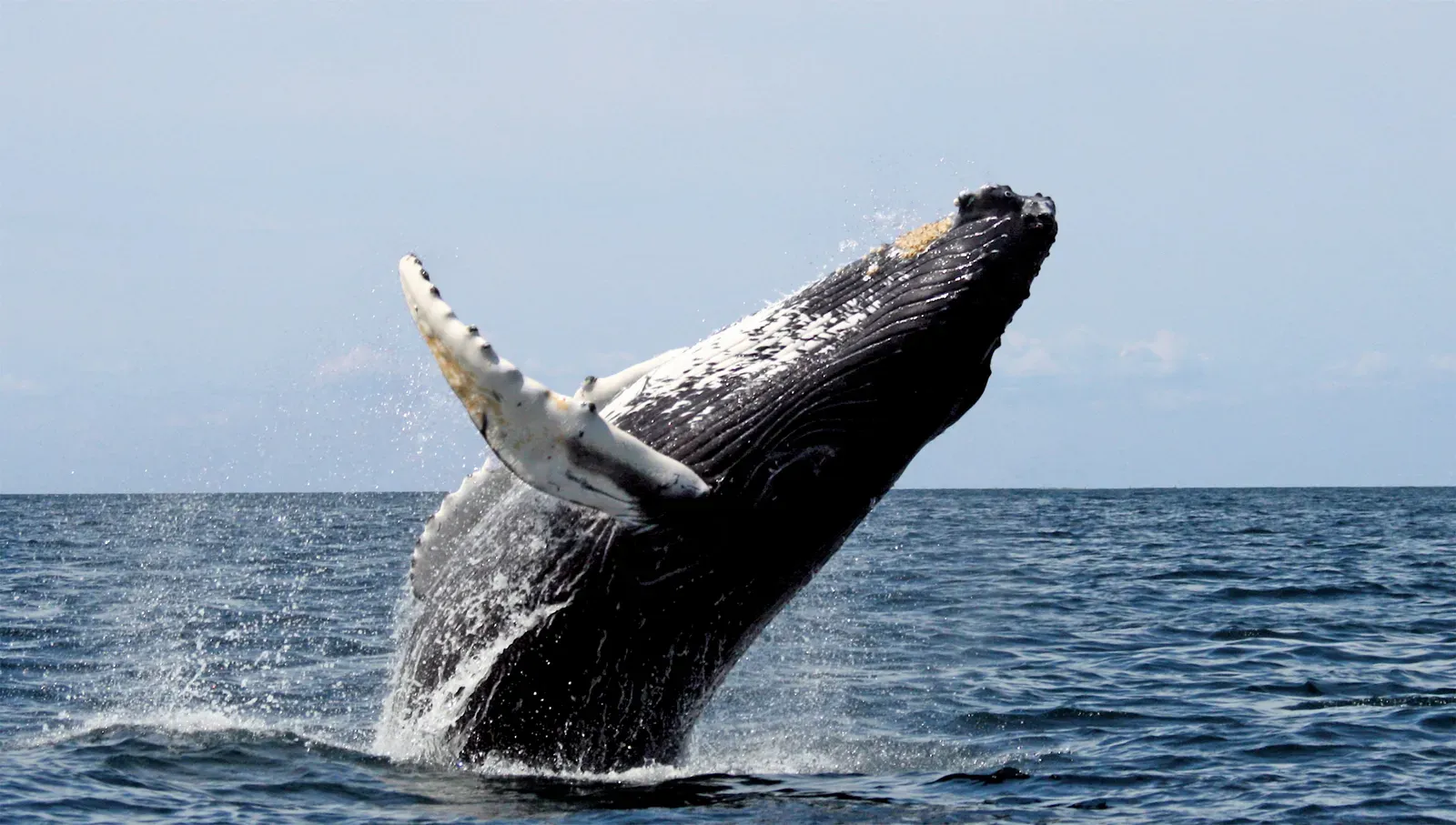
There’s something quietly astonishing about watching a humpback whale breach the surface, its enormous body suspended for a moment against the sky before crashing back into the sea. These are animals that were hunted to the very edge of extinction within living memory. The fact that they’re still here at all is, in a very real sense, a story about second chances.
Ocean giants – whales, whale sharks, manta rays, and their kin – have faced some of the most severe pressures ever inflicted on wild animals. Centuries of whaling, decades of overfishing, habitat degradation, entanglement in fishing gear, ship strikes, and a warming ocean have stacked the odds steeply against them. Yet across multiple species and multiple ocean basins, something is shifting. Recovery is neither complete nor guaranteed, but it is measurably real in several key places.
Humpback Whales: A Conservation Blueprint That Actually Worked
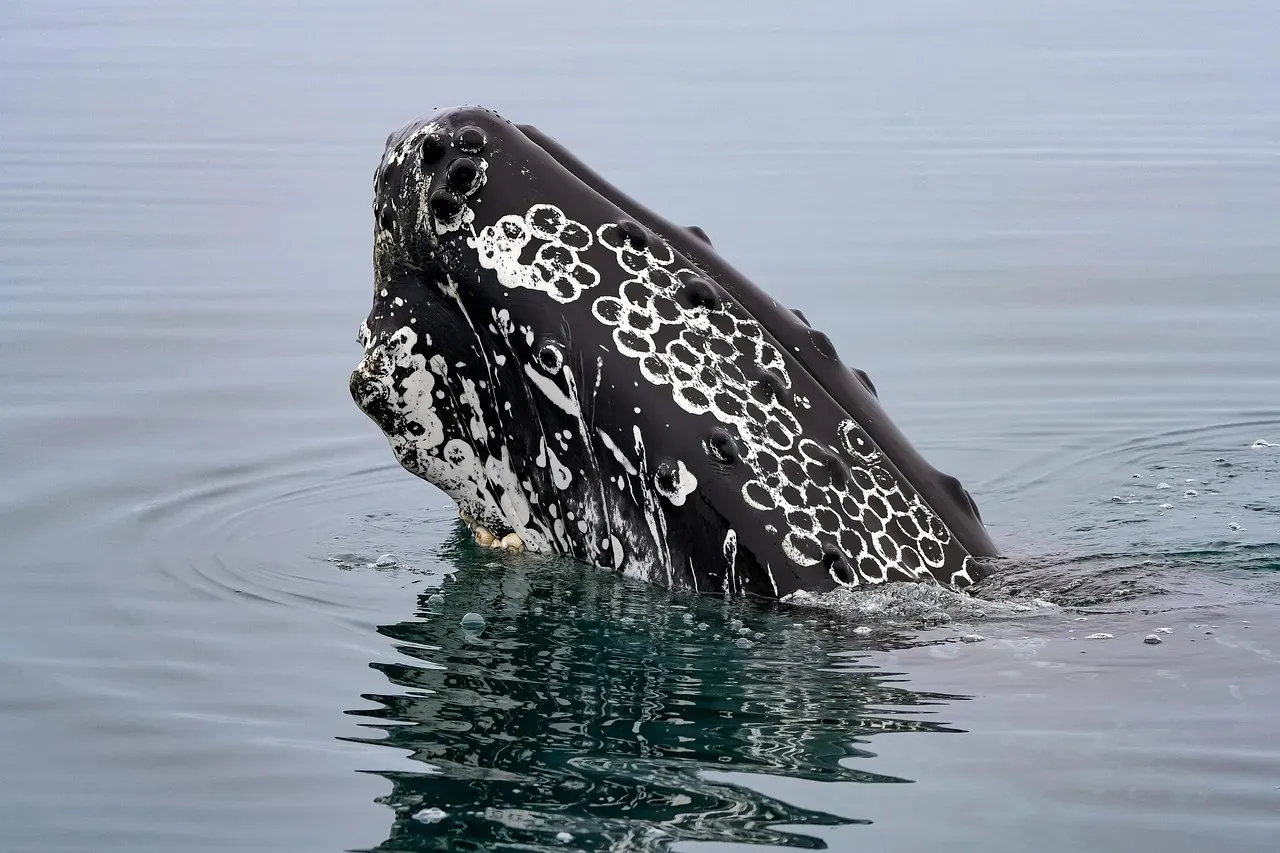
Of all the ocean giants, humpback whales offer perhaps the clearest proof that decisive action can bend the trajectory of a species. Before a final moratorium on commercial whaling in 1985, all populations of humpback whales were greatly reduced, most by more than 95 percent. That is a staggering collapse, and it happened fast.
Today, an estimated 84,000 humpbacks swim the world’s oceans, and many populations are still on the rise, even approaching their pre-whaling numbers. The recovery wasn’t luck. It came from coordinated legal protection, international cooperation, and persistent monitoring over decades.
In many areas, they have shown evidence of strong recovery with high annual increase rates recorded around the Antarctic, in the south-west Atlantic, off Australia, Southern Africa and South America. What’s also striking is that humpbacks appear to have adapted behaviorally as conditions have changed.
Humpback whale populations have rebounded significantly, now estimated at around 80,000, largely due to the 1986 commercial whaling ban and their dietary flexibility. Unlike some whale species, humpbacks adapt to changing food availability and exploit new habitats as sea ice recedes. Flexibility, it turns out, is a survival trait as powerful as size.
Blue Whales and Right Whales: Cautious Progress From Dangerously Low Numbers
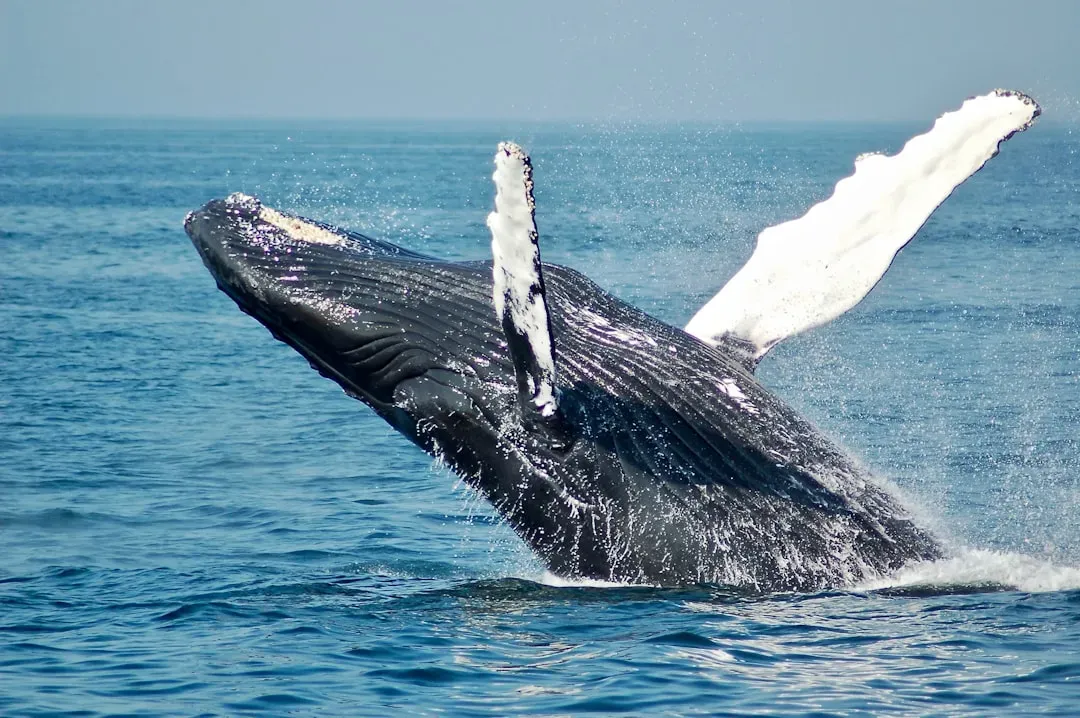
Not every story is as straightforwardly encouraging as the humpback’s. Blue whales – the largest animals ever to have lived on Earth – came perilously close to total extinction during the 20th century. The blue whale faced extinction towards the middle of the twentieth century due to commercial whaling. An international ban on hunting blue whales was introduced in the mid-1960s.
The blue whale population is now believed to be between 10,000 and 25,000, rising from approximately 2,000 at its lowest point. Despite the rise in population, the species is still classified as endangered by the International Union for Conservation of Nature. Progress is real, but the margin remains uncomfortably thin.
The North Atlantic right whale tells a similarly careful story. The most recent abundance estimate for the population is approximately 380 whales – an increase of approximately 20 individuals since 2020 – and marks the third consecutive year that the population has shown signs of increasing. Three consecutive years of increase, for a species this close to the edge, is genuinely significant.
In 2025, there were no detected right whale mortalities, undoubtedly positive news that underscores the need for continued protection of the species range-wide. Scientists remain cautious. The population still numbers fewer than 400 individuals, and as right whale numbers slowly rise, scientists stress the need for continued collaboration to monitor and protect these critically endangered animals throughout their range.
Manta Rays and Whale Sharks: Science Steps In Before It’s Too Late
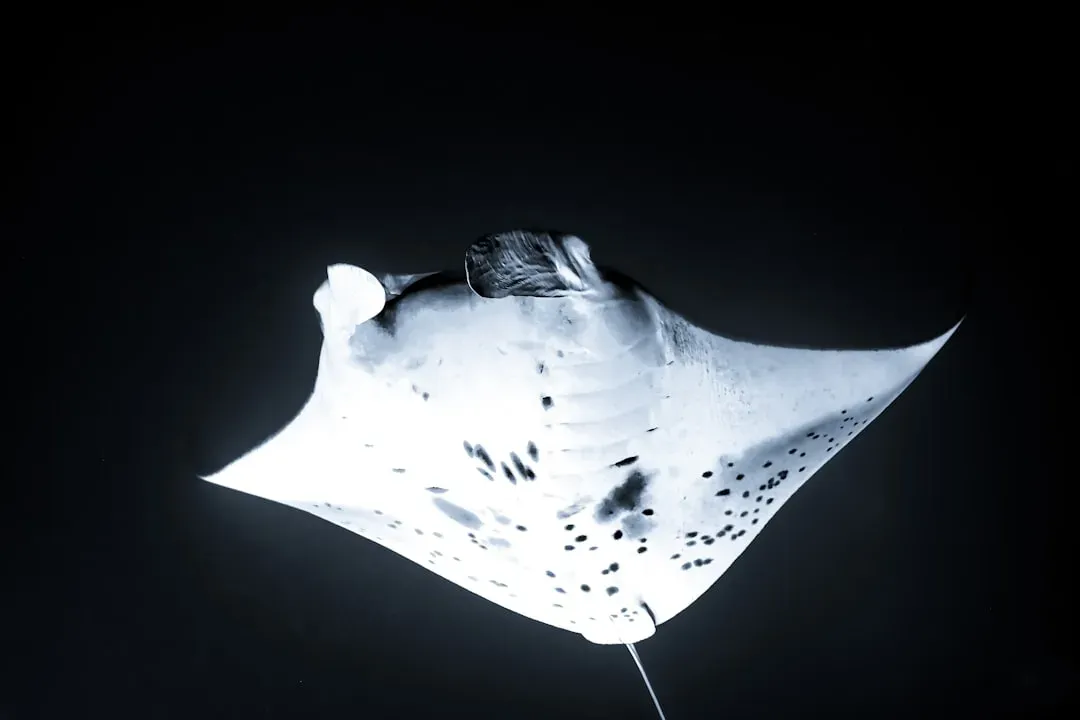
Among the ocean’s largest fish, the situation is more mixed and more urgent. Whale sharks and manta rays are filter feeders, largely harmless, and deeply popular with divers and scientists alike. Their appeal hasn’t insulated them from serious decline. Manta and devil rays can’t keep up. With one pup every two to three years, these rays cannot withstand commercial trade. Population declines over 90 percent and continued illegal trade make stronger protective listings essential.
Evolution has perfected the world’s sharks and rays for more than 420 million years. Unlike the ammonites or pterosaurs that they once shared the oceans with, sharks and rays persevered through five mass extinctions. Now, their resilience has been put to the test by overfishing. That context matters enormously. These are ancient survivors facing a very modern threat.
Still, science is catching up quickly. In 2025, after years of speculation, it was confirmed that there was a third species of manta. Lead author Dr. Andrea Marshall had theorized a third species after diving in the Atlantic Ocean with manta rays she didn’t recognize, and years of study, including genetic analysis, confirmed her hypothesis.
Building on community-contributed photos, researchers have now identified over 200 individual whale sharks from the Oman coast alone, and have identified linkages with surrounding countries and the Arabian Gulf. Photo-identification databases, citizen science networks, and satellite tagging are giving researchers tools to track these animals in ways that simply weren’t possible a generation ago.
Historic Trade Protections: A Global Turning Point for Sharks and Rays
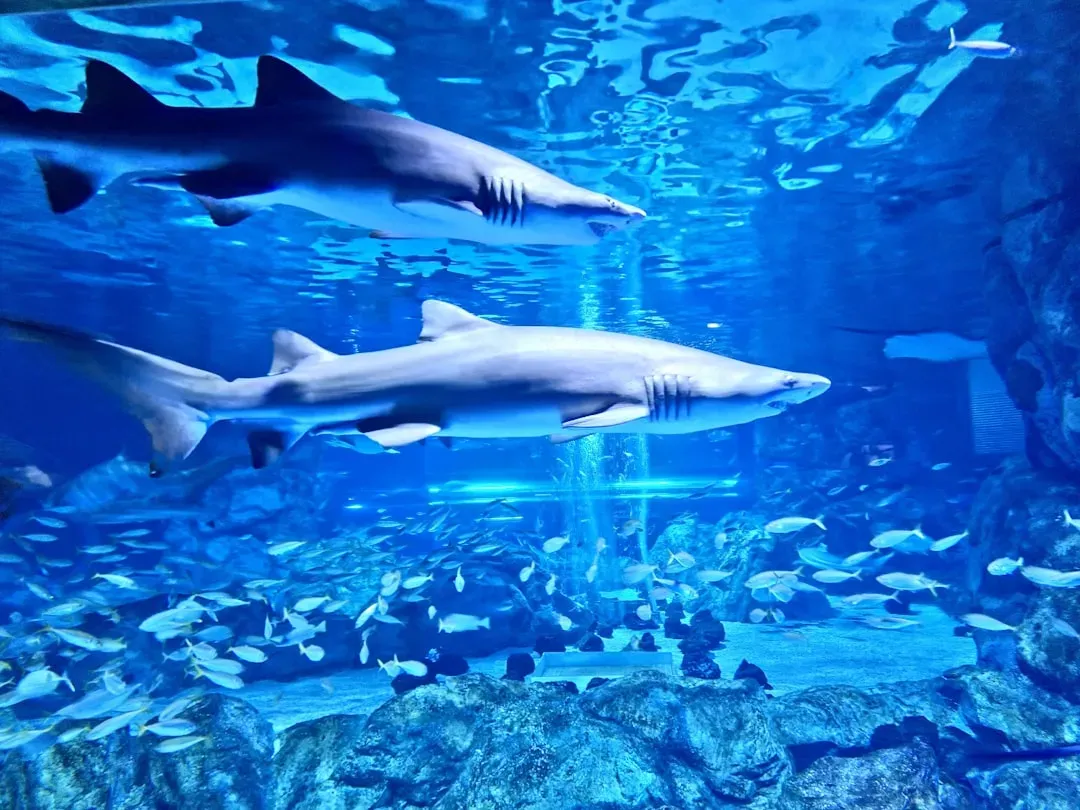
One of the most consequential developments for ocean giants in recent years came in late 2025. In a historic win for ocean conservation, CITES CoP20 adopted sweeping global protections for more than 70 shark and ray species, including a full international trade ban for the Oceanic Whitetip Shark. This marks the first-ever Appendix I listing for a shark, signaling a new era for marine conservation.
Overfishing is still the single largest threat to most endangered sharks and rays, so the recent addition of whale sharks, manta rays, rhino rays, and several other species to CITES Appendix I – effectively a global ban on international trade – represents a major step forward. The practical effect is that the commercial market driving the most damaging targeted fishing has now been legally closed off at the international level.
These measures aim to close long-standing loopholes in global trade that have fueled overexploitation for shark fins, gill plates, and meat – key drivers of population collapse in many regions. Enforcement, as experts acknowledge, remains the harder challenge. Laws on paper need implementation on the water.
Despite these landmark decisions, experts caution that the real test will lie in enforcement. The regulations provide the framework, but whether populations actually stabilize and recover will depend on how consistently they are applied across dozens of national jurisdictions and high-seas fishing fleets.
The High Seas Treaty and the Future of Ocean-Wide Recovery
Beyond individual species protections, a broader structural shift is taking shape for the ocean as a whole. In September 2025, the Agreement on the Conservation and Sustainable Use of Marine Biological Diversity of Areas beyond National Jurisdiction reached 60 ratifications – the milestone required to start the countdown to it becoming legally binding. From January 17, 2026, the agreement, also known as the High Seas Treaty, entered into force.
This matters enormously for ocean giants specifically, because most of the world’s great whales, sharks, and rays are migratory animals that spend large portions of their lives far beyond any country’s territorial waters. A huge no-fishing buffer was also expanded in the South Atlantic to guard humpback whale highways. Protection of migration corridors is at least as important as protecting individual feeding or breeding grounds.
Shark and ray populations are struggling across the world due to overfishing and other threats. A new report delineates 816 areas of the ocean that should be protected to help them recover. Mapping priority areas is a critical tool, though researchers note that far too few of those areas currently carry enforceable protections.
The ocean doesn’t recover by itself – it recovers when given the conditions to do so. Research and observations from 2025 demonstrated the ocean’s remarkable resilience: when protected from harm, it rebounds with stunning vitality. The High Seas Treaty, for all its complexity, creates a legal architecture that could finally make sustained recovery possible at scale.
Conclusion: What Recovery Actually Requires
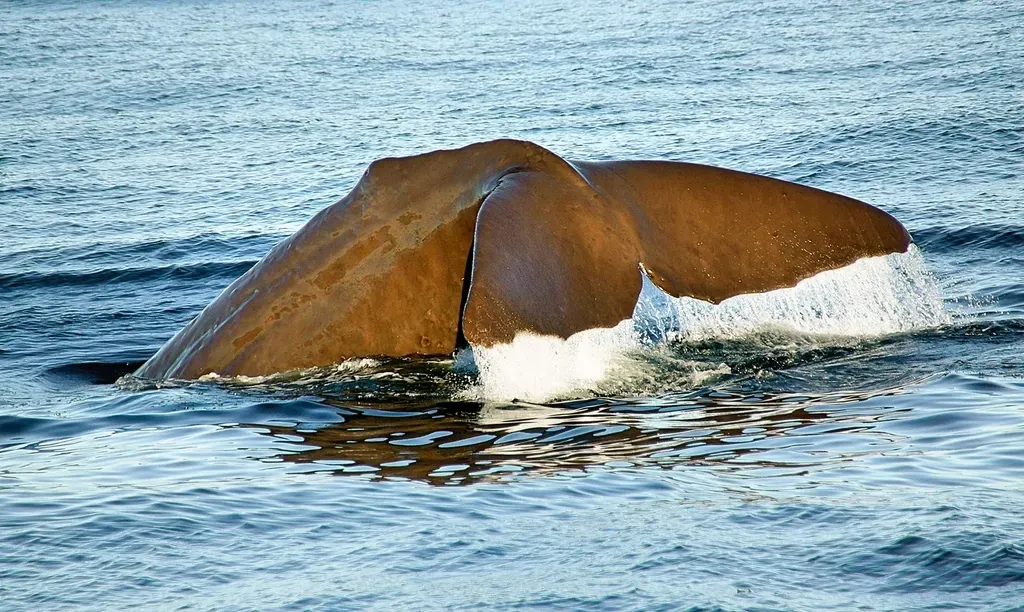
The story of the ocean’s gentle giants is neither purely hopeful nor purely grim. It’s something more instructive than either. Humpbacks prove that recovery is possible when protection is consistent and long-term. Blue whales and right whales demonstrate that proximity to extinction demands unwavering vigilance, even when numbers inch upward. Whale sharks and manta rays show that science, trade law, and community engagement can work together before populations tip past the point of no return.
What connects every cautious success story is time and sustained commitment. The recovery of humpback whales is a testament to the power of coordinated international conservation efforts. None of the progress described here happened quickly or easily, and none of it is irreversible.
These animals have survived ice ages, asteroid winters, and five mass extinctions. As predators and prey, they cycle nutrients in the ocean, act as carbon sinks, and provide nutritious proteins and livelihoods for coastal communities. They are not merely spectacular – they are structurally essential to the ocean systems that regulate life on this planet.
The odds were stacked against them. In some places, they’re still finding their way back. The question now is whether the protections put in place through the 2020s hold long enough for nature to do what it does, given the chance – recover.
Worried about unexpected vet bills?
Pet insurance can cover thousands in unexpected vet costs. Get a free quote from Lemonade in under 2 minutes.
Get My Free Quote →Sponsored · Opens Lemonade.com
