
Worried about unexpected vet bills?
Pet insurance can cover thousands in unexpected vet costs. Get a free quote from Lemonade in under 2 minutes.
Get My Free Quote →Sponsored · Opens Lemonade.com
There’s a quiet kind of monitoring happening in meadows, backyards, and nature preserves all across the United States. It doesn’t require expensive equipment or satellite data. It only requires paying attention to which butterflies show up – and which ones don’t anymore.
Butterflies have long served as one of nature’s most visible and sensitive gauges of environmental health. Their presence or absence tells a layered story about the state of local plants, soils, pesticide loads, and climate conditions. What that story is saying right now, backed by the most comprehensive data ever gathered on American butterflies, is worth listening to carefully.
A Nation-Scale Warning: The Numbers Behind the Decline
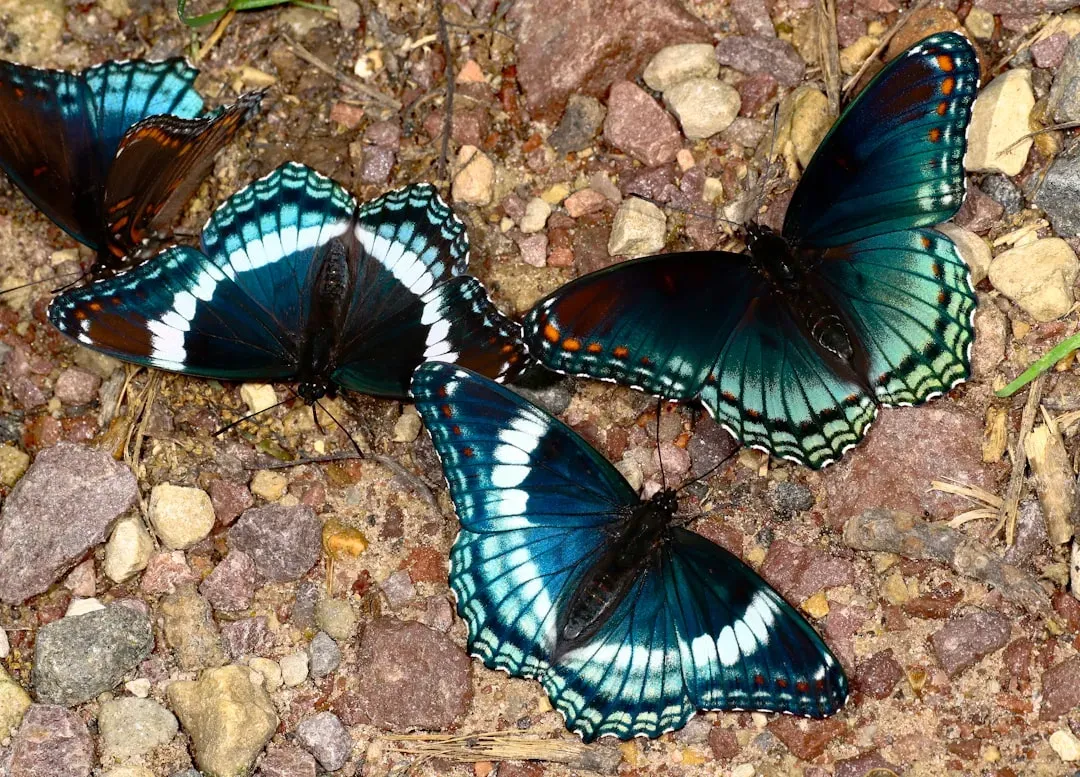
Using records of 12.6 million individual butterflies from more than 76,000 surveys across 35 monitoring programs, researchers characterized overall and species-specific butterfly abundance trends across the contiguous United States. The result was a picture both detailed and deeply troubling.
Between 2000 and 2020, total butterfly abundance fell by roughly a fifth across the 554 recorded species, with 13 times as many species declining as increasing. To put that in plain terms: for every five butterflies seen 20 years ago, now there are only four.
About half of the species had populations that declined by more than 42 percent over the twenty-year period, while 107 species declined more than 50 percent, and four species more than 99 percent. Those aren’t outliers. They reflect a systemic shift across American landscapes.
The first countrywide systematic analysis of butterfly abundance found that the number of butterflies in the Lower 48 states has been falling on average 1.3 percent a year since the turn of the century, with 114 species showing significant declines and only nine increasing.
What Butterflies Actually Tell Us About Ecosystem Health
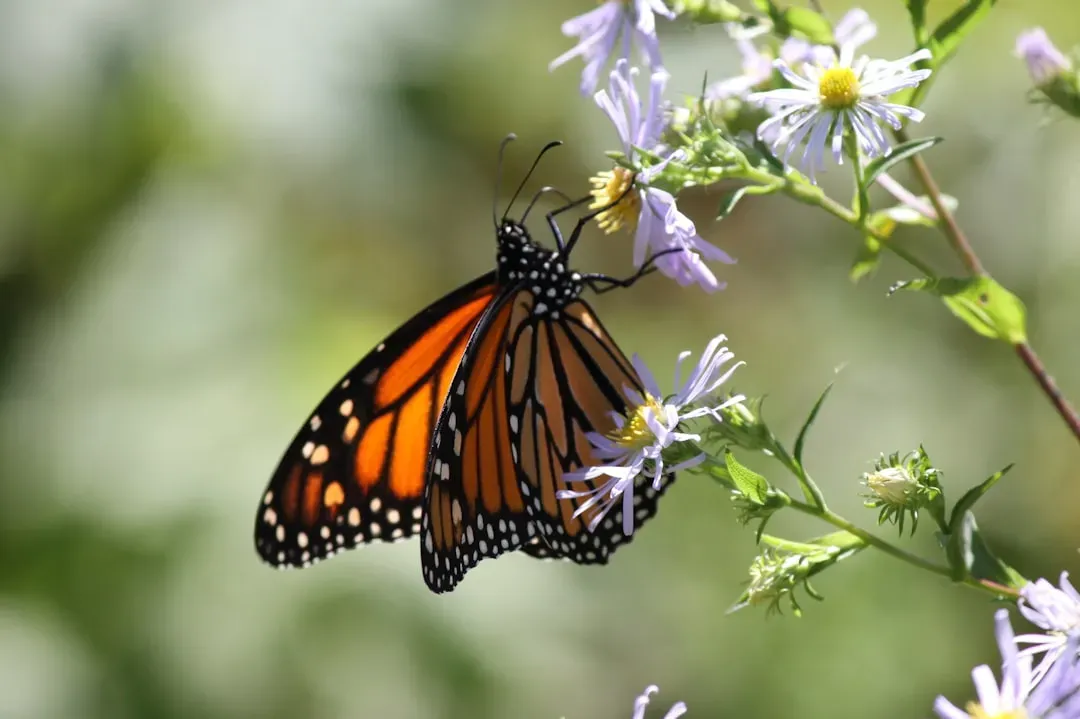
As the most-studied insects, butterflies can offer a window onto the overall health of an ecosystem. Study co-author Elizabeth Crone, an ecology professor at UC Davis, compared them to “the canary in the coal mine, saying something is not right in the environment.”
Butterflies are environmental indicators because they require resources that are only found in a functioning and often somewhat pristine habitat. Scientists use the presence or absence of butterflies as a predictor of whether an ecosystem is healthy, and research into the size of butterfly populations is a particularly accurate way of measuring how stable an ecosystem is.
Areas rich in butterfly populations are often a signal of robust and thriving populations of other invertebrates, including pollinators like bees and beneficial predators. These diverse invertebrate communities collectively provide essential ecosystem services such as pollination of plants, including many crops, and natural pest control.
Butterflies play a significant role in nutrient cycling and serve as a food source for birds and other wildlife. Their populations also provide a critical early warning system for broader biodiversity changes, as butterflies respond quickly to environmental disruptions.
The Drivers: What’s Pushing Populations Down
Climate change, habitat loss, and insecticides tend to work together to weaken butterfly populations. Of the three, insecticides appear to be the biggest cause, based on previous research from the U.S. Midwest.
The biggest decrease in butterflies was in the Southwest – Arizona, New Mexico, Texas, and Oklahoma – where the number of butterflies dropped by more than half in the 20 years. Declines were most severe in the Southwest, where increasing heat driven by climate change is a likely factor. In the Southwest, one of the biggest changes is increasing drought, which is damaging or killing the plants that butterflies eat as well as potentially stressing the butterflies themselves.
Using three decades of butterfly monitoring data aggregated from the Midwestern United States, researchers found that no butterfly species increased in abundance from 1992 to 2023, with 59 out of 136 species declining at rates between roughly 1 and nearly 7 percent per year.
When declines are so widespread spatially and across traits, it points to large-scale processes. Large-scale conversion of natural lands for agriculture or development has shrunk the habitats butterflies need to thrive, and pesticides used in farming are directly harming many species, especially in the Midwest.
The Ripple Effects Through the Food Web
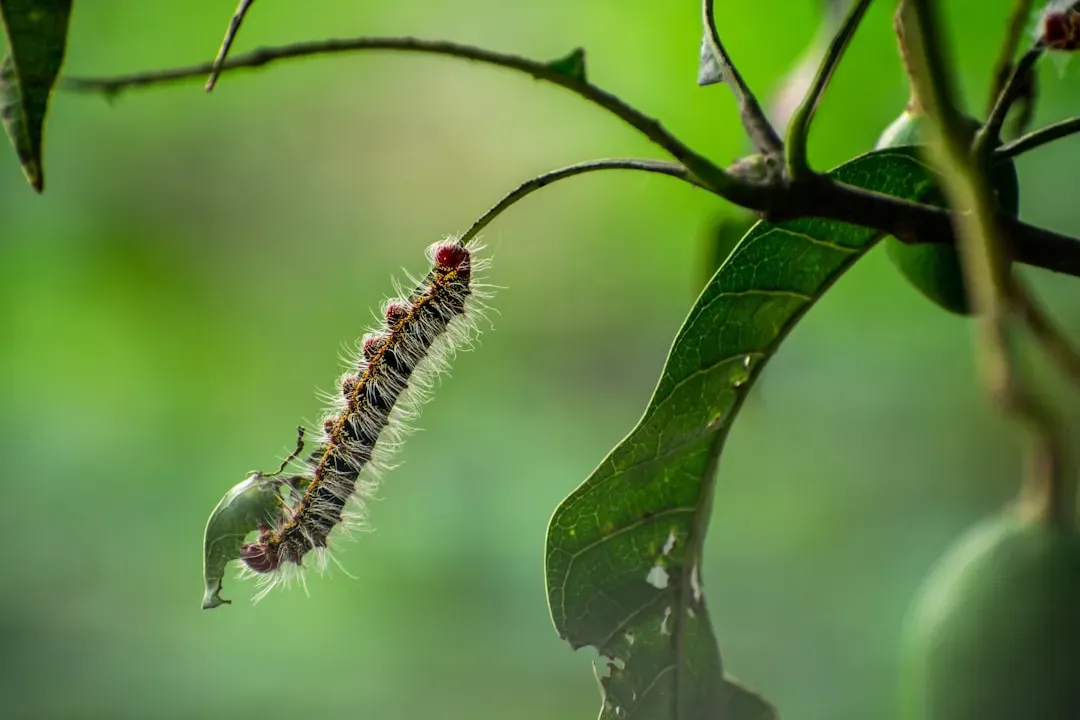
Caterpillars – the larval stage of butterflies and moths – transfer energy from plants to other animals, and are the primary food for the offspring of breeding birds in North America, even those that generally do not feed on insects as adults. This connection is easy to overlook but ecologically profound.
If butterflies and caterpillars were no longer available as a food source, it would have cascading effects throughout the food chain. Predatory birds and other animals that rely on these insects would face decreased food availability, potentially impacting their reproductive success and population dynamics. This could lead to disruptions in predator-prey relationships and overall ecosystem stability.
Insects are linked with ecosystem services and functions, and their widespread declines are likely having cascading effects on both higher and lower trophic levels. The disappearance of butterflies, in other words, isn’t an isolated event – it reshapes the entire web of life around them.
Butterflies are also pollinators, though not as prominent as bees, and are a major source of pollination of the Texas cotton crop. Some species of butterflies migrate over long distances, carrying pollen to be shared across plants that are far apart from one another. This migration of pollen induces genetic variation in plant species and gives them a better chance at survival against different diseases.
Reasons for Hope: Citizen Science, Conservation, and Recovery
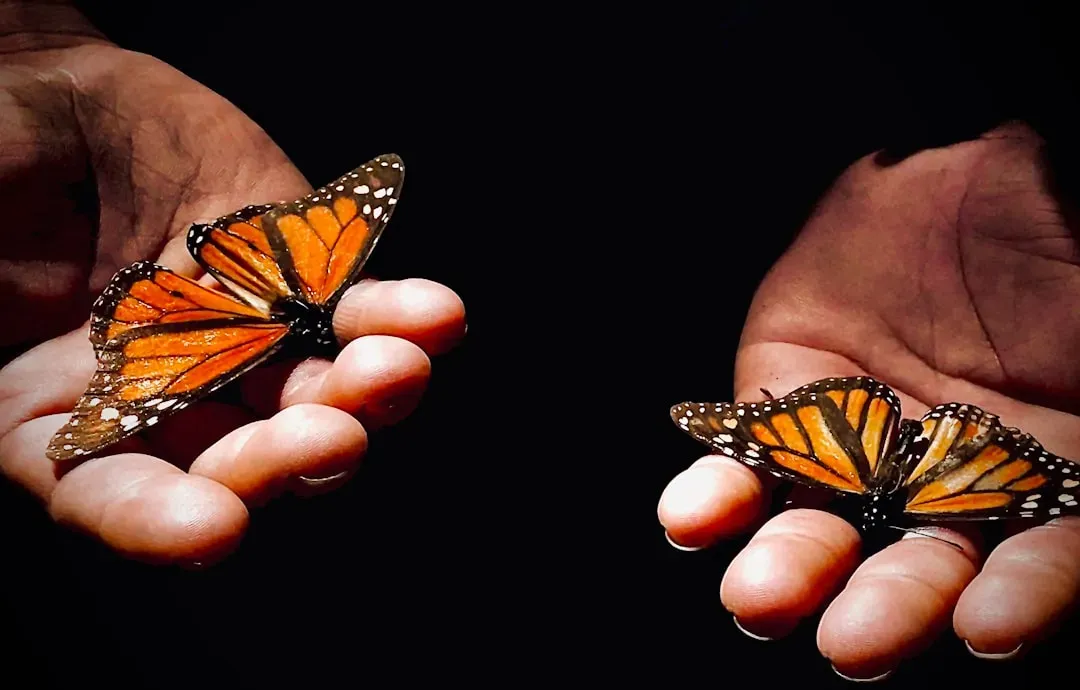
Many of the monitoring programs that revealed the scale of the butterfly decline rely on citizen science efforts, meaning understanding the full scope of the problem wouldn’t have been possible without community involvement. That same community is now central to the response.
Some butterflies are even increasing their numbers in the Northeast, as warmer winters allow some species to expand their range or lay eggs twice each year. Butterflies have the potential for rapid population growth under the right circumstances, making species recovery possible – even from very small population sizes. That resilience is one of the few genuinely encouraging facts in an otherwise difficult picture.
Ensuring that host plants for caterpillars and nectar plants for adults are available throughout the entire growing season can help stabilize and improve the chances of butterfly populations bouncing back, as can protecting the spaces butterflies use from pesticides. Access to high quality, pesticide-free habitat can help butterflies and other pollinators be more resilient to climate change.
In 2025, 100,000 native Oyamel fir trees were planted across 32 reforestation sites in Mexico’s Monarch Butterfly Biosphere Reserve – one of the most critical ecosystems in North America. These new forests will serve as safe winter sanctuaries for millions of monarchs that migrate up to 3,000 miles each year. Meanwhile, approximately 2,000 mayors and other local and tribal government leaders have taken action to help save the monarch butterfly through the National Wildlife Federation’s Mayors’ Monarch Pledge, with communities committing to creating habitat for the monarch and other pollinators.
Conclusion: What We Choose to Pay Attention To
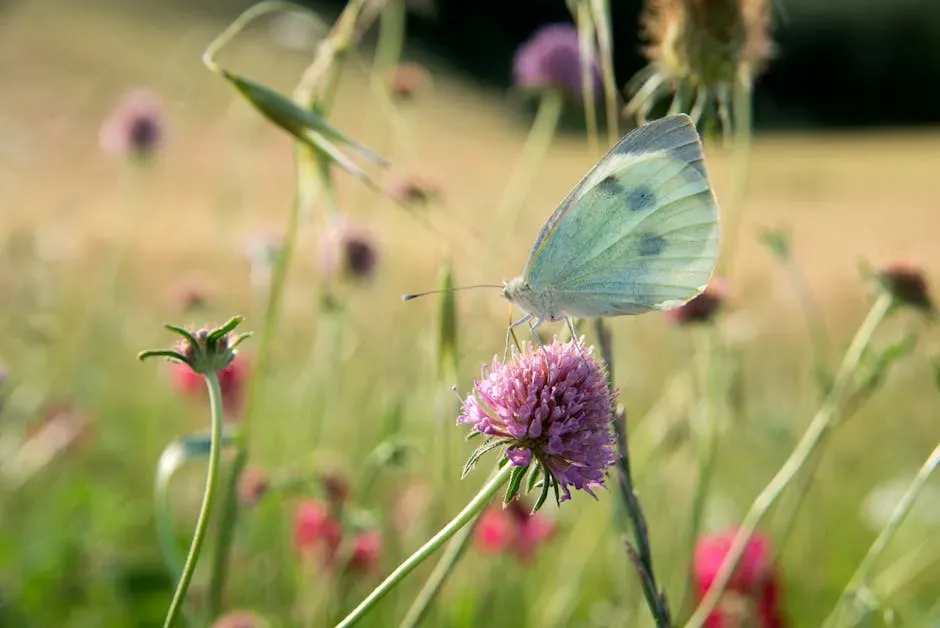
The data on American butterflies is now clearer than it has ever been, and the message it carries extends well beyond the insects themselves. A local meadow stripped of its wildflowers, or a field treated heavily with insecticides, doesn’t just lose its butterflies. It loses a set of ecological signals that warn us about what’s changing at every level of the natural world.
Highlighting what’s happening with butterflies helps to provide a clearer picture of insect population decline overall. Insects are declining at rates of about 1 to 2 percent per year, which has come out across several studies. Butterflies are simply the group we know most about.
Recovering butterflies will require combining efforts across towns and cities, working lands, and natural areas, as well as the linkages and stepping stones that provide connecting pathways. Achieving a healthy landscape will involve collaborations that use land management knowledge coupled with applied science to identify the best ways to help. Helping butterflies thrive will, in turn, have immense benefits for human health and well-being.
The butterflies that still drift through American gardens and grasslands each summer are doing more than just looking beautiful. They’re reporting back on the state of the world we share with them – and whether we’re listening carefully enough is a question only we can answer.
Worried about unexpected vet bills?
Pet insurance can cover thousands in unexpected vet costs. Get a free quote from Lemonade in under 2 minutes.
Get My Free Quote →Sponsored · Opens Lemonade.com
