
Most of us picture wildlife in forests, wetlands, or open plains. A wolf on a ridge. A hawk drifting above a canyon. Not a falcon perched on the 40th floor of a downtown office building, or a coyote trotting quietly across a freeway overpass at 2 a.m. Yet that second image is becoming the norm.
As more scientists study the creatures right under our noses, a consistent message is emerging: many species are adapting to urban life in unprecedented ways. Research shows that urban areas now host over 20,000 different species worldwide, from tiny insects to large mammals. The city, it turns out, is not the dead zone for wildlife it was once assumed to be. It’s something closer to an evolutionary laboratory.
1. The Peregrine Falcon: Speed Meets Skyline
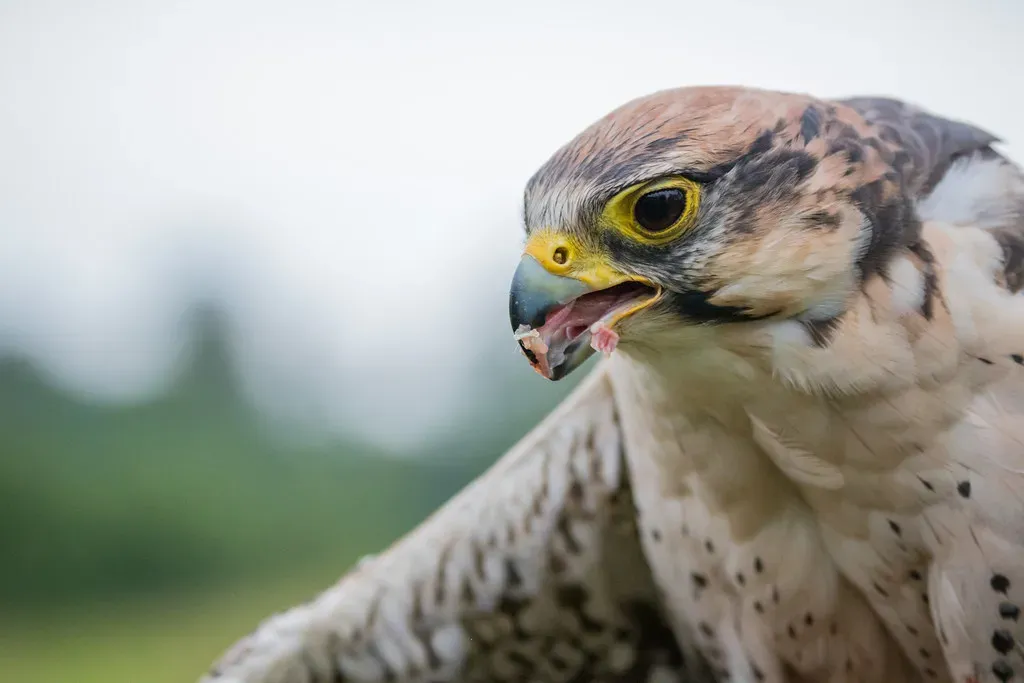
Few stories in urban wildlife are as striking as the comeback of the peregrine falcon. Once critically endangered due to DDT poisoning, peregrine falcons have made a remarkable comeback by establishing themselves in urban environments, adapting to view skyscrapers and tall buildings as artificial cliffs.
Large urban areas offer an abundant prey base, a lack of great horned owls, and tall buildings which mimic cliff faces and offer relative solitude far above the streets. The city, for a peregrine, is essentially a mountain range made of glass and steel.
Studies show that urban peregrines may even outperform their rural counterparts, with some city populations achieving higher breeding success rates. In cities like New York, Chicago, and London, dedicated conservation programs have installed nesting boxes on tall buildings. The recovery of this species is one of conservation’s genuine success stories.
2. The Raccoon: City’s Most Resourceful Resident
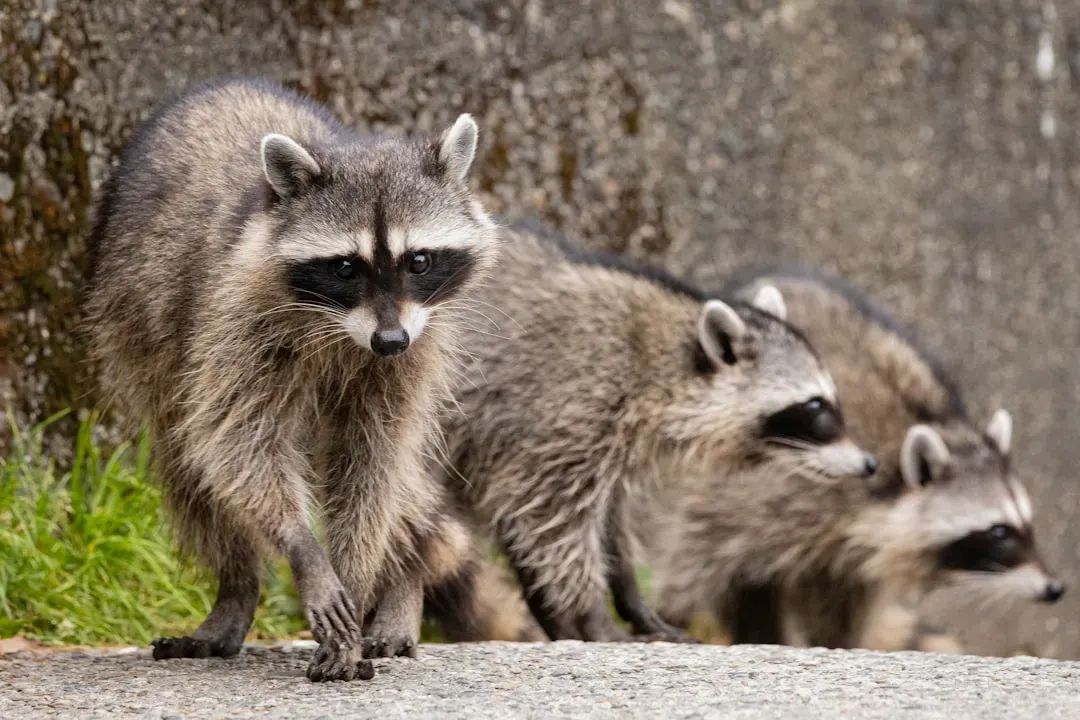
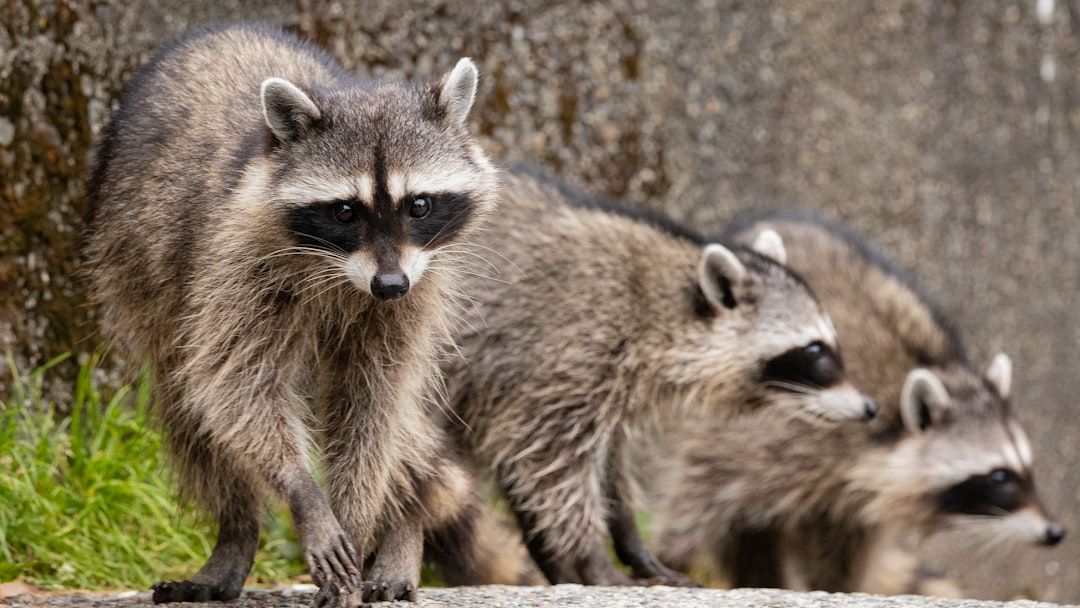
With their remarkable dexterity and problem-solving abilities, raccoons have become one of the most successful urban adaptors. Their naturally high intelligence and omnivorous diet make them perfectly suited for city life.
Urban raccoons have demonstrated the ability to remember solutions to complex tasks for up to three years and have developed specific strategies for accessing human garbage. Research from the University of Wyoming found that urban raccoons have larger brain sizes relative to their rural cousins, suggesting cognitive adaptation to complex urban environments.
Raccoons figure out how to yank bungee cords off trash cans. That detail alone says a great deal. These are not animals merely tolerating the city. They’re studying it.
3. The Coyote: The Wild West Moves Downtown
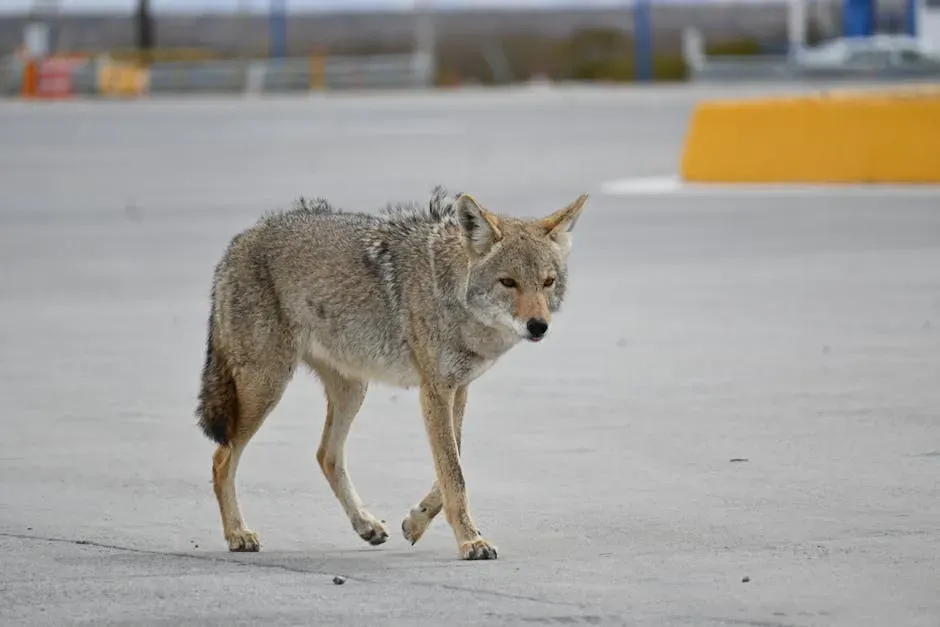
While black bears have reclaimed about half their former range, coyotes, native to the Great Plains, have taken the United States by storm in recent decades. They can now be found in every state except Hawaii and most major cities. The metropolis most synonymous with the urban coyote is Chicago, home to as many as 4,000 of the animals.
Urban coyotes have adjusted their behavior to avoid humans by becoming more nocturnal and using green spaces, golf courses, and cemetery corridors to travel through cities undetected. A long-term study in Chicago found that urban coyotes have adapted their diet to include more human-associated foods but still primarily consume natural prey like rodents and rabbits, providing valuable pest control services.
Urban coyotes also tend to form more monogamous family groups compared to their rural counterparts, possibly as an adaptation to the more limited territory available in fragmented urban landscapes. Subtle, flexible, and remarkably patient, they are arguably the city’s most sophisticated wild tenant.
4. The Urban Fox: London’s Nighttime Regular
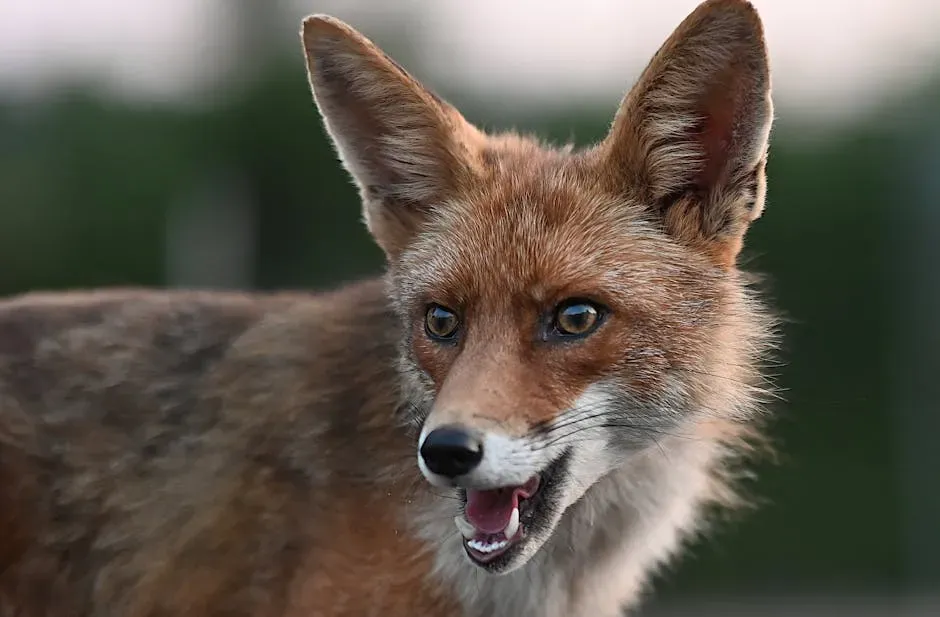
Urban foxes, particularly in London, have become adept at city living. These creatures thrive on fast food leftovers, often seen rummaging through bins or skulking through alleyways. Foxes have adapted to the noise and traffic of bustling metropolises, using their keen senses to navigate safely.
Red foxes have become so well-established in urban areas that some city populations are now genetically distinct from their rural relatives. These adaptable canids thrive in suburban and urban environments across Europe and North America, adjusting their primarily nocturnal behavior to avoid human contact.
Urban foxes have become more flexible in their hunting schedules, taking advantage of late-night food opportunities around restaurants and bars. The city nightlife, it seems, works just as well for foxes as it does for people.
5. The Blackbird: An Urban Species in the Making
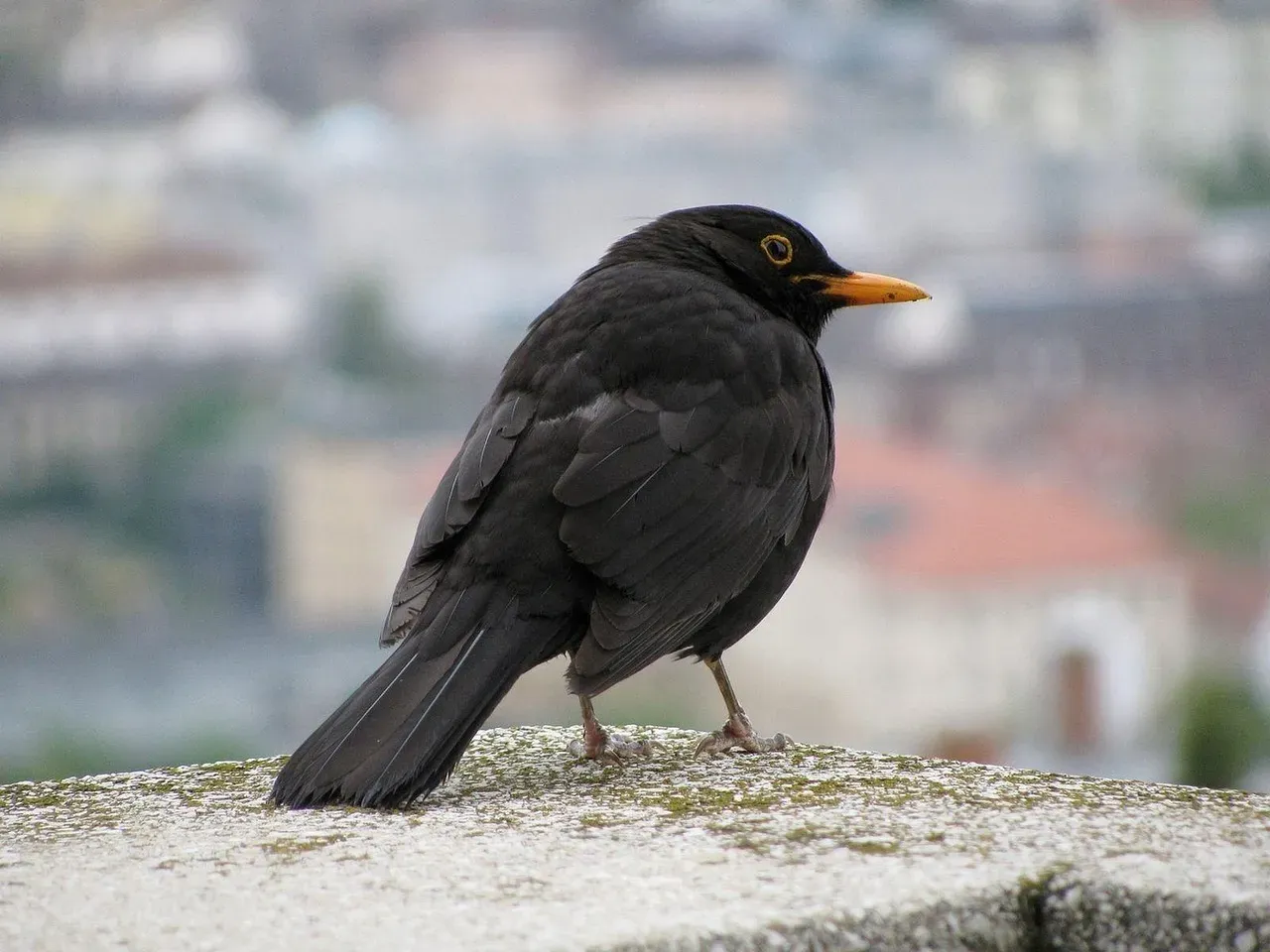
Blackbirds started colonizing cities about two hundred years ago, in Germany and Italy. The urban streak then spread throughout Europe and into Asia. Before that time they were shy forest birds.
City blackbirds have changed in so many different ways that you can compare them, like Darwin’s finches, to animals adapted to a new ecological niche. City blackbirds have shorter beaks, don’t migrate anymore, have different stress responses, start breeding much earlier in the year, and sing at a different pitch. All these things prevent them from crossbreeding with forest blackbirds, which is also a crucial step in producing a new species.
That’s not just adaptation. That’s divergence. The city blackbird may be slowly becoming its own thing entirely, shaped not by wilderness but by the rhythm of urban life.
6. The Great Tit: Rewriting Its Own Song
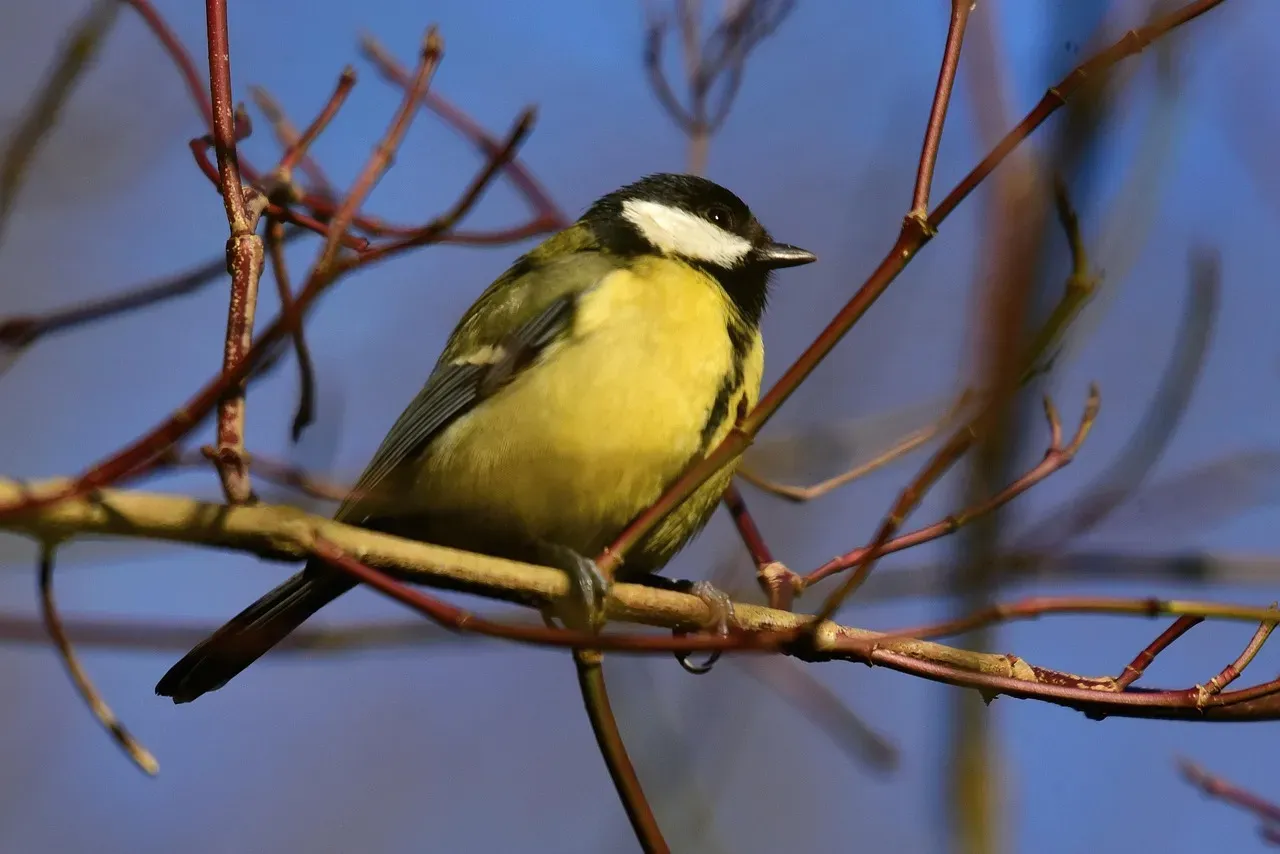
Urban birds may sing louder, start singing earlier in the morning, or at higher frequencies to avoid getting drowned out by low-frequency traffic noise. Among city birds, few illustrate this more clearly than the great tit.
Great tits in European cities now sing at higher frequencies to cut through low-frequency traffic noise. Some species have developed entirely new song dialects, with urban birds sounding distinctly different from their forest-dwelling relatives.
Nightingales in cities have been recorded singing up to 14 decibels louder than rural birds, roughly the difference between a whisper and normal conversation. Noise pollution, in other words, is not simply damaging urban bird populations. It’s actively shaping them.
7. The Opossum: Nature’s Urban Cleanup Crew
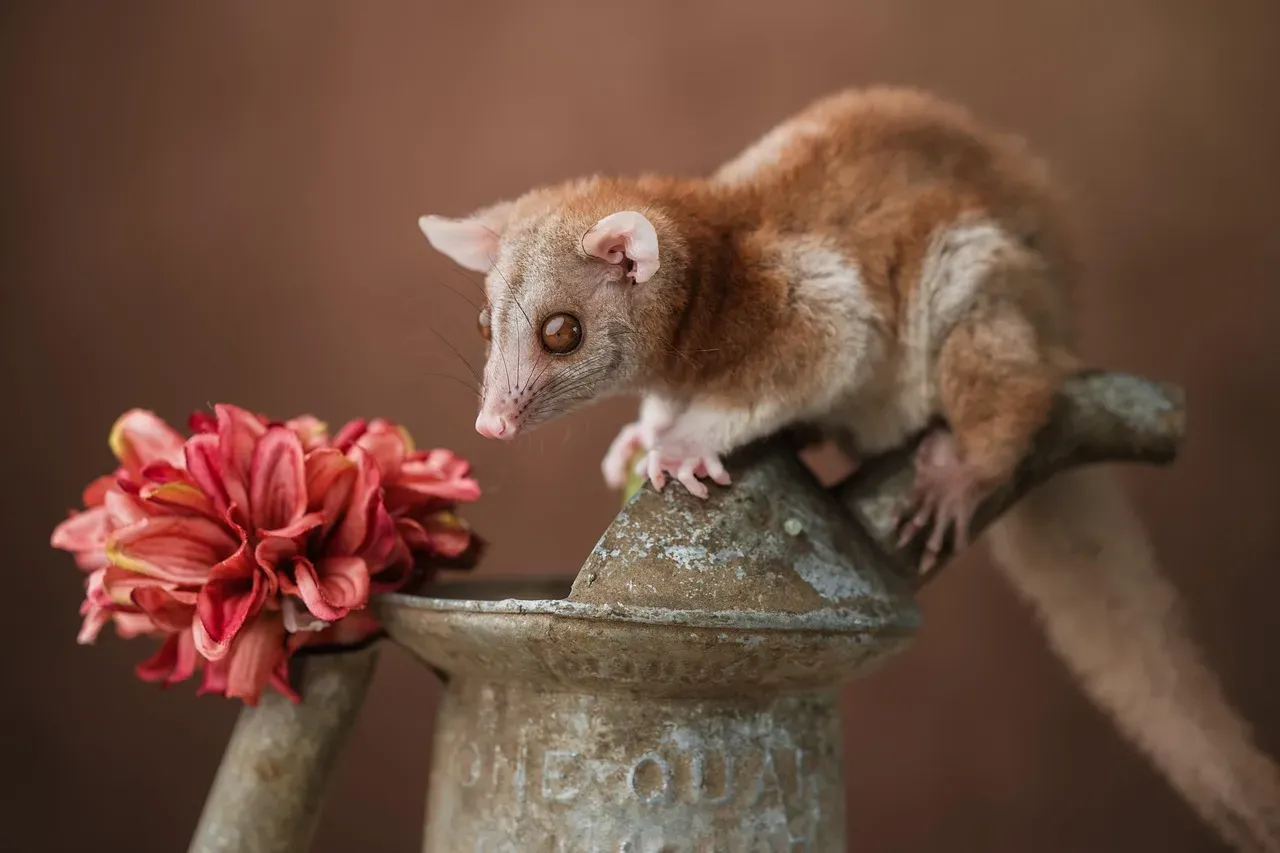
Opossums have become unexpected residents of urban areas, their nocturnal habits allowing them to thrive in city environments. These marsupials have adapted their diet to include fruits, insects, and even carrion found in urban settings.
Opossums have developed a unique defense mechanism, playing dead when threatened, which helps them avoid predators in the city. Their ability to adapt to various habitats, including attics and under decks, showcases their resilience and resourcefulness.
Opossums also play a rarely acknowledged ecological role. They consume large numbers of ticks, insects, and rotting material, quietly contributing to the health of urban green spaces. Overlooked and often misunderstood, they’re doing quiet, useful work most city residents never notice.
8. The Wild Boar: Berlin’s Unlikely Neighborhood Problem
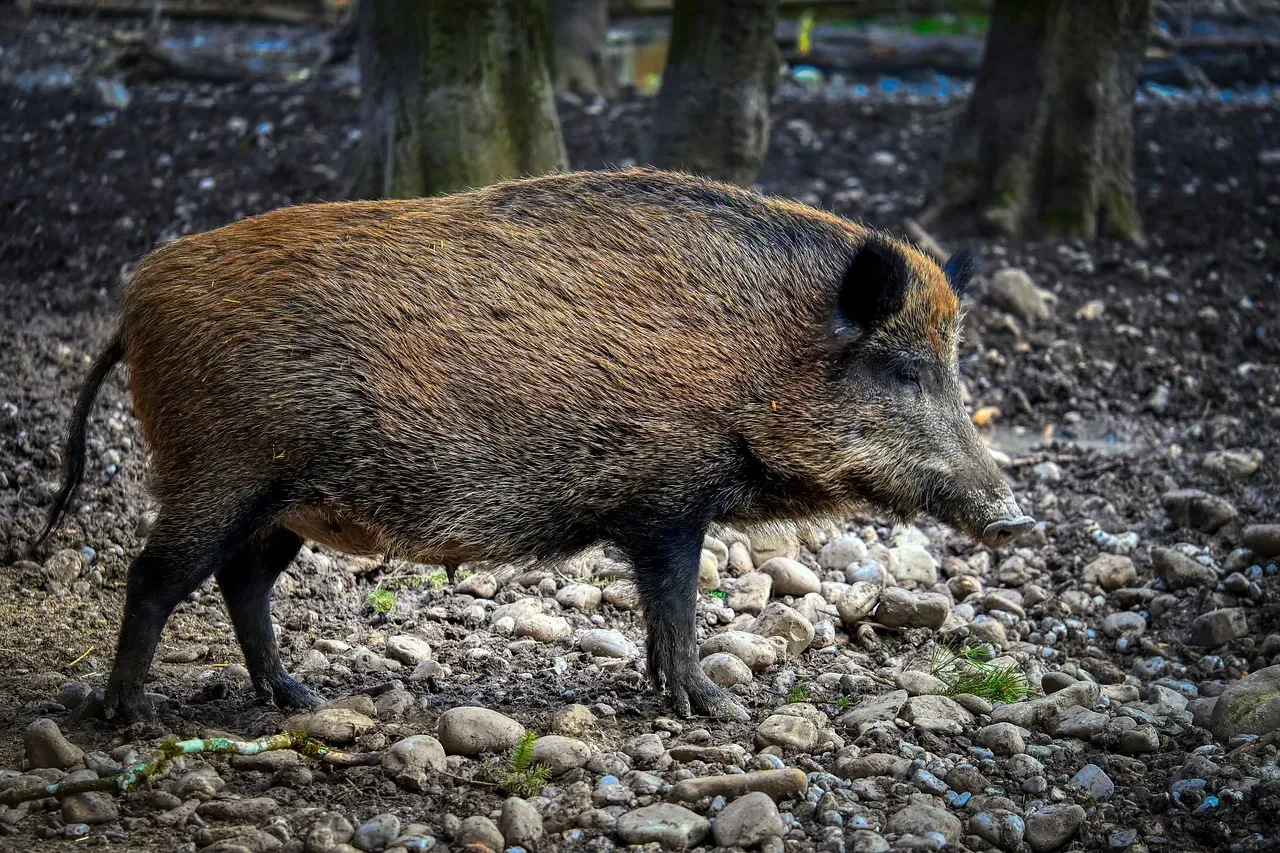
In some cases, even large animals have been found living in cities. Berlin has wild boars. This is not a new phenomenon, but the scale of it remains genuinely surprising to those who haven’t seen it firsthand.
A review of 83 urban wildlife studies across six continents found that the vast majority of citified mammals behaved differently from their rural peers. Most of these animals became active at night to avoid people, expanded their natural diets to include human foods, and shrank their home ranges to much smaller areas. Boars fit this pattern well, rooting through parks and gardens after dark and retreating before morning commuters appear.
Berlin’s urban boar population has become significant enough to require active wildlife management. Their presence is a reminder that “urban wildlife” doesn’t always mean small or subtle.
9. The Red-Tailed Hawk: Hunting Above the Traffic
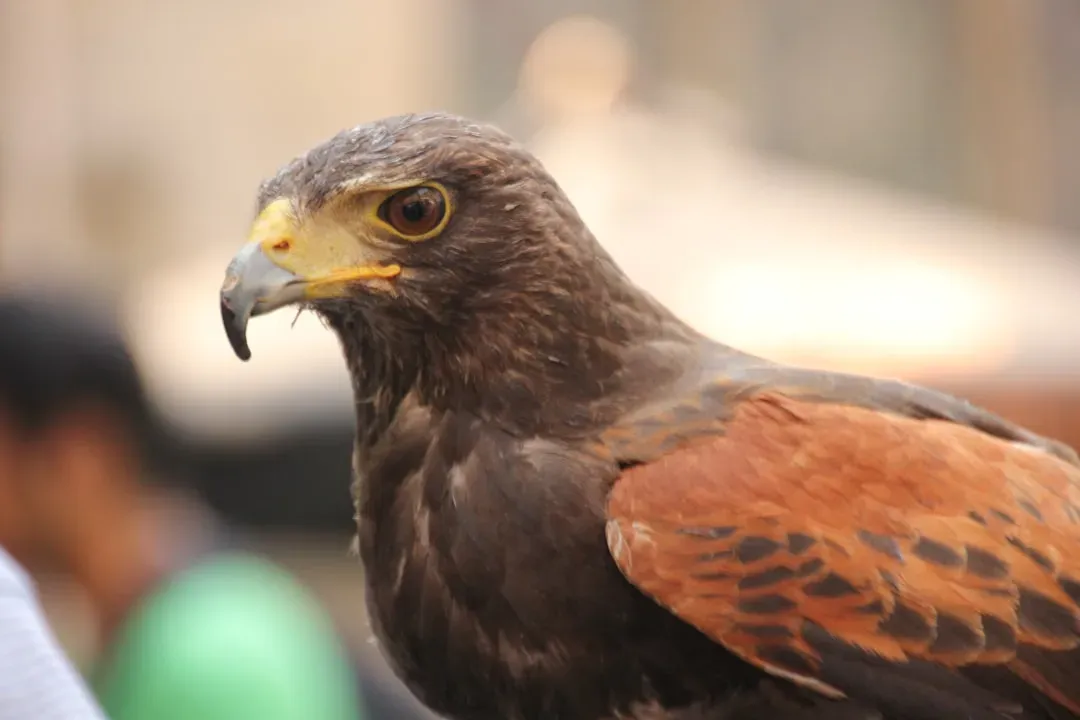
Red-tailed hawks are often seen soaring gracefully above cityscapes, their keen senses attuned to the rhythms of urban life. They have adapted remarkably well to life in the city, thriving in unexpected habitats.
These birds of prey hunt rats and pigeons from their perches on skyscraper ledges. Their sharp eyesight and powerful talons make them formidable predators, well-suited to the urban hunting grounds.
Red-tailed hawks are the aerial authorities of cities like New York, especially known for nesting along 5th Avenue. These raptors are expert hunters, often seen circling the sky with a commanding presence, their striking red tails and keen eyesight making them a favorite among bird watchers. The city has given them an extraordinary pantry.
10. The Eurasian Otter: Making Use of Cleaner Urban Rivers
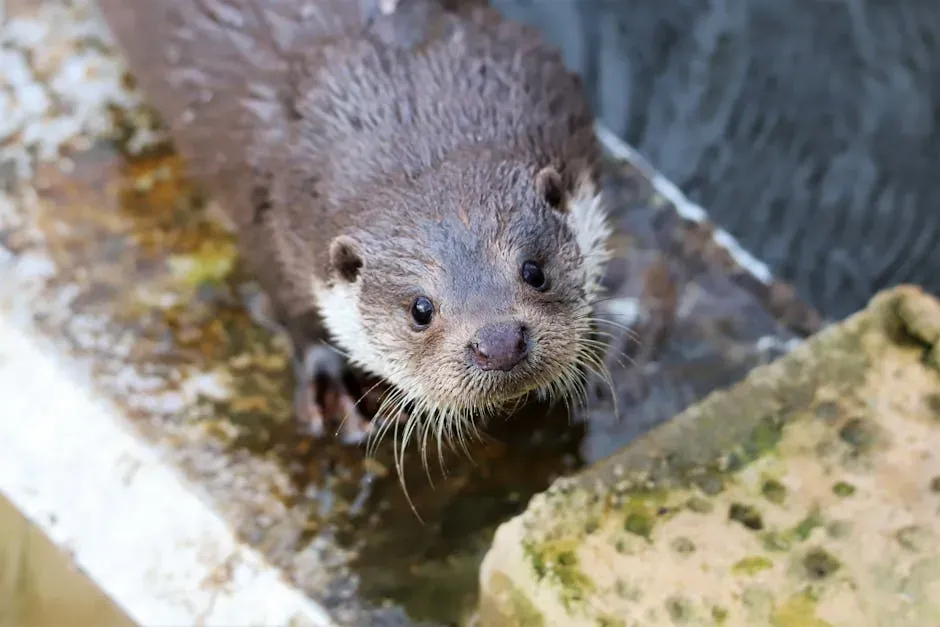
In the United Kingdom, improvements in water quality in urban areas have coincided with reintroduction and conservation projects for the Eurasian otter, resulting in frequent sightings of these animals in urban and suburban environments. Otters have been recorded in settlements ranging from large towns and small cities such as Andover, Inverness, and Exeter, to major cities such as London, Manchester, Birmingham, and Edinburgh.
The return of otters to urban waterways is less about the animals becoming city-dwellers and more about rivers becoming livable again. Clean water was always the key. Once the rivers improved, the otters simply followed the fish upstream into the heart of the city.
This makes the otter one of the more hopeful urban wildlife stories. It demonstrates that when humans clean up their act, nature can reclaim space remarkably quickly.
11. The White-Footed Mouse: Evolving on the Streets of Manhattan
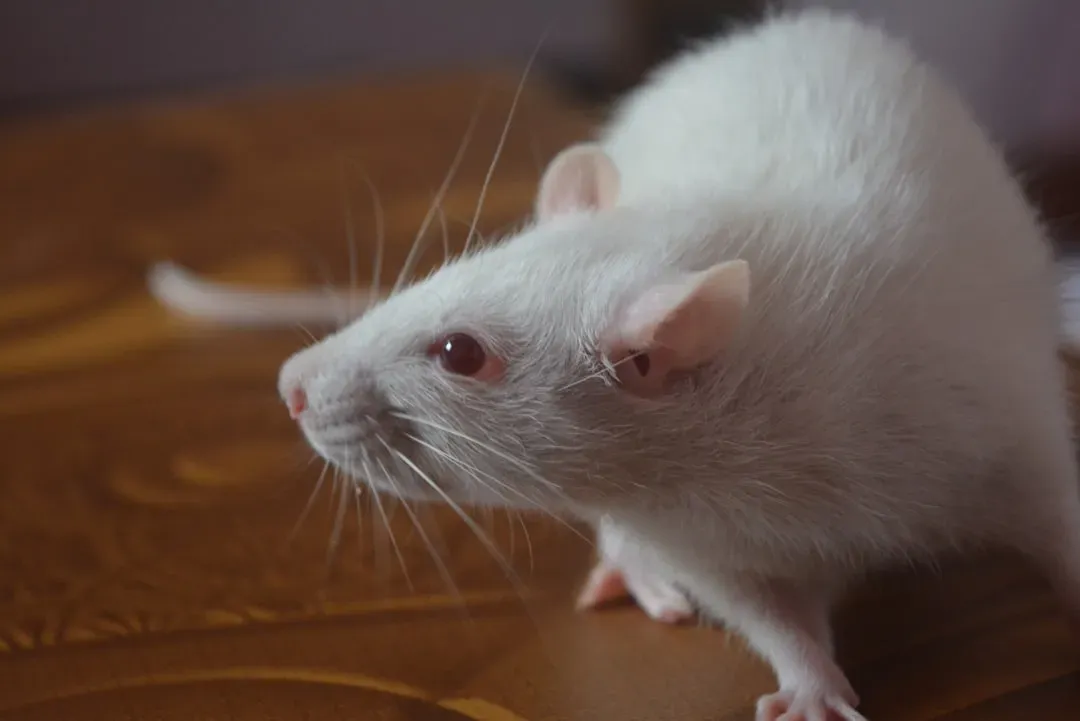
White-footed mice in Central Park are evolving to better deal with the fatty foods that New Yorkers serendipitously drop their way. This is a small but genuinely fascinating example of rapid urban evolution playing out in real time.
There is evidence of rapid genetic evolution among animals in cities. Urban water fleas, for example, grow and mature faster and can withstand higher temperatures than rural water fleas. The same pressures are at work in mice navigating the specific food landscape of a New York borough.
The evolution of species occurs faster in cities because new mutations that give a species the ability to survive in that extreme environment spread very rapidly. This is what researchers call HIREC, or human-induced rapid evolutionary change. It is visible in cities and other environments where humans create a new habitat or ecological situation, with adaptations taking place in the space of decades or even years.
12. The Urban Crow: Smart, Social, and Watching You
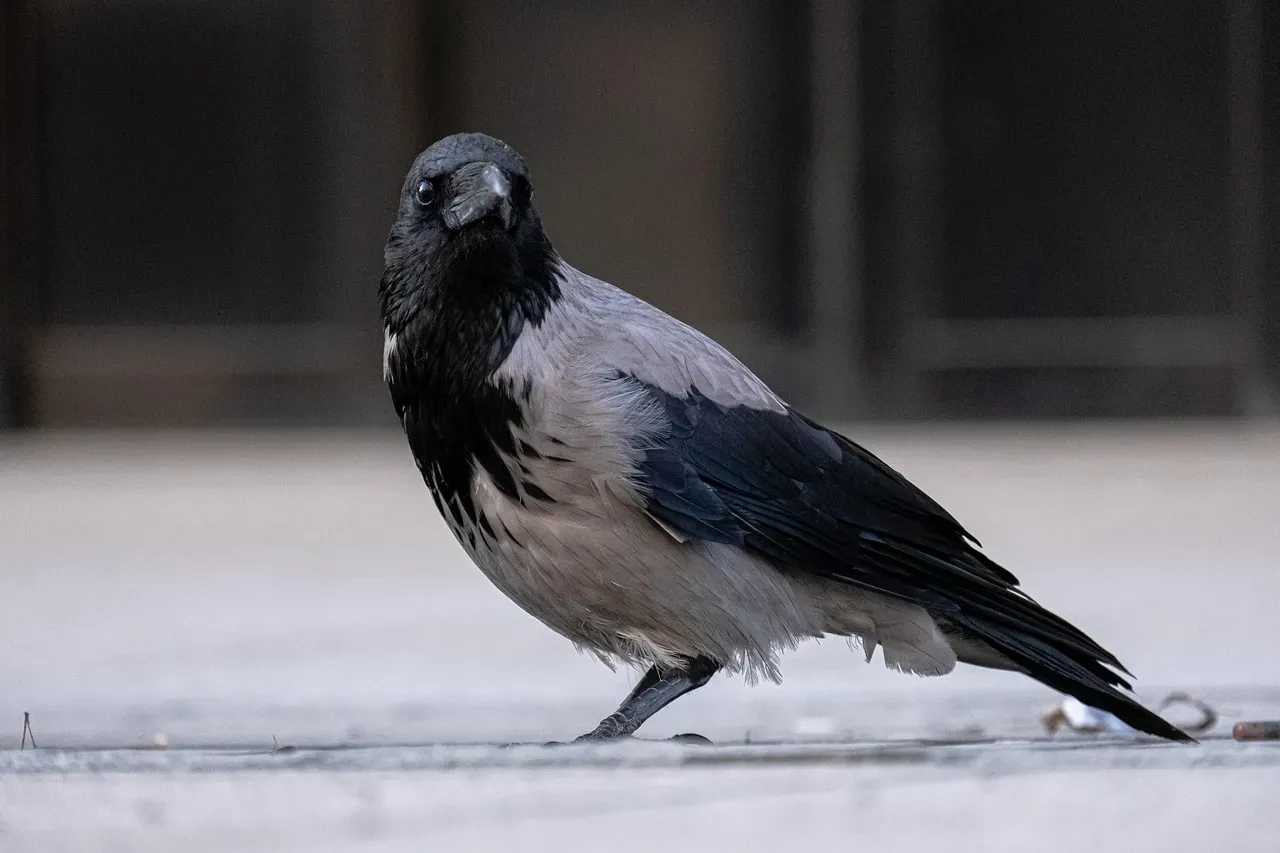
Crows in Seattle memorize human faces, squawking warnings about specific threats, a social intelligence boost from constant city interactions. Crows are not just surviving in cities. They’re paying close attention to the people in them.
One of the most important qualities in urban animals is their ability to change their behaviour, coming up with innovative ways to socialize, avoid dangers, or cope with challenging urban environmental conditions. Crows take this to an extreme. They learn, teach each other, and pass information across generations within their flocks.
Animals may behave similarly in cities because they learn from each other how to exploit novel human food sources. The cockatoos in Sydney, for instance, have learned to open trash bins. Crows show similar learned behaviors worldwide, adapting not just physically but socially to the places they inhabit.
A New Kind of Wild
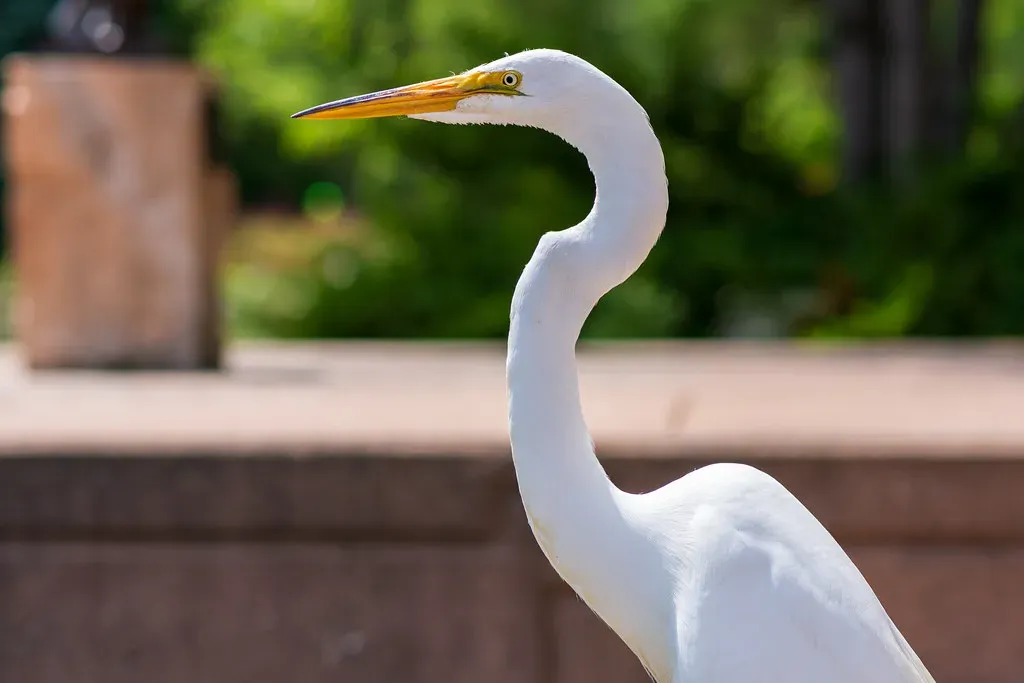
Many animal species have adapted to city life in remarkable ways, creating a unique interaction between nature and urban development. This phenomenon not only highlights the resilience of wildlife but also offers valuable insights into how we can coexist more harmoniously with the natural world.
Research has shown that animal populations from urban areas, with higher temperatures and greater concentrations of pollutants, demonstrate significantly higher resilience to stressful environmental conditions when compared to their counterparts from protected habitats. That resilience wasn’t planned. It was earned, generation by generation, in the middle of our cities.
What makes these twelve creatures remarkable isn’t just their persistence. It’s what they reveal about the nature of adaptation itself. Cities are noisy, warm, fragmented, and full of humans who drop food. For the right kind of animal, with the right kind of flexibility, those same features become advantages. The wild hasn’t retreated from urban life. In many places, it has simply learned to dress for the occasion.
