

There’s something quietly ironic about the dog world’s popularity contest. The breeds plastered across social media, the ones topping AKC charts and appearing in every other Instagram reel, tend to carry a hidden tax. A French Bulldog owner, for example, might accumulate over $18,000 in total medical expenses across the dog’s average lifespan. That’s a number most people don’t see coming when they fall in love with a flat face at the pet store.
According to the Royal Veterinary College, nearly three quarters of all French Bulldogs have at least one health issue. Meanwhile, a quieter group of dogs, many of them rare or underappreciated, move through life with far fewer visits to the clinic and far lighter bills. Certain breeds are known for their robust health and relatively low vet bills, and these breeds typically have fewer hereditary health issues along with greater longevity and vitality. Here are 16 of them.
1. Basenji: Africa’s Self-Cleaning Wonder

The Basenji is one of the oldest documented dog breeds on earth, originating from central Africa where it was bred to hunt in punishing conditions. That kind of evolutionary pressure tends to produce a resilient animal.
Often called the “barkless dog,” the Basenji was developed to hunt in harsh environments, which led to its strong immune system and resilience. The breed is known for excellent health and longevity, with few hereditary problems.
Basenjis have fewer genetic health problems than many other breeds, and their active lifestyle helps prevent obesity and related health issues. Regular exercise and a proper diet are usually sufficient to keep them in good health, leading to lower veterinary costs. Their short, easy-care coat is another small bonus that reduces the chance of skin complications.
2. Ibizan Hound: The Lean Athlete With a Lean Bill
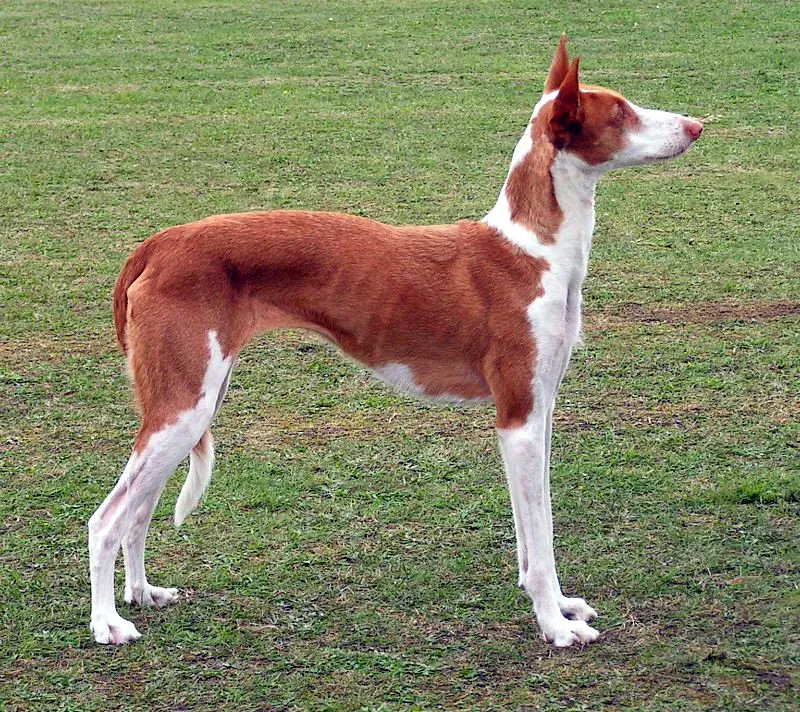
Most people couldn’t pick an Ibizan Hound out of a lineup, which is a shame because this breed’s health profile is genuinely impressive. Originally from the Spanish island of Ibiza, it was used to hunt rabbits and small game across rocky terrain.
The Ibizan Hound is known for its excellent physical condition and agility. The breed is generally free of common hereditary conditions that plague other dog breeds, like hip dysplasia or heart issues, and its lean, athletic build helps maintain overall health with fewer joint or weight-related problems.
They do well with minimal vet visits, primarily needing attention for routine vaccinations and dental care. Their clean bill of health, combined with an easy-to-maintain short coat, makes them a budget-friendly option for dog owners concerned about vet costs.
3. Canaan Dog: Ancient Genes, Modern Savings

The Canaan Dog is one of the rarest breeds you’ll encounter in the Western world, with only a few thousand estimated to exist globally. It’s also considered among the most ancient breeds still in existence, descending from pariah dogs that roamed the Middle East for centuries.
Considered one of the healthiest dog breeds, and certainly one of the oldest, the Canaan Dog is an intelligent breed whose health and wellbeing can be supported through proper amounts of exercise, a healthy diet, and regular vet visits.
These dogs have great survival instincts and are fit for any condition and climate. That adaptability translates directly into fewer structural vulnerabilities, which is exactly what keeps vet bills low. Their natural selection history simply didn’t allow for weakness to persist.
4. Australian Cattle Dog: Built to Work, Built to Last

The Australian Cattle Dog has a working heritage so demanding that only the genuinely hardy survived. Known for endurance and robust health, traits that make them stand out as one of the breeds with potentially lower veterinary costs, they were bred for herding and outdoor work and possess a sturdy build and an energetic spirit that contributes to their overall well-being.
Their genetic makeup gifts them with fewer predispositions to serious health issues, translating to less frequent and costly vet visits. One of their kind, a dog called Bluey, even made it into the Guinness Book of Records as the world’s oldest dog.
Working breeds such as Australian Cattle Dogs tend to be healthier, often living well into their teens, although they may experience some health issues in old age. That’s a long run of low bills before anything significant typically arises.
5. Shiba Inu: Japan’s National Treasure With a Healthy Track Record

The Shiba Inu isn’t entirely unknown outside Japan, but it remains relatively rare in Western households. It carries the distinction of being one of six Japanese breeds designated as a national natural monument, which says something about its cultural standing and long history.
The Shiba Inu has been around since 300 B.C., with a life expectancy of 13 to 15 years. While they have some genetic concerns like every dog, primary care responsibilities involve proper dental hygiene and good nutrition to help them avoid obesity.
The Shiba Inu is among the breeds with lower healthcare costs. They are generally healthy, with a lifespan that reflects their robust genetic health. While they are prone to some hereditary conditions, the prevalence is relatively low, and proper care including regular exercise and weight management can help prevent the few health issues they may encounter.
6. Border Collie: Smarter Than Average, Healthier Than Most
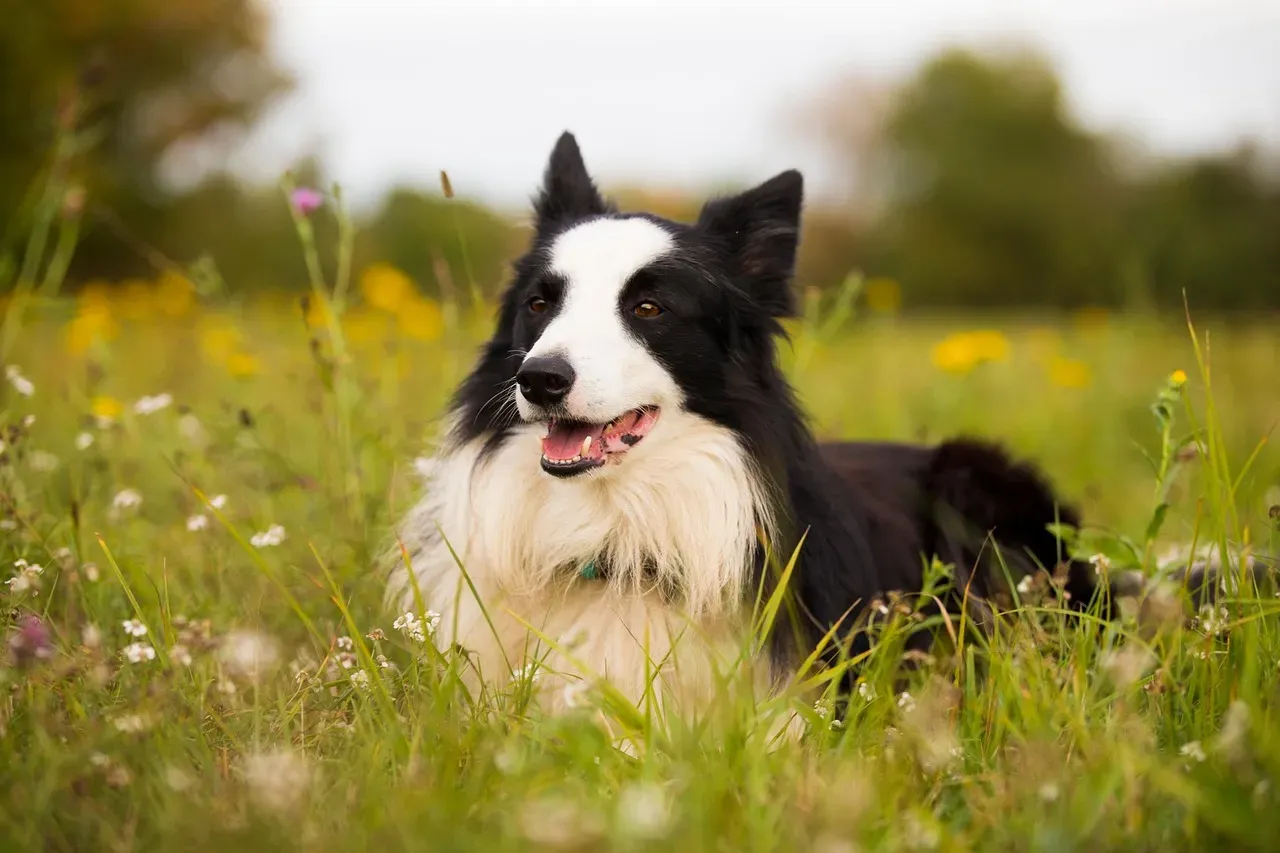
The Border Collie is famous for its intelligence, occasionally making headlines for learning hundreds of words or solving puzzles. Less discussed is its health profile, which is equally above average.
A Border Collie averages only about $8,480 in total healthcare costs over its lifetime, compared to well over $18,000 for breeds like the French Bulldog. That gap is hard to ignore when you’re planning a decade or more of ownership.
Border Collies are famous for their intelligence and high energy levels, but they are also known for their excellent health. The breed, developed for herding, has a low incidence of genetic disorders, and while they require a lot of exercise to stay fit, Border Collies are generally hardy dogs that don’t often experience serious health problems.
7. Greyhound: Fast Dogs With Slow-Building Medical Bills

Many people assume retired racing Greyhounds come with baggage. The reality is often the opposite. Physically, this breed is among the most structurally sound of all large dogs.
Greyhounds, known for their racing legacy, are surprisingly low-maintenance when it comes to their health. They possess a unique genetic makeup that keeps them relatively free from the hereditary issues affecting many other breeds, are generally healthy requiring basic veterinary care, and their lean build helps prevent obesity while their calm demeanor reduces stress-related issues seen in more anxious breeds.
Their short single-layer coat also means minimal grooming investment and very little risk of the recurring skin conditions that drive up bills in fluffier breeds. A calm, healthy, affordable companion hiding in plain sight.
8. Havanese: Cuba’s Only Native Breed, With a Long Lifespan

The Havanese is the only dog breed native to Cuba and remains relatively uncommon outside certain enthusiast circles. It’s cheerful, compact, and remarkably resilient for a toy breed.
The only dog breed native to Cuba, the Havanese has a long lifespan of 14 to 16 years. This affectionate small breed loves its pet parents and is easy to train due to exceptional smarts.
The Havanese is a small, cheerful breed with a reputation for excellent health. The breed is generally free from major hereditary conditions, though they can occasionally develop eye or joint problems as they age. However, these issues are usually manageable with regular vet checkups and proper care. That’s a very different picture from the chronic, structural problems that define more popular breeds.
9. Jack Russell Terrier: Small Frame, Strong Constitution

The Jack Russell Terrier never quite cracked the mainstream popularity rankings, but owners of this breed will tell you it packs more energy and personality per pound than almost anything else. They’ll also spend far less at the vet.
Jack Russells made the list of most budget-friendly dogs to care for as they are generally a healthy and resilient breed with fewer genetic health problems compared to some other breeds, which can lead to fewer visits to the vet for serious issues. They are known for their boundless energy and active lifestyles, which helps them stay in top-notch shape.
Smaller breeds like Chihuahuas and Jack Russells typically have fewer joint and bone problems than larger breeds. That structural advantage alone sidesteps some of the most expensive orthopedic surgeries in canine medicine.
10. Australian Kelpie: The Workhorse Few People Know

The Australian Kelpie is almost unknown outside of farming and working dog communities, yet it consistently appears in discussions about the healthiest and most cost-efficient breeds. Bred to herd livestock across vast Australian outback terrain, it had no room for physical weakness in its development.
Breeds that tend to have lower healthcare expenses include the Kelpie, which generally requires fewer specialized treatments and surgical interventions. Their bodies were shaped by necessity rather than aesthetic, which tends to produce more structurally sound animals overall.
Kelpies are deeply active dogs and their need for exercise is really an asset in disguise. Regular movement keeps joints healthy, weight in check, and stress-related conditions at bay. Keeping one busy is essentially keeping one healthy.
11. Border Terrier: Tough by Design
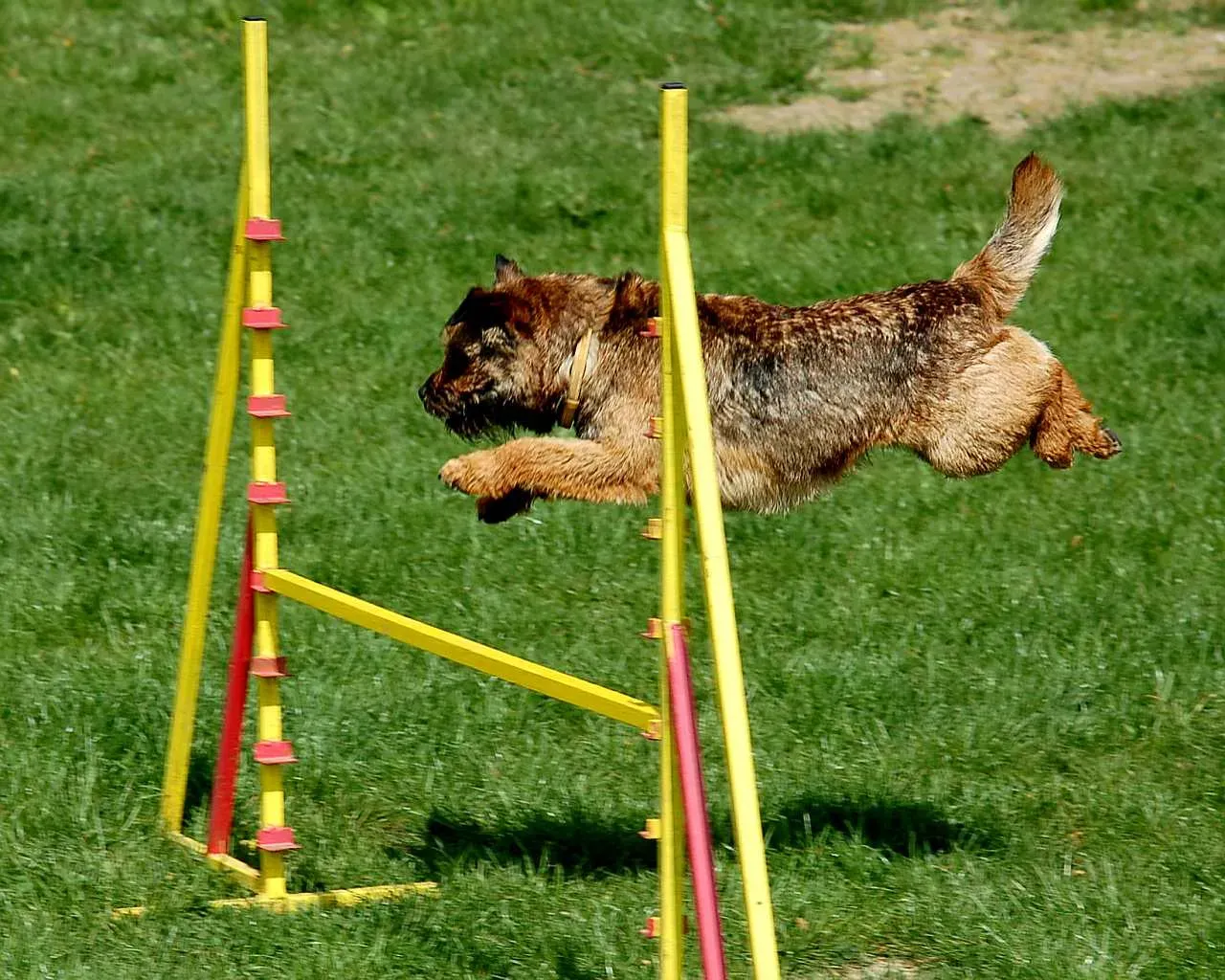
The Border Terrier was originally developed to keep pace with horses during hunts along the Anglo-Scottish border, chasing foxes out of rocky dens. That background required exceptional durability and stamina.
Bred as a working breed, Border Terriers are energetic, affectionate, and considered easy to train. Originally designed for countryside living where they’d hunt small prey like rabbits and rats, it’s important that they get enough exercise to let off steam and stay healthy.
Beyond their working credentials, their wiry coats need minimal grooming and their compact size means smaller medication doses and lower procedure costs when something does come up. They’re hardy in the truest sense, having been selected specifically for function over form for generations.
12. American Foxhound: The Rare Working Dog That Ages Well

The American Foxhound is one of the oldest American dog breeds, developed in the 17th and 18th centuries for hunting. Despite that legacy, it remains genuinely rare as a household pet, appearing infrequently even on breed popularity charts.
English Foxhounds and American Foxhounds are both considered to be generally healthy breeds. They may be susceptible to general health issues like ear infections or allergies, like other long-eared short-haired dogs. These are minor, manageable issues rather than the structural or genetic conditions that lead to major surgical costs.
Their lean, athletic build and history as endurance hunters means they were never bred for exaggerated physical features. No flattened faces, no oversized heads, no joint-straining proportions. Just a functional, well-balanced dog that tends to stay that way for a long time.
13. Redbone Coonhound: Southern Roots and Solid Health

The Redbone Coonhound has a devoted following in the American South, where it was developed for hunting raccoons over difficult terrain. Outside those circles, it’s largely overlooked, which is a genuine oversight given what it offers as a companion.
Redbone Coonhounds are healthy, lively, energetic dogs of the hunting category, having been used as companion dogs for hunting raccoons. Their working background required physical soundness as a non-negotiable trait.
Like many scent hound breeds, Redbones tend to avoid the hereditary structural problems common in more selectively bred show dogs. Their biggest recurring health need is often ear care, given their long floppy ears, which is a minor and inexpensive concern compared to the respiratory surgeries or orthopedic interventions facing other popular breeds.
14. Harrier: The Forgotten Hound With Great Stamina

The Harrier is essentially a beagle that grew up, sharing that breed’s compact athleticism but in a slightly larger package. It’s one of the rarest breeds recognized by major kennel clubs, with very few registered annually.
The Harrier is a great athlete, playful, lively, sturdy, and healthy dog that is excellent with family and children. It has a medium size, bigger than a Beagle and shorter than an English Foxhound. The Harrier belongs to the hunting category of dogs, bred to hunt hares, and is a very active and energetic dog.
That athletic profile matters enormously for long-term health. Breeds that were designed to run for hours tend to carry natural protection against obesity, joint stiffness, and the cascade of health problems that follow excess weight. A Harrier in good shape is genuinely low-maintenance at the vet.
15. Louisiana Catahoula Leopard Dog: Hardy, Unique, and Underestimated

The Louisiana Catahoula Leopard Dog holds the distinction of being the official state dog of Louisiana, yet it remains little known outside the American South and working dog communities. Its striking marbled coat and unusual webbed feet make it visually distinctive, but its health profile is what deserves more attention.
The Louisiana Catahoula Leopard Dog is an American dog breed named after Catahoula Parish. It is a very healthy and hardy breed, reasonably independent, and a most pleasant companion dog.
Developed without the intervention of show standards or aesthetic breeding goals, the Catahoula retained the physical balance of a genuine working animal. That’s a meaningful distinction from breeds where generations of popularity-driven selection have introduced structural fragility. Their health record reflects that difference clearly.
16. Pharaoh Hound: An Ancient Breed With a Modern Advantage

The Pharaoh Hound is the national dog of Malta and one of the oldest domesticated dog breeds in recorded history, with depictions believed to appear in ancient Egyptian art. Despite its striking appearance, it remains rare outside Malta and a small circle of dedicated enthusiasts worldwide.
The Pharaoh Hound is the national hound of the Mediterranean nation of Malta, which was originally used for hunting rabbit in the Maltese Islands. Centuries of island hunting refined the breed into a lean, quick, structurally sound animal.
Like the Greyhound and Ibizan Hound, the Pharaoh Hound carries the sighthound’s hallmark clean bill of health. Its lean frame resists obesity, its genetics were shaped by function rather than fashion, and its short coat reduces grooming-related skin risks. Certain dog breeds are recognized for having fewer genetic health issues, resulting in fewer veterinary visits and lower overall costs. Yearly vet visits are key to a longer, healthier, and happier life for pets, and some breeds are generally healthy, requiring only regular exercise, a proper diet, and good weight management to maintain their top shape.
The Bigger Picture: Why Popularity Costs You

The connection between a breed’s popularity and its vet bills isn’t coincidental. The popularity of certain breeds has led to poor breeding practices, creating more health problems in what should be relatively sturdy animals. High demand drives high-volume breeding, and high-volume breeding rarely prioritizes health screening above profit.
The wide variation in veterinary costs and pet insurance premiums among different dog breeds can be attributed to their varying genetic predisposition to diseases. The rare breeds on this list largely escaped that cycle. Their smaller followings meant breeders stayed focused on function and soundness rather than cosmetic traits.
Research has found that the average amount spent on a dog and its care throughout its lifetime is $28,000. Choosing a breed with a genuinely healthy genetic history can shift that number dramatically downward, without sacrificing companionship, personality, or joy in any meaningful way.
Conclusion

The rare breeds on this list aren’t rare because they’re inferior. They’re rare because popularity chose differently, often chasing looks over longevity. Certain breeds are known for their robust health and relatively low vet bills, making them attractive options for those looking to minimize healthcare expenses over their pet’s lifetime.
That doesn’t mean any dog comes with a financial guarantee. Just because certain breeds generally have longer life expectancies and aren’t prone to as many injuries or illnesses doesn’t mean they’re home free. It’s just as important to prioritize diet, exercise, and vet care for these dogs as for any other breed.
The real takeaway isn’t that popular dogs are bad choices. It’s that the least-celebrated dogs in the room often turn out to be the most reliable ones to live with, in every sense of the word. Sometimes the best companion is the one nobody else thought to look for.
