

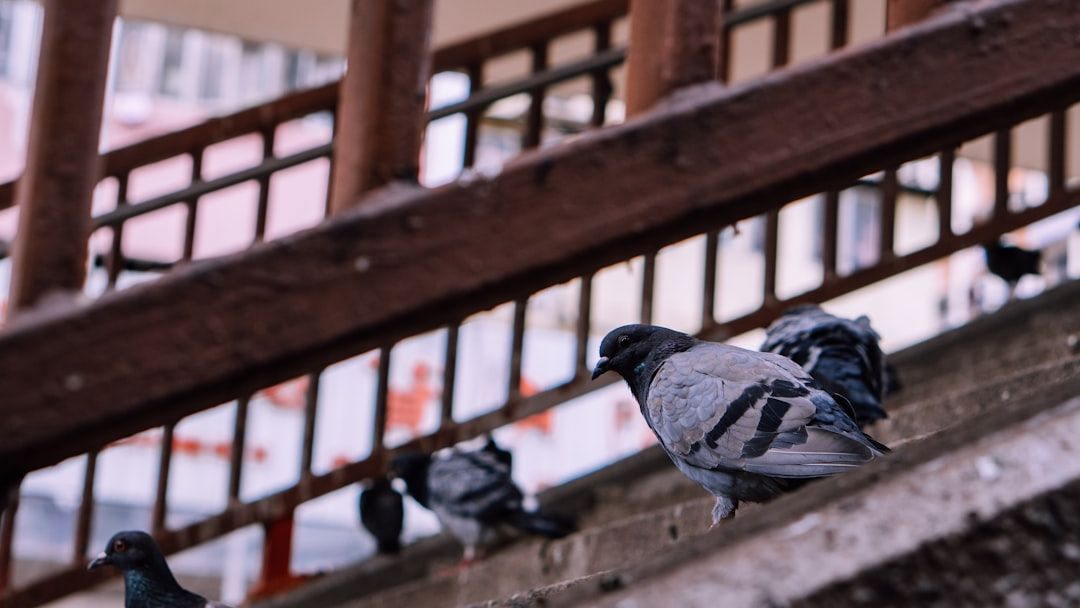
Paris — The French capital has made strides in battling noise pollution through innovative measures, resulting in noticeably quieter streets. Despite these advances, great tits in the city continue to produce songs at elevated frequencies compared to their counterparts in nearby forests. Researchers who revisited long-term data revealed this persistence even as ambient noise levels dropped significantly over two decades.[1][2]
Noise Pollution’s Grip on Bird Communication
Urban environments long presented a cacophony that disrupted wildlife, particularly songbirds reliant on vocalizations for mating and territory defense. Low-frequency traffic rumble masked lower pitches, prompting birds to shift to higher frequencies to ensure their calls carried. A landmark observation from 2003 highlighted this adaptation: great tits near the Eiffel Tower sang about 400 Hz higher than those in quiet woodland areas outside the city.
Biologists noted similar patterns globally, from Canadian prairies to Australian suburbs, where species like savannah sparrows and silvereyes adjusted their songs amid human-generated din. These shifts came at a cost, limiting birds’ ability to deliver complex trills essential for attracting partners. Road noise, aircraft, and industry formed a persistent barrier, altering natural behaviors in ways that echoed warnings from Rachel Carson’s 1962 book Silent Spring about human impacts silencing nature.
Paris’s Multifaceted Push Against Noise
Authorities in Paris launched targeted initiatives to reclaim acoustic space. They transformed roadways into bicycle paths, applied anti-noise asphalt coatings, and deployed automated cameras to fine loud vehicles. The regional agency Bruitparif established systematic monitoring, tracking decibel levels across the metropolis and guiding policy.
These efforts yielded results. Data showed Paris became roughly three decibels quieter over the past decade, halving sound intensity on a logarithmic scale. Long-term records confirmed a broader decline, with 2023 averages reaching half the intensity of prior years. Urban sites registered 57 dB(A), still louder than the 42 dB(A) in Fontainebleau forests, but progress marked a shift from previous highs.[1]
Key Noise-Reduction Measures in Paris:
- Conversion of roads to bike lanes
- Anti-noise road surfacing
- Fines via noise-detection cameras
- Ongoing monitoring by Bruitparif
Great Tits’ Unchanged Urban Repertoire
Researchers returned in 2023 to record great tit songs in Paris streets, parks, and squares, mirroring 2003 fieldwork by Hans Slabbekoorn. Analysis confirmed birds raised minimum frequencies amid louder immediate noise, aligning with European trends. Urban great tits averaged 3,535 Hz in 2023, significantly above the 3,256 Hz of forest birds, with no notable drop from 2003 levels (3,428 Hz urban vs. 3,460 Hz forest).
This stability persisted despite falling background noise. Correlation held: higher noise correlated with elevated pitches (r=0.27 urban, r=0.24 forest). The findings, detailed in Ornithological Applications, indicated adaptations ingrained over generations, resistant to recent quieting.[2]
Hope from Quiet Moments and Paths Forward
Precedents offered encouragement. During COVID-19 lockdowns, San Francisco’s seven-decibel drop enabled white-crowned sparrows to lower pitches and volumes, reverting toward natural patterns. Broader North American studies across 47 species showed range expansions for those less affected by low-frequency masking.
Paris demonstrated policy’s power, yet the three-decibel gain fell short for full song recovery. Deeper cuts through expanded quiet transport and vigilant enforcement could free airwaves for unaltered birdsong. Such steps promise benefits for wildlife communication and human quality of life alike.

- Urban Coyotes Show Remarkable Adaptability, Learning to Thrive in City Environments - July 22, 2026
- Beavers Are Nature’s Engineers, Creating Vital Habitats for Other Wildlife Species - July 21, 2026
- The Recovery of the California Condor Offers Hope for Other Critically Endangered Birds - July 21, 2026