
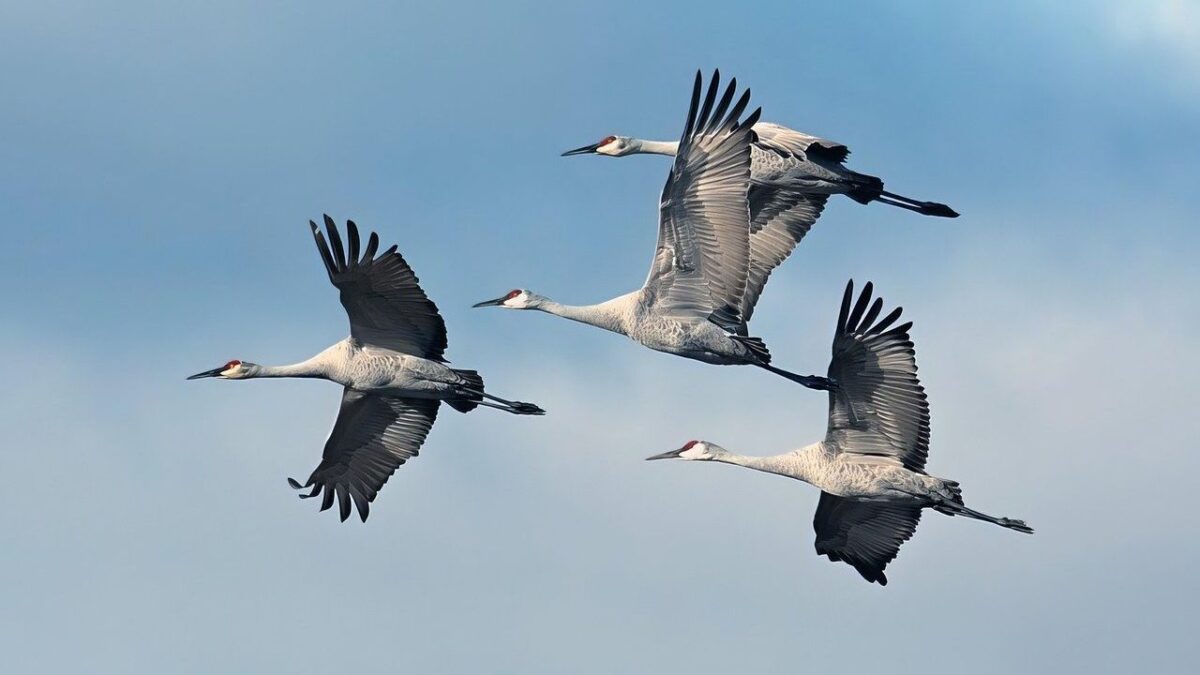
Every year, without a map, without a teacher, and in many cases without any prior experience of the route, billions of animals depart on journeys that span continents and oceans. Billions of animals embark on remarkable journeys across our planet, traveling thousands of miles in search of food, favorable climates, or breeding grounds, and these epic migrations represent some of nature’s most spectacular phenomena, showcasing incredible resilience and navigational ability.
What makes these journeys so astonishing isn’t just the distance. It’s the precision. These incredible journeys remind us that our planet is far more connected than we might imagine, and every migration represents millions of years of evolutionary fine-tuning, where species have developed extraordinary abilities to navigate vast distances using tools we’re only beginning to understand. The science behind how they do it is still, in many ways, an open question.
The Great Wildebeest Migration: An Ancient Clockwork of Rain and Survival
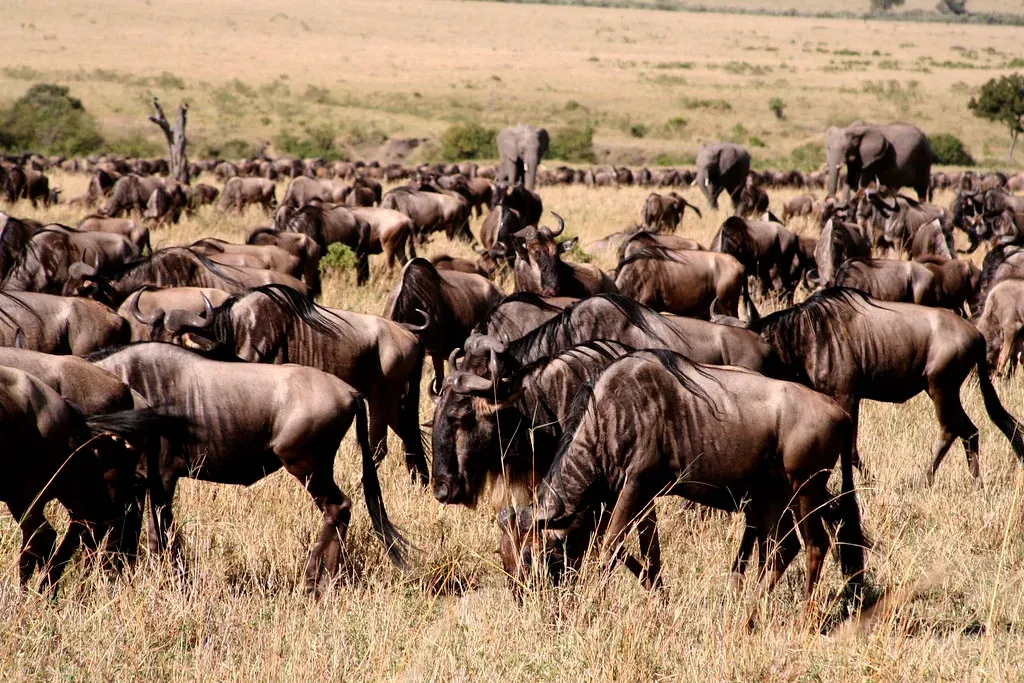
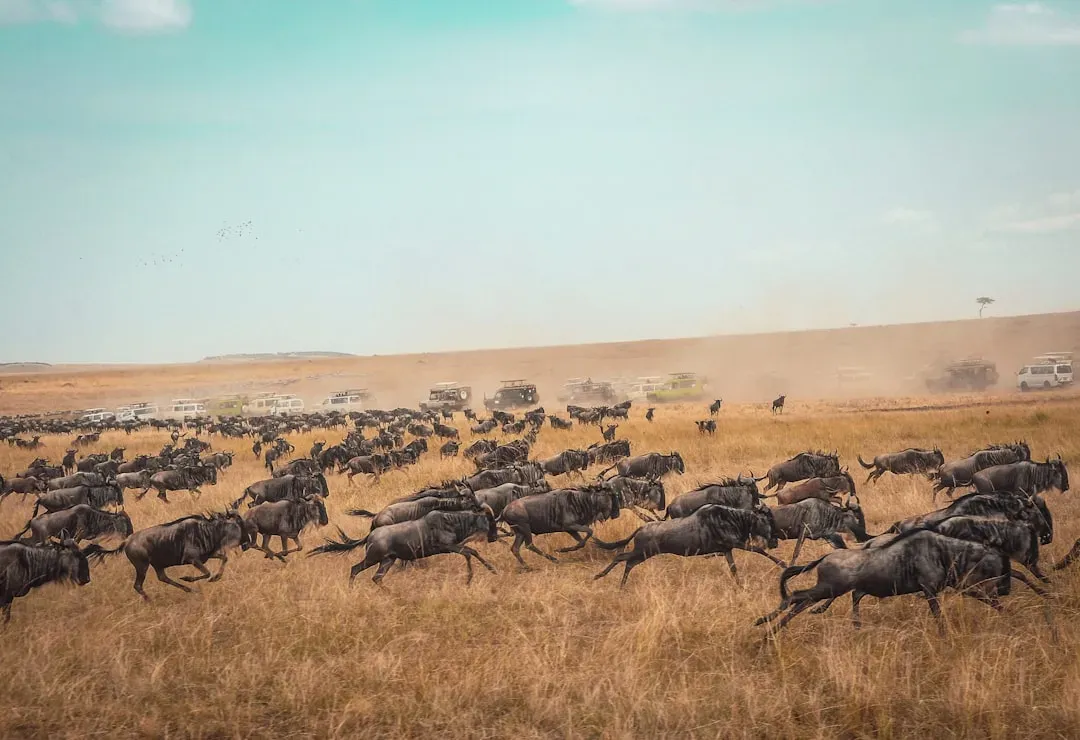
Few spectacles on Earth match what happens every year across the Serengeti-Mara ecosystem. Over 1.2 million wildebeest and 300,000 zebras, along with topi and other gazelles, move in a constant cycle through the Serengeti-Mara ecosystem in search of nutritious grass and water. It is a living river of hooves and muscle, flowing in response to forces most of us rarely notice.
More than 1.5 million wildebeest migrate in an enormous loop every year, and this annual migration northwest at the end of the rainy season is recognized as one of the Seven Wonders of the Natural World. The timing follows the rains, not a calendar. It is generally believed that the Great Migration is dictated primarily by the wildebeest’s response to the weather, as they move after the rains and the growth of new grass, essentially following a natural instinct to find food to stay alive.
Guided by survival instinct, each wildebeest will cover 800 to 1,000 kilometers on its individual journey along age-old migration routes. Fossil evidence found across the Serengeti suggests wildebeest have been roaming the East African plains for over one million years, which could mean it’s in their DNA and they are guided by instinct.
During the migration, roughly a quarter million wildebeest and around thirty thousand zebras die every year as a result of predation by carnivores, drowning, thirst, hunger, and exhaustion. The herds gather along the riverbanks before crossing into the Maasai Mara, with steep riverbanks, powerful currents, chaotic stampedes, and hungry crocodiles making every crossing perilous. Not all survive, but the instinct to press on is stronger.
Monarch Butterflies: A Relay Race Across a Continent

Every year, delicate monarch butterflies undertake one of the longest insect migrations known to science, flying over 3,000 miles from North America to central Mexico despite weighing less than a paperclip. The sheer improbability of it is hard to absorb. These creatures don’t navigate with experience. They do it purely on instinct.
No single butterfly completes the entire round trip – each generation picks up where the last one left off. Monarchs do not learn the route from their parents, since only about every fourth to fifth generation of North American monarchs actually migrates. Therefore, it is certain that monarchs rely on their instincts rather than learning to find overwintering sites.
Each fall, like clockwork, millions of monarch butterflies from the eastern United States and southeastern Canada make their remarkable journey to overwinter in roosts in a small area of roughly 800 square kilometers in central Mexico, with some having traveled distances approaching 4,000 kilometers. Their destination is almost impossibly specific for a creature so small.
Monarchs use a bidirectional time-compensated sun compass for orientation, which is based on a time-compensating circadian clock that resides in the antennae and has a distinctive molecular mechanism. Monarchs may also use a magnetic compass, because they possess two cryptochromes that have the molecular capability for light-dependent magnetoreception. Science has come a long way in decoding this system, though some mysteries remain.
Arctic Terns and Humpback Whales: Champions of Distance
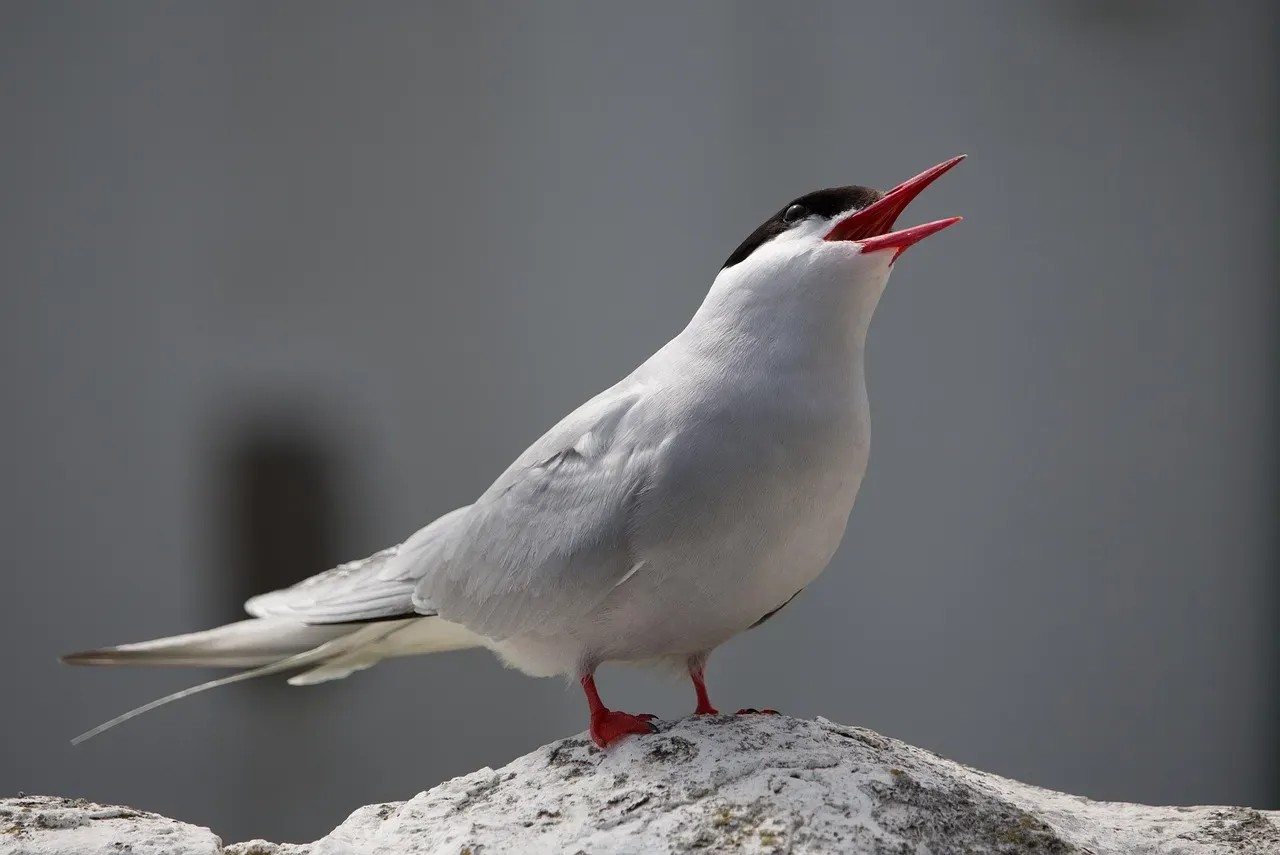
The Arctic tern holds the record for the longest migration of any animal on Earth, with these small but mighty birds traveling from their Arctic breeding grounds to the Antarctic and back again each year, covering an astounding 44,000 miles annually. To put that in perspective, it’s a journey most aircraft would find demanding.
Unlike most migratory species that take the most direct route, Arctic terns follow a winding, S-shaped pattern across the Atlantic Ocean, taking advantage of global wind systems to conserve energy, and their incredible journey means they experience two summers each year and more daylight than any other creature on the planet. What makes this migration even more remarkable is that Arctic terns can live up to 30 years, meaning a single bird may fly the equivalent distance of three round trips to the moon during its lifetime.
Imagine swimming for thousands of miles while fasting completely. That’s exactly what humpback whales do during their incredible migrations, with their journey taking over 12,500 kilometers each way, making it the longest migration of any mammal on Earth. Perhaps most incredibly, humpbacks barely feed during their time in breeding grounds, living off fat reserves accumulated during their time in productive polar waters.
These 40-ton giants navigate with remarkable precision across featureless ocean expanses, returning to the same locations year after year. Humpbacks in the northern and southern hemispheres migrate at opposite times, with northern populations traveling to warm waters in winter and southern populations making the journey in summer.
How Animals Actually Navigate: The Science of Inner Compasses
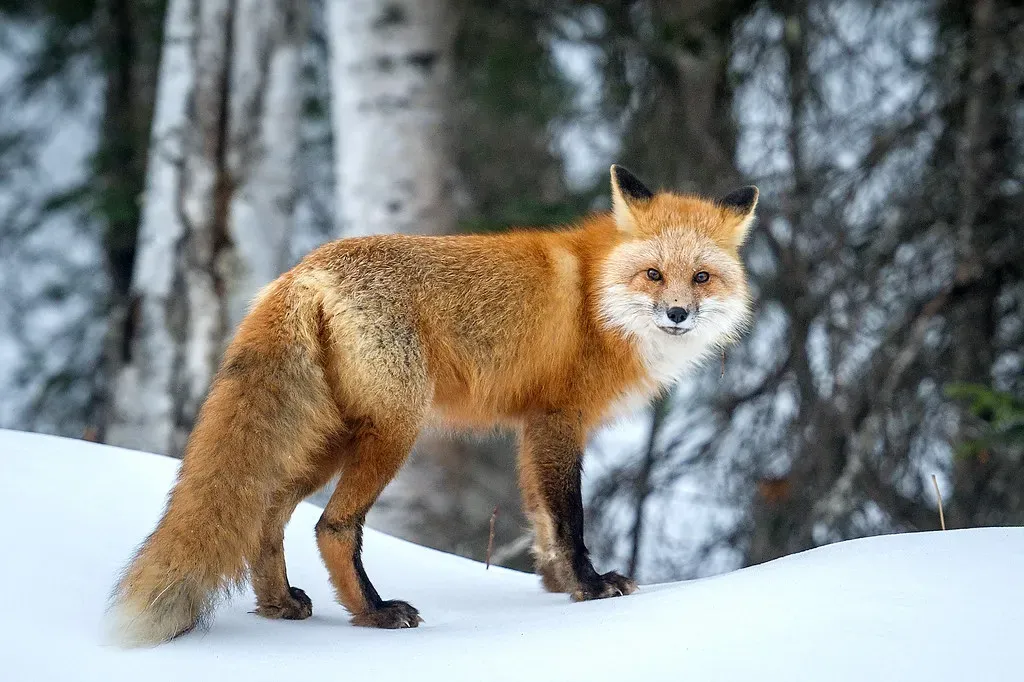
Many animals use navigation tools like magnetic fields, star constellations, and solar positioning to determine direction. The range of tools in nature’s navigational toolkit is genuinely surprising, and scientists are still working to understand how these systems interact in real time.
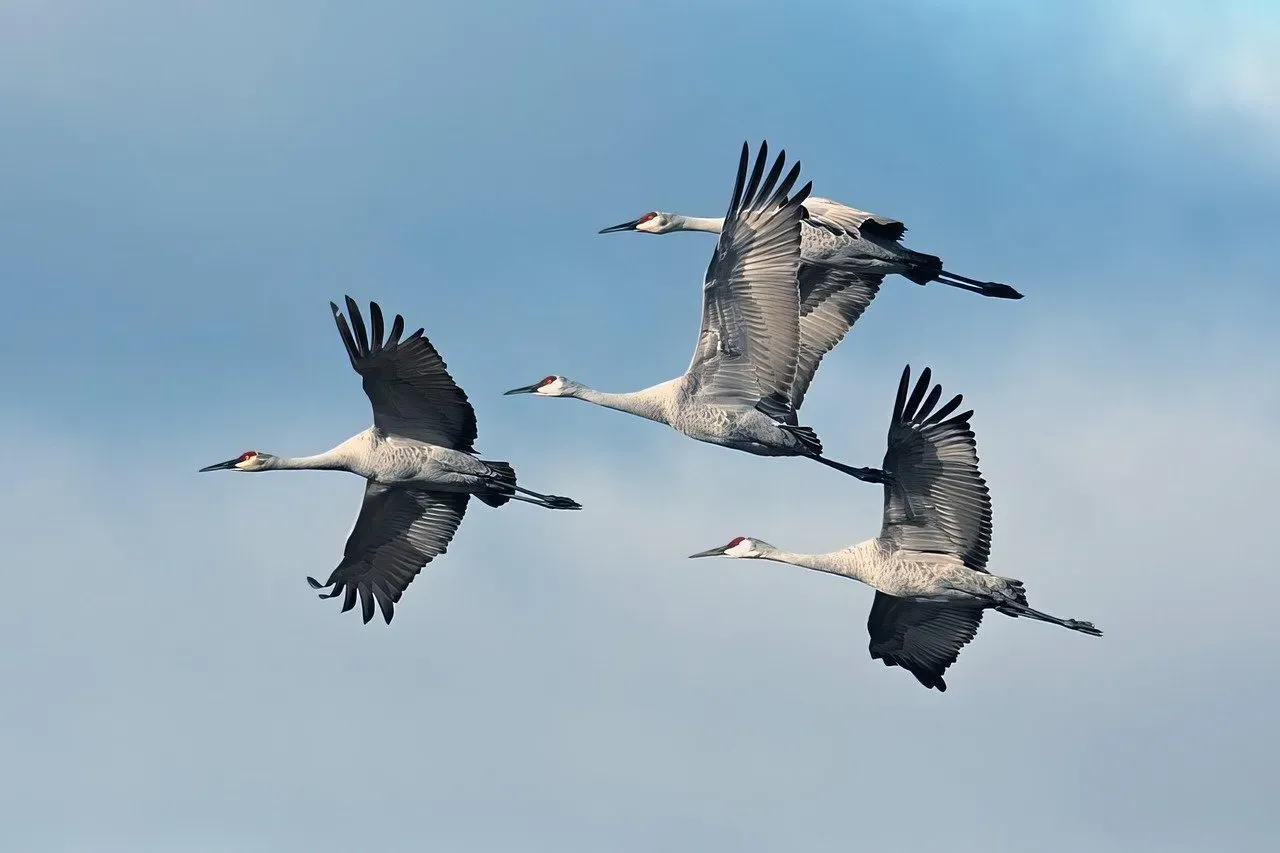
Birds navigate migration routes through a sophisticated blend of inherited genetic programming and real-time environmental sensing, reading magnetic fields, star patterns, polarized light, and even scent maps to achieve pinpoint accuracy across thousands of miles. Birds use a variety of different directional information cues when they migrate, including the sun, stars, and polarized skylight patterns, as well as the geomagnetic field.
Space weather, including solar storms, can impact Earth by disturbing the geomagnetic field. Despite the known dependence of birds and other animals on geomagnetic cues for successful seasonal migrations, the potential effects of space weather on organisms that use Earth’s magnetic field for navigation have received relatively little study. Research suggests that fewer birds migrate during strong geomagnetic disturbances and that migrating birds may experience more difficulty navigating, especially under overcast conditions in autumn.
The homeward migration of salmon can span hundreds or even thousands of miles, requiring them to navigate from the open ocean back to their natal streams using their remarkable sense of smell. Along the way, they face numerous obstacles, including swimming against powerful currents, leaping up waterfalls, and evading predators such as bears and eagles. As they transition from saltwater to freshwater, salmon undergo dramatic physical transformations: their bodies change color, males develop hooked jaws and humped backs, and their internal organs begin to deteriorate as they channel all energy toward reproduction.
Migration Under Pressure: Instinct Meets a Changing World
Climate change can disrupt natural migration patterns but does not necessarily stop the journeys. It can lead to altered routes or timing, posing greater risks. The instinct to move is deeply embedded, but the conditions those animals move through are shifting in ways that evolution has not yet had time to address.
With climate change, the long and short rainy seasons in Tanzania and Kenya are no longer as regular or predictable as they once were. The rains can be late or early, which can throw the entire wildebeest calendar out of sync. For a migration driven purely by environmental cues, that unpredictability introduces real risk.
These incredible journeys are certainly captivating, but they also have a vital role to play in the ecosystem. Migration affects the distribution of prey and predators, keeps nutrients cycling around the planet, helps with the spread of pollen and seeds, and even influences human economies.
Migrations aren’t just impressive feats of endurance; they’re essential threads in the fabric of global ecosystems, distributing nutrients, genes, and energy across continents. Losing them would mean losing something far larger than the animals themselves.
Conclusion
There is something quietly humbling about watching an animal cross half the planet guided by nothing more than the angle of the sun, the pull of the Earth’s magnetic field, and a biological memory encoded across generations. No training, no rehearsal, no second chances on some of these routes.
Certain animals’ instincts drive them to make arduous, dangerous, and incredible treks in search of food, water, or better weather, sometimes solo, but often in groups. The drive itself is the inheritance. It has been refined over millions of years of trial, failure, and survival, and it persists even as the world these animals move through continues to change around them.
Perhaps what these migrations ultimately reveal is that instinct isn’t a primitive force. It’s a form of accumulated wisdom, written not in books or memory, but in the very structure of an animal’s body and brain. The fact that we’re still learning to read it says as much about us as it does about them.
