
Life, it turns out, is not particularly fussy about where it sets up home. From the scalding walls of deep-sea volcanic vents to the oxygen-starved skies above the Himalayas, creatures have been quietly solving problems that would kill most other animals outright. The more scientists look, the more they find that extreme environments are not empty wastelands but rather occupied territories, claimed by species that figured out a way to stay.
When animals are exposed to extreme environmental stress, one of three possible outcomes takes place: the animal dies, the animal avoids the environmental stress and survives, or the animal tolerates it and survives. What follows are eleven animals that chose the third path, and did it in some genuinely remarkable ways.
Tardigrade: The Indestructible Water Bear
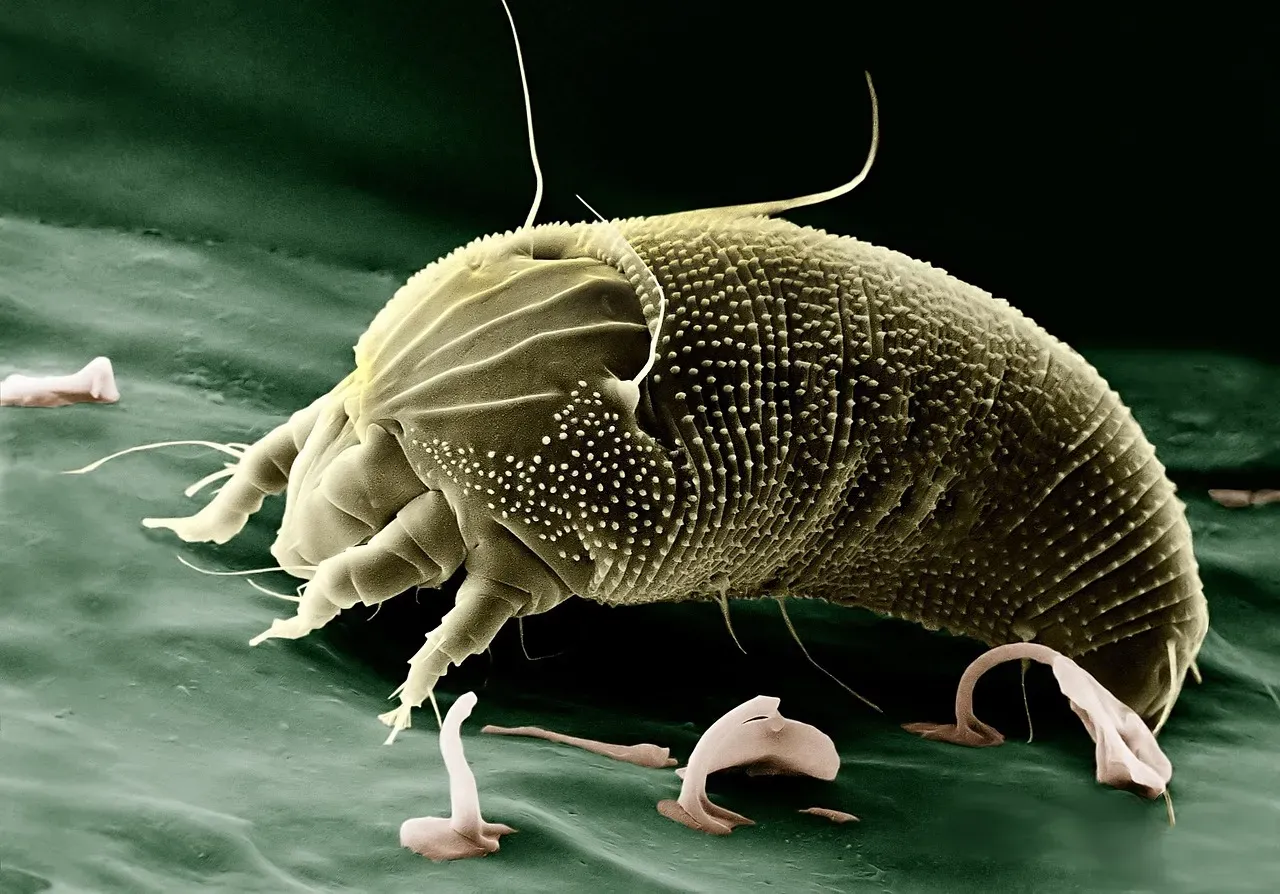
Few animals have earned their reputation as thoroughly as the tardigrade. Measuring less than half a millimeter long, these creatures can survive being completely dried out, being frozen to just above absolute zero, heated to more than 300 degrees Fahrenheit, irradiated several thousand times beyond what a human could withstand, and even the vacuum of outer space.
Tardigrades survive extreme conditions by going into a “tun” state, in which their body dries out and their metabolism drops to as little as 0.01 percent of its normal rate. It is essentially a biological pause button. When favorable conditions return, they simply rehydrate and resume normal activities, sometimes after decades of dormancy.
They can survive X-ray doses a thousand times higher than those lethal to humans, and their resistance to extreme pressure has also been tested, with tardigrades surviving being crushed by a weight equivalent to a building with 60,000 floors. Science, it seems, keeps raising the bar on what tardigrades can handle, and they keep clearing it.
Emperor Penguin: Community as a Survival Tool
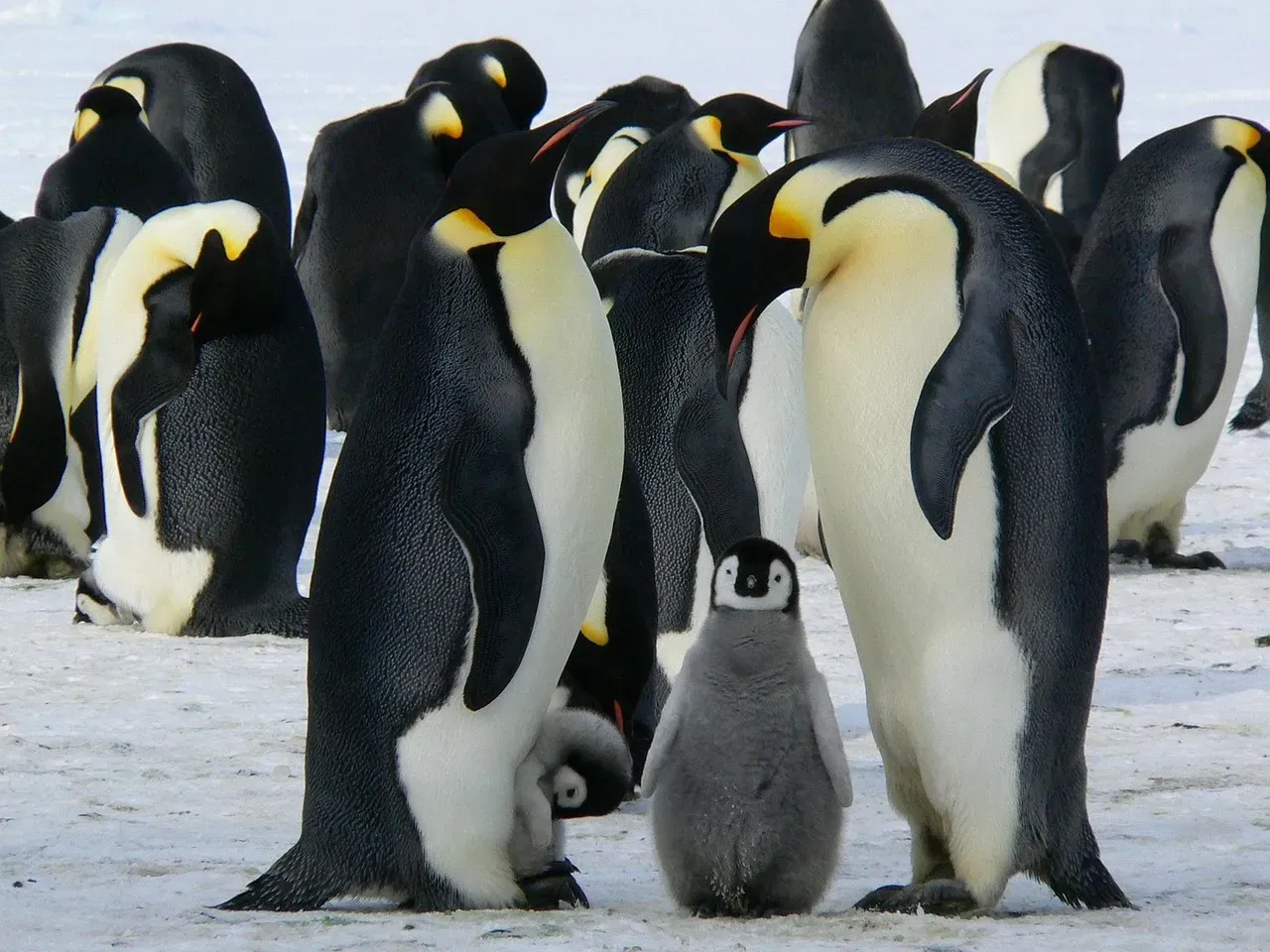
Antarctica’s emperor penguins endure conditions that would quickly overwhelm most warm-blooded animals. Their most powerful adaptation is not biological at all – it is social. Emperor penguins form counter-rotating huddles that reduce wind chill by up to 50°C and allow individuals to conserve energy during long Antarctic winters.
Physiological traits such as insulation, fat layering, and specialized blood circulation help maintain core temperature. These traits work in concert with behavioral ones. No single feature does all the work.
The counter-rotating huddle is particularly clever. By slowly rotating as a group, penguins on the windward edge cycle inward while warmer individuals take their turn on the exposed side. The result is a self-regulating thermal system that requires no shelter, no fire, and no tools – just cooperation.
Arctic Fox: Built for the Cold
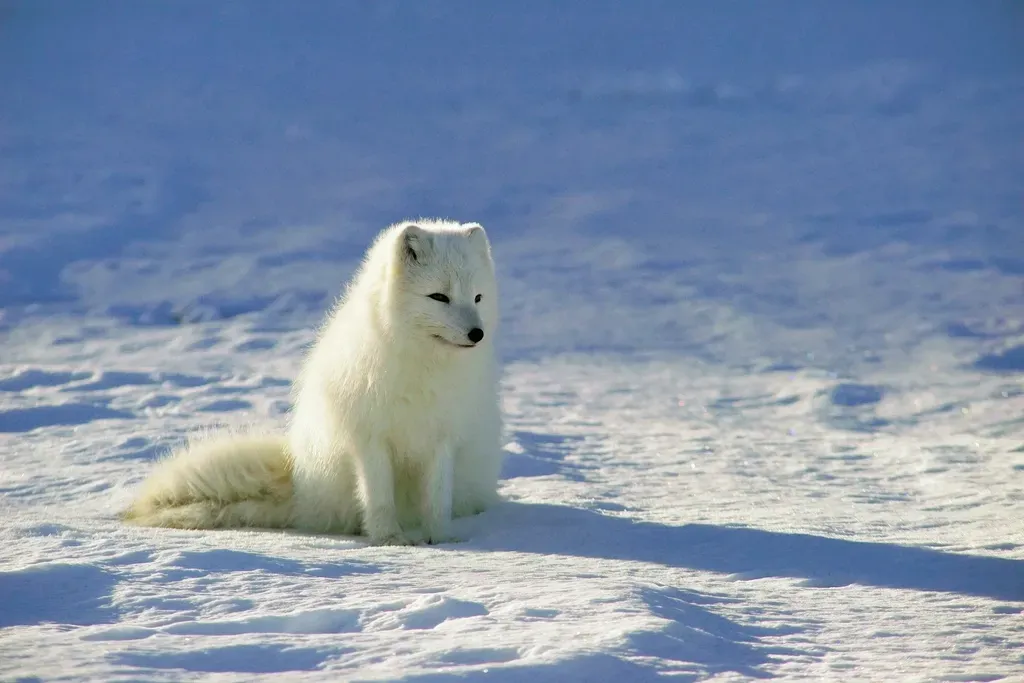
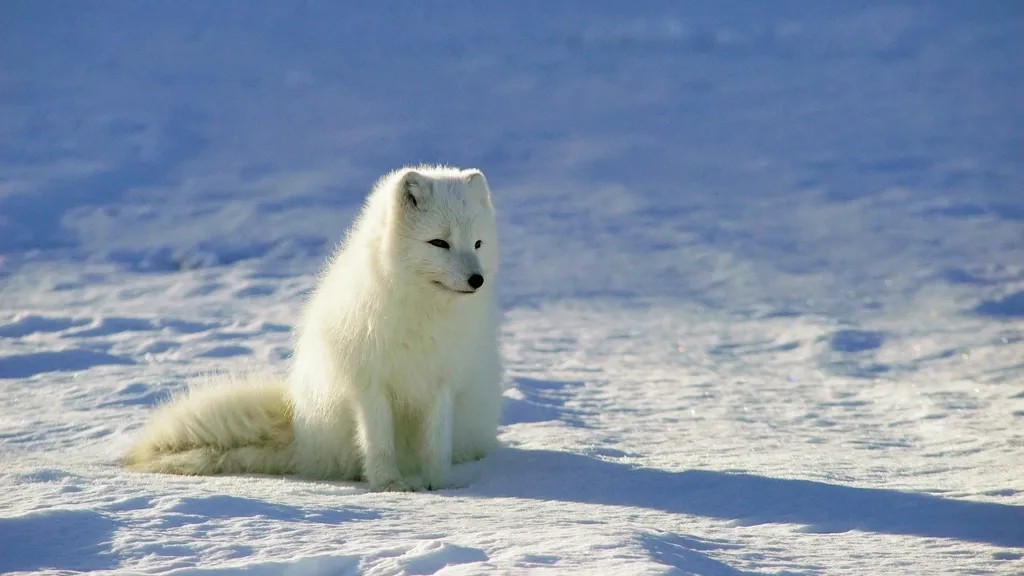
While some animals avoid extreme cold, the Arctic fox has mastered it. These remarkable canids can survive temperatures as low as -70°F in their native Arctic habitats, making them true cold-weather specialists.
Arctic foxes preserve 90% of leg warmth through countercurrent heat exchange, while dense fur traps a 1 cm insulating air layer equivalent to R-5 insulation. They also change fur density seasonally. That seasonal coat shift isn’t just about insulation – the white winter coat also provides camouflage against the snow.
The Arctic fox digs into the snow to escape the freezing winds, while desert rodents construct underground burrows to avoid the scorching heat. The fox’s willingness to use its environment as shelter adds yet another layer to a survival toolkit that seems almost over-engineered for the task.
Pompeii Worm: Life at the Edge of Boiling
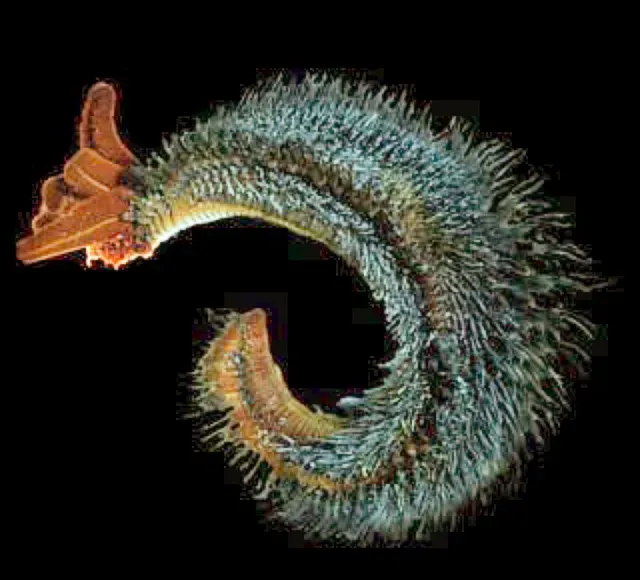
The deep seafloor is home to one of Earth’s most punishing microhabitats – hydrothermal vents that blast superheated water into the surrounding ocean. Perhaps most fascinating, the Pompeii worm’s tail end is often resting in temperatures as high as 80°C, while their feather-like heads stick out of the tubes into water that is much cooler, around 22°C.
The worms’ backs are coated in bacteria, which they feed with mucus. The bacteria seem to help circulate cooler seawater around the worm’s body and likely also detoxify heavy metals that pour out of hydrothermal vents.
Pompeii worms also produce a super-tough version of a heat-shock protein that stops vital molecules from breaking down in the heat. They also produce a form of collagen that withstands extreme pressure, so their bodies don’t collapse. It’s a full-system approach to surviving a place that should, by most biological logic, be uninhabitable.
Weddell Seal: Master of the Frozen Deep
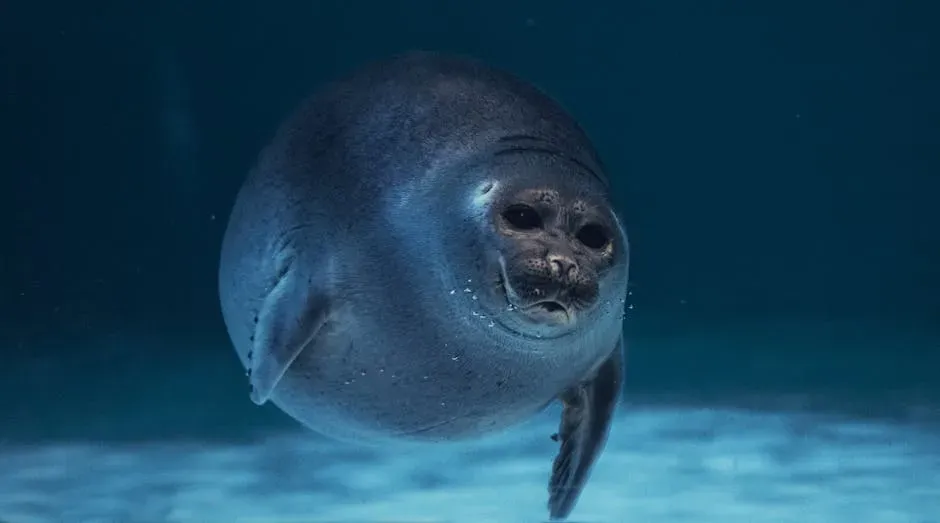
Weddell seals live beneath the Antarctic sea ice, hunting in waters that would kill most air-breathing mammals within minutes. Their oxygen management is extraordinary. Weddell seals dive up to 600 meters, holding their breath for up to 2 hours thanks to myoglobin concentrations ten times higher than humans, supporting aerobic metabolism under ice-covered waters.
That ten-fold increase in myoglobin, the protein that stores oxygen in muscle tissue, essentially gives these seals an internal oxygen tank far more efficient than anything their anatomy would suggest at first glance. They don’t just hold their breath – they fuel active hunting while doing so.
They must also navigate back to specific breathing holes in the ice to surface. The combination of physiological endurance and spatial memory required for this makes the Weddell seal one of the most capable cold-water hunters on the planet.
Bar-Headed Goose: Flying Where Air Runs Out
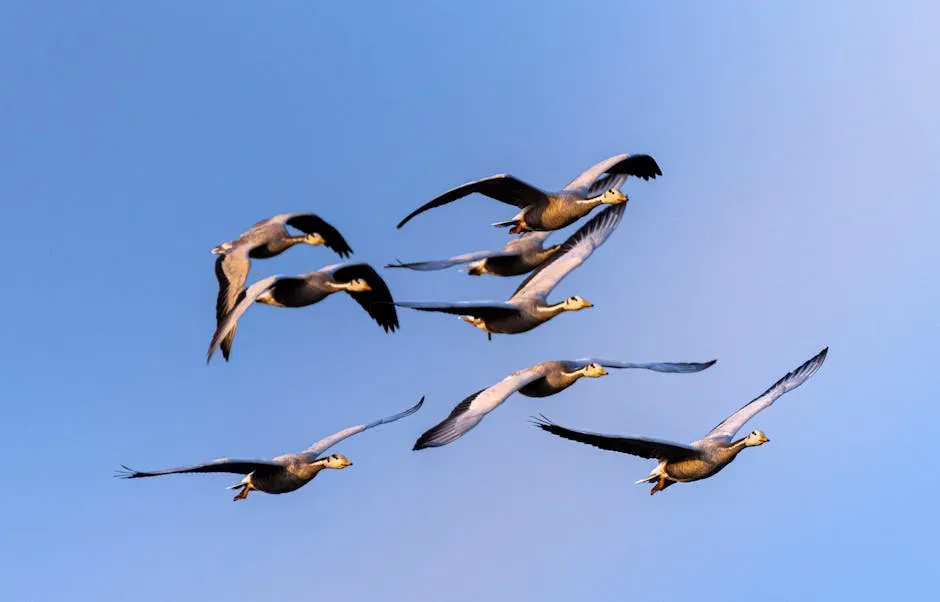
The bar-headed goose is famous for reaching extreme altitudes during its twice-yearly migrations across the Himalayas. These geese have been tracked flying as high as 7,270 meters, and mountaineers have reported seeing them fly over summits around Mount Everest. At these heights, the air contains only about 30 to 50 percent of the oxygen available at sea level.
Bar-headed geese have larger lungs than most other birds their size, and their red blood cells contain a version of hemoglobin that binds oxygen much more tightly. The hemoglobin of their blood has a higher affinity for oxygen than that of low-altitude geese, which has been attributed to a single amino acid point mutation that causes a conformational shift in the hemoglobin molecule.
To overcome the danger of flying through thin air, the geese also have a dense network of blood vessels in the wing muscles, and they can hyperventilate at seven times the normal resting rate without passing out. That last detail is remarkable: most animals would lose consciousness from that level of hyperventilation, but the geese handle it without missing a wingbeat.
Camel: Engineering Against Dehydration
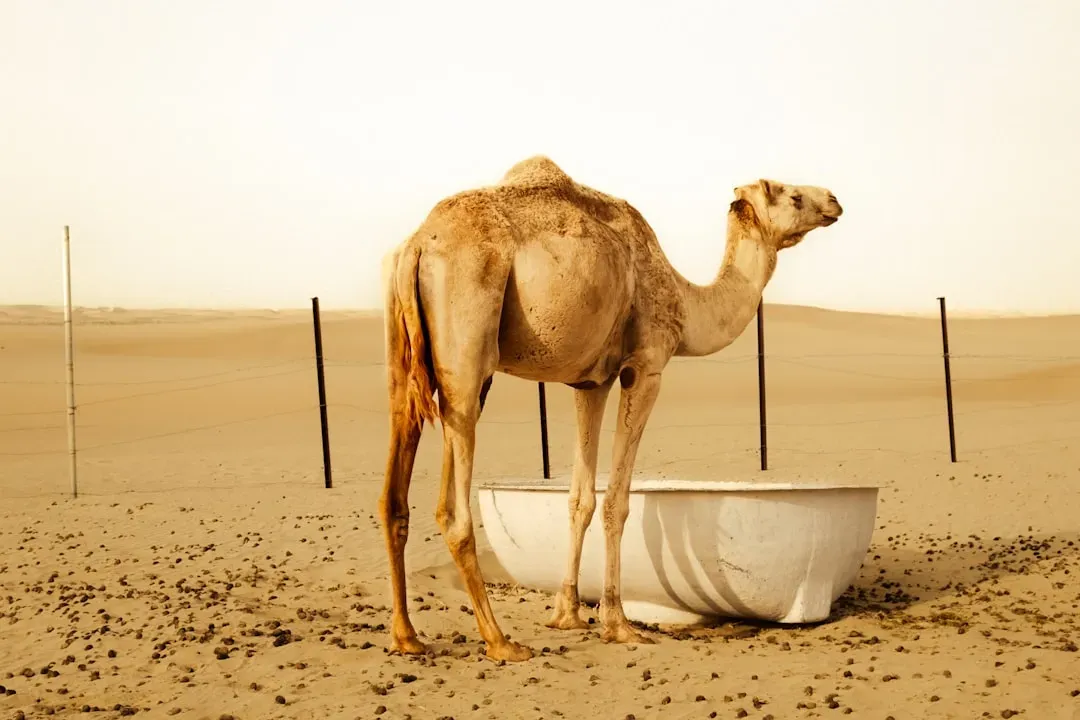
Few animals are as misunderstood as the camel. The popular belief is that camels store water in their humps. The reality is more interesting. Camels store up to 36 kg of fat in their humps, producing around 10 liters of water through metabolic breakdown. The hump is an energy reserve that doubles as an emergency water source when conditions get desperate enough.
The camel can also conserve water by producing very dry dung and concentrated urine. Every physiological system contributes to water retention. Nothing is wasted.
Camel-inspired nasal countercurrent cooling has even found application in improving HVAC systems through biomimicry. The camel’s nose recaptures moisture from exhaled air before it leaves the body, a passive recovery system so efficient that engineers have begun looking to it as a model for arid-climate architecture. Nature solved this problem millions of years ago.
Kangaroo Rat: Survival Without Drinking
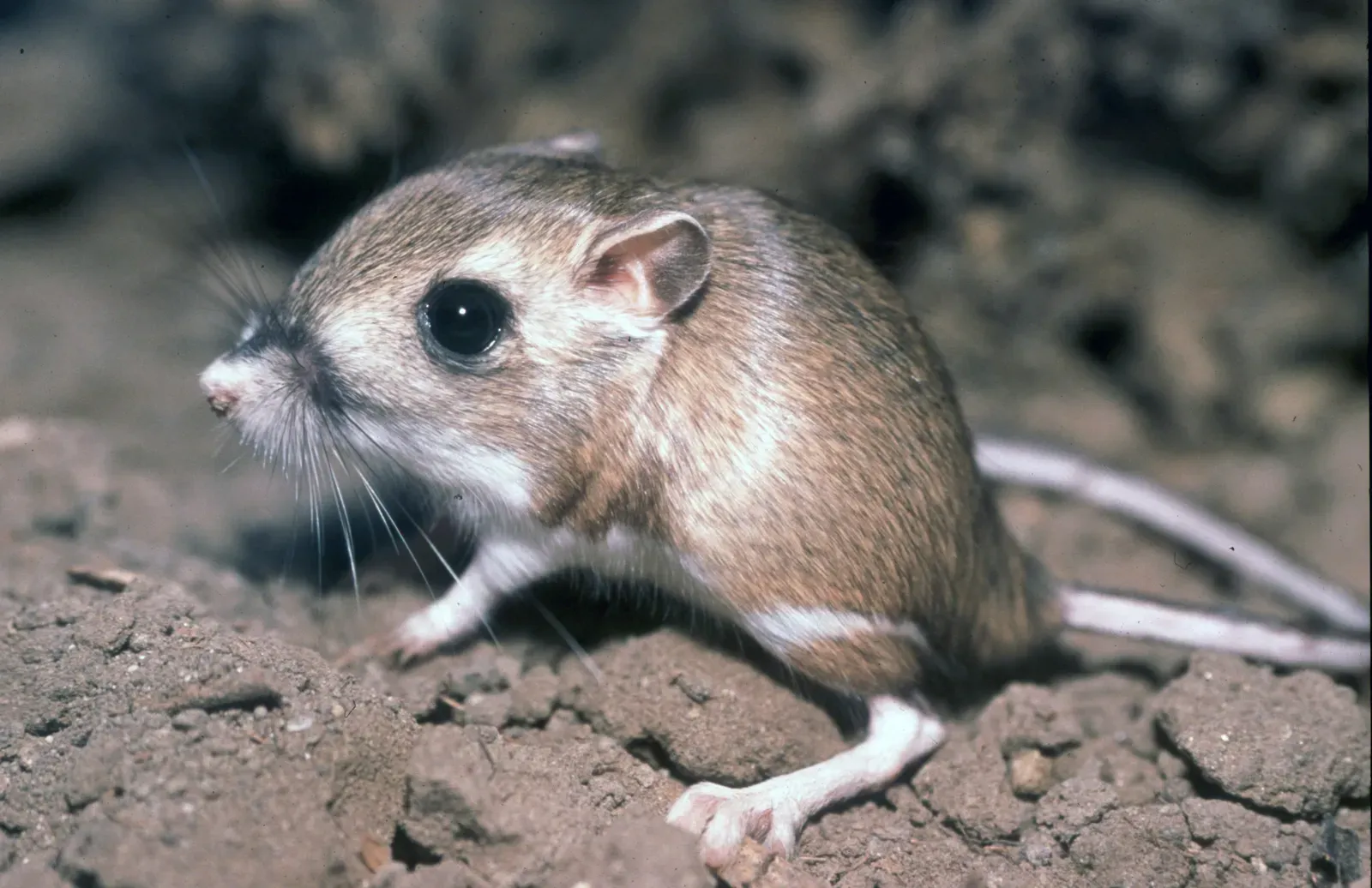
The kangaroo rat of North American deserts takes water independence to an impressive extreme. The kangaroo rat can survive without drinking water at all, obtaining all the moisture it needs from the seeds it eats. In a place where water is the scarcest resource, this is a decisive advantage.
Desert animals have developed the ability to extract water from their food and to excrete highly concentrated urine to reduce water loss. The kangaroo rat carries both of these traits to their furthest expression, combining metabolic water production with kidneys that are among the most efficient in the mammalian world.
They are also largely nocturnal, avoiding the peak heat of desert afternoons entirely. The combination of behavioral timing, metabolic efficiency, and anatomical specialization creates a self-contained system for surviving one of Earth’s driest environments without ever taking a drink.
Yeti Crab: Farming Bacteria at Hydrothermal Vents
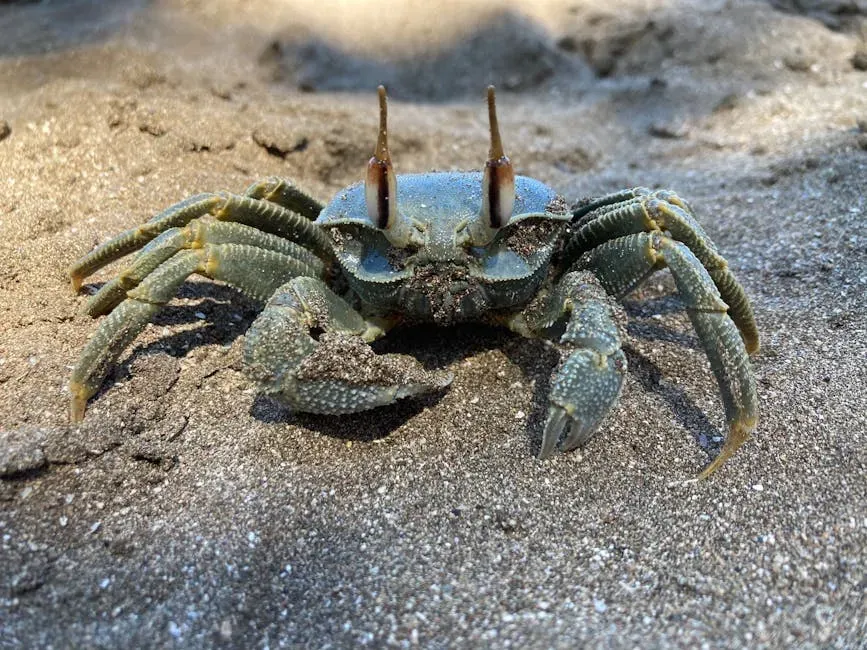
The yeti crab lives in one of the more unlikely corners of the ocean – deep-sea hydrothermal vents where sunlight has never reached and food chains look nothing like those we know at the surface. Yeti crabs cultivate bacterial gardens on their claws at 2,500-meter hydrothermal vents, oxidizing methane to generate energy independent of sunlight-based ecosystems.
The claws of the yeti crab are covered in dense, hair-like filaments that host chemosynthetic bacteria. The crab waves its arms rhythmically near the vent, alternately exposing the bacteria to warm, chemical-rich vent water and cooler surrounding water. This movement appears to regulate conditions for the bacterial colonies it relies on for food.
It is a form of active, deliberate farming – a crab tending its crop at the ocean floor. Others, like yeti crabs, cultivate symbiotic bacteria to obtain nutrients directly from their environment, ensuring feeding and survival where sunlight is absent. The depth and darkness that make that environment lethal to most life are exactly what make it viable for the yeti crab.
African Bullfrog: Waiting Out the Drought
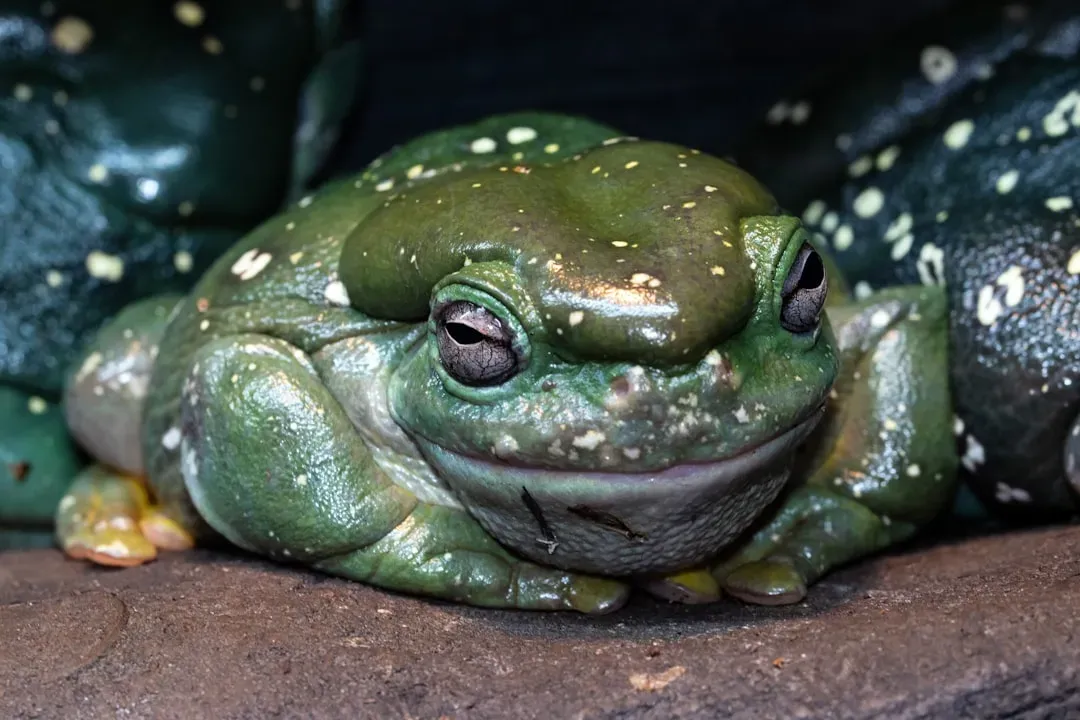
In sub-Saharan Africa, rainfall can be wildly seasonal. For the African bullfrog, the solution is to simply opt out of the dry season altogether. Found in Africa, the African bullfrog lives by burrowing in the ground, and while dormant, it stores its body’s moisture and water.
When conditions deteriorate, the bullfrog retreats underground and secretes a cocoon-like layer of shed skin cells that hardens around it, dramatically slowing moisture loss. It then enters a deep dormancy called estivation, the warm-weather equivalent of hibernation, during which its metabolism falls to a fraction of its normal rate.
When rains finally come, these frogs emerge and breed with striking urgency – completing reproduction quickly before the water disappears again. The whole life cycle is orchestrated around a resource that is available for only a short window each year, which makes the bullfrog’s patience one of its most important survival tools.
Bar-Headed Geese’s Neighbor in Extremity: The Antarctic Toothfish
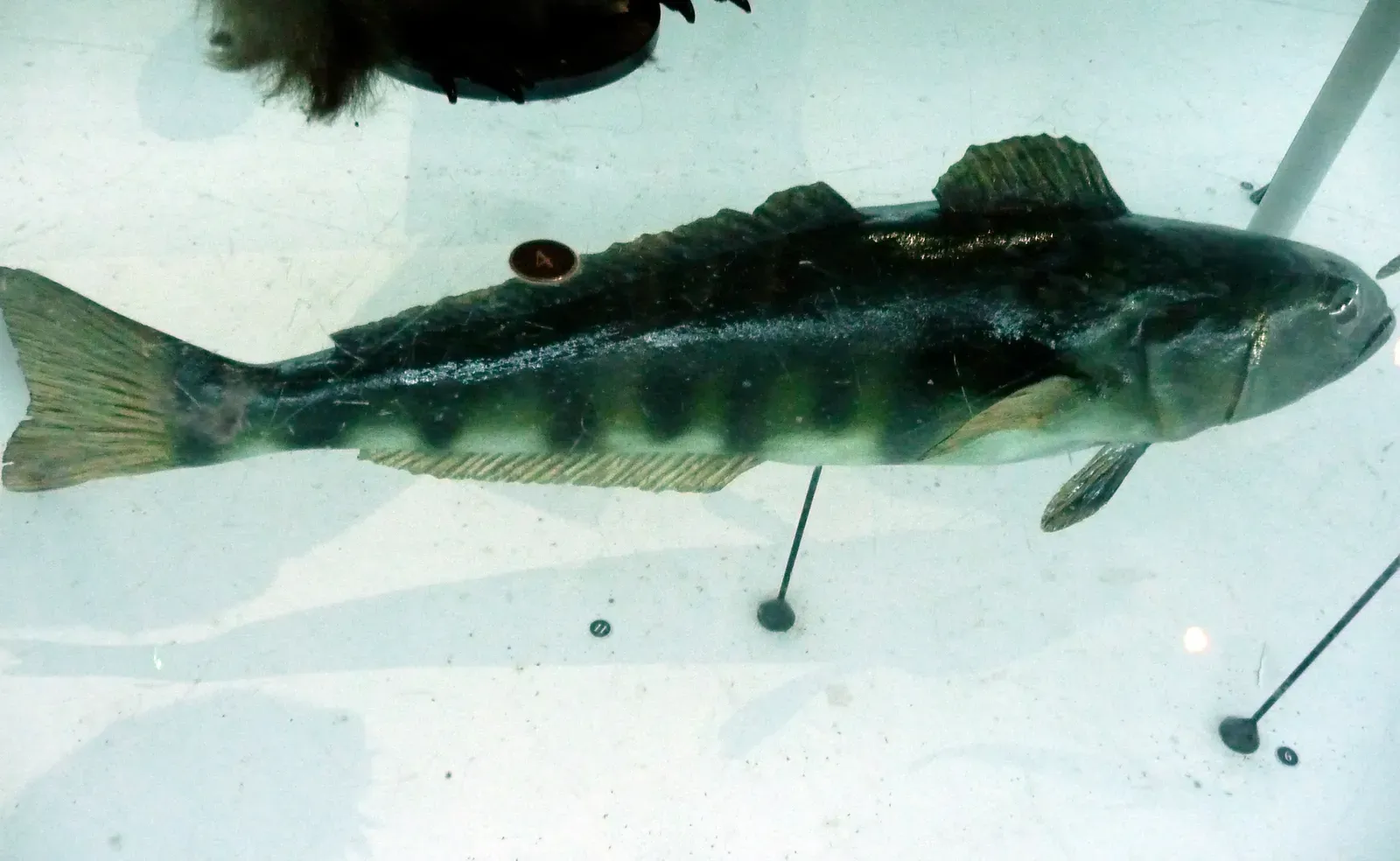
The Antarctic toothfish inhabits some of the coldest marine waters on Earth, where most fish would freeze solid. Its survival depends on one of nature’s most elegant biochemical solutions. Proteins prevent ice crystals from forming in its blood, letting it survive in water temperatures well below freezing. The Antarctic toothfish swims happily in icy seas thanks to this unique internal antifreeze.
These antifreeze glycoproteins work by binding to tiny ice crystals as they form and physically blocking them from growing larger. The result is a fish that can move freely through near-freezing seawater without its cells rupturing from ice damage – a molecular-level intervention that keeps every tissue in its body functional.
The toothfish grows slowly and lives long in these frigid waters, which has made it both a subject of scientific fascination and a target of commercial fishing pressure. Its biology is built for cold permanence, which makes the warming of Southern Ocean waters a concern that extends well beyond the fish itself.
What These Animals Teach Us
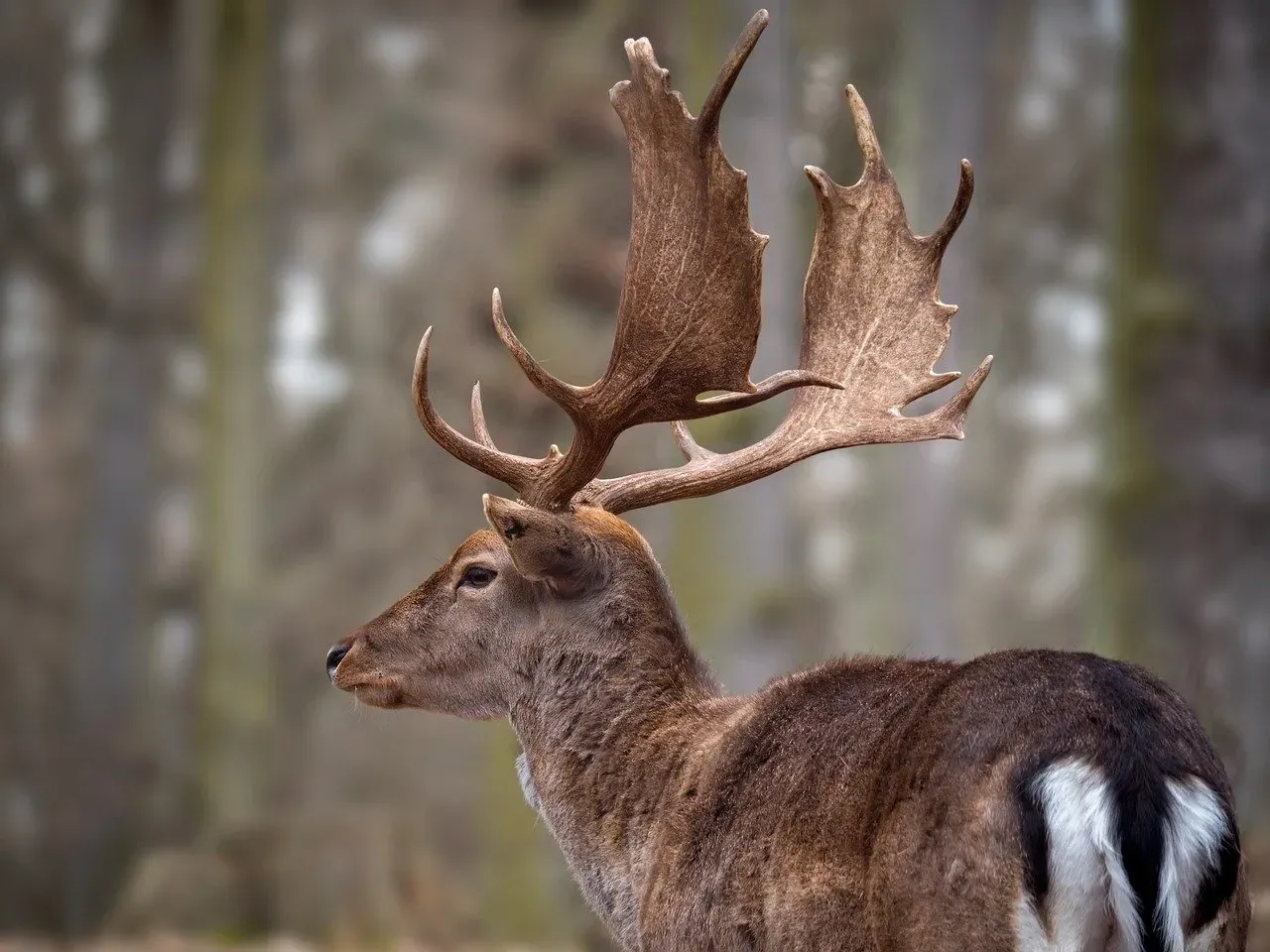
Animal adaptations in extreme environments demonstrate evolutionary precision, enabling life from the Mariana Trench’s 11 km depths to the Atacama Desert’s hyperarid soils receiving just 1 mm of rain yearly. The variety of solutions on display across these eleven animals is genuinely striking.
Uncovering the mechanisms of extreme environmental stress tolerance and how they evolve has broad implications for understanding the evolution of early life on this planet, colonization of new environments, and the search for novel forms of life, as well as a number of agricultural and health-related applications.
What stands out most, looking across all eleven of these animals, is that no single survival strategy dominates. Some freeze time. Some farm microbes. Some fly higher than thought possible. Some simply wait. The common thread isn’t toughness in the conventional sense – it’s precision. Each species evolved exactly the tools it needed for exactly the environment it faces. That specificity is what makes these animals so compelling to study, and so worth protecting.

- 6 Exotic Bird Species You Can Spot in U.S. National Parks - July 19, 2026
- 11 Iconic American Birds Facing New Challenges and How You Can Help - July 19, 2026
- 10 Friendliest Animals in the World - July 19, 2026