
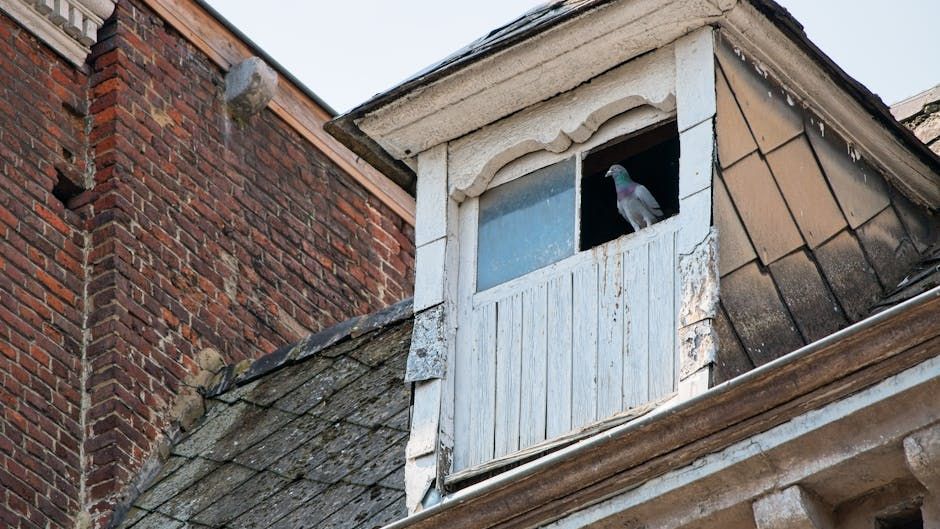
Most homeowners assume their attic is just a forgotten storage space. It’s where old boxes go, holiday decorations gather dust, and time passes quietly. What they don’t always consider is that something else may have already claimed it as home, long before anyone thought to check.
Wildlife intrusions into attics are more common than most people realize, and the creatures responsible are far more resourceful, persistent, and biologically interesting than a simple “pest” label suggests. If you’ve been hearing unexplained sounds overhead, or if you suspect something is sharing your roof space, what you’ll find here might genuinely surprise you.
There Are More Species Up There Than You’d Expect
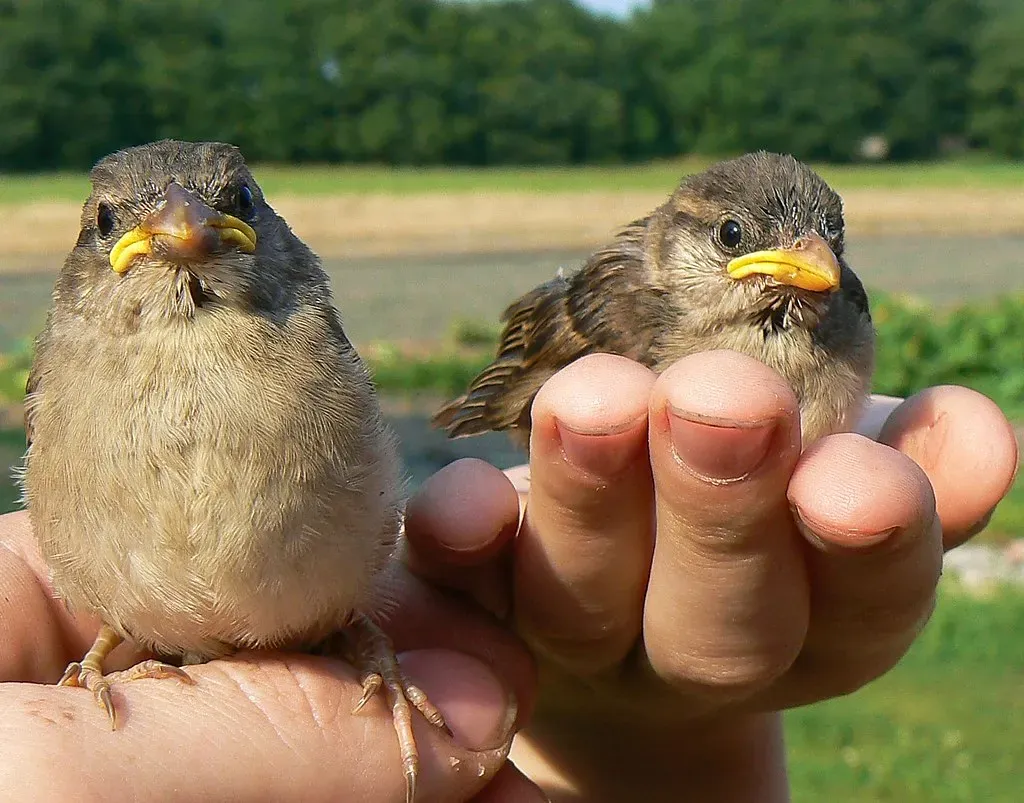
When people imagine an animal in their attic, they usually picture a mouse or maybe a squirrel. The reality is considerably broader. The most common animals that live in an attic are raccoons, squirrels, bats, mice, and rats. That’s already five distinct species with different behaviors, entry methods, and risks.
If you’re hearing an animal in your attic, it’s most likely to be one of the common attic pests: squirrels, mice, rats, bats, raccoons, or opossums. Depending on where you live, snakes and lizards are also common, but they tend to be quieter house guests.
Spotting shed snake skins is a sure sign you have snakes living in your attic. Attics may provide a warm and dry shelter for cold-blooded animals, such as snakes, that need to regulate their body temperature. Snakes can find holes and other small openings to slither into your home. That’s not a detail most homeowners prepare for.
They’re Mostly There to Have Babies
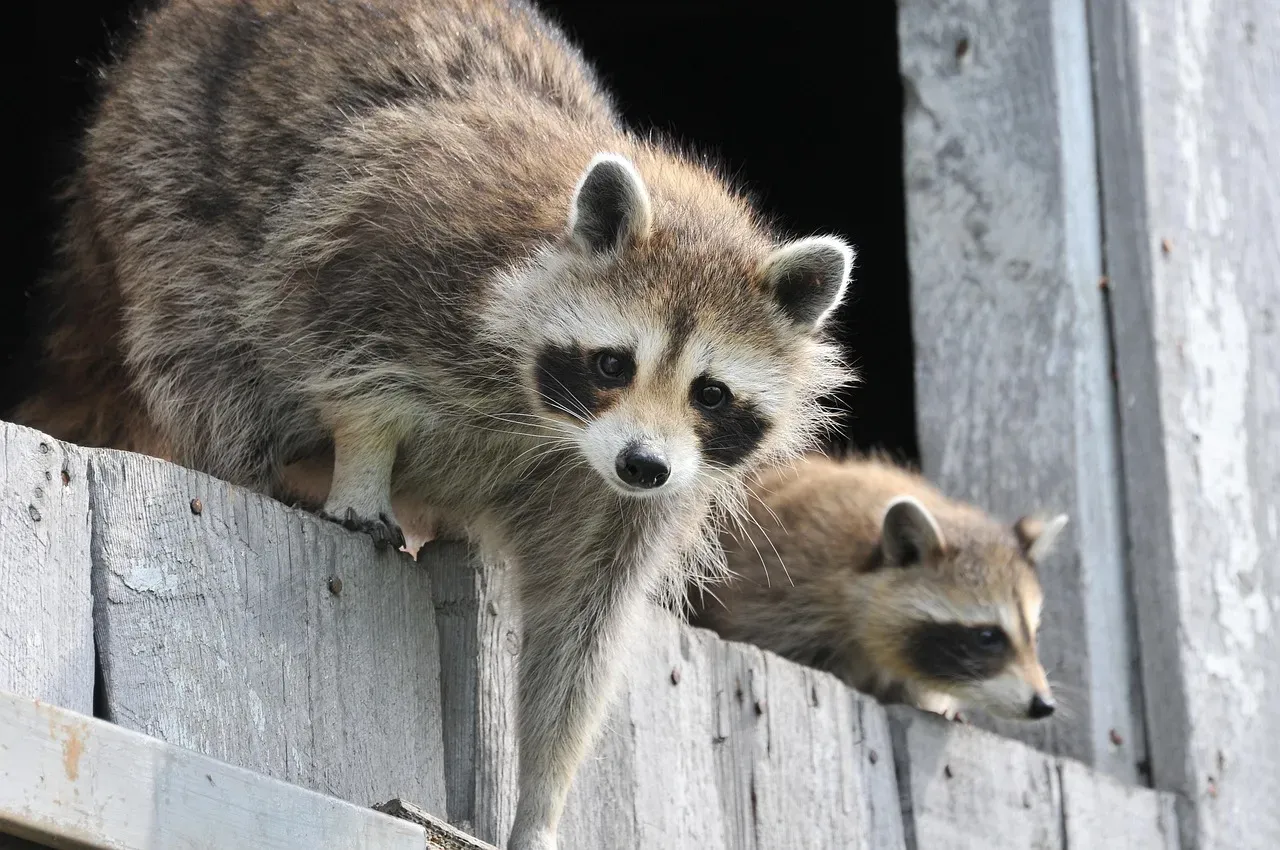
This is probably the most important and least expected fact about attic wildlife. These animals aren’t wandering in out of random curiosity. The most common reason an animal enters the attic of a home is to have a safe place to give birth to and raise a nest of young. Almost every time, a raccoon or a squirrel in your attic is a single female, who will soon give birth to a litter of three to five babies.
The only reason raccoons or squirrels take up residence in an attic is to have babies. The reason they have selected your attic is that they could gain access and your attic is the safest place to keep their babies.
This changes how you should think about removal. Many people do not even realize they have animals in their attic until the young start to make noise. Baby raccoons, for example, have a distinct vocal chatter. Baby squirrels grow very quickly and are near adult size within six weeks, at which time your attic has been transformed from a place with one active squirrel to five active squirrels.
The Time of Day Tells You Exactly Who’s Up There
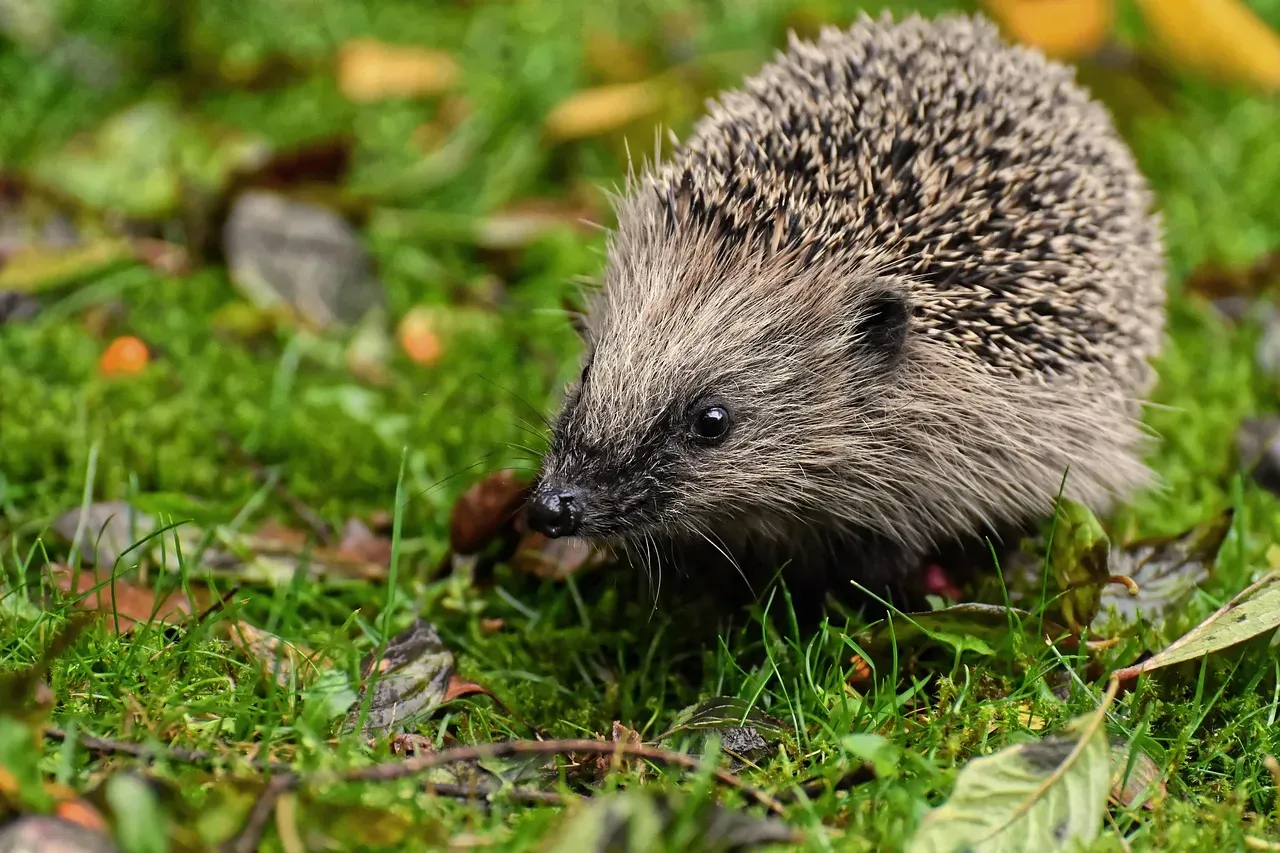
You don’t necessarily need to go up and investigate to identify your uninvited guest. The sounds and the clock can do the work for you. If you hear running at night, it is likely nocturnal animals like rats, mice, or raccoons. When squirrels are in the attic, they are mostly heard during the day.
If you hear soft thumping sounds at night, it may be flying squirrels. Flying squirrels are the only nocturnal species of squirrel. Most people don’t even know flying squirrels exist in residential areas, let alone in their own roof space.
If the sounds are in the daytime, especially early morning or evening, you have squirrels in your house. If the noise is at night but very heavy sounding and slow, it’s likely raccoons. Opossums are another option, but they are rarer. Raccoons are also most likely to make vocal noises. If the noise is a fast pitter-patter at night, especially if there’s any noise going up and down the walls, then it’s likely rats or mice, though it could be flying squirrels.
They Can Squeeze Through Impossibly Small Gaps
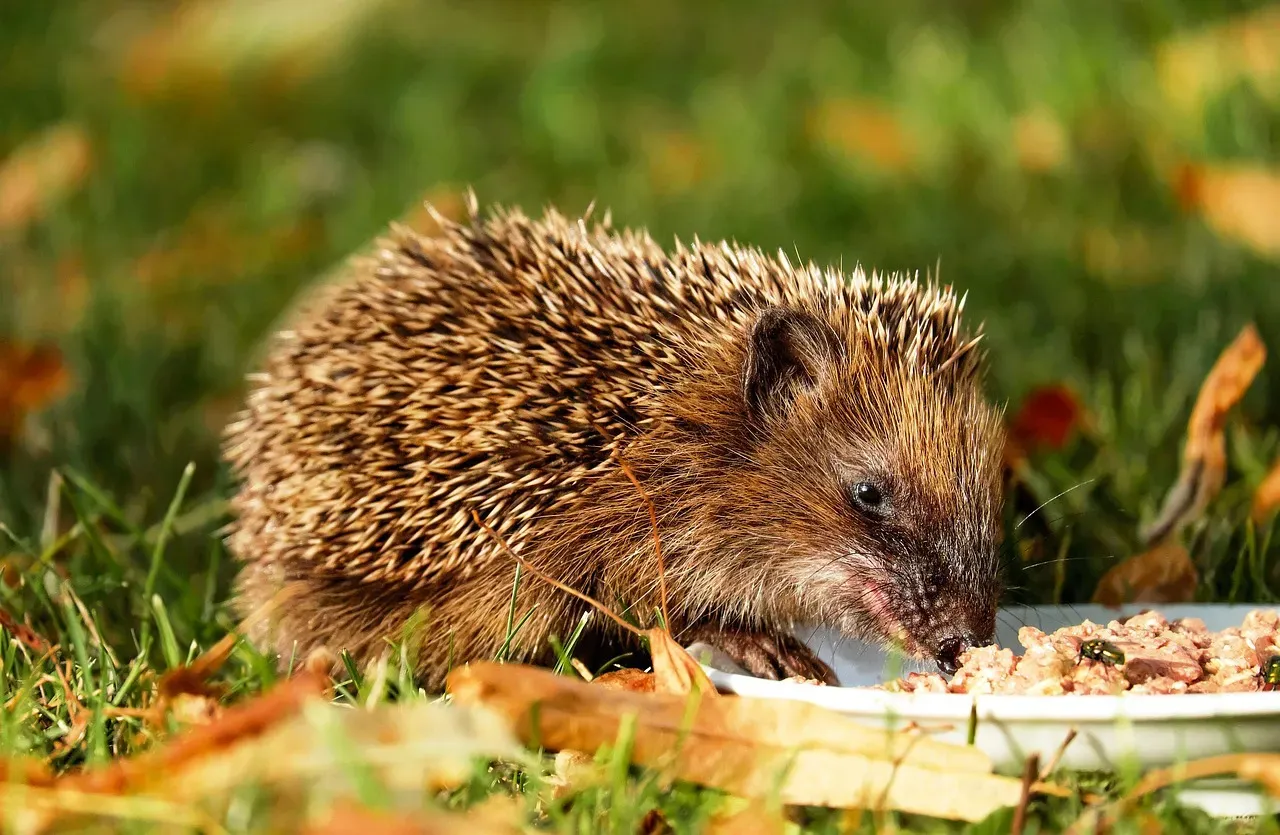
One of the most disorienting facts about attic wildlife is just how little space they need to get inside. They do not need significant gaps. A raccoon can get through a hole the size of a grapefruit. Bats need a gap no bigger than a pencil.
Bats can enter through tiny, dime-sized holes that may be difficult to notice by the untrained eye. That’s a remarkable ability for a mammal of any size. When no entry point is present at all, some species simply create one. When mice, rats, squirrels, or raccoons cannot find a suitable entry point, they can create their own.
The most common areas where wildlife enters are soffits, gable vents, roof returns, pipe stacks, any damaged areas on a property, and even construction gaps. A house doesn’t need to be in poor condition for wildlife to find a way in. Even new construction has vulnerable spots.
Rats Are Quietly Causing House Fires
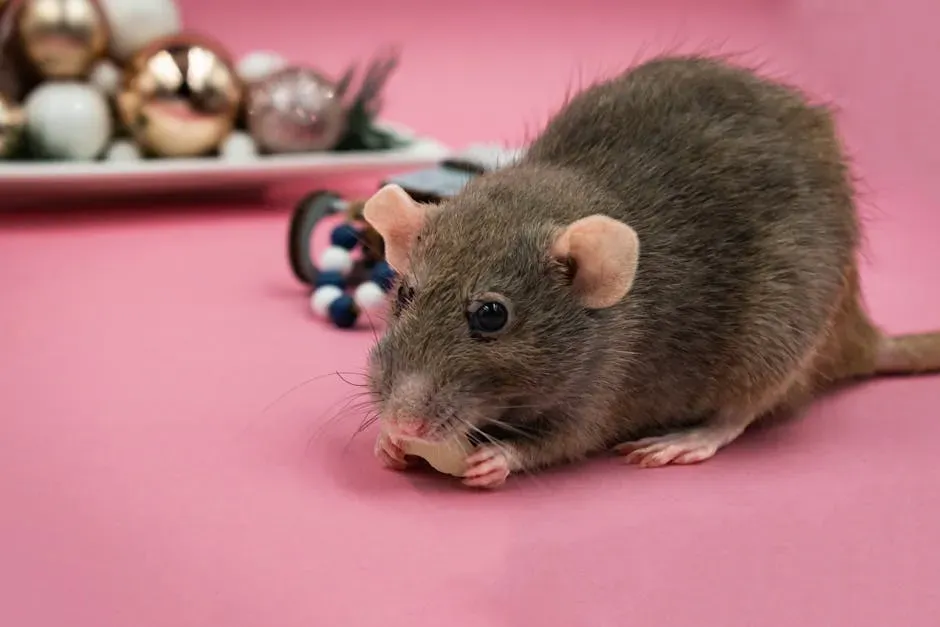
Of all the damage that attic animals cause, the fire risk from rodents is one of the most underappreciated dangers. Rats continue to be the cause of many house fires in the United States each year. The mechanism is straightforward and alarming.
Damaged wires caused by animal chewing or scratching represent the most dangerous problem in an attic, due to the fire hazard. Rodents gnaw on wiring not out of hunger but because their teeth never stop growing. Rodents, especially those who need to chew constantly, do so to keep their teeth worn down to a manageable length.
The trouble is that this type of damage is largely invisible from below. Animals may have chewed through electrical wires while inhabiting your attic, and a fire could be waiting to happen. A routine attic check can be far more consequential than it seems.
Bats Are the Biggest Health Risk of All Attic Animals
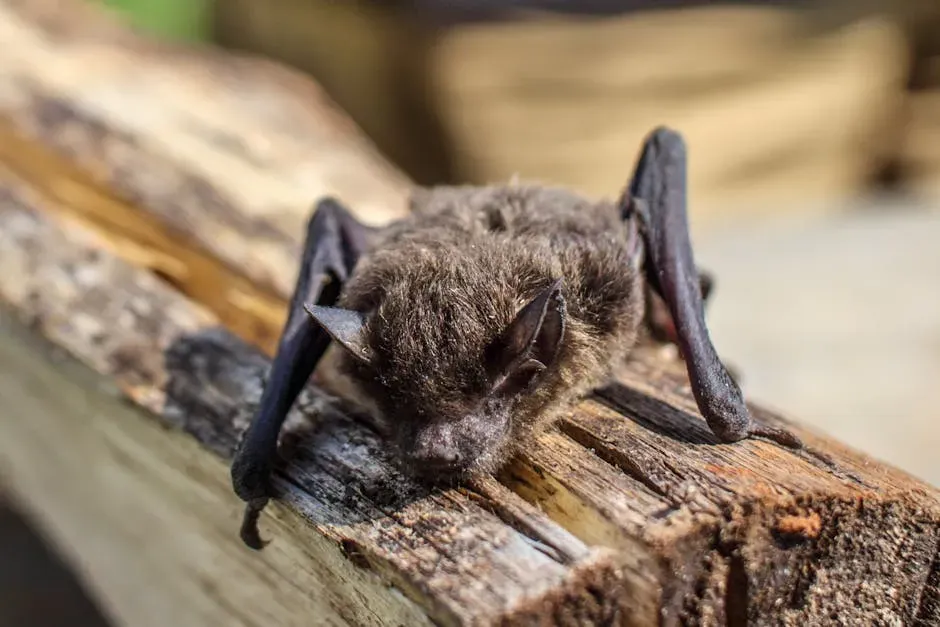
Bats are the biggest health risk among attic dwellers. Bat guano is toxic to human beings. This is a fact that surprises most homeowners who might otherwise view bats as relatively harmless.
If you have had bats in your attic for any length of time, make sure a professional animal cleanup service removes all the accumulated waste. The longer a colony goes undetected, the more significant the hazard becomes. Bats typically leave their roost at dusk to hunt and return at dawn.
Unless your attic gets very cold, which is rare, bats will live in your attic year-round. The best way to know you have bats in your attic, as opposed to any other animal, is to see them flying in and out of your home. This can be tricky because they are nocturnal, which means they are most active in the evening hours.
Raccoons Are Shockingly Intelligent and Destructive
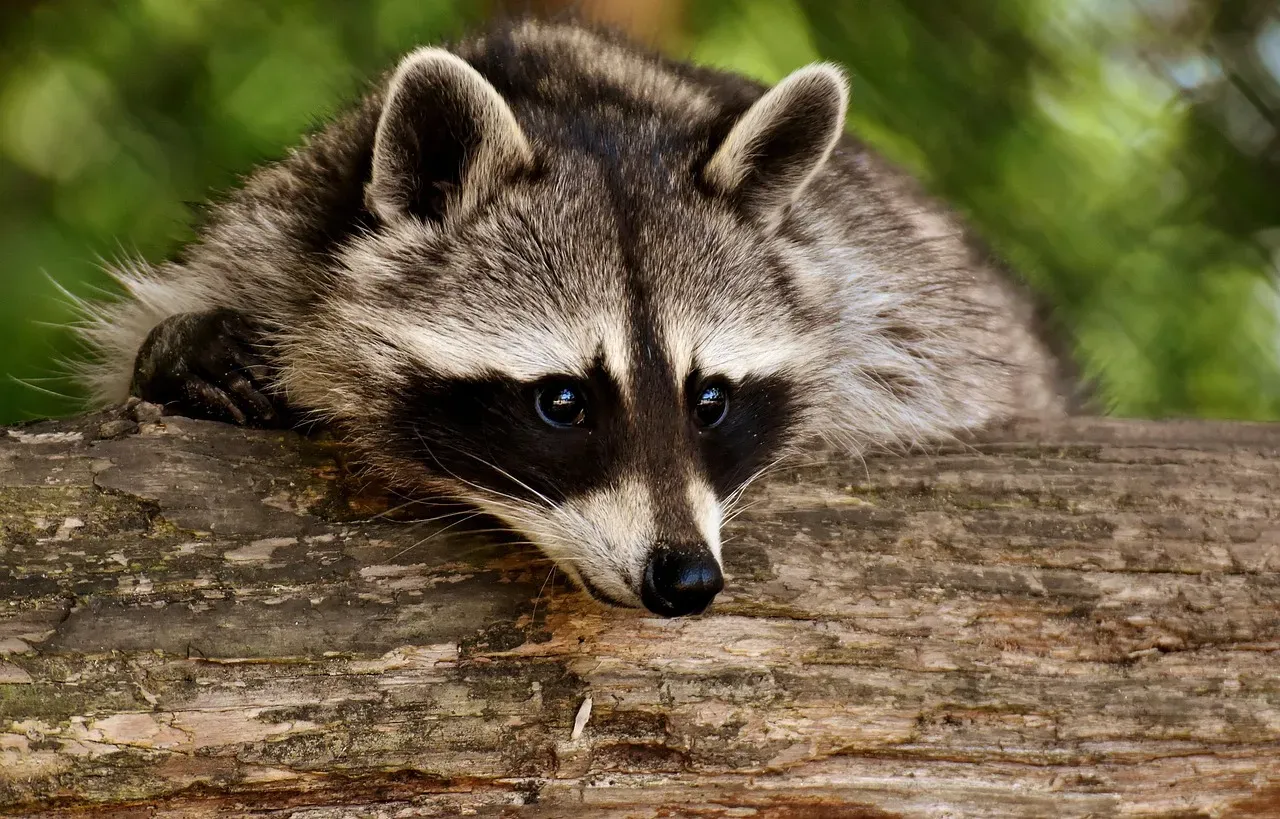
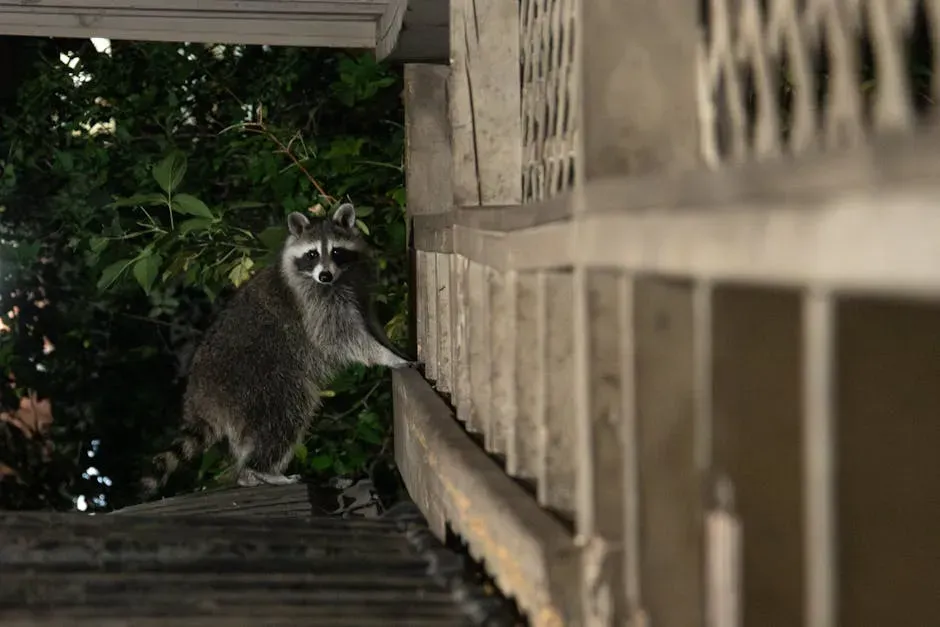
Raccoons have a reputation as clever scavengers, but what they’re capable of inside an attic goes well beyond the average homeowner’s expectations. Raccoons are nocturnal animals notorious for their strength and intelligence. They can rip apart shingles or create large holes in your roof to gain access.
Raccoons are known to rip basketball-sized entry holes in roofs, typically gaining entry through a torn vent or soffit along your roofline. Once inside, the damage continues. Raccoons will dig up insulation to create nests and will often tear up ductwork or wallpaper.
Raccoons can enter year-round, but ninety percent of cases happen in the months of March, April, and May, when the female raccoons enter attics looking for a safe place to give birth. Knowing this seasonal pattern gives homeowners a narrow but useful window for prevention each year.
Your Attic Smells Different When Something Is Living in It
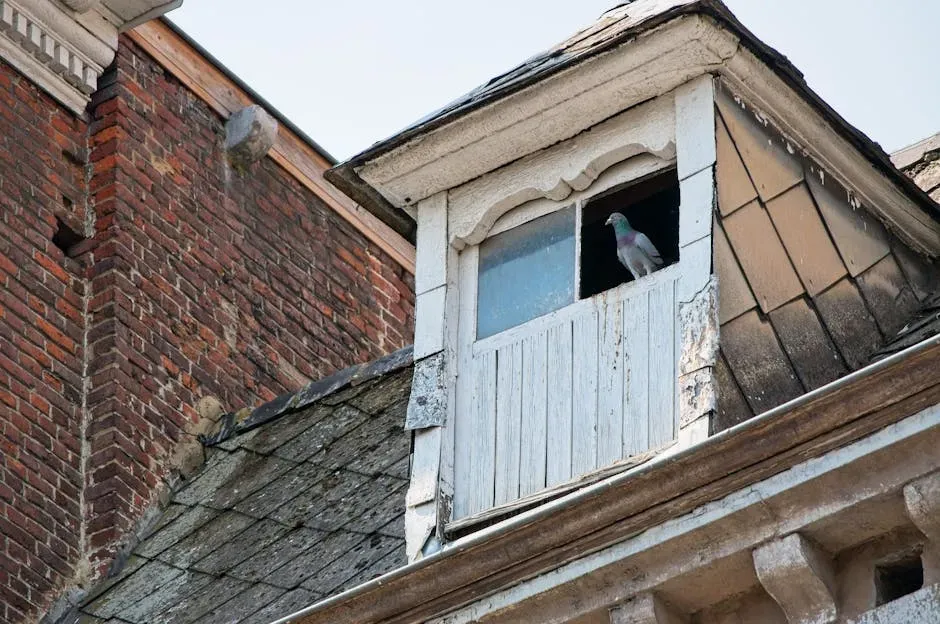
Wildlife activity in an attic doesn’t just create noise. It changes the air quality in ways that can eventually reach the living spaces below. In addition to animal droppings, animals in the attic can cause a variety of smells. Animals often bring in nesting materials like leaves, twigs, and other debris. Over time, these materials can decay and emit musty or moldy odors, especially if they become damp.
Some animals, such as rodents, leave behind body oils and grease as they move around. These oils can accumulate on surfaces and emit a distinctive, unpleasant smell. The scent trails left by rats are also visible as dark smear marks along the routes they travel repeatedly.
Animal activity in the attic can lead to increased moisture levels, which in turn can promote the growth of mold and mildew. These fungi emit musty odors that can be a sign of a larger problem with moisture and ventilation. A strange smell drifting through the ceiling is never a sign to ignore.
By the Time You Notice Them, They’ve Already Been There a While
There’s a quiet timing problem with attic wildlife that catches most homeowners off guard. By the time you’ve noticed the animal’s presence, it has likely been in the home for a while. There is probably a nest and it is probably surrounded by animal waste. The longer it is left in place the more feces and urine that will accumulate.
It is rare to actually see an animal in your home. Rats, mice, squirrels, and raccoons go to great lengths to avoid people. The invading animal leaves plenty of evidence in your attic. The evidence, though, requires someone to actually look for it.
The longer an animal issue goes unresolved, the more severe the problem will become. The amount of destruction, feces, and urine in your attic will continue to increase. Animal issues can also become hazardous. Early detection, in short, is not just convenient. It’s considerably cheaper.
Repellents Almost Never Work Once an Animal Has Settled In
Many homeowners reach for store-bought repellents at the first sign of attic trouble, only to find the animals completely unbothered. Once a wild animal lives in your attic and has a nest of babies there, that’s it. The stakes are simply too high for the animal to be frightened away by a smell or a sound machine.
Animals invade attics to seek shelter from predators, harsh weather, or to find safe places to nest and raise their young. A creature that has chosen a location this deliberately isn’t going to leave because of mothballs. Getting rid of an animal in the attic requires more than setting a trap. Different species require specific control strategies to keep you and the animal safe.
Although each critter species is different, the general process involves first inspecting the house to find out how the animals are getting inside, then inspecting the attic to find out what kind of damage they have caused and confirm which species you have, then removing the animals via trapping, one-way exclusion doors, or by hand, and finally repairing and sealing all entry holes after the animals are out.
Conclusion
Attic wildlife is more diverse, more strategic, and more consequential than most homeowners ever anticipate. These animals aren’t acting randomly. They’re following deeply ingrained instincts to find warmth, safety, and a place to raise young, and your attic, from their perspective, is an excellent choice.
The most practical takeaway is simple: routine checks matter. Inspect your roof regularly for damage, loose shingles, or open vents. Trim tree branches near your roof to prevent easy access for squirrels and raccoons. Small preventive measures taken before an animal settles in will always be easier and less expensive than addressing the damage afterward.
The creatures living overhead aren’t villains. They’re just doing what animals do. Understanding that, while taking the right steps to protect your home, is really the whole point.

- Do Dogs Have Dreams About You? Harvard Psychologists Have Solved the Mystery! - July 20, 2026
- 6 Zodiac Signs Most Drawn to Mystery, Magic, and the Unexplained - July 20, 2026
- The Sharks That Call the Mississippi River Home - July 20, 2026