

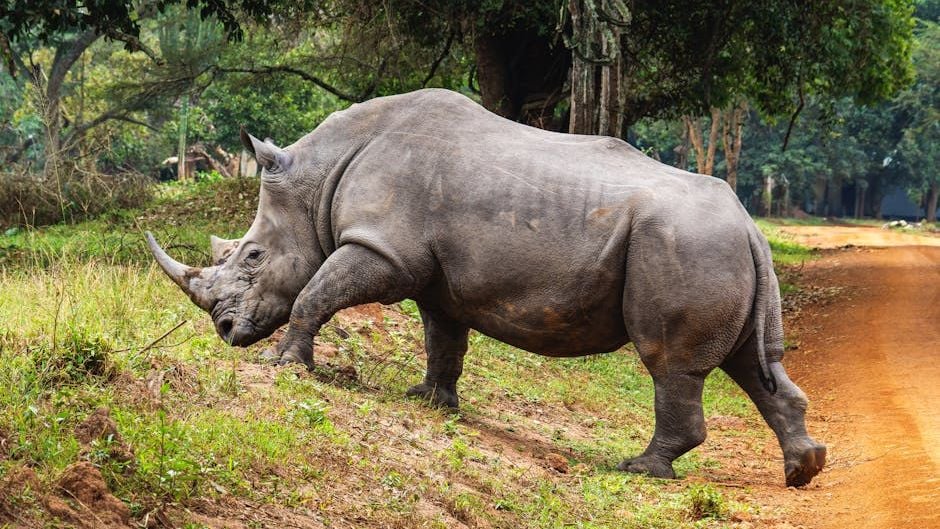
Walk into a modern conservation project today and it can feel more like stepping into a high‑tech startup than a dusty field camp. Drones hum overhead, satellites scan forests from orbit, and tiny sensors quietly track the heartbeat of wild animals you may never see with your own eyes. Yet behind all the gadgets, the goal is as old as humanity: keeping other species alive long enough to share a future with us.
Over the last decade, technology has shifted from being a sidekick in conservation to sitting at the center of how we find, monitor, and protect endangered wildlife. Some of these tools are dazzling, some are surprisingly simple, and many are still experimental, but together they’re changing what’s possible. Let’s dive into how these new technologies are reshaping the fight to protect species on the edge.
AI-Powered Monitoring: Turning Data Into a Life-Saving Superpower
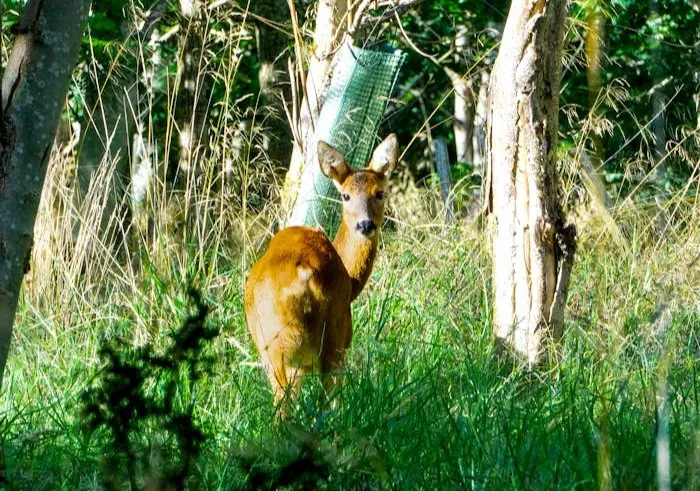
Imagine having millions of camera trap photos, audio recordings, and satellite images but only a handful of people to sort through them. That used to be the reality for many conservation projects, and honestly, a lot of critical information was simply missed. Now, artificial intelligence systems are being trained to recognize animal species, detect patterns, and flag threats at a speed no human team could ever match.
Machine learning models can scan images, identify a rare tiger or pangolin, and alert rangers in nearly real time, instead of months later when the data is finally processed. In some projects, AI listens to rainforest soundscapes and learns to distinguish chainsaws and gunshots from birds and insects, sending alerts when illegal logging or poaching might be happening. There’s still a risk of bias and errors, especially when training data is limited, but when done carefully, AI turns overwhelming noise into actionable signals that can literally save animals’ lives.
Drones in the Sky: Eyes Where Humans Can’t Easily Go
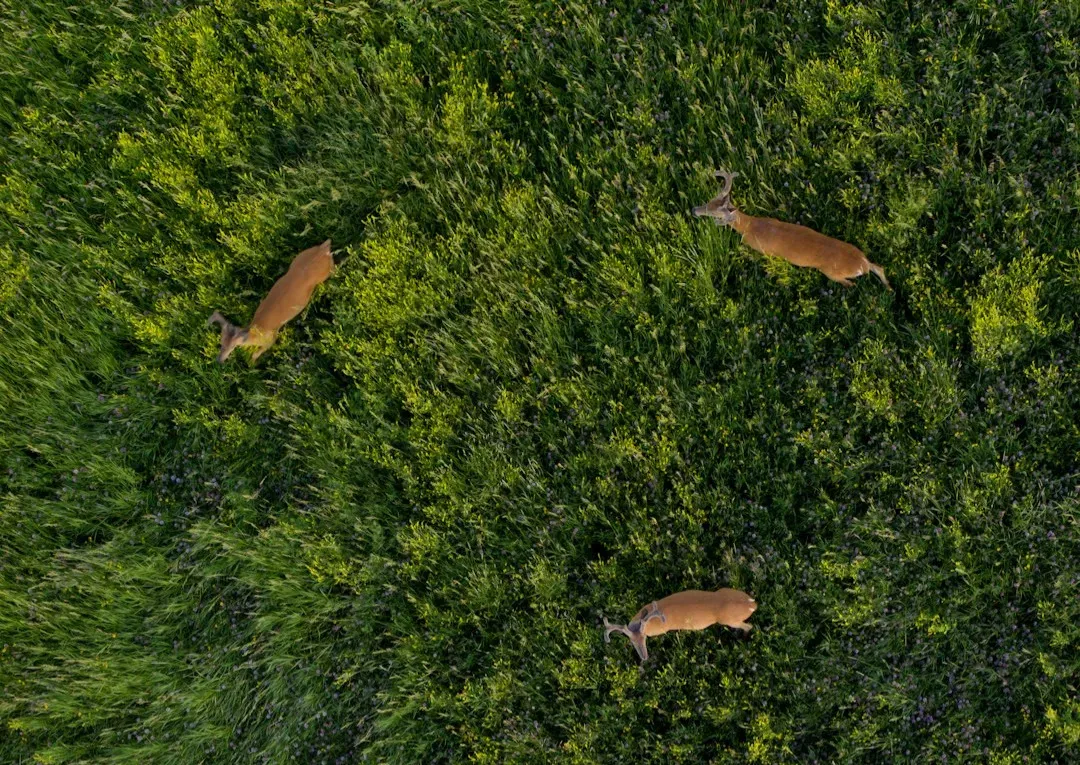
There’s something quietly dramatic about a small drone lifting off over a savanna, wetland, or dense jungle, carrying nothing but a camera and a flight plan. Drones have rapidly become one of the most visible tools in wildlife protection, allowing teams to survey huge and often dangerous areas without getting close enough to disturb the animals. They can spot elephant herds, count seals on remote ice, or look for signs of forest clearing in a fraction of the time traditional surveys would take.
Beyond simple observation, thermal imaging drones can locate animals at night, detect hidden poachers, or find survivors in the aftermath of disasters like wildfires. They also help avoid the stress and noise of helicopters, which can scare or scatter already vulnerable species. There are valid concerns around privacy, overuse, and the risk of disturbing sensitive nesting or breeding sites, so responsible protocols really matter. But when thoughtfully used, drones give conservationists something priceless: a quiet, flexible bird’s‑eye view of life that’s hanging by a thread.
Bioacoustic Sensors: Eavesdropping on the Wild for Good
If you’ve ever fallen asleep to the sound of rain on a window or birds outside at dawn, you already know how much information lives in sound. Bioacoustic sensors take that idea and crank it up: these small, rugged devices sit in forests, oceans, or grasslands and record sound continuously, sometimes for months. Later, software analyzes the recordings to track species, follow migrations, or detect human activity that shouldn’t be there.
In tropical forests, this approach has been used to monitor elusive species like certain birds, frogs, bats, and primates that are hard to see but easy to hear. In the ocean, underwater microphones called hydrophones help track whales, dolphins, and even illegal fishing activity by listening for boat engines. The beauty of bioacoustics is that you can “be present” in many places at once and pick up changes over time, like a forest going quieter as species disappear. It turns the planet’s soundscape into a living health check for endangered ecosystems.
Satellites and Remote Sensing: Watching Entire Habitats From Space
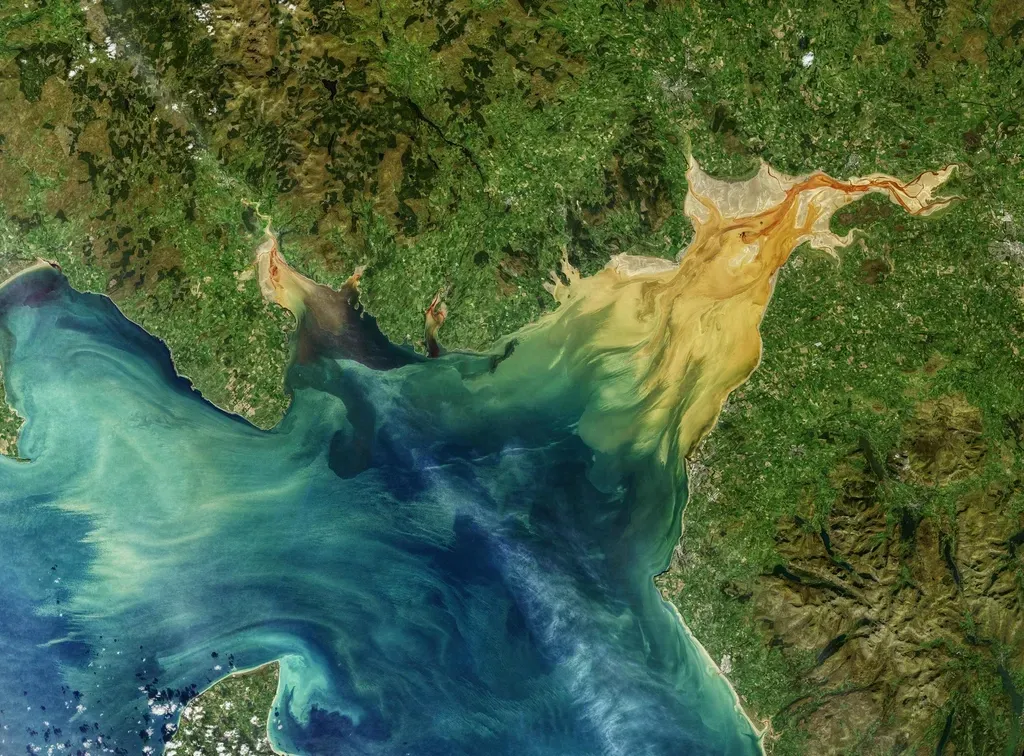
For a long time, conservation was focused mostly on individual species, but it’s increasingly clear that saving habitats is the only way to protect them in the long run. Satellites are perfect for this, because they can scan whole regions, sometimes daily, revealing patterns our eyes on the ground would never catch. Today, satellite imagery is used to monitor deforestation, track wildfires, map coral bleaching, and even estimate how much carbon a forest is storing.
Many of these images are freely available, which has been a quiet revolution for small conservation groups that previously had no hope of affording this kind of data. Advanced algorithms now analyze satellite streams to detect illegal logging roads, new mining sites, or shrinking wetlands, often within hours. This makes it harder for destructive activities to stay hidden and gives governments and communities evidence they can act on. Protecting endangered species becomes much more realistic when we can actually see, from space, how fast their homes are changing.
Genetic Tools and Environmental DNA: Finding Species Without Seeing Them
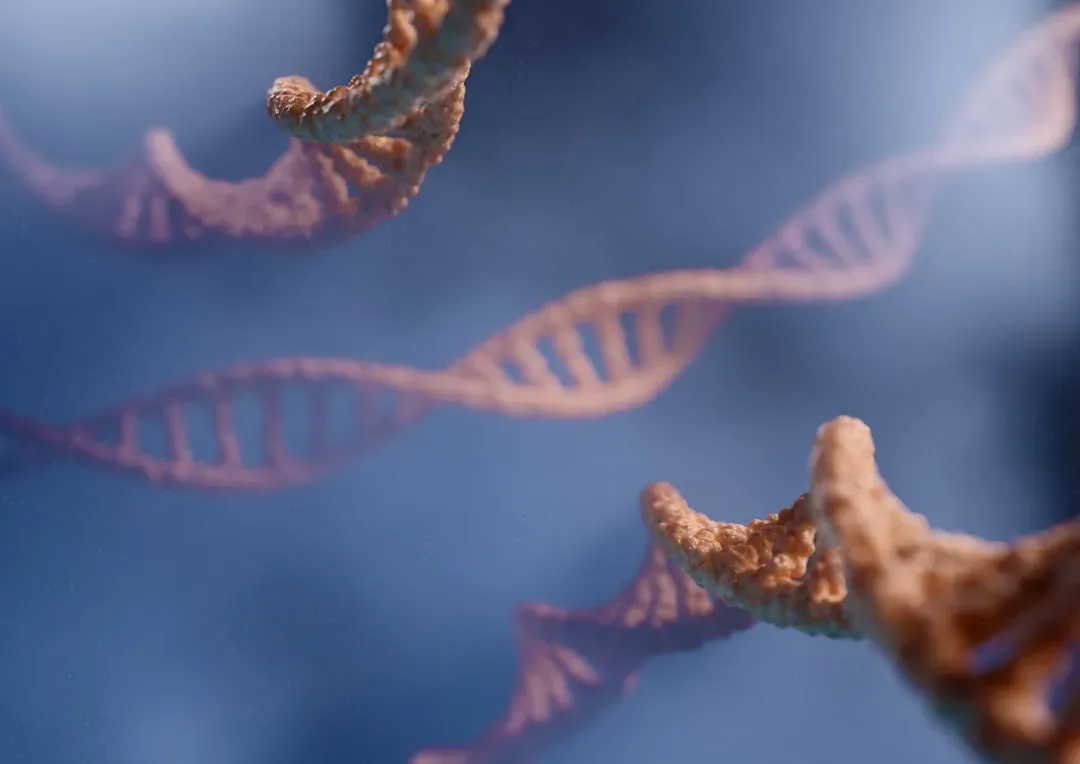
One of the most mind‑bending changes in conservation is that scientists don’t always need to see an animal to know it’s there. Environmental DNA, often shortened to eDNA, relies on the fact that animals constantly shed tiny fragments of genetic material into the environment through skin cells, hair, scales, and waste. By collecting water, soil, or even air samples and analyzing them in the lab, researchers can detect which species have passed through an area recently.
This is especially powerful for endangered species that are shy, nocturnal, or live in murky waters where traditional surveys are slow and unreliable. In rivers and oceans, eDNA has helped identify rare fish, amphibians, and marine mammals without needing to catch them or disturb their habitats. Genetic tools also support anti‑poaching work, tracing seized ivory, rhino horn, or illegal timber back to specific regions. It’s a bit like forensic science for nature, giving law enforcement and conservationists a sharper, more targeted way to respond.
Smart Collars and Biologging: Tracking Lives, Not Just Locations
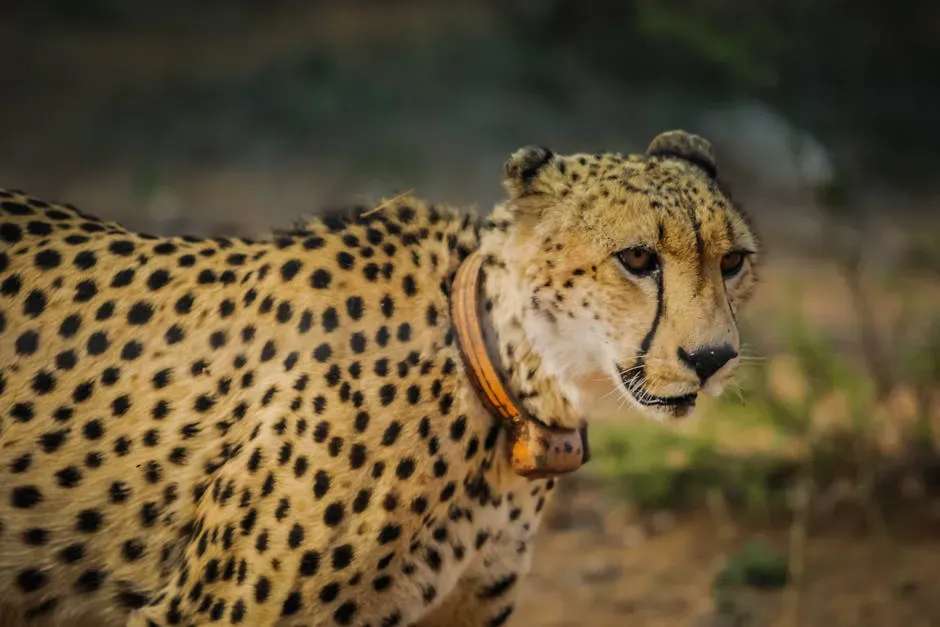
Satellite collars have been used on wildlife for decades, but the latest generation takes tracking to a completely different level. Today’s “smart” collars, tags, and biologging devices can log not just where an animal is, but how fast it’s moving, whether it’s resting or running, and even basic health indicators like heart rate. Some units can store huge amounts of data and then transmit it in bursts when the animal comes within range of a receiver or satellite network.
This stream of information helps conservation teams understand migration routes, feeding areas, and the hidden risks animals face, like crossing roads or encountering human settlements. When patterns suddenly change, it can indicate sickness, injury, or poaching, allowing faster responses. There are ethical questions about how much we should “instrument” wildlife, and tech failures still happen, but the knowledge gained can directly shape better laws, protected areas, and conflict‑prevention strategies. In a way, biologging lets animals tell us what they need, instead of us guessing from a distance.
Smart Fences, Sensors, and Anti-Poaching Tech on the Ground
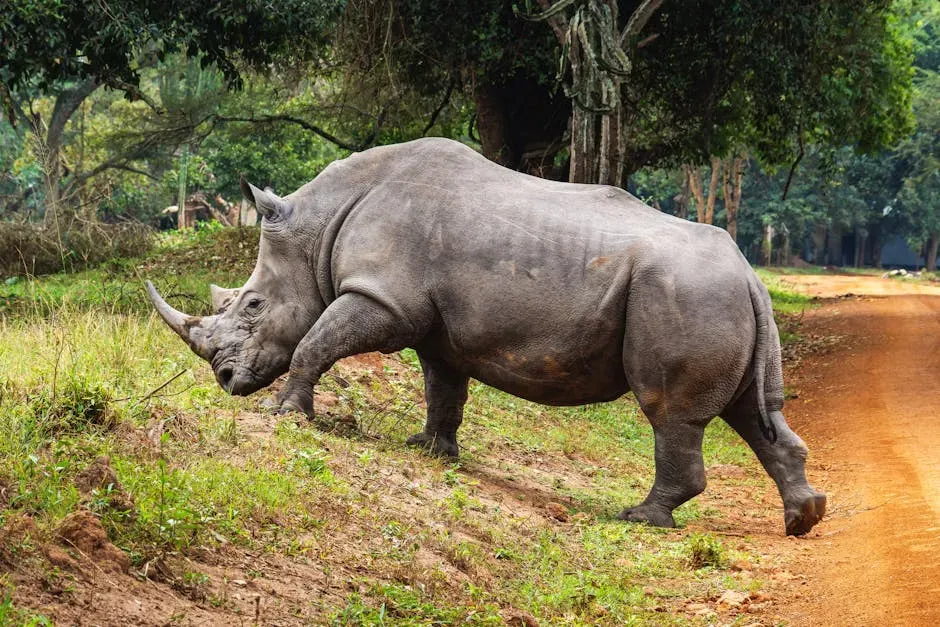
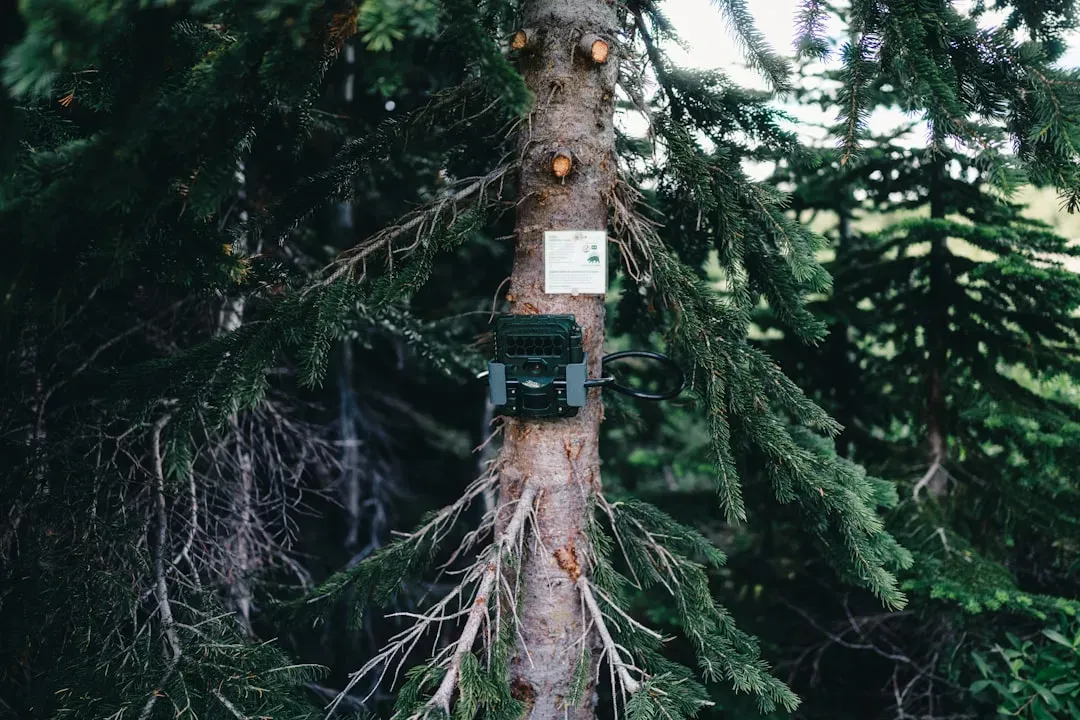
On the front lines of poaching, technology has become less of a luxury and more of a shield. Camera traps triggered by motion, ground vibration sensors, and acoustic detectors can all form an invisible barrier around key areas like rhino or elephant strongholds. When something unusual is detected, these systems send alerts to ranger teams, often with GPS coordinates, so they can respond sooner and more safely.
Some parks have experimented with “virtual fences,” where animals wear GPS collars and software triggers alarms when they approach risky areas like farms or roads. This can protect both wildlife and people by preventing conflict before it happens. While no system is foolproof and poachers can adapt, the combination of sensors, real‑time alerts, and better communications has made it much harder for illegal activity to go unnoticed. It’s a quiet, persistent layer of protection that works even when no one is physically watching.
Apps, Crowdsourcing, and Citizen Science: Millions of Eyes for Nature
Not every powerful conservation technology is expensive or complicated. Smartphone apps and simple web platforms have opened the door for ordinary people to contribute to wildlife protection in surprisingly meaningful ways. Bird watchers, hikers, divers, and local residents can record sightings, upload photos or sounds, and share locations of rare or threatened species, building enormous databases that professionals alone could never create.
These citizen science efforts help fill in gaps, especially in remote or under‑funded regions, and can reveal trends like declines in insect populations or shifts in migration timing. In some cases, community reports have even helped detect invasive species early enough to respond, or provided evidence for new protected areas. There are challenges with data accuracy and privacy, and sensitive information sometimes has to be carefully hidden to avoid attracting poachers. Still, turning millions of people into casual “field assistants” might be one of the most underrated tech revolutions in conservation.
Virtual Reality, Storytelling, and Emotional Tech for Conservation

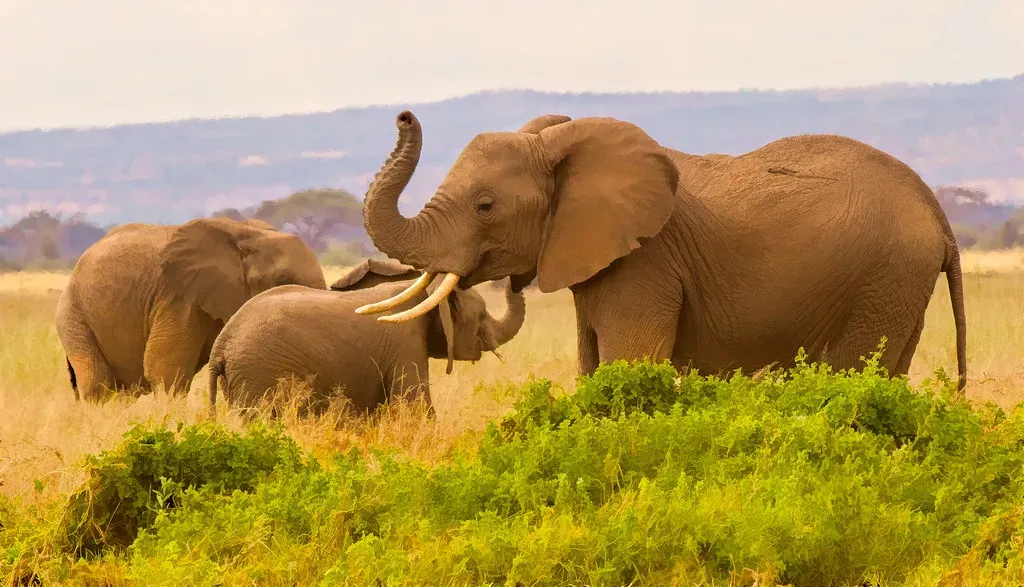
There’s a softer side to technology that matters just as much as sensors and satellites: the power to make people care. Virtual reality films that drop you into a shrinking ice field with polar bears, interactive maps that show forests disappearing in real time, or immersive online tours of coral reefs can turn abstract problems into personal experiences. When you feel like you’ve stood next to a wild elephant or swum beside a turtle, the loss of those species stops being just another headline.
High‑quality visuals, data‑driven storytelling, and creative digital art can help bridge the emotional gap between urban life and distant ecosystems. This can influence donations, policy support, and consumer choices, like reducing demand for products that drive habitat destruction. Of course, slick visuals without real action can become empty marketing, and there’s always a risk of overwhelming people with doom. But when done honestly and grounded in evidence, emotional tech can turn empathy into energy for real change.
Balancing Promise and Limits: Technology Is a Tool, Not a Savior

It’s tempting to imagine that with enough gadgets and algorithms, we can simply “solve” extinction. Reality is messier. Many technologies are expensive, need skilled staff, and depend on stable funding or political will, which are often missing exactly where biodiversity is richest and most threatened. Hardware fails, software breaks, batteries die, and no sensor can stop a bulldozer without laws and enforcement behind it.
At the same time, ignoring technology would mean walking away from some of the most powerful tools we’ve ever had to understand and protect life on Earth. The real challenge is to treat these innovations as amplifiers of human commitment, not replacements for it. Local communities, Indigenous knowledge, strong institutions, and fair economies still sit at the heart of any lasting solution. Technology works best when it serves them, not the other way around.
Conclusion: A Future Where Innovation and Wildness Coexist
Standing at this moment in 2026, it’s striking how different conservation looks compared to just a generation ago. We now track whales from space, detect tigers in pixels and sound waves, and let DNA floating in a river reveal hidden species that might otherwise slip away unnoticed. Some of these tools still feel almost like science fiction, yet they’re already shaping laws, guiding patrols, and giving endangered animals a bit more breathing room.
But in the end, no app or satellite can replace the simple decision to value wild lives and intact ecosystems. Technology can buy us time, illuminate the invisible, and help us spend scarce resources more wisely, but it can’t choose compassion for us. The question is whether we’ll use these powerful tools to build a world where advanced technology and ancient wildness stand side by side, instead of one erasing the other. When you think about the future of endangered species, which matters more to you: the tools we build, or the choices we make with them?
