

Most people picture the ocean when they think about mysterious underwater life. Strange bioluminescent creatures, alien-looking fish, things that look like they belong in science fiction. Yet some of the most remarkable aquatic animals on the planet live far closer to home, quietly going about their lives in the cold, deep freshwater lakes scattered across the United States.
With about half a million lakes in the contiguous United States and more than three million in Alaska, only a small number reach truly extraordinary depths. The ten deepest were shaped by powerful geological forces over thousands, or in some cases millions, of years. These ancient basins, carved by glaciers or collapsed volcanoes, harbor creatures that have adapted to near-freezing temperatures, crushing pressure, and near-total darkness in ways that continue to surprise scientists. Here is a look at ten of the most remarkable.
The Siscowet Lake Trout: A Deep-Pressure Specialist Found Only in Lake Superior
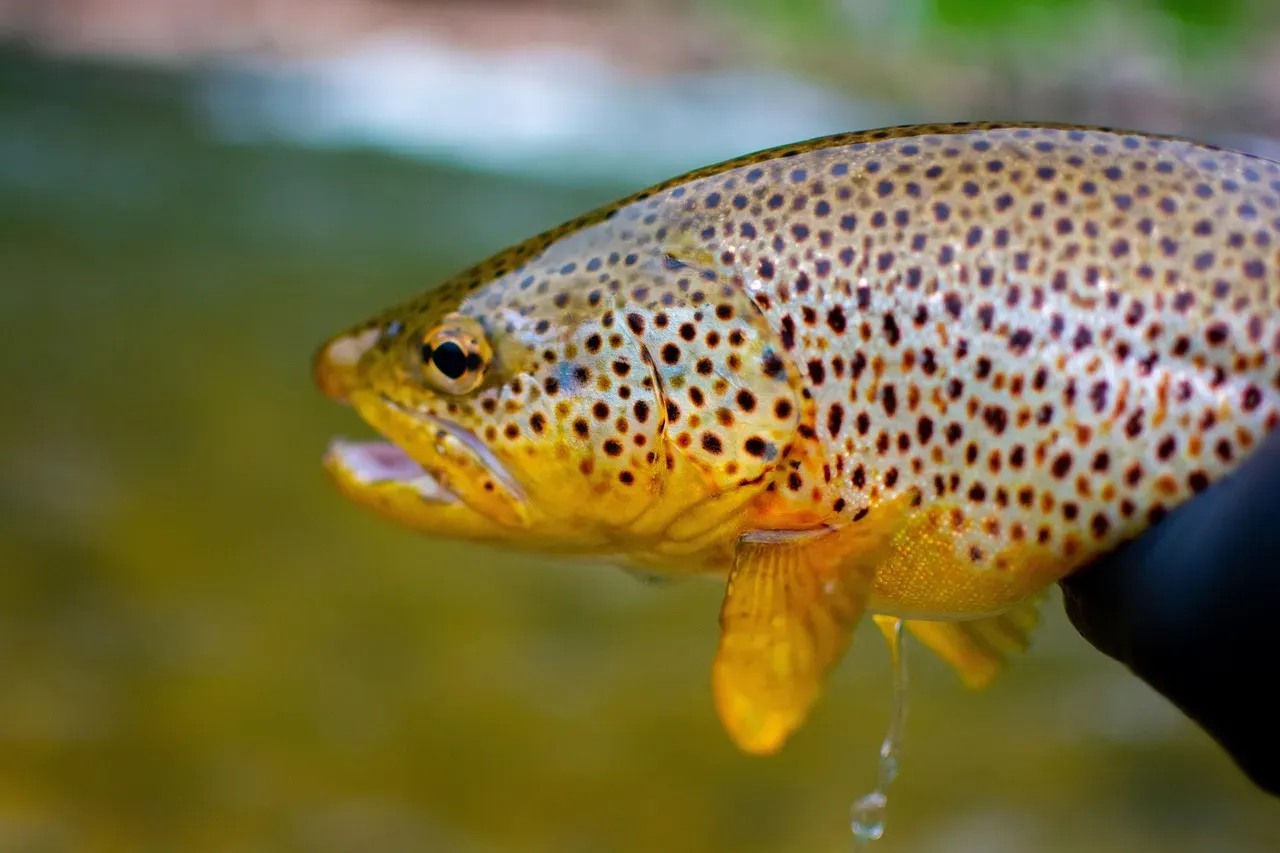
Most fish species struggle to survive below a certain depth. The siscowet lake trout doesn’t just survive deep water – it thrives in ways no other trout can. The siscowet is only found in Lake Superior and is the main predator in the deepwater region of the lake.
This deepwater type thrives at depths typically between 300 and 600 feet, and has been found at over 1,000 feet. Siscowet are characterized by their high fat content, which aids in buoyancy and energy storage in the cold, deep environment.
The siscowet feeds near the bottom of the lake during the day and ventures up into the water column at night in search of food. This vertical migration between the cold darkness of the lakebed and the relatively warmer, food-rich upper waters is a behavioral trick that defines its daily existence. Researchers have collected siscowets in proximity to Lake Superior’s greatest recorded depth of 405 meters, the greatest depth at which fish have been collected in the Great Lakes.
The Deepwater Sculpin: The Bottom-Crawler with Extraordinarily Sensitive Eyes
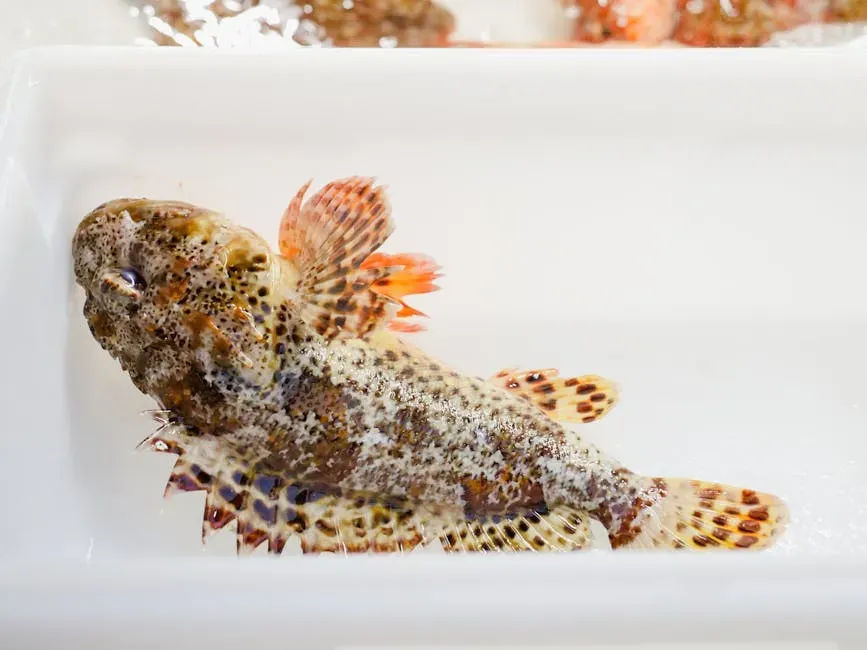
If anything can claim the title of “most alien-looking fish in a freshwater lake,” the deepwater sculpin deserves consideration. Sculpins have very wide, flattened heads, as though they’ve been stepped on. Their bodies taper to be much smaller and thinner by their tails. They’re scaleless, instead covered by tiny curved spines. Large pectoral fins allow them to scoot and “walk” along the sediment.
Deepwater sculpins are abundant in Lake Superior’s deep areas, residing on the lakebed. They are found in waters deeper than 65 feet, feeding on aquatic invertebrates and serving as a food source for lake trout.
The deepwater sculpin proved exceptionally sensitive to light stimuli, and may be the most visually sensitive of the three deepwater species studied. It shows sufficient visual sensitivity to potentially mediate predator-prey interactions throughout the majority of its range. In a world with almost no light, sharp vision is an extraordinary survival edge.
The Opossum Shrimp: America’s Tiny Deepwater Migrant
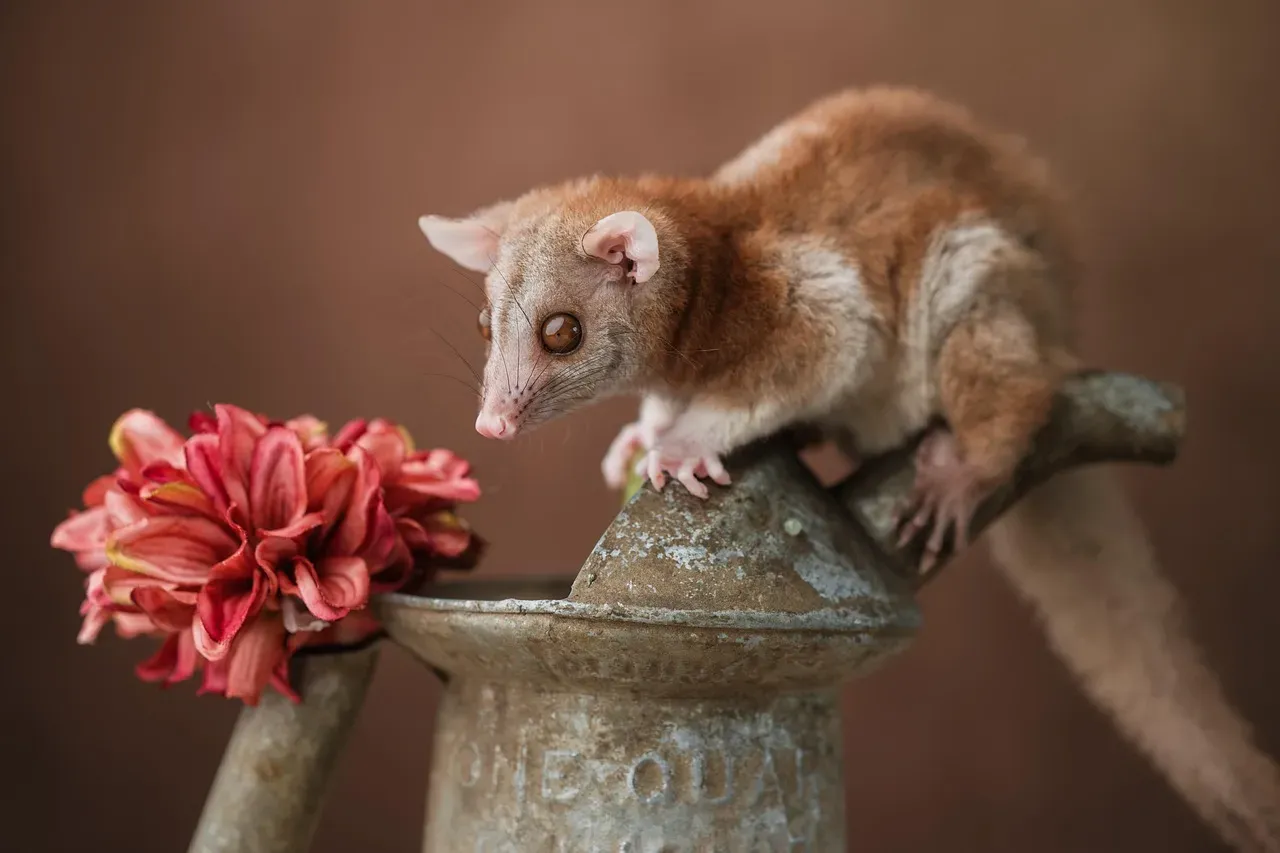
Small, translucent, and easily overlooked, the opossum shrimp performs one of the most remarkable daily commutes of any creature in American freshwater lakes. The deepwater crustacean Mysis diluviana resides near the lake bottom during the day to avoid visual predators, then ascends hundreds of meters at night to feed on plankton. This movement transfers nutrients from the bottom habitat to the open-water food web, where they serve as a nutritious food source for deepwater fish.
In the Great Lakes, the term “opossum shrimp” refers to Mysis relicta, a native species. It gets its name from its unique reproductive behavior, in which it carries its larvae inside itself, similar to a marsupial – much like the opossum.
Mysis diluviana was found to be the most common prey item in Lake Superior’s offshore food web, indicating that changes in Mysis abundance could have a profound impact on the entire offshore food community. Something that small, holding an ecosystem together. That’s how these lakes actually function.
The Kiyi: The Big-Eyed Deep Cisco That Barely Anyone Knows About
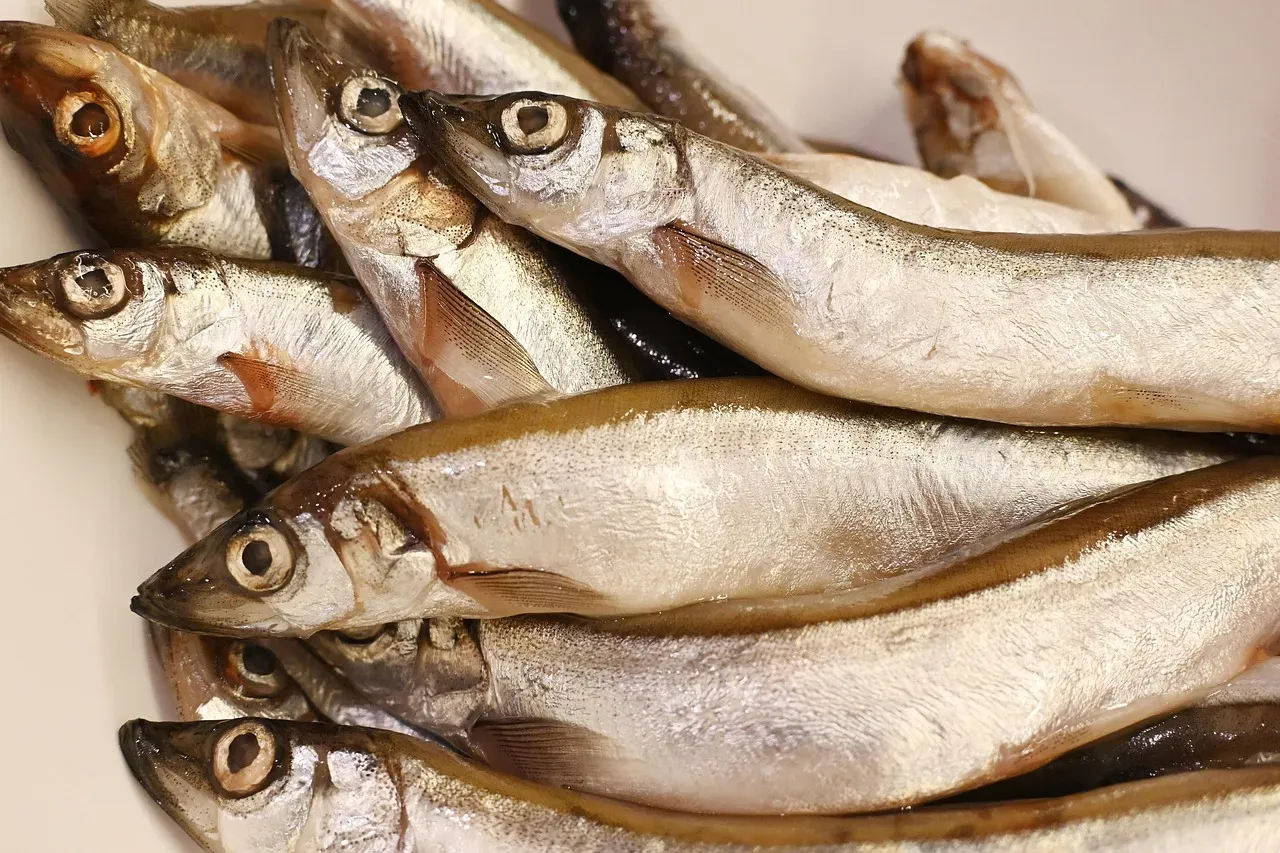
The kiyi, a deepwater cisco endemic to the Great Lakes, now primarily persists in Lake Superior, where it is common. Kiyi are often found at depths greater than 260 feet. Most people have never heard of it, yet it plays a central role in the deep-lake food chain of one of the most ecologically important bodies of water in North America.
These salmonids, sometimes called the big-eyed chub, average around ten inches in size, with large eyes that account for nearly a quarter of the head’s length. These bulbous eyes enable them to keep watch for lake trout, their primary predator.
Kiyi have evolved acute eyesight, giving them an advantage in the shadowy depths where light is minimal. Their spawning also happens in the cold and dark. Spawning occurs during winter, from November through December, with females laying eggs on gravelly substrate over 100 meters below the water’s surface.
The Mudpuppy: The Eternal Larva That Lives Through Winter Ice
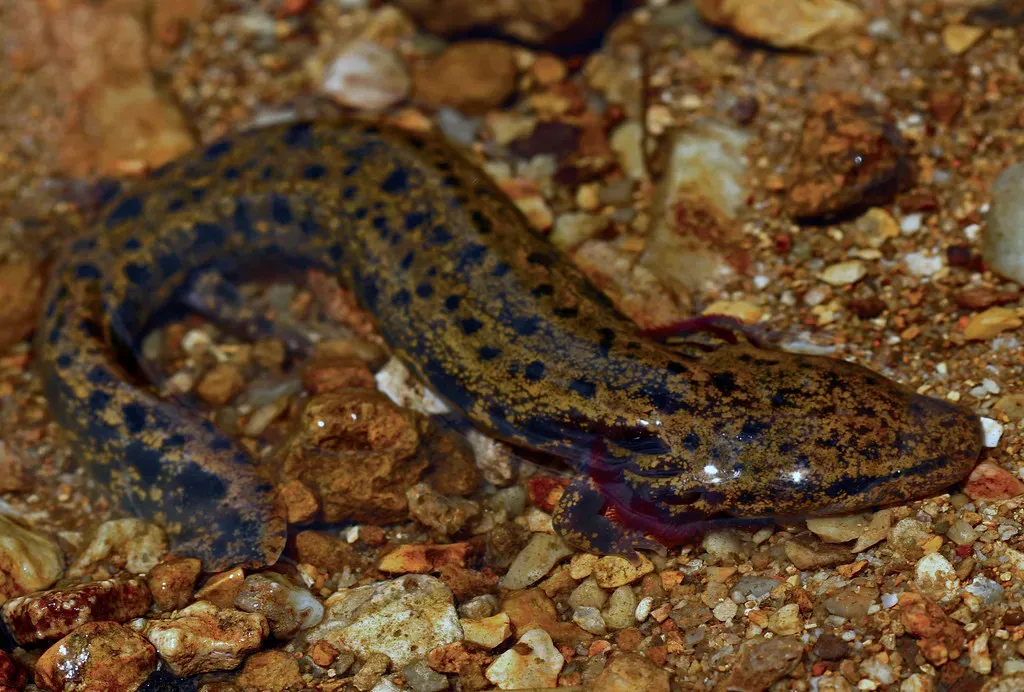
The mudpuppy is genuinely strange. It’s a fully aquatic salamander that never grows up, at least not in the conventional sense. Mudpuppies are completely aquatic salamanders that never undergo metamorphosis, retaining their external, feathery red gills throughout their lives, and can grow up to 16 inches long.
They prefer cool waters and become most active during winter, even swimming under ice when many other lake creatures are dormant. They have four stubby legs, a flattened tail for swimming, and can live up to 30 years. The idea of an amphibian hunting prey through a pitch-black lake under a sheet of ice is unexpectedly dramatic.
Their sensitivity to pollution and low oxygen levels makes them important bioindicators, with declining populations often signaling environmental problems in a lake ecosystem. Scientists treat their presence, or absence, as a real-time water quality report.
The Lake Sturgeon: A Living Fossil in Deep American Waters
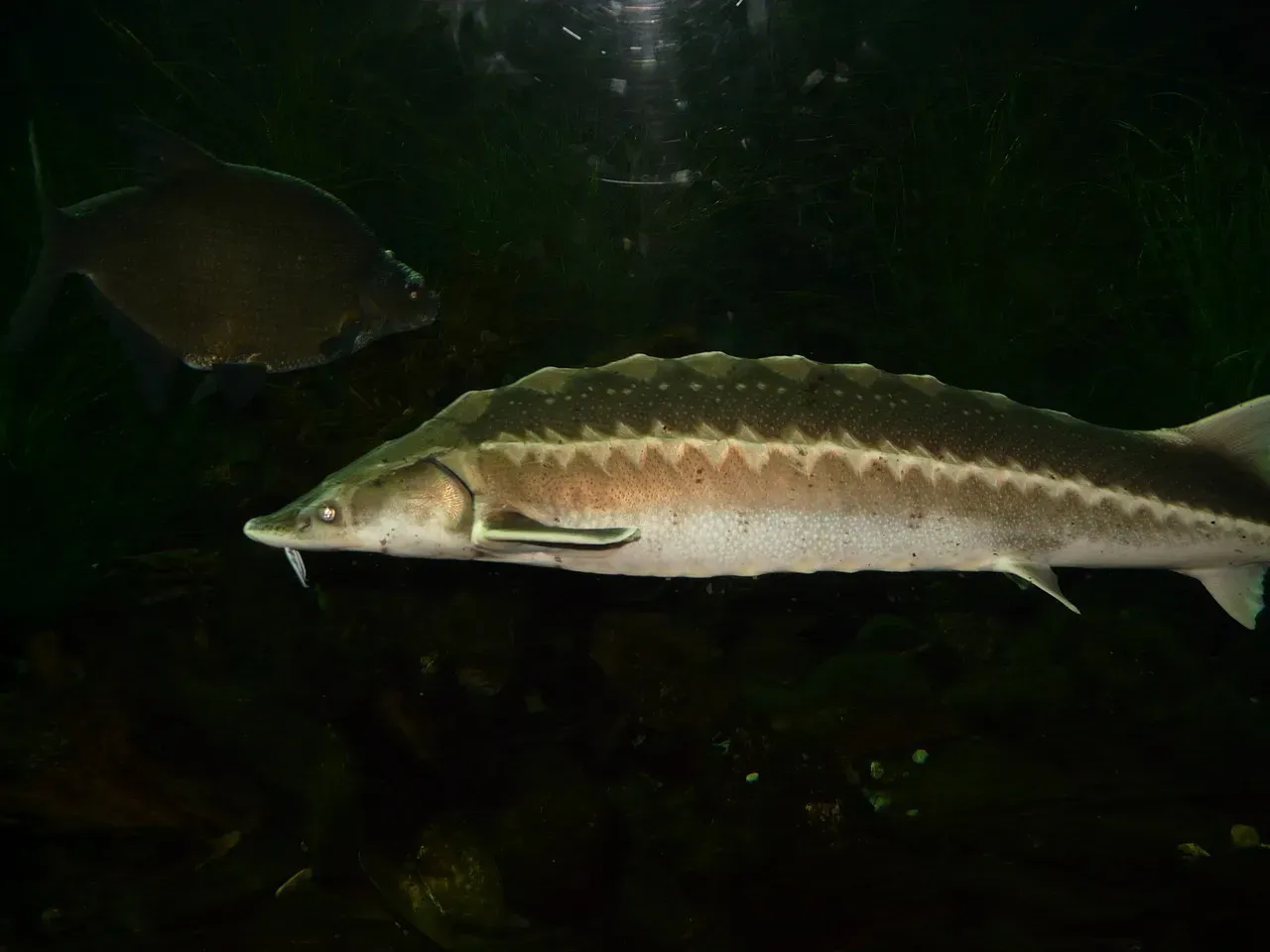
The lake sturgeon is one of those species that makes the concept of deep time feel real. These fish were swimming in North American lakes long before humans arrived. The lake sturgeon is one of those creatures that makes you stop and rethink time. These fish can grow over seven feet long and weigh up to 240 pounds, with males living up to 55 years and females reaching between 80 and 150 years.
Lake sturgeon, which was extirpated from the St. Louis River and the western portion of Lake Superior, have been restocked for the past 20 years. Those first-stocked females may now be mature enough to reproduce the long-lived species.
Their recovery is one of the quiet conservation success stories of the Great Lakes region. Still, they remain a species in careful recovery. Lake Superior supports the only remaining naturally sustaining population of lake trout in the Great Lakes, and the broader effort to restore ancient native fish to these deep waters continues to shape management decisions well into the 2020s.
The Freshwater Jellyfish: A Surprise Guest in Midwestern Lakes
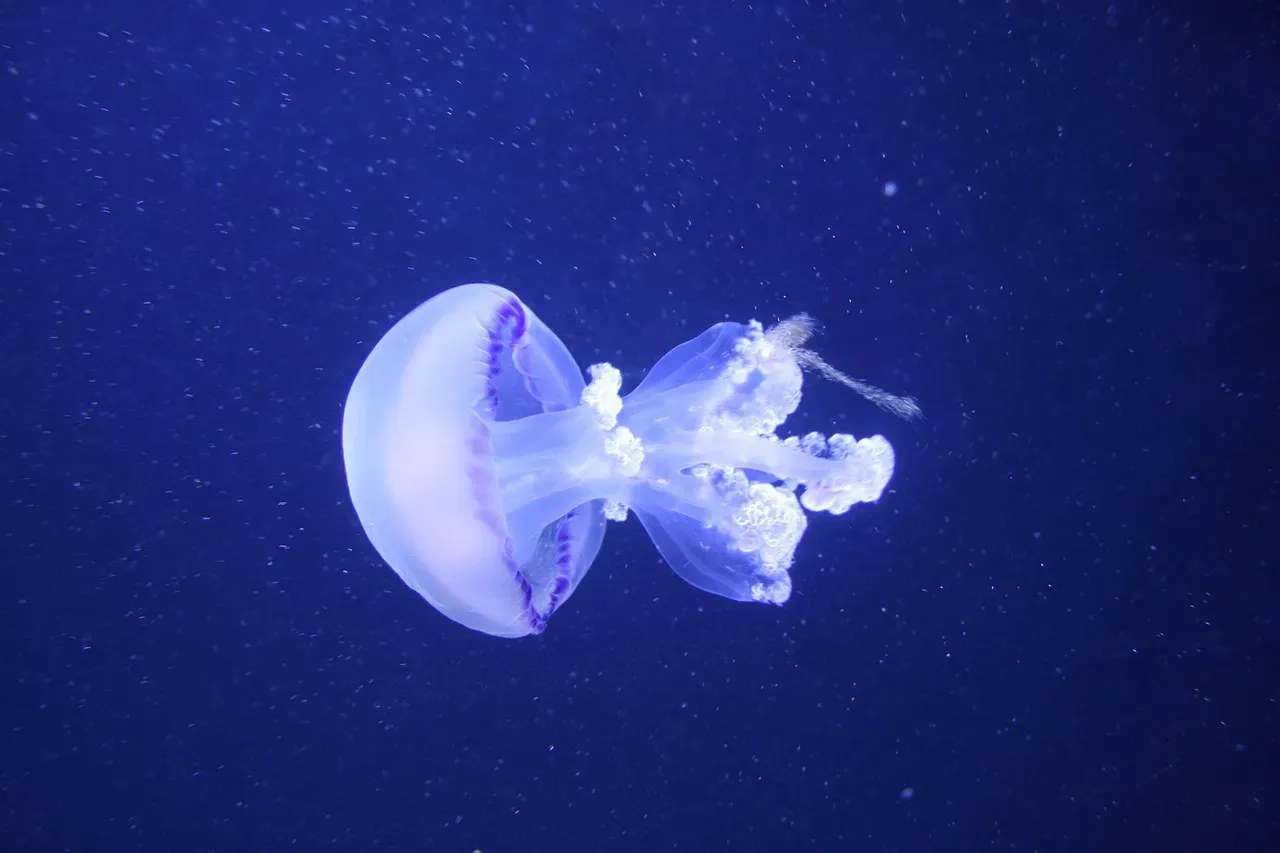
Finding jellyfish in a freshwater lake feels like something has gone wrong. It hasn’t. Some of the most fascinating creatures on the planet are quietly living in the freshwater lakes scattered across the United States. From ancient giants that predate dinosaurs to tiny jellyfish drifting through Midwestern waters, American freshwater lakes hold far more biological wonder than most people ever realize.
The freshwater jellyfish, known scientifically as Craspedacusta sowerbii, is found in deep, calm lakes and reservoirs across the United States, including in the Great Lakes basin. They are small, typically less than an inch across, and completely harmless to humans. Their appearance in a given lake can be sporadic – absent for years, then suddenly blooming in large numbers during warm months.
What makes them so remarkable is their life cycle. They spend most of their existence as tiny, barely visible polyps clinging to submerged surfaces, waiting for conditions to be right before releasing their free-swimming medusa forms. Most swimmers who encounter them have no idea what they’re looking at. That sense of hidden complexity is part of what makes freshwater lake ecosystems so endlessly interesting.
The Burbot: The Only Freshwater Cod in North America’s Deep Lakes
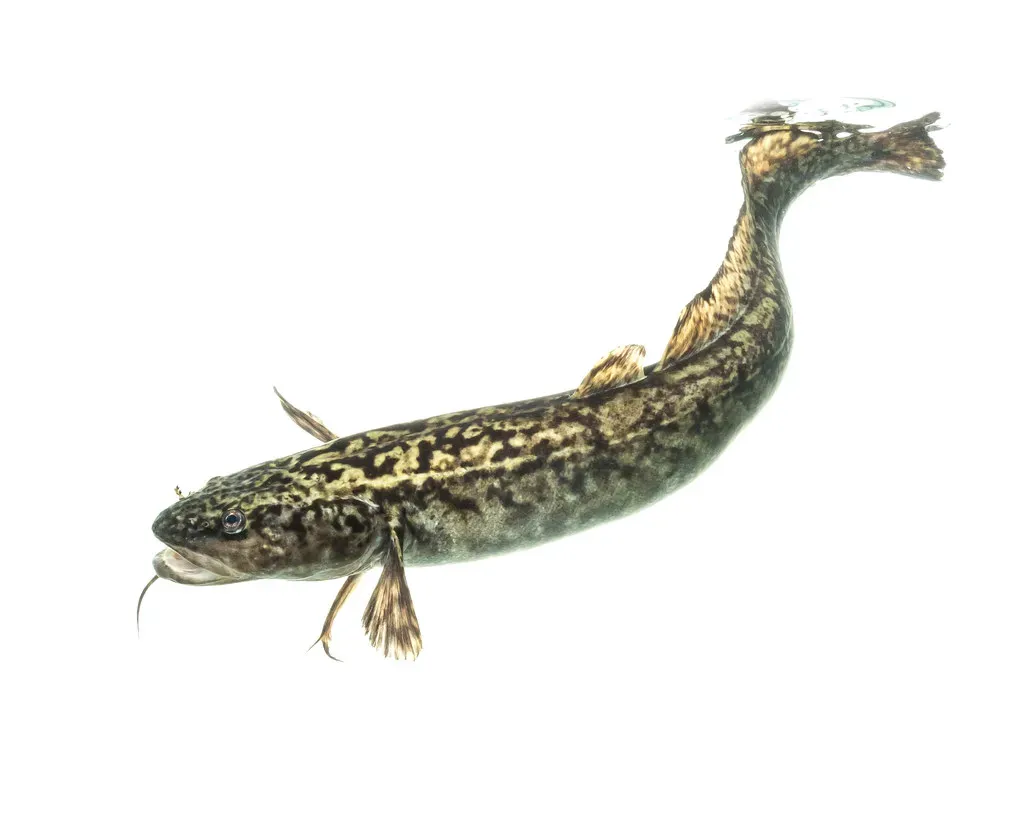
The burbot has a look that’s hard to forget. Elongated, somewhat eel-like, with a single chin barbel that dangles from its lower jaw, it occupies a genuinely unique ecological position. It’s the only member of the cod family that lives entirely in freshwater, and it calls the deep, cold regions of lakes like Superior and Lake Tahoe’s connected drainages home.
The burbot is an elongated, cylindrical freshwater codfish that prefers the coldest, deepest water available, becoming most active in late winter when most other species slow down. It spawns beneath the ice in mid-winter, which is unusual even by the standards of cold-adapted species.
Burbot are known for their voracious appetite and ecological role as a deep-water predator. They feed on fish, crayfish, and invertebrates, often hunting along the lakebed in near-total darkness. Their cold-tolerance is exceptional, and researchers studying Lake Superior’s deep food web consistently find burbot as a key link between the bottom-dwelling invertebrate community and larger predator fish.
The Lahontan Cutthroat Trout: Crater Lake and Tahoe’s Most Ancient Native Fish
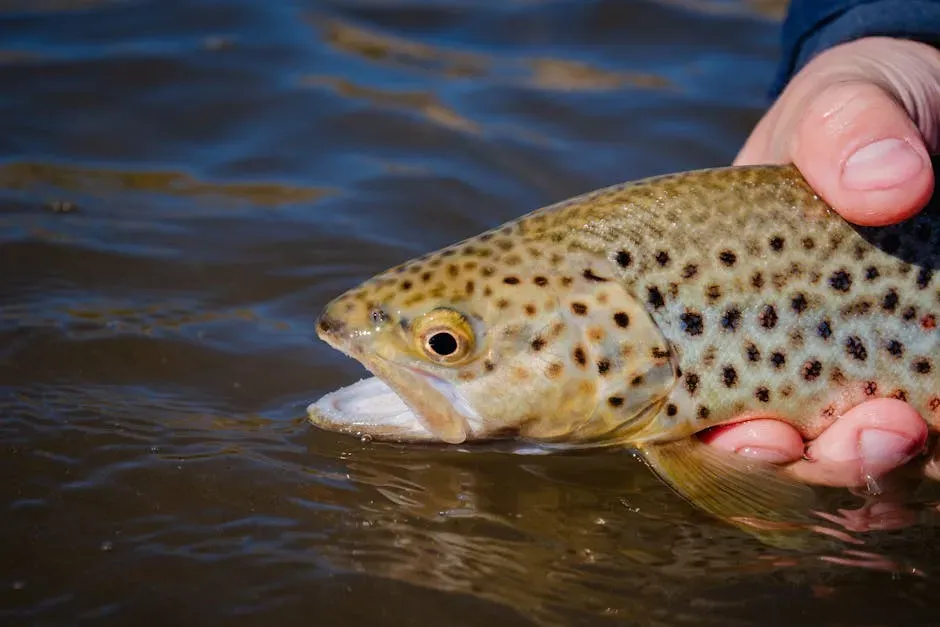
Not all amazing lake creatures are unusual looking. Some are remarkable simply for what they represent. The Lahontan cutthroat trout is the only fish truly native to the Lake Tahoe basin, and its lineage stretches back tens of thousands of years. The Lahontan cutthroat lineage is of the Salmonidae family and can be traced over the past 70,000 years.
The rainbow trout and other non-native species have hybridized and outnumbered the Lahontans, out-competing them for food sources. This slow ecological displacement, invisible to casual observers, is one of the central conservation challenges in managing Lake Tahoe’s underwater world today.
The lake is home to several species of fish, including the Lahontan cutthroat trout, which is native to the area. Restoration efforts continue, and a small number of genetically pure populations have been protected and reintroduced into select areas of the basin. In deep, cold water, they can grow to impressive sizes – a reminder of what these lakes once supported at scale.
The Diporeia Amphipod: The Invisible Foundation of the Great Lakes Ecosystem
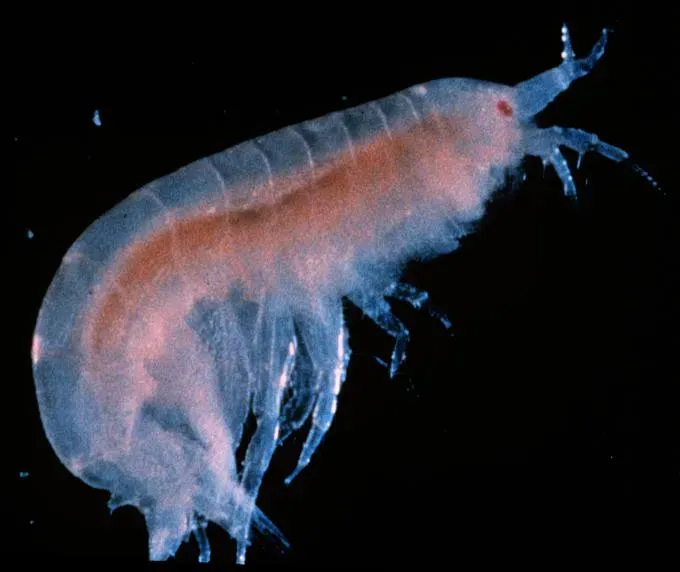
You won’t find this creature on any tourist brochure. It’s tiny, shrimp-like, and lives buried in the sediment at the bottom of the Great Lakes. Yet without it, the deep-lake food web would unravel. The amphipod Diporeia has historically been a significant component of the benthic food web in the Great Lakes. Unlike in other Great Lakes where its populations have declined due to invasive mussels, Diporeia populations in Lake Superior have remained stable.
Declines in Diporeia abundance appear to increase consumptive demand on Mysis, which may further alter or disrupt food webs and cause fish community changes. This cascading effect is precisely why researchers watch Diporeia populations with such attention. One small invertebrate, quietly living in the dark at the bottom of the lake, holds a disproportionate amount of ecological weight.
The offshore food web of Lake Superior was found to be primarily supported by Mysis and Diporeia. Researchers concluded that declines in Mysis or Diporeia populations would have a significant impact on energy flow in Lake Superior. Deep-lake science, at its core, is often about understanding tiny creatures that nobody sees.
Conclusion: What the Depths Still Have to Teach Us
Along the shore of the Great Lakes alone, over 3,500 plant and animal species make their home. Multiply that across thousands of lakes in every corner of the country, and you begin to appreciate just how alive these waters truly are.
America’s deepest lakes are not empty basins. They are ancient, layered ecosystems where evolution has produced genuinely strange solutions to extreme conditions: fish with bodies full of fat for buoyancy control, shrimp that commute hundreds of meters every night, salamanders that never quite grow up. The creatures covered here range from apex predators to microscopic foundation species, and all of them are real, verifiable, and ecologically irreplaceable.
The deeper science probes, the more complex the picture becomes. Many of these lakes remain only partially surveyed, and the creatures documented so far are very likely not the whole story. While we’ve come a long way in our understanding, most places are still unexplored, and many questions are unanswered. That, perhaps, is the most honest and compelling thing that can be said about what lives beneath the surface of America’s deepest lakes.
