
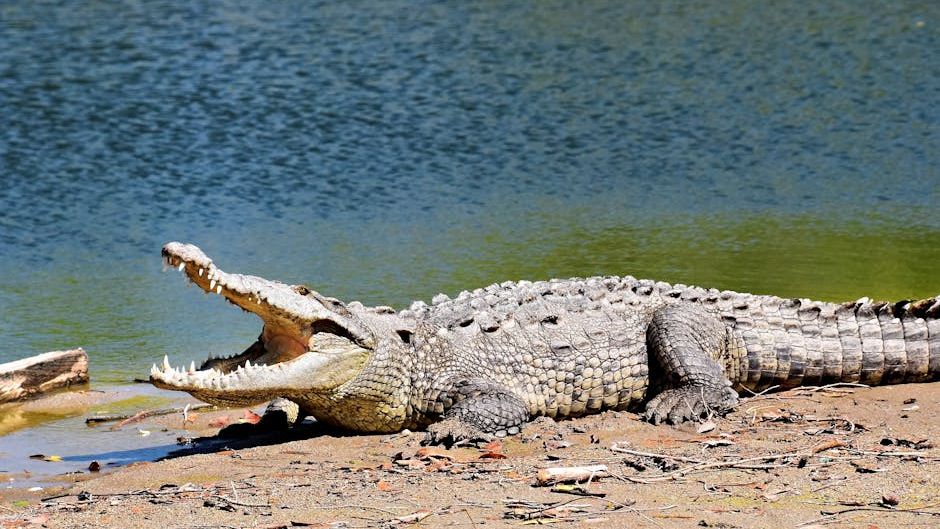
There’s something quietly remarkable happening along Florida’s coastlines. An ancient reptile that once teetered on the edge of local extinction is showing up in places it hasn’t been seen in decades, sometimes in places it has never been recorded at all. Residents of communities far north of the Everglades are encountering a creature most assumed was strictly a creature of the deep south.
On a canal bank off the Banana River in Satellite Beach, a ten-foot-long American crocodile once basked in the midday sun, its jaws wide open, as neighbors watched from their docks. Most residents in the coastal communities east of Orlando had never seen one before. That kind of sighting, once unthinkable, is becoming a data point in a growing pattern.
From the Brink: The Crocodile’s Long Road Back
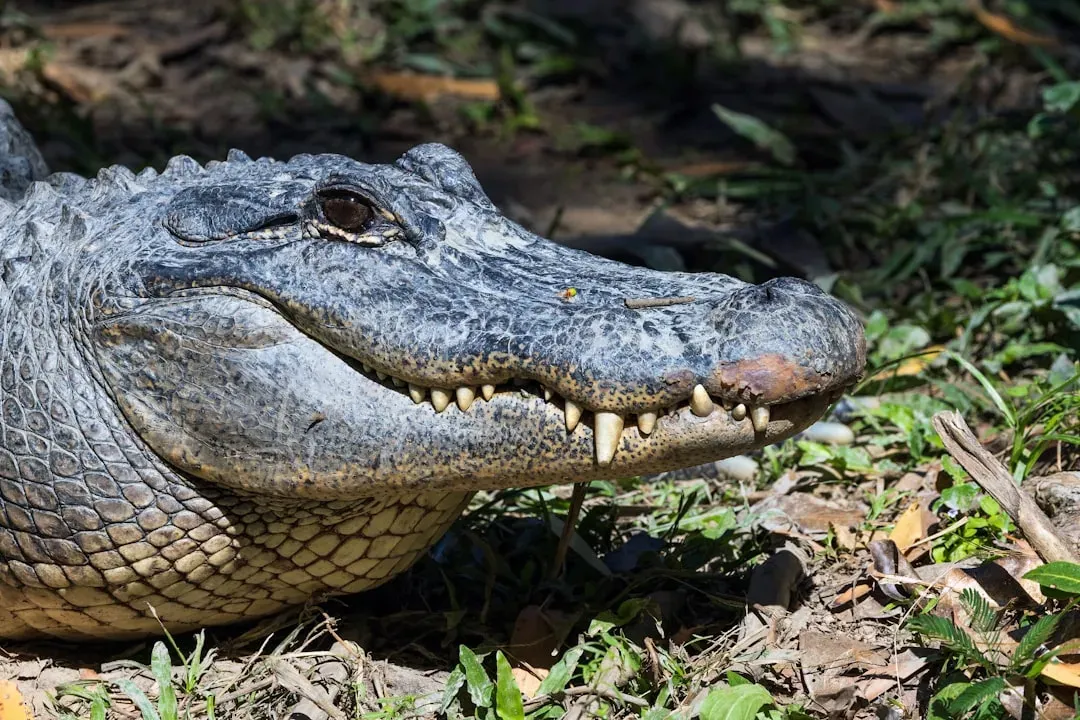
The American crocodile’s story in Florida is one of near-total collapse followed by a slow, determined recovery. At the end of the 19th century, hunting them for their leather became a cottage industry in South Florida, and habitat destruction commenced on a massive scale with the construction of a railroad designed to connect the mainland with the Keys. Crocodile hunters slaughtered almost every crocodile in northeast Florida Bay for the commercial market.
The widespread hunting did not cease until the 1970s, and at one point in that decade, fewer than thirty total nests were counted. That’s not a population struggling – that’s a population nearly gone.
In 1975, Florida’s crocodile population was listed as endangered by the US Fish and Wildlife Service. In the late 1970s, intensive studies by the US National Park Service, the Florida Game and Fresh Water Commission, and Florida Power and Light Company resulted in a more optimistic outlook. Largely based on these studies, the National Park Service established a crocodile sanctuary in northeastern Florida Bay.
Listed as an endangered species in 1975, crocodile numbers have since recovered from a few hundred individuals to as many as 2,000 adults today. The Florida population is now classified as threatened by the U.S. Fish and Wildlife Service. It’s a meaningful distinction – not safe, but no longer on the edge of oblivion.
Warming Waters and the Northward Push
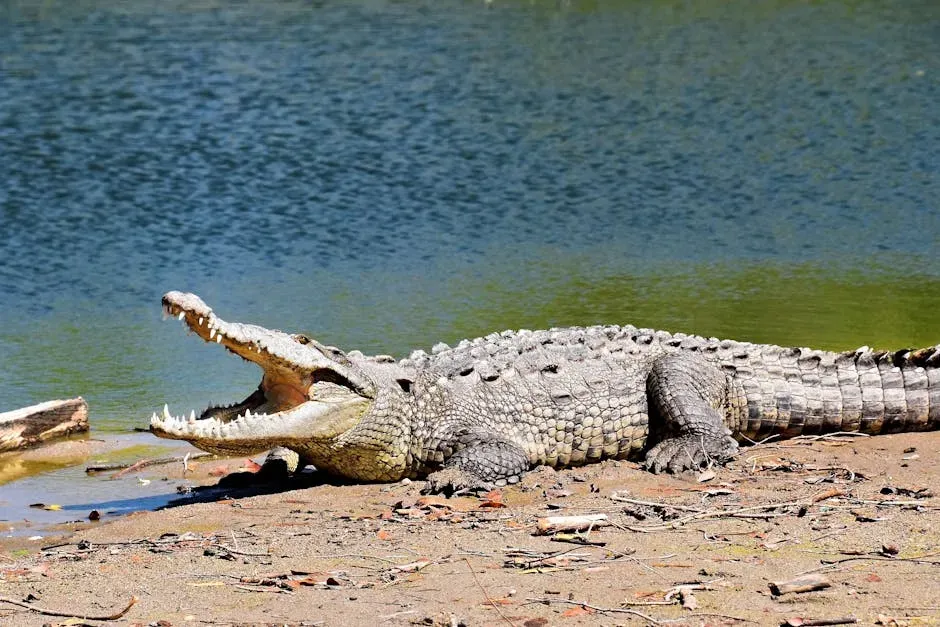
Temperature is the key factor limiting how far north American crocodiles can go. Contrary to popular belief, the presence of the American alligator is not the reason the crocodile was unable to populate brackish waters north of Florida – it’s the climate, as crocodiles are less tolerant of cold.
American crocodiles are following mangrove forests north as the Atlantic Ocean heats up due to climate change, with South Florida waters having warmed about 1.5 degrees Fahrenheit in the past century. That shift, gradual as it sounds, matters enormously for a cold-sensitive reptile.
As Florida’s coastal waters warm, mangroves and brackish zones are encroaching further north, creating niches that crocodiles can exploit. The crocodile is essentially following its habitat as that habitat migrates. Florida’s dense network of canals, artificial lakes, and connected waterways also provides corridors for crocodiles to move stealthily through developed areas.
Scientists tracking nest hatch dates and sea surface temperatures have found a direct correlation: for every one degree Celsius increase in sea surface temperature, hatching occurs about ten days earlier in the Everglades and six days earlier at Turkey Point. Warmer water isn’t just expanding territory – it’s reshaping the reproductive calendar.
Sightings Beyond the Southern Tip
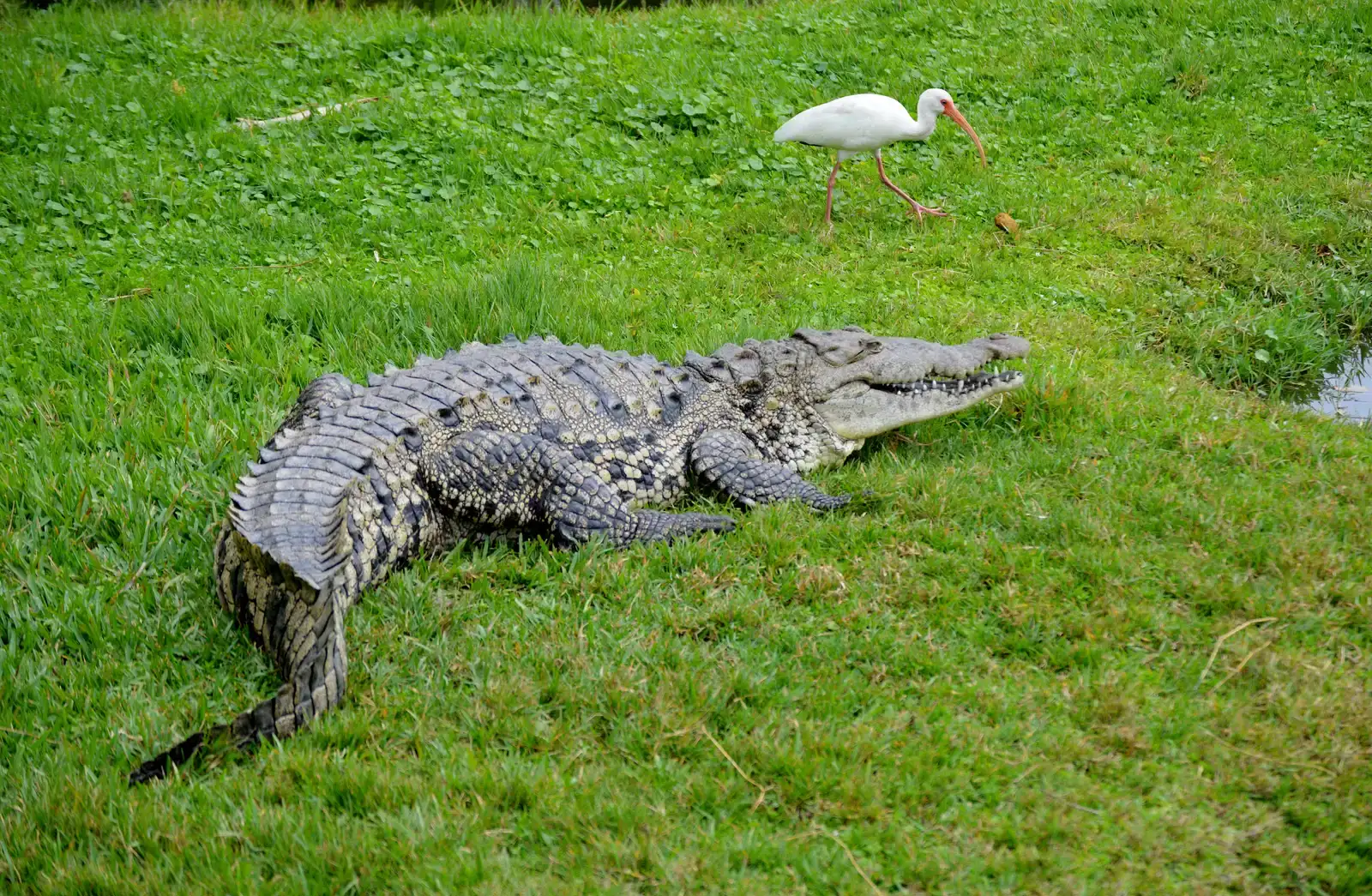
Although the historic range of American crocodiles reaches up Florida’s coasts as far as the Canaveral National Seashore, northeast of Orlando, massive habitat loss had virtually eliminated the species from the north. Now, gradually, that pattern is reversing.
In October 2025, a crocodile was confirmed by the FWC at Gleason Park in Indian Harbour Beach. Local accounts suggest this reptile, long thought to be confined to South Florida’s brackish waterways, was pushing further north than ever before.
The Gleason Park sighting marks one of the most extreme northern incursions of a crocodile in Florida’s recent history and represents a data point in the growing body of evidence that crocodiles are expanding their range. Whether these are wandering individuals or the early signs of a genuine recolonization is still an open question. Over the past few years, verified sightings of American crocodiles north of the Everglades have climbed, and experts believe the reptiles may be reclaiming at least some of their homeland. Though no one knows how many crocodiles live in northern Florida, the increase in sightings suggests the animals will begin breeding there soon.
Habitat, Canals, and Unexpected Strongholds
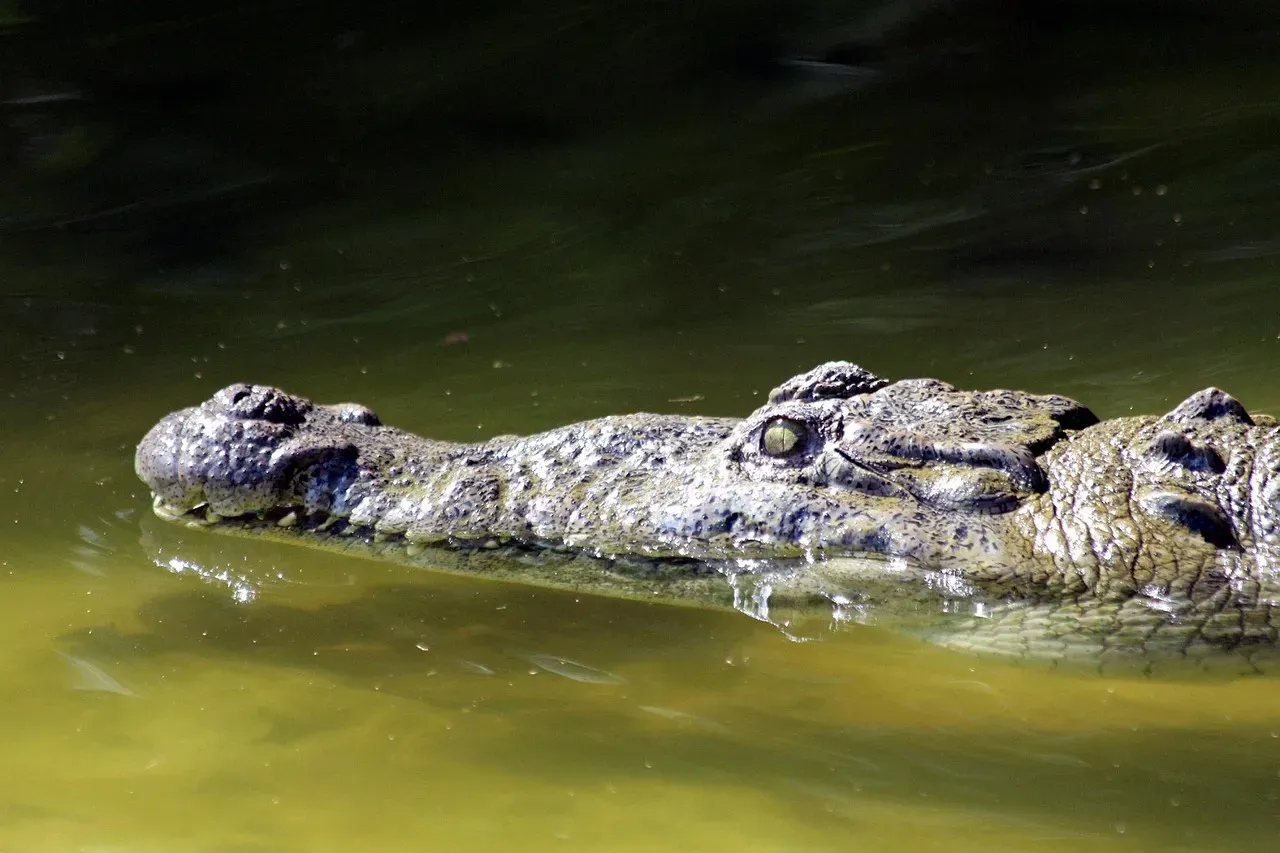
While alligators have made themselves at home in just about any water body in Florida, including swimming pools, crocodiles are not as flexible and need mangrove forests to thrive. Though once the dominant coastal habitat in southern Florida, many mangrove forests have been destroyed by construction and hurricane activity. Many Floridian coastal estuaries have lost as much as 60 percent of their mangrove forest cover in the past century.
One unexpected outcome of industrial development turned into a conservation asset. Construction of the cooling canal at the Florida Power and Light Company’s Turkey Point Power Plant created nesting habitat where none had existed before. The warm water discharge and relative isolation from human disturbance provided ideal conditions for crocodiles to nest and raise their young.
Beyond the Turkey Point example, crocodiles have established populations in modified waterways, including canals and artificial ponds in some developed areas of South Florida. This adaptability to human-altered environments, combined with warming temperatures, has allowed them to recolonize areas of their historical range while adapting to modern Florida’s changed landscape.
Old records indicate they once inhabited mangroves as far north as Tampa Bay. Whether they ever fully reclaim that ground remains to be seen, but the trajectory is moving in that direction.
Coexistence, Caution, and Conservation Challenges Ahead
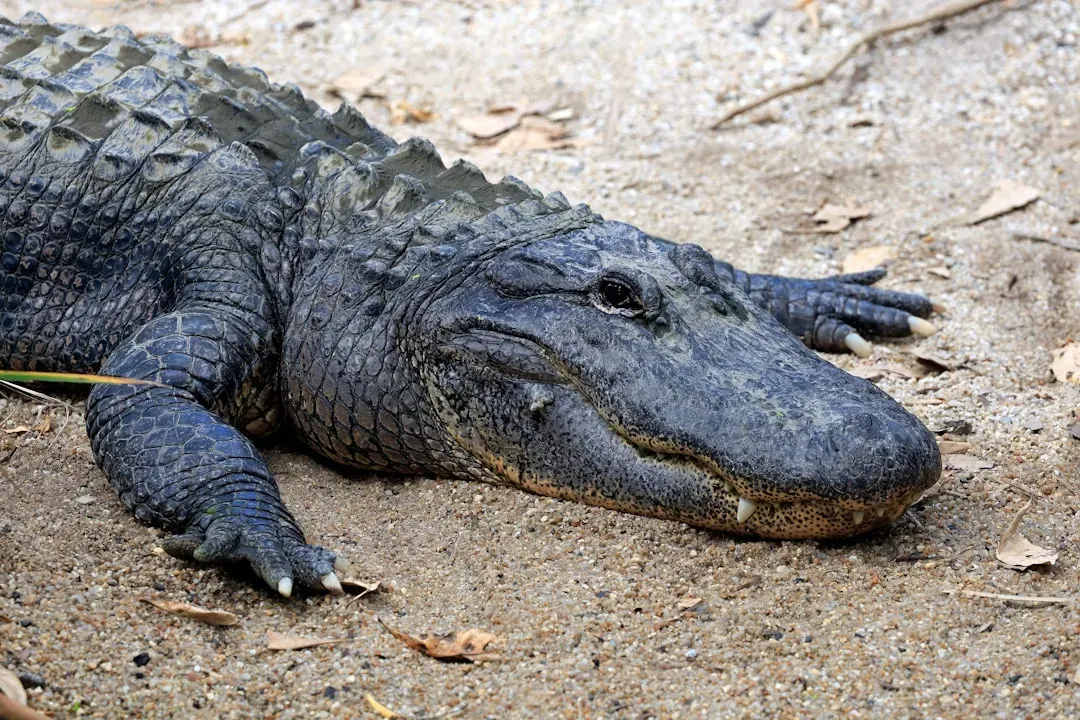
The American crocodile’s population has increased since gaining legal protection in 1967. Concurrently, the number of reported human-crocodile conflicts has also increased, analogous to conflicts surrounding other large predators recovering from historical population declines. More animals in more places means more encounters, almost by definition.
Still, the risk to people is genuinely low. Conflicts between American crocodiles and people are extremely rare in Florida due to their relatively small population numbers and wariness of people. In recent years, crocodile sightings have increased as a result of population recovery, with animals being seen in locations they haven’t visited in decades.
Crocodiles have been increasingly found in public parks, golf courses, and marinas, creating conflicts. The result has sometimes been the removal of crocodiles from critical habitats. The major challenge for the present and future recovery of crocodiles lies in public education and ecosystem management.
Climate change presents a paradoxical challenge – while warming temperatures may expand suitable range northward, sea level rise threatens to inundate critical low-lying nesting areas. Increased storm intensity associated with climate change can also destroy nests and alter coastal habitats.
A Conservation Success That Still Needs Watching
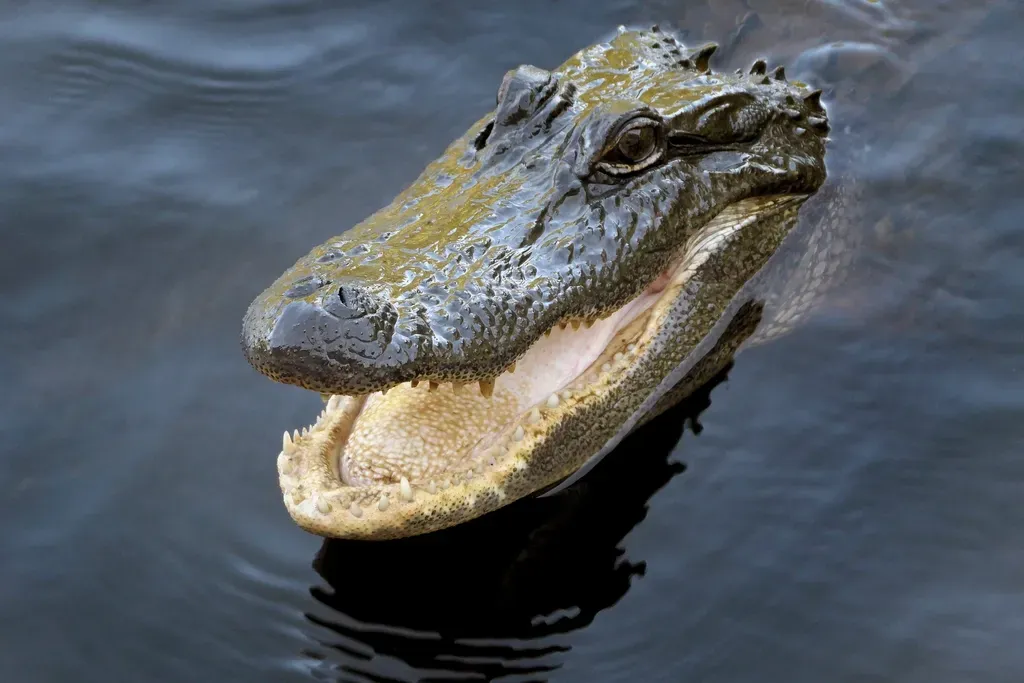
Thanks to mangrove forest conservation, crocodile numbers have risen dramatically from an estimated all-time low of around 150 individuals to around 2,000 in the state of Florida. While the International Union for Conservation of Nature lists the American crocodile as vulnerable overall, the U.S. Fish and Wildlife Service downlisted the species in Florida to threatened in 2007.
Today, nesting has increased to more than 100 annually, and it is estimated that there are between 1,500 and 2,000 crocodiles in the state, not including hatchlings. That’s a meaningful recovery for a species that once had fewer than thirty known nests statewide.
However, the recent increase of the American crocodile is not a permanent success. Environmental changes that affect the ecological health of the Everglades could be detrimental to crocodile populations. The species remains closely tied to the fate of that ecosystem.
The American crocodile is a valuable indicator species of the health of South Florida’s estuarine environments. Its return northward is both a conservation milestone and a reminder that wildlife recovery is never truly finished – it requires continued attention, habitat protection, and a public willing to share the water.
The crocodile’s expanding presence in Florida is, on balance, good news. It signals that protection works, that ecosystems can partially heal, and that an animal once pushed almost entirely off the map can find its way back. The creature gliding silently through a canal north of its old territory isn’t a threat. It’s a sign that something, for once, went right.
