
Picture this. You’re standing in front of a structure built thousands of years ago, yet it feels alive, breathing history through every carved stone and weathered column. How did ancient builders, without modern machinery or technology, create monuments so magnificent they still leave us speechless?
These aren’t just ruins or relics gathering dust in history books. They’re testaments to human ambition, creativity, and the relentless pursuit of something greater than ourselves. From desert cliffs to mountain peaks, these architectural marvels continue to influence architects, artists, and dreamers across the globe.
The Great Pyramid of Giza: Egypt’s Timeless Giant
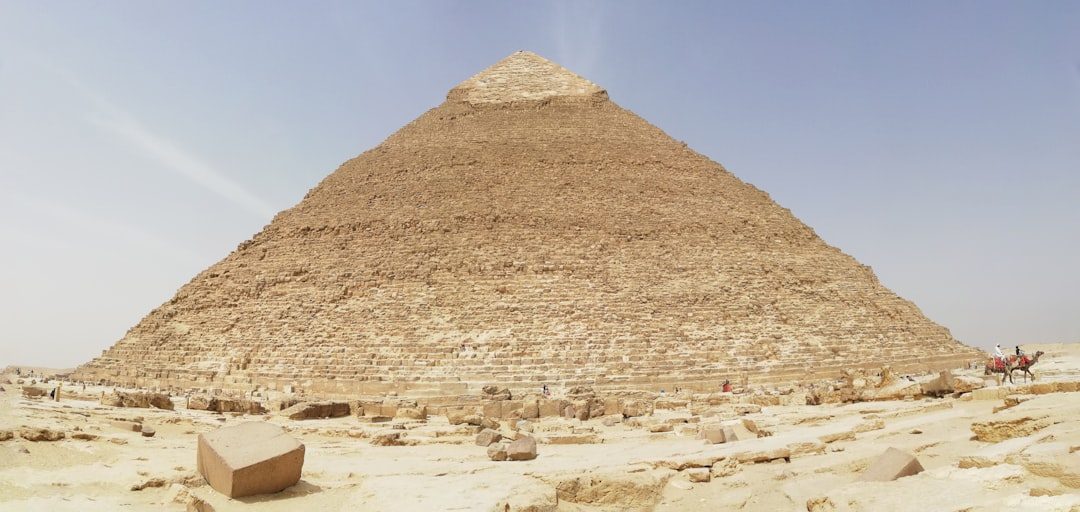
When we talk about ancient wonders that survived largely intact, the Great Pyramid of Giza built in the early 26th century BC still stands. Composed of several million tons of granite transported from over 500 miles away, it remains a mystery how the Egyptians built the pyramid without modern technology.
Even with today’s cranes, trucks, tractors, and helicopters, it would be a struggle to construct a stone structure of such proportions and staying power, and the fact that all of this was accomplished some 4,500 years ago is so mind-boggling that it has become mystical. Think about it for a second: millions of stone blocks, each weighing tons, stacked with precision that modern engineers find challenging to replicate.
Some theories suggest elaborate ramp systems, others whisper about ingenious engineering techniques we’ve yet to fully understand. Whatever the method, standing before this colossal monument forces you to reconsider what humans are capable of achieving. Its perfectly aligned sides and astronomical precision continue to baffle researchers and inspire architects worldwide.
Petra’s Treasury: A City Carved in Stone
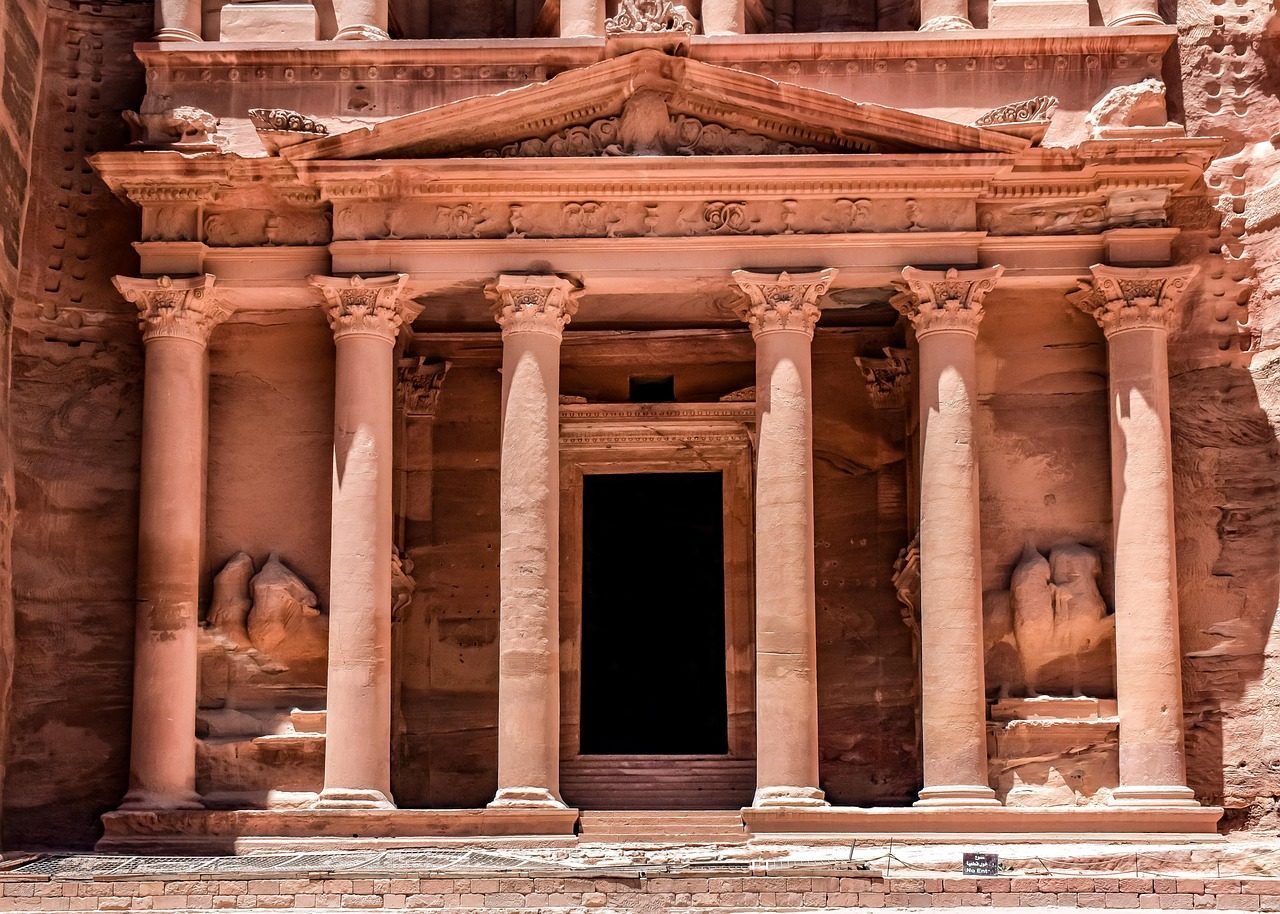
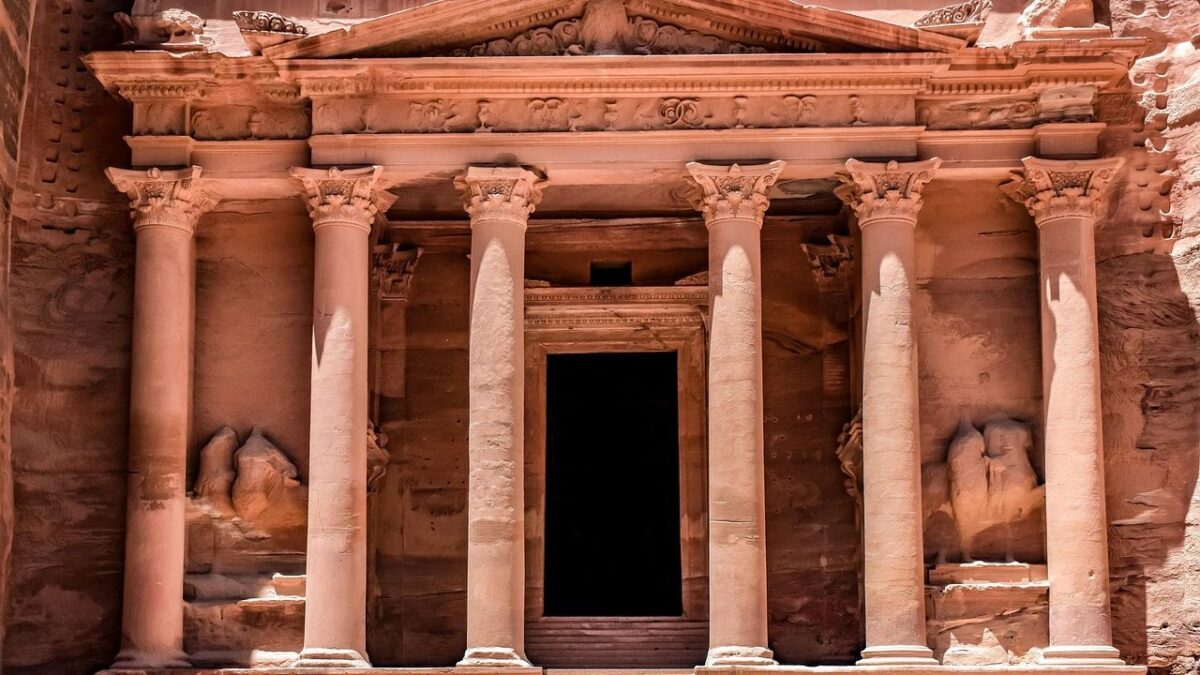
Al-Khazneh is one of the most elaborate rock-cut tombs in Petra, a city of the Nabatean Kingdom inhabited by the Arabs in ancient times. As with most of the other buildings in this ancient town, this structure was carved out of a sandstone rock face. It is thought that Al-Khazneh was built as a mausoleum and crypt at the beginning of the 1st century AD during the reign of Aretas IV Philopatris.
Walking through the narrow Siq canyon and suddenly emerging to see the Treasury’s rose-red facade is an experience that stops visitors in their tracks. The stunning design and artistic precision of the Treasury’s facade, carved directly into the rock, along with the wonderful blend of Roman and Nabataean styles, make it a unique architectural masterpiece that attracts history and art enthusiasts alike.
Amazingly, only 15% of the ancient city has been uncovered, with 85% underground and still untouched. In 1985, the Petra Archaeological Park was declared a UNESCO World Heritage site, and in 2007 was named one of the New Seven Wonders of the World. There’s something deeply moving about an entire city hidden within cliffs, waiting to reveal its secrets.
Angkor Wat: Cambodia’s Temple Mountain Marvel
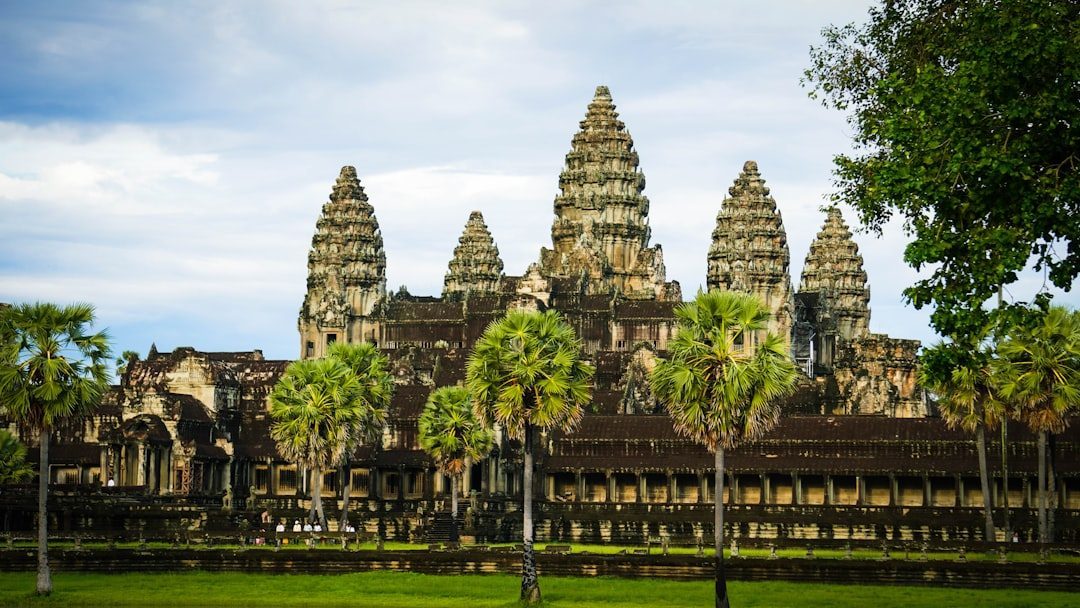
Located on a site measuring 162.6 hectares within the ancient Khmer capital city of Angkor, it was originally constructed in 1150 CE as a Hindu temple dedicated to the deity Vishnu. Hailed as the largest religious structure in the world, it is one of the best examples of Khmer architecture and a symbol of Cambodia.
Let’s be real: the sheer scale of Angkor Wat defies comprehension. Stretching around the outside of the central temple complex is an 800m-long sequence of incredible bas-reliefs, with intricate carvings depicting historical events and stories from Hindu mythology. The most famous of these are panels showing the Churning of the Ocean of Milk and a frieze featuring Suryavarman II and his all-conquering armies on the march.
The site boasts an enormous system of artificial canals, dikes, and reservoirs, the largest of which is 5 miles long and 1.5 miles wide. Water management at this level centuries before modern engineering is mind-blowing. The temple’s five towers represent Mount Meru’s peaks, creating a spiritual landscape that harmonizes perfectly with its natural surroundings.
Machu Picchu: The Lost City Above the Clouds
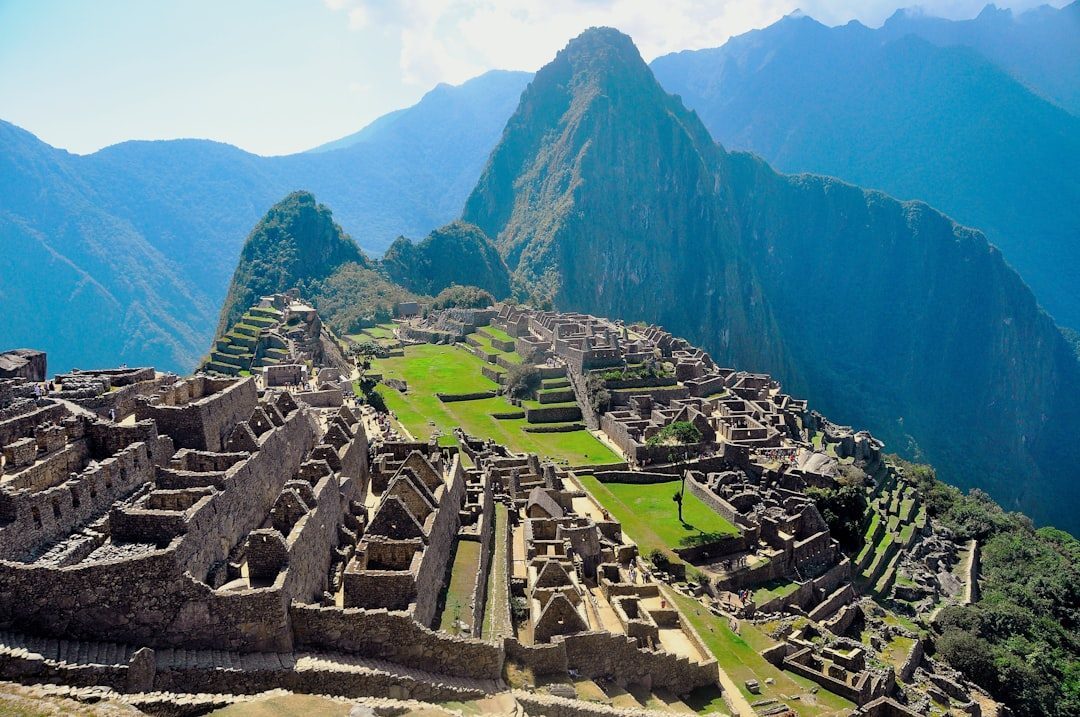
It had likely been constructed around 1450 and had been abandoned before Spanish forces advanced into the region. Machu Picchu is positioned at roughly 2,430 metres above sea level, on a narrow saddle of land framed by two mountain peaks and surrounded by steep cliffs that drop into the deep bend of the Urubamba River far below.
The engineering genius behind Machu Picchu honestly takes your breath away. Inca masons typically constructed the site using ashlar techniques in which they cut granite blocks so that they fitted perfectly without mortar and stood up to earthquakes without needing later repairs. As the Andes lie along fault lines, earthquakes posed a constant threat, and engineers responded to this when they cut irregular stones into interlocking patterns that spread forces through the structure.
Machu Picchu’s water management system represents one of the most sophisticated hydraulic engineering achievements of the ancient world. The system captures, channels, and distributes water from natural springs through a network of canals, fountains, and drainage features that still function perfectly after more than 500 years. It’s hard to say for sure, but this might be the most impressive feat of all.
The Roman Colosseum: Arena of Engineering Excellence
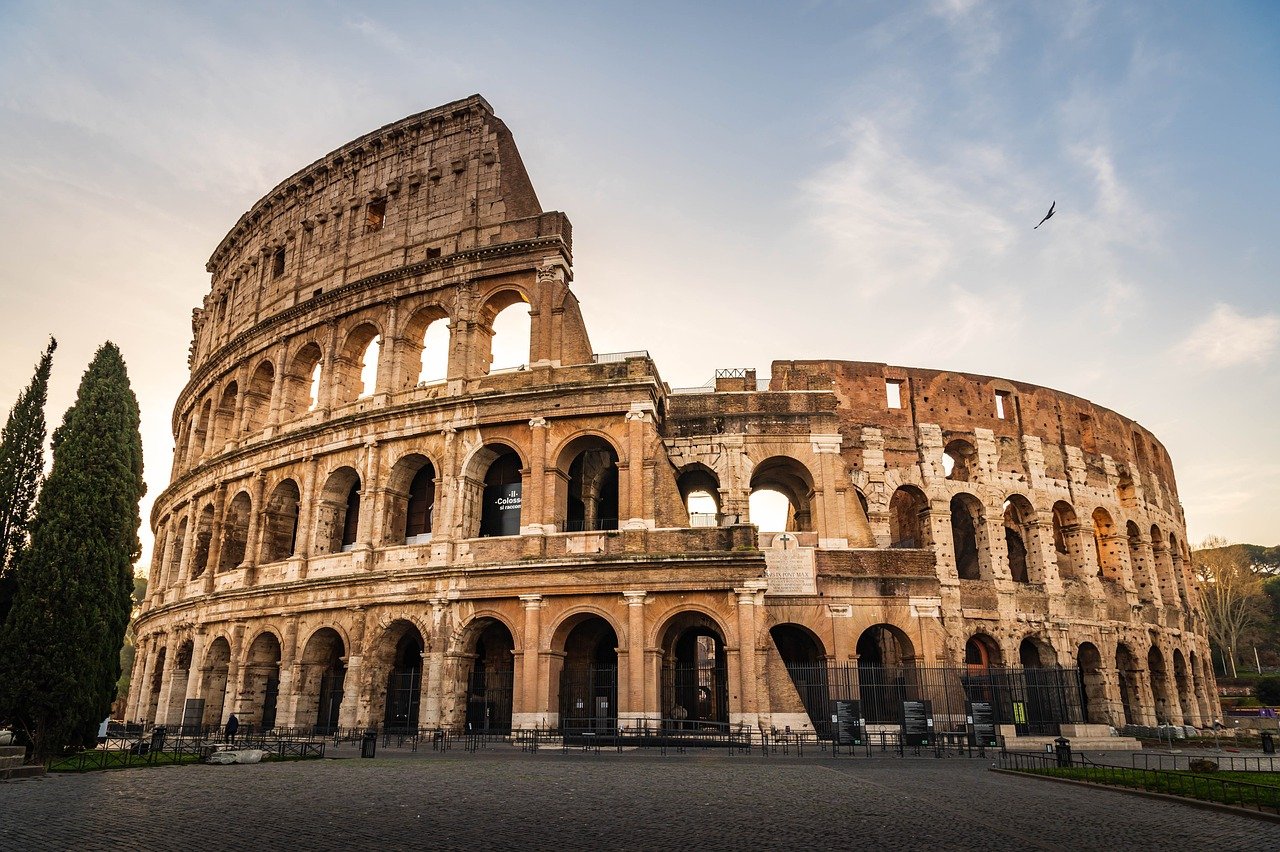
The Colosseum is one of the greatest feats of Roman architecture ever built. It is the largest Roman amphitheater in the world and despite suffering multiple fires, earthquakes, and other natural disasters, it is still standing today.
The Colosseum was built between 70 AD and 80 AD under Emperors Vespasian, Titus, and Domitian. The travertine stone used as the primary material in its construction was white, and at nearly 50 meters in height it would have gleamed in the sun and inspired awe in anyone who laid eyes upon it. Imagine seeing that gleaming white monument for the first time as an ancient Roman citizen.
While the Roman Colosseum is famous for its arena, the most impressive and important feature lay beneath the arena floor. The hypogeum was an elaborate network of tunnels and chambers over two levels that was used to house gladiators and animals before the shows. This underground marvel featured roughly 80 vertical shafts with mechanical elevators for dramatic entrances. Pure theatrical genius.
The Parthenon: Greece’s Marble Masterpiece
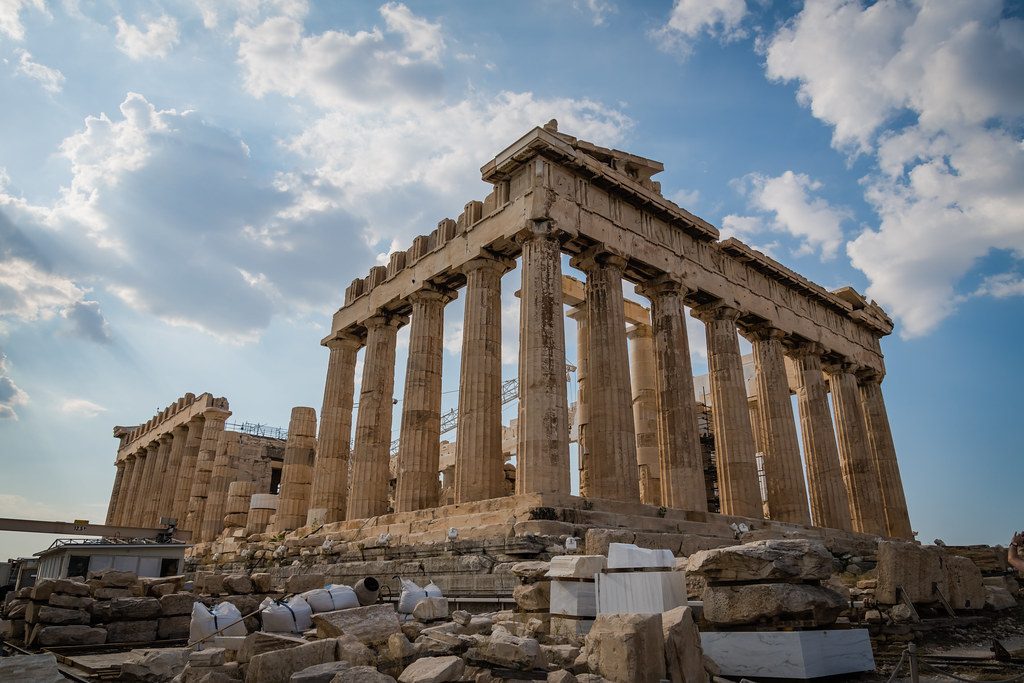
The Parthenon, located on the Acropolis of Athens, was constructed in 447-432 BC as a temple dedicated to the goddess Athena, whom the people of Athens considered their patron. This iconic symbol of ancient Greece epitomizes Doric architecture and has inspired countless buildings around the world.
The precision of the Parthenon’s construction remains extraordinary. Every column was designed with subtle curves to create optical illusions, making the building appear perfectly straight to the human eye when it actually isn’t. The architects understood human perception centuries before modern science explained it.
Despite centuries of war, explosion, and looting, the Parthenon endures as a symbol of democracy, philosophy, and classical beauty. Its influence permeates Western architecture so thoroughly that you’ll spot echoes of its design in government buildings, museums, and monuments across continents.
The Pantheon: Rome’s Architectural Perfection
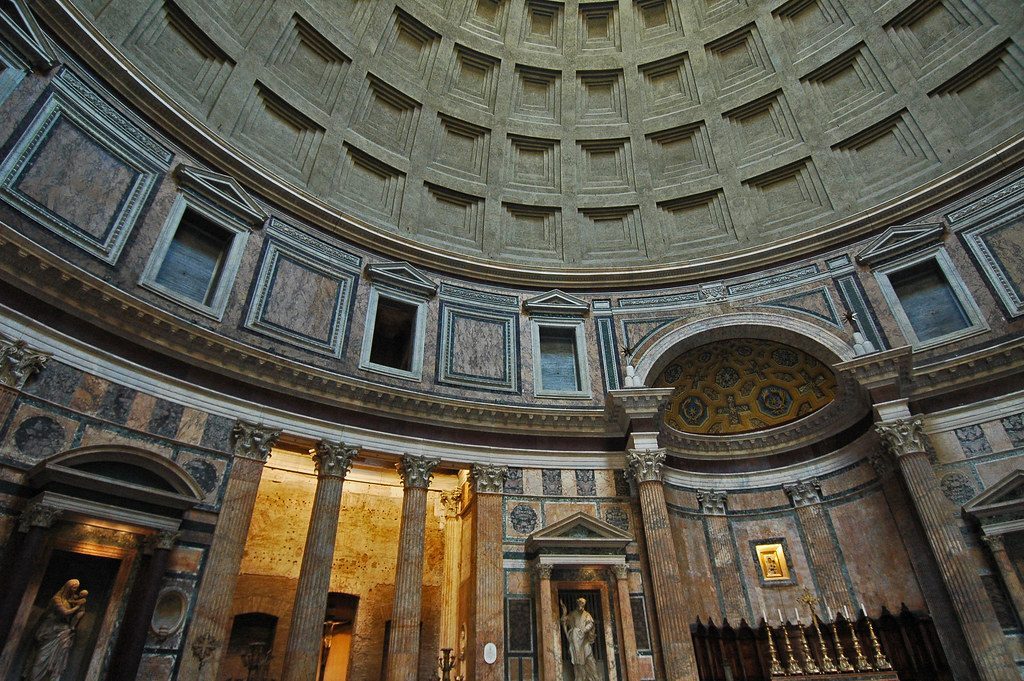
Roman architecture is indeed well-known worldwide, and the Pantheon is a wonderful example. A dedication to the Roman gods, the Pantheon is one of the only ancient Roman structures still standing, primarily in its original state.
The building is comprised of Corinthian columns, original Roman inscriptions, and its most popular feature, the hemispherical ceiling dome. The Pantheon is remarkable for its design, with perfect spherical dimensions of 43 m and 44 cm by 43 m and 44 cm. That oculus at the dome’s top still lets in rain after nearly 2,000 years, creating an otherworldly connection between the interior and the heavens.
Walking inside feels like entering a perfectly balanced universe. The dome’s engineering remains so advanced that modern architects study it for lessons in structural design and material science. It’s been in continuous use since its construction, which tells you everything about Roman building mastery.
Stonehenge: Britain’s Mysterious Stone Circle
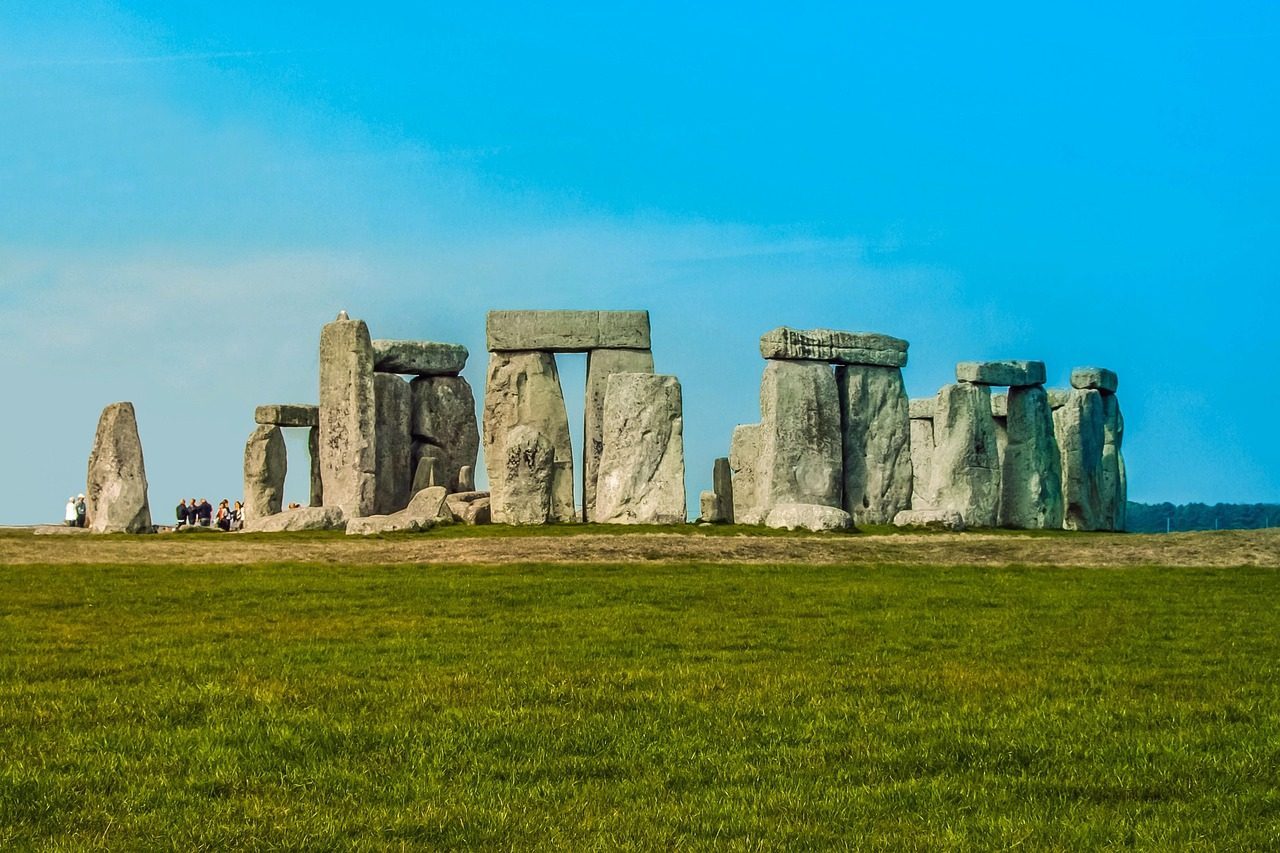
It remains a mystery as to how Stonehenge, a ring of standing sarsen stones, was constructed, given that these rocks each weigh around 25 tons. According to some researchers, Stonehenge is believed to be a burial monument, though it’s still unknown why and who built it.
The prehistoric stone shrine was erected in stages, pinpointing its construction from the Neolithic Period to the Bronze Age. The effort required to transport these massive stones from quarries miles away and arrange them with astronomical precision is staggering. No written records exist, only stones standing in silent testimony to human determination.
Some believe it was an ancient observatory, others a healing center, still others a ceremonial gathering place. Whatever its purpose, Stonehenge captures our imagination precisely because it refuses to give up all its secrets. That’s the beauty of it.
Borobudur: Indonesia’s Buddhist Monument
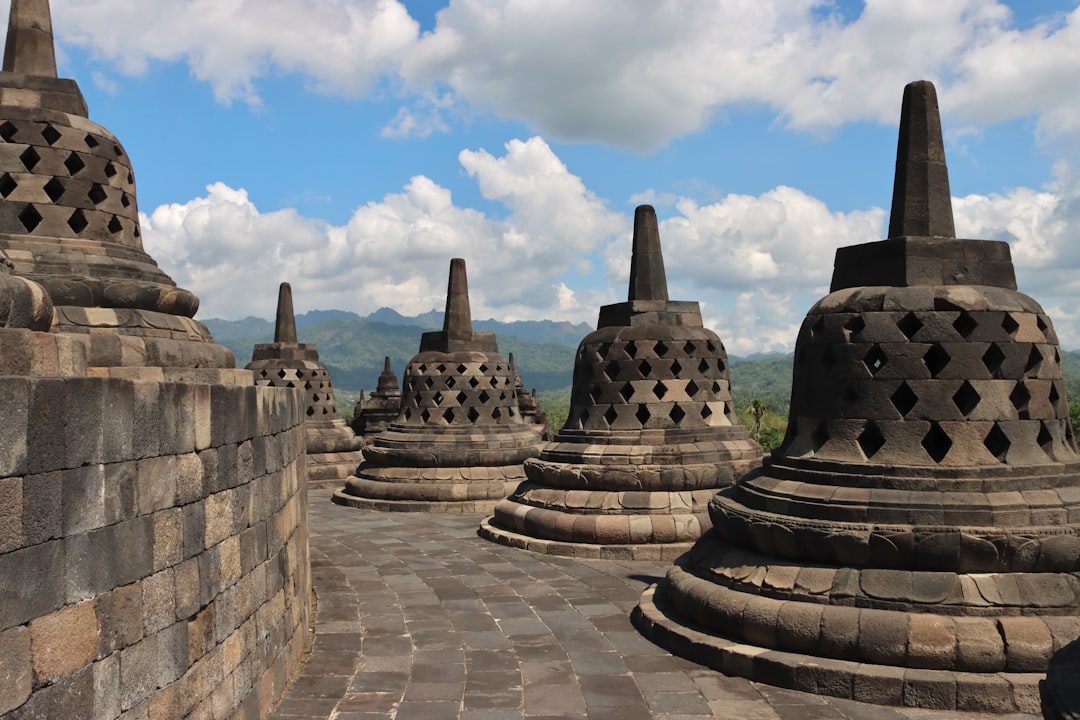
Known as the largest and greatest Buddhist temple in the world, Borobudur dates back to the 8th and 9th centuries and contains more than 500 statues. It was constructed during the Shailendra dynasty but was buried under volcanic ash before being rediscovered in the early 1800s.
This massive temple complex rises in nine stacked platforms, six square and three circular, topped by a central dome. Each level represents stages on the path to enlightenment, creating a physical manifestation of Buddhist philosophy. Pilgrims walk clockwise through corridors adorned with relief panels telling sacred stories.
The fact that it lay hidden for centuries under jungle growth and volcanic debris makes its rediscovery feel almost magical. Today, restoration efforts have returned much of its former glory, and visitors can trace the spiritual journey its builders envisioned over a millennium ago.
The Great Wall of China: Engineering Across Mountains
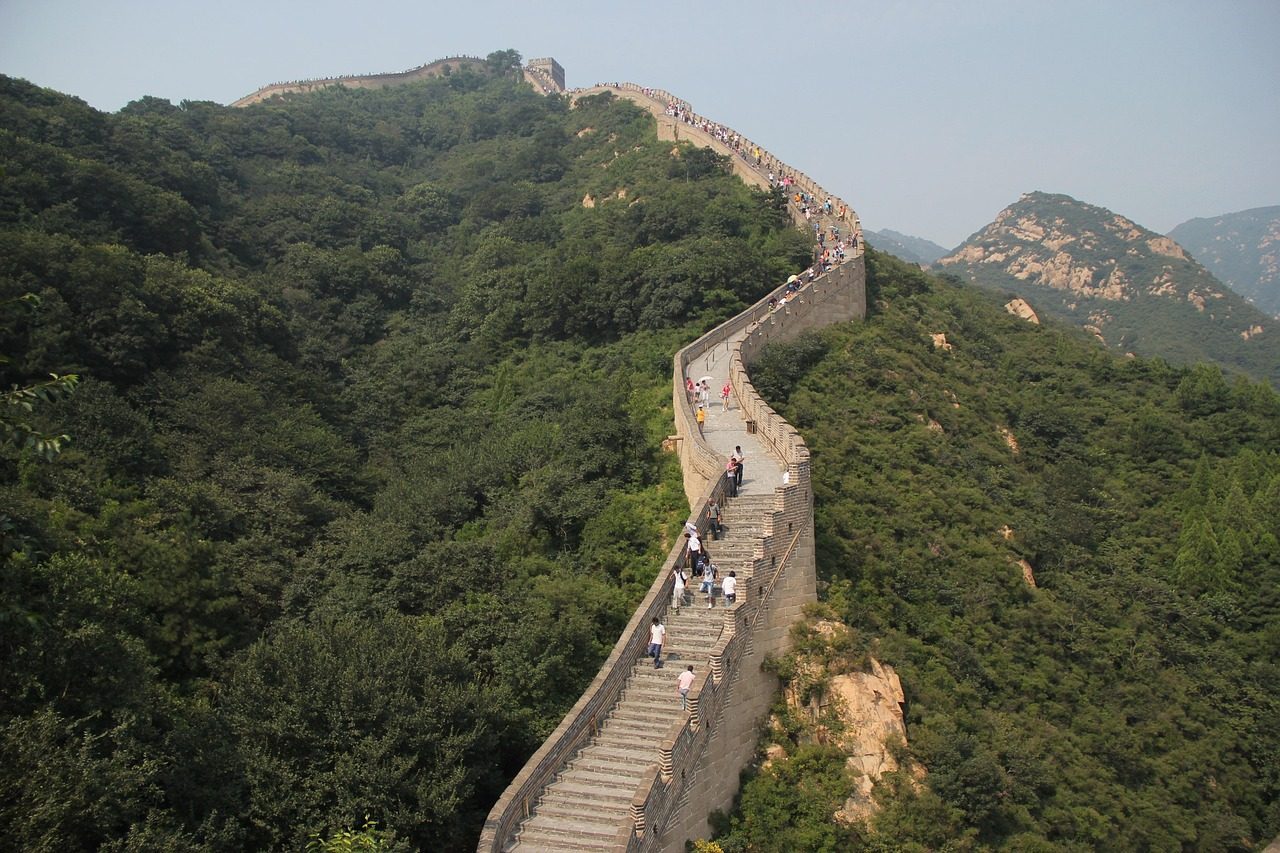
Construction on the Great Wall of China, perhaps the greatest engineering feat in history, began as early as the 7th century B.C. This wasn’t just a wall but a complex defensive system stretching thousands of miles across varied terrain, from deserts to mountains.
According to some traditions, around 220 BC, Qin Shihuangdi, the first Chinese emperor, had let built a long wall to fortify the northern border. In Chinese, the dimension 10,000 li stands for infinity, not for the actual length of the wall. That tells you something about the ambition behind this project. It wasn’t meant to be measured easily.
The Wall we see today mostly dates from the Ming Dynasty, yet its ancient sections reveal sophisticated engineering, watchtower placement, and military strategy. Standing atop it, looking across mountainous landscapes, you grasp the monumental human effort it represents.
Sacsayhuaman: Peru’s Fortress of Giant Stones
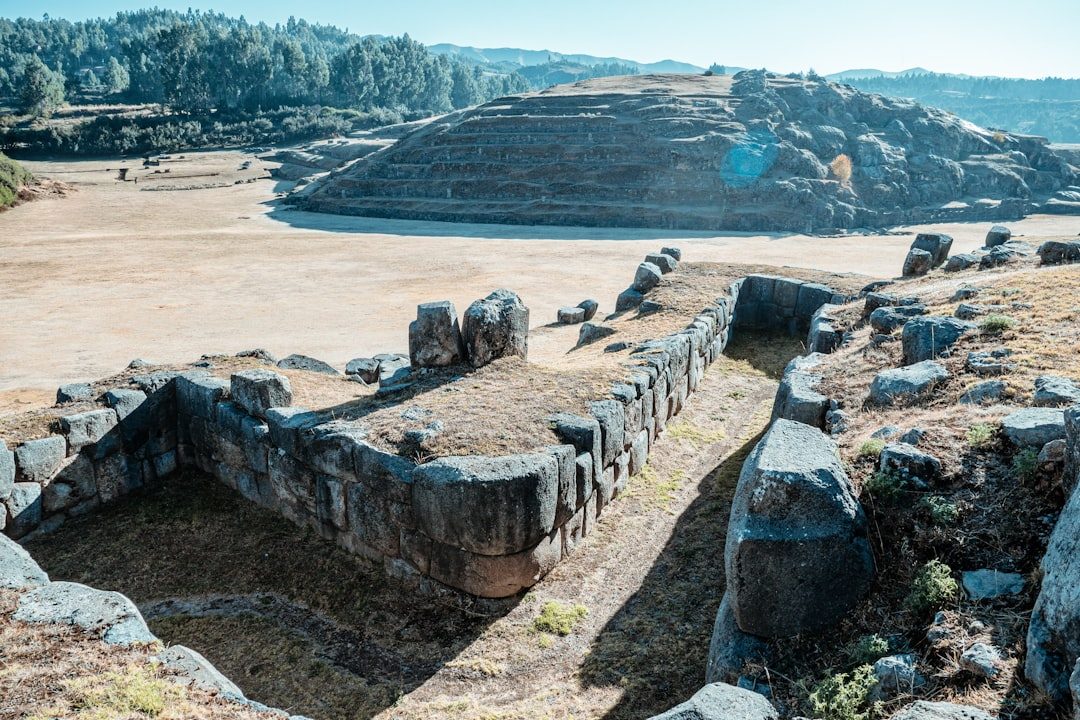
The stone fortress of Sacsayhuaman is a breathtaking marvel of ancient architecture in Cusco, Peru. Considering that some of the stones used to make up the structure weigh as much 200 tons, it’s mind-boggling to think this structure was built between 900 A.D. to 1200 A.D., with the stones cut from a quarry several kilometres away, and pulled to the site by rope.
Even more impressive is the fact that stones were cut to fit into one another seamlessly, without the use of mortar or grout of any kind. The masonry was so impressive that when the Spanish invaded and took over Cusco in the mid 1500s, they thought Sacsayhuaman must have been built by demons and ordered it to be dismantled. Honestly, that reaction from the conquistadors speaks volumes about the fortress’s extraordinary construction.
The stones fit together with such precision that you can’t slide a blade between them. This earthquake-resistant technique has kept Sacsayhuaman standing through centuries of seismic activity. The engineering knowledge required remains impressive by any standard, ancient or modern.
The Megalithic Temples of Malta: Europe’s Oldest Structures
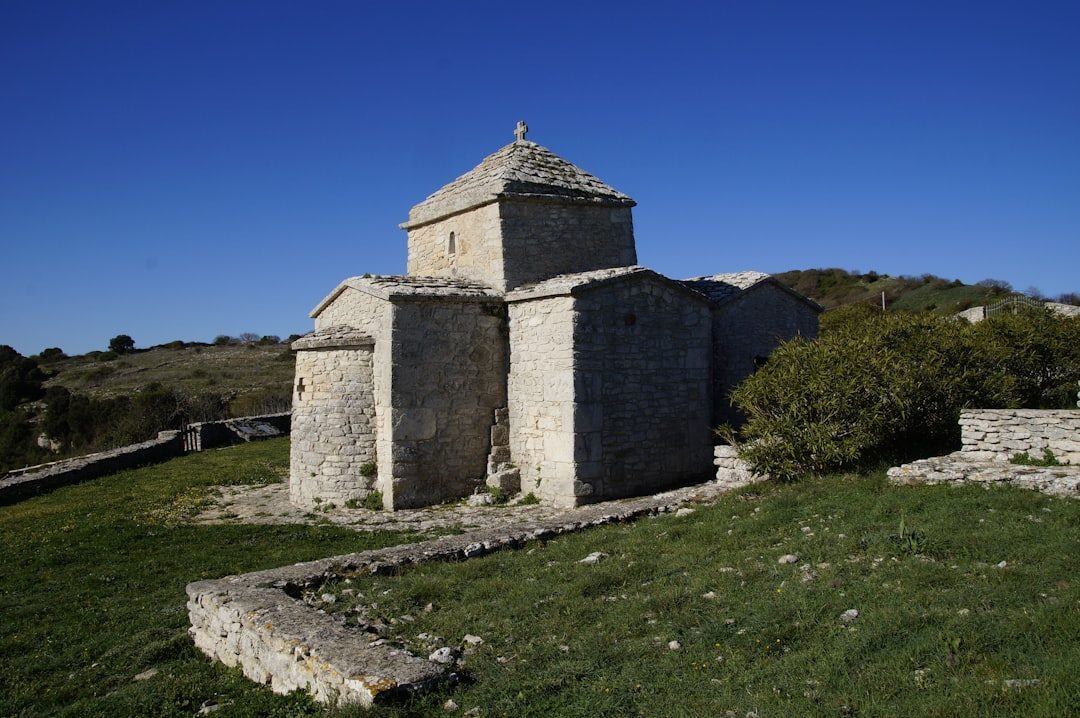
On the small island of Malta, the Megalithic Temples are some of the oldest free-standing structures in the world. Built between 3600 BC and 700 BC, these temples are older than Stonehenge and the Egyptian pyramids.
The Megalithic Temples of Malta are some of the oldest structures to exist in the world, dating back to 3000 and 700 BC. Said to be the earliest freestanding buildings by some archeologists, it’s believed these temples were built to worship the gods. These aren’t massive like the pyramids or sprawling like Angkor Wat, but their age alone commands respect.
The builders worked with stone tools and immense patience, creating spaces for ritual and worship that predate written language in the region. Walking through these ancient chambers, you feel the weight of millennia. They remind us that the human impulse to create sacred spaces transcends time and culture.
Conclusion: Timeless Lessons in Stone and Vision
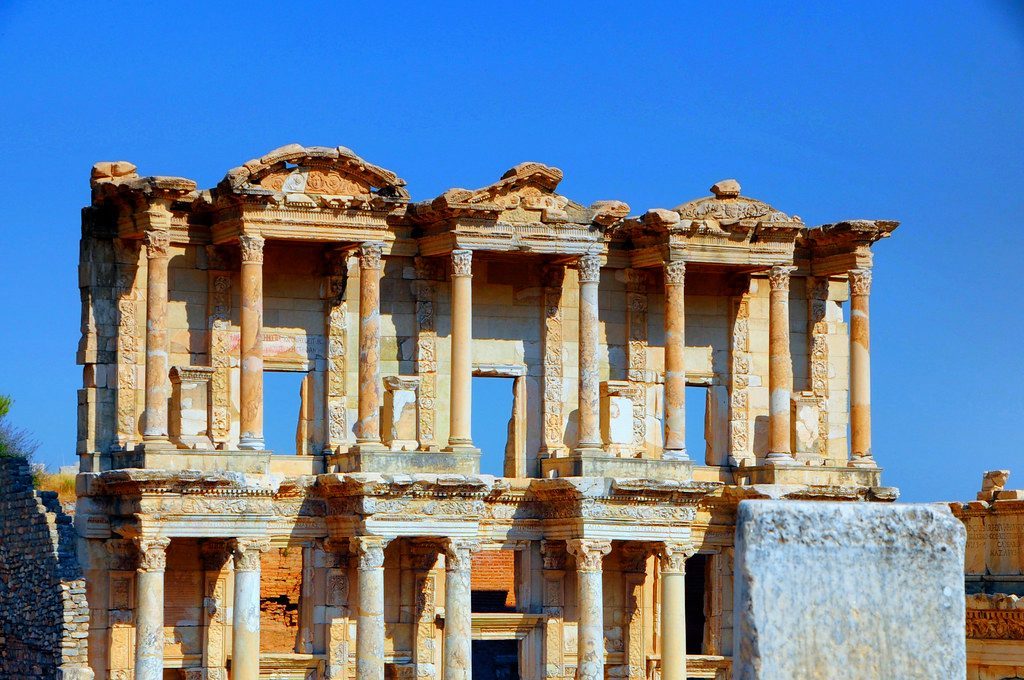
These twelve architectural wonders represent more than ancient building techniques or historical curiosities. They embody humanity’s eternal drive to push boundaries, solve impossible problems, and leave something meaningful for future generations. From earthquake-resistant masonry to water management systems still functioning after centuries, ancient builders possessed knowledge and skills that continue to inspire modern architects and engineers.
What strikes me most is the ambition behind each structure. These weren’t simply practical buildings but bold statements of culture, belief, and human capability. Whether carved from living rock, stacked without mortar, or aligned with celestial bodies, each monument reveals a civilization that dared to dream impossibly large.
Did you expect ancient engineers to be this sophisticated? Which of these wonders would you most want to experience firsthand?
