

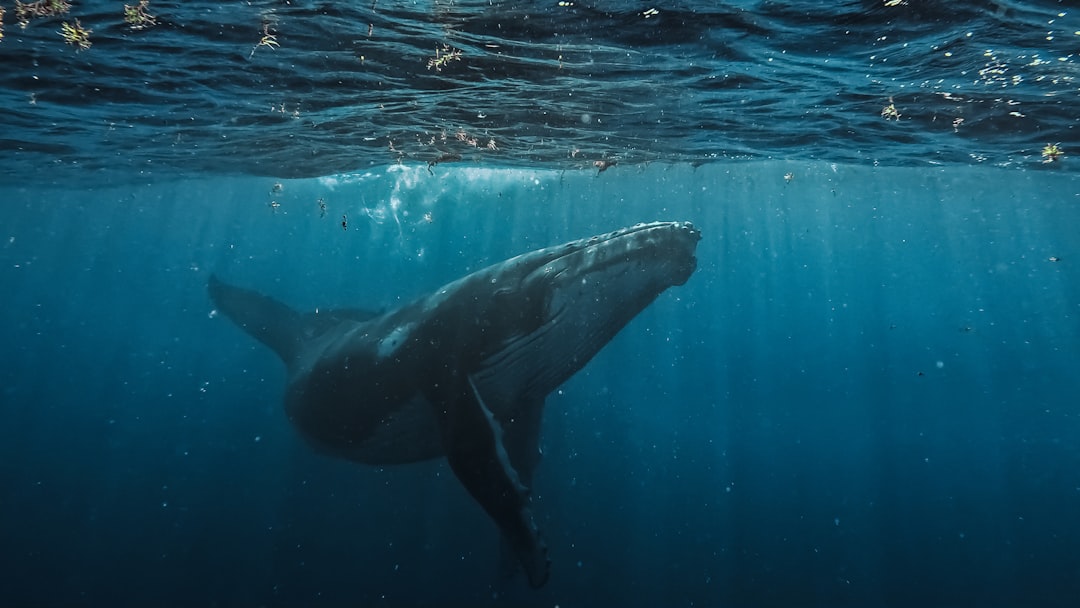
Fin whales, the second-largest animals on Earth, traverse the Mediterranean Sea in relative isolation from their North Atlantic relatives, hemmed in by the Strait of Gibraltar and surrounding landmasses. Yet a recent genomic analysis upends the notion of complete separation. Researchers sequenced whole genomes from Mediterranean specimens and compared them to samples from across the Atlantic and Pacific oceans. The findings reveal a genetically distinct population in the Mediterranean, coupled with persistent but low-level gene flow from North Atlantic groups.[1][2]
Unraveling Whale Genomes Through Advanced Sequencing
Scientists collected skin biopsies from 13 free-ranging fin whales in the Mediterranean between 2018 and 2019. They generated whole-genome sequences using Illumina NovaSeq technology and aligned the data to a newly scaffolded reference genome for the species. This assembly spanned 2.41 billion base pairs, with nearly 97% anchored to chromosomes, providing a robust foundation for analysis.
For context, the team newly sequenced seven samples from the Sea of Cortez and drew on 27 existing genomes from Iceland (11 individuals), Svalbard (seven), and the North Pacific (nine). They applied tools like PCAngsd for principal component analysis, NGSadmix for admixture modeling, and Hudson’s estimator for FST calculations. Relatedness checks ensured no close kin skewed the results, while filters targeted high-quality biallelic SNPs in mappable regions.[1]
Clear Distinctions Emerge, But Connections Persist
Principal component analysis separated Pacific populations from Atlantic ones along the first axis, with Mediterranean whales clustering distinctly yet overlapping slightly with North Atlantic samples from Iceland and Svalbard. Admixture models at K=4 highlighted four groups: Mediterranean, Sea of Cortez, North Pacific, and a combined Iceland-Svalbard cluster. FST values stayed below 3% between Mediterranean and North Atlantic whales, far lower than the over 15% seen with Pacific groups.
Phylogenetic networks reinforced this pattern, showing Mediterranean whales closer to North Atlantic lineages than to distant basins. Mitochondrial DNA phylogenies placed all Atlantic and Mediterranean mitogenomes in one major cluster, separate from Pacific ones. These results indicated low but ongoing gene flow, likely via occasional migrations through the Strait of Gibraltar in a stepping-stone dynamic.[1]
Internal Diversity, Inbreeding, and Signs of Substructure
Within the Mediterranean population, genomic diversity measured by Watterson’s θw proved moderate, on par with North Atlantic samples but below North Pacific levels. Accounting for runs of homozygosity reduced θw by about 6% in Mediterranean whales, less dramatically than in the more inbred Sea of Cortez group. Mean FROH reached 6.50% in the Mediterranean, comparable to Iceland’s 6.32% and higher than Svalbard’s 2.80% or the North Pacific’s 1.81%.
Longer runs of homozygosity – over 2.5 megabases – appeared slightly more frequent in Mediterranean and Icelandic samples than in others, hinting at recent inbreeding. Admixture and PCA revealed subtle substructure, supporting bioacoustic evidence for resident and migratory subgroups. Diversity at the MHC DQB-1 immune locus stood out, with θw 10 to 20 times higher than in other coding regions, suggesting retained adaptive potential.
Demographic modeling via MSMC traced lower ancestral effective population sizes in Atlantic and Mediterranean lineages compared to Pacific ones. Both experienced declines starting 100,000 to 200,000 years ago, with recent bottlenecks exacerbating vulnerability. Genetic load analyses showed intermediate levels: masked load lower than in the North Pacific, realized load higher but below Sea of Cortez extremes.[1]
Key Comparisons Across Populations:
- FST Mediterranean-North Atlantic: <3%
- FROH Mediterranean: 6.50% (vs. 1.81% North Pacific)
- θw reduction due to ROH: 6.01% in Mediterranean
- MHC Diversity: Elevated, signaling adaptation resilience
Vulnerability Amid Environmental Pressures
The Mediterranean fin whale population, classified as Endangered, faces habitat degradation, climate shifts, and human activities. Limited connectivity heightens risks of genomic erosion, even as moderate diversity persists. Recent declines compound historical bottlenecks, potentially amplifying genetic load under new stressors.
Though immune loci suggest some adaptive capacity, long-term monitoring remains essential. Targeted measures, such as protecting key habitats and migration corridors, could bolster resilience. This study provides a baseline for tracking changes as oceans warm and human impacts intensify.[1]
These revelations challenge simplistic views of isolation, painting a picture of nuanced connectivity that shapes conservation priorities. As gene flow trickles across seas, it offers a thread of hope for the Mediterranean fin whales’ endurance – but only if humans safeguard the pathways.

- Urban Coyotes Show Remarkable Adaptability, Learning to Thrive in City Environments - July 22, 2026
- Beavers Are Nature’s Engineers, Creating Vital Habitats for Other Wildlife Species - July 21, 2026
- The Recovery of the California Condor Offers Hope for Other Critically Endangered Birds - July 21, 2026