
Worried about unexpected vet bills?
Pet insurance can cover thousands in unexpected vet costs. Get a free quote from Lemonade in under 2 minutes.
Get My Free Quote →Sponsored · Opens Lemonade.com
There are moments in conservation history where the numbers tell a story almost too stark to believe. In 1982, fewer than two dozen California condors remained alive anywhere on Earth. No wild flock. No self-sustaining future. Just a handful of birds and a decision, agonizing and controversial, about whether the species had any chance at all.
That decision led to one of the most sustained, expensive, and ultimately remarkable wildlife recoveries ever attempted in the United States. Today, the condor’s slow return to the western sky is not just a scientific achievement. It is a quiet testament to what becomes possible when people refuse to accept that something irreplaceable is gone for good.
A Bird Built for Another Age
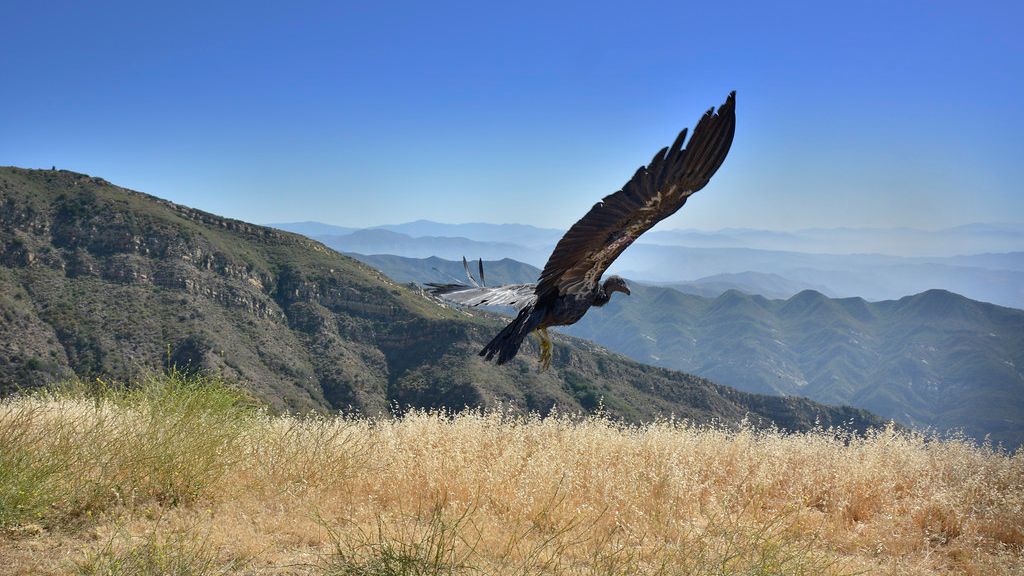
The California condor, with a wingspan of nine and a half feet and weighing up to twenty-five pounds, is the largest land bird in North America. Historically, these birds ranged from California to Florida and from western Canada down to northern Mexico.
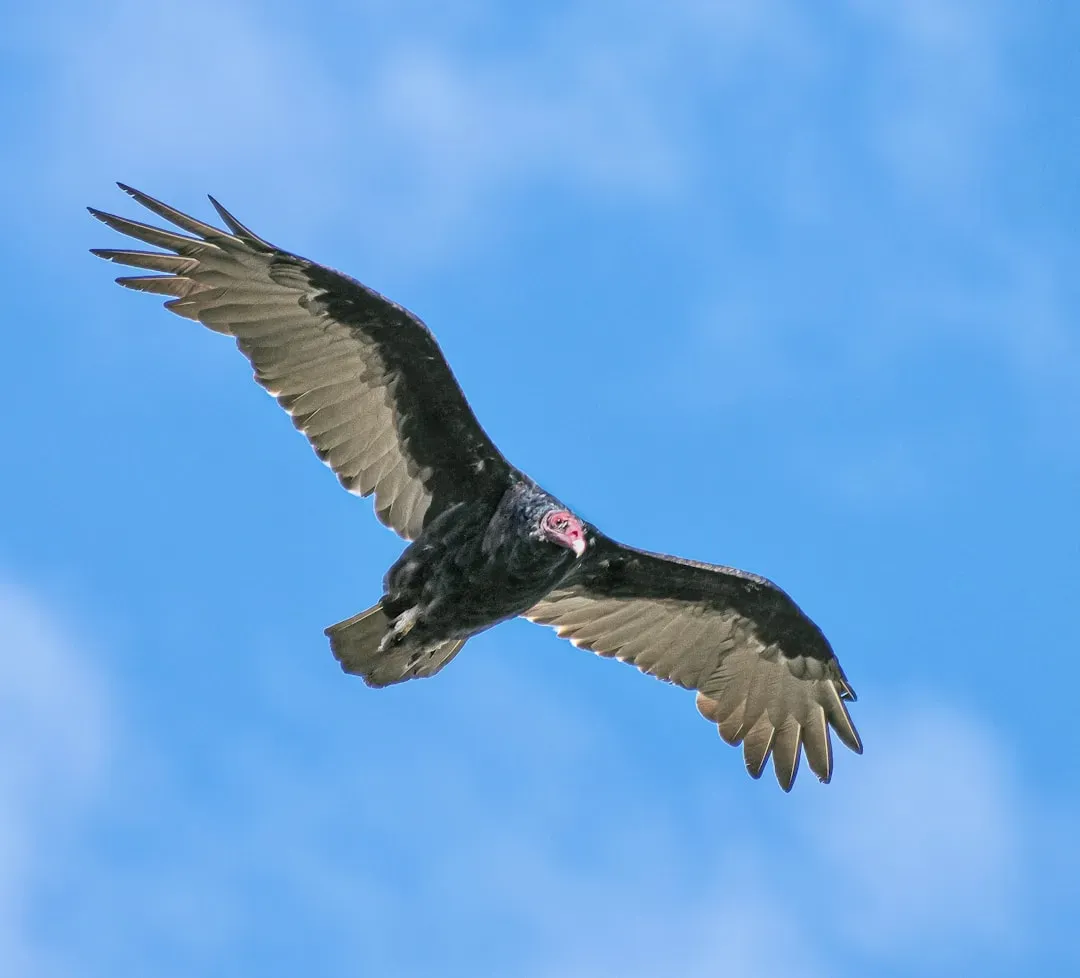
That wingspan, stretching nearly ten feet across, is the widest of any North American bird. Condors are gliders, soaring for hours on thermal updrafts, and they can reach speeds of over fifty-five miles per hour and altitudes of up to fifteen thousand feet.
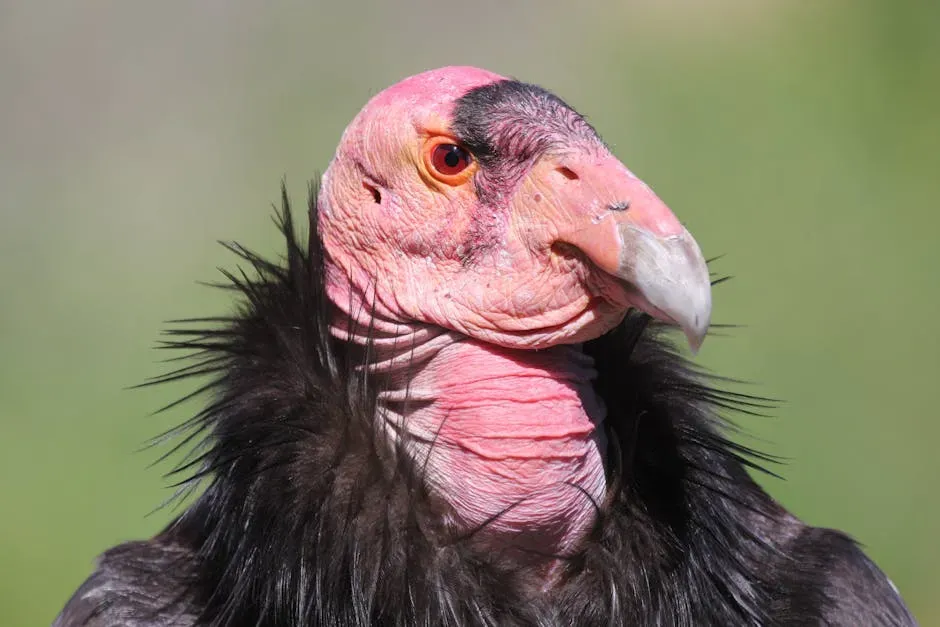
These birds are part of the vulture family, known for their bald heads and keen ability to scavenge, playing a vital role as nature’s cleanup crew. Their appearance might not win beauty contests, but their ecological significance is unmatched. Condors are nature’s recyclers, feeding on carrion and preventing the spread of disease. Their presence helps maintain ecosystem balance, yet these crucial birds nearly disappeared from our skies due to human activity.
How Close It Came to Ending
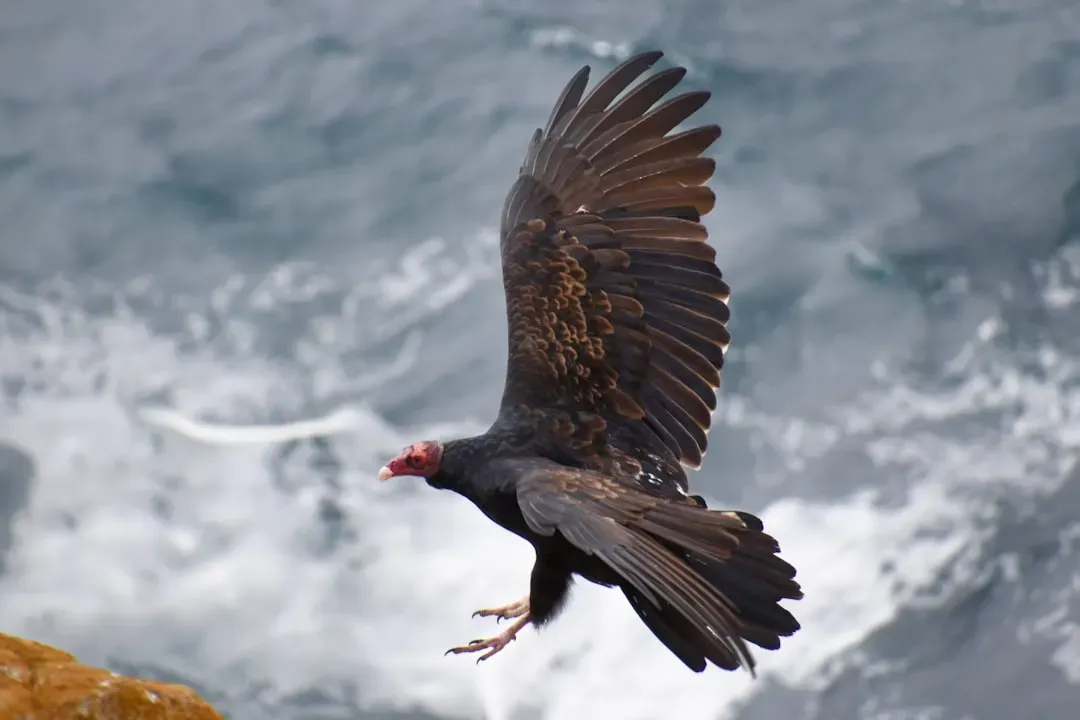
Just twenty-two condors remained in the world by the 1980s, pushed to the brink of extinction by human-related threats including lead poisoning, habitat disruption, and illegal egg collecting. Habitat loss, lead poisoning from spent ammunition, and the harmful effects of DDT had decimated their population across decades.
The last free-flying condor, designated AC-9, was captured on Easter Sunday in 1987. The entire species was officially extinct in the wild. It is a sentence that still carries a particular weight. Not threatened, not endangered. Extinct in the wild.
In 1985, conservation biologists faced an agonizing decision that would spark significant controversy: whether to capture all remaining wild California condors for a captive breeding program. With only nine wild condors remaining and their numbers steadily decreasing despite protection, the U.S. Fish and Wildlife Service proposed capturing every last bird, effectively declaring the species extinct in the wild.
The Science Behind the Comeback
The recovery effort, led by the U.S. Fish and Wildlife Service and partnering institutions like the San Diego Zoo and the Los Angeles Zoo, faced an immense challenge due to the condor’s exceptionally slow reproductive rate. Condors mate for life and do not reach sexual maturity until they are six to eight years old, typically laying only one egg every two years. The chick requires nearly six months of parental care in the nest and remains dependent on its parents for up to a year after fledging.
Breeding techniques included natural mating, artificial insemination, and double clutching, where a laid egg is removed to stimulate the female to lay a second egg. Chicks are often hand-reared using puppets that mimic adult condors to avoid human imprinting.
Young condors undergo a rigorous “boot camp” to prepare them for wild conditions, including aversion training for power lines and exposure to natural food sources. Each wild condor is outfitted with a visual ID tag and at least one radio transmitter. Some birds are also given GPS transmitters. These allow biologists to track the movements and behaviors of the flock using radio telemetry and GPS mapping.
A Population Rising Against the Odds
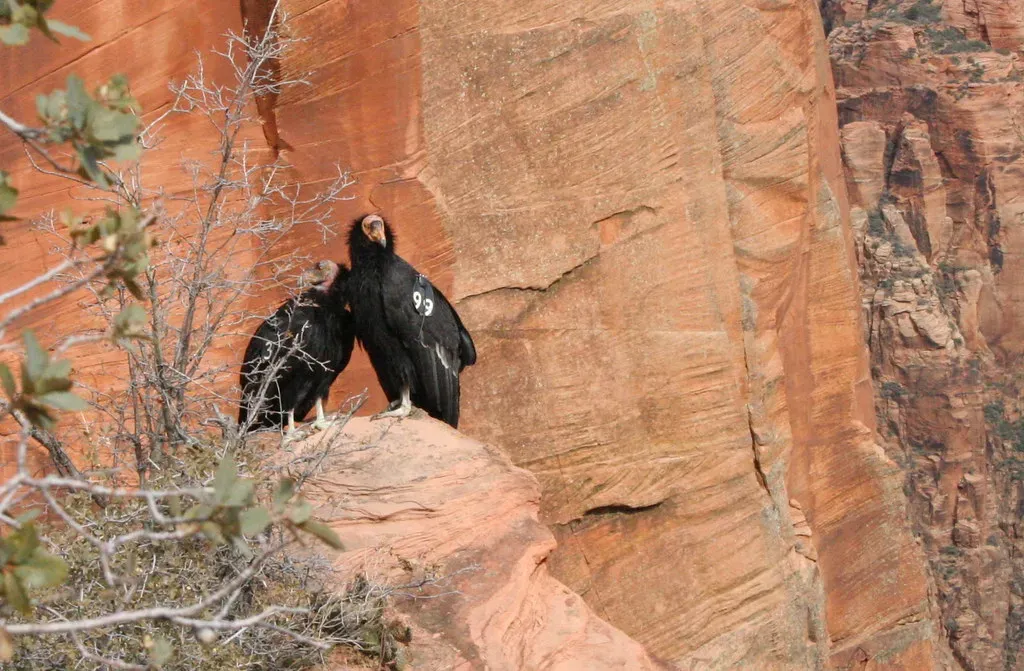
In 1992, the first captive-bred condor took flight back into the wild, marking a turning point in the species’ history. Today, over three hundred condors soar freely across California, Arizona, Utah, and Mexico, thanks to ongoing reintroduction efforts and the tireless work of conservationists.
In December 2025, the Fish and Wildlife Service updated the world population to 607. As of 2024, the total world population had grown to over 560 birds, with more than half of those flying free in the wild. This milestone, with the wild population surpassing the captive population, is a triumph of collaborative conservation.
Captive-bred condors are released into the wild yearly at six different sites into five different flocks: Hopper Mountain Wildlife Refuge Complex in southern California, Vermillion Cliffs National Monument in Arizona and Utah, Pinnacles National Park and Big Sur in central California, and Baja California in Mexico. Nesting milestones have been reached by the reintroduced condors. In 2003, the first nestling fledged in the wild since 1981.
The Stubborn Threat of Lead
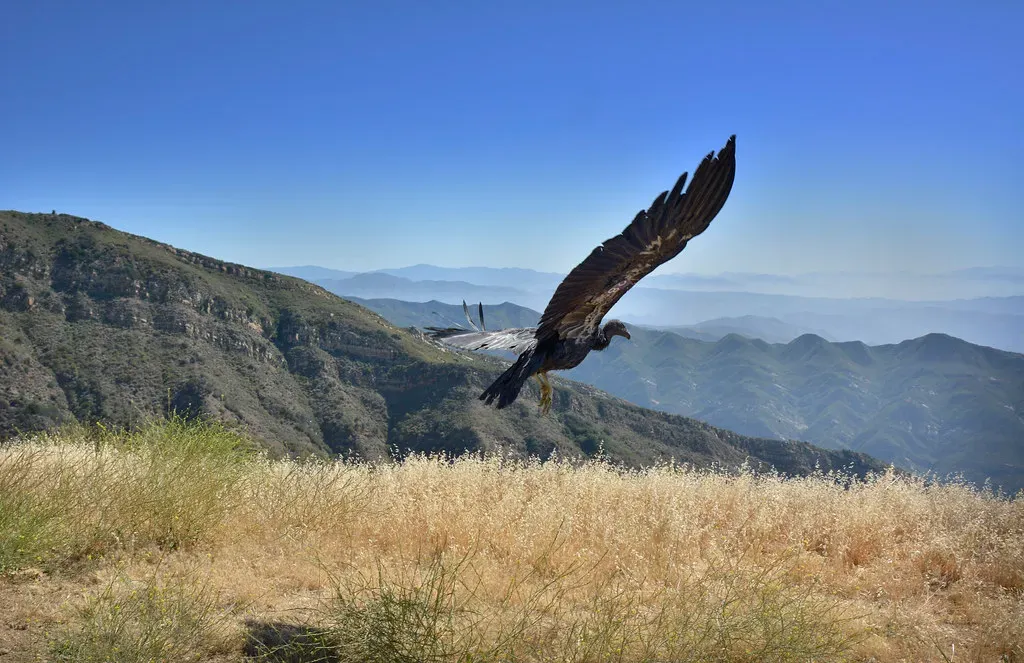
Condors eat everything, including the lead ammunition fragments that remain in the carcasses of hunted animals. Multiple studies have shown that lead poisoning is the leading cause of death in California condors, accounting for more than half of all known mortality. It is also the biggest factor slowing the birds’ recovery.
Even small, durable reductions in lead mortality outpaced annual releases in terms of benefit, and the relative advantage of such reductions increased as the population grew. Researchers estimated that two to three captive-bred juveniles are needed to offset the loss of just one free-flying adult. That asymmetry underscores just how much every adult bird matters.
California passed a ban on lead ammunition for all hunting in 2019, and compliance remains the ultimate key to a self-sustaining population. Condors are becoming less reliant on supplemental food provided by humans and are increasingly able to find food on their own, expanding their home ranges in a transition toward self-sufficiency. These encouraging trends, however, may increase lead exposure in the short term or in areas where lead has not been eliminated from condor food sources.
Bird Flu and the New Frontier of Emergency Medicine
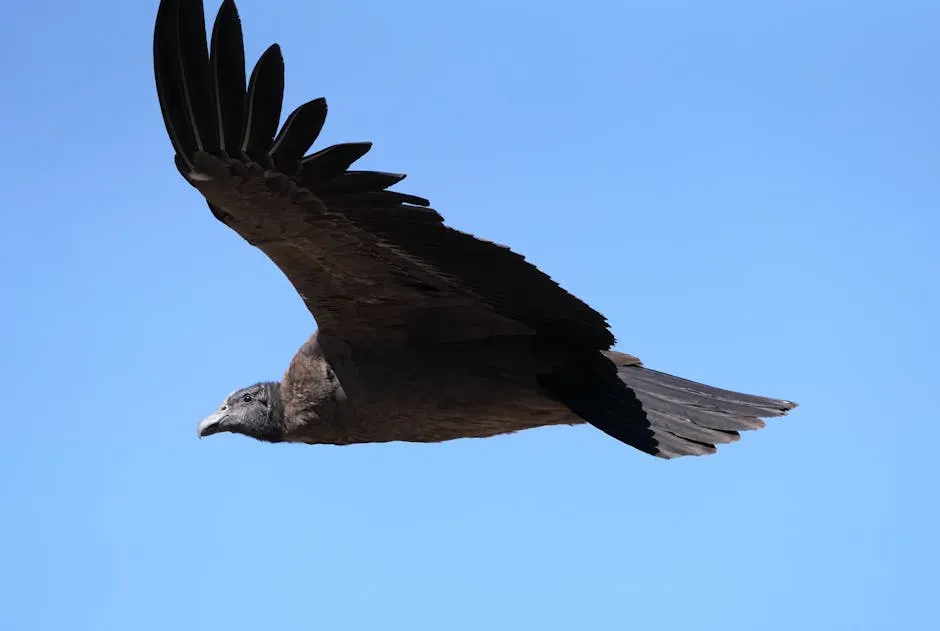
In early April 2023, highly pathogenic avian influenza was announced as the cause of death for three California condors in northern Arizona. Within a month, twenty-one condors in that population had died. The 2023 outbreak killed approximately eighteen percent of the northern Arizona and southern Utah condor subpopulation.
U.S. officials authorized the vaccination of the critically endangered California condor against avian flu, the first time the United States had approved inoculation of any bird against highly pathogenic avian influenza. By October 2024, two hundred and seven condors had received at least one vaccination.
This vaccination effort is unique within the United States and represents an unprecedented coordinated response to an emerging disease threat facing an endangered species. During routine winter trapping intended to assess lead levels, blood samples collected from condors were tested for HPAI antibodies. Roughly half the samples showed the presence of antibodies to the H5N1 strain, indicating these birds had been exposed to the virus and survived naturally.
More Than a Species: Cultural Roots and the Road Ahead
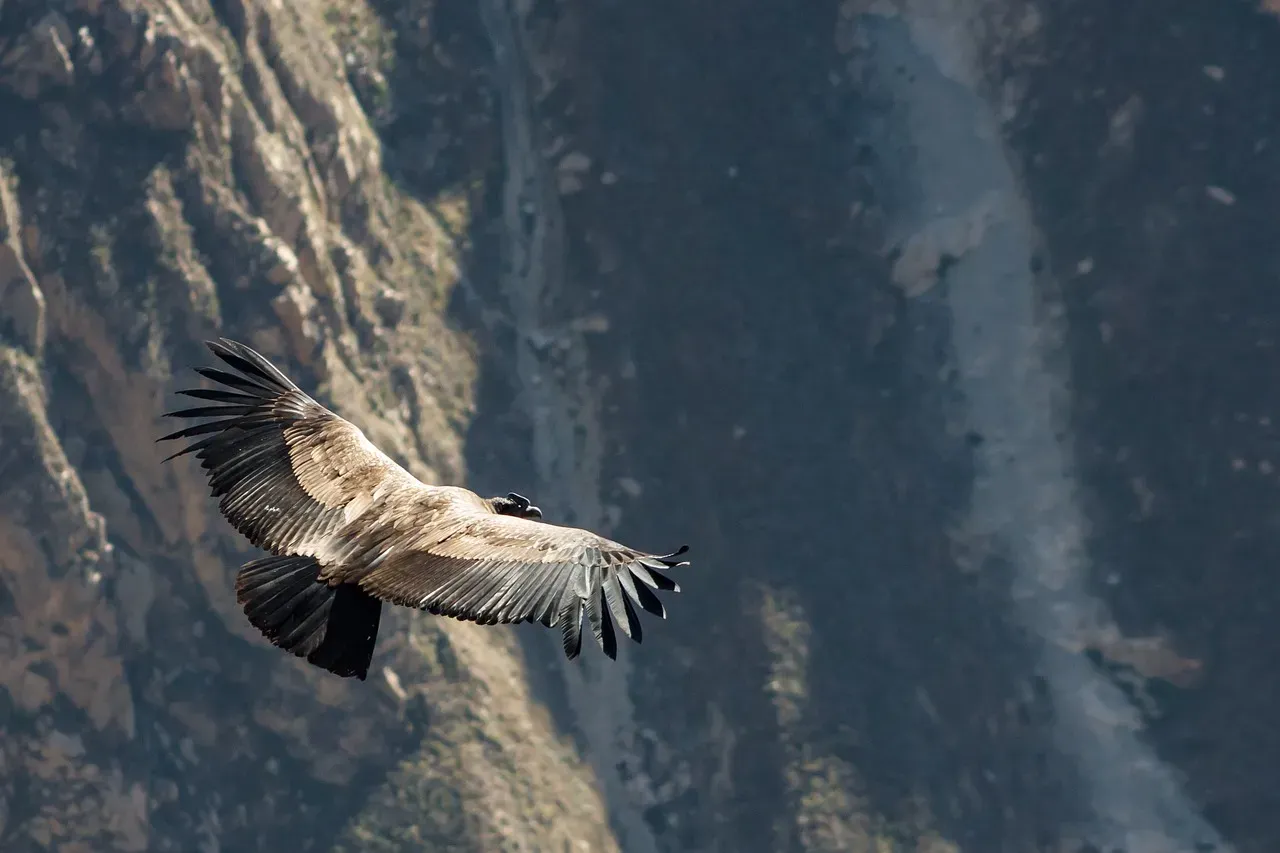
The condor is intrinsically tied to several Native American tribes in the West and is considered by tribal members to be equal or even superior to humans. The condor disappeared from the Yurok Tribe’s ancestral lands in Northern California in the late 1800s, but returned in 2021 after major conservation efforts led by Tiana Williams-Claussen, the tribe’s wildlife department director.
Experts say that as populations stabilize and threats are reduced, condors could eventually spread into parts of the Northwest where they once lived. The long-term goal is not just survival, but restoration and a future where condors once again soar across a broader portion of the West.
The California condor conservation project may be one of the most expensive species conservation projects in United States history, costing over thirty-five million dollars, including twenty million in federal and state funding, since World War II. California condors remain a conservation-reliant species, needing ongoing management to prevent extinction in the wild. Still, the arc of the story has bent, however slowly, toward survival.
Conclusion
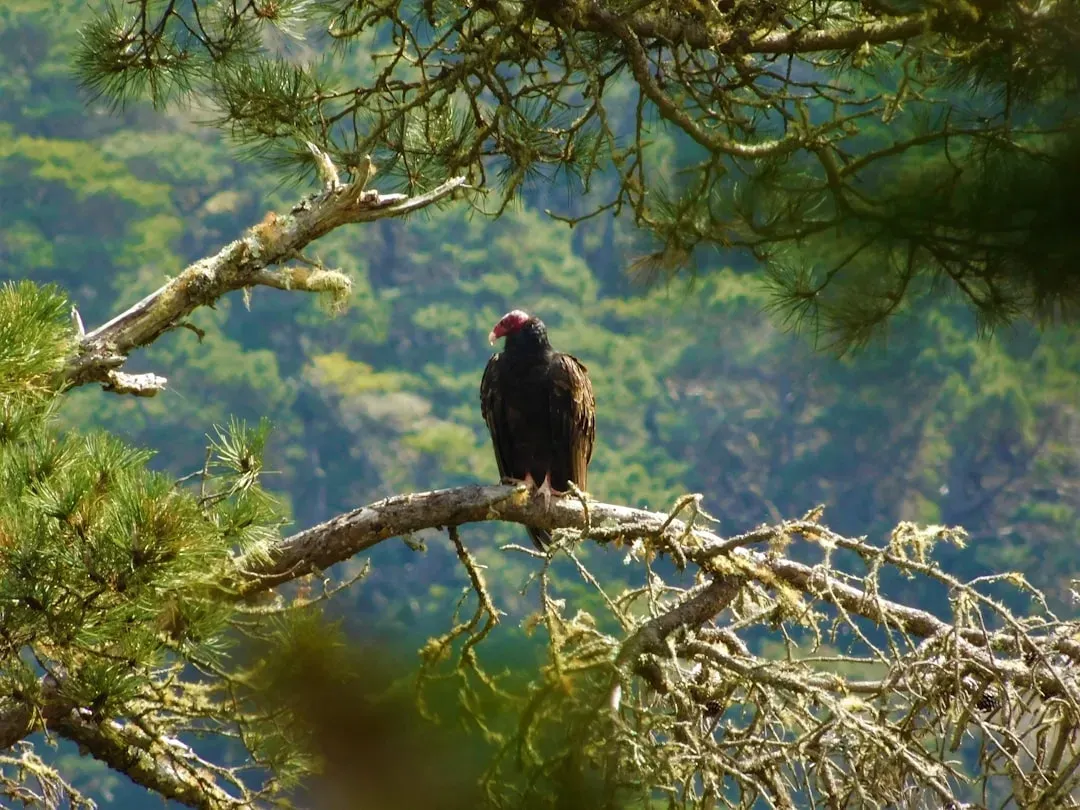
The California condor’s return is not a finished story. It remains critically endangered, still dependent on human intervention, still vulnerable to lead poisoning and emerging diseases. There is no tidy resolution here. What there is, however, is undeniable progress built on decades of painstaking, costly, and deeply collaborative work.
From twenty-two birds on the edge of oblivion to more than six hundred animals alive today, including hundreds flying free across the American West, the condor has defied one of the bleakest prognoses in modern wildlife history. That is not a small thing. It is, by any reasonable measure, extraordinary.
The condor’s shadow crossing a canyon wall was, for a long time, something that future generations might only have read about. That it remains a living sight, earned through science, policy, cooperation, and stubbornness, is perhaps the most honest definition of what conservation at its best can actually do.
Worried about unexpected vet bills?
Pet insurance can cover thousands in unexpected vet costs. Get a free quote from Lemonade in under 2 minutes.
Get My Free Quote →Sponsored · Opens Lemonade.com

- 14 Quiet Signs Your Dog Is Getting Ready to Say Goodbye – Most Owners Miss Them Completely - June 9, 2026
- 15 Dog Breeds Known for Their Exceptional Loyalty and Devotion - June 9, 2026
- 14 Garden Mistakes That Drive Hummingbirds Away for Good – Most Gardeners Don’t Realize Until It’s Too Late - June 9, 2026