

There’s something about a black Lab bounding through the marshes of coastal Georgia, or a yellow one waiting patiently beside a South Carolina duck blind, that feels entirely at home. The South has its own distinct way of life, and few dog breeds have woven themselves into that fabric as completely as the Labrador Retriever.
The Labrador Retriever has held the title of America’s most popular dog for over three consecutive decades, a streak that no other breed in AKC history has matched. The Lab combines exceptional trainability, a reliably gentle temperament, athletic versatility, and an enthusiasm for working with people. In Georgia and the Carolinas, though, that popularity takes on a more personal character, rooted in hunting heritage, family culture, and the region’s wide-open landscapes.
A Deep Connection to Southern Hunting Traditions
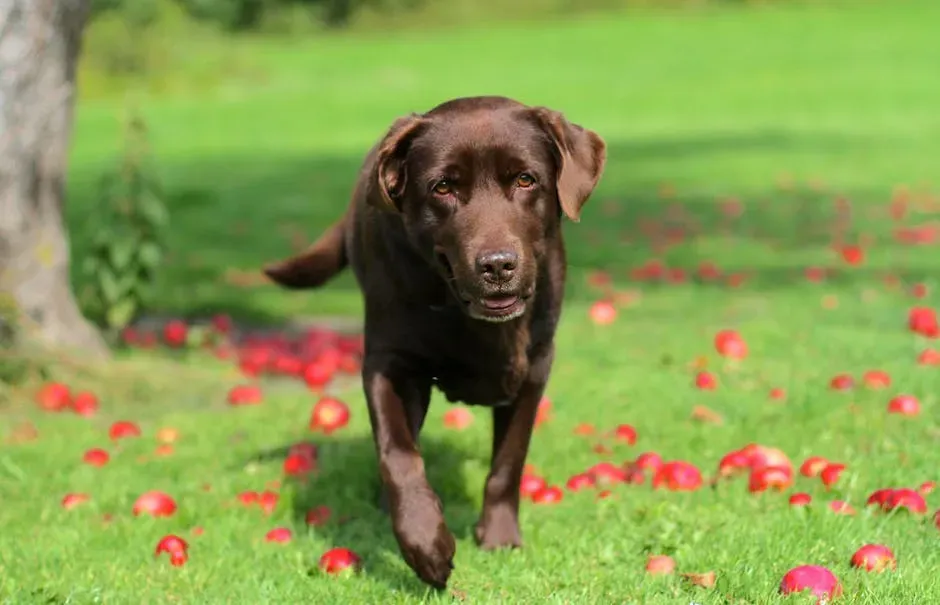
Georgia and the Carolinas sit in the heart of some of the finest waterfowl habitat in North America. Wetlands, tidal creeks, coastal marshes, and inland reservoirs define much of the regional geography, and they create ideal conditions for the breed to do exactly what it was bred to do.
The Lab’s keen sense of smell, soft mouth allowing it to carry game without damage, and natural love for water made it ideal for waterfowl hunting, particularly ducks and geese. Those qualities translate perfectly to a Southern hunt, where early mornings in flooded timber or coastal marshes are a deeply ingrained seasonal tradition.
The Labrador retriever has been a fixture in duck blinds across North America for decades, and is known for its exceptional sense of smell, intelligence, good nature, and eagerness to please. For hunters throughout the region, a well-trained Lab isn’t just a tool for the field. It’s a trusted companion that understands the rhythm of the hunt as well as anyone in the blind.
The Labrador Retriever has been used heavily in the US as a gundog, and the American Labrador Retriever Club is to this day primarily a field trial organization that was instrumental in forming AKC field trials. That tradition of competitive field work is alive and active across the South, with Georgia in particular drawing serious retriever enthusiasts during peak field trial season.
The Temperament That Fits Southern Family Life
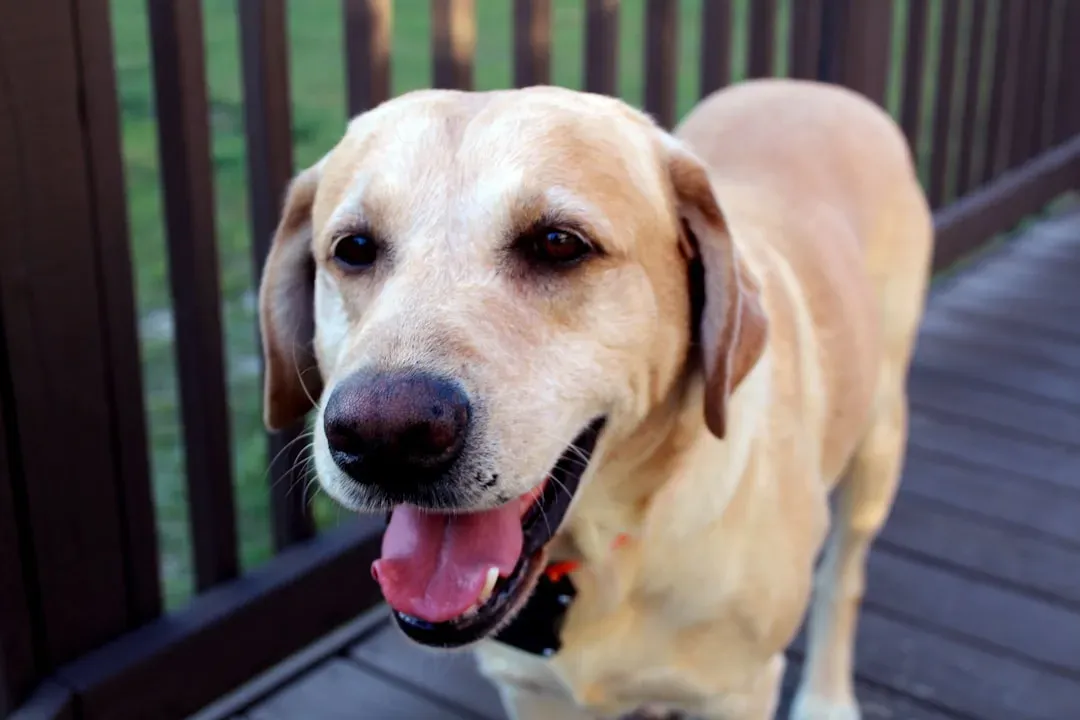
Southern family culture tends to be warm, social, and outdoors-oriented. It’s a lifestyle that calls for a dog that can move fluidly between the backyard, the neighborhood, the dock, and the deer camp. The Lab does this with an ease that few other breeds can match.
The Lab’s temperament is often described as having an “on/off switch,” allowing it to be calm and composed indoors while being energetic and playful outdoors, seamlessly integrating into various family dynamics. That balance matters a great deal in households where children are running through the yard one moment and the dog is settled on the couch the next.
At the core of the Labrador temperament is an overwhelming sense of affection. These dogs are known for their friendly demeanor, making them excellent companions for children, adults, and even other pets, with their warm nature encouraging social interactions. In communities where front porches, neighborhood gatherings, and big extended families are the norm, a dog with that kind of social ease fits right in.
Labrador Retrievers are not only warm to their owners but tend to get along well with strangers and other dogs too, with their playful and easygoing nature helping them adapt to different environments. It’s a trait that makes them a natural choice for families who entertain often or have multiple pets under one roof.
A Thriving Breeder Culture Across the Region

The strength of the Labrador’s presence in Georgia and the Carolinas isn’t accidental. The region has developed a genuine community of dedicated breeders who take the breed seriously, producing dogs for working hunters, show competitors, service roles, and family homes alike.
One South Carolina breeder alone has more than 30 years of history and experience in breeding, training, and showing Labrador Retrievers. That kind of multigenerational dedication reflects just how seriously the breed is taken in the region. Cedar Creek Retrievers in South Carolina has been family owned and operated for over 35 years, with its founder listed as an honored AKC accredited Breeder of Merit for 17 consecutive years.
Mason Farms, located 30 minutes from Charleston, raises AKC-registered Labrador puppies and is passionate about preserving strong Labrador bloodlines, with some dogs carrying English champion, master hunter, and field champion lineages. They expose young Labs to various sounds and experiences to prepare them for their forever homes.
In Georgia, dedicated breeders operate across the state’s rural landscape. Georgia’s geography lends itself well to the life of a Labrador, from duck hunting to lake activities, dock diving, and fishing. That honest acknowledgment from within the breeding community underscores the natural fit between this region and this breed.
Versatility That Matches the Southern Lifestyle
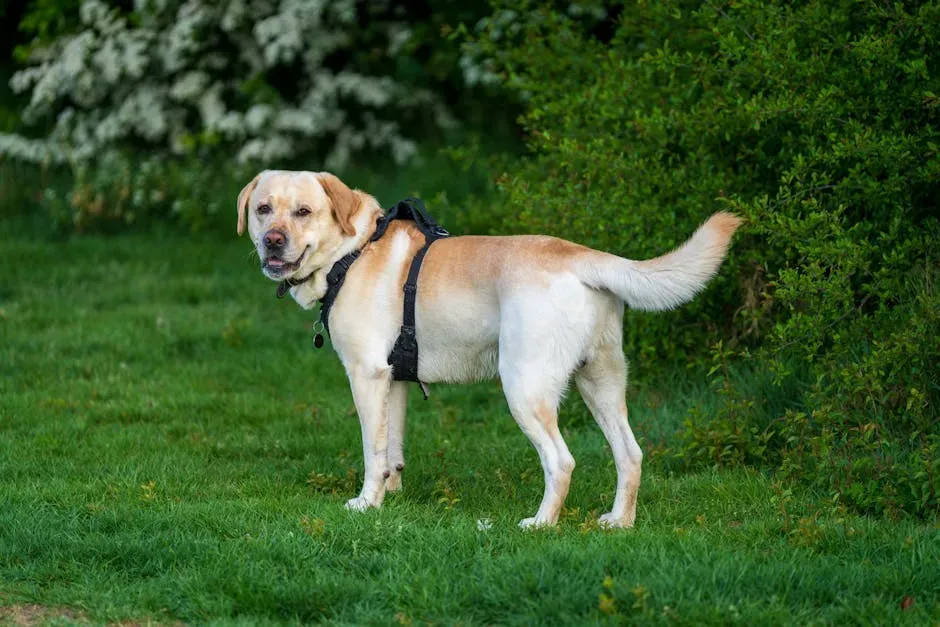
One of the reasons the Lab has never lost its grip on the Southern imagination is that it refuses to be just one thing. It adapts to whoever its owner is, whether that’s a serious duck hunter, a family with four kids, a retiree looking for a daily walking companion, or someone training a service dog.
Today, Labradors excel as service and guide dogs, family pets, scenting dogs for the military, customs and arson task force dogs, search and rescue dogs as well as hunting companions and performance dogs. That range is hard to overstate. Very few breeds cover that much ground without compromising somewhere.
Labrador Retrievers love water, and they are great companions for active families who like to spend a lot of time outdoors swimming, hiking, or hunting. For a region rich with lakes, rivers, coastal waterways, and long warm seasons, that water-loving nature isn’t just a bonus. It’s practically a job requirement.
Labradors are renowned for their ability to mark fallen game, follow hand signals, and perform blind retrieves. Their versatility extends beyond hunting to roles in search-and-rescue, detection work, and as guide dogs, but their hunting heritage remains a core part of their identity. In the South, that hunting heritage still carries real weight, and Labs carry it with them naturally.
Health, Trainability, and Long-Term Commitment
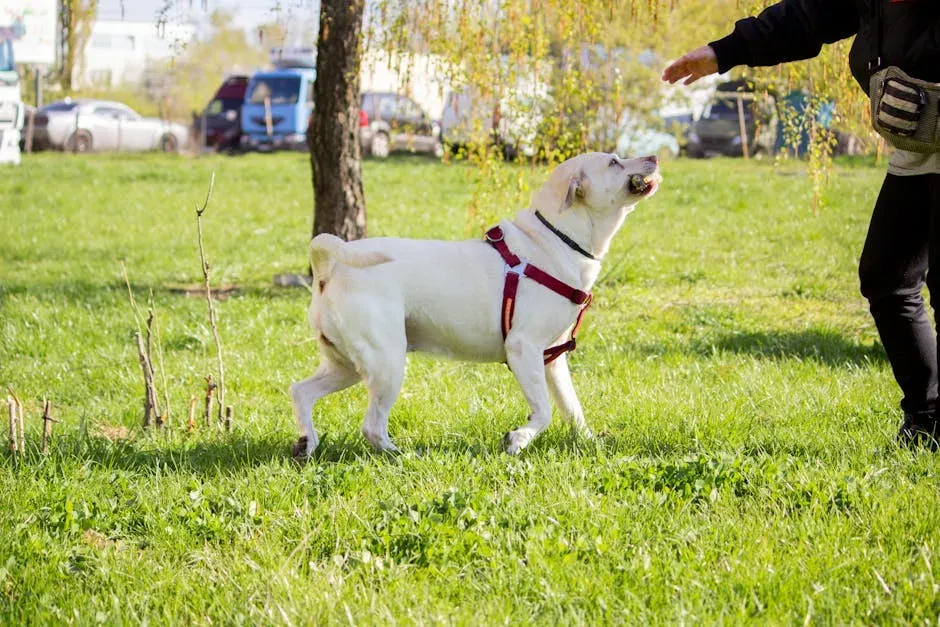
Beyond personality and purpose, the practical qualities of the Lab matter enormously to Southern families who view their dogs as long-term companions rather than short-term novelties. The breed’s reputation for trainability and relatively manageable health profile plays a genuine role in its continued popularity.
Labrador Retrievers are highly intelligent dogs that thrive on mental stimulation and training. Their eagerness to please makes them relatively easy to train, which is why they excel in obedience and agility training, and this intelligence contributes to their ability to learn commands quickly and adapt to various situations.
Labrador Retrievers are highly intelligent and generally easy to train, responding well to positive reinforcement methods such as treats, praise, and consistency. Early training and socialization are especially important to help them develop good manners and confidence. Responsible breeders across Georgia and the Carolinas increasingly pair their puppies with detailed health clearances to support that long-term commitment.
Health clearances covering OFA hip, elbow, and eye evaluations, as well as EIC and CNM testing, are considered essential standards that serious buyers should not compromise on. The region’s more established kennels have taken that standard to heart, which reflects a broader maturity in how the Southern Lab community approaches the breed.
Conclusion
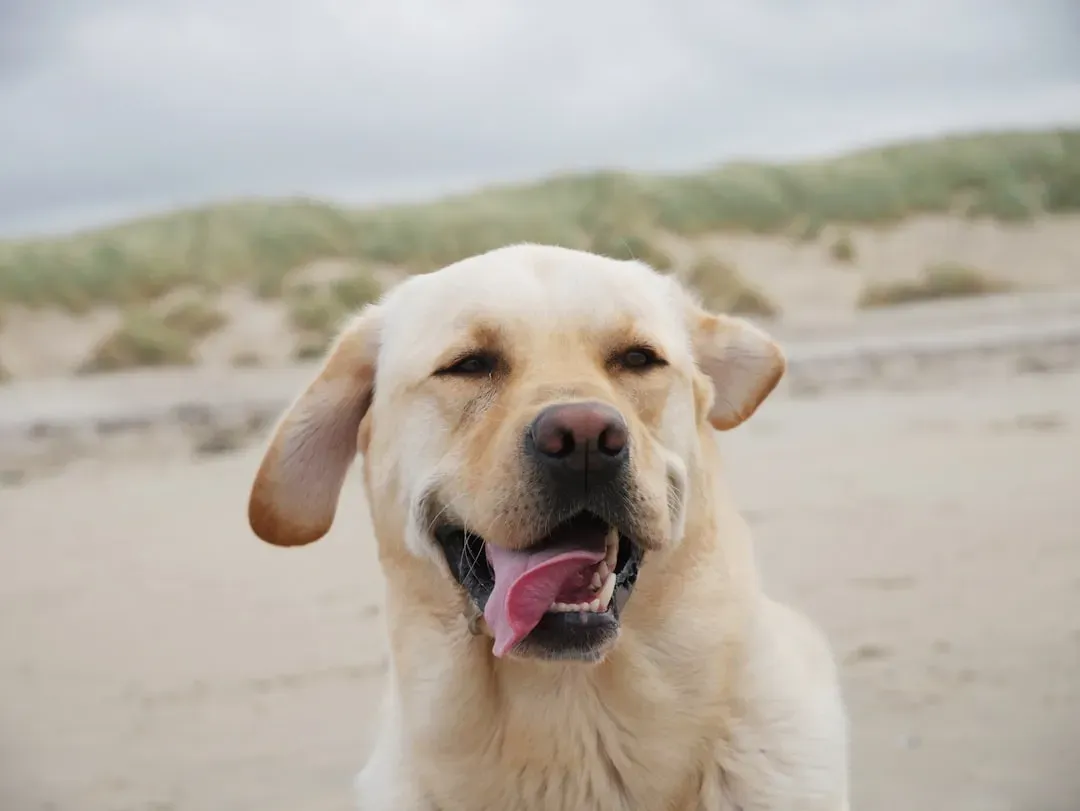
The Labrador Retriever’s grip on Georgia and the Carolinas isn’t purely about numbers or national popularity polls. It’s rooted in something more specific. The region’s terrain, its hunting culture, its family values, and its unhurried relationship with the outdoors all seem to call for exactly the kind of dog the Lab is.
From rural duck blinds to suburban family backyards, the Labrador occupies more roles in American life than any other single breed. In the South, those roles feel less like categories and more like a natural way of living. The Lab doesn’t just fit into life here. It enriches it.
Generations of Southern families have passed Labs down the way other families pass down land or stories. That quiet continuity says more about the breed than any popularity chart ever could.
