
Most pet owners do a fairly good job of thinking about obvious hazards. They keep the back gate latched, supervise young dogs around water, and double-check before feeding table scraps. Yet some of the most serious threats to pets aren’t lurking in unusual places. They’re sitting on bathroom counters, tucked under kitchen sinks, and flowering cheerfully on windowsills.
Your pet’s safety at home often hinges on more than just choosing the right food or scheduling regular vet visits. Many of the most serious risks come from items we use every day – items that are safe for us but can be dangerous or even life-threatening to our animals. The gap between what’s harmless to a human and what’s harmful to a dog or cat is wider than most people realize. Here’s what you actually need to know.
Human Medications Left Within Reach
It might be the pill you left on the nightstand before bed, or the bottle you set down on the kitchen counter just for a moment. To a curious dog, anything small and pill-shaped can look like a treat.
Over-the-counter human medications have consistently topped the list of pet poisons for years running. These medications are easily accessible in most homes, purses, backpacks, and cars.
Acetaminophen is extremely toxic to cats, causing severe liver and red blood cell damage. NSAIDs like ibuprofen and naproxen can lead to stomach ulcers and kidney failure in dogs.
Prescription medications for depression, heart conditions, or ADHD are also highly poisonous. Always keep all medications, for both people and pets, in a sealed container stored securely in a cabinet your pet cannot reach.
Household Cleaning Products
Most people store their cleaning products under the sink or in a low cabinet – exactly the kind of spot a dog or cat investigates without a second thought. The risk isn’t just ingestion. Residue left on freshly cleaned floors can transfer to paws and be licked off later.
Bleach, ammonia-based cleaners, toilet bowl scrubs, and drain openers can cause severe chemical burns to the mouth, esophagus, and stomach lining if ingested. The fumes can also irritate a pet’s respiratory system.
Most laundry dryer sheets, especially those that are unused, contain cationic detergents. These detergents can cause severe chemical burns and ulcers to a pet’s mouth, esophagus, and stomach. Additionally, the sheets can pose a risk of foreign body obstruction in the stomach or intestines and can be a medical emergency.
It’s best to keep your pet in another room while you clean and wait until all surfaces are dry before letting them back in. That simple habit can prevent a surprisingly large number of accidents.
Popular Houseplants and Cut Flowers

A beautiful vase of fresh lilies on the dining table. A sago palm adding a tropical touch to the living room. These seem entirely harmless. For a cat or curious dog, they can be lethal.
True lilies such as Easter, Tiger, and Stargazer lilies are a deadly threat for cats. Ingesting any part of the plant, including a small amount of pollen groomed from their fur, can result in acute kidney failure.
Sago palms can cause severe intestinal problems, seizures, and liver damage, especially if the nut or seed portion of the plant is swallowed. These plants are widely sold as ornamental decor and remain in countless homes where pets also live.
Lily of the valley, oleander, yew, foxglove, and kalanchoe may also cause serious heart problems. Before bringing any new plant into a home with pets, it’s worth taking a few minutes to verify it on the ASPCA’s publicly available toxic plant database.
Certain Common Foods From Your Kitchen
The kitchen is where a lot of accidental poisonings start. Pets are skilled at counter-surfing, nosing open cabinets, or simply catching whatever falls. Some of what lands on the floor is genuinely dangerous.
Chocolate contains theobromine, which dogs cannot metabolize efficiently. Dark and baking chocolates are the most hazardous. Even a moderate amount can trigger muscle tremors, seizures, and cardiac complications in a medium-sized dog.
Xylitol, an artificial sweetener found in sugar-free gum, candy, peanut butter, and baked goods, triggers a massive insulin release in dogs, leading to life-threateningly low blood sugar and liver damage. It’s now found in a wide range of products, so checking ingredient labels has become genuinely important.
Grapes and raisins can also cause sudden kidney failure in dogs, even in what seems like a small quantity. The exact mechanism isn’t fully understood, which makes it harder to predict a “safe” amount. The safest answer is none at all.
Rodent and Pest Control Products

Rat bait, mouse traps with attractants, insecticide sprays, and snail pellets are items that many households keep without thinking twice. The problem is that these products are intentionally designed to smell and taste appealing to small animals.
Rat and mouse baits are designed to kill rodents through uncontrollable bleeding, brain swelling, or sudden kidney failure. Unfortunately, these poisonous products affect all mammals, including pets, the same way.
Snail baits containing metaldehyde can cause uncontrollable seizures. The speed of onset can be alarming, and by the time visible symptoms appear, significant harm may already be done.
Flea and tick products made specifically for dogs, such as those containing permethrin, should never be used on cats or other species because they may cause serious or even life-threatening problems. Even products marketed as pet-safe carry species-specific risks that are easy to overlook.
Antifreeze and Automotive Fluids

This one tends to catch people off guard because it lives in the garage, not inside the house. Yet pets spend time in garages, driveways, and near parked cars, and the risk is real.
The active ingredient in most automotive antifreeze, ethylene glycol, has a sweet taste that pets find appealing. Tragically, a single lick can be enough to cause irreversible kidney failure.
Pet antifreeze poisoning is extremely rapid, and immediate veterinary attention is essential for survival. Treatment must be administered within 8 to 12 hours for dogs and three hours for cats, because once kidney damage begins, poisoning is often fatal.
Initial signs may include a “drunken” appearance, excessive thirst, and lethargy, which rapidly progress. If you notice a puddle of brightly colored liquid near a parked vehicle, keep pets away from it immediately and clean it up thoroughly.
Batteries, String, and Small Household Objects
This category covers the kind of clutter that exists in virtually every home: loose batteries from a remote, a length of ribbon from a gift, dental floss left near the sink, a sewing needle that fell to the floor. These seem like minor household trivialities. To a pet, they can be serious emergencies.
Batteries aren’t only a choking hazard but also contain harmful chemicals. These highly corrosive acidic or alkaline chemicals leak out when pets bite or chew on batteries and can lead to serious internal burns. Pets can suffer from painful tissue damage in the oral cavity or anywhere along the digestive tract.
Long or linear items such as string, ribbon, or dental floss look innocent enough, but once ingested, these everyday items can have catastrophic consequences. Linear items can wrap around or under a pet’s tongue and obstruct blood flow. If partially swallowed, they can cause choking or tracheal irritation.
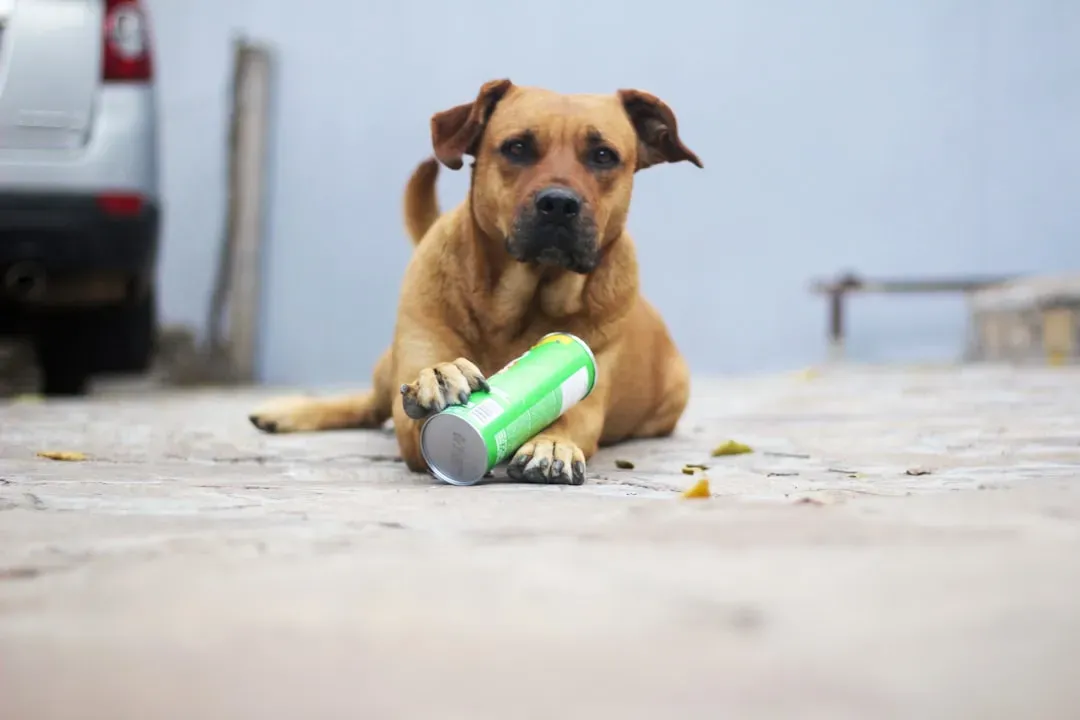
Food bags, especially the mylar-type potato chip bags, cereal bags, and snack bags, can also be a danger. Dogs are typically more likely than cats to sniff out food bags. These bags are thin enough that if a dog puts his head far enough inside one and breathes in, the bag can wrap around his nose and mouth, suffocating him.
What To Do If Something Goes Wrong

Awareness is the first layer of protection, but even careful households have accidents. Knowing how to respond quickly can be the difference between a manageable situation and a tragedy.
Watch for warning signs like vomiting, diarrhea, drooling, breathing difficulties, lethargy, tremors, or seizures. Some symptoms appear fast. Others take hours to develop, which is part of what makes certain toxins so dangerous.
Time is critical for successfully treating poisoning. Pick up the phone and call your veterinarian, or the ASPCA Animal Poison Control Center at 1-888-426-4435, or the Pet Poison Helpline at 1-855-764-7661.
Do not induce vomiting unless specifically advised. Some chemicals and items cause more harm if vomited up. When in doubt, always call a professional before acting.
The reality is that pet-proofing a home is less about dramatic overhauls and more about consistent, small habits. Closing a cabinet, moving a plant to a higher shelf, keeping medication off the counter. None of these actions take more than a few seconds. The cost of not doing them can be far greater. A genuinely safe home for a pet isn’t built in one afternoon. It’s built in the small moments of paying attention.
