
The United States is home to some of the most extraordinary wildlife on Earth, yet a surprising number of its native mammals are quietly tipping toward the edge. Most people assume that endangered species exist only in remote jungles or on distant continents. The reality is closer to home, literally.
From the swamps of south Florida to the coastal waters of Hawaii, rare and federally protected mammals still roam, swim, and hunt in wild places that remain accessible to the patient, the curious, and the conservation-minded. Each one carries a story that spans decades of destruction, recovery efforts, and uncertain futures. Here are 13 endangered American mammals you can still encounter in the wild today, if you know where to look.
1. Florida Panther
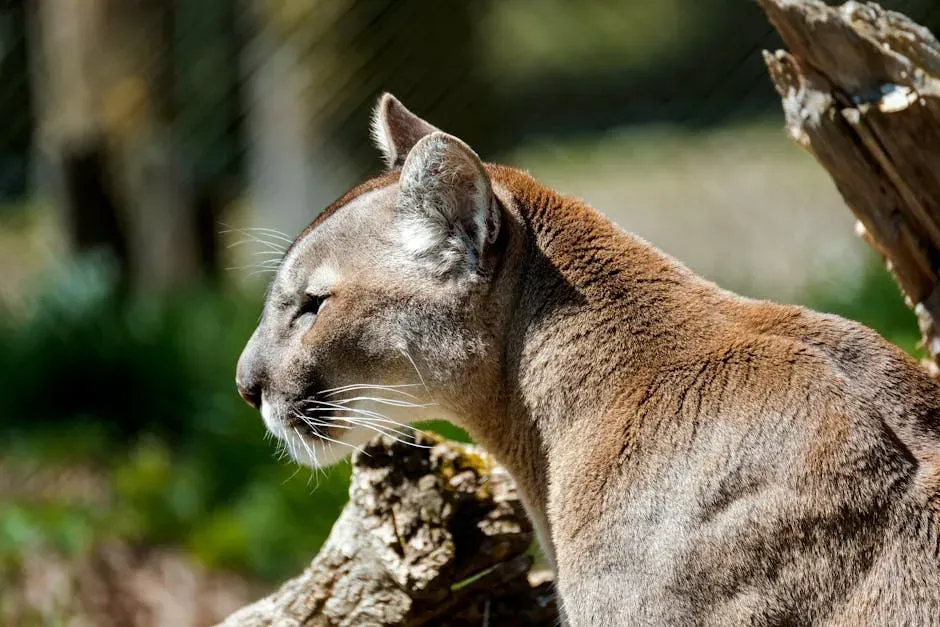
The Florida panther is one of the most endangered mammals in North America. Once roaming lands across the southeastern United States, the panthers now occupy less than five percent of their historic range.
As of 2024, about 200 individuals are left in the wild. It lives in pinelands, tropical hardwood hammocks, and mixed freshwater swamp forests, with its range including the Big Cypress National Preserve, Everglades National Park, and the Florida Panther National Wildlife Refuge.
The two highest causes of mortality for individual Florida panthers are automobile collisions and territorial aggression between panthers, while primary threats to the population as a whole include habitat loss, habitat degradation, and habitat fragmentation.
The findings of recent research show that conservation measures taken over the past 30 years are working to help Florida panthers survive, but the endangered species is not out of the woods yet.
2. Red Wolf
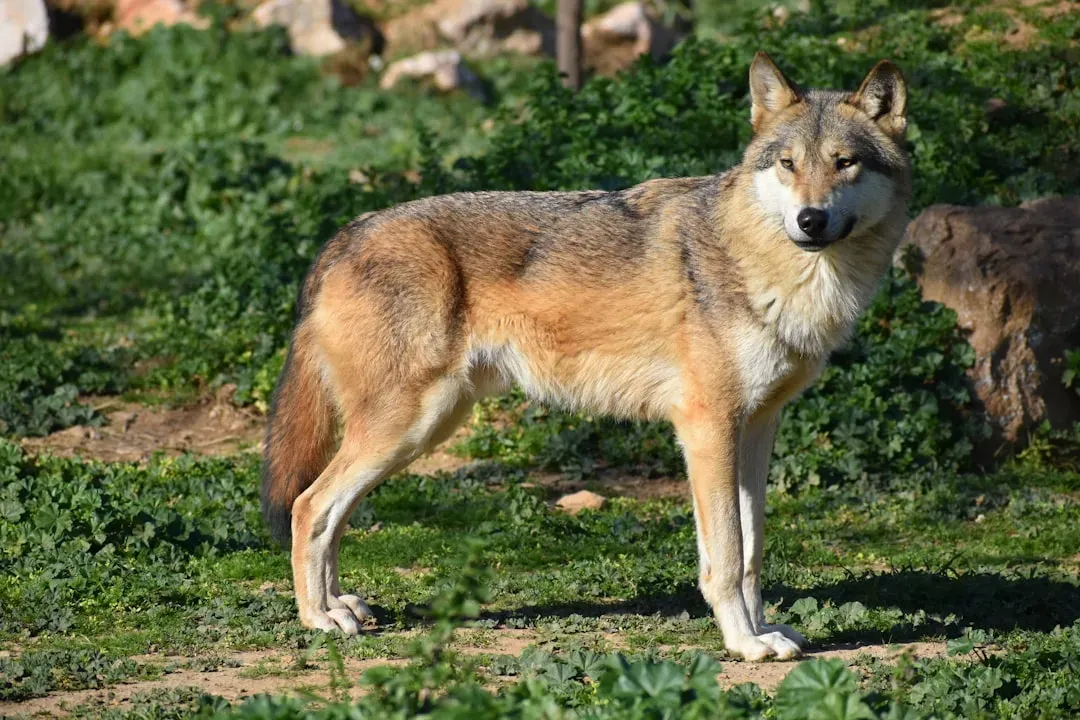
Red wolves were declared extinct in the wild in 1980 but were reintroduced to North Carolina in 1987. The IUCN now categorizes red wolves as critically endangered.
As of 2025, their population is still decreasing, with just 20 to 30 mature individuals left in the wild. They can thrive in various habitats, including forests, swamps, and coastal prairies, where they hunt white-tailed deer, raccoons, rabbits, and other small mammals.
Red wolves face several threats, including hybridization with coyotes. Illegal killing also continues, particularly when wolves come into conflict with landowners. Despite the slim numbers, wild sightings still occur in eastern North Carolina’s Albemarle Peninsula, making it one of the rarest wildlife encounters possible on American soil.
3. Black-Footed Ferret
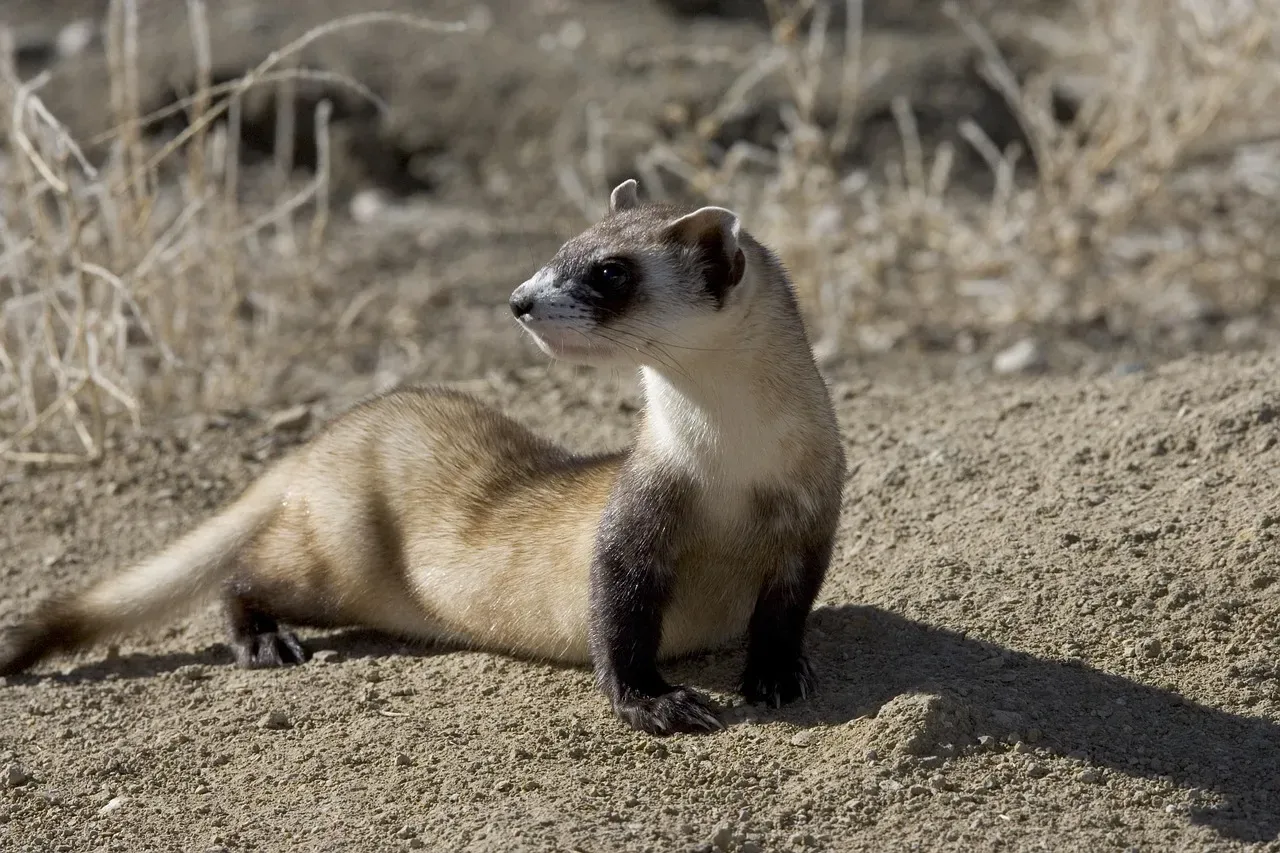
The black-footed ferret is a carnivorous mammal and the only ferret species native to the Americas. They live in shrubland and grassland and have self-sustaining populations in South Dakota, Wyoming, and Arizona.
Listed as “endangered” on the IUCN Red List and one of the rarest mammals in North America, the species once ranged throughout the Great Plains from southern Canada to northern Mexico, before becoming extinct in the wild in the 1980s. Conservation efforts successfully reintroduced populations in eight western US states and in Chihuahua, Mexico.
The black-footed ferret recovered from 18 individuals to approximately 340 in the wild across eight western states. Their main prey is prairie dogs, and the health of ferret populations depends almost entirely on the health of prairie dog colonies beneath the grasslands they share.
4. North Atlantic Right Whale
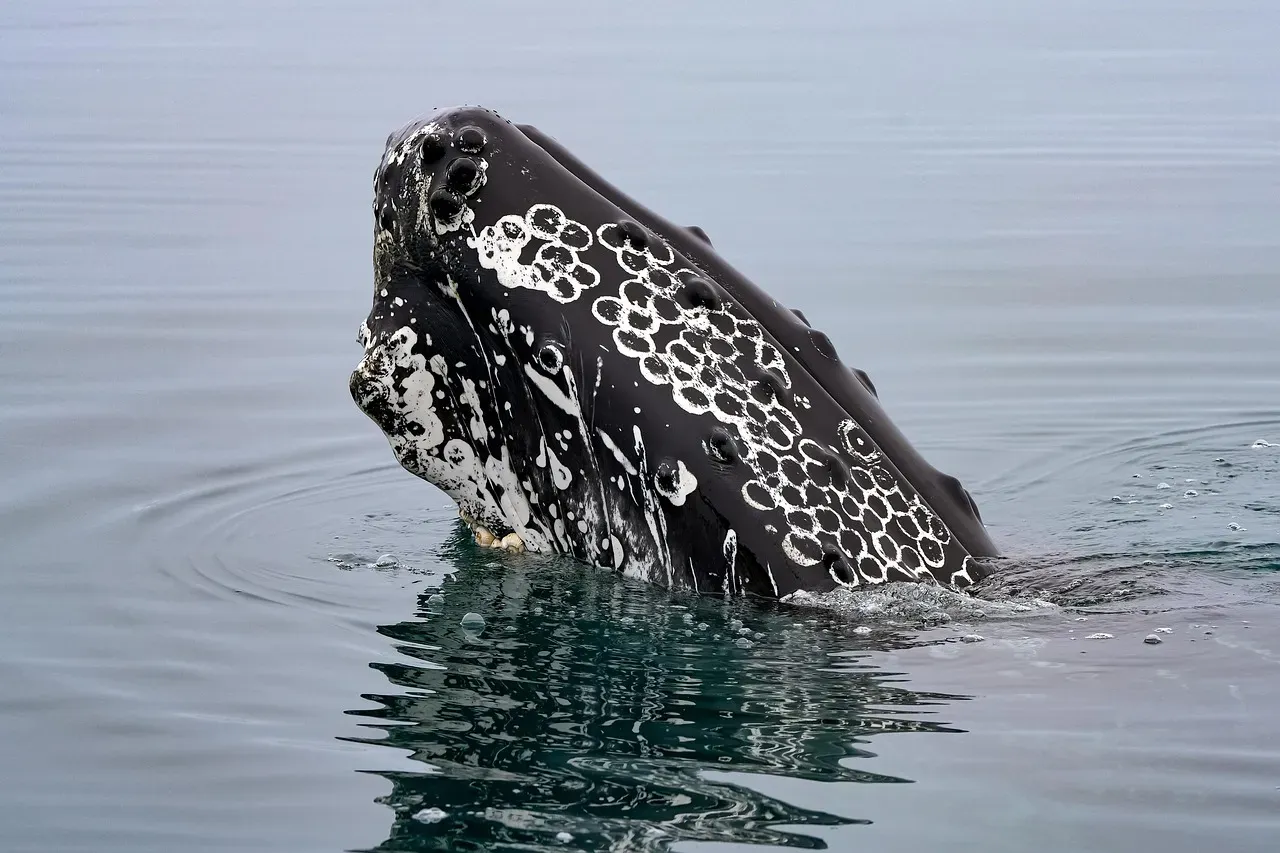
The North Atlantic Right Whale leads marine endangered animals with fewer than 340 individuals remaining. These massive mammals face threats from ship strikes and fishing gear entanglement.
The North Atlantic right whale is a huge, slow-swimming baleen whale that can grow up to 15 meters long and weigh 70,000 kilograms. These whales live in the Atlantic Ocean, swimming in deep waters when searching for food and moving to shallower areas when calving.
They are known for their slow swimming speeds and tendency to remain close to the shore, making them particularly vulnerable to human activities. Whale-watching boats off the coasts of New England and Georgia occasionally offer a rare glimpse of these ancient giants, though every sighting carries the weight of how few remain.
5. Hawaiian Monk Seal
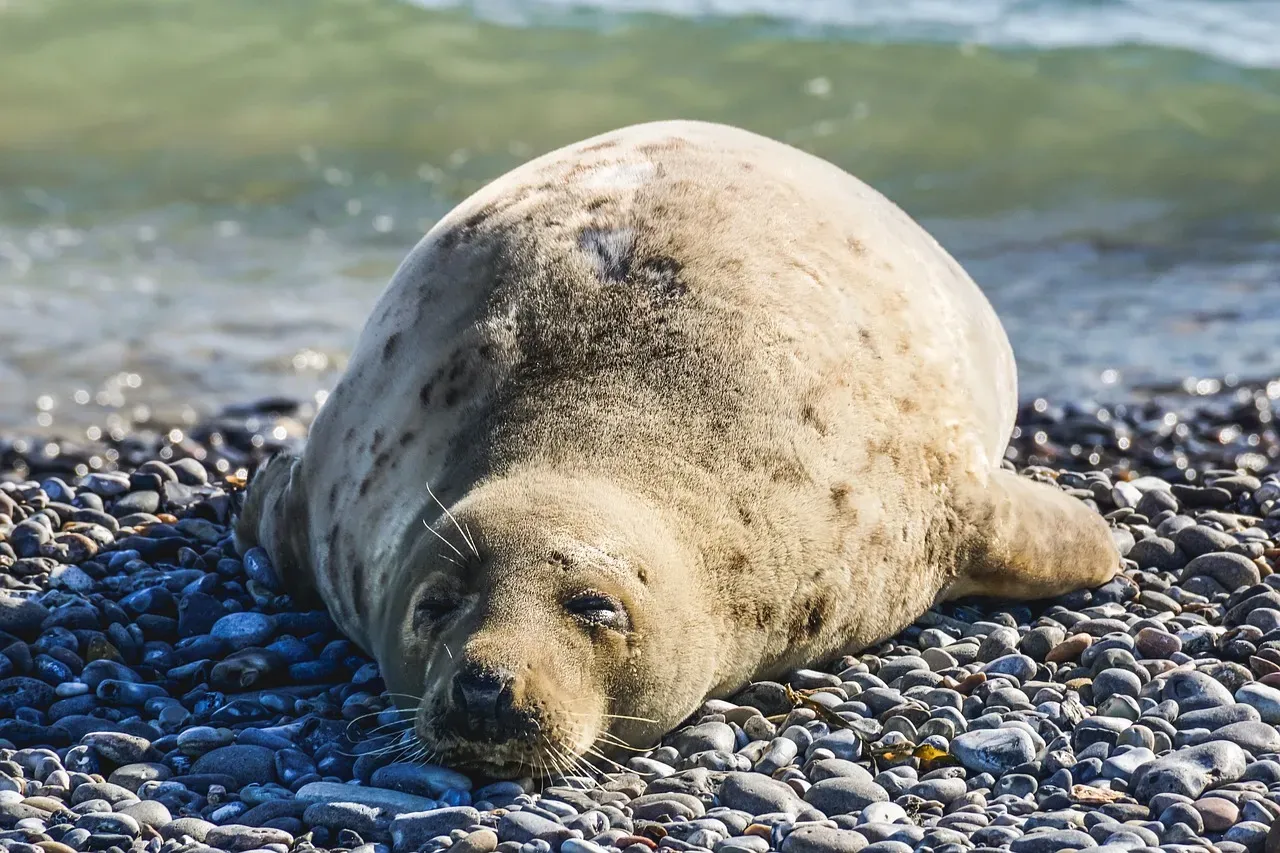
The Hawaiian monk seal is found only in the waters of the Hawaiian Islands and is one of the rarest marine mammals. Its population has declined primarily due to habitat loss, entanglement in marine debris, and predation.
The Hawaiian Monk Seal population has stabilized at approximately 1,570 individuals, representing a conservation success story through dedicated protection efforts along Hawaiian coastlines.
Hawaiian monk seals are skilled divers, often hunting for fish, cephalopods, and crustaceans in shallow reefs, but capable of diving to depths of over 900 feet. Visitors to Hawaii’s more remote beaches and the Northwestern Hawaiian Islands may encounter these seals resting on shore. They are protected by law, and approaching them is prohibited.
6. Ocelot
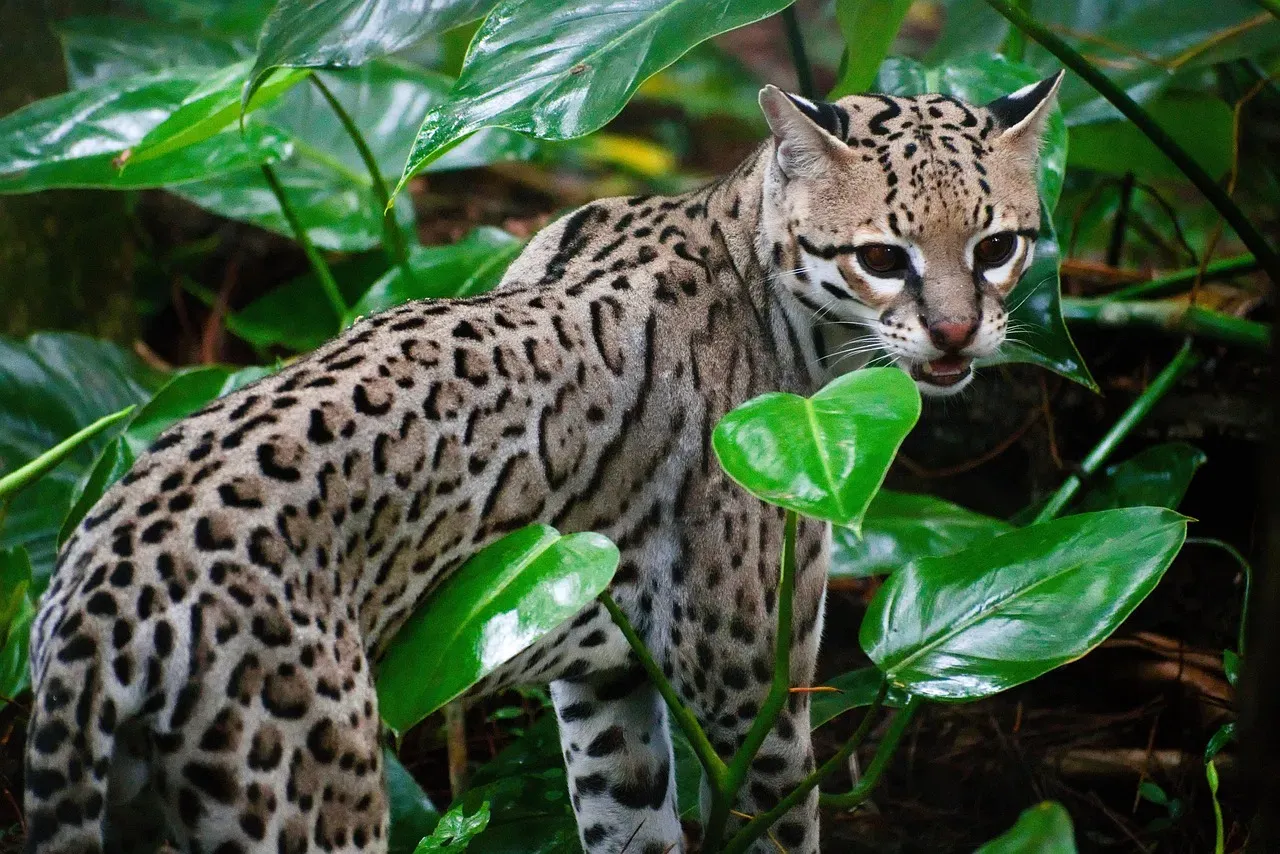
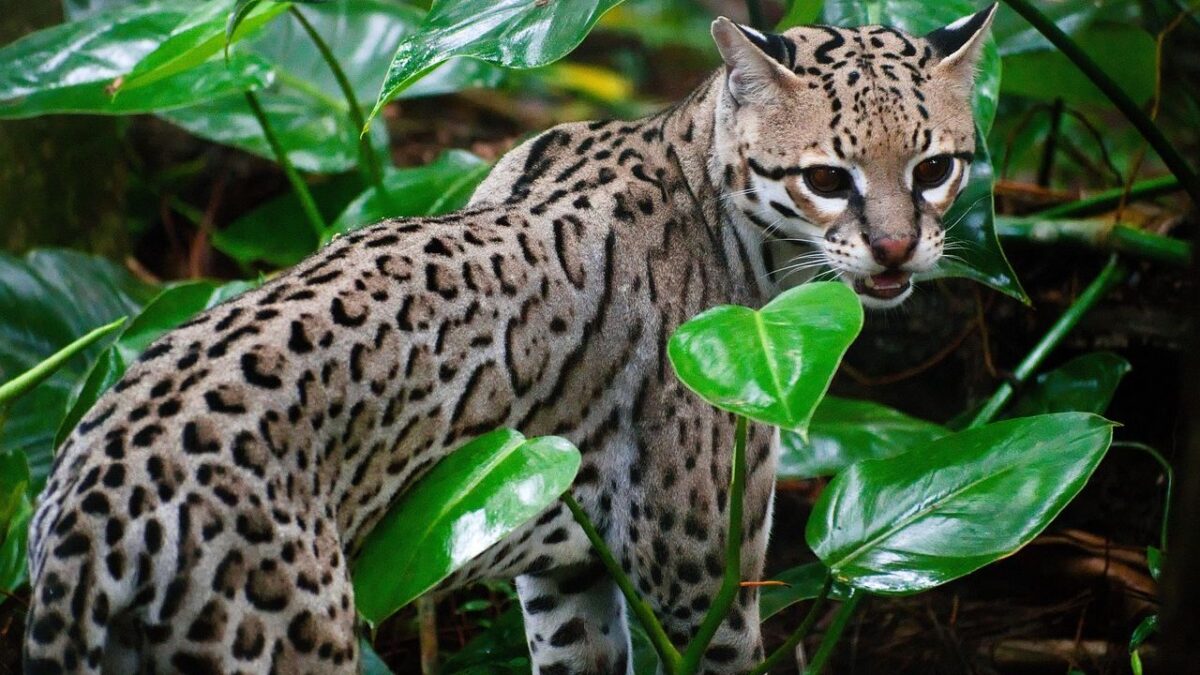
Once ranging throughout the Southwest, today the only breeding population of ocelots in the U.S. is in Texas, where fewer than 60 ocelots remain in two small populations near the Mexican border.
These habitats consist primarily of thick, dense thornscrub forest that the ocelot uses to feed, breed, and move. These habitats are often disconnected, forcing ocelots to navigate roads and open areas.
The biggest threat to the ocelot’s survival is the degradation and loss of habitat caused by industrial development, agricultural development and urbanization, and vehicular traffic. Partners broke ground on a $20 million ocelot conservation facility in 2024 at the Caesar Kleberg Wildlife Research Center at Texas A&M University-Kingsville, the first in the nation dedicated to housing ocelots for breeding purposes. It’s one of the most hopeful developments in the animal’s recent history.
7. Mexican Gray Wolf
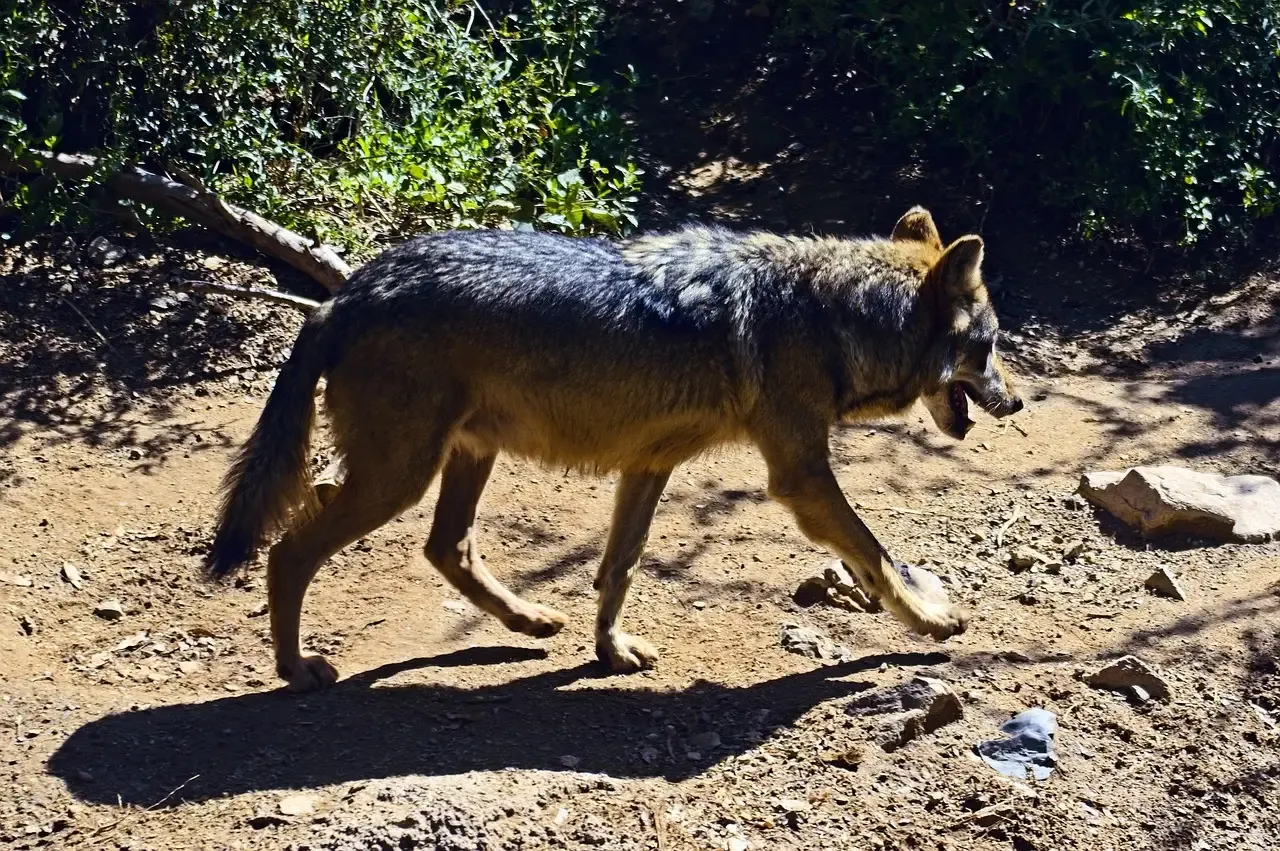
The Mexican gray wolf is an endangered subspecies of gray wolf, with just a few wild populations in the southwestern United States and Mexico. Also called the “lobo,” it is the smallest and rarest subspecies of gray wolf in North America.
Like the red wolf, the Mexican gray wolf was functionally extinct in the wild by the late 1970s before a captive breeding and reintroduction program began in the late 1990s. Today, small wild populations roam the mountains of eastern Arizona and western New Mexico, primarily in the Apache-Sitgreaves and Gila National Forests.
Habitat fragmentation particularly impacts large mammals and specialized species requiring extensive territories or specific environmental conditions. Endangered animals in the United States face additional pressures from urbanization, with suburban development eliminating crucial wildlife corridors and breeding grounds. The Mexican gray wolf faces all of these threats, and its recovery remains contested and slow.
8. Florida Manatee
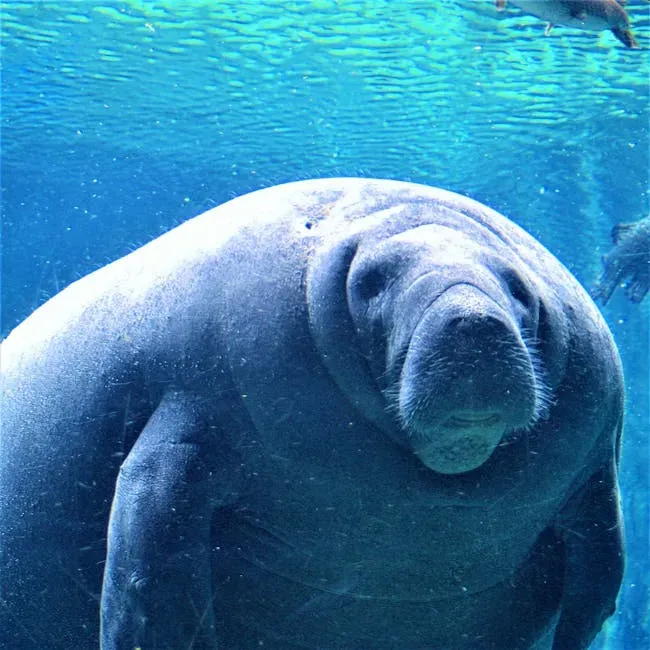
In 1967, the manatee was among the first wildlife species to be protected under the newly created Endangered Species Preservation Act. Thanks to decades of conservation efforts, manatee numbers recovered, prompting the US Fish and Wildlife Service to downlist the species from “endangered” to “threatened” under the ESA in 2017.
Between 2021 and 2022, nearly 2,000 manatees died in Florida, far exceeding the annual average of 578 deaths between 2015 and 2020. The primary driver was starvation caused by the collapse of seagrass beds in the Indian River Lagoon, which were devastated by algal blooms linked to pollution.
Still, manatees are among the most reliably visible endangered mammals in America. Warm-water springs in Florida, particularly Crystal River and Blue Spring State Park, draw large numbers of manatees during cooler months, where they can be observed from the shoreline or during organized, regulated snorkel tours.
9. American Bison
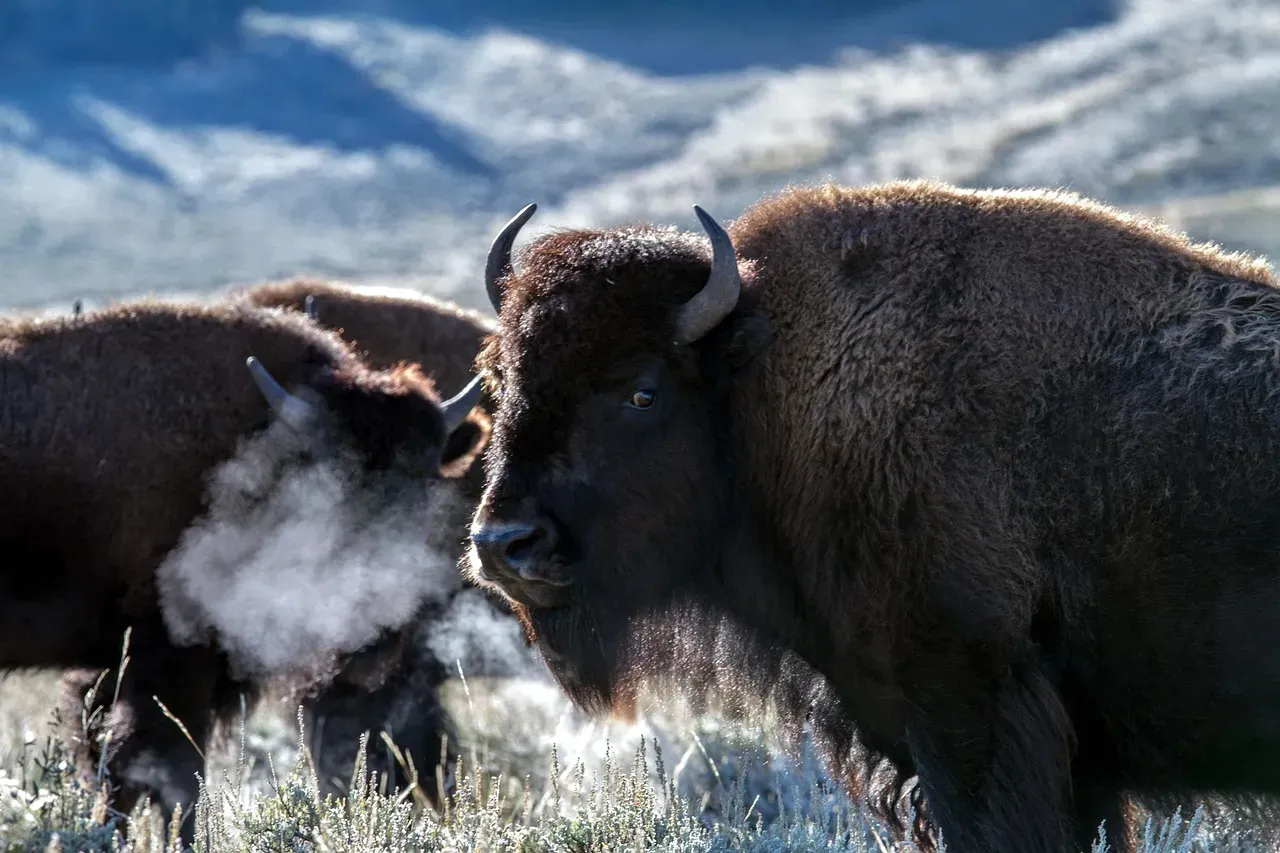
Once boasting numbers in the millions, most American bison now live in human-managed herds. The American bison was once driven nearly to the point of extinction, but was designated as the national animal of the United States in 2016.
The wild, genetically pure bison population at Yellowstone National Park is the most significant in the country, representing the last large group descended from the original Great Plains herds. There is a large population of them in Yellowstone National Park. Visitation to Yellowstone offers one of the most accessible ways to observe bison moving freely across open terrain.
The story of American mammals often begins with the majestic bison, once roaming freely in immense herds across the plains. Today, while their numbers are fewer, they remain an enduring symbol of American wilderness, thriving in preserves and national parks. Their conservation is also deeply tied to the cultural survival of many Indigenous nations across the Great Plains.
10. Steller Sea Lion
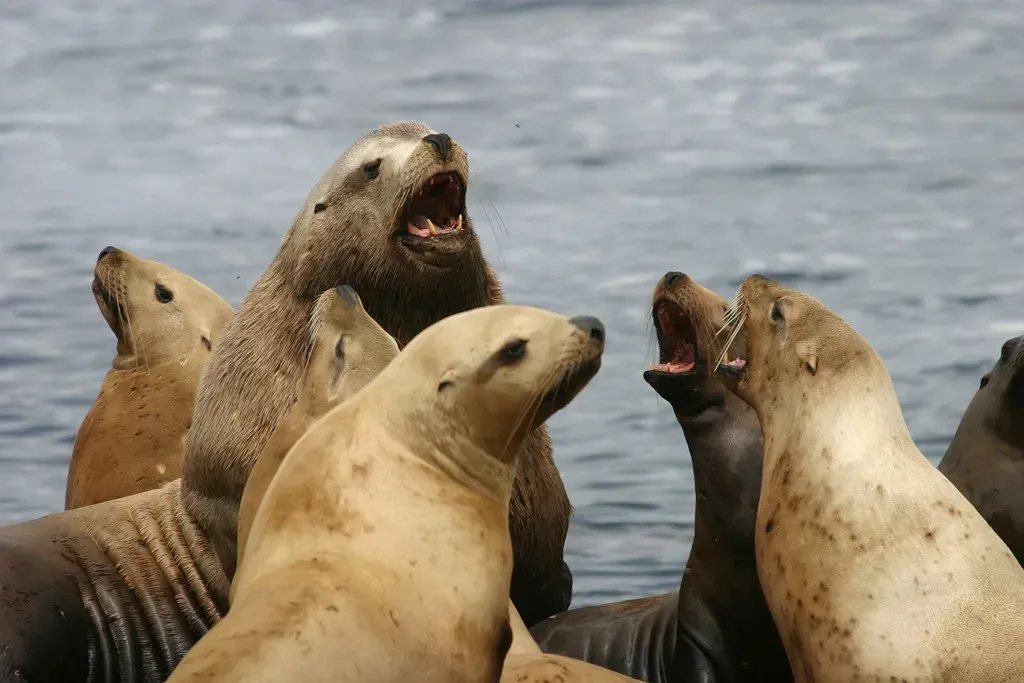
The western distinct population segment of the Steller sea lion remains listed as endangered under the Endangered Species Act, with declines in Alaska’s western waters raising ongoing concern. These are the largest members of the eared seal family, with adult males capable of weighing over a ton.
They haul out on rocky outcroppings along the coasts of Alaska, British Columbia, and the Pacific Northwest. Endangered animals in the United States face additional pressures from urbanization, with suburban development eliminating crucial wildlife corridors and breeding grounds. Agricultural expansion continues converting natural habitats, while pollution degrades remaining wilderness areas. For Steller sea lions, overfishing of their key prey species, particularly pollock, adds a critical layer of threat unique to marine mammals.
Wildlife tours operating out of Kodiak and the Kenai Peninsula in Alaska give visitors the opportunity to witness large sea lion gatherings. Few encounters match the raw, noisy spectacle of hundreds of these animals competing for resting space on a shared rock ledge in open Alaskan waters.
11. North American River Otter
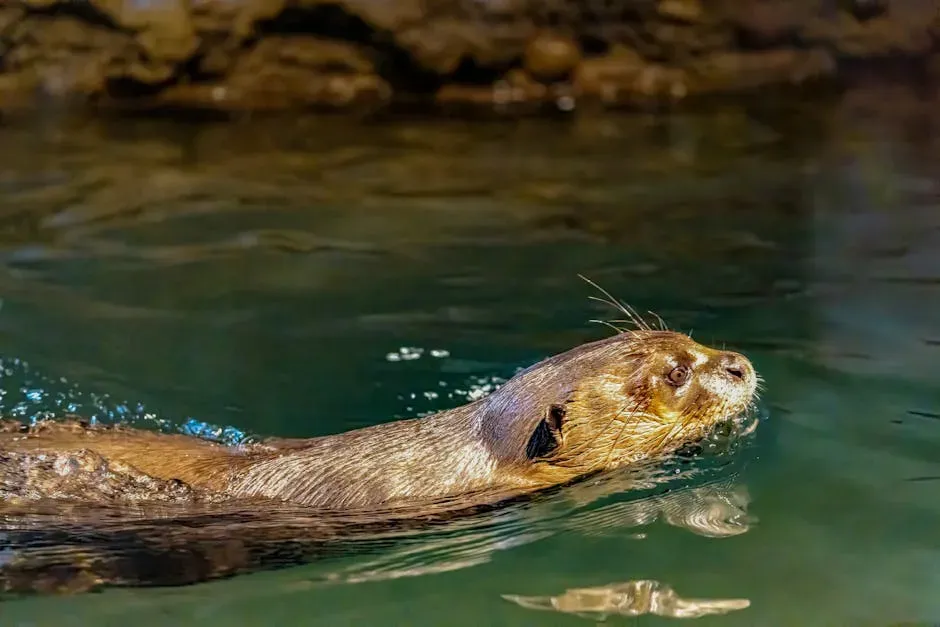
While the river otter as a whole species is not federally endangered, certain regional populations, including those historically extirpated from much of the Midwest and parts of the East, were listed as threatened or endangered at the state level and are still recovering from widespread trapping, water pollution, and habitat degradation throughout the 20th century.
Reintroduction programs across more than 20 states have had measurable success, and river otters can now be spotted along clean waterways, beaver ponds, and coastal marshes in places where they disappeared entirely within living memory. The lower 48 states also boast a thriving population of smaller mammals such as bobcats, raccoons, muskrats, striped skunks, American minks, American beavers, North American river otters, and red foxes, all playing crucial roles in their respective food webs.
Their return is a quiet indicator of improved water quality, and spotting one fishing at dusk along a clear river remains one of the finer rewards in American wildlife watching.
12. Sonoran Pronghorn
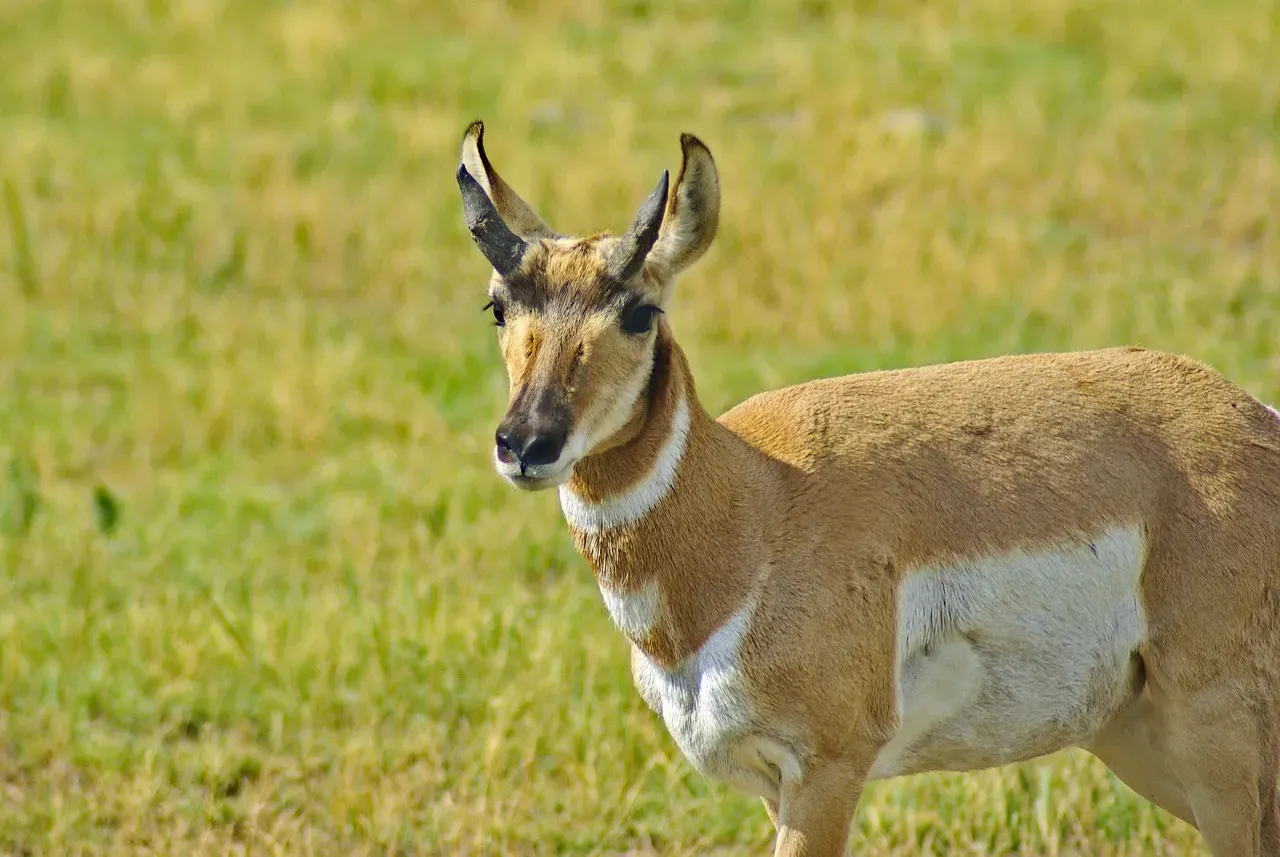
The Sonoran pronghorn is a distinct subspecies of the American pronghorn, and it is listed as endangered under the Endangered Species Act. Its range is restricted to the extreme southwestern corner of Arizona and adjacent areas of northwestern Mexico, a harsh desert landscape far removed from the grassland ranges where other pronghorn thrive.
Population numbers have fluctuated significantly due to drought, which can eliminate food sources rapidly across the desert, as well as vehicle collisions and the disruption of traditional movement corridors. Several critically endangered species demonstrate that intensive conservation efforts can reverse extinction trends. The Sonoran pronghorn has benefited from captive breeding programs run by the US Fish and Wildlife Service at Cabeza Prieta National Wildlife Refuge in Arizona.
The Sonoran pronghorn is, by nature, elusive and extremely alert to disturbance. Pronghorn can run through their grassland habitat at speeds of 50 miles per hour. Spotting one across the desert flats of Organ Pipe Cactus National Monument on a quiet morning is a genuinely uncommon experience.
13. Hawaiian Hoary Bat
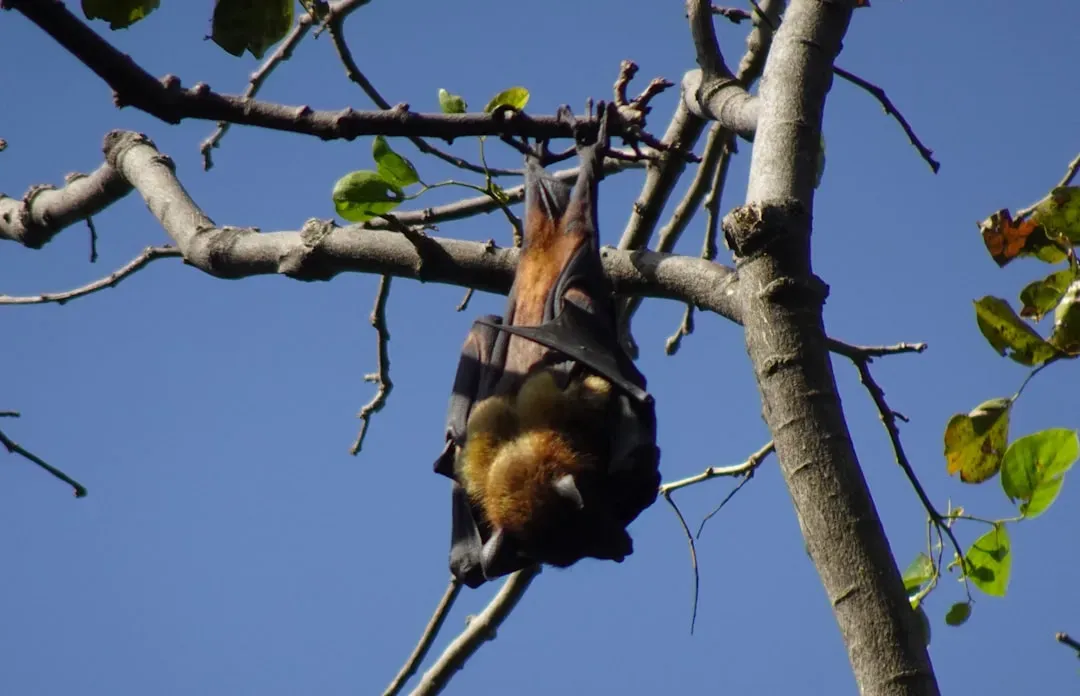
The Hawaiian hoary bat, known locally as the ope’ape’a, is the only land mammal native to Hawaii. Hawaiian hoary bats are medium-sized bats with a wingspan of about 12 to 14 inches and a body length of approximately five to six inches. It is listed as endangered under the Endangered Species Act and faces threats from habitat loss, wind energy development, and invasive species affecting its insect prey base.
Unlike most endangered mammals, this bat is more visible than you might expect. It tends to emerge at dusk and is often seen foraging for insects over forested valleys, wetlands, and the edges of native Hawaiian forests, particularly in areas like the Hakalau Forest National Wildlife Refuge on the Big Island.
The United States currently protects 1,677 endangered and threatened species under the Endangered Species Act. This includes 1,264 endangered species and 413 threatened species across various taxonomic groups including mammals, birds, fish, reptiles, amphibians, and invertebrates. The Hawaiian hoary bat represents the quiet edge of that list: a small, fast-flying animal most people have never thought to look for, surviving in one of the most isolated archipelagos on Earth.
Why Seeing Them Matters
There’s a difference between knowing an animal exists and witnessing it in its own landscape. The International Union for Conservation of Nature believes that a quarter of all mammals are in danger of extinction, primarily because of climate change, hunting, and habitat loss. For American species, that statistic is not abstract.
Responsible wildlife tourism and genuine public interest translate into political will, funding, and protected land. Citizen science programs allow ordinary people to contribute valuable data about endangered animals through wildlife observation apps and reporting systems. Reporting sightings, supporting refuges, and simply paying attention all matter more than most people realize.
Every one of the mammals on this list is still here. That fact alone, given everything working against them, deserves more than passing notice. The question worth sitting with is not whether we can still find them, but whether we’re doing enough to ensure future generations can say the same.

- 11 US Rivers Where Ancient Fish Are Making an Astonishing Comeback - July 21, 2026
- 11 Iconic American Birds Facing New Challenges and How You Can Help - July 21, 2026
- What Your Dog Is Really Trying to Tell You: A Complete Guide to Understanding, Caring For, and Deeply Connecting With Your Dog - July 21, 2026