

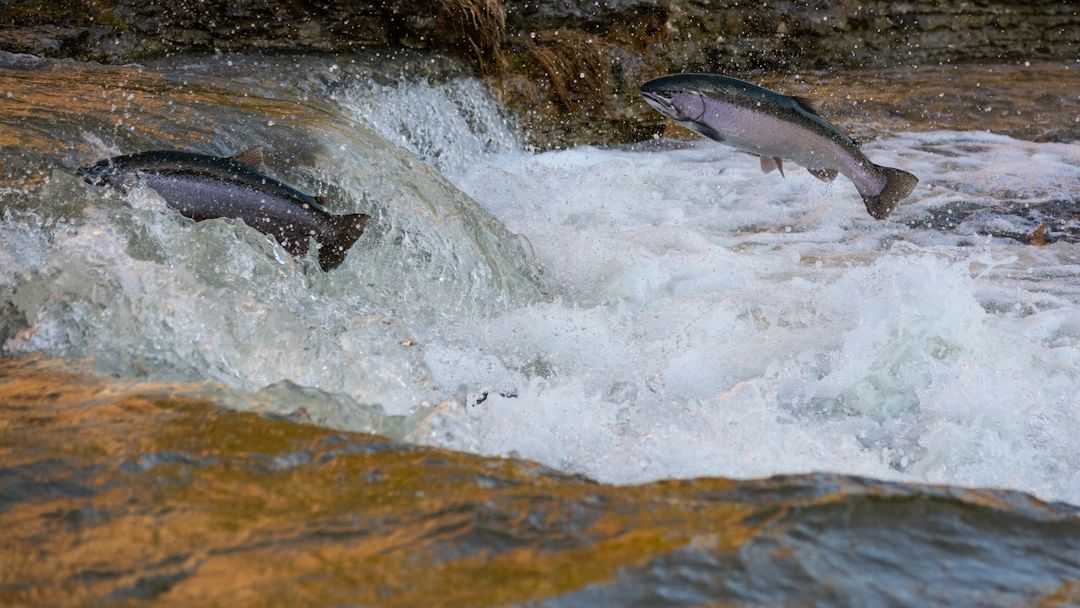
Drug pollution from human waste is infiltrating natural waterways, with new research demonstrating its tangible effects on fish behavior outside controlled labs. Scientists in Sweden tracked hatchery-raised Atlantic salmon released into Lake Vättern after exposure to cocaine and its main breakdown product, benzoylecgonine. The fish altered their swimming patterns dramatically, covering greater distances and ranges, which exposed them to heightened dangers. This field study bridges a critical gap between lab observations and real-world consequences for aquatic species.
Bridging Lab Insights to Natural Settings
Previous research had identified cocaine traces in various aquatic animals, but those investigations largely confined experiments to artificial environments. Researchers sought to test whether similar behavioral shifts occurred amid the complexities of a wild lake ecosystem. They turned to Lake Vättern, a key site where young Atlantic salmon are annually released from hatcheries to support recreational fishing.
Teams implanted tiny devices into 2-year-old salmon to deliver controlled doses of the chemicals. One group of 35 fish received cocaine, another benzoylecgonine, and a control group no substances. This setup allowed precise monitoring of movements once the fish entered the open water.
Altered Movements in the Wild
The exposed salmon displayed clear deviations from normal patterns. They swam farther overall and explored wider areas compared to their unexposed counterparts. Such changes could increase encounters with predators or unsuitable habitats, researchers noted.
Ecologist Jack Brand, a co-author from the Swedish University of Agricultural Sciences, emphasized the significance. “The effects of illicit drug pollution on aquatic wildlife is not just a laboratory finding – it can measurably alter wildlife behaviour under natural conditions,” he stated in an email to Mongabay. This confirmation in a natural setting underscores the pollutants’ potency beyond sterile tanks.
Chemical Levels Matching Real-World Exposures
Within the study fish, average concentrations reached 43 nanograms of cocaine per gram of tissue and 34 ng/g for benzoylecgonine. These levels aligned closely with those documented in wild populations. For context, muscle samples from sharks have shown up to 107.5 ng/g of cocaine, while some crustaceans carried nearly 70 ng/g.
| Chemical | Study Average (ng/g) | Wild Examples (ng/g) |
|---|---|---|
| Cocaine | 43 | Up to 107.5 (sharks) |
| Benzoylecgonine | 34 | Nearly 70 (crustaceans) |
This table highlights how the experiment mirrored environmental realities, lending credibility to the behavioral findings.
Widening Detection Across Aquatic Species
Cocaine and benzoylecgonine now appear routinely in sampling from sharks to freshwater shrimp, signaling widespread contamination from sewage and wastewater. Urban runoff and inadequate treatment facilities contribute to these persistent residues in rivers, lakes, and oceans. While lab studies revealed impacts on brain chemistry and activity levels, field validation like this one proves essential.
The Swedish experiment addressed a key question: Do lab-detected responses hold in dynamic wild conditions? Early results suggest yes, prompting calls for broader monitoring of pharmaceutical pollutants in fisheries and conservation zones.
Implications for Conservation and Monitoring
As detections of illicit drugs in wildlife rise, this research elevates concerns for species like Atlantic salmon, already pressured by overfishing and habitat loss. Hatchery programs, intended to bolster populations, now face scrutiny over unintended exposures during release. Wildlife managers may need to incorporate pollutant screening into release protocols.
Future studies could expand to other species and contaminants, building a fuller picture of “pharmaceutical pollution.” For now, the Lake Vättern findings serve as a wake-up call: Human excesses reach even remote waters, reshaping animal lives in subtle but significant ways. Protecting aquatic health demands renewed focus on wastewater management worldwide.

- Urban Coyotes Show Remarkable Adaptability, Learning to Thrive in City Environments - July 22, 2026
- Beavers Are Nature’s Engineers, Creating Vital Habitats for Other Wildlife Species - July 21, 2026
- The Recovery of the California Condor Offers Hope for Other Critically Endangered Birds - July 21, 2026