

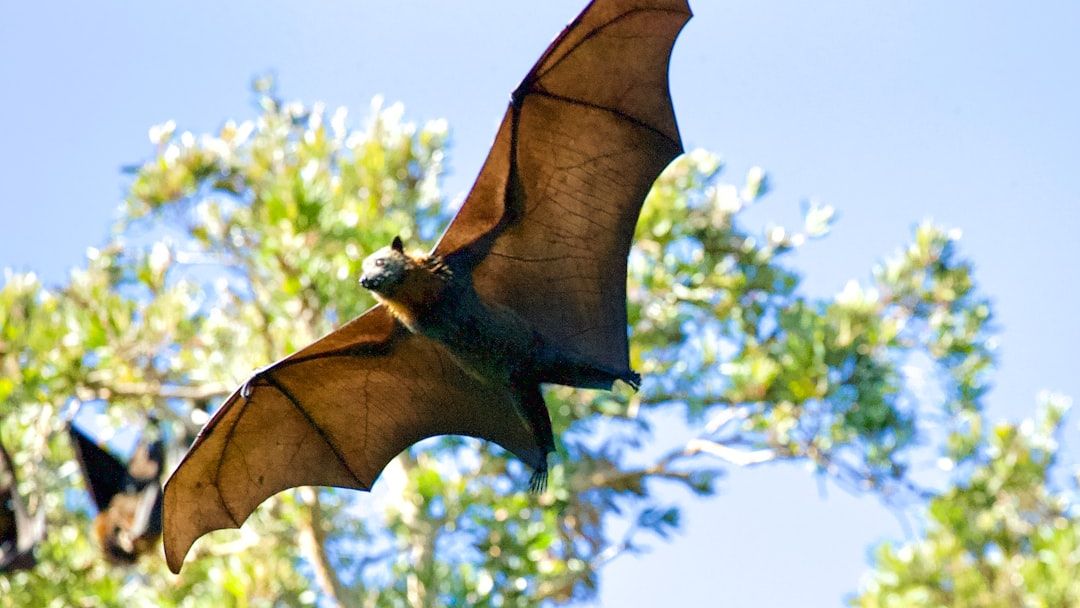
If you have ever sat outside on a summer night and watched tiny shadows zigzag silently overhead, you were probably seeing pest control in action. Those quick, darting shapes were likely bats, and in the time it takes you to finish a drink, they may have eaten hundreds of insects you definitely didn’t invite to the party. It feels almost unfair that such an important job is being done by animals most people barely notice, or worse, actively fear.
Across the United States, bats are working every night as free, nonstop pest managers for farms, forests, and neighborhoods. They are not just eating “a few bugs” here and there; they are removing enormous numbers of insects that would otherwise chew up crops, spread disease, and make being outdoors miserable. Once you understand what they do and how they do it, it gets a lot harder to see bats as creepy and a lot easier to see them as quiet nighttime heroes.
The Night Shift: How Much Insects Do Bats Really Eat?
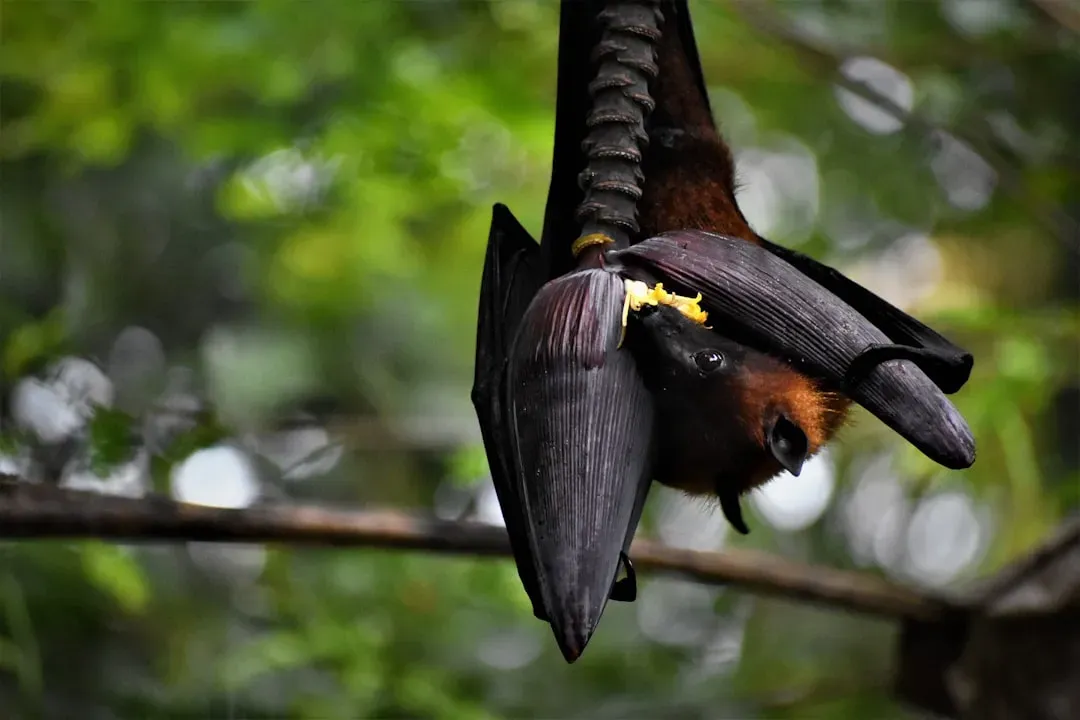
Imagine a creature the size of your hand eating its own weight in insects in a single night – that is roughly what some bat species can pull off during peak feeding. Many small insect‑eating bats in the U.S. can consume hundreds to a few thousand insects per hour when conditions are right. Multiply that by several hours of foraging and then again by millions of bats across the country, and you start to glimpse the staggering scale of their impact.
Ecologists have used everything from stomach content analysis to DNA traces in guano (bat droppings) to figure out what and how much bats eat. Again and again, they find the same thing: bats are major predators of night‑flying insects, particularly moths, beetles, midges, and other flying pests. It is not an exaggeration to say that each summer night in the United States, bats are quietly removing tons of insects from the air. Most of that happens while we are asleep, so it’s easy to miss, but our crops and forests would immediately notice if it stopped.
Natural Pest Control for American Agriculture
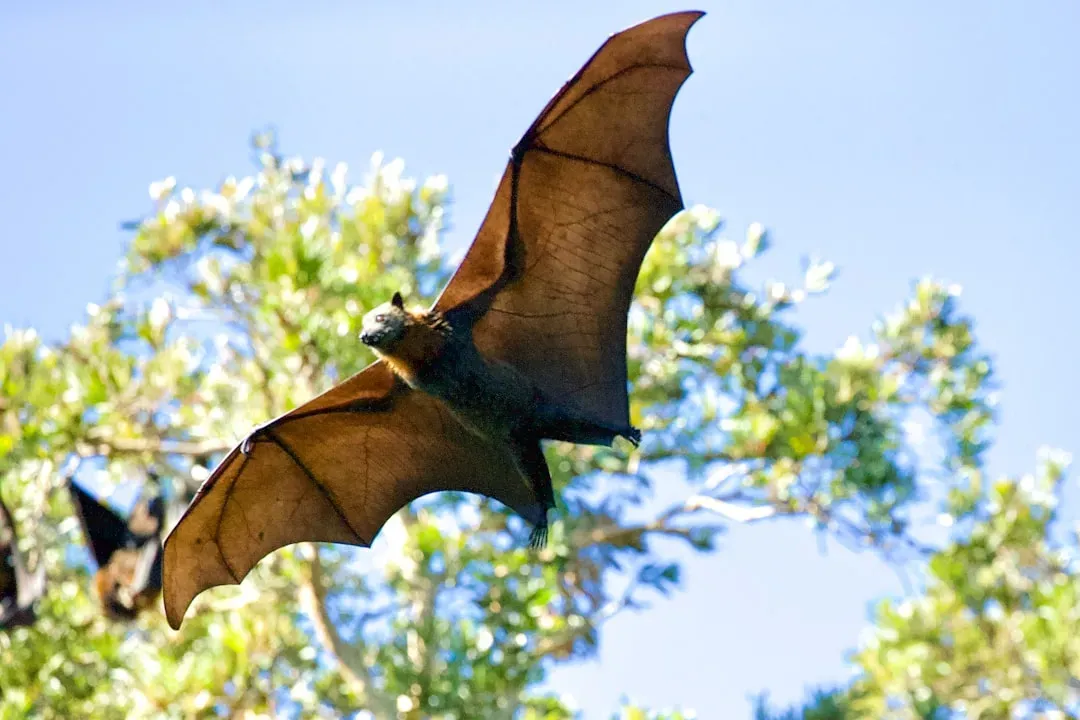
On farms, bats function like a living pesticide that never needs to be mixed, sprayed, or purchased. Many of the insects they eat are serious agricultural pests: moths whose caterpillars chew on corn and cotton, beetles that attack fruit and nut trees, and leafhoppers and stink bugs that damage vegetables and grains. When millions of these insects disappear into bat stomachs instead of onto crops, farmers see less damage in their fields.
Researchers studying U.S. agriculture have estimated that bats save growers billions of dollars every year in reduced crop loss and lower need for chemical insecticides. That benefit doesn’t just help farmers’ bottom lines – it likely keeps food prices more stable and reduces the volume of pesticides that end up in soil and waterways. If bats vanish from an area, farmers sometimes see pest outbreaks spike in the following seasons, a harsh reminder that those silent hunters were doing far more than anyone realized.
Guardians of Forests, Wetlands, and Backyard Gardens
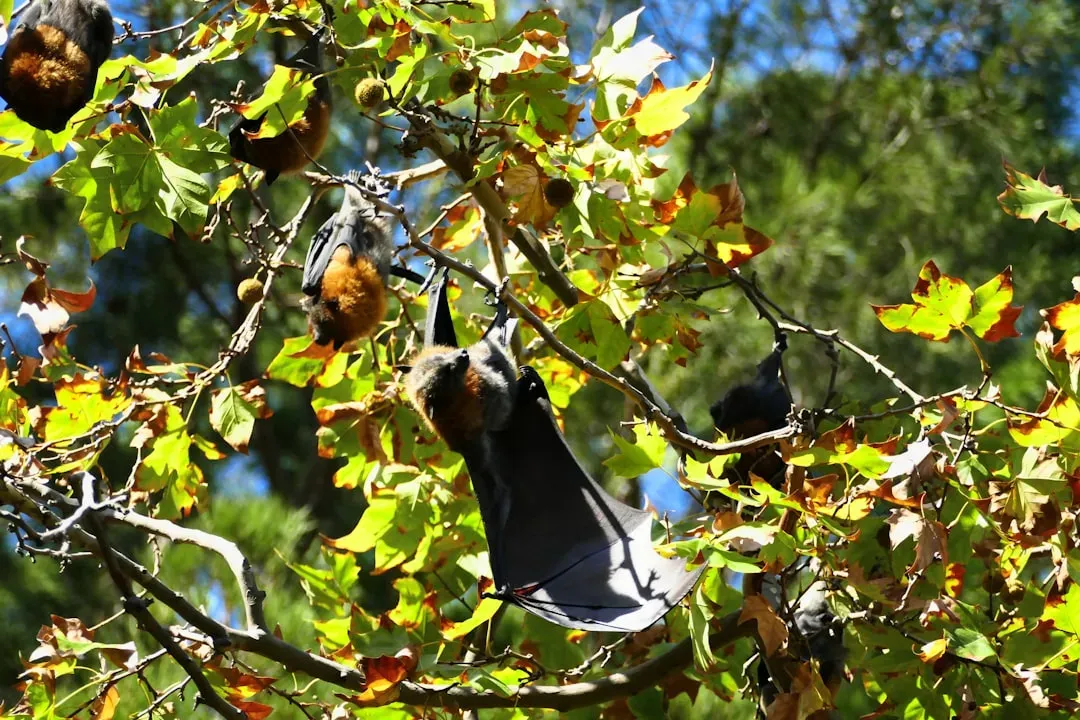
Bats don’t just help big commercial farms; they are also allies of forests, wetlands, orchards, and even your tomato patch. Many forest pests, such as certain moths and beetles, fly at night during their adult stage, making them easy targets for hungry bats. By removing so many adult insects before they lay eggs, bats help limit how many larvae end up chewing on leaves and bark later on. That matters for natural forests, but also for managed timberlands and urban trees lining streets and parks.
In wetlands and suburban neighborhoods, bats consume huge numbers of aquatic insects like midges and caddisflies once they emerge from ponds and streams. While not all of these insects are harmful, many are nuisance species that swarm lights, bite, or trigger allergies. In backyards, people who encourage bats with bat houses often report fewer swarms of nighttime insects buzzing around porch lights. It’s not that bats create a bug‑free world – that would be impossible and unhealthy – but they can shift the balance in favor of something much more livable.
Eating the Bad Guys: Which Insects Do Bats Target?
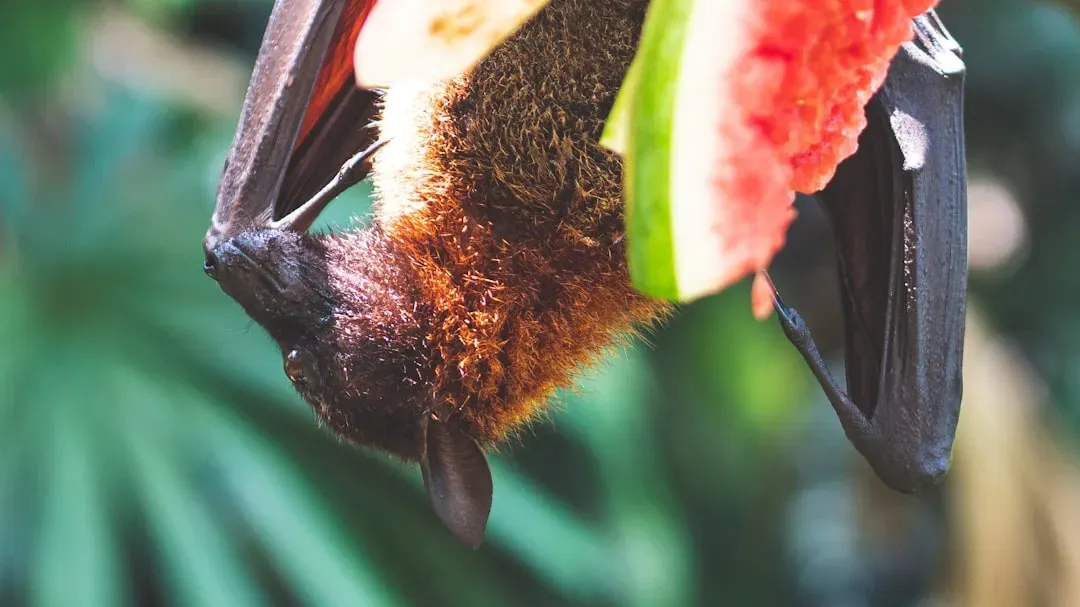
Most insect‑eating bats aren’t picky specialists; they are opportunists that go after whatever is abundant and easy to catch. In U.S. landscapes, that often includes moths whose caterpillars damage crops, such as corn earworm and cotton bollworm moths. They also snag beetles that attack fruit trees and grains, and they take advantage of swarms of leafhoppers, planthoppers, and other plant‑feeding insects. When one type of insect becomes unusually plentiful in an area, bats frequently adjust their diet to capitalize on the bounty.
Diet studies using modern DNA methods have confirmed that many U.S. bat species routinely consume insects known to carry plant diseases or damage fruit, nuts, and vegetables. Some bats also feed on biting midges and mosquitoes, though bats tend to prefer larger insects that provide more calories per catch. Still, every mosquito eaten is one less potential bite and one less insect laying eggs in standing water. In a way, bats are like nature’s bouncers at the night club of the sky, removing troublemakers before they can cause chaos.
Economic Value: Free Pest Management Worth Billions
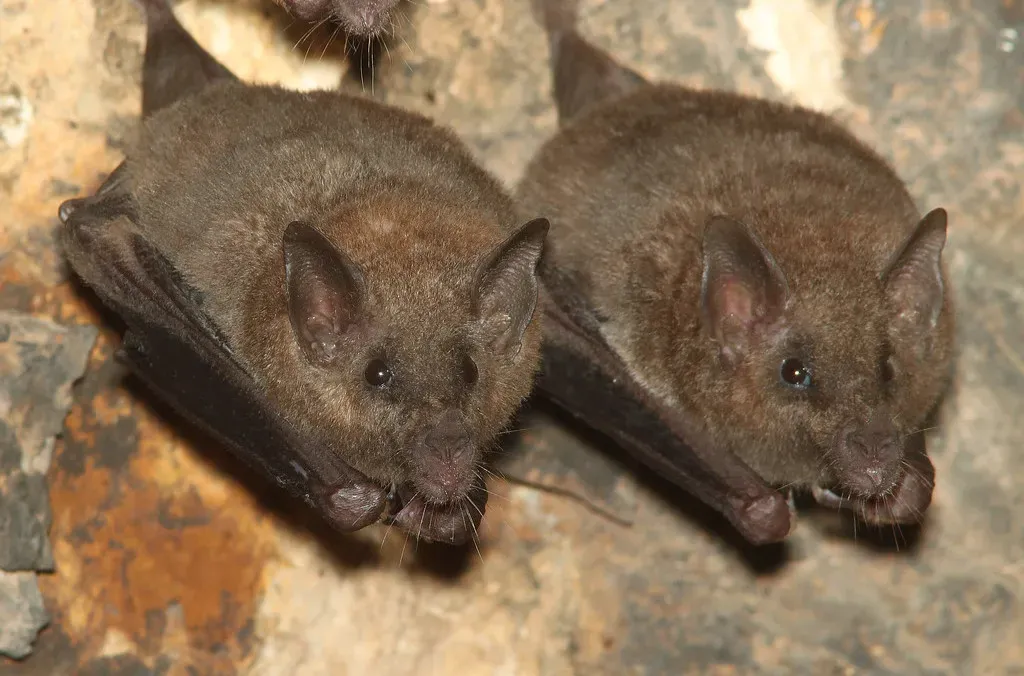
When economists have tried to put a dollar value on what bats do for U.S. agriculture, the numbers come out surprisingly large. Analyses over the last couple of decades have suggested that bats provide pest control services worth at least several billion dollars every year in the United States alone. That figure includes both the crops saved from being eaten and the reduced spending on chemical insecticides that would otherwise be needed to keep pests in check.
These estimates are conservative because they rarely capture all the ripple effects, such as healthier soil due to less pesticide use, cleaner water, or lower risk of pest populations evolving resistance to chemicals. They also don’t fully account for the benefits to forests, vineyards, orchards, and backyard gardens that aren’t part of big agricultural surveys. If bats were suddenly removed from this economic picture, farmers and land managers would face two unpleasant choices: spend significantly more on pest control or accept far greater damage to crops and trees. Neither outcome is appealing, which highlights how dependent we already are on these animals, whether we notice them or not.
How Echolocation Makes Bats Precision Hunters
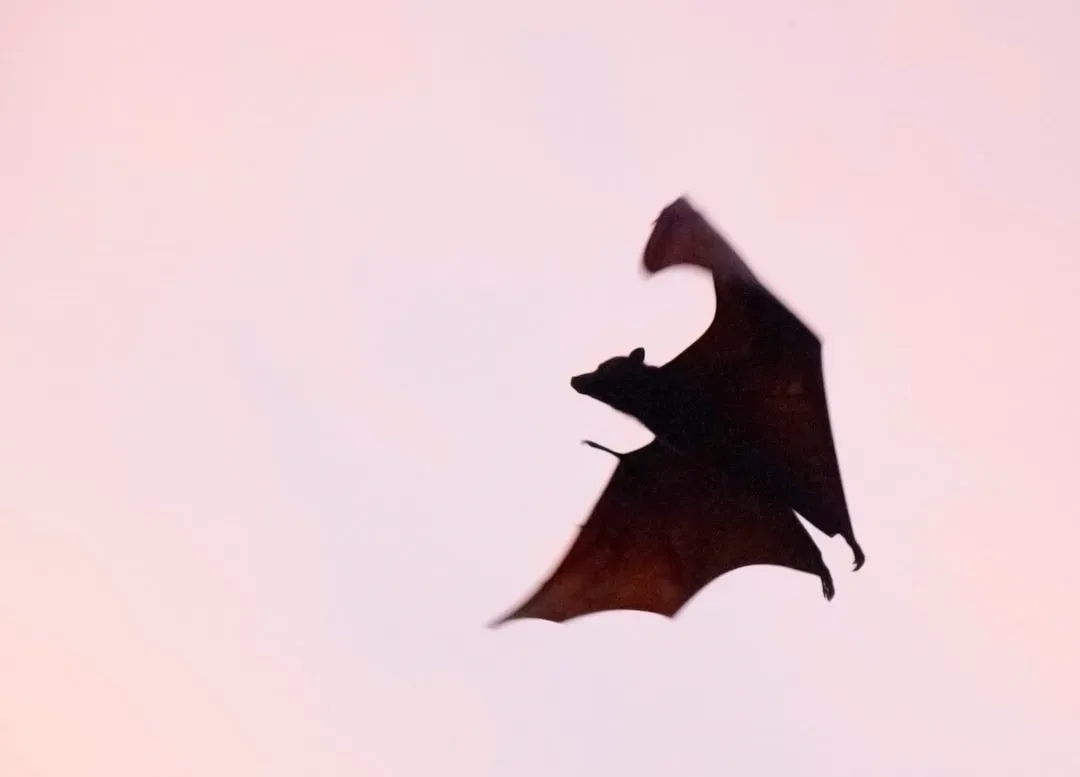
The reason bats are so effective at hunting insects is not magic; it is physics and biology working together in a remarkable way. Most insect‑eating bats use echolocation, emitting high‑frequency sounds and listening for the echoes bouncing off nearby objects. From these echoes, they can detect and track something as small as a moth in complete darkness, estimating direction, distance, and movement almost instantly. In practical terms, it’s like having an ultra‑fast, three‑dimensional radar system built into their heads.
As a bat closes in on its target, the pattern of its calls changes, speeding up into what scientists sometimes call a “feeding buzz” that allows extremely precise final adjustments. This system lets bats navigate dense forests, avoid obstacles like tree branches and power lines, and still home in on tiny moving insects. Some insects, especially moths, have evolved ears that can detect bat calls and trigger evasive maneuvers, and a few can even jam bat echolocation with their own sounds. This ongoing evolutionary arms race helps explain why bats remain such agile, successful predators and why insects keep developing new tricks to avoid becoming dinner.
Regional Bat Heroes Across the United States
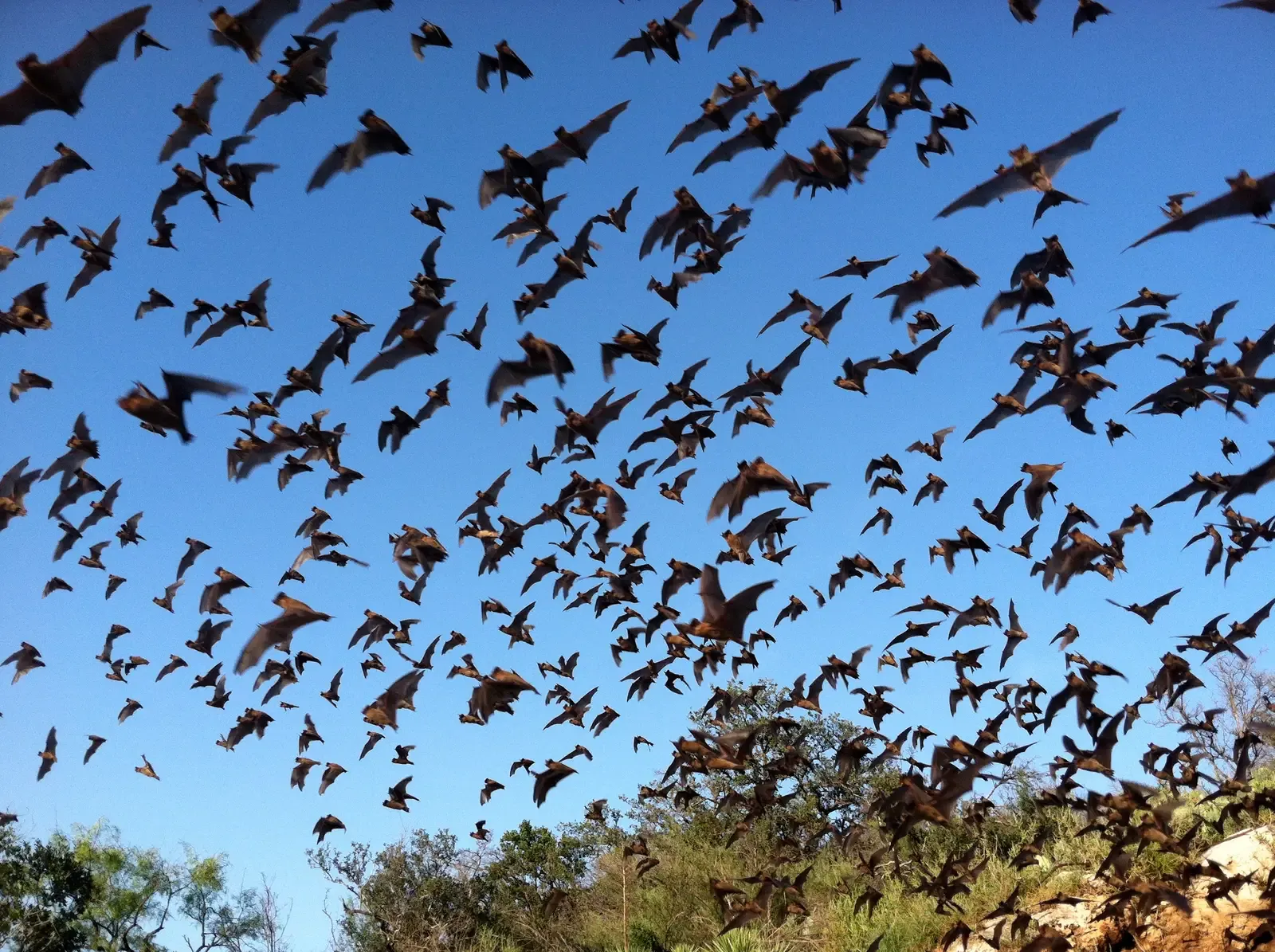
The United States is home to dozens of insect‑eating bat species, and different regions lean on different “teams” of bats for pest control. In the Southwest and parts of the South, large colonies of Mexican free‑tailed bats famously emerge from caves and bridges in massive swirls, consuming staggering numbers of moths and other flying insects over cotton, corn, and sorghum fields. In the Midwest and Great Plains, species like the big brown bat and little brown bat frequently patrol agricultural lands, orchards, and forest edges, feeding on beetles and moths that threaten crops and trees.
In the Northeast and Great Lakes regions, bats historically played a big role in controlling forest and agricultural pests, especially around lakes and rivers where insects are abundant. Many western states, from California to Colorado, host a mix of bat species that split their time between forests, vineyards, orchards, and irrigated fields. Even in heavily urbanized areas, bats roost under bridges, in older buildings, and in tree cavities, heading out at night to hunt insects above parks, greenbelts, and residential neighborhoods. Wherever you live in the U.S., there is likely at least one bat species working quietly on your behalf after sunset.
When Bat Populations Decline, Insects Surge
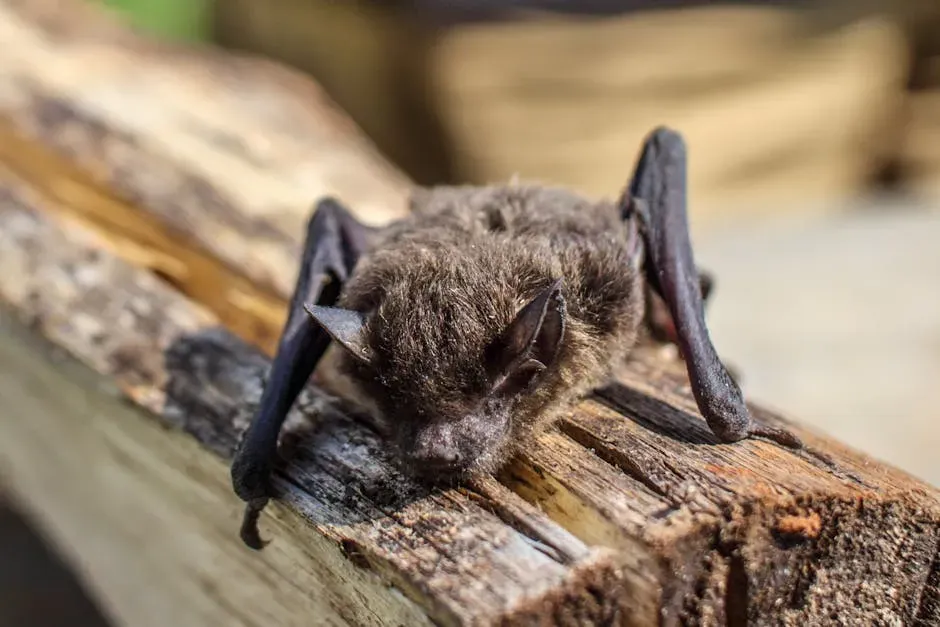
Over the past two decades, several bat populations in the eastern and central United States have dropped sharply, largely due to a fungal disease called white‑nose syndrome. Where bat numbers have crashed, scientists have noticed increases in some insect populations and higher risk of crop damage. It’s not always a neat one‑to‑one pattern – ecosystems are complicated – but the general trend is clear: remove a major predator, and prey populations tend to respond. Bats are not the only predators of night‑flying insects, but they are among the most specialized and consistently active.
In areas hit hard by bat declines, farmers sometimes find themselves relying more on chemical insecticides or simply accepting more losses. This shift can set off a chain reaction: more pesticides can harm non‑target insects and other wildlife, reduce pollinators, and alter the balance of natural enemies like spiders and predatory beetles. Even outside agriculture, fewer bats can mean more nuisance insects around lakes, forests, and suburban yards, making outdoor recreation less pleasant. In that sense, bat declines are not just a wildlife problem; they are a human quality‑of‑life and economic issue too.
How Communities Can Support Local Bats
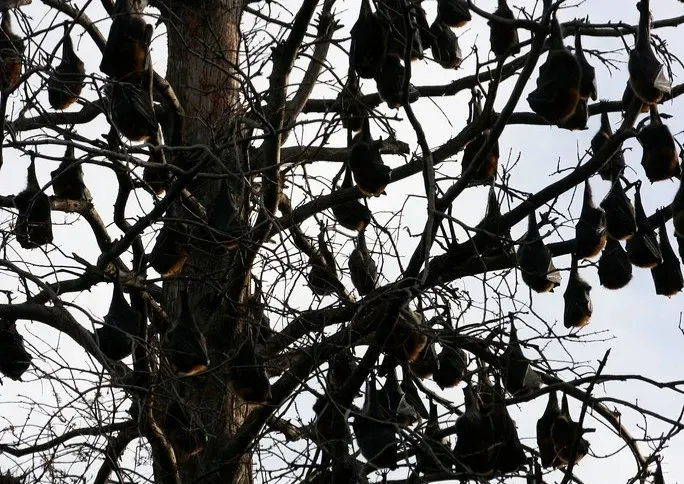
The good news is that helping bats is often surprisingly straightforward and doesn’t require huge sacrifices. One simple step is to protect or create safe roosting sites, such as leaving old but stable trees with cavities when it’s safe to do so or installing well‑designed bat houses on buildings or poles. Reducing unnecessary pesticide use around homes and gardens also helps, since heavy insecticide spraying can remove much of the bats’ food and may expose bats to harmful chemicals indirectly. Allowing a bit of “wildness” in a yard – native plants, a small pond, or a less manicured corner – can boost insect diversity in a balanced way and support a healthier food web.
Lighting is another overlooked factor. Extremely bright, widespread nighttime lighting can disrupt bat behavior and make some hunting areas less attractive. Using motion‑activated lights, warmer‑colored bulbs, and shielding that directs light downward can create a better environment for both bats and nocturnal insects. On a broader scale, supporting land conservation, wetland protection, and forest management that preserves roosting and foraging habitat all contributes to healthier bat populations. When communities take these steps, they are not just helping bats survive; they are investing in long‑term, natural pest control that benefits everyone.
Changing Our View of Bats: From Fear to Respect
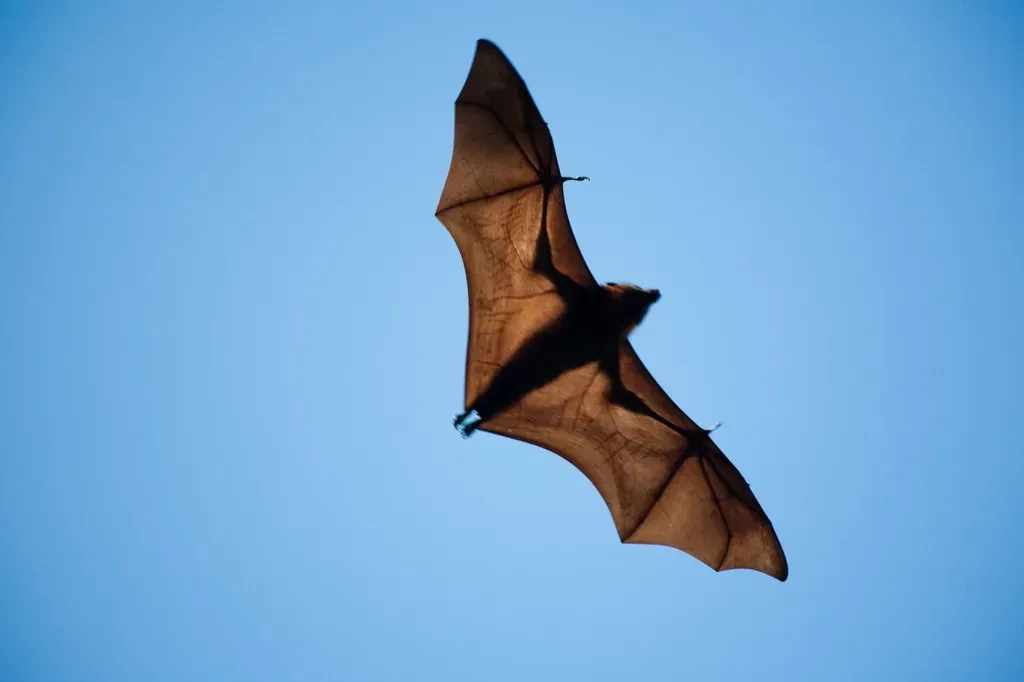
For many people, the first reaction to bats is fear – fear of bites, of disease, or simply of something that looks unfamiliar and moves in the dark. That fear tends to drown out the reality that the vast majority of bats never come near people and spend their lives eating insects, raising pups, and avoiding predators. A healthy respect is appropriate, especially because a small portion of bats can carry rabies, but respect is very different from panic. Like raccoons or foxes, bats are wild animals that should never be handled, but from a distance they are more helpful than harmful.
When people learn how much bats contribute to controlling insect populations and supporting agriculture, their feelings often shift from unease to cautious admiration. I remember watching a bat emergence at a bridge one summer and realizing that this swirling cloud of wings was essentially a living replacement for truckloads of insecticide. The more we understand these animals, the easier it becomes to see them not as horror‑movie props but as essential workers in our shared ecosystems. Next time you see a bat flit past a streetlight, it might be worth asking yourself: how many bites, crop losses, or chewed leaves did that little silhouette just prevent?
Conclusion: The Hidden Pest Control Team Above Our Heads
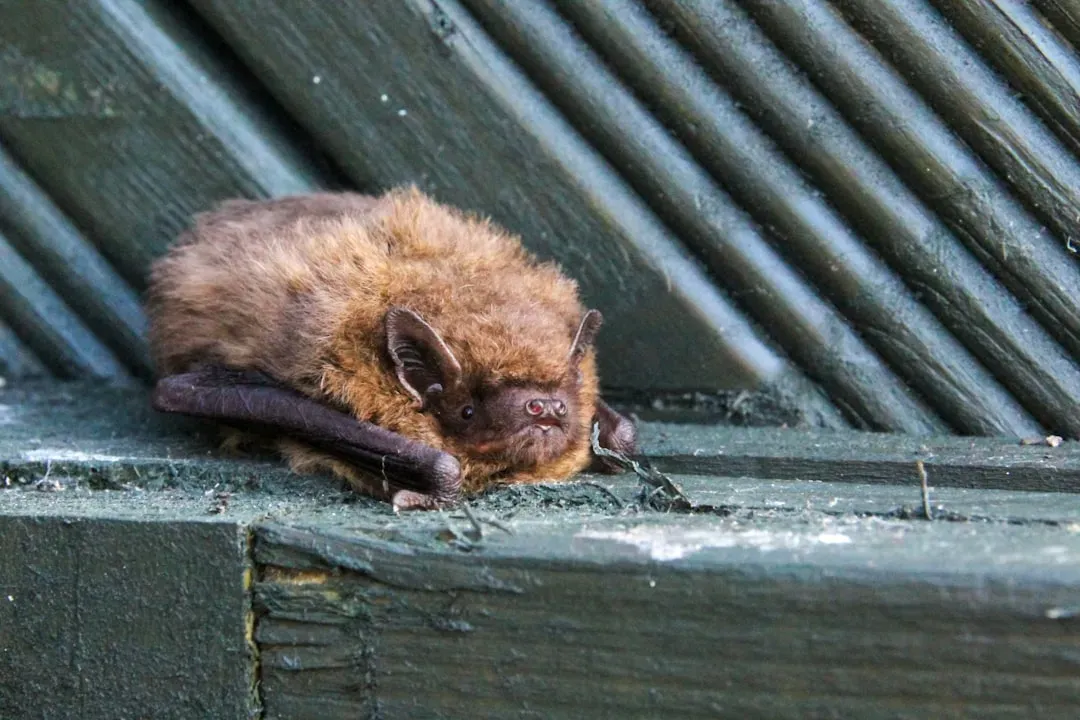
Bats across the United States are performing an astonishing service every single night, often without us even realizing they are there. They thin out swarms of moths, beetles, midges, and other insects that threaten crops, forests, and our comfort outdoors, saving farmers money and reducing the need for chemical pesticides. In doing so, they support healthier ecosystems, cleaner water, and more resilient food systems, all while weighing no more than a handful of coins. When bat populations falter, the consequences ripple outward in higher pest pressure, increased chemical use, and more damaged plants.
Recognizing bats as crucial partners in insect control is not about romanticizing them; it is about seeing clearly how much we already rely on them. By protecting their roosts, reducing unnecessary pesticides and lights, and replacing fear with informed respect, we can help ensure that this invisible night shift keeps running. The next time the air is quieter than you’d expect on a summer night, it might be because countless insects never made it to your porch light in the first place – thanks to bats you never saw. Knowing that, does the flutter of wings overhead feel a little less scary and a lot more like something worth protecting?
