
Worried about unexpected vet bills?
Pet insurance can cover thousands in unexpected vet costs. Get a free quote from Lemonade in under 2 minutes.
Get My Free Quote →Sponsored · Opens Lemonade.com
What the Spikes Actually Are
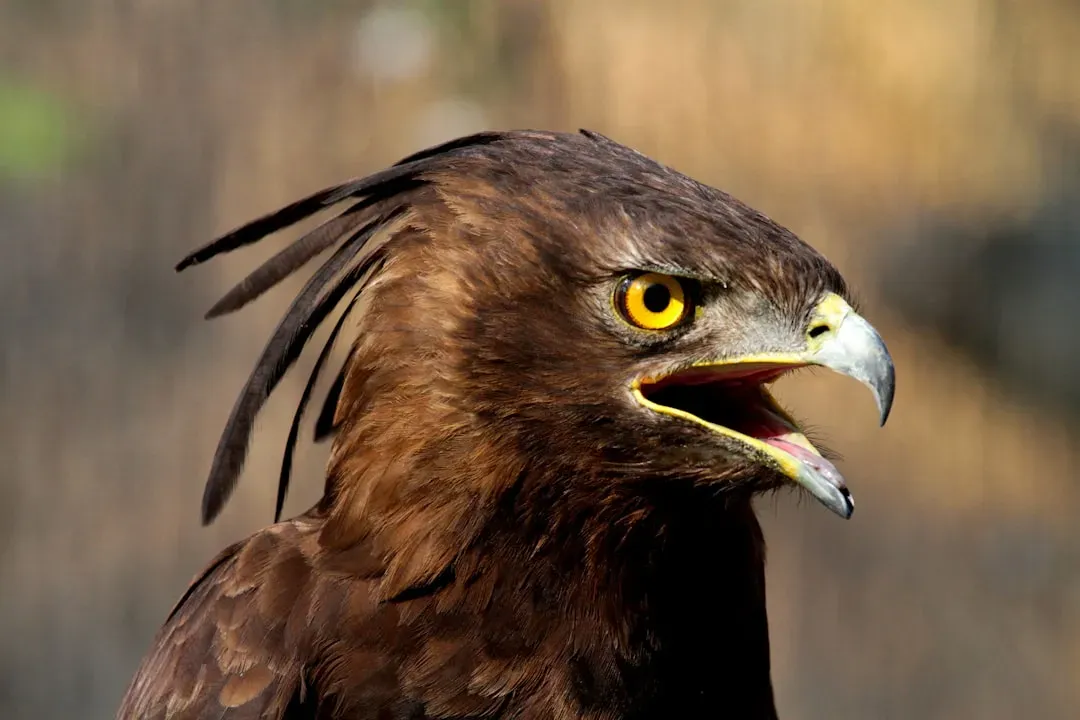
All birds have a layer of cells called the epithelium covering their tongue. This layer can vary in thickness and can be keratinized, or hardened, usually near the tip. In some birds, there are distinct keratinized processes of epithelium forming hair-like or barb-like structures, which are called papillae and vary in shape and size according to species.
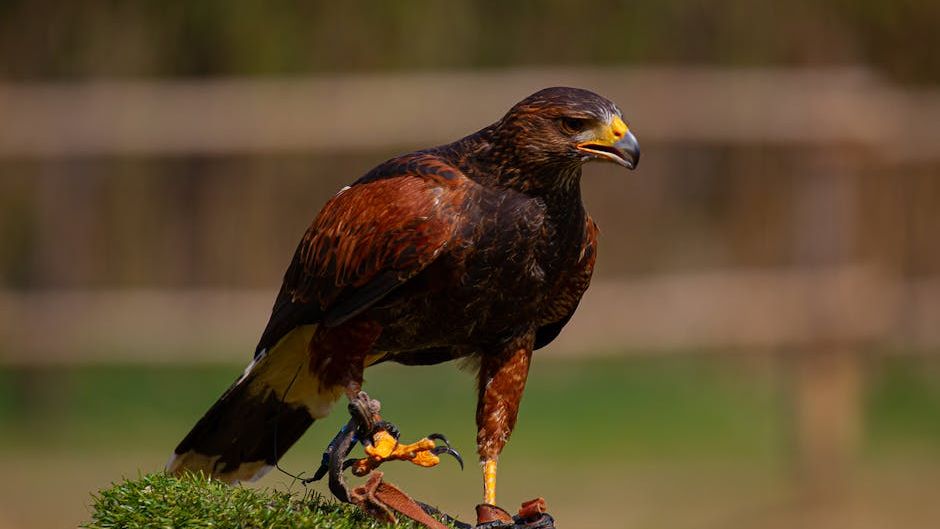
Birds of prey fall into a category of their own. They tend to have large, thick, and fleshy tongues with backward-facing spikes at the root of the tongue, and these spines can appear in either a single or multiple rows. It is a detail most people never see, but one that defines how a hawk eats.
Why the Backward Direction Matters
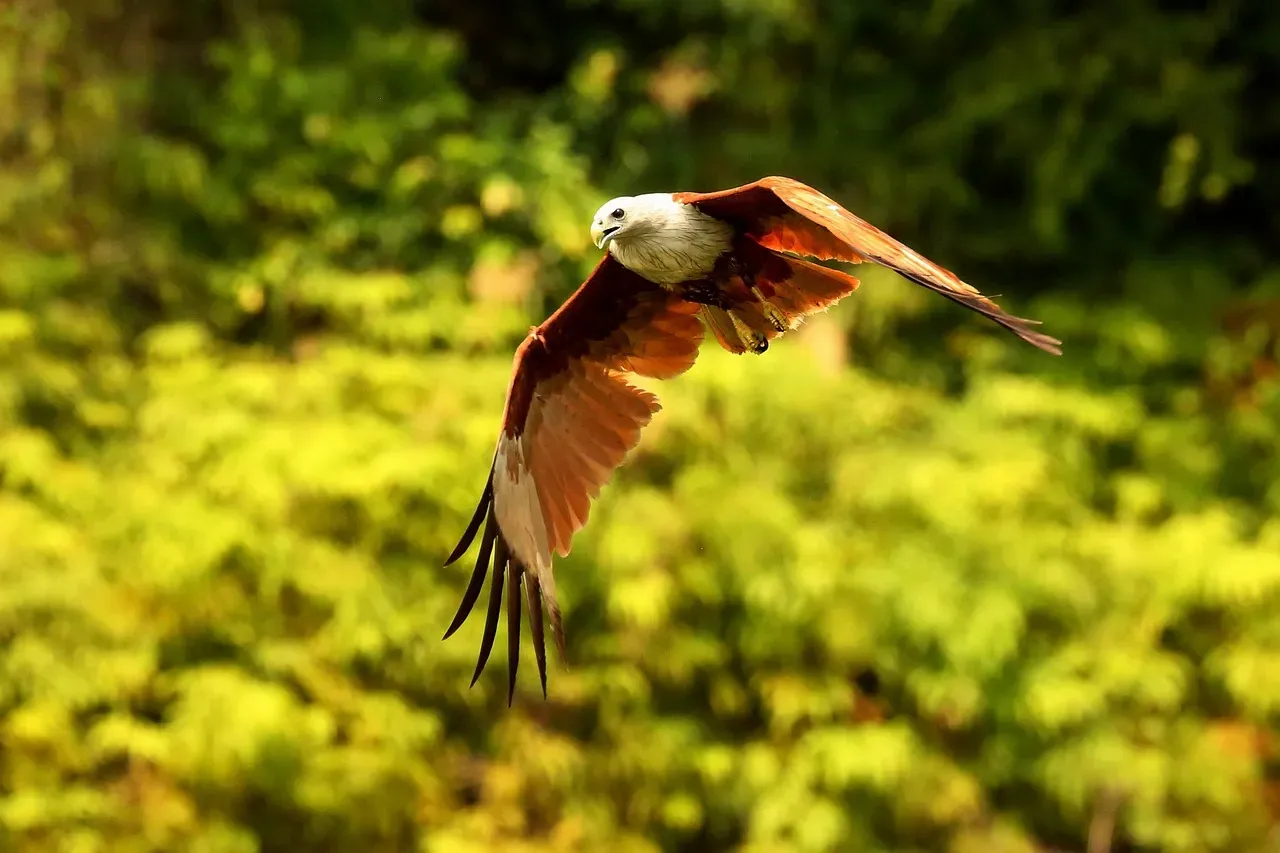
The papillae are usually rear-facing, and their purpose is to keep food moving towards the esophagus. This is important because birds don’t swallow the way we do. They rely on a backward tilt of the head and gravity, as well as muscle power, to move food down their throat.
Birds of prey, such as hawks, have particularly prominent papillae. These act as hooks and help to move food backward and prevent regurgitation, even if the prey is wriggling around. That last detail is worth sitting with. A hawk may still be holding live prey when it begins to swallow, and the spikes ensure there is only one direction things can travel.
The Role of Keratin in Building a Natural Grip
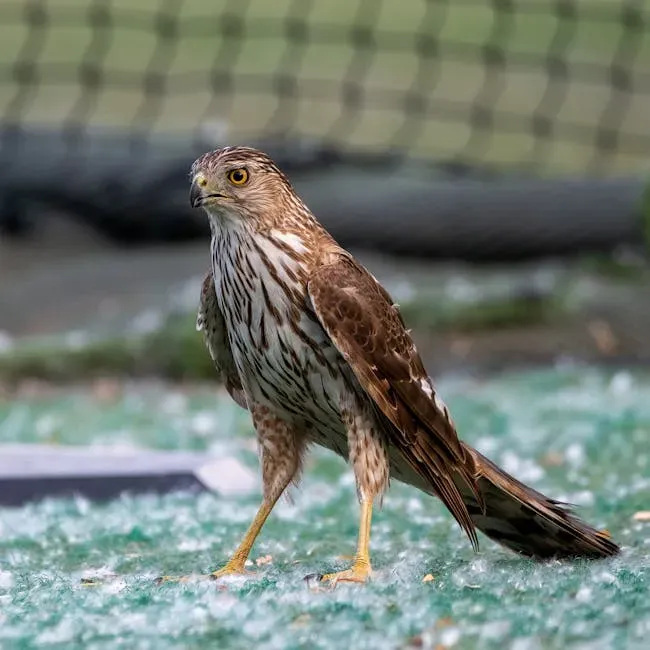
The raptor tongue is adapted for manipulation of food. Distinct, highly keratinized papillae on the tip of the tongue create a tough, raspy surface that allows for greater food manipulation and rapid swallowing. Keratin is the same protein found in human fingernails, which gives you a sense of just how tough these structures are.
The raptor tongue is also relatively long, with a sharp-ended apex and a distinct, median groove. This shape, combined with the papillae, means the tongue functions almost like a conveyor belt with barbs, moving food efficiently toward the throat while minimizing the chance of losing a meal mid-swallow.
How Hawks Compare to Other Spiked-Tongue Birds
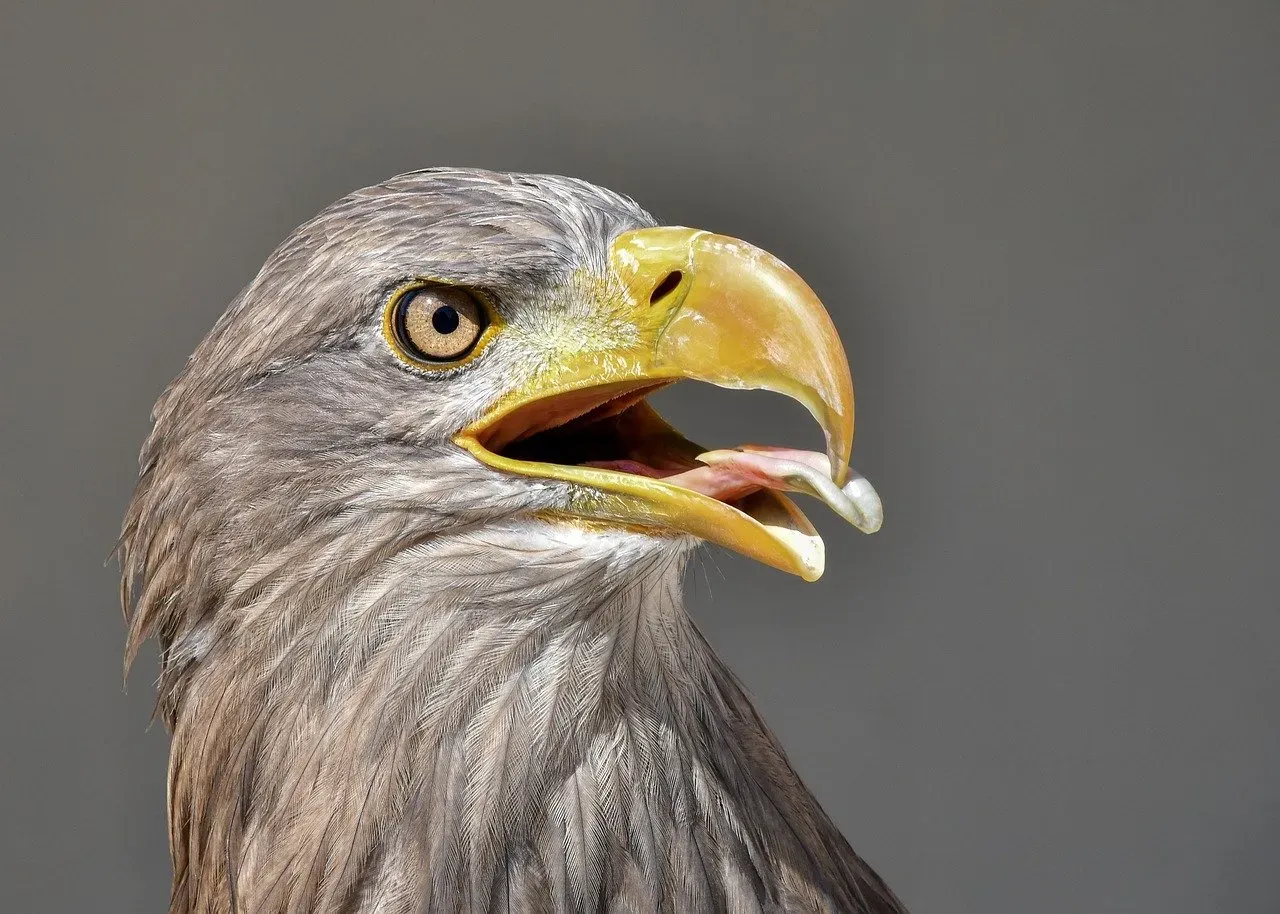
The hawk tongue functions as a rasp, placing it in company with vultures and owls, while other birds use their tongues as a probe, a sieve, a capillary tube, a brush, or a barbed organ to hold slippery prey. Every version is a solution to the same core challenge: handling food without hands.
The tongues of fish-eating birds are often covered in little rear-facing hooks or spikes to prevent a captured fish from slipping away from them. Penguins take this to something of an extreme, with really spiky tongues. Hawks and penguins occupy very different corners of the animal world, yet both landed on a similar answer to the problem of holding onto reluctant prey.
A System Built for Meat Eating
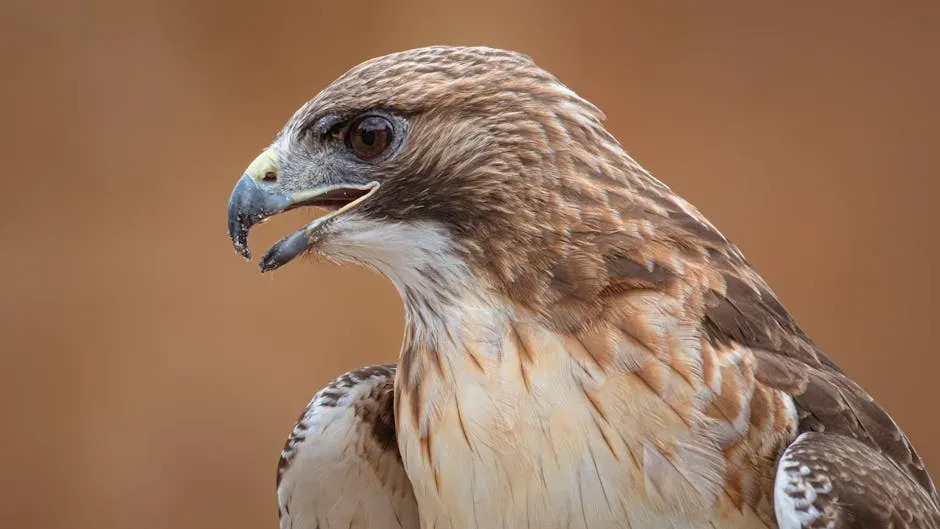
Hawks, eagles, and falcons are mostly carnivorous and eat a variety of different-sized animals, including rodents, insects, other birds, lizards, and snakes. The diet shapes the anatomy. A tongue adapted for gripping and guiding flesh toward the throat is a logical outcome when your entire lifestyle revolves around catching and consuming animals whole or in large pieces.
Apart from the number of backward-facing conical papillae near the root of the tongue, there doesn’t seem to be any diet-specific tongue modifications among hawks, eagles, and falcons. This suggests the spiked tongue is a broadly effective solution across the raptor group, rather than a fine-tuned adaptation for one particular prey type.
The Tongue Within a Larger System of Predatory Tools
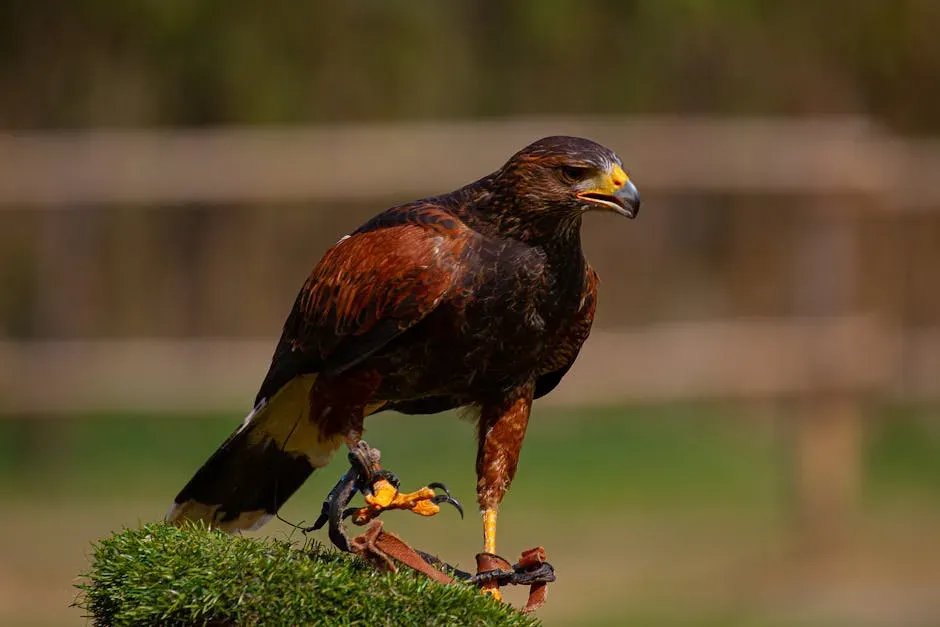
Raptors possess unique, hooked beaks that are specially designed for tearing apart the flesh of their prey, with subtle differences in shape reflecting the specific natural history and feeding strategies of the main diurnal raptors. The tongue doesn’t work in isolation. It is one component of a whole system, from talons to beak to gut, all oriented toward the same purpose.
Hawks possess large optic lobes and an exceptionally high density of cone photoreceptors. Unlike humans, they have two foveae per eye, both central and lateral, allowing them to detect fine details and track moving prey with extraordinary precision. The eyes find the prey. The talons secure it. The beak tears it. The spiked tongue then makes sure none of it escapes before it’s swallowed. Every part plays its role.
What This Reveals About Bird Anatomy More Broadly
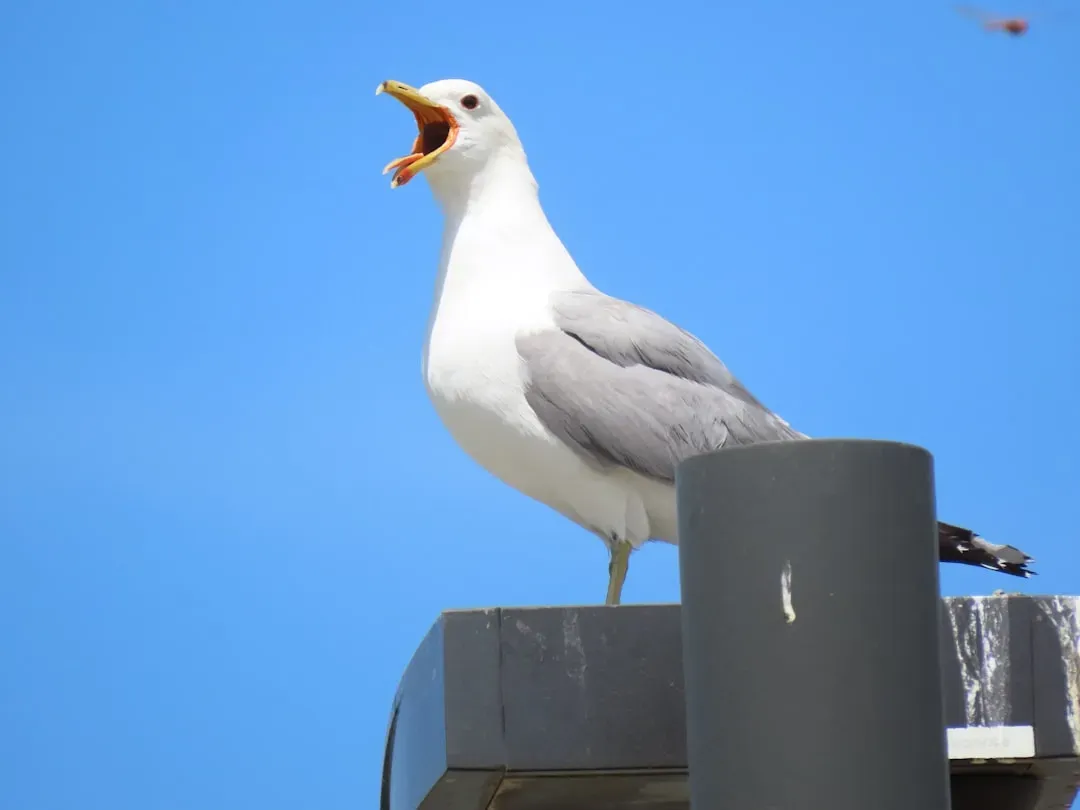
You don’t have to look at many birds to realize they are very variable in appearance. You can spend a lot of time looking at birds before you realize they are hiding a lot of variation inside their mouths: long tongues, short tongues, spiky tongues, curly tongues, forked tongues, frayed tongues, and brush-like tongues. Like bird bills, bird tongues are specialized to each particular bird’s way of feeding.
By examining the different types of bird tongues, scientists can learn more about how birds have evolved to adapt to their unique environments and diets. The hawk’s spikes are a small but telling window into that broader story, one that connects diet, behavior, anatomy, and deep evolutionary time in a single organ most observers will never see.
Conclusion
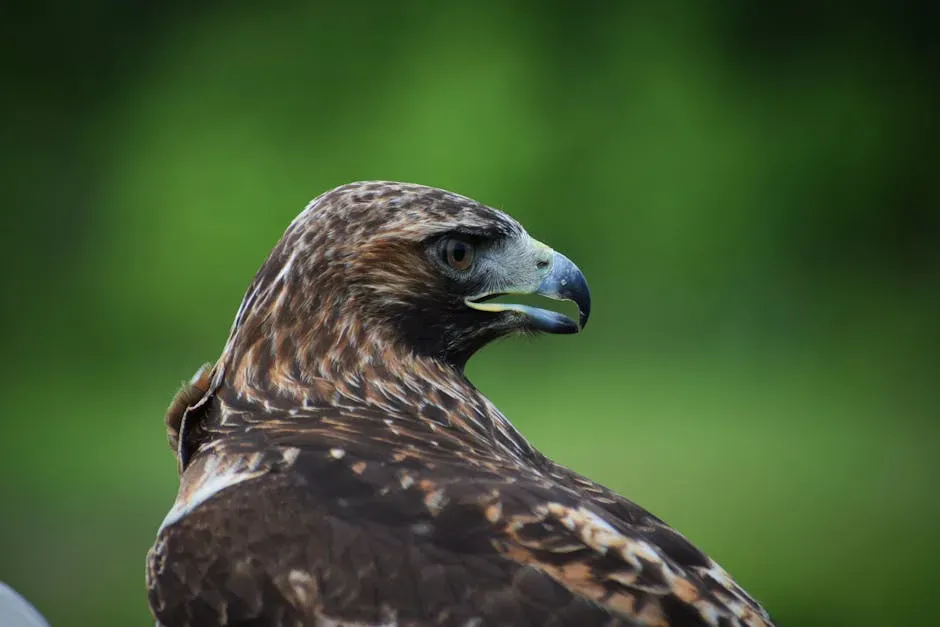
There is something quietly striking about discovering that one of the sky’s most iconic predators carries such a specific, functional secret inside its beak. The backward-pointing spikes on a hawk’s tongue are not dramatic to look at, but they represent millions of years of pressure on a single problem: how do you hold and swallow prey when you have no hands and no teeth?
The answer, it turns out, is keratin, geometry, and direction. The next time a hawk passes overhead, it’s worth remembering that the story doesn’t end with the dive. It ends a little further down the throat, guided by rows of tiny, resolute spikes doing exactly what they were shaped to do.
Worried about unexpected vet bills?
Pet insurance can cover thousands in unexpected vet costs. Get a free quote from Lemonade in under 2 minutes.
Get My Free Quote →Sponsored · Opens Lemonade.com

- The Ocean’s Deepest Creatures Hold Surprising Secrets to Longevity - June 10, 2026
- 6 Scents That Make Mosquitoes Target You First - June 10, 2026
- The Forgotten Deserts of America Where Wildlife Still Thrives - June 10, 2026