
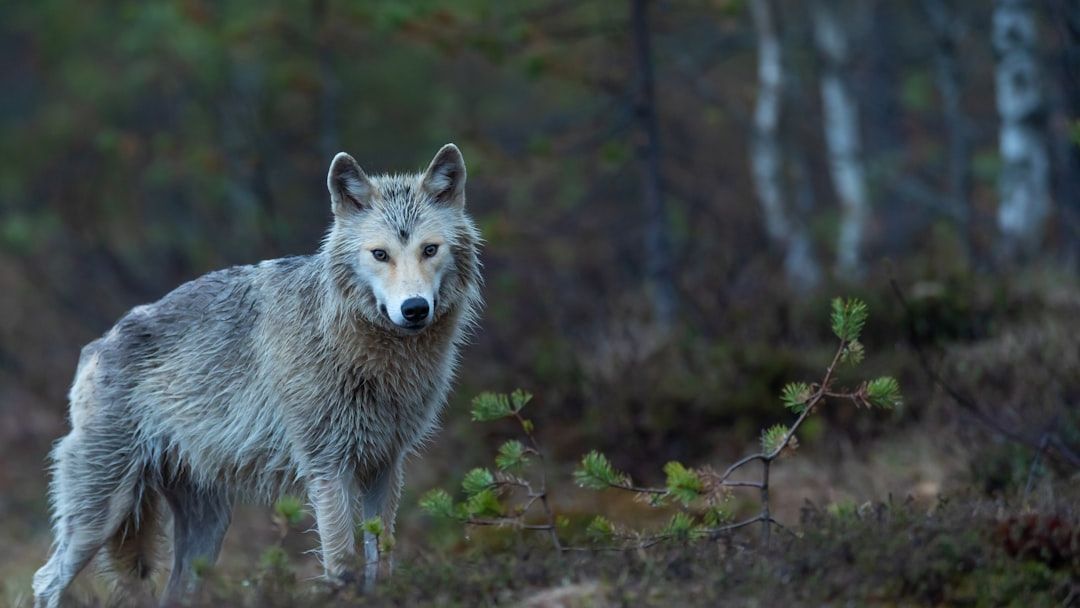
Elk Were Forced to Keep Moving
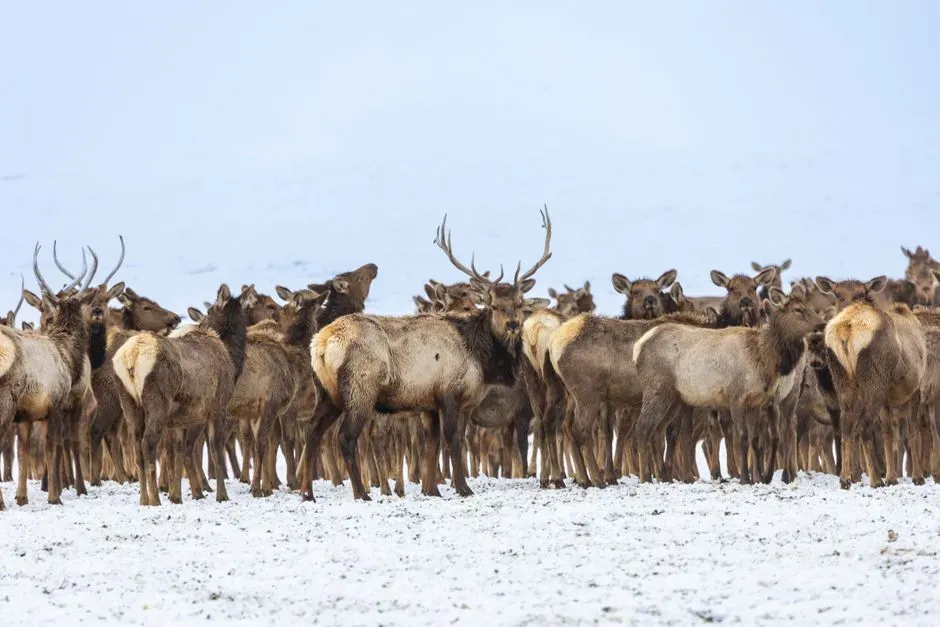
Before wolves returned, elk had little reason to hurry. After decades without wolf predation, elk had denuded Yellowstone’s landscape and killed many of the smaller trees that line riverbanks. They grazed heavily in one spot until the vegetation was stripped bare, then moved on.
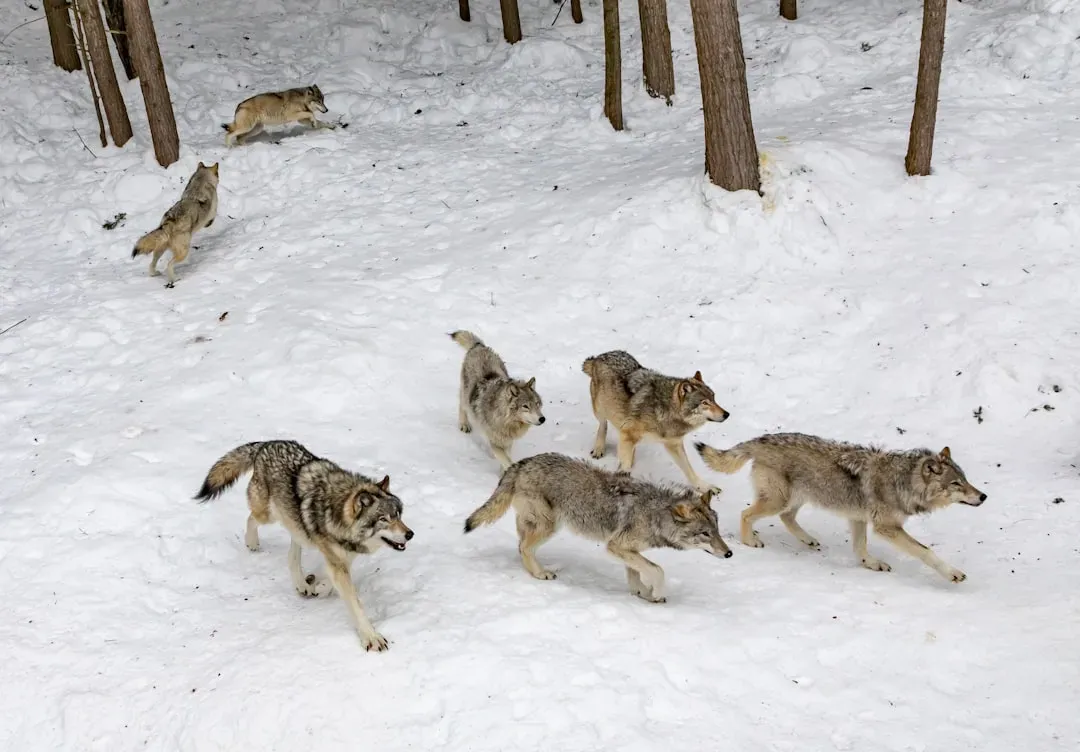
When wolves were reintroduced, the elk herds could no longer sit in one place and eat everything nearby. They were forced to keep moving in response to wolf predation. That constant movement, seemingly simple, turned out to be the first domino in an extraordinary chain of change.
Rather surprisingly, elk herd size broke up into smaller units when wolves were around. Researchers had expected herd size to get bigger as a defense mechanism. Instead, smaller, more mobile groups became the norm. The landscape had space to breathe again.The Landscape of Fear Reshaped Where Elk Grazed
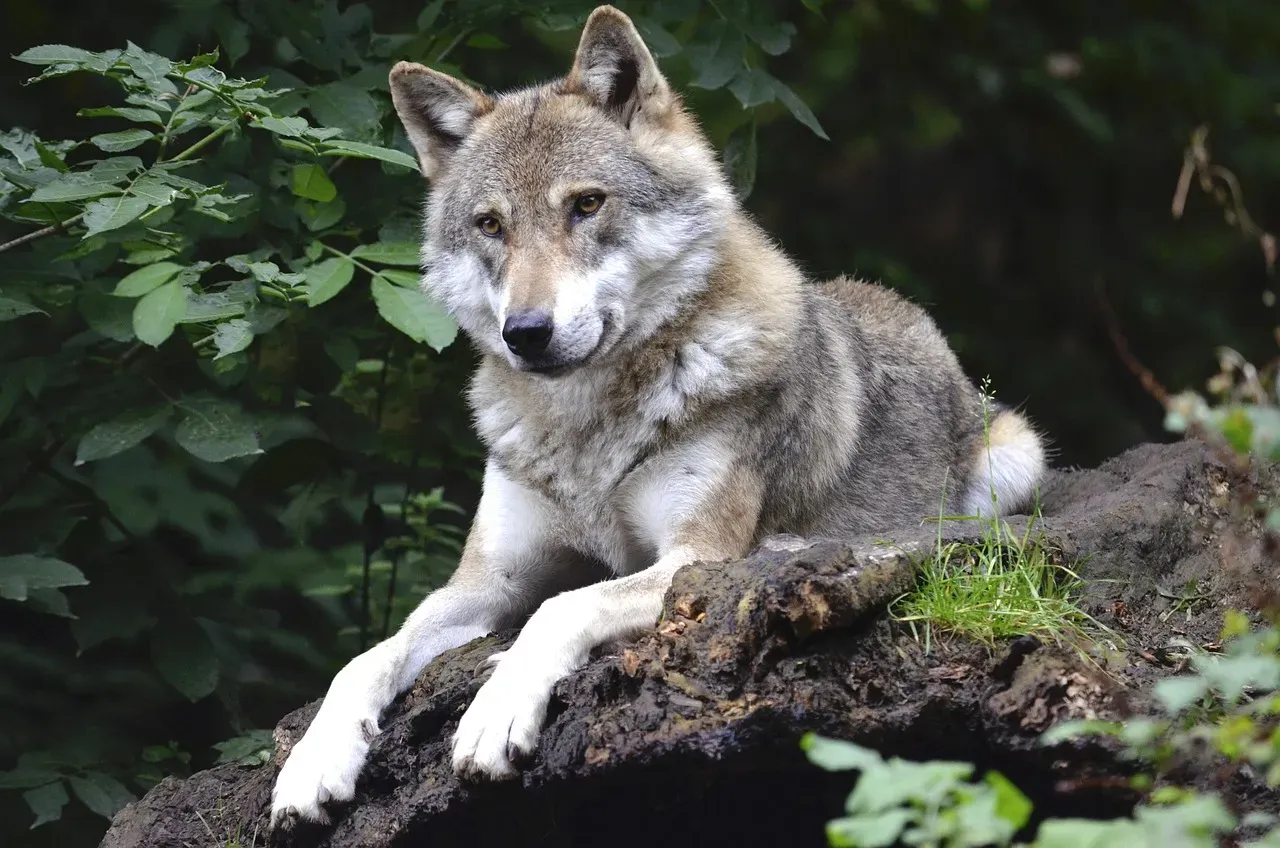
It wasn’t only about wolves killing elk. The threat alone changed behavior. Elk became more vigilant and avoided browsing heavily in certain areas, especially riparian zones, leading to vegetation recovery. This phenomenon is often called the “landscape of fear” in ecological research.
The wolves reduced elk populations and forced them to change their behavior. They became more cautious, spending less time in open valleys and near riverbanks, where they could be easily hunted. The shift was behavioral as much as numerical.
Elk represent roughly ninety percent of wolf diet in the Yellowstone area. Since the reintroduction of wolves in 1995, the elk herd in Yellowstone’s northern range declined substantially, and wolves also changed elk behavior, causing them to move more and use habitat differently by seeking more cover. Those two forces, fewer elk and differently behaved elk, combined to give the land a chance it hadn’t had in generations.Willows and Aspens Began to Recover
During the seven decades of gray wolf absence in Yellowstone National Park, intensive browsing by Rocky Mountain elk suppressed the growth of young deciduous woody plants within the park’s northern ungulate winter range. Willows, aspens, and cottonwoods had been held back for so long that the land looked fundamentally altered.
After elk stopped heavily grazing riverbanks and meadows, balance began to return to the forests. Young aspen and willow trees shot upward, growing several feet within a few years. The recovery was measurable and, in some areas, dramatic.
Using a standardized indicator of trophic cascade strength, researchers quantified changes in willow crown volume following the 1995 to 1996 reintroduction of gray wolves. Reduced herbivory pressure from elk followed their reintroduction, leading to increased growth in willows.
Data from a twenty year study conducted from 2001 to 2020 revealed a relatively strong trophic cascade, with roughly a fifteen hundred percent increase in average willow crown volume, a ratio that surpassed more than four fifths of those reported in a global meta-analysis of trophic cascades. That is not a minor improvement. It represents a genuine landscape transformation.Aspen Stands Gained New Life
Since wolf reintroduction, Yellowstone’s northern ecosystems responded as predicted by classic ecological theory, with alternating biomass levels across adjacent trophic levels. Over a thirteen year period from 1998 to 2010, researchers found a strong inverse relationship between browsing intensity and heights of young aspen: as browsing decreased, aspen height increased.
Browsing on the five tallest young aspen in each stand decreased from nearly all measured leaders in 1998 to means of under a quarter in the uplands and under a fifth in riparian areas by 2010. Correspondingly, aspen recruitment increased as browsing decreased over time in these same stands.
Some of the first evidence of a trophic cascade following wolf reintroduction came from a series of studies on aspen stands in northern Yellowstone. These studies documented reduced browsing of aspen in areas heavily used by wolves as they recovered, leading to a significant increase in the growth and regeneration of young aspen. Aspen groves that had stood stunted for decades were finally reaching their natural height.Riverbanks Stabilized and Erosion Slowed
The massive elk’s hooves had eroded the riverbanks, so the rivers and streams clouded with soil. For years, Yellowstone’s waterways ran silty and degraded, stripped of the natural buffers that healthy riverbank vegetation provides.
With bigger trees along the rivers came greater root structures, which meant stronger riverbanks and less erosion. Roots held the soil. Channels stabilized. The rivers that had been slowly crumbling began to hold their shape.
Vegetation diversity is crucial for helping to stabilize alluvial streambanks, maintain channel morphology, shade streams, protect water quality, and provide inputs that contribute to productive and sustainable aquatic ecosystems. The riparian vegetation was doing exactly that, quietly and steadily, once elk were no longer consuming it down to bare soil.Rivers Changed Their Physical Course
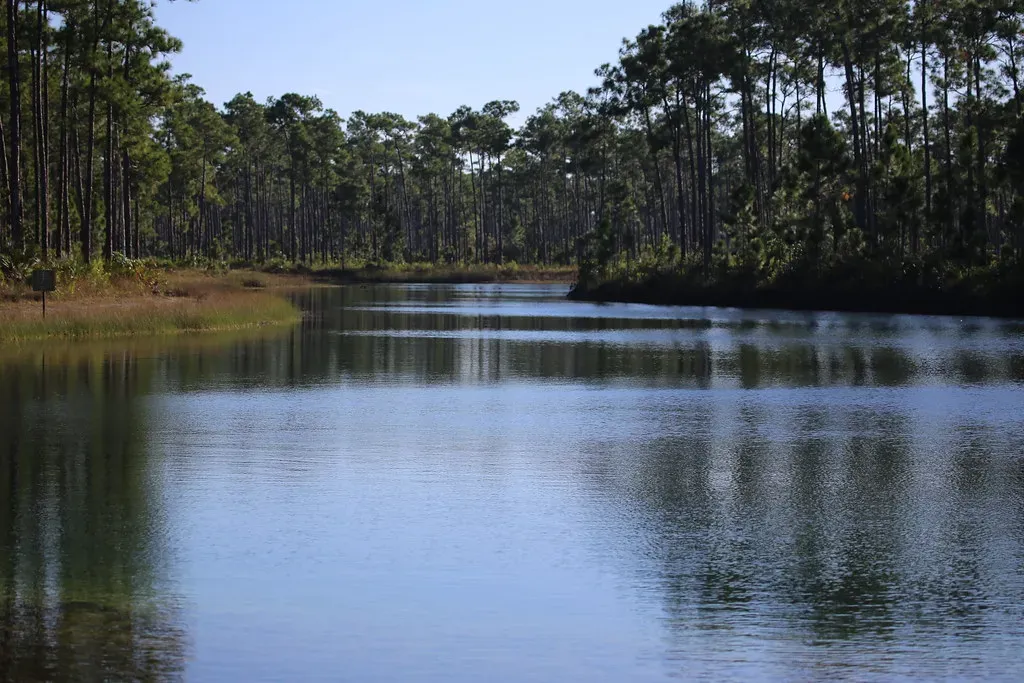
This is the part that surprises people most. Wolves didn’t just change what lived around rivers. In certain areas, they changed the rivers themselves. Rivers became narrower and deeper while water flowed more smoothly. The landscape stabilized and diversified, with animals returning to a once-barren land.
With an abundance of trees encouraging beavers’ return, the dams they built reshaped the waterways. All of these changes were only possible because wolves changed where elk grazed. The physical geography of the park was quietly being rewritten.
The connection between a predator and a river’s course is not an intuitive one. Yet the evidence from Yellowstone shows that when vegetation returns to riverbanks, and when beavers begin engineering the landscape again, the behavior of water itself changes. Once natural regulation was restored, rivers, forests, and wildlife rebounded.Beavers Returned and Rebuilt Wetland Habitats
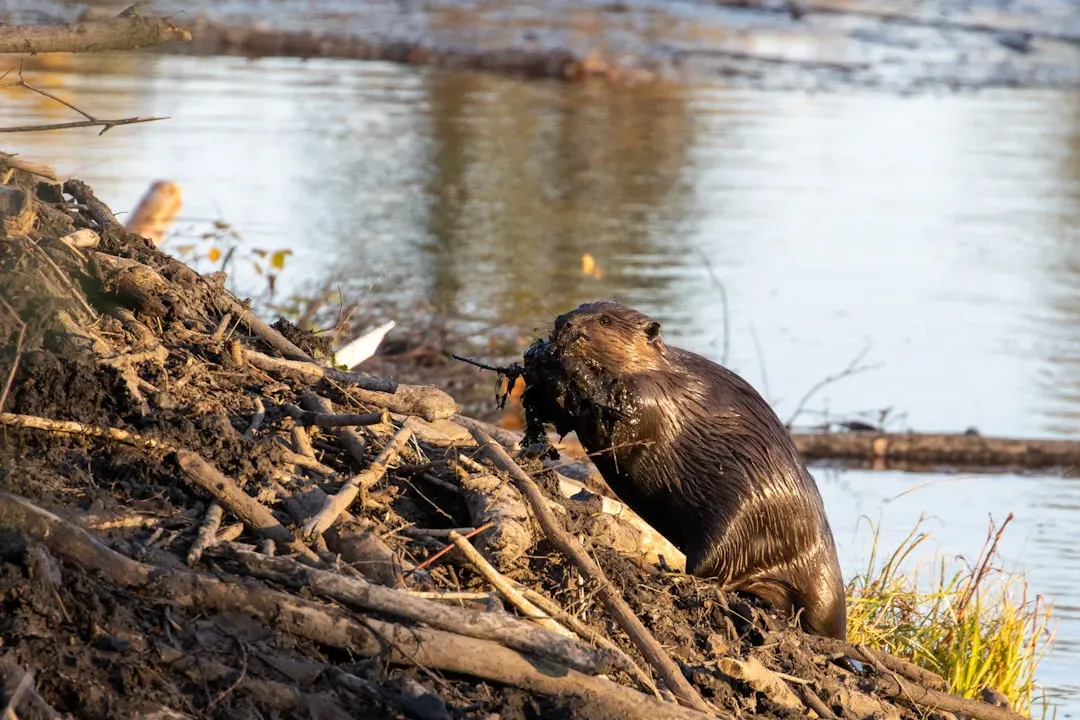
One of the most striking measures of Yellowstone’s recovery is what happened to its beaver population. When the grey wolf was reintroduced into the Greater Yellowstone Ecosystem in 1995, there was only one beaver colony in the park. Today, the park is home to nine beaver colonies, with the promise of more to come.
Wolves indirectly benefit beaver populations by reducing elk browsing pressure on willow and aspen trees, which are essential food and building materials for beavers. With willows recovering, beavers had both the materials and the motivation to move back in.
Beaver dams have multiple effects on stream hydrology. They even out the seasonal pulses of runoff, store water for recharging the water table, and provide cold, shaded water for fish, while the now robust willow stands provide habitat for songbirds. A single returning predator, through several steps of ecological cause and effect, helped restore one of nature’s most effective hydrological engineers.Songbirds and Other Woodland Species Came Back
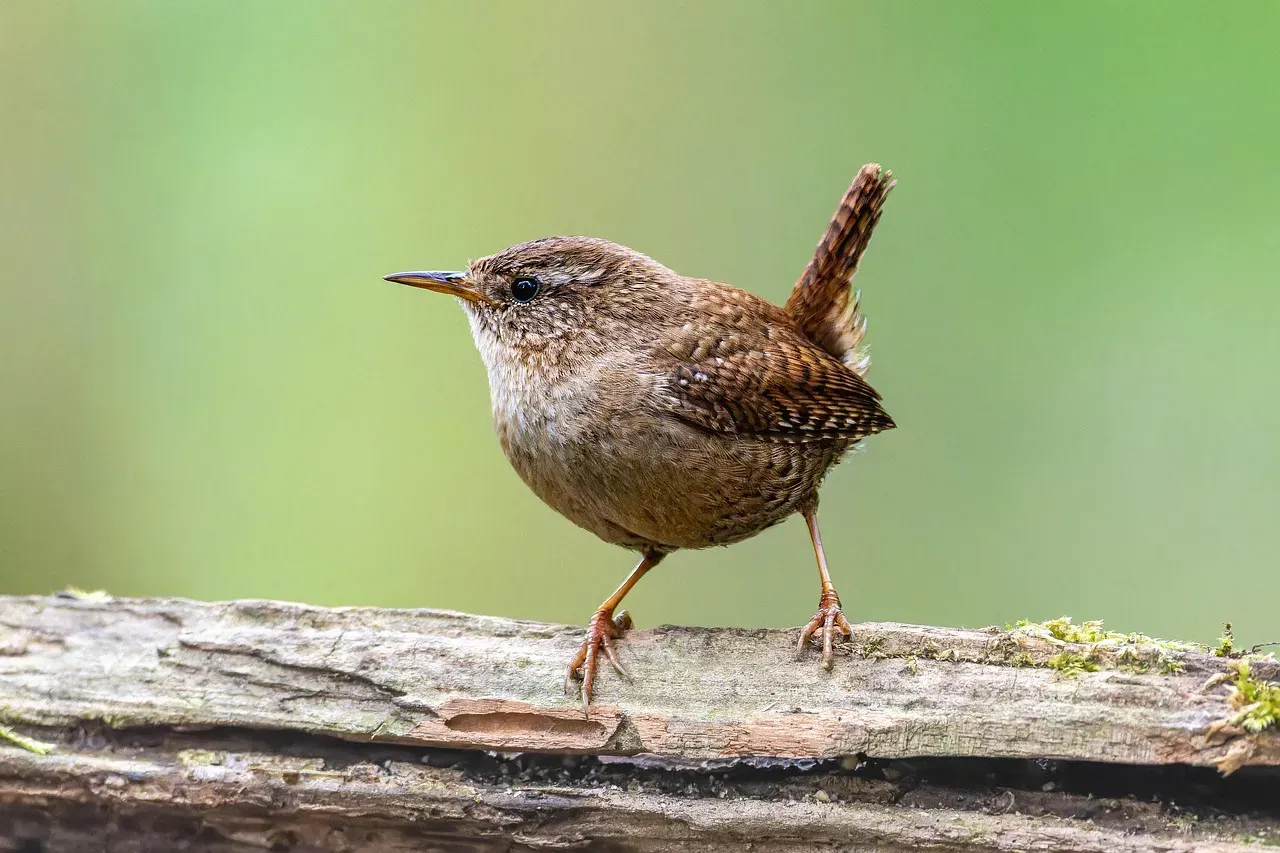
Since elk could not remain stationary for too long, aspens and willows in one area were not heavily grazed and could therefore fully recover between migrations. This meant that songbirds could come back in droves to nest in the new habitat. Nesting habitat had simply not been available when the trees were constantly cropped.
Following the reintroduction of wolves and the changed elk foraging behavior, the release and subsequent enhanced growth of plants such as willows and aspens fostered many beneficial changes in the ecosystem. This includes providing pivotal nesting and roosting sites for neotropical migrant birds, root strength for soil erosion protection along streambeds, and food and building sources for beavers, with resultant dams that create cool, deep ponds needed by juvenile fish.
The return of bird song to Yellowstone’s riparian zones isn’t a romantic metaphor. It reflects genuine structural change in the habitat. Trees tall enough to hold nests, shrubs dense enough for cover, and cleaner water below. The conditions for diverse birdlife had reassembled themselves organically once the pressure was lifted.Coyote Populations Were Checked, Benefiting Smaller Wildlife
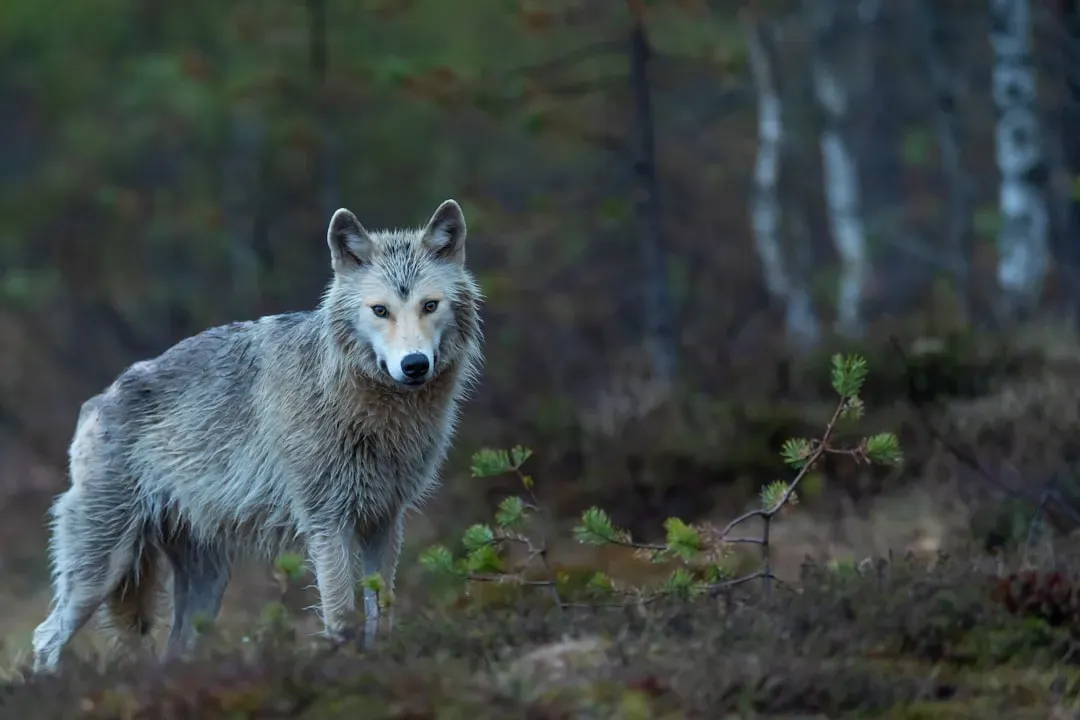
Wolves perform one other essential ecosystem service: they keep coyote populations in check. Coyote populations were nearly out of control in Yellowstone before the wolves returned. After the return of wolves, coyotes were out-competed and reduced by nearly four fifths in areas occupied by wolves.
Wolves compete with coyotes, sometimes killing them. This has led to a decrease in coyote numbers in some areas, potentially benefiting smaller prey species that coyotes prey on. The knock-on effect ran straight down the food chain.
With fewer coyotes hunting small rodents, raptors like the eagle, hawk, and osprey had more prey and began making a comeback. This is what a healthy food web looks like when it begins to rebalance. Pressure eases at every level, and species that had been quietly declining find room to recover.Grizzly Bears and Other Scavengers Gained a New Food Source
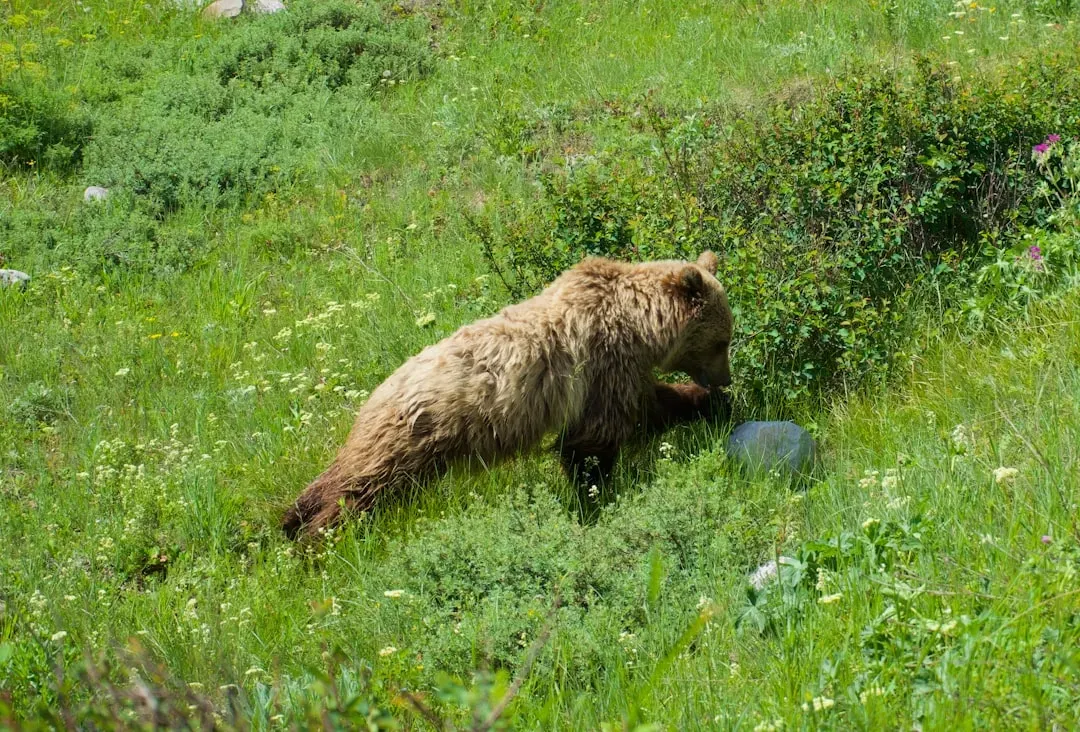
The benefits of wolf kills didn’t stay with wolves. The grizzlies benefit from the wolves’ elk kills, and less elk also means more berries, and just the elk’s fear of wolves gives the riverbank trees, like aspen and willow, a chance to regenerate.
Researchers from the University of California at Berkeley determined that the combination of less snow and more wolves has benefited scavengers both big and small, from ravens to grizzly bears. The carrion left by wolf hunts spread nutrition across the ecosystem in ways that hard winters once provided but were no longer reliably doing.
Wolves provide carrion for scavengers like ravens, eagles, coyotes, and even bears. The availability of carcasses has benefited these populations. It is worth noting that some researchers caution against overstating this benefit, since wolves consume most of a kill and their presence also reduces total prey numbers. Still, the scavenging relationship is real and well documented in Yellowstone’s northern range.A Measured Look at the Full Picture
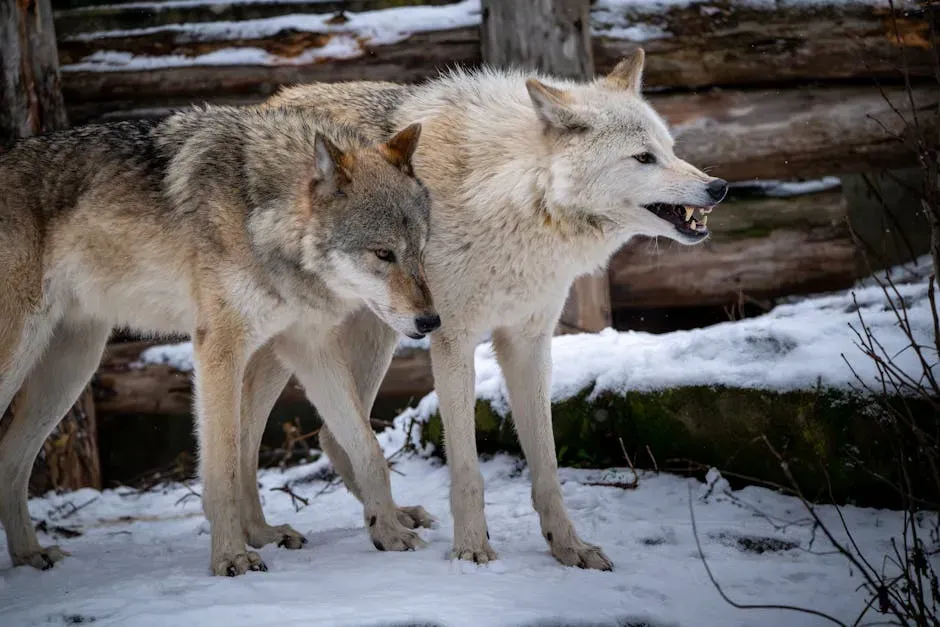
The Yellowstone wolf story is genuinely remarkable. It is also worth understanding with some care. Further research in Yellowstone National Park and elsewhere has presented a murkier picture of whether, when, and how such impacts have occurred to date.
Some researchers have concluded that additional factors such as drought, harsh winters, other predators like bears and mountain lions, and human hunting also contributed to the decline of the Yellowstone elk herd. The wolf is a key part of the story, but not the only part.
Synthesis results generally indicate that the reintroduction of wolves restored a trophic cascade with woody browse species growing taller and canopy cover increasing in some, but not all places. The recovery is real but uneven, still unfolding, and shaped by factors well beyond a single predator.
These results emphasize the importance of long-term monitoring to capture gradual and nonlinear ecosystem responses following predator reintroductions. They also underscore the substantial effect restored large carnivores can have on riparian vegetation. Science rarely delivers clean, simple narratives. What Yellowstone does deliver is something more valuable: a long-term window into how deeply interconnected living systems truly are.Conclusion
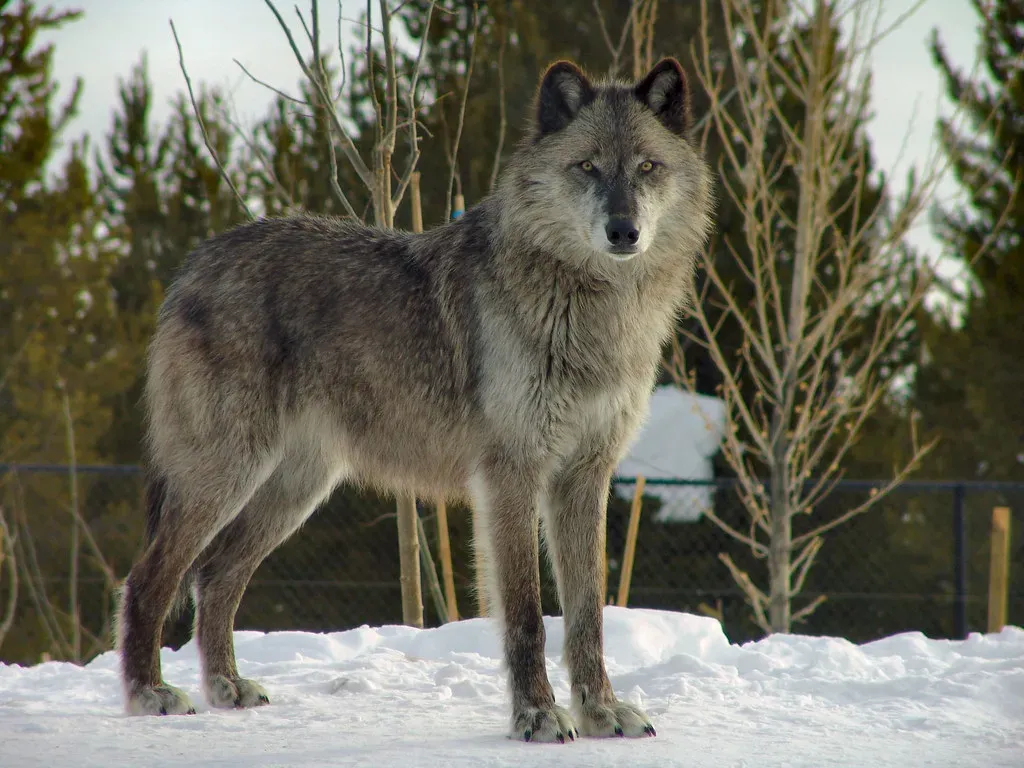
The return of wolves to Yellowstone in 1995 set off a chain of change that no single model could have fully predicted. From the behavior of elk to the course of rivers, from the height of willow branches to the sound of birds in riparian forests, the ecosystem responded in ways that continue to surprise researchers decades later.
It would be a mistake to treat this as a perfect, self-contained triumph. The presence of wolves triggered a still-unfolding cascade effect among animals and plants, one that will take decades of research to understand. The science remains active, the story incomplete.
What Yellowstone does tell us, clearly and persistently, is that apex predators are not simply participants in an ecosystem. They are, in a very real sense, its architects. Remove them and the whole structure slowly bends out of shape. Restore them and something extraordinary, complicated, and alive begins to reassemble itself.
- 16 Things a Dog Only Ever Does Around the One Human It Has Truly Chosen for Life - July 31, 2026
- 19 Dog Breeds Disappearing From Family Homes Faster Than Almost Anyone Has Realised - July 31, 2026
- What Hummingbirds Do in a Storm Will Surprise You: 14 Behaviours Researchers Rarely Get to Film - July 31, 2026