
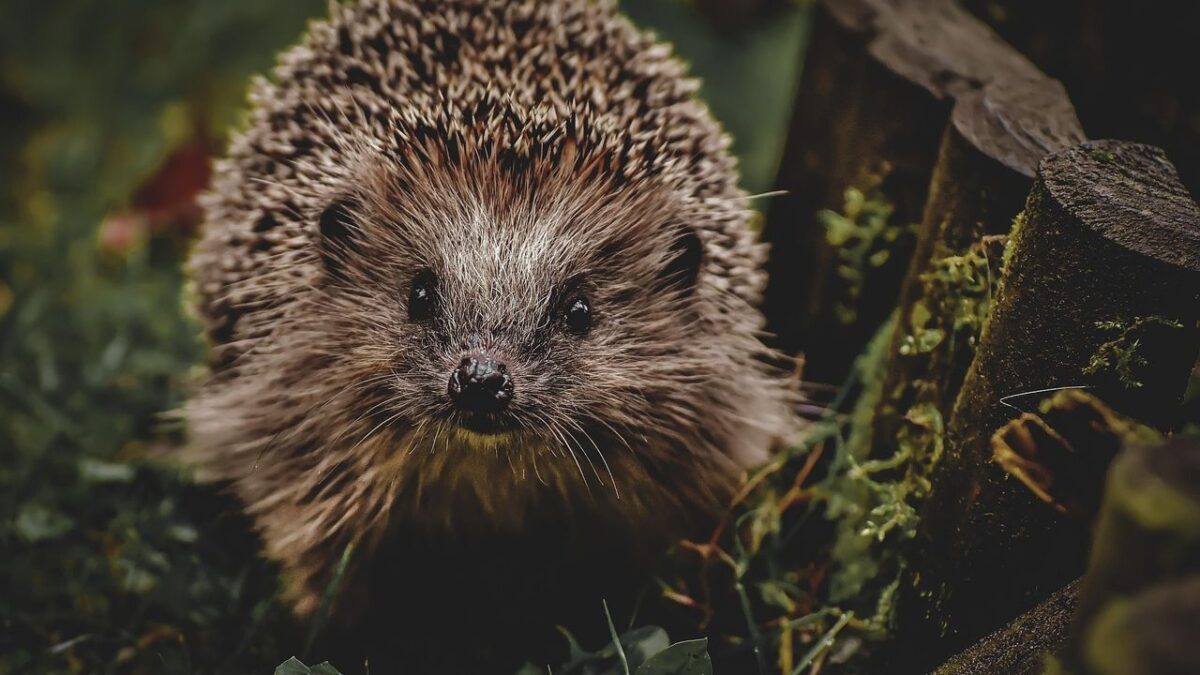
Most people rarely think about what happens outside their windows after midnight. The yard goes quiet, the street empties, and it seems like the world shuts down. It doesn’t. In fact, a parallel world clicks into full gear the moment true darkness falls across the United States, from the dense forests of the Appalachians to the scrublands of the Southwest desert.
As the sun sets and darkness covers the earth, a hidden world comes alive – the realm of nocturnal animals, creatures that have adapted to thrive in the night. From bats and owls to foxes and moths, these animals exhibit fascinating behaviors and possess unique adaptations that enable them to navigate and survive in the dark. What makes this world so compelling is how little of it most of us ever actually see.
Why So Many Animals Choose the Night
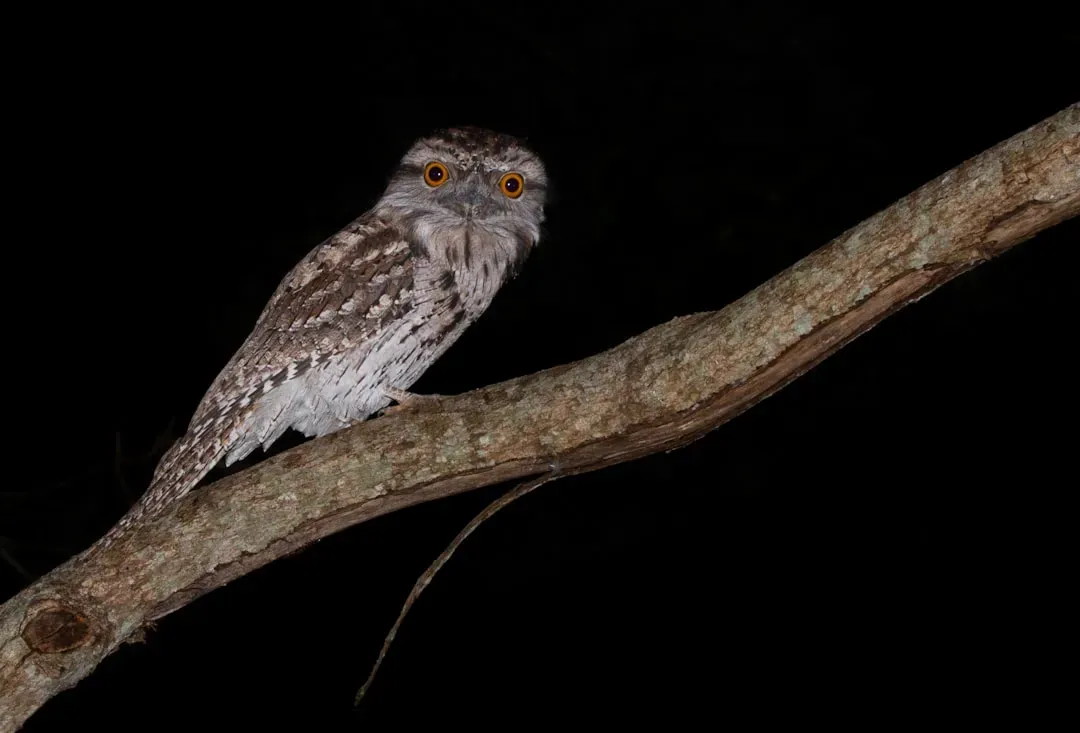
The decision to be nocturnal isn’t random. It’s the result of millions of years of evolutionary pressure, shaped by predators, competition, and climate. Animals that are active at night live a nocturnal lifestyle because it’s advantageous to them. They are better able to survive in their habitat by conducting the business of their survival at night, under the cover of darkness.
Nocturnality also reduces competition for resources. By being active at night, these animals avoid direct competition with diurnal species for food and habitat. This temporal separation allows for a more efficient use of available resources within an ecosystem.
Many different animals have adapted to come out at night primarily as a way to avoid daytime predators, conserve water that could more easily escape their bodies under the heat of the sun, and many other reasons specific to their needs. In desert regions like the American Southwest, that water conservation advantage is particularly critical for survival.
Around 70% of mammals are nocturnal, including opossums, raccoons, coyotes, mice, and ferrets. That’s a striking proportion, and it speaks to just how productive the night truly is as a time for survival.
Extraordinary Senses Built for Darkness
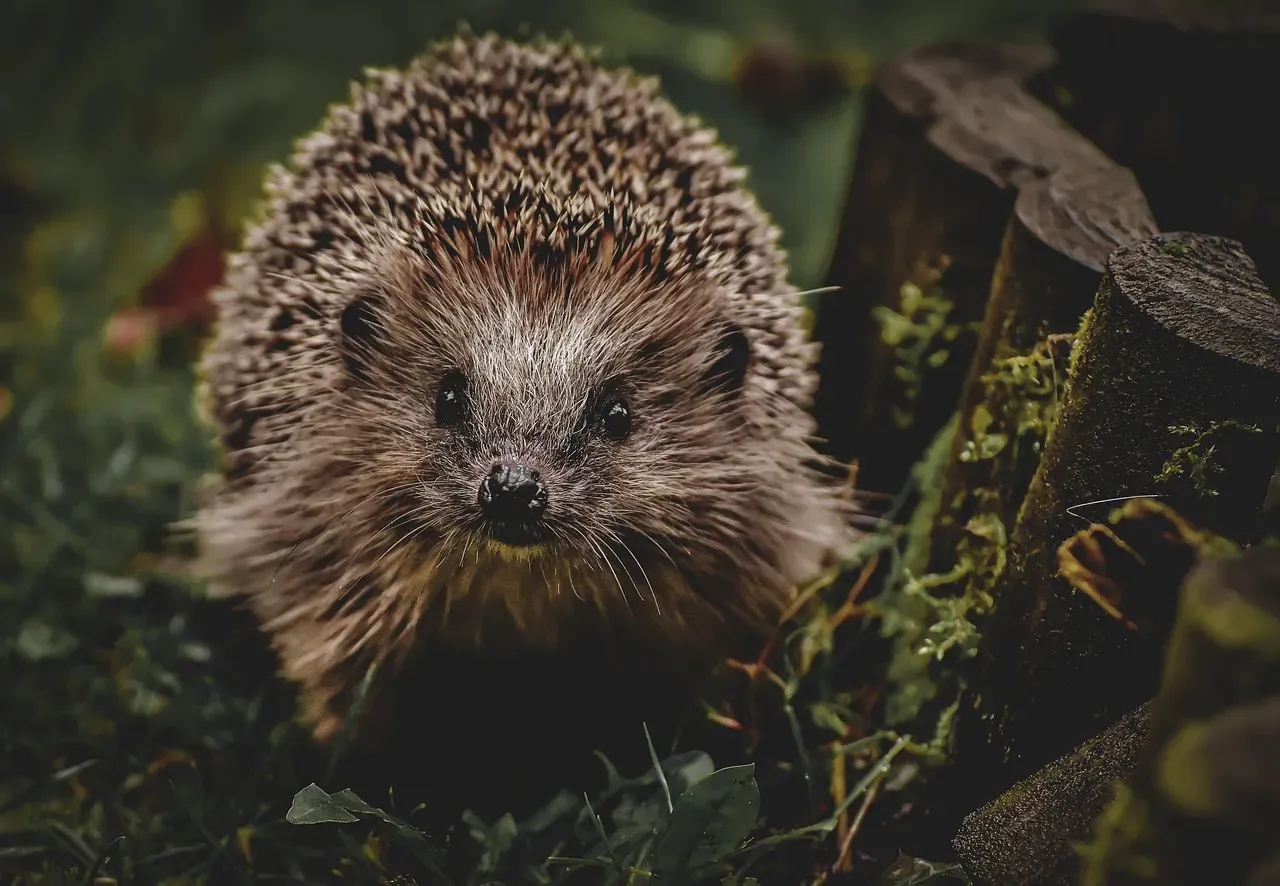
Nocturnal animals aren’t simply awake at the wrong time. They’re physiologically wired for the dark. Much like diurnal animals, nocturnal organisms have physical features and adaptations that help them see, navigate, hunt, pollinate, and forage in the dark. Eyes are perhaps the most prominent feature of nocturnal animals. Their eyes have large pupils in addition to mirror-like cells to reuse the little available light. They also have many more rod than cone cells to help them maximize the meager amounts of light at night.
Bats use echolocation, that is, locating objects by reflected sound, to zip through the air with precision as they fly around in the dark in search of insects. Some snake species have receptors that are sensitive to heat, which allows them to more easily move around and locate prey.
Many nocturnal animals also have a keen sense of smell and communicate with other animals by leaving scents behind. Even whiskers and other specialized hairs can help animals find food in the dark. These aren’t backup systems, they’re precision tools refined over countless generations.
The Great Horned Owl is truly the most iconic nocturnal predator across the Americas, and its success is a result of a trio of incredible adaptations that make it an apex nighttime hunter. These owls possess extraordinary low-light vision. Their massive, tube-shaped eyes are fixed in their sockets but are so sensitive that the owl can see in conditions only slightly brighter than starlight. To compensate for their inability to move their eyes, they have the remarkable ability to rotate their heads up to 270 degrees.
Key Species and Their Roles in the US Night Ecosystem
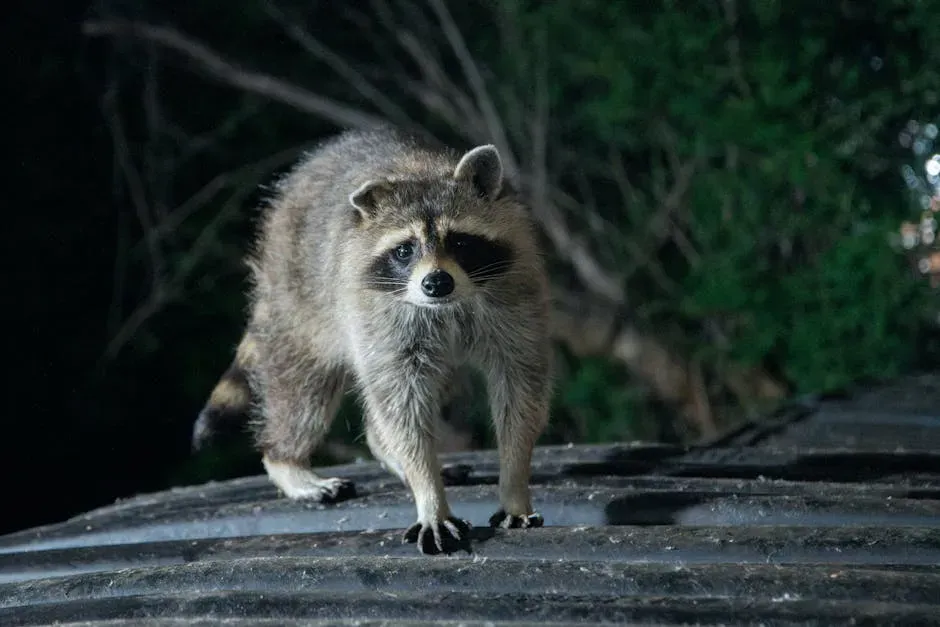
Some examples of nocturnal wildlife in the US include insects such as moths, mammals such as bats, opossums, and skunks, and birds of prey such as owls. Each of these creatures fills a specific and often irreplaceable ecological role.
Bats are one of the most important nocturnal animals: they are the primary predators of nocturnal insects, including mosquitoes, Japanese beetles, green stink bugs, and moths, and they provide billions of dollars of benefit as natural pest control. Bats are also important pollinators. We would not have saguaro cacti or tequila without bats – they are one of the only pollinators of agave plants, which are used in making mezcal and tequila liquors.
Owls keep rodent populations in check, which in turn affects the distribution and health of plant communities. Foraging behaviors of nocturnal animals are also essential for seed dispersal and pollination. Certain moth species are important pollinators too, continuing the work of bees and butterflies after dusk.
Virginia opossums are fascinating nocturnal animals and the only marsupial native to North America. These often-misunderstood creatures have some remarkable adaptations for nighttime survival. Opossums are incredibly adaptable omnivores with a diet that includes everything from insects and small animals to fruits, garbage, and bird eggs. Their varied diet and flexible feeding behavior have helped them thrive in both natural and urban environments.
The Growing Threat of Light Pollution and Human Disturbance
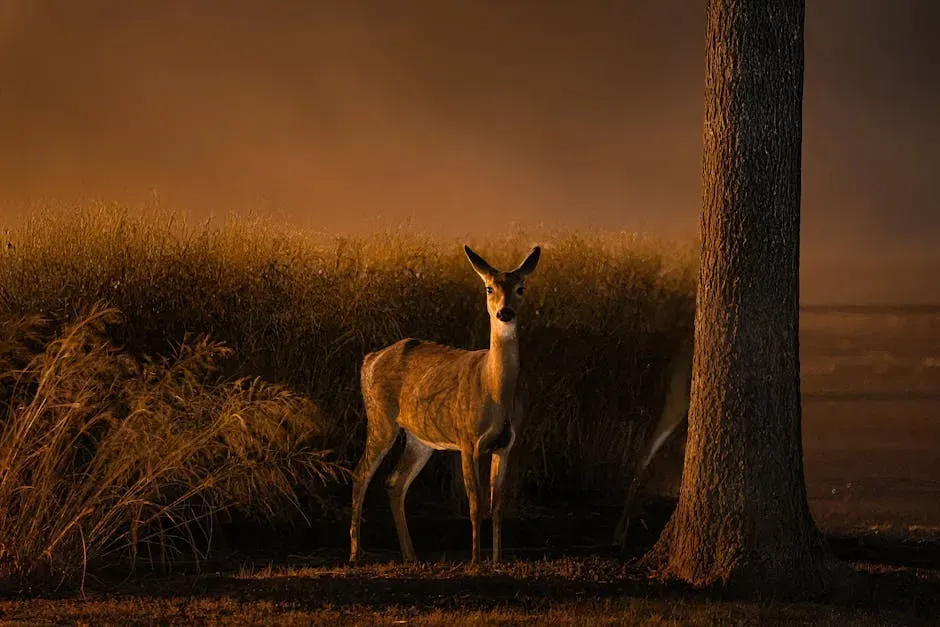
The nocturnal world is under pressure, and much of it comes from us. Light pollution disrupts nocturnal wildlife by interfering with their natural behaviors, such as hunting, mating, and navigation. The problem has accelerated alongside urban growth and the spread of bright LED lighting across the American landscape.
Light pollution also interferes with the internal clocks of many nocturnal animals. Exposure to artificial light can suppress melatonin production, a hormone that regulates sleep and daily activity patterns. This disruption cascades through entire ecosystems, not just individual animals.
Light pollution can disorient species that are used to darkness, as their adaptive eyes are not as used to artificial lighting. Insects are the most obvious example, who are attracted by the lighting and are usually killed by either heat or electrical current. Some species of frogs are blinded by quick changes in light, while nocturnal migratory birds may be disoriented, causing them to lose direction, tire out, or be captured by predators.
Hibernating bats in North America are experiencing a decline on a previously unheard-of scale due to white nose disease. The disease is caused by a fungus that can survive and propagate at lower temperatures, such as those in subterranean caves. Colonies infected with the disease have experienced an almost 90% decline in their population, and it is estimated that this has resulted in hundreds to over a thousand metric tons of insects not eaten by bats and billions of dollars in crop damage as a result.
How Human Presence Is Reshaping Nocturnal Behavior
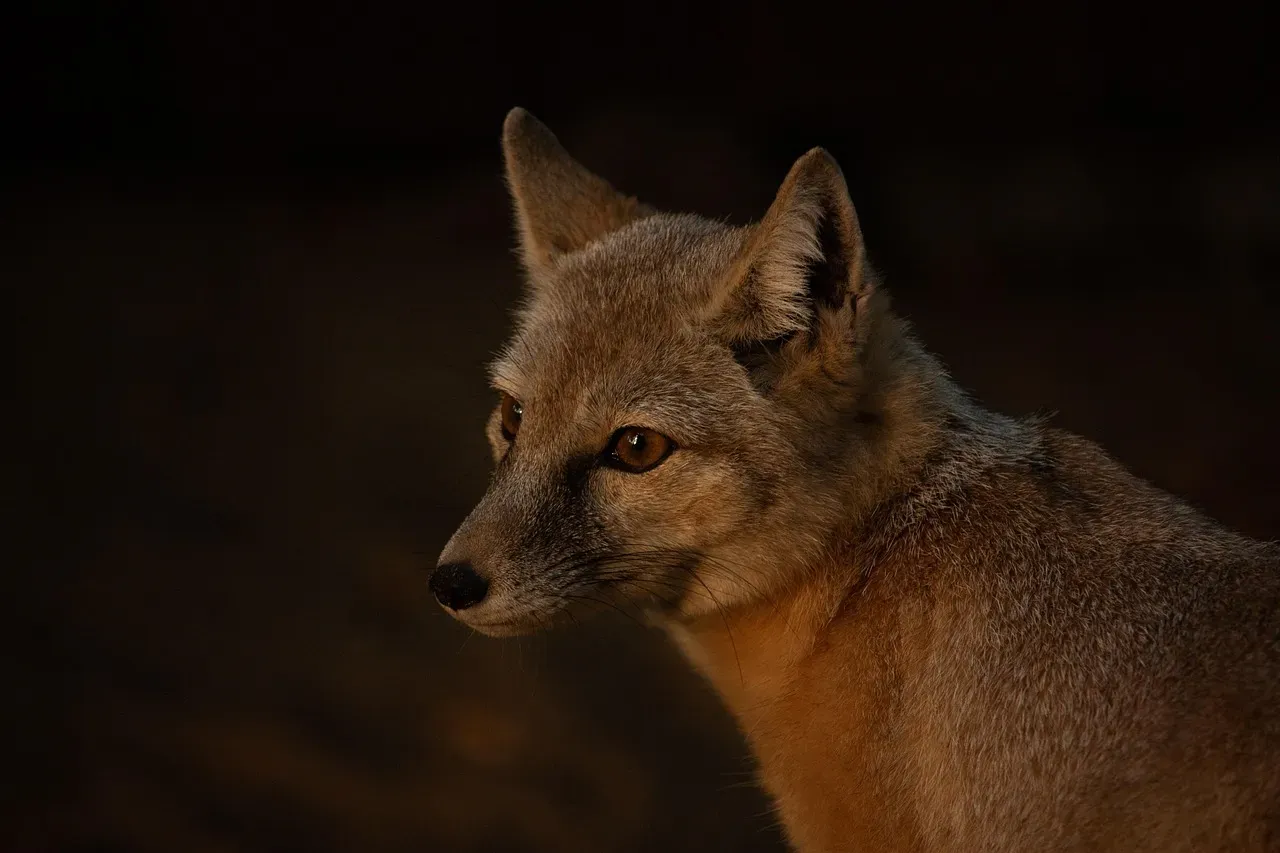
Beyond artificial light, the simple physical presence of humans in natural areas is quietly rewiring the habits of American wildlife. Human activities are pushing animals towards a more nocturnal existence. Rapid expansion of human activity has driven well-documented shifts in the spatial distribution of wildlife, but the cumulative effect of human disturbance on the temporal dynamics of animals is only now being understood.
Coyotes tend to be nocturnal especially when living near human settlements, as this behavior helps them avoid contact with humans while hunting. It’s a telling example of behavioral flexibility, a species adapting its schedule around ours rather than the other way around.
Climate change may also affect at what time of day animals are most active. As the planet gets warmer and drier, some animals may begin to be more active at night or become more crepuscular, meaning they are most active at dusk and dawn.
Though human-wildlife coexistence may be a positive outcome of increased nocturnal activity in wildlife, this shift may also have negative and far-reaching ecological consequences. Humans may impose substantial fitness costs on individual animals, analogous to predation risk effects in predator-prey systems, which can compromise reproduction and survival and alter trophic interactions. In short, animals adapting to us isn’t a neutral outcome – it carries real costs for their long-term health and population stability.
Conclusion
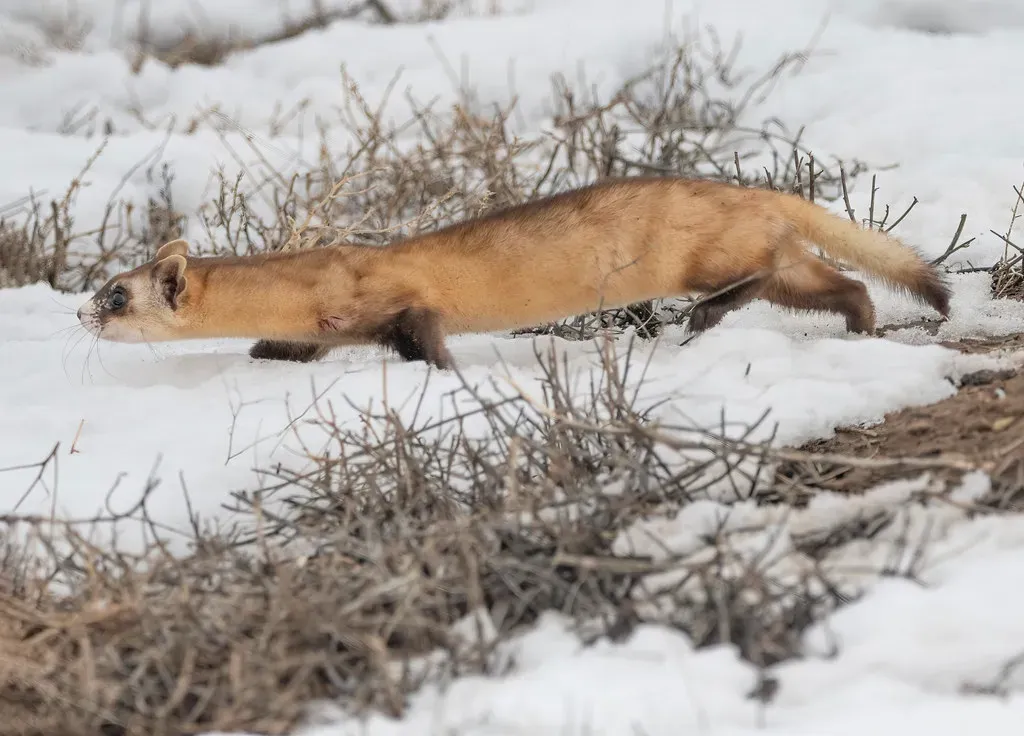
The nighttime ecosystem across the United States is not a resting landscape. It’s an active, layered, and surprisingly fragile world running in parallel to our own daytime routines. Understanding and appreciating nocturnal animals isn’t just about satisfying curiosity – it’s about recognizing the vital roles these creatures play in healthy ecosystems. They’re pollinators, pest controllers, seed dispersers, and predators that help maintain the balance of nature.
Conservation efforts are increasingly focusing on mitigating these impacts. Measures such as creating dark sky reserves, implementing wildlife corridors, and promoting habitat restoration are essential steps in protecting nocturnal species. Small changes at the individual level matter too. Reducing the use of pesticides in your garden, planting nocturnal flowering plants, and creating bat-friendly gardens are some of the quick steps to helping nocturnal wildlife.
The night has always had its own logic, its own rhythms, and its own cast of characters. The more we understand what’s happening out there after dark, the better positioned we are to make sure those rhythms continue – uninterrupted by the long reach of human light and noise.

- 12 Architectural Wonders From The Ancient World That Inspire Us Today - July 18, 2026
- 6 Beautiful Ancient Cities That Time Forgot (But Shouldn’t) - July 18, 2026
- 6 Common Animal Behaviors That Are Often Misunderstood by Humans - July 18, 2026