
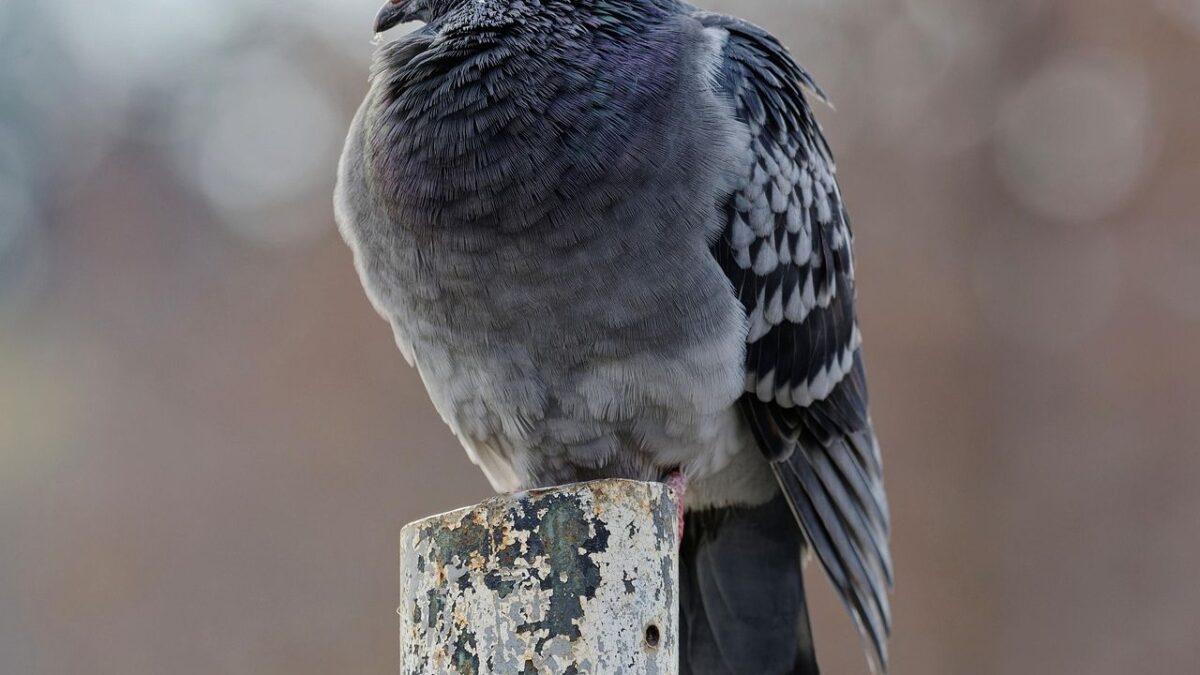
Most people walking through a city park are thinking about their lunch break or the next meeting. They’re probably not thinking about the painted turtles, native bees, or migratory warblers quietly going about their lives a few meters away. Yet that’s exactly what’s happening in cities around the world right now.
Urban areas can host surprisingly high levels of biodiversity. New York City alone is home to more than 7,000 species of plants and animals, including groundhogs, painted turtles, and native bees. Cities, long considered ecological dead zones, are slowly being reimagined. The shift is real, the science is solid, and the results are starting to show.
1. Green Corridors Are Stitching Fragmented Habitats Back Together
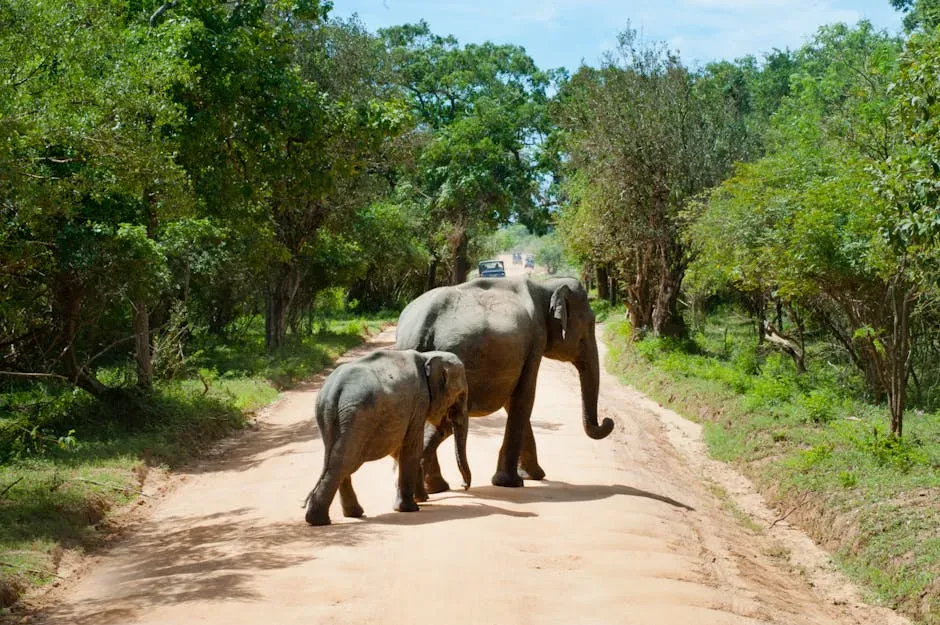
Urban wildlife corridors are essential pathways that connect fragmented habitats within cities, allowing animals to move safely between green spaces. These corridors help restore biodiversity by creating continuous routes through which birds, insects, and small mammals can travel without risking urban hazards like roads and buildings.
Research has found that movement between connected habitats was notably greater in comparison to movement between unconnected habitats, across tracked groups including small mammals, butterflies, plants, and pollinators. The difference in species richness between connected and isolated green spaces is consistently measurable.
Even birds, despite their high mobility, benefit from connectivity. In a case study of bird biodiversity in Madrid, modifications as simple as tree-lined streets between urban parks were associated with increased native bird populations compared to parks alone. Sometimes the most effective interventions are also the most straightforward.
Cities like Singapore, Seoul, and Vancouver have created green corridors linking parks and natural areas, allowing animals to move safely and thrive. These examples are increasingly being studied and replicated in cities still early in the process.
2. Native Plantings Are Turning Ordinary Parks Into Living Ecosystems
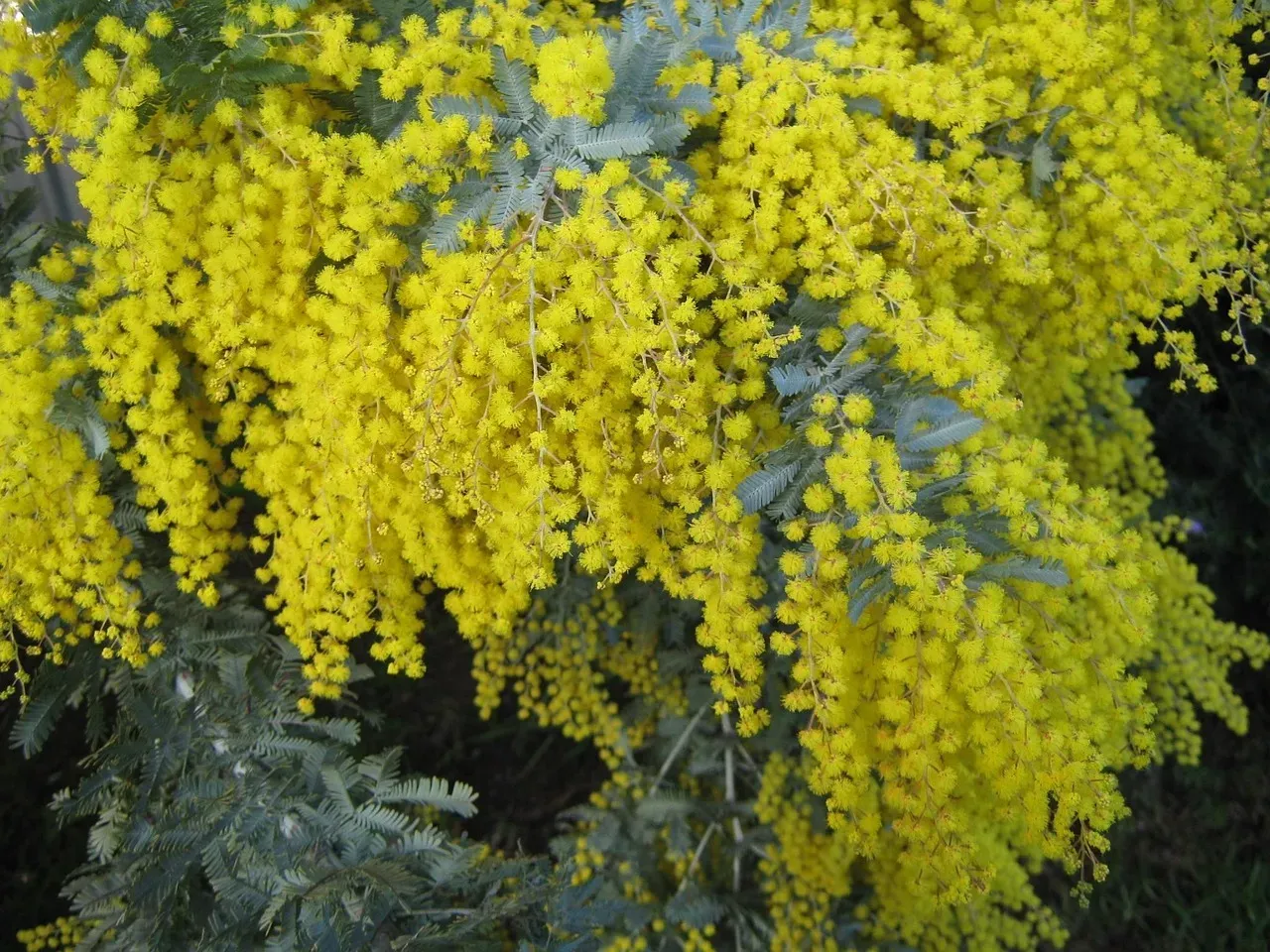
Using native plants in urban landscaping is an essential strategy for supporting biodiversity. Native plants are adapted to the local climate and soil conditions, making them more resilient and requiring less maintenance. They also provide essential food and shelter for native wildlife, such as insects, birds, and small mammals.
Non-native plants may not offer the same ecological benefits and can sometimes become invasive, outcompeting native species and disrupting local ecosystems. This is why the choice of what gets planted in a city park matters far more than most residents realize.
Native vegetation planted in urban green spaces can attract pollinators like bees and butterflies, provide food sources for birds, and create shelter for small mammals and amphibians. A single thoughtfully planted median strip or community garden can trigger a cascade of ecological benefits.
By planting diverse species of trees, shrubs, and flowers, green spaces promote biodiversity, supporting both native and migratory species. It’s a relatively low-cost intervention that has measurable, lasting effects on which animals choose to stay.
3. Green Roofs and Vertical Infrastructure Are Creating New Wildlife Niches
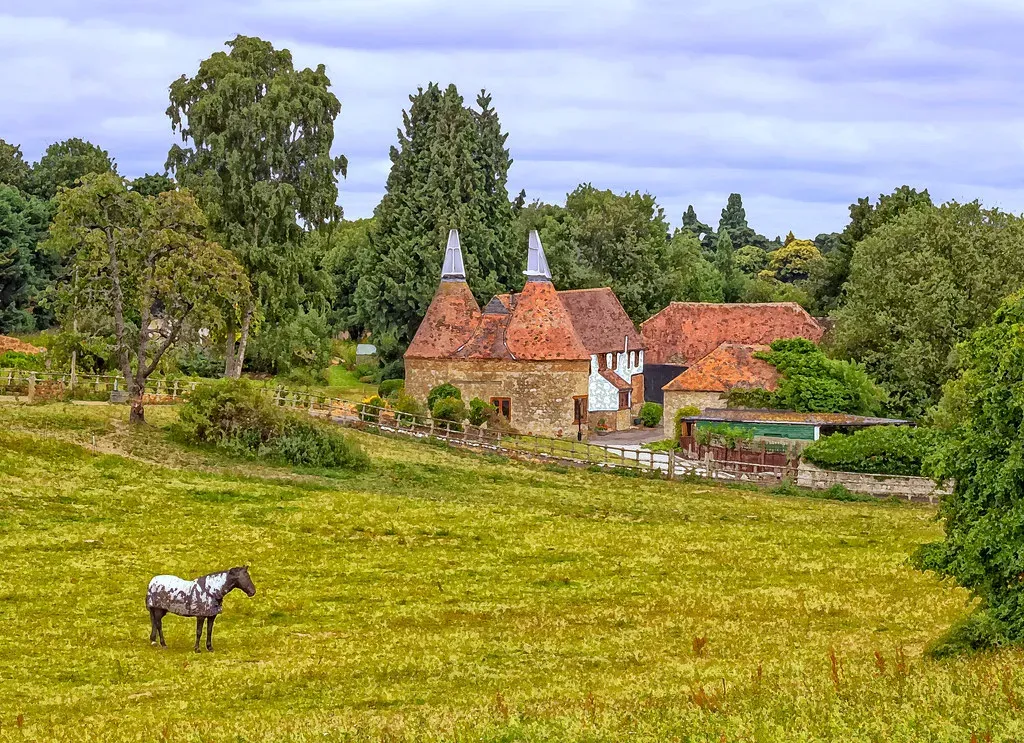
Green roofs and walls can mitigate urban heat islands, manage stormwater, and provide habitats for urban wildlife. What started as an architectural trend has quietly evolved into a meaningful conservation tool.
Green roofs can improve air quality and provide habitat for local wildlife. They can serve as refuges for wildlife such as ground-nesting birds by providing an undisturbed area. They also offer a great opportunity to add beehives or bee hotels to enhance pollinator habitats.
Cities around the world are adopting practices like green roofs, vertical gardens, and wildlife corridors to integrate nature into urban landscapes. These innovations not only support biodiversity but also improve the aesthetic value of urban areas, making them more attractive to residents and visitors.
The cumulative effect of hundreds of greened rooftops across a single city can be substantial. Small green spaces such as pocket parks, planted medians, rooftops, and backyard plots collectively act as stepping stones, supporting movement, foraging, and nesting across built areas and boosting wildlife resilience when they link together.
4. Urban Wetlands and Blue Spaces Are Supporting Often-Overlooked Species
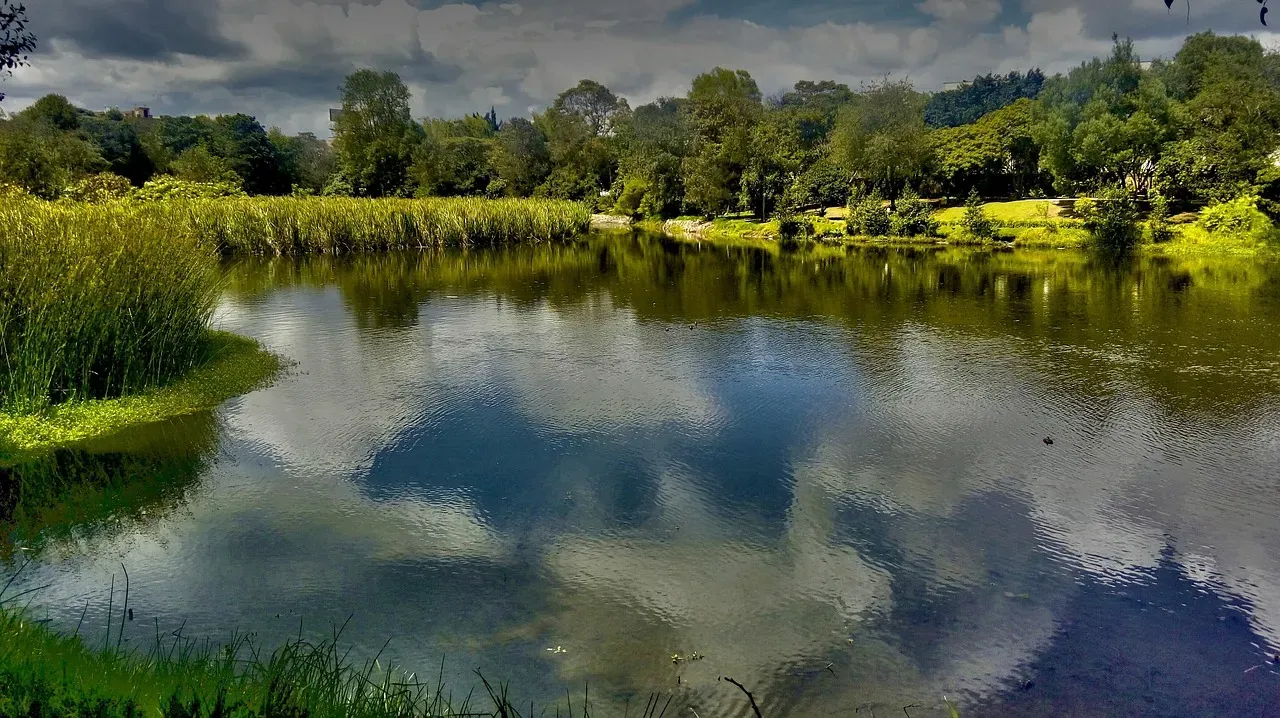
Urban rivers, ponds, wetlands, and even engineered water features support both aquatic and terrestrial species. Riparian corridors along riverbanks are particularly valuable because they support a range of species while also filtering pollutants from urban runoff.
Water in cities does double duty. It supports wildlife directly and helps manage the very urban stressors, such as flooding and heat, that make city environments hostile to nature in the first place. Preserving wetlands and natural water systems helps maintain ecological balance, while reducing nighttime light pollution protects nocturnal species.
Urban green spaces perform important ecological functions such as air purification, cooling, carbon storage, and habitat provision for plants and animals, as well as provide cultural services such as leisure, aesthetics, and environmental education. Water features amplify all of these functions simultaneously.
High biodiversity strengthens ecosystems, making them more resilient to changes such as climate fluctuations, natural disasters, or disease outbreaks. By enhancing biodiversity in urban areas, cities contribute to the overall health of the planet. Wetlands, even small constructed ones, are disproportionately effective at driving that outcome.
5. Community-Driven Design Is Reshaping How Cities Think About Wildlife
Urban planning that incorporates natural elements with high social-ecological value, such as pocket parks and community gardens, can support social cohesion, recreation, and habitat connectivity. The most durable conservation outcomes tend to be the ones local communities feel ownership over.
Citizen science initiatives, such as bird counts and wildlife observation platforms, not only engage the community but also generate valuable data on the presence and health of species in urban areas. This information can guide city planners and conservationists in making decisions that support both wildlife and the people who live alongside them.
Residents can take small but meaningful actions to support local wildlife, such as planting pollinator gardens and participating in local clean-up efforts. Neighbourhood groups can also advocate for more green spaces, push for policies that protect wildlife, and support local conservation initiatives.
Research has found that the amount of green space matters most for both human use and biodiversity. For example, playgrounds or sports fields may benefit people but do less for wildlife. The growing awareness of this trade-off is pushing city planners toward smarter, more intentional designs that can serve both purposes.
Conclusion: Cities as Unlikely Arks
There’s something quietly remarkable about the idea that a city, built specifically for human efficiency, can also become a refuge for hundreds of other species. Restoring urban nature can be based on an ensemble of simple, yet effective, supporting actions targeting different ecological levels to sustain ecosystem functioning and services at different spatial scales.
Through scientific and reasonable spatial layout and management, the ecological conservation and service functions of urban green spaces can be largely realized while still meeting human usage needs. The two goals don’t have to compete as much as we once assumed.
The cities making the most progress share a common thread: they stopped treating green space as decorative and started treating it as infrastructure. That shift in thinking, more than any single park or corridor, is what makes a city genuinely hospitable to life beyond its own.
