
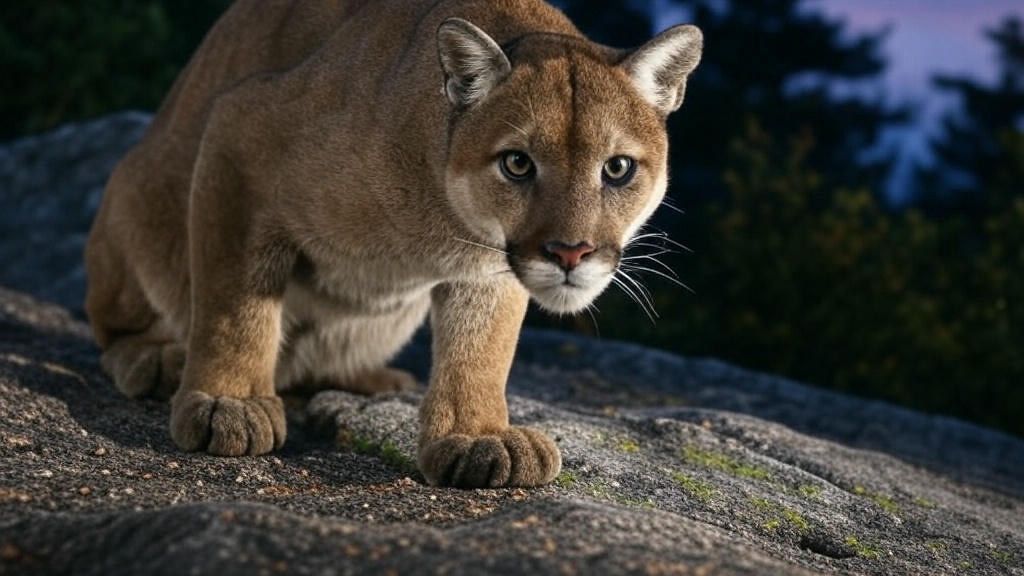
Most of us only ever see one version of the American landscape: the daytime one. The one lit by sun, filled with birdsong, and populated by squirrels, hawks, and deer. When the light fades, though, an entirely different world takes over. It’s quieter in some ways, stranger in others, and far more populated than most people realize.
The nighttime ecosystem across the United States is not a resting landscape. It’s an active, layered, and surprisingly fragile world running in parallel to our own daytime routines. Understanding who lives in it, and why they choose the dark, opens up a side of American wildlife that rarely gets the attention it deserves.
Why So Many Animals Choose the Night
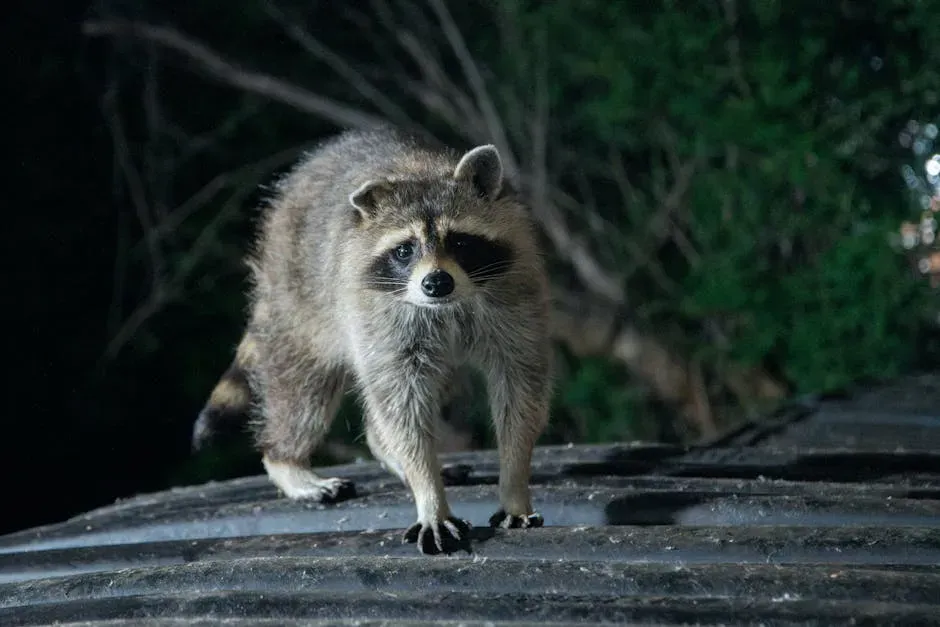
The choice to be nocturnal isn’t random. Many different animals have adapted to come out at night primarily as a way to avoid daytime predators, conserve water that could more easily escape their bodies under the heat of the sun, and many other reasons specific to their needs.
Nocturnality also reduces competition for resources. By being active at night, these animals avoid direct competition with diurnal species for food and habitat. This temporal separation allows for a more efficient use of available resources within an ecosystem.
In desert regions like the American Southwest, that water conservation advantage is particularly critical for survival. The proportion of mammals that live this way is striking. Around 70% of mammals are nocturnal, including opossums, raccoons, coyotes, mice, and ferrets. That’s a figure that tends to surprise people, given how little of that activity most of us witness.
Extraordinary Senses Built for the Dark
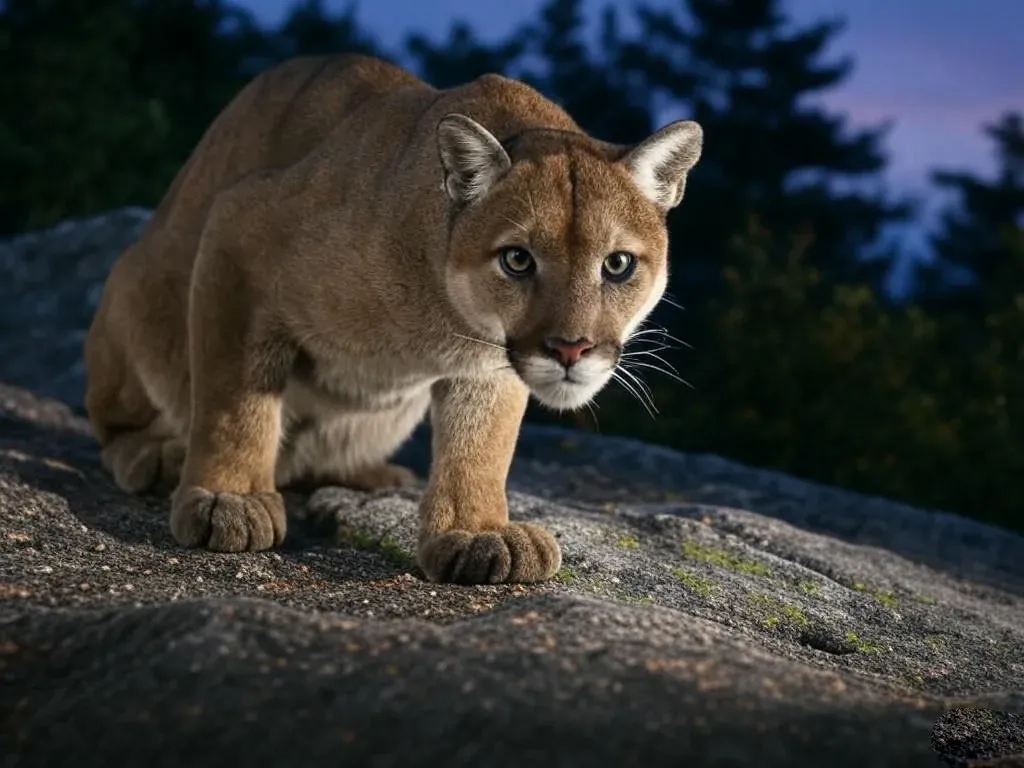
Eyes are perhaps the most prominent feature of nocturnal animals. Their eyes have large pupils in addition to mirror-like cells to reuse the little available light. They also have many more rod than cone cells to help them maximize the meager amounts of light at night, with cone cells detecting color and rod cells detecting dim light. This gives them better night vision than most animals, though it is not perfect.
Our vision might be limited when the sun goes down, but nocturnal wildlife have specialized senses finely tuned for thriving in the dark. Acute eyesight, heightened smell, and sharp hearing serve as invaluable assets in the realm of night. Certain species even possess unique sixth senses that keep them in tune with their surroundings.
Bats take sensory adaptation to another level entirely. Using echolocation, they emit short bursts of high-pitched sounds that bounce off everything in their path and return to them as echoes. This sonar superpower offers information about the size, distance, and direction of objects in front of a bat, including prey. Meanwhile, red foxes have been observed using a hunting technique called “mousing,” where they listen for prey moving under snow, then leap high into the air and dive nose-first to catch their target. Research found that red foxes can detect Earth’s magnetic field and use it for navigation, especially when hunting. They tend to be most successful when attacking in a northeastern direction, possibly because they’re aligning their attacks with magnetic field lines.
Key Species Shaping US Night Ecosystems
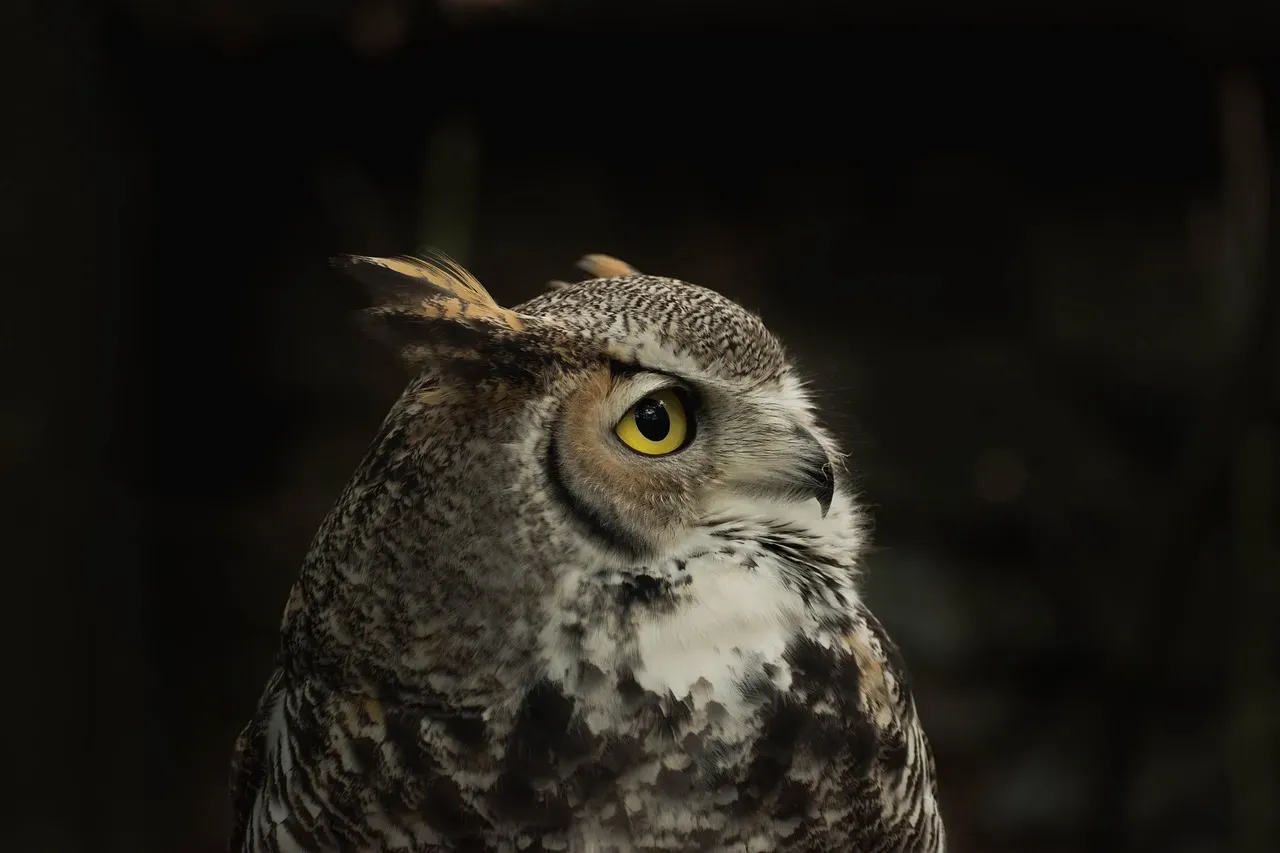
The Great Horned Owl is the most iconic nocturnal predator across the Americas, and its success is a result of a trio of incredible adaptations that make it an apex nighttime hunter. These owls possess extraordinary low-light vision. Their massive, tube-shaped eyes are fixed in their sockets but are so sensitive that the owl can see in conditions only slightly brighter than starlight. To compensate for their inability to move their eyes, they have the remarkable ability to rotate their heads up to 270 degrees.
Bats are one of the most important nocturnal animals: they are the primary predators of nocturnal insects, including mosquitoes, Japanese beetles, green stink bugs, and moths. They provide billions of dollars of benefit as natural insect and pest control. Estimates for the number of insects eaten by bats per night range from 1,000 to 3,000 mosquito-sized insects.
Virginia opossums are fascinating nocturnal animals and the only marsupial native to North America. Opossums are incredibly adaptable omnivores with a diet that includes everything from insects and small animals to fruits, garbage, and bird eggs. Their varied diet and flexible feeding behavior have helped them thrive in both natural and urban environments. Southern flying squirrels, found throughout the eastern United States, are perfectly adapted for nighttime life in the forest canopy. They have large eyes that help them see in low light, and their gliding ability allows them to move efficiently between trees without having to come down to the dangerous forest floor.
The Growing Threat of Light Pollution and Human Presence

Light pollution disrupts nocturnal wildlife by interfering with their natural behaviors, such as hunting, mating, and navigation. Species like owls and fireflies struggle in urban environments where artificial lights drown out their cues.
Light pollution also interferes with the internal clocks of many nocturnal animals. Exposure to artificial light can suppress melatonin production, a hormone that regulates sleep and daily activity patterns. This disruption cascades through entire ecosystems, not just individual animals. Light pollution also interferes with fireflies’ bioluminescent mating signals, leading to declining populations.
Beyond artificial light, the simple physical presence of humans in natural areas is quietly rewiring the habits of American wildlife. Human activities are pushing animals towards a more nocturnal existence. Coyotes tend to be nocturnal especially when living near human settlements, as this behavior helps them avoid contact with humans while hunting. It’s a telling example of behavioral flexibility: a species adapting its schedule around ours rather than the other way around.
Conservation Challenges and What Comes Next
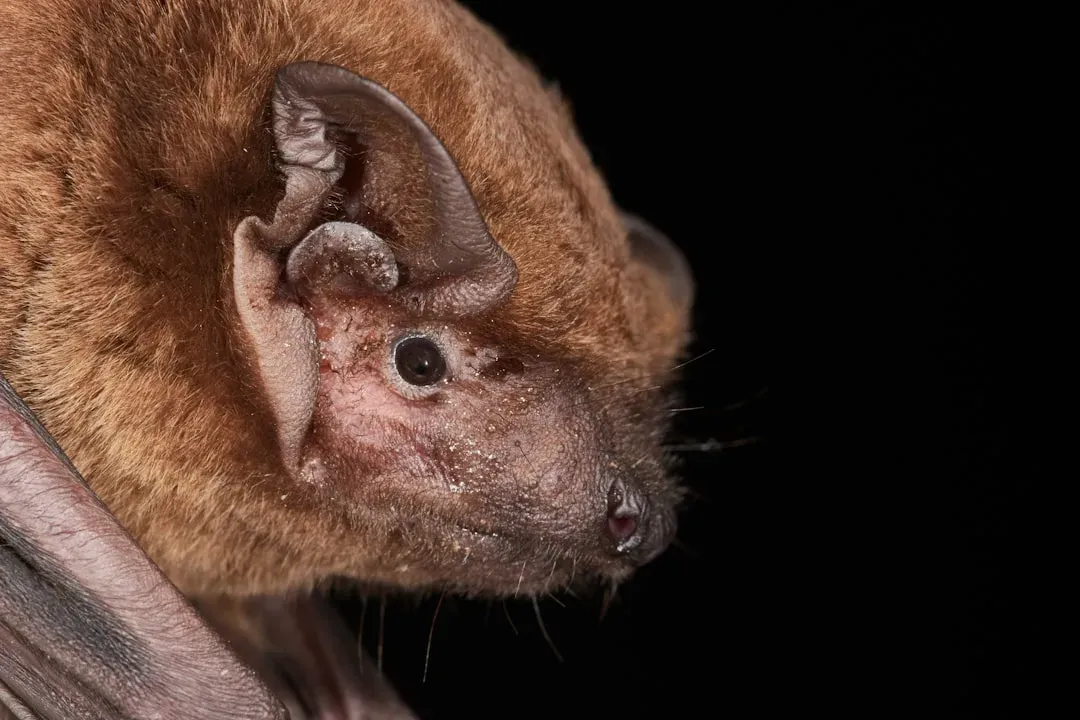
Hibernating bats in North America are experiencing a decline on a previously unheard-of scale due to white nose disease. The disease is caused by a fungus that can survive and propagate at lower temperatures, such as those in subterranean caves. Colonies infected with the disease have experienced an almost 90% decline in their population.
It is estimated that this has resulted in about 660 to 1,320 metric tons of insects not eaten by bats and billions of dollars in crop damage as a result. The ripple effects don’t stop at agriculture. Disruption of individual species from light pollution can alter food webs and overall ecosystem health.
Climate change may also affect at what time of day animals are most active. As the planet gets warmer and drier, some animals may begin to be more active at night or become more crepuscular, meaning they are most active at dusk and dawn. On a practical level, reducing the use of pesticides in your garden, planting nocturnal flowering plants, and bat-friendly gardens are some of the quick steps to helping nocturnal wildlife. Simple mitigation measures, like using downward-facing lights, can help protect nocturnal wildlife and preserve natural night environments.
Conclusion
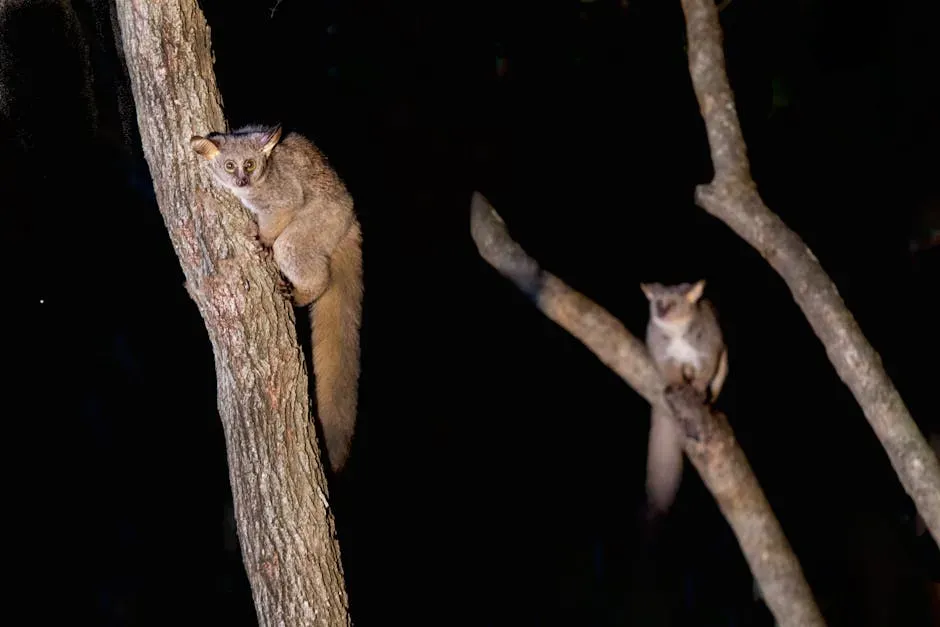
The American night is not empty. It pulses with foraging opossums, echolocating bats, owls reading starlight with their fixed, extraordinary eyes, and foxes navigating by magnetic fields most of us didn’t know existed. Understanding and appreciating nocturnal animals isn’t just about satisfying curiosity. It’s about recognizing the vital roles these creatures play in healthy ecosystems.
The pressures they face, from spreading artificial light to shifting climates and disease, are real and compounding. The good news is that small, deliberate choices at the household level genuinely matter: a shielded porch light, a pesticide-free yard, a garden that blooms after dark.
Most of what makes US ecosystems rich and resilient happens while we’re asleep. That alone is worth paying attention to.

- 14 Signs a Dog Near the Rainbow Bridge Is at Peace With Its Person - July 21, 2026
- 15 Ways a Shelter Animal Tells You It Was Always Meant to Be Yours - July 21, 2026
- 14 Ways a Dog Shows You Are the Center of Its Whole World - July 21, 2026