
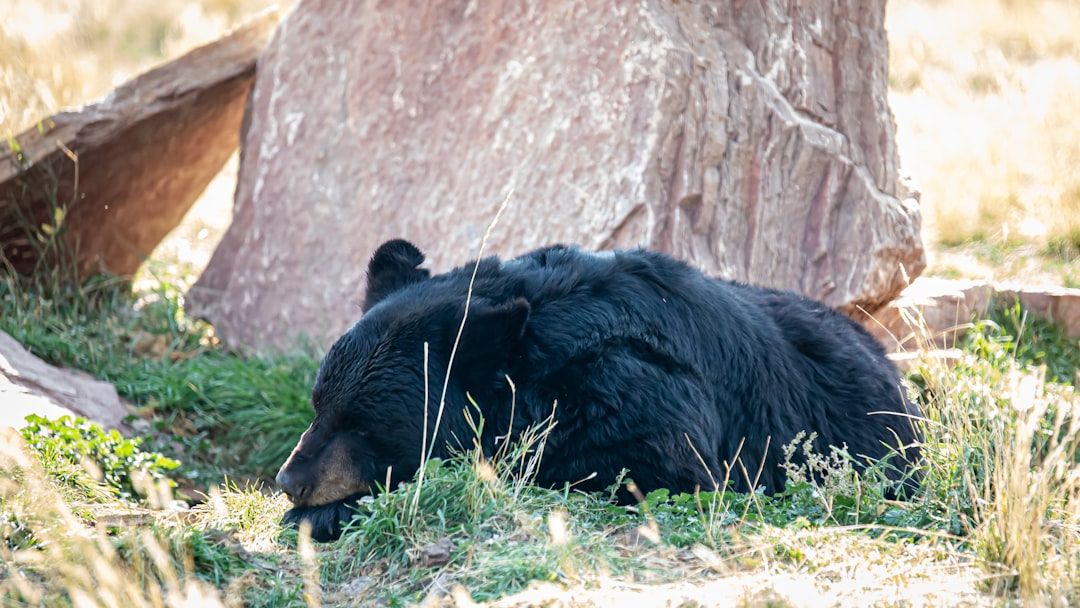
Few animals on the planet face winter quite like a bear does. While most creatures either flee the cold or struggle through it, bears have quietly evolved one of the most sophisticated biological survival systems in the natural world. Their adaptations aren’t just clever. They’re extraordinary.
What makes bears so compelling is that their preparation begins months before the first snowflake falls, and the internal changes they undergo during that time challenge everything we thought we knew about inactivity, muscle, and metabolism. Scientists are still unraveling the finer details, and what they’re finding has implications far beyond the animal kingdom.
1. Hyperphagia: The Pre-Winter Eating Marathon
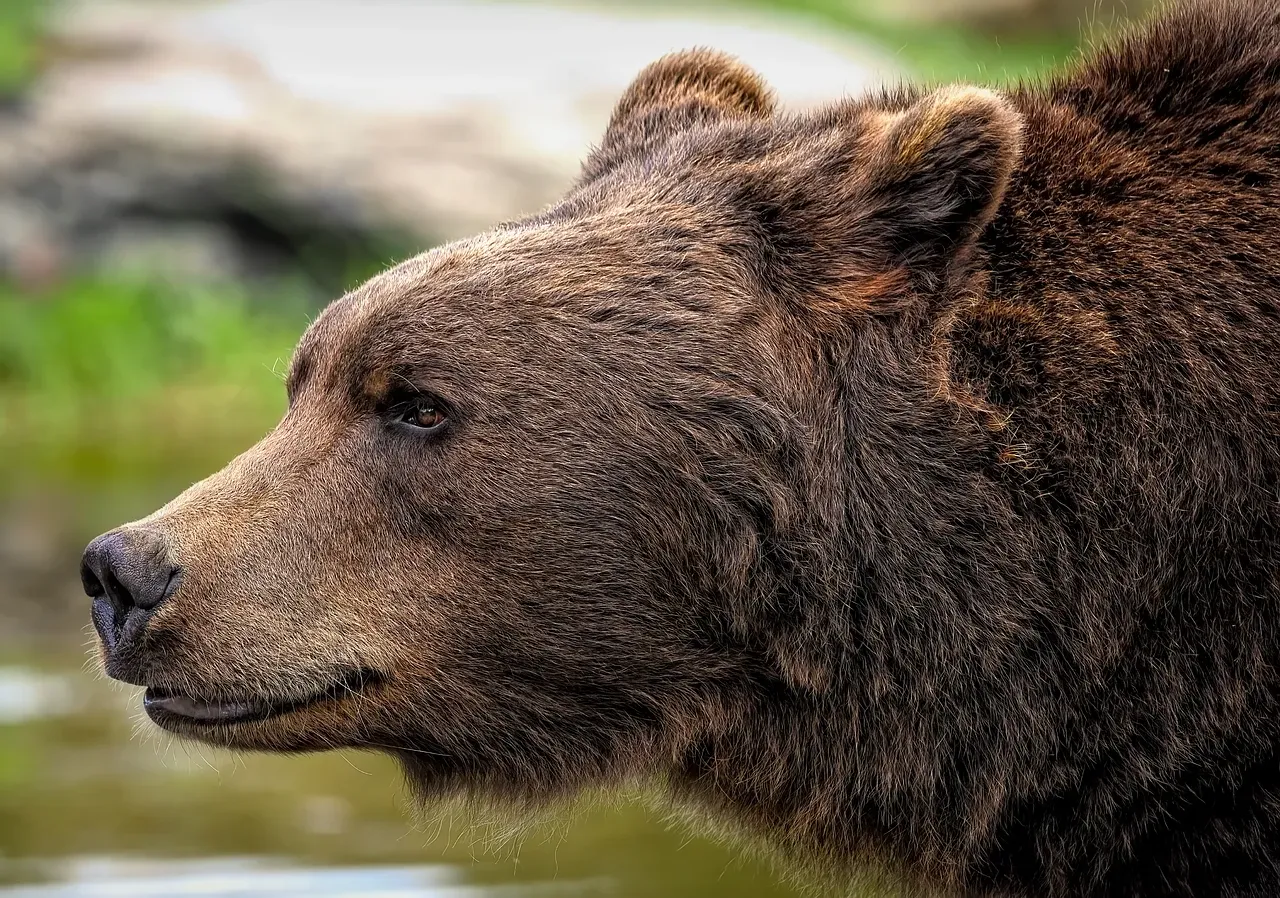
Before any bear settles into a den, it goes through a phase of relentless eating known as hyperphagia. North American bear species like black bears and grizzly bears enter hyperphagia in the fall, eating and drinking excessively to build up fat reserves that sustain them through their long period of inactivity.
During this fall feeding frenzy, grizzlies can eat up to roughly 20,000 calories and put on up to three pounds of weight each day. That’s a staggering physical feat by any measure.
During hyperphagia, bears cover long distances searching for high-calorie foods like nuts, berries, and fish. They can spend up to 20 hours a day foraging and eating, and some bears gain several hundred pounds in just a few months.
2. Torpor, Not True Sleep: The Nuance of Hibernation
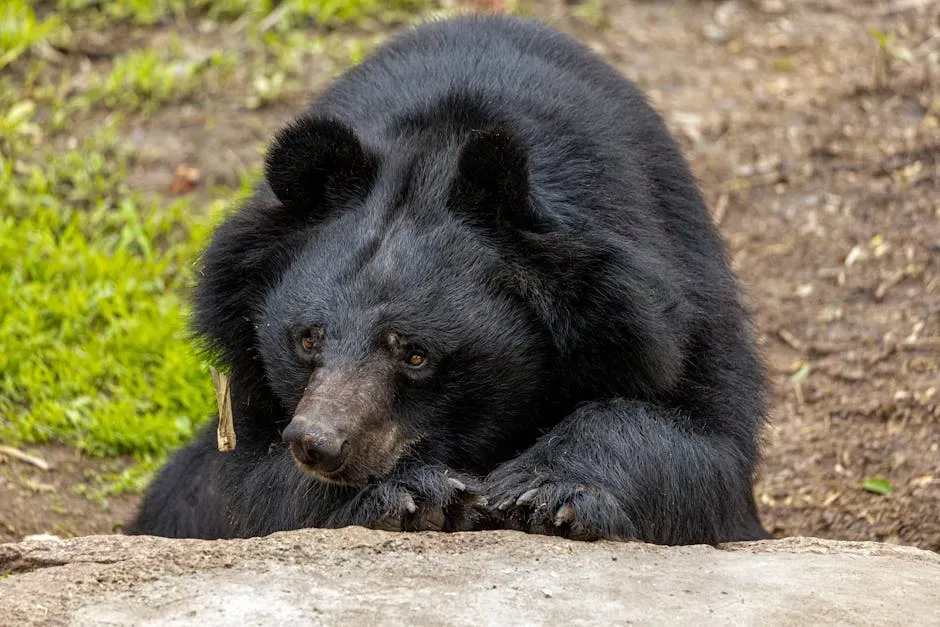
Unlike true hibernators such as bats or ground squirrels, whose body temperatures drop dramatically, black bears maintain near-normal body temperatures while slowing their metabolism and reducing heart and breathing rates. Many animals once thought to hibernate, including bears, actually enter a lighter sleep-state called torpor, which is a survival tactic triggered by colder temperatures and decreased food availability.
Bears take a very different approach to hibernation compared to other animals. Arctic ground squirrels can temporarily drop their body temperature to well below freezing without freezing solid. Bears, in contrast, hardly lose any heat at all in their winter dens, but still qualify as hibernators because their metabolism slows to a crawl.
Because bears are so large and well-insulated, they only slightly drop their body temperature while denning. Because they maintain a higher temperature, they can wake up more quickly and easily than other hibernators that need several hours to thaw.
3. A Dramatic Slowdown in Vital Functions
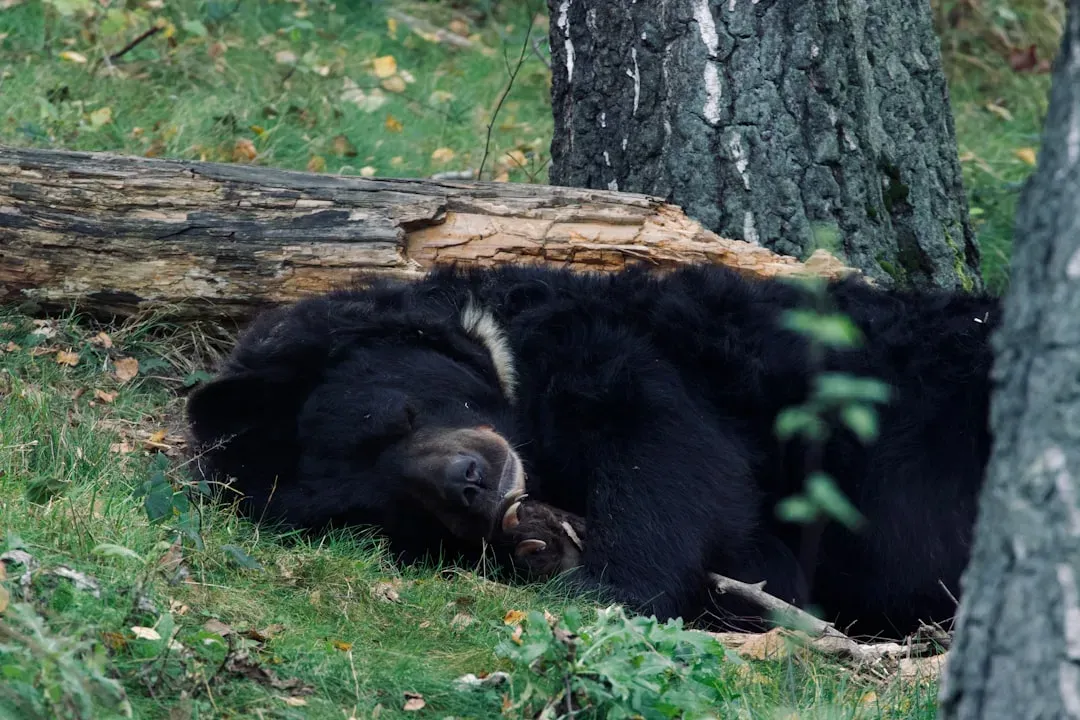
During hibernation, bears experience continuous dormancy with distinct decreases in heart rate and metabolic rate. They use up to 4,000 calories per day mainly from body fat, and do not eat, drink, urinate, or defecate. They reduce oxygen consumption and metabolic rate to as little as roughly one quarter of summer rates and breathe once per 15 to 45 seconds.
Heart rate can drop periodically to just 8 to 21 beats per minute, and blood flow to skeletal muscle, particularly the legs, can be reduced by 45 percent or more. For context, a bear’s normal waking heart rate sits between 60 and 90 beats per minute.
A bear cuts its metabolic rate by roughly half to two thirds so it can consume stored body fat slowly for sustenance. Over the course of the season, it may lose up to 30 percent of its body weight.
4. The Remarkable Ability to Preserve Muscle Mass
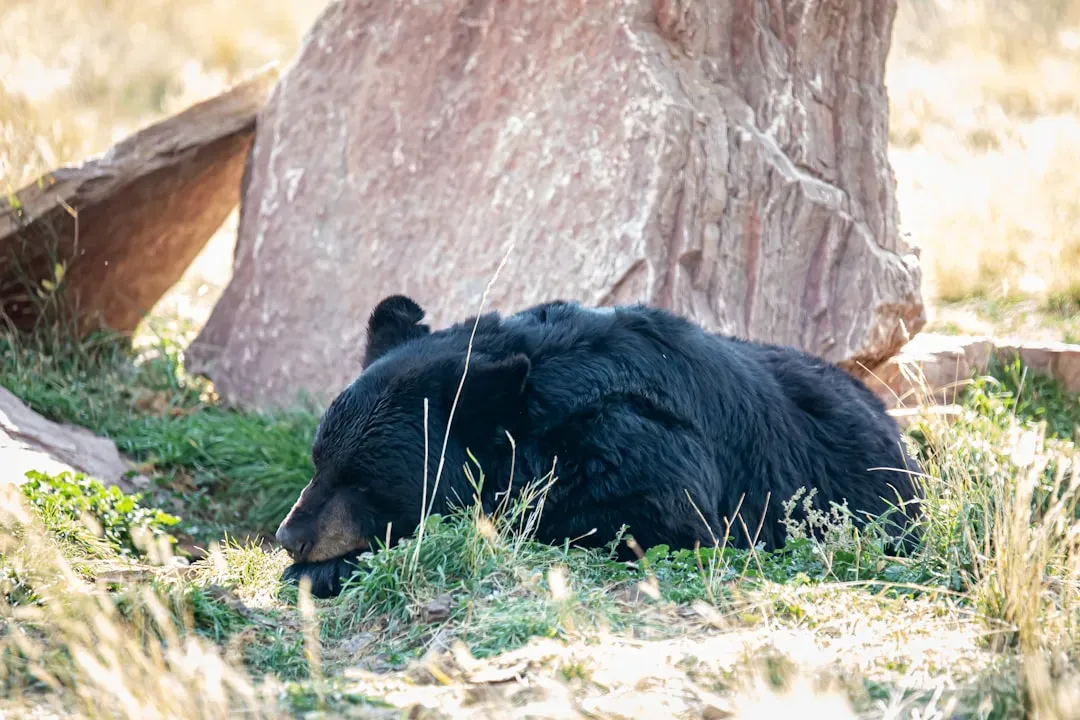
One of the most astonishing things about bears is what doesn’t happen during hibernation. Most large mammals, including humans, lose significant muscle mass after prolonged inactivity. Bears sidestep this problem almost entirely.
Their bodies recycle nitrogen, a byproduct of muscle breakdown, and turn it back into protein. This allows them to maintain muscle and organ tissue even while they aren’t moving for months.
Research has shown that bears maintain muscle tone and bone density during denning. Special metabolic mechanisms recycle nitrogenous waste into usable proteins, reducing muscle atrophy. These adaptations are critical for large-bodied mammals that must resume foraging and territorial activity in spring.
5. Thick Fur and Fat Layers Built for Insulation
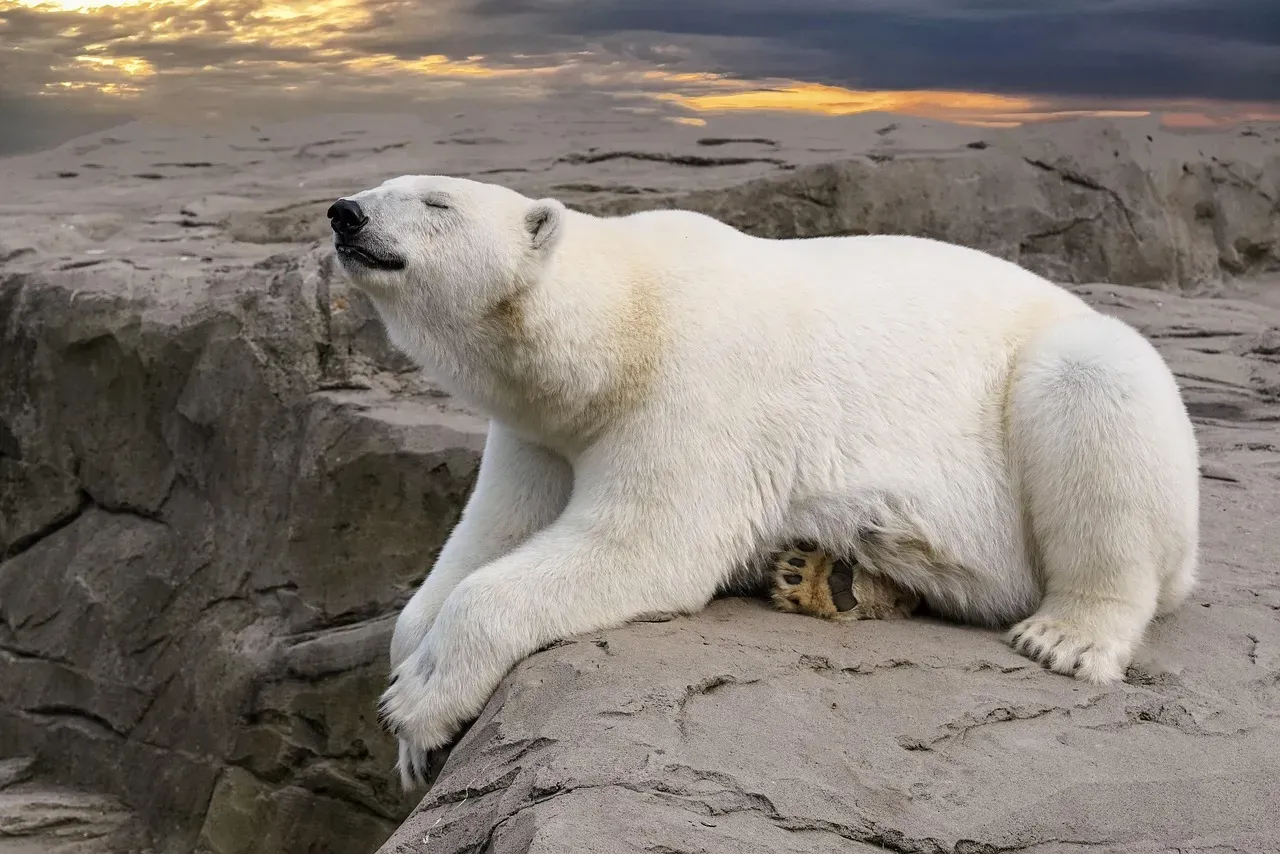
The bear’s outer body is just as well-designed for cold as its inner biology. Polar bears have two layers of fur: a dense undercoat and a layer of longer, hollow hairs. The hollow fur traps warm air, keeping the bear well-insulated in icy conditions.
The fat layer also helps bears stay warm and provides energy during hibernation. A bear’s coat is naturally greasy, which helps it shed water after swimming. This reduces heat loss and keeps them warm in cold, wet environments, particularly relevant for polar bears swimming in Arctic waters.
For bears in temperate regions, the fat accumulated during hyperphagia serves a dual role. It insulates the body against the cold while simultaneously acting as a slow-burning energy reservoir that powers the body through months of fasting.
6. Flexible and Opportunistic Den Choices
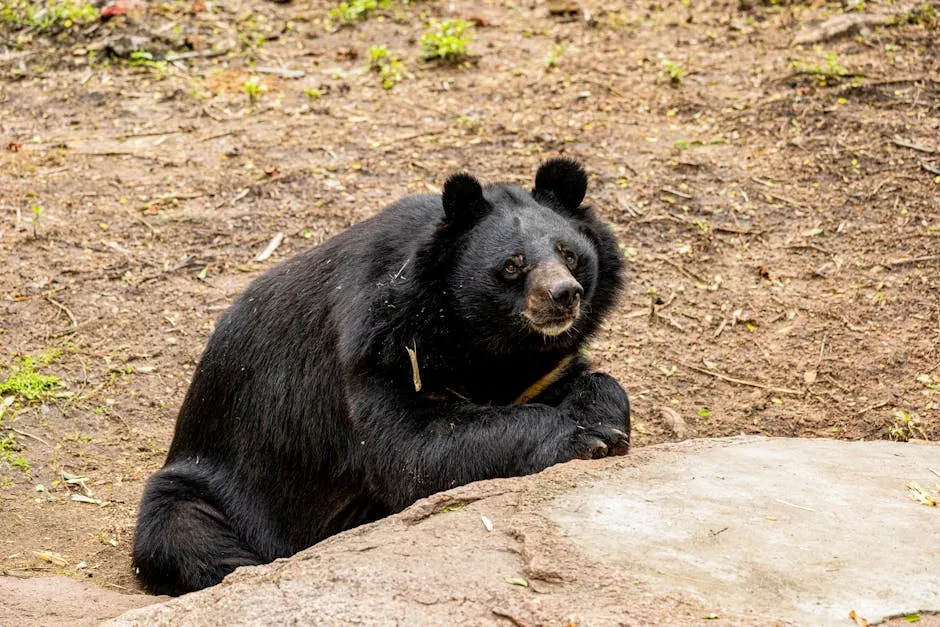
Bears are far less picky about their winter shelter than most people assume. Most dens are nearly as cold as the surrounding countryside. Dens may be burrows, caves, hollow trees, or simply nests on the ground, and bears gather leaves, grass, and twigs to make insulative beds on which to curl up.
In one famous Pennsylvania bear study, researchers found bears denning in road culverts, underneath home porches, or simply curled up on a nest of leaves. The flexibility is striking. Each fall, a grizzly might move a full ton of material to construct an elaborate den, while a black bear in a milder climate might simply settle under a downed log.
Time spent hibernating depends on environmental conditions and the sex and reproductive status of a bear. Males spend the least amount of time hibernating, while females with newborn cubs spend the most. It’s thought that this longer hibernation helps cubs grow larger and stronger before leaving the den.
7. Giving Birth During Hibernation
Perhaps the most striking winter adaptation in bears is the ability to give birth and nurse young while in a state of near-suspended metabolism. Pregnant bears give birth to their cubs in the den, most likely within the first two months of hibernation. The family remains in the den for the duration of winter while the mother sleeps and the cubs nurse and grow.
Remarkably, bears mate in spring or summer but don’t technically become pregnant until winter, due to a strategy called delayed implantation. This ensures the embryo only develops when the mother is safely sheltered and has adequate fat reserves.
Sow bears often nurse twins or triplets during hibernation without eating or drinking themselves, tapping into their own fat and water stores entirely for the sake of their cubs. It’s a biological commitment that genuinely has no human parallel.
8. A Gradual, Controlled Return to Full Activity
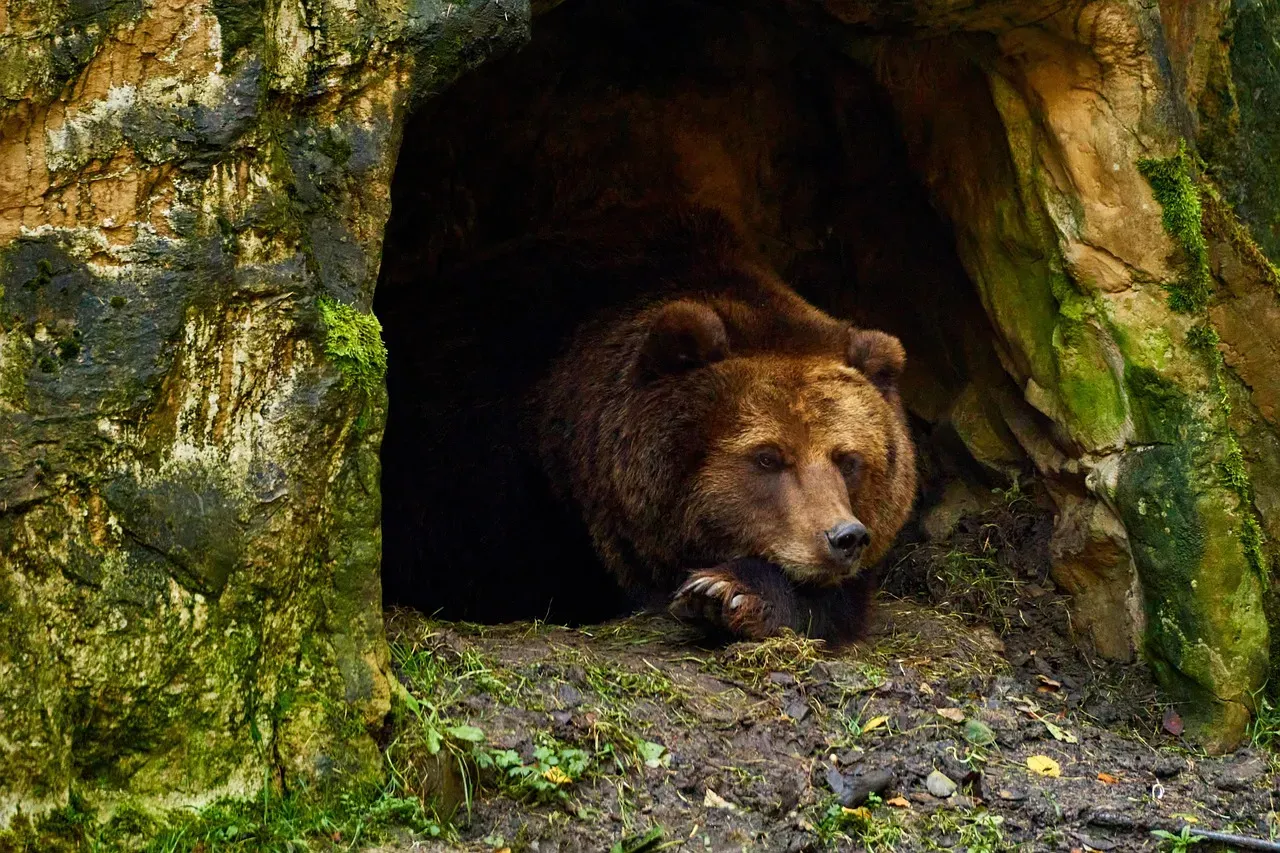
Waking from months of torpor isn’t as simple as opening your eyes. Bears emerge from hibernation through a carefully staged physiological process. Two months before the end of hibernation, a bear’s body temperature starts to rise, driven by ambient temperature. The heart rate variability only increases around three weeks before arousal, and bears only leave their den once outside temperatures reach their lower critical threshold. These findings suggest that arousal is driven by physiological cues, not just environmental ones.
Their bodies gradually increase their metabolic rate, and they start eating again to restore the weight lost during hibernation. In places like Yellowstone National Park, you might spot them wandering about, a little unsteady at first but ready to face the warmer months.
This ability to switch from a deep torpid state back to full activity is another reason bears are so well-suited for survival. The transition is measured and controlled, not abrupt, which prevents the kind of metabolic shock that a sudden awakening might otherwise cause.
The Bigger Picture: What Bear Adaptations Reveal
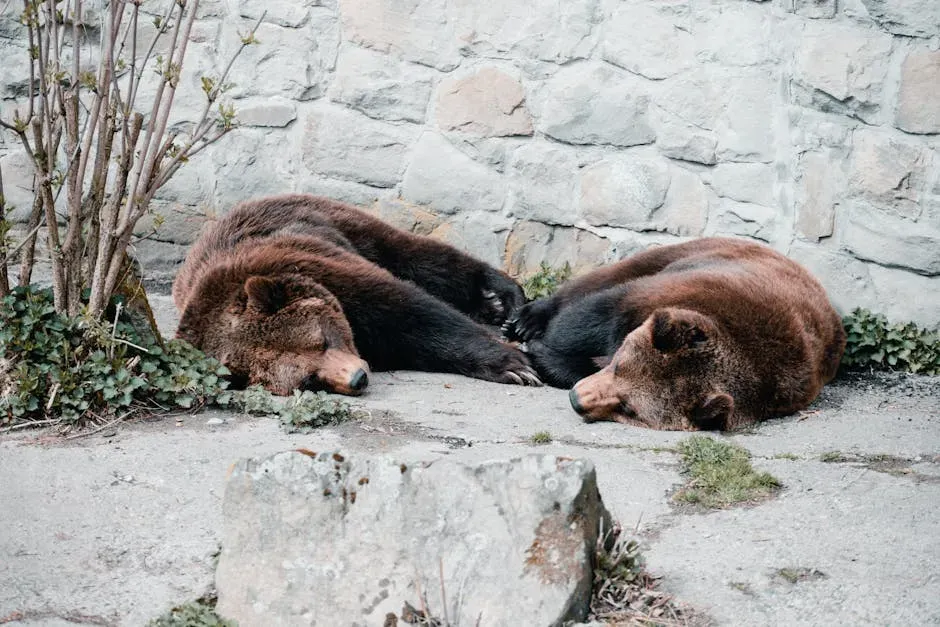
Hibernating bears are a physiological wonder, and there is much to be learned from how their bodies adapt to long periods of inactivity. Bears and humans have relatively similar physiology, yet prolonged periods of rest cause a host of health problems for humans, while bears emerge from hibernation relatively unscathed.
Scientists are studying hibernation to see if it could potentially help prevent obesity, Type II diabetes, and osteoporosis, improve treatments for kidney failure, and extend the viability of organs for transplant. This research has even inspired the idea of putting astronauts into a hibernation state for long trips to Mars.
Bears have been solving the problem of winter for tens of thousands of years, and the solutions they arrived at are, by any scientific standard, elegant. The more researchers look, the more it becomes clear that understanding bears isn’t just about understanding wildlife. It may be a quiet window into understanding ourselves.
