
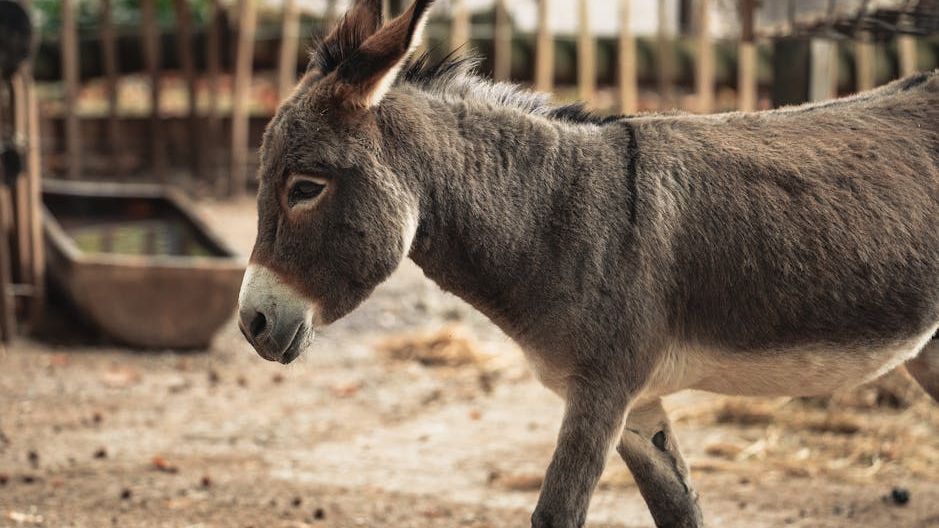
Every year, world leaders convene to measure progress on the United Nations’ 17 Sustainable Development Goals. They scrutinize data on poverty, hunger, water access, gender equality, climate resilience, and health. What almost never comes up in those discussions is the animal quietly making all of it possible in some of the world’s most remote places.
There are an estimated 42 to 44 million working donkeys globally, yet despite this massive workforce, the role donkeys play in communities is consistently overlooked. These are not peripheral contributions. They are structural. They hold up the economies of entire villages. The uncomfortable question is why an animal doing this much work receives so little protection in return.
The Six UN Goals Donkeys Are Actively Supporting
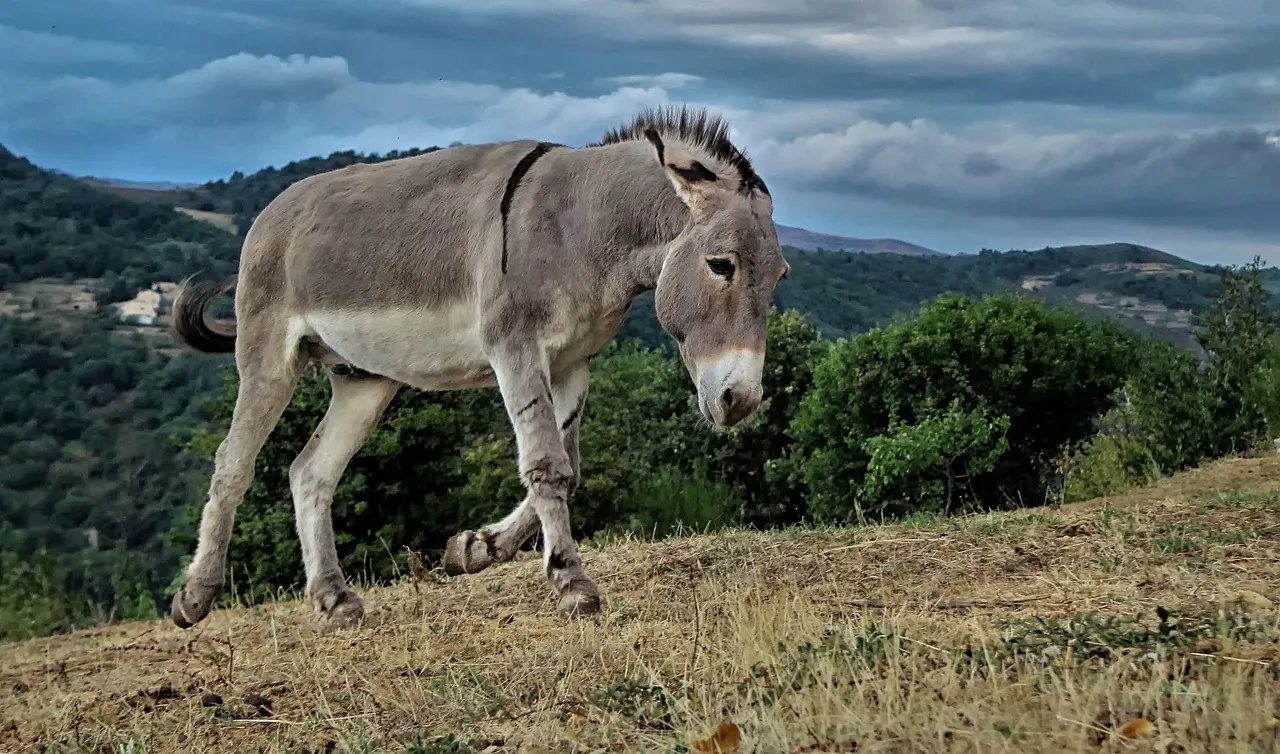
There are 17 goals created by the UN in 2015 to end world hunger, increase economic growth, promote education, and more. Of those, six have been reached in part thanks to donkeys, including lower levels of poverty, zero hunger, gender equality, good health and overall well-being, clean water and sanitation, and climate action.
Working equids are a critical asset to their owners because they both directly and indirectly support income generation in agriculture, construction, extractive industries, tourism, and transport. Horses, donkeys, and mules play a central role in agriculture and food production, including soil tillage, producing manure fertilizer, and transporting feed and water.
Horses, donkeys, and mules boost community resilience in the face of disasters and climate shocks. They enable communities to collect water or food from greater distances, help families relocate when needed, and even rebuild infrastructure. That is a direct line to SDG 13 on climate action that rarely receives any acknowledgment in formal policy spaces.
Women around the world depend on working horses and donkeys to support them with time-consuming tasks such as fetching water, and income from working animals helps women pay for household essentials, empowers them, and supports gender equality. Without that income stream, the goal of gender equality in some of the world’s poorest communities remains genuinely out of reach.
The Lives That Depend on Them More Than Statistics Show
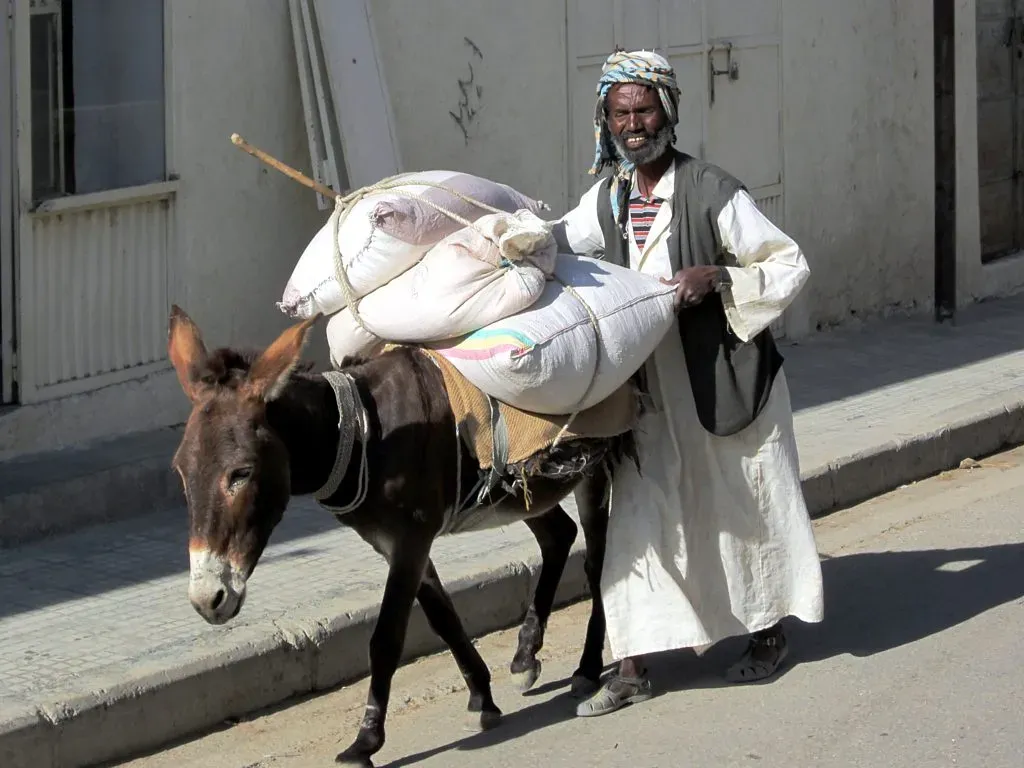
For thousands of years, donkeys have been supporting the daily life of many communities, playing a crucial role in tilling agricultural land and the transport of goods, clean water, and people. Preserving donkey health and welfare is key to sustaining the livelihood of many populations across the world.
In many cases, their support of agricultural work and transport affords families more free time, with subsequent opportunities for women to participate in economic activities and children to access education. In some of the world’s most remote and rural communities, equids represent the only available mode of transport for children to get to school.
A study reported that post-harvest food losses were high in Uganda’s highlands due to a lack of farm transport. The introduction of donkey transport to these areas had a multi-faceted positive effect, not only providing affordable and sustainable transport technology but also reducing the drudgery in day-to-day lives. This applied specifically to women, as they are the ones most closely associated with harvest and post-harvest farm activities.
Working animals generate income that helps families pay for medical bills, and in remote areas and during disasters and emergencies, the animals provide the fastest and most reliable transport to a health clinic. These are not incidental benefits. They are the difference between survival and collapse for millions of households.
Why Protection Has Remained Dangerously Absent
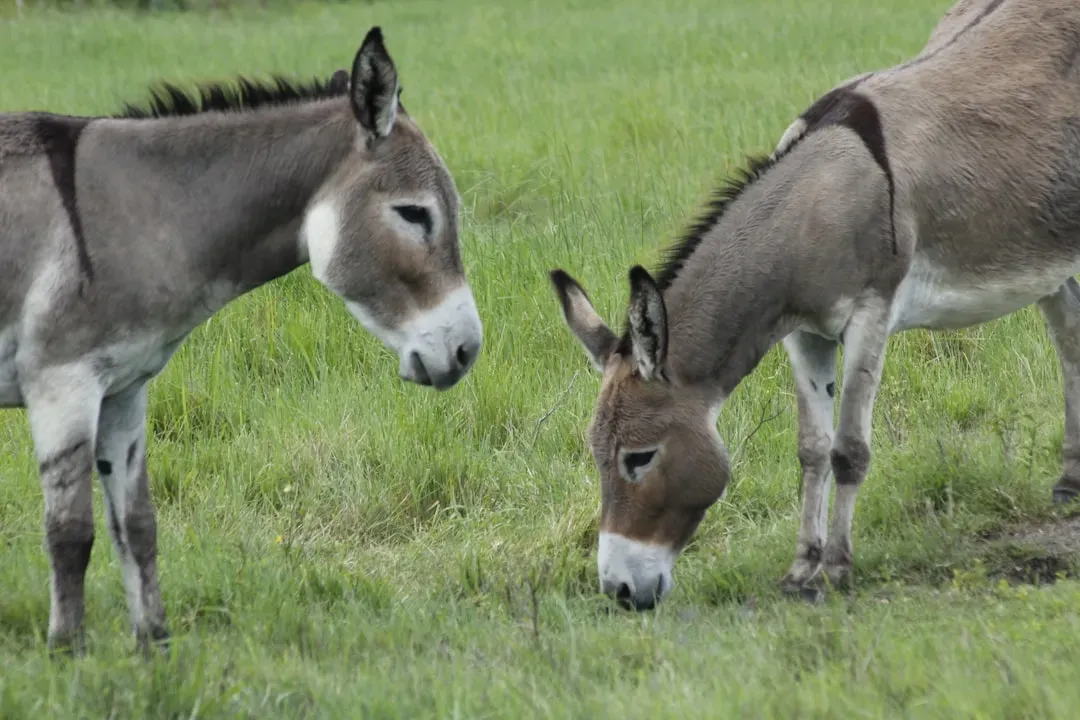
Working animals in general do not receive the same rights as prized animals or those seen as family members. Donkeys fall low on the hierarchy of working animals. Consequently, they are viewed as expendable and endure far worse working conditions and treatment.
Donkeys are resilient species and exhibit functional adaptation in a wide range of climatic conditions. However, in comparison to other livestock species, their inclusion in agricultural or livestock health and nutrition policy, education, and research sectors is negligible. That resilience, ironically, works against them. Because they survive hardship quietly, their suffering goes unnoticed.
Research has not yet fully quantified the value of working donkeys to the overall economies of lower-middle income countries, which may be why their importance has often been overlooked in government-level animal welfare policies. As such, little is done to safeguard donkey welfare, leading to compromised welfare due to harsh working conditions, lack of legislation, and marginalization of both donkeys and donkey-owning communities.
Because donkeys are not exotic or endangered, they are not thought of as needing to be saved. Instead, they slip through the cracks, enduring a life of backbreaking work and inhumane conditions. There is no charismatic narrative attached to them, and that absence of narrative has real consequences.
The Skin Trade: A Crisis Compounding Neglect
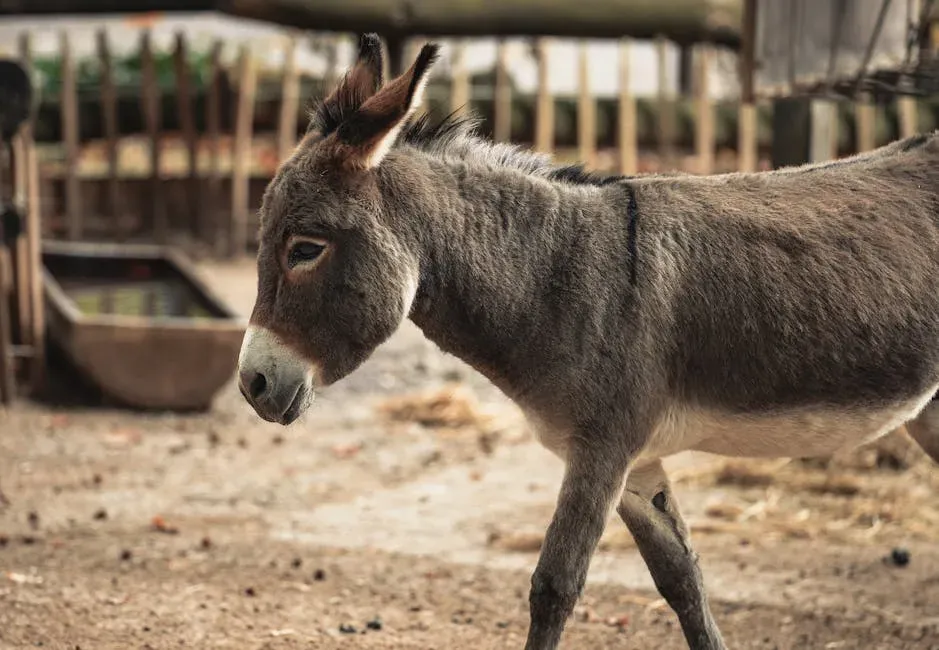
Perhaps no threat to global donkey populations is more alarming than the growing skin trade. Driven by demand for ejiao, a traditional Chinese medicine product made by boiling donkey hides, this trade has created what experts describe as an animal welfare and humanitarian crisis. The ejiao industry now requires a minimum of 5.9 million donkey skins annually to meet demand.
This insatiable appetite has decimated donkey populations worldwide. China’s domestic donkey population has plummeted dramatically, forcing manufacturers to source skins from Africa, South America, and other regions where vulnerable communities depend on these animals for their livelihoods.
The trade raises serious ethical concerns about animal welfare during transport and slaughter. Donkeys caught up in this trade often die in inhumane conditions, with many perishing on their way to slaughterhouses, and even the most vulnerable donkeys, including pregnant mares, young foals, and the sick and injured, are taken without consideration. The suffering extends throughout the supply chain, from theft and illegal procurement to brutal slaughter methods.
In recent years, the demand for products of donkey origin has skyrocketed. Medicinal and beauty products made from the gelatin in donkey skins have grown unsustainably popular, creating a major threat to these animals and the millions of people who depend on them.
What Progress Has Been Made and What Still Needs to Change
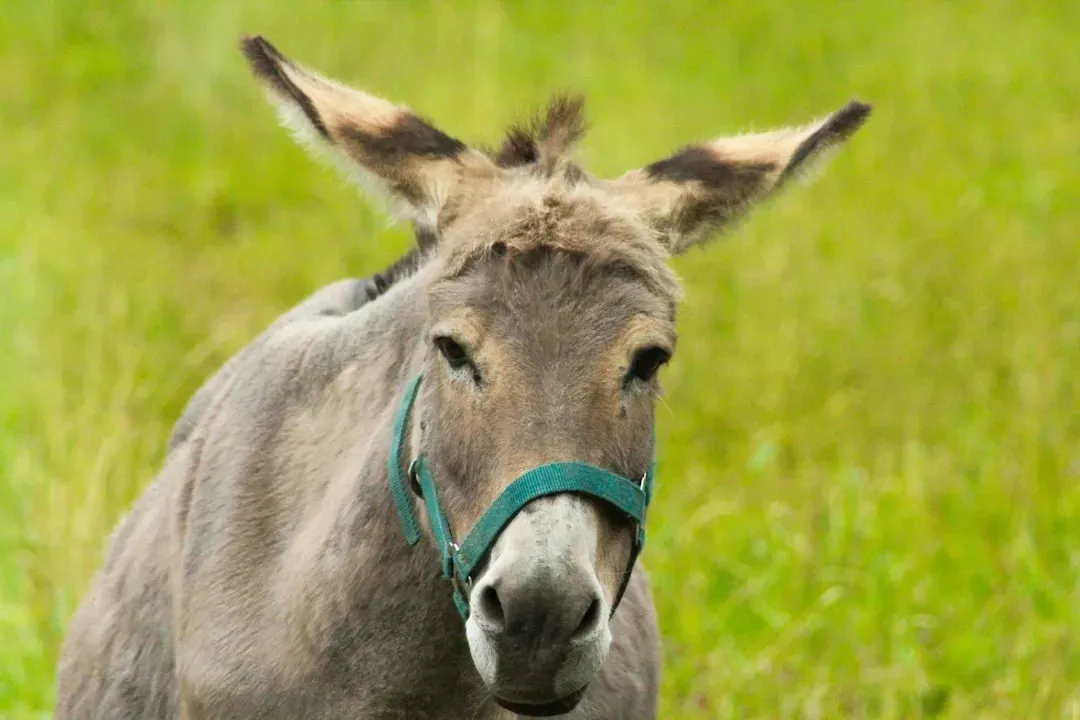
The African Union adopted a moratorium on the donkey skin trade in February 2024, a historic decision that could protect millions of animals across the continent. Several nations including Botswana, Tanzania, Niger, and Mali have already implemented bans on donkey exports and slaughter operations. However, enforcement remains challenging.
Research has delivered insights that enhance welfare and strengthen communities, from pioneering behavioral assessment tools to reporting on the social and economic devastation caused by the donkey skin trade in rural Kenya. Those findings have supported continent-wide policy actions, including the African Union’s ban on donkey slaughter in 2024.
The Donkey Sanctuary’s advocacy team is working with organizations including the World Organisation for Animal Health, the World Bank, the United Nations, the Food and Agriculture Organisation, and the European Union. Their advocacy work is harnessed to the United Nations’ 17 Sustainable Development Goals, identified to alleviate global poverty, hunger, illiteracy, and disease.
Implementing change is not only beneficial to donkeys but also to those who rely on them for commerce. The longer a donkey remains healthy, the longer it can work. Donkeys should be viewed as an investment rather than a means to an end.
Conclusion
The gap between what donkeys contribute and how they are treated is not a small oversight. It is a structural blind spot in global development thinking. These animals help the world’s poorest communities lift themselves toward goals that international bodies have spent decades trying to reach. Despite the substantial contribution donkeys make to the livelihood of the world’s poorest populations, they have received little notice worldwide, and donkeys and mules are not given enough credit or attention in developing strategies regarding their role in reducing poverty.
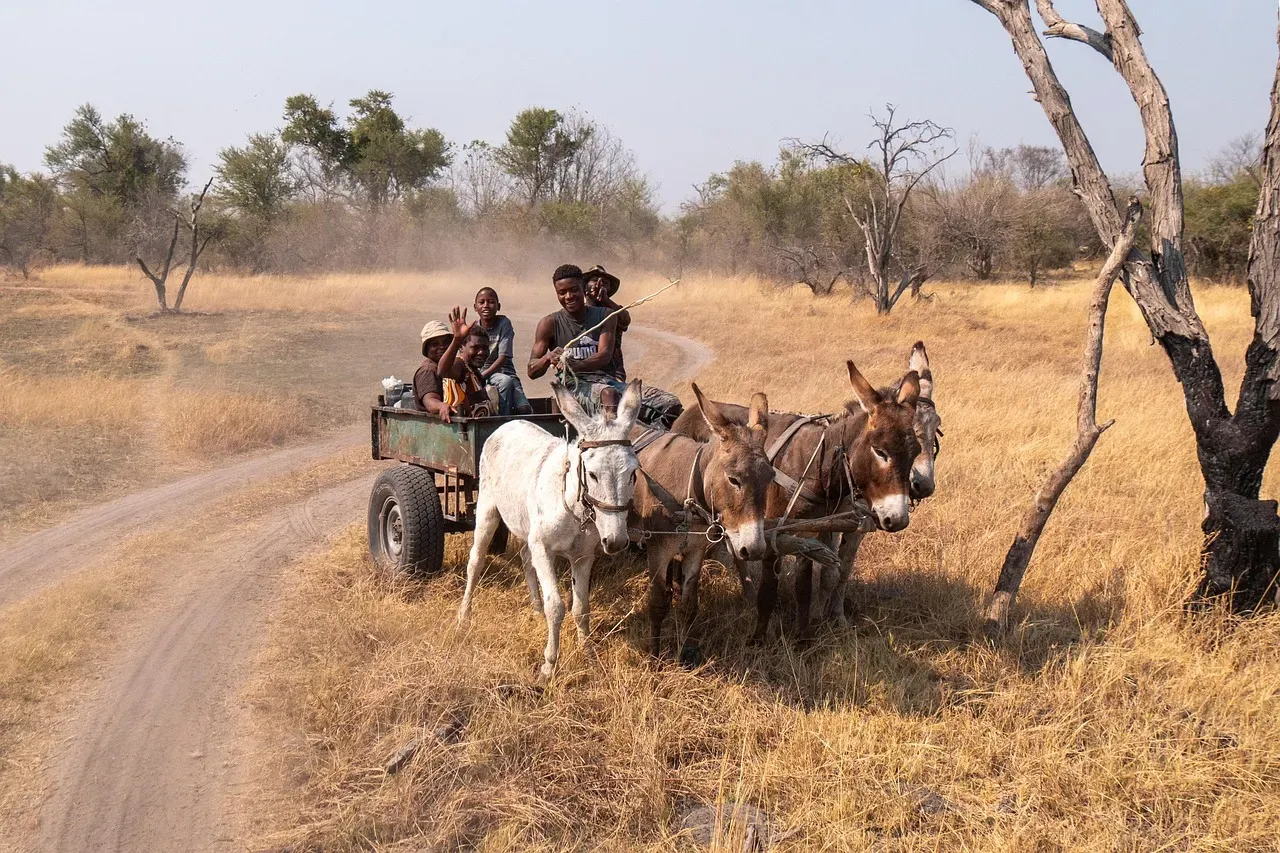
Throughout Africa, donkeys are a lifeline to communities, especially in rural areas where they transport goods to market, fetch water, help with crops, and give children the opportunity to go to school. They offer critical livelihood support and, in doing so, help progress toward many of the ambitious UN Sustainable Development Goal targets.
Progress is happening, but slowly. The most meaningful shift may come not from a single policy but from something simpler: recognizing that an animal capable of sustaining millions of lives deserves at least a fraction of the care it makes possible for others.
