
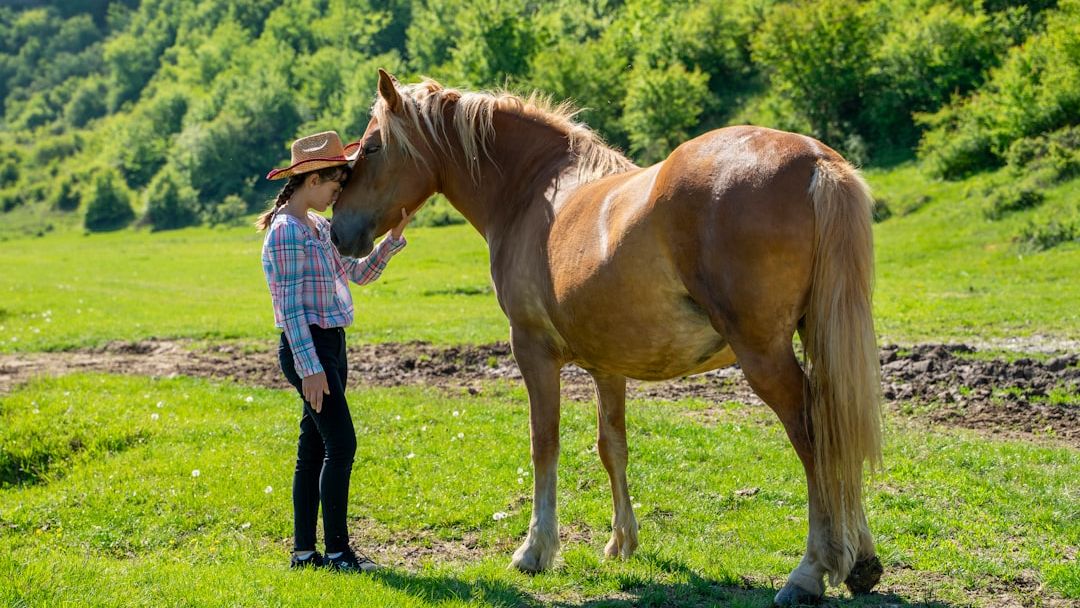
There’s a certain kind of person who doesn’t flinch at a 5 a.m. alarm, a muddy paddock, and a vet bill that arrived on the same Tuesday. Horse owners are that kind of person. It’s not a hobby you drift into. It finds you, grabs hold, and doesn’t let go.
Owning a horse is one of the most layered commitments a person can make to an animal. Unlike most pets, a horse demands daily physical presence, significant financial planning, and a willingness to genuinely understand another living creature on its own terms. The people who choose this life tend to share some deeply rooted qualities worth understanding.
You Think in Decades, Not Days
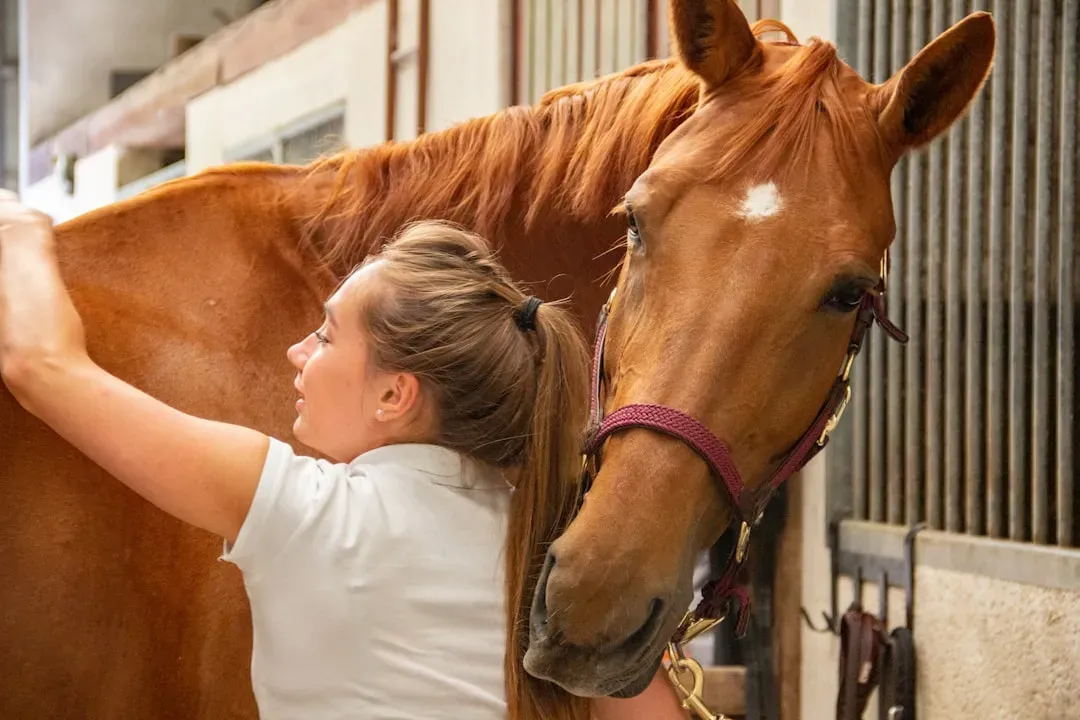
The average lifespan of a horse runs roughly 25 to 30 years, depending on breed and overall health. That single fact changes everything. When you take on a horse, you’re not making a weekend decision. You’re rearranging your life for a very long time.
The average life of a horse is 20 to 30 years, and the commitment to own and provide for one should never be made without considering how stable your financial resources are. At a conservative yearly expense, the financial commitment over a horse’s life can exceed $60,000. That’s a figure most people haven’t stopped to calculate.
For many people, owning a horse is more than a financial investment. It’s a lifestyle. Horses require daily care, financial commitment, and long-term responsibility, often for 20 to 30 years. People who accept this without hesitation tend to be planners by nature. They build systems. They don’t walk into major decisions lightly, and they’re not easily scared off by complexity.
You Have an Uncommon Capacity for Patience
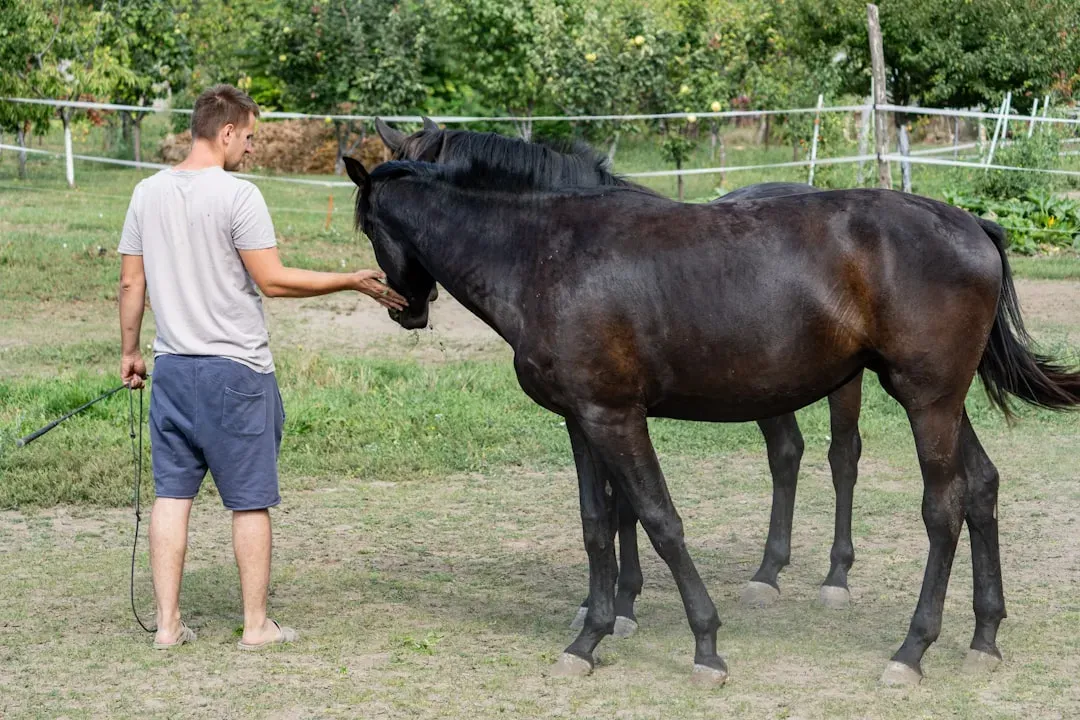
Horses are extremely intelligent beings and they are great at pushing boundaries to see what they can get away with. Working with them over many years requires patience that most people simply haven’t developed. That patience isn’t passive. It’s an active, daily practice.
When it comes to training horses, there is a lot of repetition, and you need to have patience and set your emotions aside to accomplish the task. This is the kind of self-regulation that spills over into other parts of life. Horse owners who learn to manage their frustration in the barn often carry that discipline into their relationships and work.
Recognizing behavioral patterns in horses helps handlers and trainers adapt their approach to better meet each horse’s needs, improve welfare, and support more effective communication, without making assumptions about the animal’s perspective. In other words, owning a horse teaches you to read situations carefully rather than react impulsively. That’s not a small thing.
You Build Relationships on Trust, Not Control
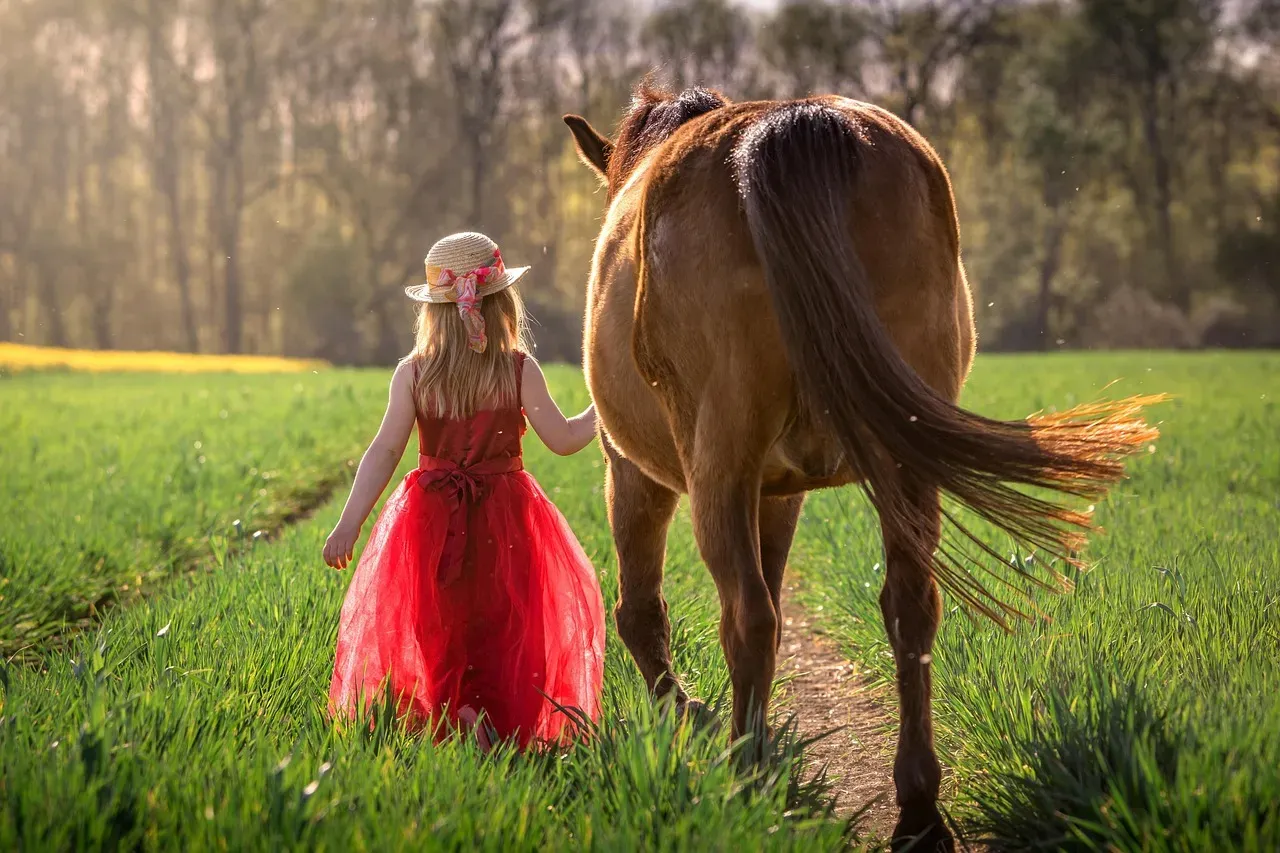
Domesticated horses are looking for a leader when it comes to working with humans. If they do not respect or trust you as a leader, they will not do as you ask. Because of a horse’s size, you must be assertive but in a respectful way. Horses do not respond to being pushed around or bullied, so you have to be creative in your assertive, yet respectful tactics.
The bond between a horse and its owner goes beyond tasks or performance. By understanding your horse’s psychology, how they think, feel, and react, you can create a partnership built on mutual respect and communication. This instinct toward trust-based connection usually shows up in how horse owners treat the people around them too.
Research from the University of Helsinki confirms that horses can act as meaningful attachment figures for people, much like pets and other humans. The bond between humans and horses dates back thousands of years, and horses occupy a unique position in human life, falling somewhere between working animals and companion animals. Those who choose that relationship tend to value depth over convenience in most of their connections.
You’re Financially Disciplined and Practically Minded
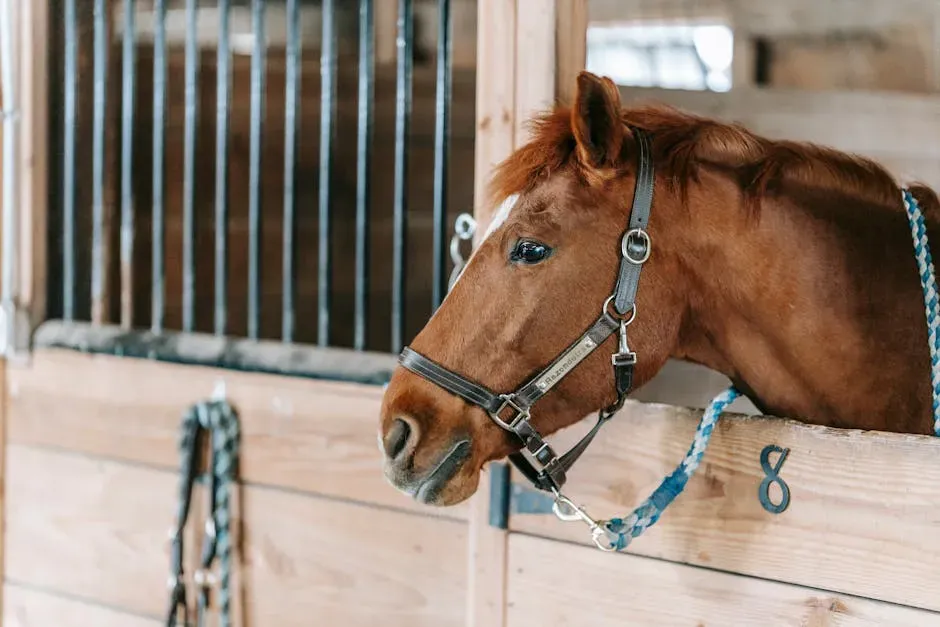
The average horse owner spends between $8,600 and $26,000 annually, with lifetime costs potentially reaching nearly a million dollars. That’s not a number that sneaks up on responsible owners. It’s a number they’ve planned for, budgeted around, and built their financial lives to accommodate.
Beyond money, horses require a massive time commitment. Owning a horse is a dream for many riders, but the real financial commitment often surprises even experienced equestrians. Between boarding, feed, veterinary care, and unexpected expenses, the true cost of horse ownership varies widely. The people who thrive are those who did their homework long before they ever signed a bill of sale.
From veterinary care to feeding, hoof care, and housing, the costs add up quickly. It’s crucial for anyone considering horse ownership to not only prepare for these expenses but to also embrace the responsibility that comes with it. Horse owners who stay the course aren’t reckless spenders. They’re resourceful, forward-thinking, and rarely caught off guard by a repair bill or a vet visit.
You’re Deeply Attuned to Nonverbal Communication
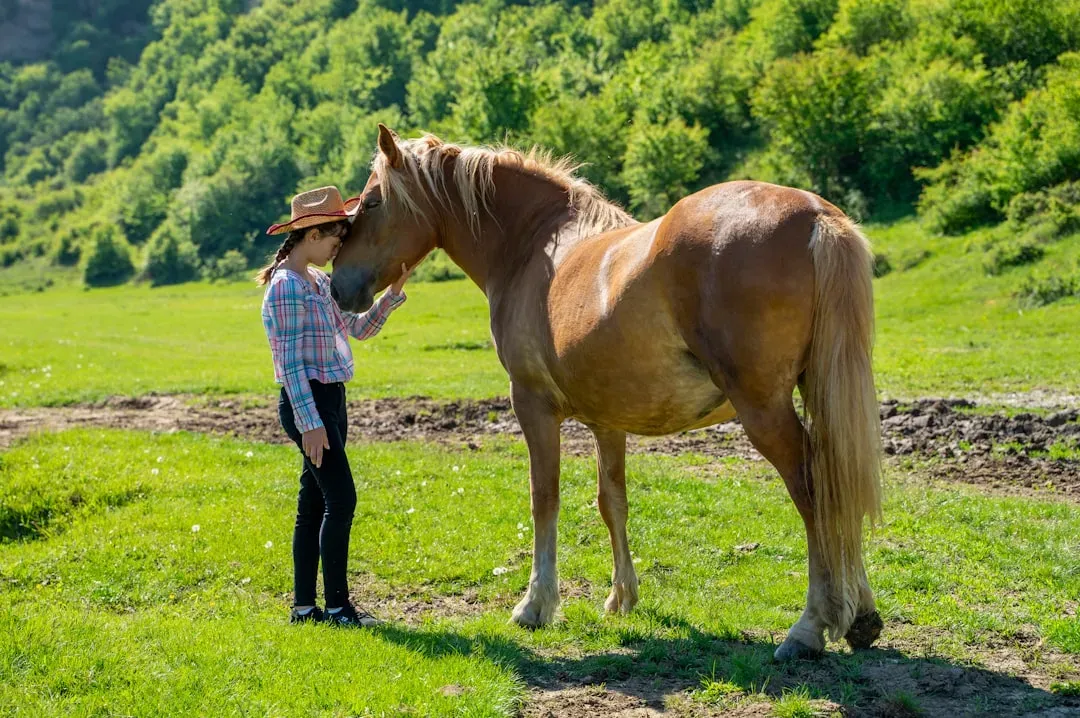
Horses may be known for their flight instincts as prey animals that rely on running from danger, but they are also highly intelligent, emotionally aware creatures. Just like people, each horse has a unique personality. Some are more bold and curious, while others may be anxious or shy. Learning to read those differences is something horse owners develop over years.
Horses may not talk, but they communicate volumes through body language and subtle behaviors. By paying attention to these cues, you can better understand how your horse feels and adapt your training approach accordingly. This kind of attentiveness to unspoken signals carries over directly into how horse owners interact with people. They tend to notice what others miss.
Horses are also known to have exceptional memory. They can remember both horse and human friends for their entire life. If a horse is treated kindly, it often remembers the person who treated it kindly, even after much time has passed. Research has also shown that horses can recognize human emotions and even remember your voice. Knowing that, it’s hard to approach a horse carelessly. The best owners never do.
Conclusion
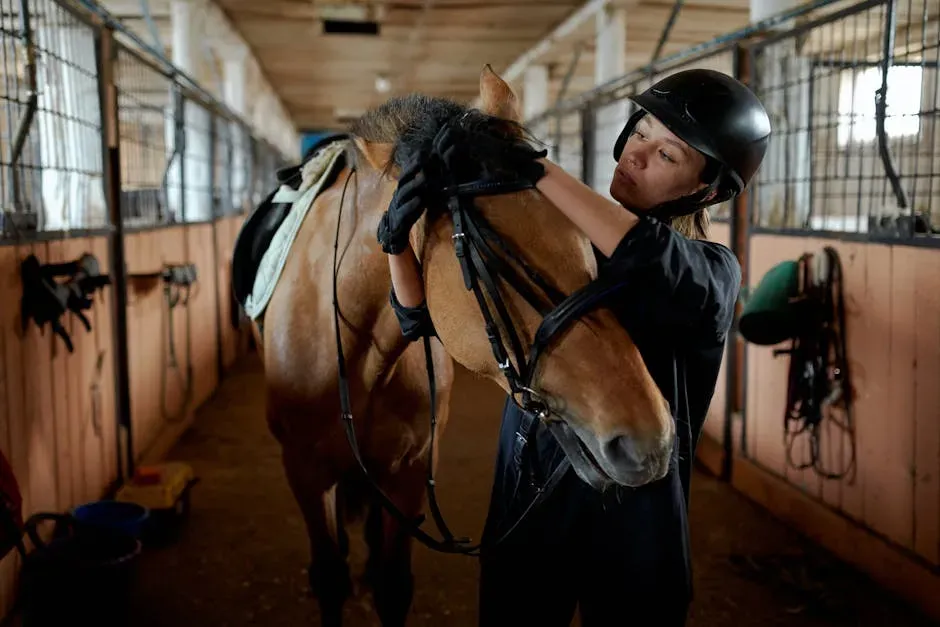
There’s no single personality blueprint that produces a horse owner, but the traits that allow someone to thrive in that role are remarkably consistent. Patience, financial foresight, trust-based leadership, long-term thinking, and a genuine capacity to tune into another being’s emotional state. These aren’t qualities you put on for the barn and leave behind on the drive home.
What owning a horse ultimately is quieter than any personality test could capture. It says you chose something hard on purpose. You chose a relationship that asks more than it gives on most ordinary days, and you showed up anyway. That’s a particular kind of character. The horses tend to notice it first.
