

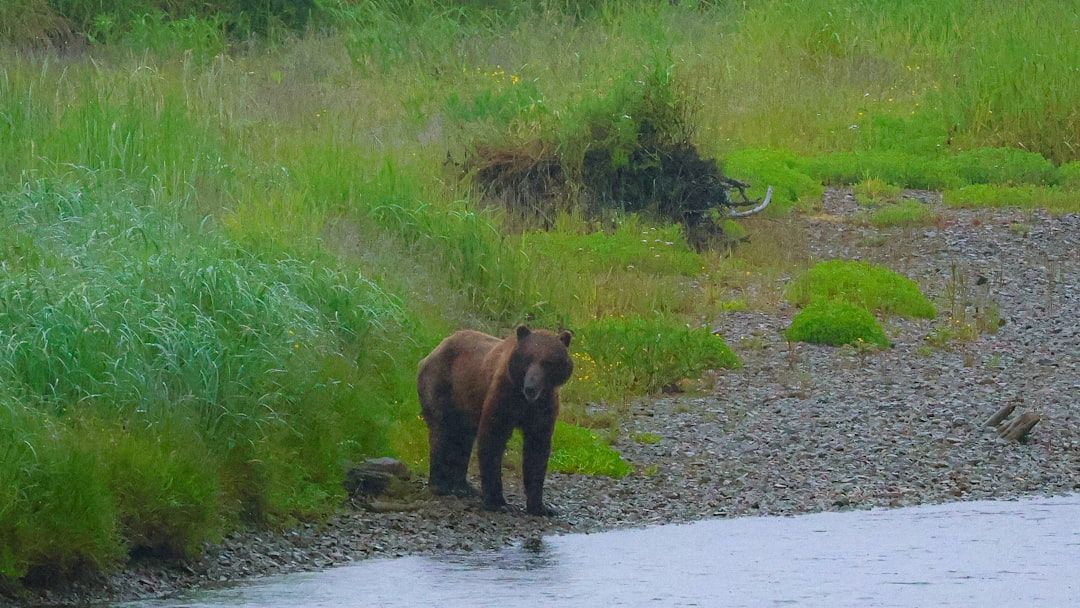
Alaska wildlife agents can kill bears from helicopters to protect caribou, judge says – Image for illustrative purposes only (Image credits: Unsplash)
Alaska – A federal judge has cleared the way for state wildlife agents to resume shooting bears from helicopters as part of a targeted effort to rebuild a struggling caribou herd. The ruling lifts prior limits that had paused the practice, restoring an option long used in remote areas where ground access is limited. Officials view the decision as a practical step in a larger plan to stabilize the population through direct predator management.
Core Elements of the Court Decision
The order explicitly permits the use of helicopters for lethal control of bears when conditions align with the recovery goals for the caribou. Agents must still follow established safety and operational protocols during any flights. The ruling emphasizes that the method serves as one tool among several aimed at improving survival rates for the herd.
Previous pauses in the program stemmed from legal challenges that questioned the approach on both practical and regulatory grounds. With the new decision in place, the state can move forward without immediate court interference. The focus remains on balancing predator numbers with the needs of the caribou in their natural range.
Why the Practice Matters for the Herd
Caribou populations in parts of Alaska have faced sustained pressure from predation, habitat shifts, and other environmental factors. Removing bears from the air allows teams to reach isolated zones quickly and address threats that ground crews cannot easily manage. Supporters argue this targeted action can give calves a better chance to survive into adulthood.
The strategy fits into broader wildlife management that combines monitoring, habitat protection, and selective predator control. Without such measures, recovery timelines for the herd could stretch much longer. The judge’s approval signals that the court sees the approach as consistent with existing conservation authorities.
Next Steps for Implementation
State agencies will now review current conditions and determine when and where flights can resume safely. Coordination with federal partners remains essential to ensure all activities stay within legal boundaries. Officials expect the program to operate under the same oversight that guided earlier phases.
Wildlife managers will continue tracking herd numbers and predator activity to measure results over time. Adjustments can be made if data shows the need for changes in timing or scope. The overall goal stays fixed on long-term stability for the caribou rather than short-term population spikes.
Key points from the ruling:
- Helicopter-based bear control is once again authorized.
- The action supports an established caribou recovery plan.
- Operations must follow all safety and regulatory requirements.
The decision underscores how wildlife agencies sometimes rely on direct intervention when natural recovery alone proves insufficient. Continued monitoring will show whether the restored option delivers measurable gains for the herd in the seasons ahead.
