
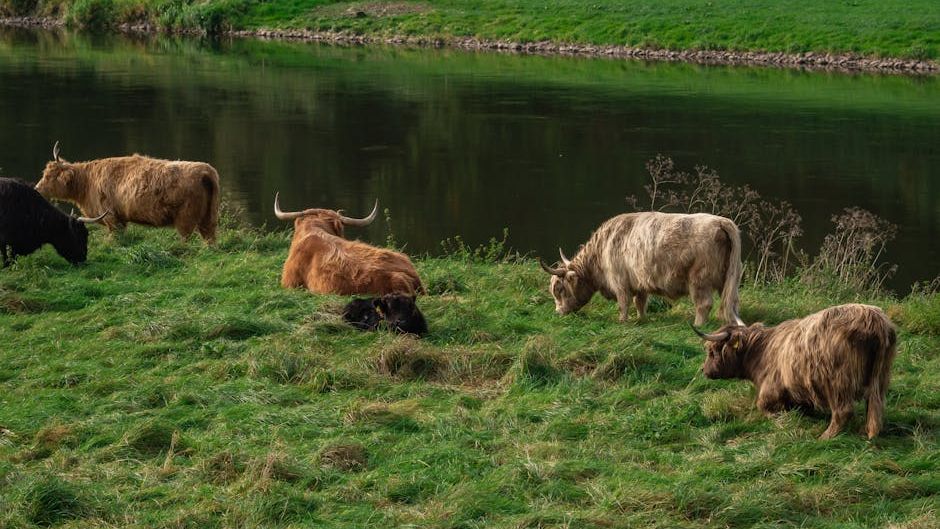
Most people think of wildlife conservation as simply keeping animals alive. Protect a species, count its numbers, celebrate when the population stabilizes. That’s the familiar story. What surprises many, though, is how much happens downstream when animals are actually allowed to move freely across landscapes rather than simply exist within them.
The science here keeps widening. Letting wild animals roam, in their own territories, following their own instincts, turns out to trigger a cascade of ecological, economic, and even human health benefits that no one fully anticipated. The connections are sometimes strange, often humbling, and always worth understanding.
Restoring the Hidden Architecture of Ecosystems
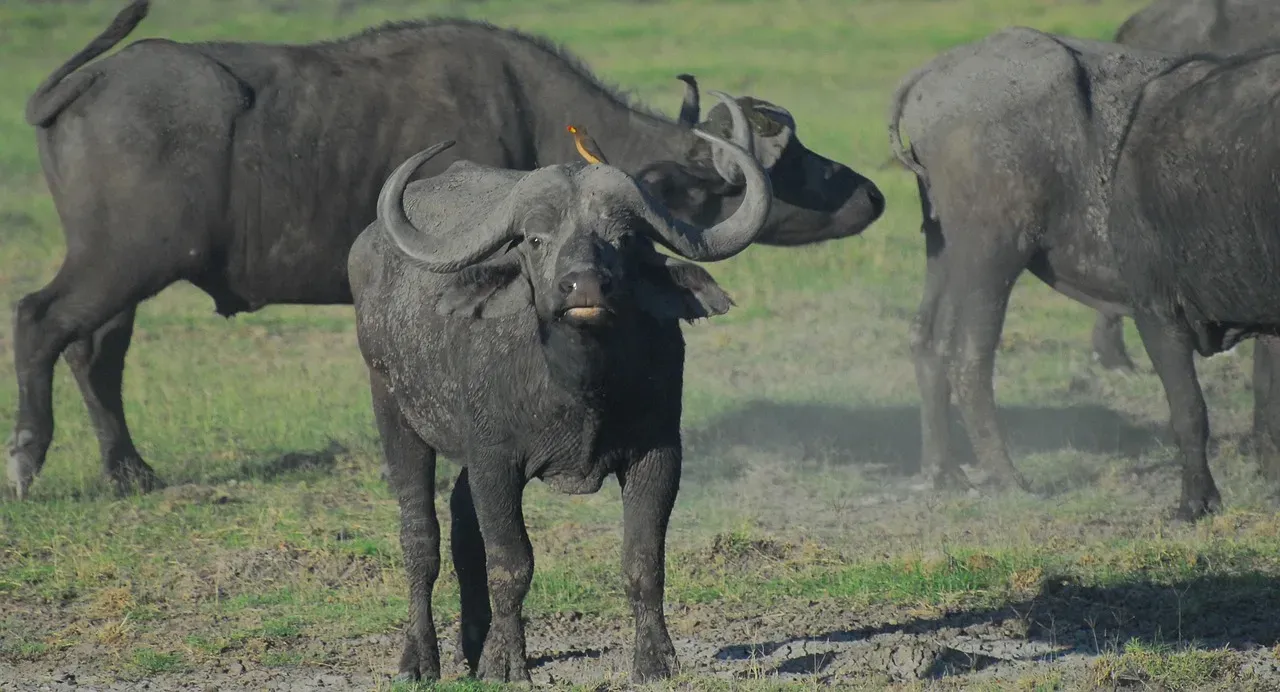
When wild animals are free to move and behave naturally, they restore the natural functions of an ecosystem by facilitating processes such as predator behavior, seed dispersal, and nutrient cycling, while also encouraging natural species interaction which restores balance to a region. These aren’t abstract ecological concepts. They’re the invisible infrastructure holding landscapes together.
A trophic cascade takes place when animals at the top of a food chain change the numbers not just of their prey, but also of those species with which they have no direct connection, with their impacts cascading down the food chain and in some cases radically changing the ecosystem, the landscape, and even the chemical composition of the soil and the atmosphere. That reach is remarkable. One predator’s presence can reorganize an entire region’s ecology.
Predators may fill crucial gaps in the food chain and reduce the population of grazing animals, which can damage vegetation when numbers grow too high. Remove that natural regulation and the effects compound quickly, often in ways that take years to undo.
Rewilded ecosystems tend to be more resilient to environmental changes and climate disruptions, helping ecosystems adapt to climate change, protect against natural disasters, combat invasive species, and recover more quickly. The more diverse and complex an ecosystem is, the more robust and resilient it becomes.
Animals as Unexpected Climate Allies
Rewilding can respond to both the causes and effects of climate change and has been posited as a natural climate solution, with the creation and restoration of ecosystems contributing to climate change mitigation through carbon capture and storage, natural flood management, reduction of wildfire risk, and enabling the movement of species to new climate-safe habitats.
The functional roles animals perform in ecosystems, such as grazing, nutrient cycling, and seed distribution, can influence the amount of carbon that soils and plants capture, with herbivores consuming vegetation, assimilating carbon within their own biomass, and releasing it through respiration and defecation after digestion. In other words, free-roaming herbivores are active participants in the carbon cycle, not passive bystanders.
Because rewilding involves letting nature re-establish itself in a given area, vegetation and forests tend to thrive, and forests, plants, and healthy soil are all important carbon sinks that help absorb excess carbon dioxide from the atmosphere. This happens naturally, without the need for engineered solutions, simply by stepping back.
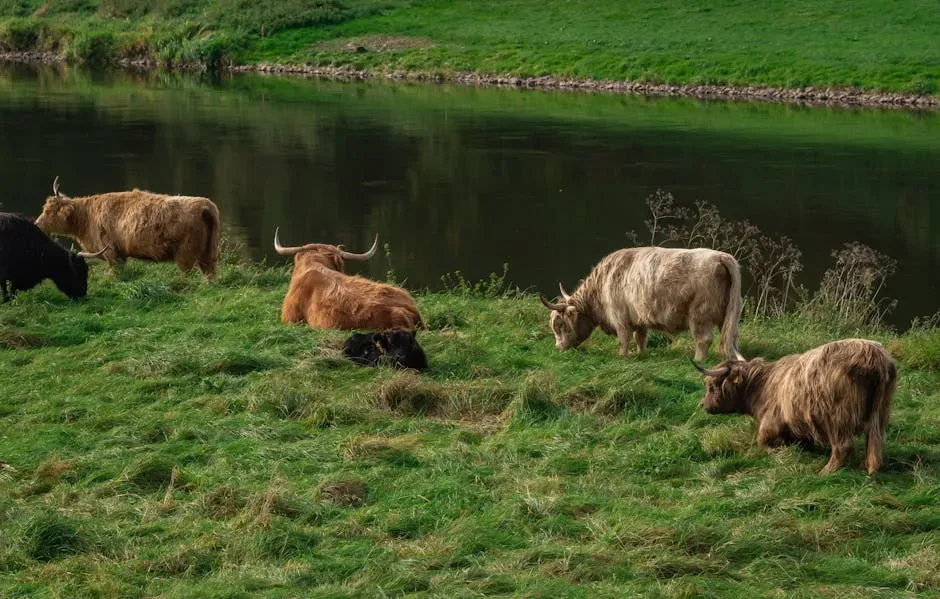
De-domesticated cattle and horses at various stages on the wilding pathway are helping create ecosystem assets that sequester carbon, reduce the risk of extreme flood and wildfire events, and contribute to rural regeneration through ecotourism. The economic and environmental dividends arrive together, not one at the expense of the other.
The Keystone Effect: When One Species Changes Everything
A keystone species is a species that has a disproportionately large effect on its environment relative to its abundance. The concept sounds straightforward, yet the real-world examples remain genuinely surprising even to those who have read about them before.
Beaver dams provide habitats for fish, water voles, otters, and frogs, while protecting local towns and villages from flooding. In Ireland, the resurgence of the pine marten has pushed back the grey squirrel, allowing red squirrels to recolonise. One species creates shelter for many others and resolves a competition that humans had struggled to manage.
Beavers are reshaping British rivers for the first time in centuries. Wolves are changing Yellowstone’s very topography. Bison are being reintroduced to prairies. Pine martens are returning to Scotland. Each success builds knowledge, confidence, and momentum for the next project.
Twenty years ago, fewer than 100 Iberian lynx survived in isolated patches of Spanish scrubland. Today, over 2,200 roam across the Iberian Peninsula, with populations continuing to grow, encapsulating what is possible when there is a genuine commitment to restoration. The recovery involved habitat corridors, prey programs, and road crossings. It required systemic thinking, not just goodwill.
Economic Ripples in Rural Communities
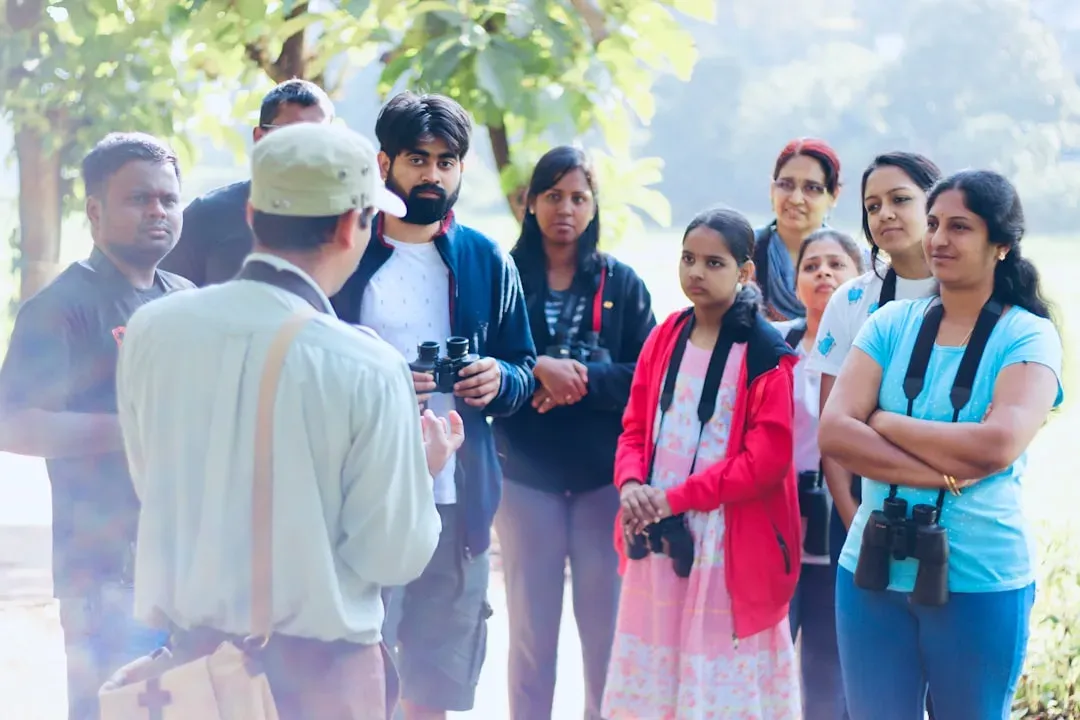
It’s not only about nature. People can also benefit enormously from rewilding initiatives, including new opportunities for economic activity such as nature-based tourism and wilderness exploration. This is often the part that surprises skeptics most. Wilder landscapes can be genuinely good business.
Rewilding also creates new economic opportunities, with ecotourism booming in areas with successful reintroductions. Yellowstone’s wolves attract hundreds of thousands of visitors annually, generating an estimated $35 million in tourism revenue for local communities. A single reintroduction, initially controversial, has become a regional economic anchor.
In the hills of southern Norway, the return of trees has been accompanied by a diversification and enrichment of the local economy, where the marginal income from farming is supplemented with nature-based tourism, forest products, hunting, fishing, outdoor education, snow sports, and hiking. These aren’t niche outcomes. They represent real income for real households.
Rewilded ecosystems can also create socio-economic opportunities for local communities, reduce the effects of and costs associated with environmental hazards such as flooding, and improve human health and wellbeing by improving access to nature. Those savings on hazard management alone can be significant, particularly in flood-prone regions.
Human Wellbeing: The Benefit Nobody Advertised
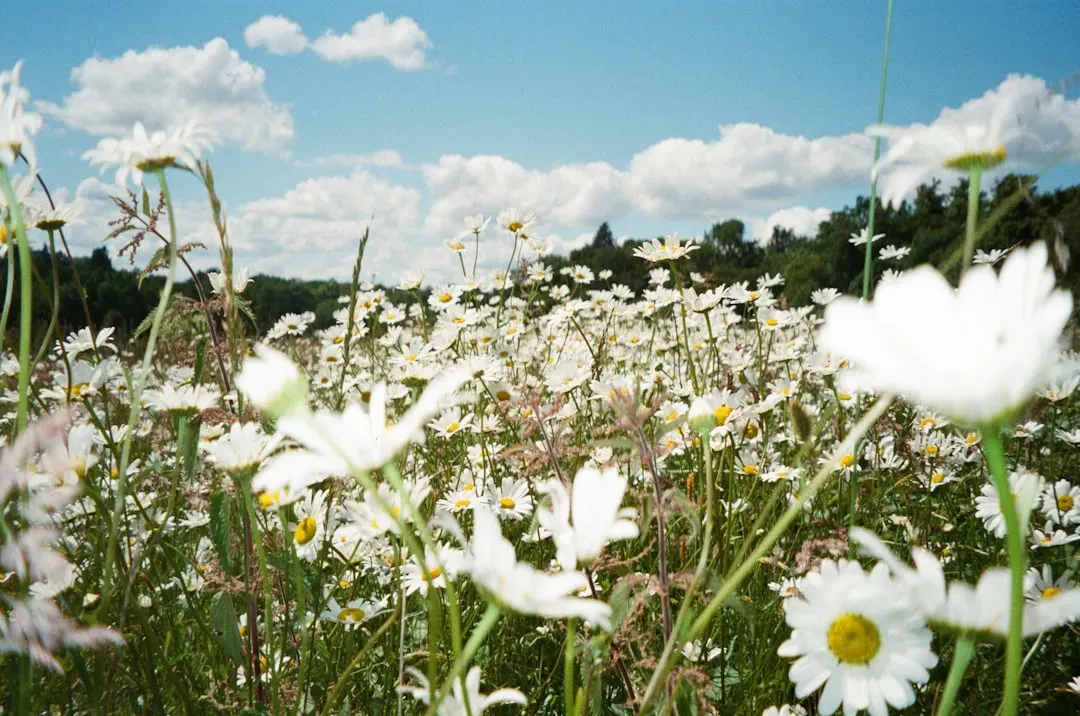
Experiencing the thrill of wild nature reconnects people with our living planet, improves health and wellbeing, and builds a shared sense of humanity and pride, both in the countryside and in cities. This connection is more than sentimental. Research increasingly points to measurable mental and physical health outcomes from regular exposure to functioning natural environments.
There is a growing realisation that connecting with wild nature makes us feel good and keeps us mentally and physically well, and rewilding is about reconnecting a modern society, both rural and urban, with wilder nature. Urban rewilding projects, where wildlife corridors thread through cities and rivers are allowed to move naturally, are bringing this closer to everyday life.
Akagera National Park in Rwanda is now home to nearly 12,000 wild animals, up from fewer than 5,000 just a decade ago, and the transformation has also empowered local communities through employment, tourism, and pride in their national heritage. That last word matters. Pride in place is a genuine and undervalued social resource.
Rewilding reinforces the importance of large-scale conservation and creates thriving natural landscapes that inspire and educate, fostering a deeper appreciation for the environment and ensuring that the splendor of the natural world endures for generations to come. The intangible benefits compound quietly over time, shaping how entire communities see themselves in relation to the land.
Conclusion
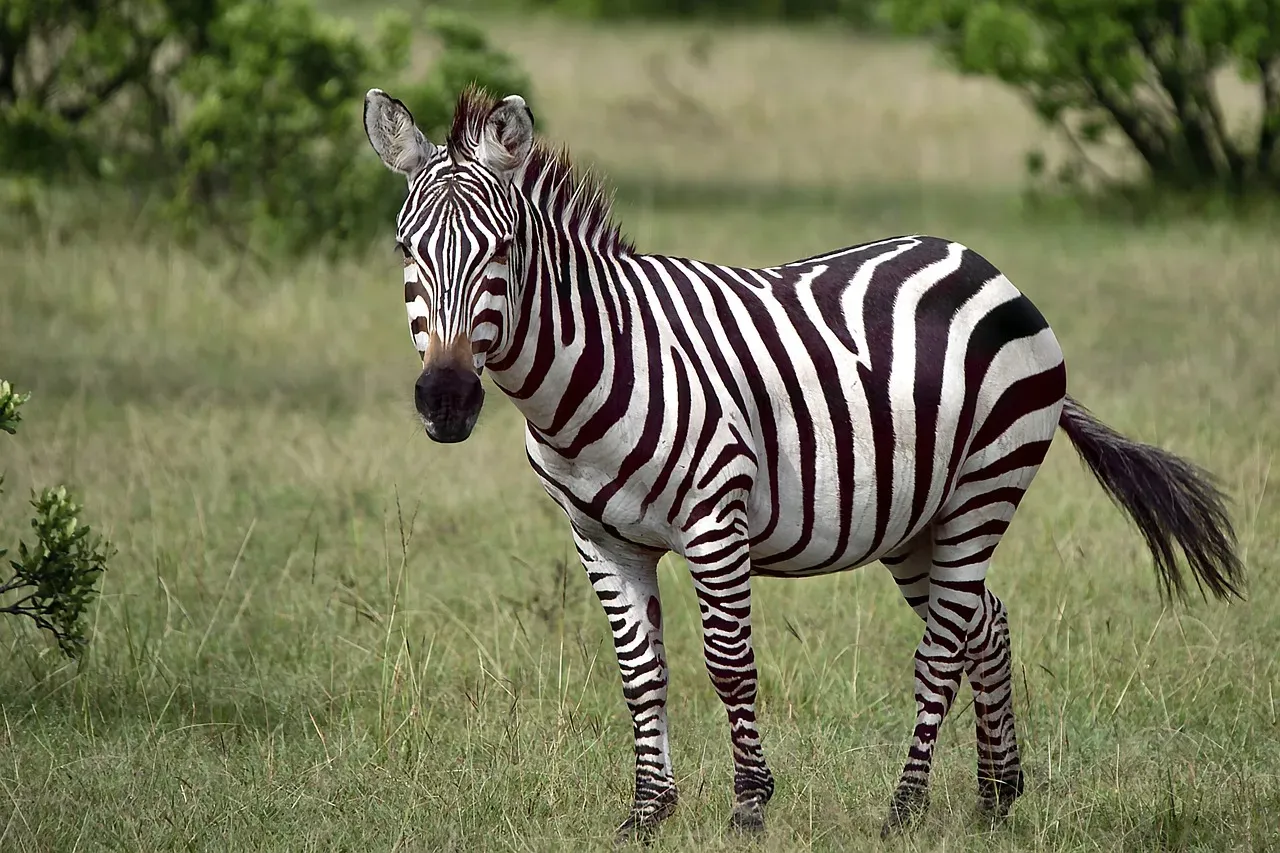
The argument for is not simply an emotional one, though the emotional resonance is real. It is an argument grounded in ecology, economics, and an emerging understanding of how deeply human wellbeing is tied to the health of the natural world.
What makes this field genuinely compelling is that nature, when given space, tends to do a better job than we expect. Wolves regulate rivers. Beavers prevent floods. Lynx recover from the edge. These aren’t romantic ideas. They’re documented outcomes.
The unexpected part isn’t that wild animals provide benefits when they roam freely. The unexpected part is how many of those benefits flow quietly and invisibly into systems we rely on every day, until we finally look closely enough to notice.

- 14 Signs a Dog Near the Rainbow Bridge Is at Peace With Its Person - July 21, 2026
- 15 Ways a Shelter Animal Tells You It Was Always Meant to Be Yours - July 21, 2026
- 14 Ways a Dog Shows You Are the Center of Its Whole World - July 21, 2026