
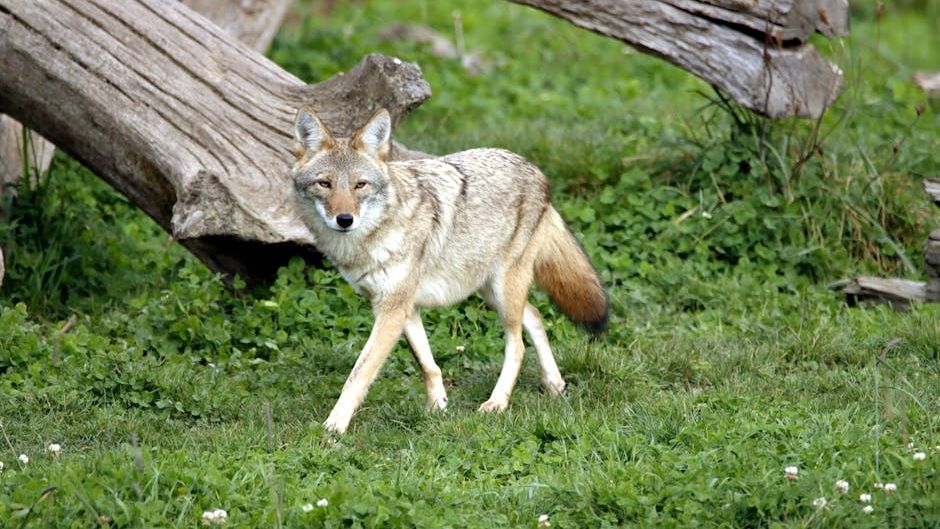
There’s something quietly unsettling about watching a coyote pause at a crosswalk, scan the traffic, and then trot across when the cars thin out. It sounds like folklore. It isn’t. Across North American cities, from Chicago’s sprawling suburbs to the alleyways of Los Angeles and the edge parks of New York, coyotes have woven themselves into the urban fabric in ways that most people haven’t quite registered yet. They’re not lost. They’re not passing through. They’re hunting.
What makes this remarkable isn’t just their physical presence in cities. Coyotes have shown a remarkable ability to adapt to urban ecosystems, and their presence is becoming increasingly common in cities such as St. Louis, New York, and Chicago. The more interesting question is how they’re doing it, and what it reveals about a kind of intelligence that most people wouldn’t associate with a mid-sized carnivore threading its way through a neighborhood at 2 a.m.
A Brain Built for the City’s Complexity
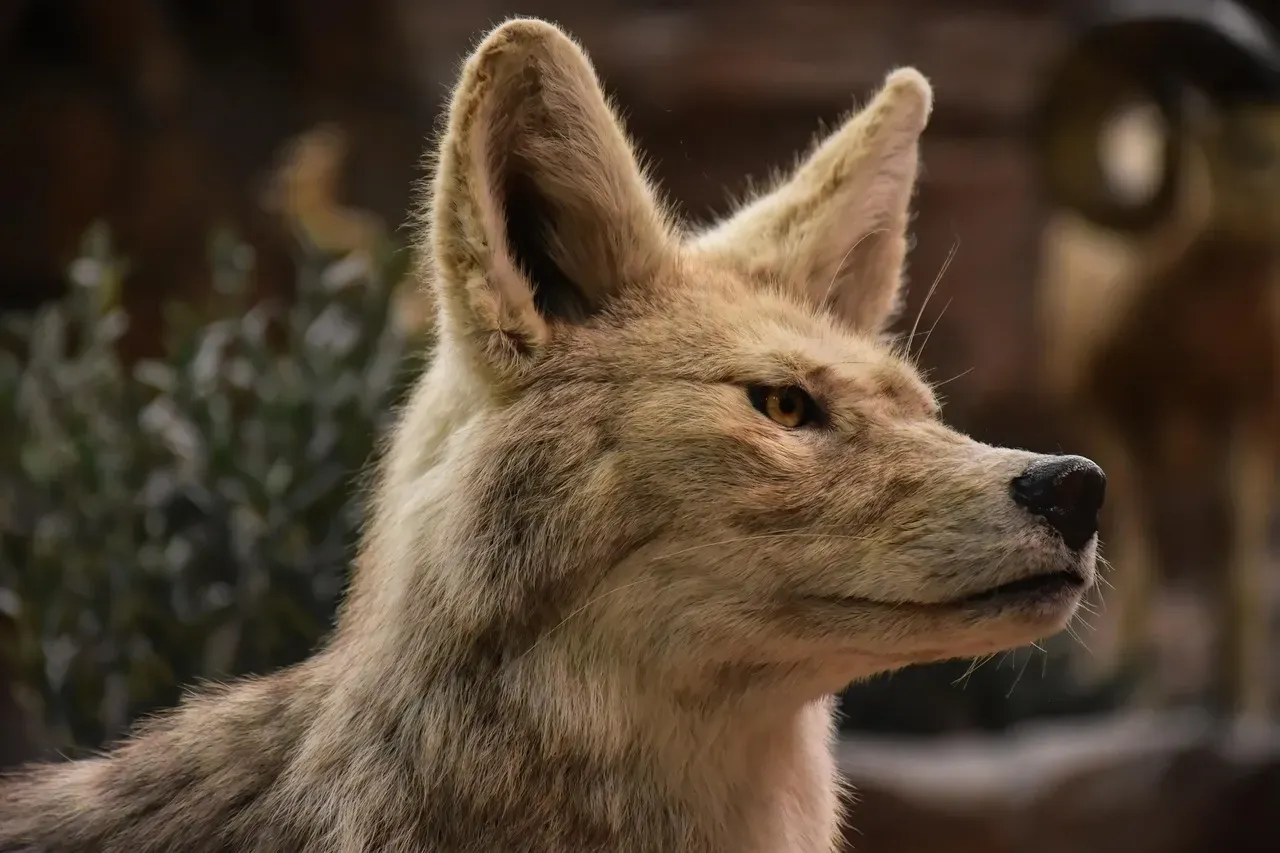
Coyotes were never supposed to thrive in cities. The conventional wisdom held that dense human activity would push them out. Instead, the opposite happened, and researchers are increasingly pointing to one factor above all: cognitive capacity.
Coyotes have large neocortices, the outer brain layer associated with higher-level functions such as reasoning, learning, and decision-making. This helps explain their capacity for adaptation and behavioral plasticity. That’s a meaningful structural advantage, not just a behavioral quirk. It means urban coyotes aren’t simply lucky – they’re thinking.
Urban areas provide coyotes with a different set of problems to solve, creating a very broad range of different selection pressures, from avoiding humans to accessing readily available food. Urban areas require wildlife to make more decisions and assess more new and changing situations than rural areas do. Researchers therefore expect an increase in cognition. The city, in a real sense, is sharpening them.
Masters of the Nocturnal Shift
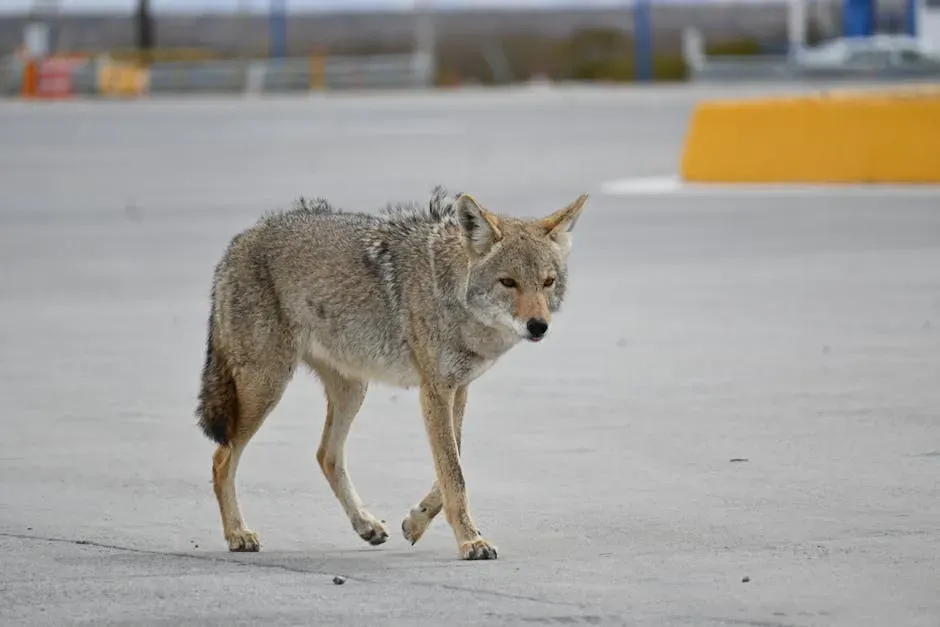
One of the clearest signs of deliberate behavioral intelligence is how urban coyotes have restructured their entire hunting schedule around human activity. In undisturbed wilderness, coyotes are naturally crepuscular, most active at dawn and dusk. In cities, the calculus changes entirely.
Urban coyotes demonstrate behavioral plasticity, changing their activity patterns from diurnal, or daytime, in rural settings to predominantly nocturnal in cities to avoid human activities. This isn’t random drift. It’s a learned, strategic adjustment. Scientists have found that urban coyotes shift their active time to nighttime rather than daytime.
By becoming more active during the night, coyotes reduce their chances of encountering humans, thereby minimizing risks and conflicts. This behavioral shift also aligns with the availability of food sources, such as garbage and small nocturnal animals, which are more accessible during nighttime hours. The nocturnal pivot isn’t just about avoidance. It’s a complete hunt optimization strategy, timed to both the human schedule and their prey’s movements simultaneously.
Cooperative Hunting Inside the Concrete Maze
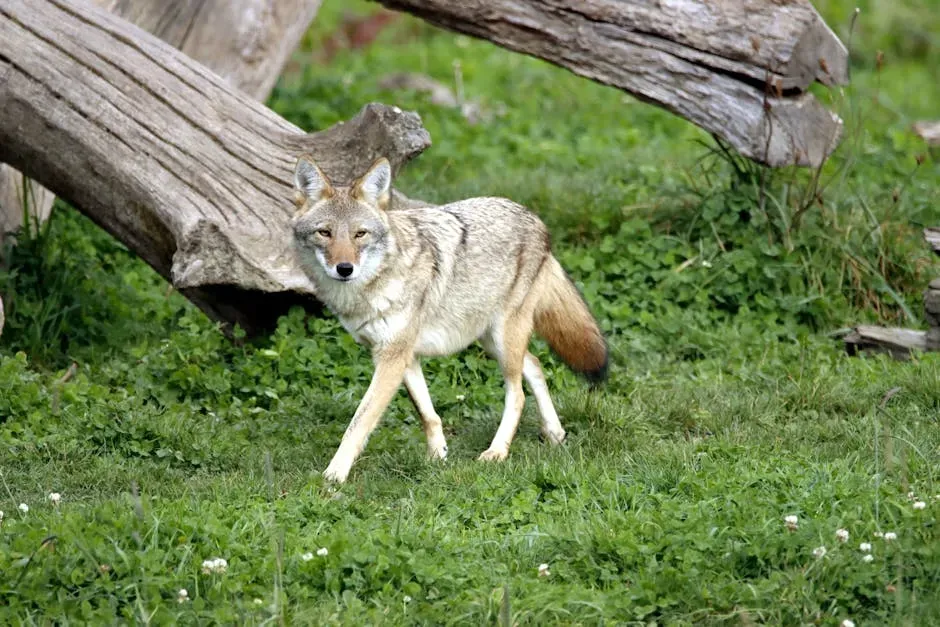
Urban coyotes don’t always hunt alone. What researchers are documenting in city environments is a flexible, situationally adjusted approach to collaborative hunting that goes well beyond simple pack behavior.
Their hunting strategies are equally versatile. Coyotes are skilled at solitary hunting, relying on stealth and speed to capture their prey. However, they can also hunt in pairs or small groups, particularly when targeting larger animals such as deer. In urban settings, this cooperative hunting can be observed when coyotes work together to corner and capture elusive prey within confined spaces like backyards or alleys.
Their ability to switch between different hunting techniques makes them effective predators in a variety of settings. In addition to their physical abilities, coyotes possess keen problem-solving skills. They have been observed using complex strategies to access food, such as opening gates or manipulating objects to reach their targets. The city provides an entirely novel problem set, and they’re solving it with notable consistency.
Bolder, Not Reckless: The Science of Urban Confidence
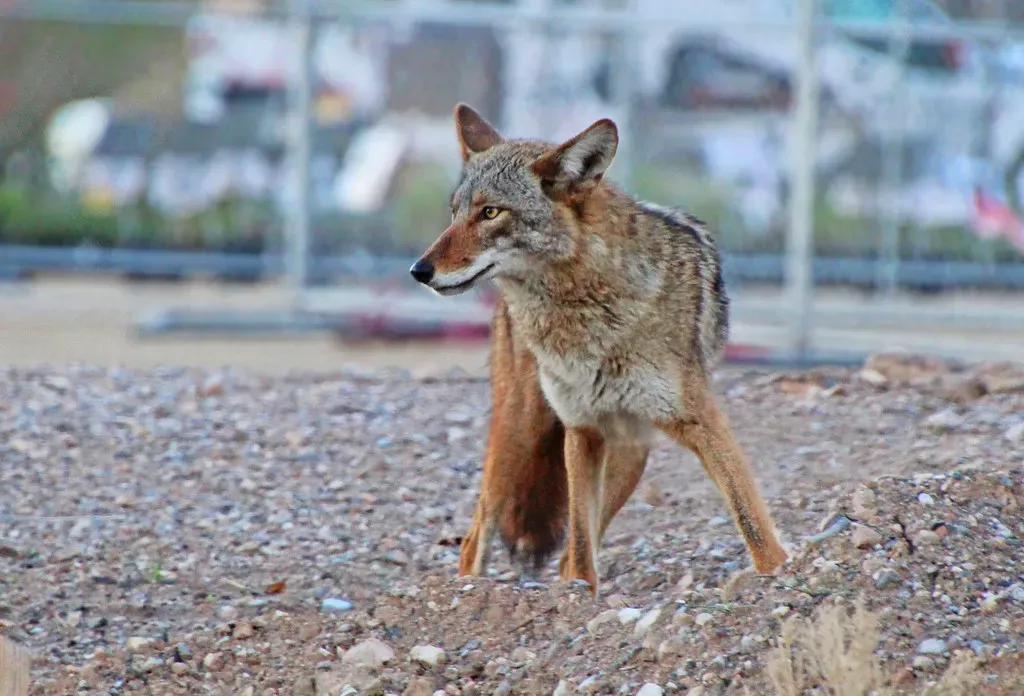
One of the most carefully studied aspects of urban coyote behavior involves their relationship to novelty and risk. Rural coyotes, facing regular persecution from hunters, tend to be deeply cautious around anything unfamiliar. Urban coyotes operate on different psychological terms.
Results from behavioral tests indicate that urban coyotes are bolder and more exploratory than rural coyotes, and that within both populations there are individuals that vary across both spectrums. Bolder behavior in urban coyotes emerged over several decades, with researchers speculating on possible processes such as learning and selection that could be playing a role in this behavioral adaptation.
Urban coyotes have more opportunities for novelties, a chance to learn, adapt and to become desensitized to them. One of the biggest risks for coyotes in rural landscapes is hunting and trapping by humans. In urban landscapes, the same curiosity that might get country coyotes killed leads to opportunities for food and other rewards. That distinction matters. Urban boldness isn’t carelessness. It’s an earned recalibration of what constitutes acceptable risk in a specific environment.
Deception, Observation, and the Art of Reading Their Environment
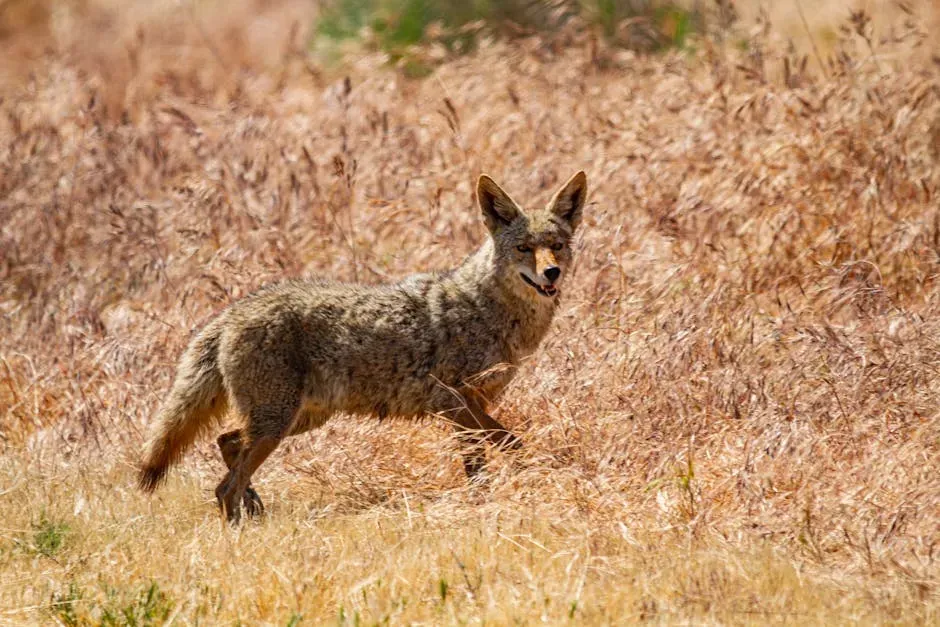
Perhaps the most striking dimension of urban coyote intelligence is what field researchers describe as purposeful deception and deliberate misdirection during hunts. This isn’t instinct in the traditional sense. It requires the ability to model another animal’s perspective and plan ahead.
Coyotes are both predator and prey, which means they must think like both at the same time. In wilder areas, wolves, large cats and humans kill them, so they keep defensively aware of their surroundings and everything in it. That dual cognitive load, hunting and watching for being hunted, seems to be exactly what prepares them to thrive in the complex social geometry of a city.
Cognitive tests show that coyotes outperform domestic dogs in independent problem-solving, persistence, and creativity. Dogs are intimately connected to humans, having evolved together over thousands of years, so dogs look to humans for guidance, whereas coyotes think for themselves. This independent intelligence makes them wildly unsuitable as pets but supremely equipped for survival. In the urban hunt, thinking independently isn’t just an advantage. It’s the entire point.
An Evolving Diet That Maps the Intelligent Hunter
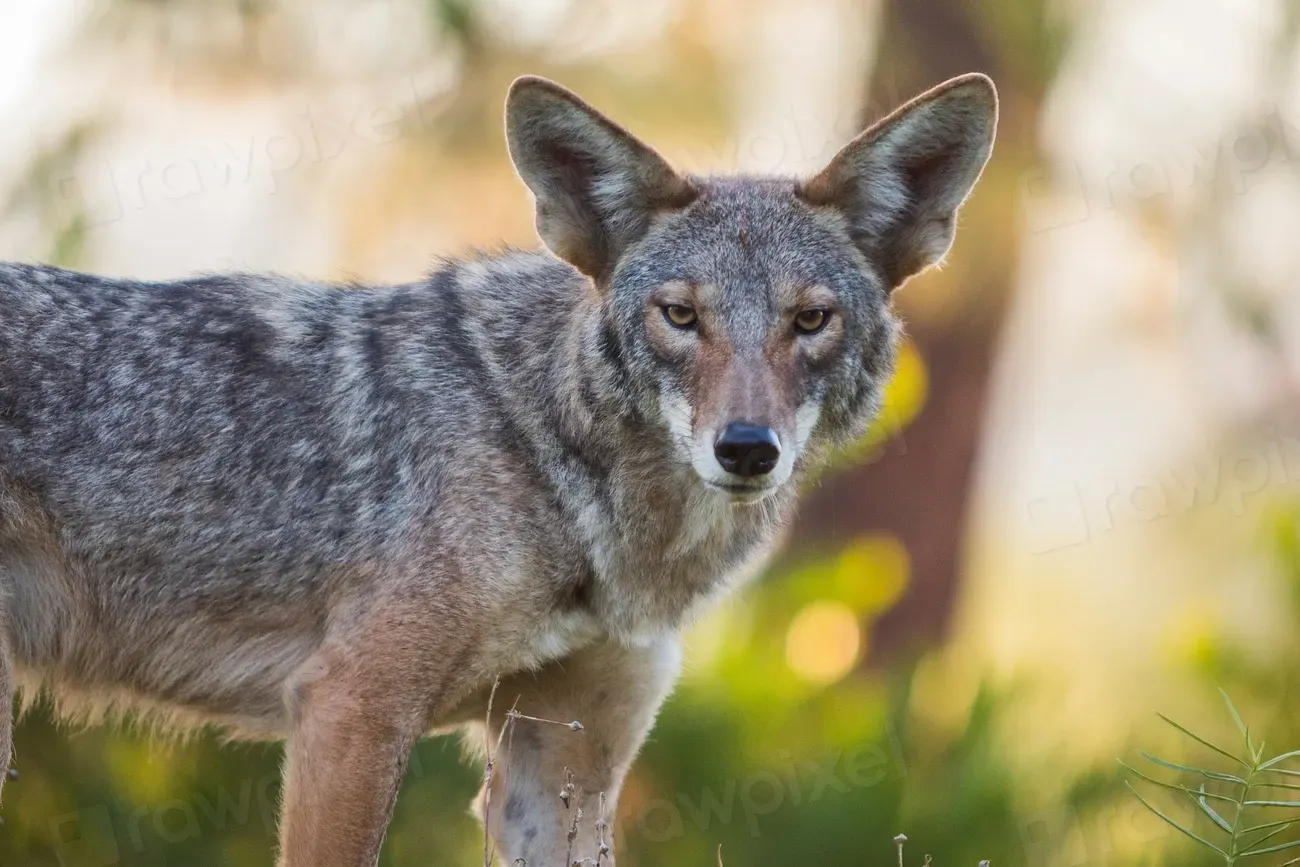
What an urban coyote chooses to eat, and how it chooses to obtain that food, offers a precise window into its cognitive sophistication. The dietary profile of city coyotes has shifted meaningfully from their rural counterparts, and the shift is far more calculated than random opportunism.
Research from the Urban Coyote Research Project in Chicago found the predominant food sources were small rodents, fruit, white-tailed deer, and rabbits. Human-associated food items, including garbage and pet food, were found in just a very small fraction of samples, suggesting that Chicago’s urban coyotes rely more on natural prey and less on human food sources. That’s a meaningful finding. These animals aren’t simply eating whatever is easiest. They’re maintaining a functional hunting identity inside the city.
With an abundance of easily obtained food like rabbits, rodents, and Canada geese, urban coyotes have smaller home territories and higher population densities than rural coyotes. Smaller territories demand more efficient, intelligent use of space. Coyotes also perform valuable ecosystem functions in reducing pest populations of deer, Canada geese, and rodents. The city coyote isn’t a scavenger drifting through. It’s a functioning apex predator, operating with a precision that most residents walking those same streets at night never suspect.
What This Means and Why We Should Be Paying Attention
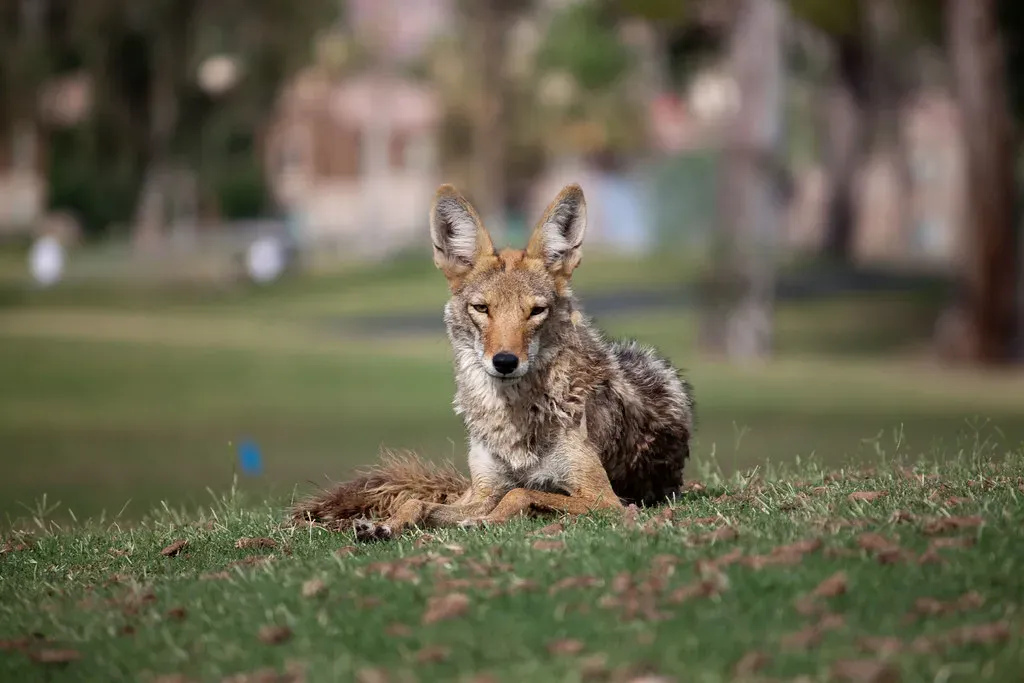
The growing body of research on urban coyotes isn’t just a wildlife curiosity. It’s a real-time window into rapid behavioral and cognitive evolution driven by the pressures of human-built environments. Historically, evolution was thought to occur on vast chronological scales. But scientists now understand that evolution can happen within just a few generations. Urban areas offer a unique glimpse into how evolution functions on smaller timescales and how species adapt to human presence and novel environments.
The opinion worth holding here is an uncomfortable one: we have consistently underestimated these animals, and that underestimation has shaped bad policy, unnecessary fear, and missed ecological insight. Their innate intelligence and ability to navigate complex urban environments gives them an edge, allowing them to evade human disturbances while exploiting new resources. Societal misconceptions about coyotes, often cast as predators to be feared, can overshadow their ecological role in controlling rodent populations and maintaining balanced urban ecosystems.
The coyote hasn’t invaded our cities. In a meaningful sense, it has simply learned to read them better than we expected. That says something worth sitting with, not just about coyotes, but about what intelligence looks like when it isn’t wearing a face we recognize.

- 14 Signs a Dog Near the Rainbow Bridge Is at Peace With Its Person - July 21, 2026
- 15 Ways a Shelter Animal Tells You It Was Always Meant to Be Yours - July 21, 2026
- 14 Ways a Dog Shows You Are the Center of Its Whole World - July 21, 2026