
Most gardeners are fighting a battle they don’t fully understand. They spray, they pull, they worry over each chewed leaf – and yet the most effective pest management system on earth is already working quietly in the soil, on the stems, and between the petals of their plants. It’s been there all along.
Garden pests often give insects a bad name, but many species are actually nature’s little helpers. Embracing beneficial insects in your garden can support a healthy, biodiverse outdoor space. The truth is, your garden already has an invisible workforce operating around the clock, and understanding who these creatures are could fundamentally change how you tend your outdoor space.
Most insects in a backyard are not harmful – only about ten percent are destructive. The rest are either beneficial or harmless, playing an essential role in a healthy garden ecosystem. That’s a perspective worth sitting with. Before reaching for the spray bottle, it’s worth getting to know who you might be killing.
What Beneficial Insects Actually Do
Beneficial insects fall into three groups: pollinators, predators, and parasitoids. Each category plays a distinct role, and together they form a remarkably self-sustaining system. Think of them as three departments in a company, each with its own job description, each necessary for the whole operation to run.
Beneficial insects prey on garden pests, pollinate plants, and provide a range of benefits to the gardener. These natural predators provide an eco-friendly alternative to chemical pesticides, aiding in the maintenance of a balanced ecosystem within gardens and farms. What’s remarkable is that they do all of this for free, requiring nothing more than a garden thoughtful enough to welcome them.
Ladybugs: The Garden’s Most Beloved Predator
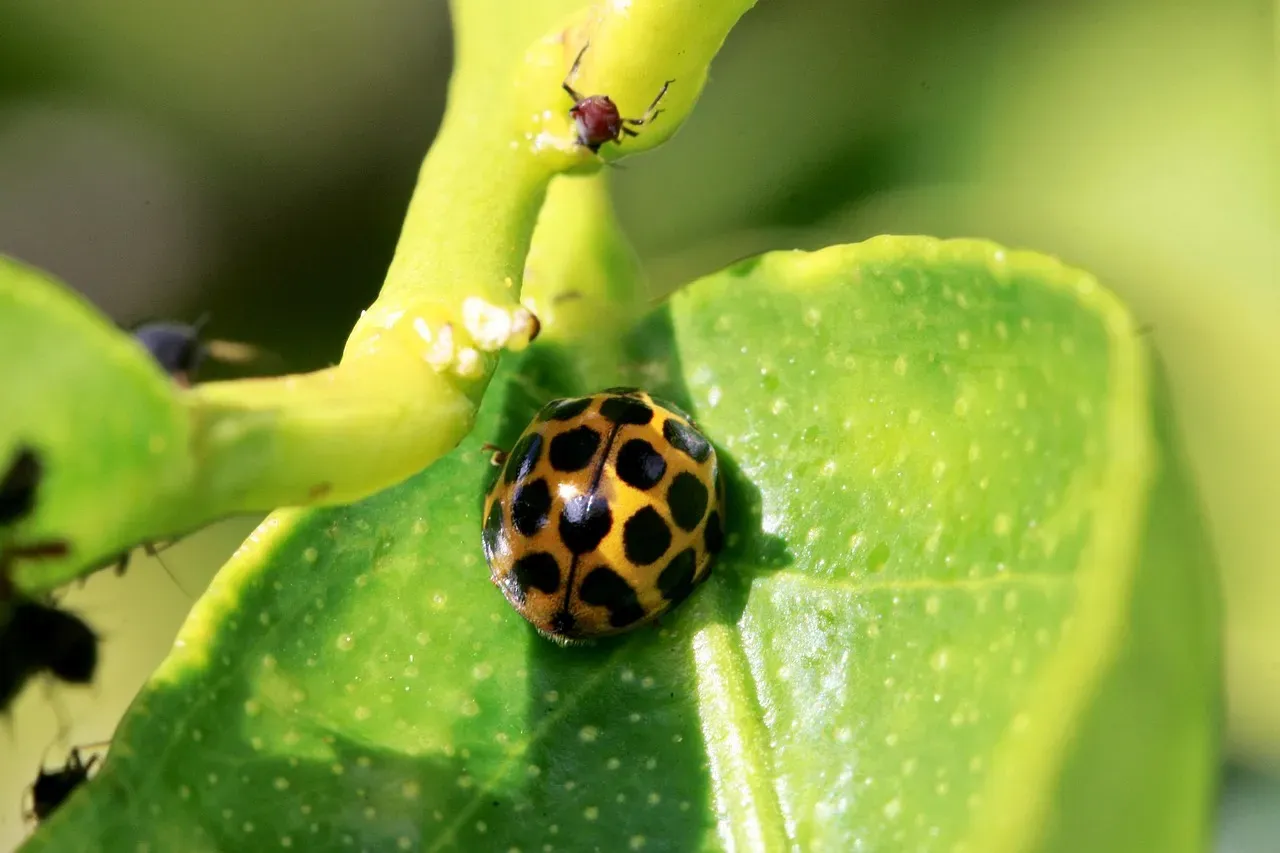
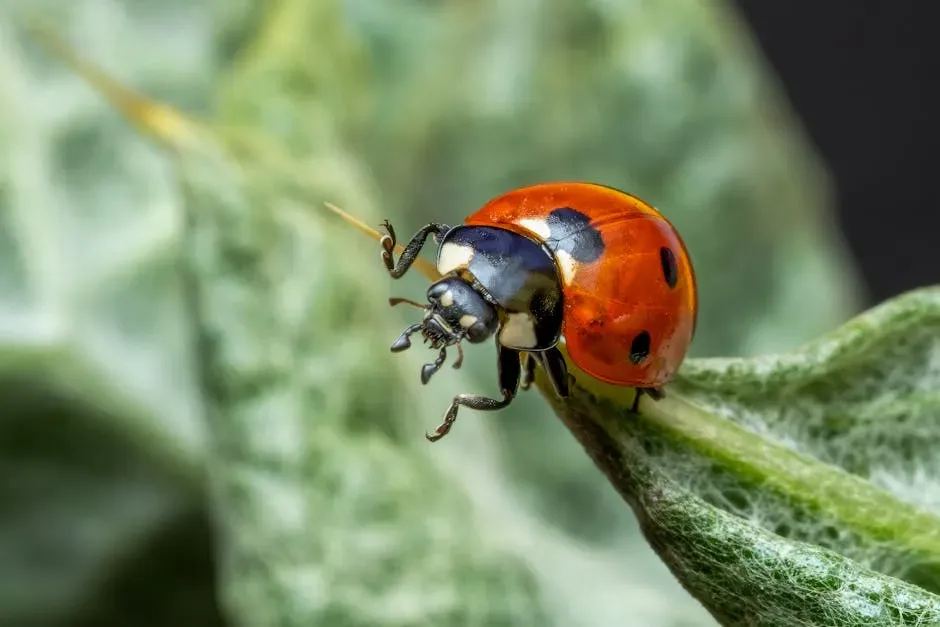
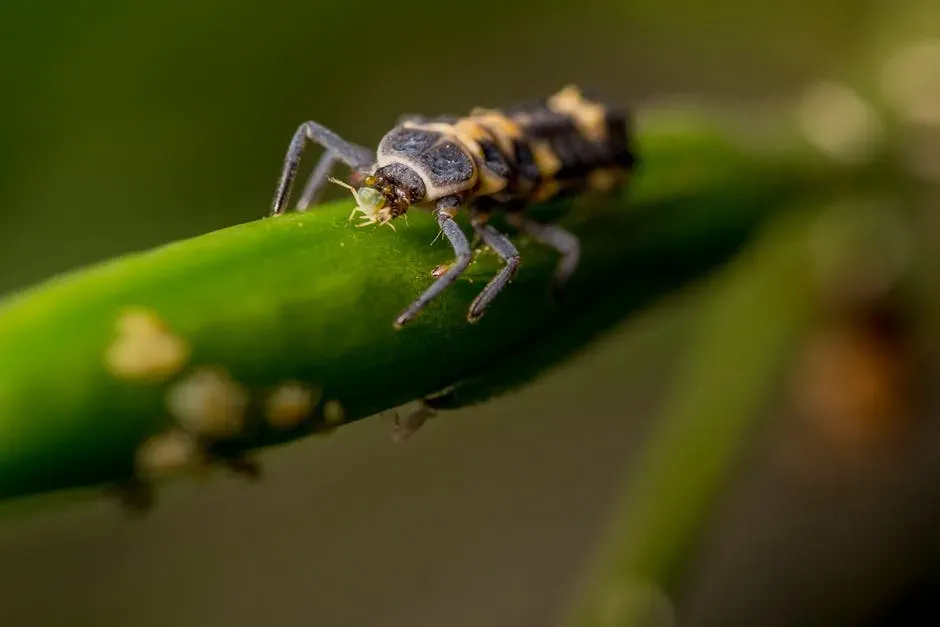
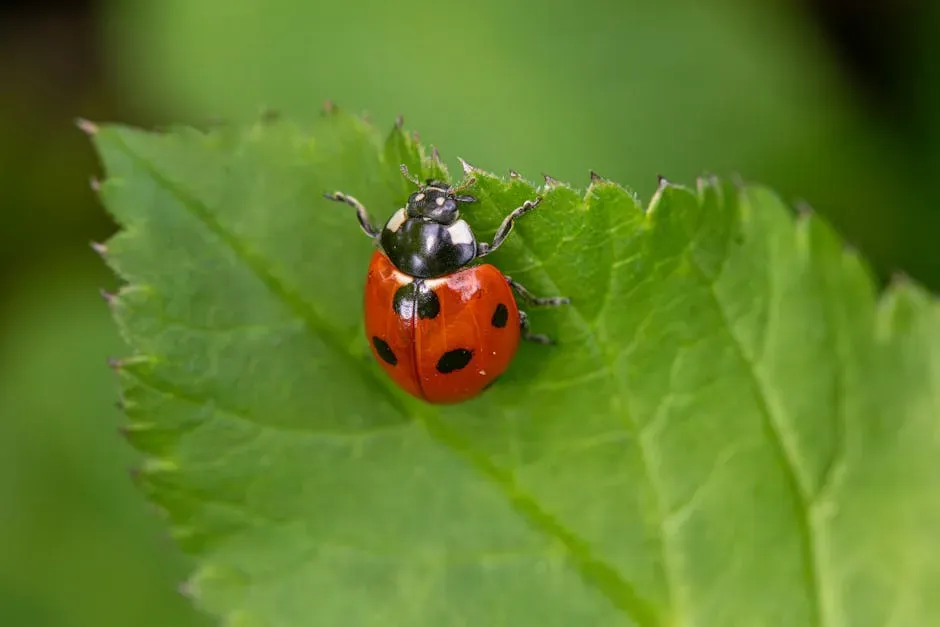
Ladybugs, or lady beetles, are the most popular and widely used beneficial insects for commercial and home use. They’re capable of consuming up to 50 to 60 aphids per day, but will also eat a variety of other insects and larvae including scales, mealy bugs, leaf hoppers, mites, and various types of soft-bodied insects. That’s a remarkable appetite for such a tiny creature.
It has been demonstrated that a single ladybug may consume as many as 5,000 aphids in its lifetime. Lady beetles play a crucial role in maintaining pest populations in your garden ecosystem – both adults and larvae have appetites for species of aphids, scale insects, and mites, and help keep them at bay throughout the growing season. They’re one of the few garden creatures that work just as hard in their youth as they do in adulthood.
Lacewings: The Underrated Assassins
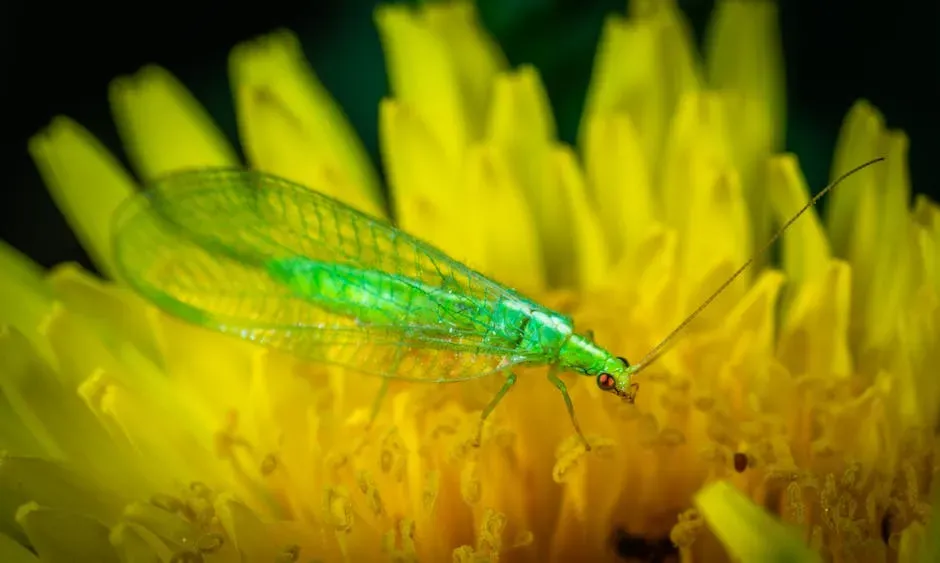
Green lacewing larvae are fierce predators of aphids, thrips, and other soft-bodied pests, using their long, slender jaws to pierce and consume their prey. Additionally, adult lacewings feed on pollen and nectar, making them valuable pollinators. That double role – predator as larvae, pollinator as adult – makes them genuinely exceptional garden allies.
The delicate, green wings of the adult lacewing make it easy to spot as they flutter through your garden. Their larvae, which resemble tiny alligators, are especially effective at hunting pests, making lacewings a natural solution for pest control without chemicals. Don’t let the delicate appearance fool you. In larval form, these insects are ruthless hunters.
Ground Beetles: The Night Shift Workers
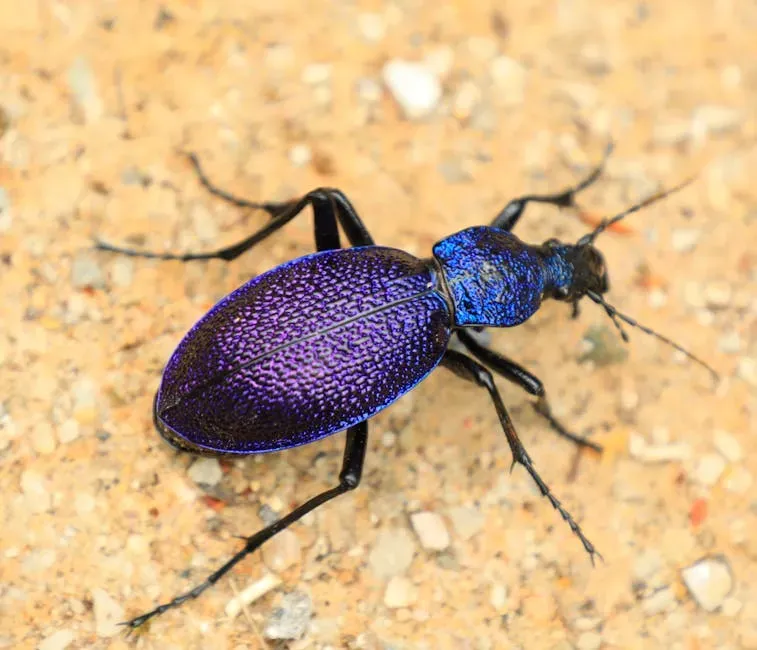
Ground beetles are a large group of predatory beetles that are beneficial as both adults and larvae. They will eat a wide range of insects, including caterpillars, nematodes, silverfish, slugs, thrips, and weevils. The breadth of their diet alone makes them one of the more versatile pest controllers in the garden.
Ground beetles are a group of mainly nocturnal predators which feed on many insects and slugs in the garden at night. During the day they remain hidden in nearby vegetation, beneath rocks, or in soil crevices. Their larvae are also beneficial by preying on pests at or below the soil surface. Some species may live for two to three years and require sheltered overwintering sites such as perennial plants or clumps of grasses. They’re in it for the long game.
Parasitic Wasps: Nature’s Most Precise Pest Controllers
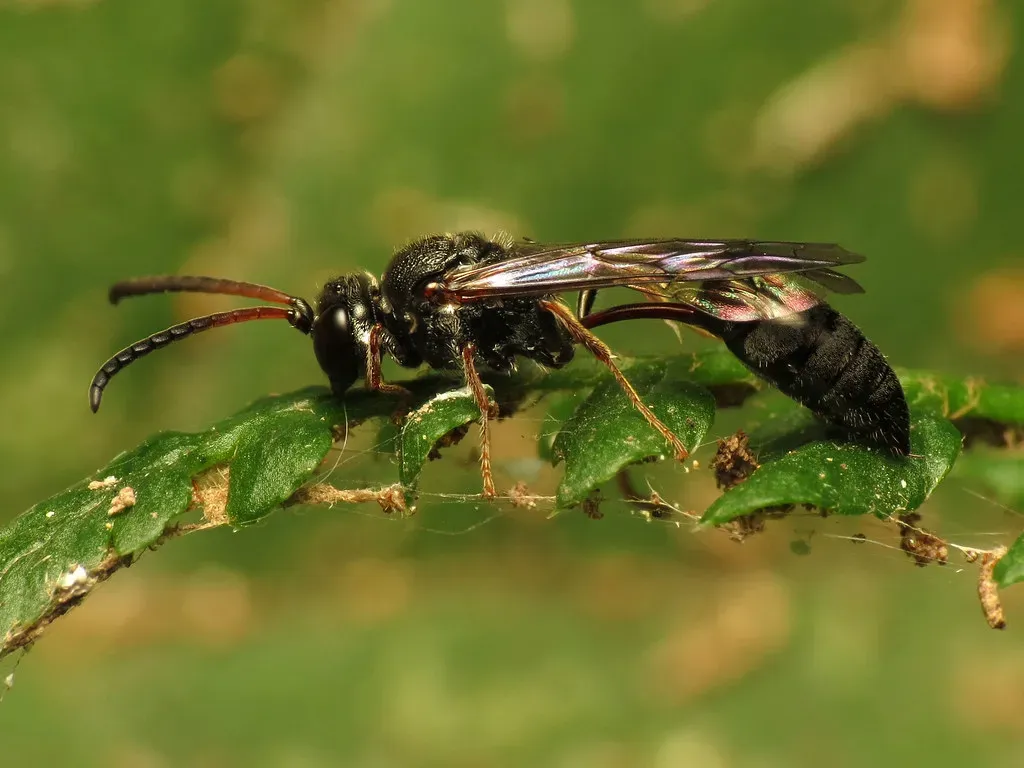
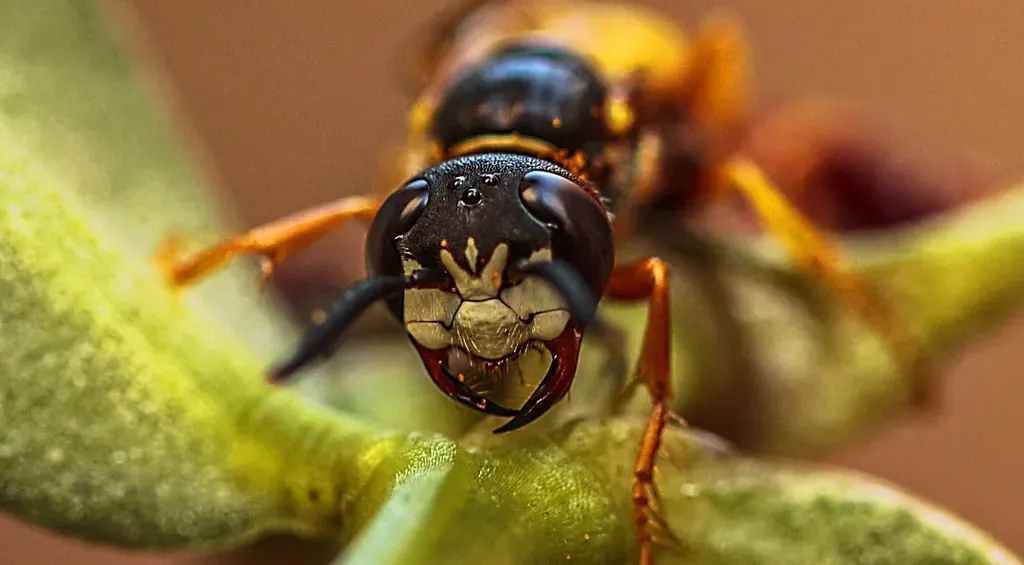
Parasitic wasps are tiny, solitary insects and generally not dangerous to humans. These inconspicuous creatures play an important role in keeping pest species in check, for they are natural enemies of caterpillars, grubs, scales, whiteflies, and aphids. These wasps are “parasitoids,” meaning they deposit their eggs on or in a host insect. After hatching, the wasp larvae will consume the host, often from the inside out.
Trichogramma wasps are minuscule wasps – several of them can fit on the head of a pin – that lay their eggs inside the eggs of over 200 different insect pests, preventing the pests’ eggs from ever hatching in the first place. That’s extraordinary precision. Unlike their aggressive counterparts, parasitic wasps are typically small and inconspicuous, yet their impact on pest populations is profound.
Hoverflies: The Pollinators You’ve Been Ignoring
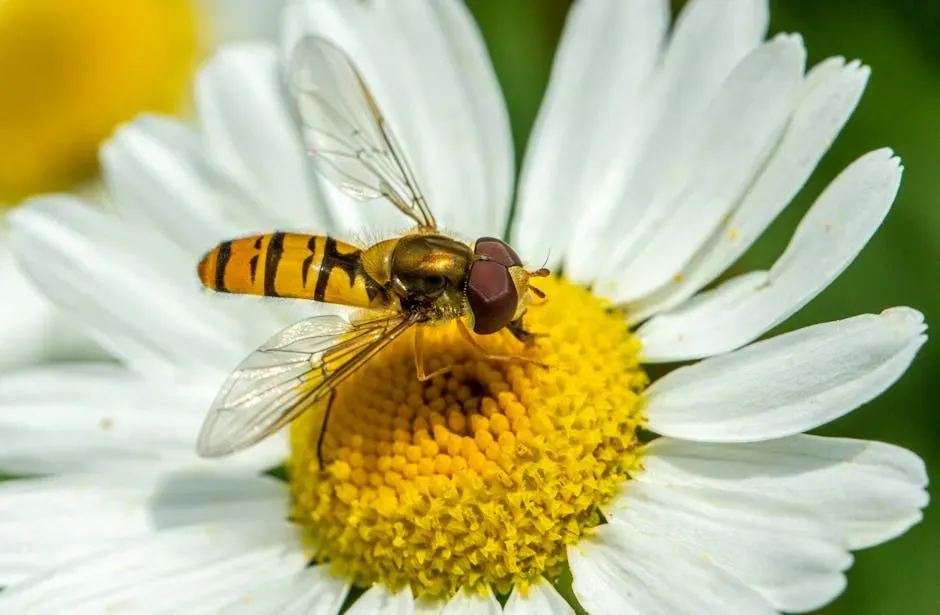
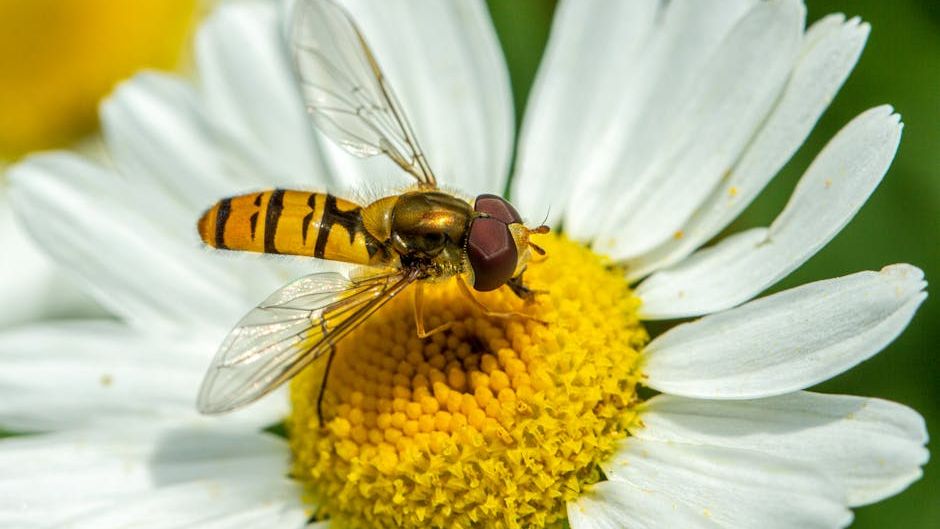
As gardeners, we’re often focused on attracting bees and butterflies to our outdoor spaces, but there’s another beneficial insect that deserves some love: the humble hoverfly. These tiny flying wonders are pollinators, pest controllers, and indicators of a healthy garden ecosystem all rolled into one. They’re genuinely one of the most underappreciated insects in the garden world.
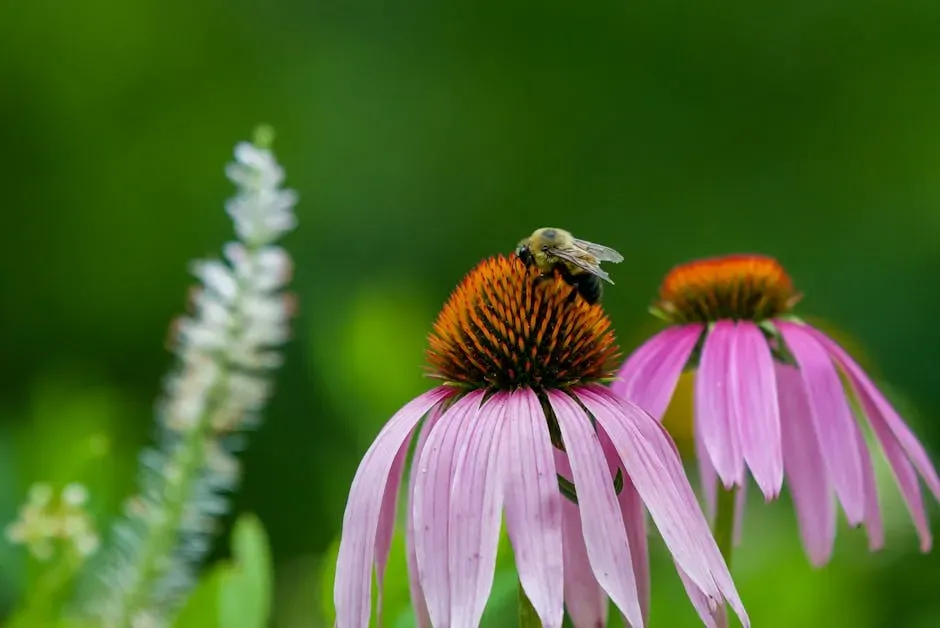
The larvae of hoverflies feed on aphids, mites, and small insects, helping to control populations of these pests in gardens, fields, and other natural areas. As adults, hoverflies feed on nectar and pollen, and they play an important role as pollinators, helping to transfer pollen from flower to flower and aiding in the reproduction of many plant species. In cool or wet conditions when bees and butterflies may be inactive, hoverflies step up and ensure your native plants still get pollinated. They cover shifts nobody else will take.
The Praying Mantis: A Fierce Generalist
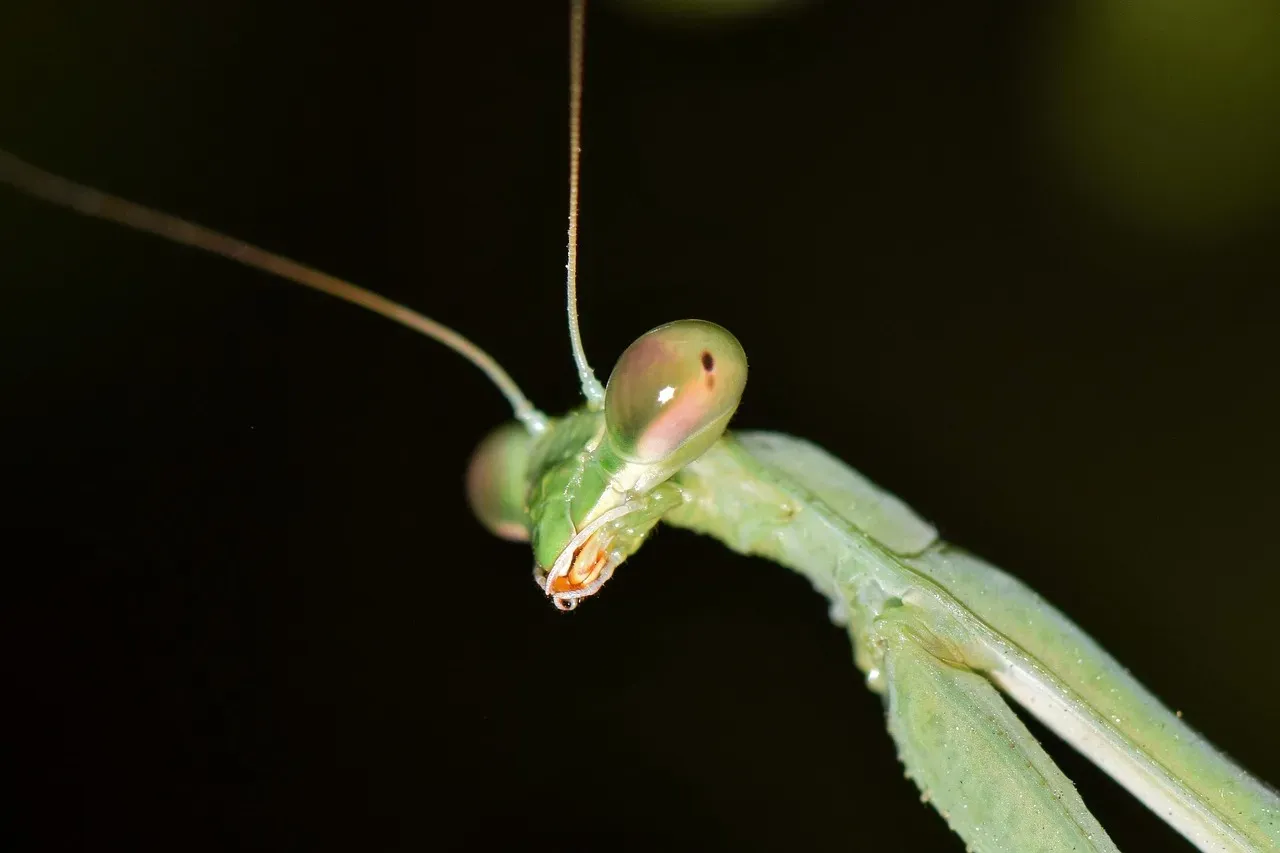
Praying mantises are effective predators of insects and other arthropod pests. Skilled hunters, praying mantises lie in wait, sitting motionless, camouflaged among the foliage. When an insect pest gets close enough, they use their lightning-fast spiked forelegs to snatch and devour their prey. Watching one hunt is genuinely one of nature’s more dramatic performances.
A praying mantis will make short work of any grasshoppers troubling you – these fierce predators will also hunt many other insect pests that terrorize gardens, including moths, beetles, and flies. Note, however, that praying mantids are ruthless and will also eat other beneficial creatures, like butterflies, bees, and hummingbirds – and even each other. Worth knowing before you put one on a pedestal.
Soldier Beetles and Assassin Bugs: The Lesser-Known Guardians
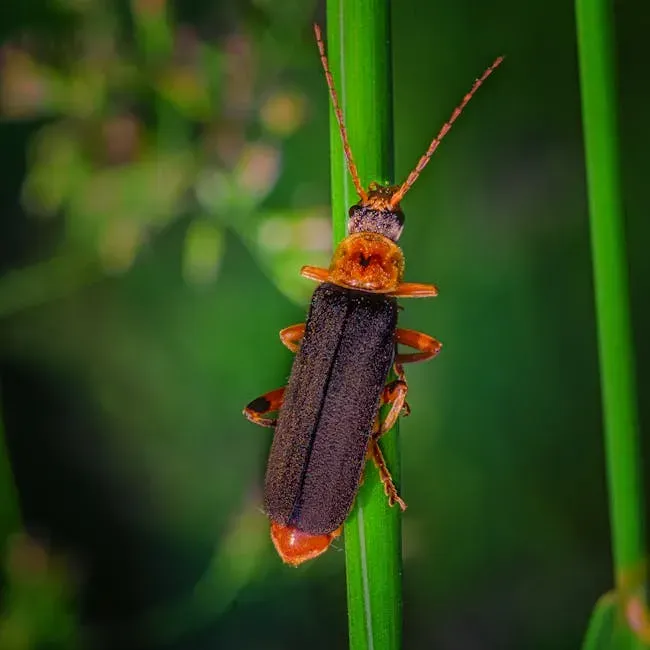
Soldier beetles are an important predator of aphids, caterpillars, Colorado potato beetles, and Mexican bean beetles. Like many beneficial bugs, they are attracted to plants that have compound blossoms, such as Queen Anne’s lace and yarrow. They’re easy to overlook, but consistently useful across a wide range of pest scenarios.
Assassin bugs are true to their name – both nymphs and adults possess a long, sharp beak-like mouth with which they impale their prey. Through this beak they inject enzymes into the insect victim, liquefying its body contents, which are then sucked back up through the beak. Included on their menu are garden pests such as aphids, leafhoppers, caterpillars, and Japanese beetles. Brutal, effective, and completely on your side.
Bees and Butterflies: The Pollinators Holding Everything Together
Three-fourths of the world’s flowering plants and about 35 percent of the world’s food crops depend on animal pollinators to reproduce. That’s one out of every three bites of food you eat. When you put it that way, protecting pollinators in your own garden stops feeling like a hobby and starts feeling like something genuinely important.
More than 3,500 species of native bees help increase crop yields. When plants are weakened by pests, their ability to flower and attract pollinators diminishes. By introducing beneficial insects, gardeners help maintain plant vigor, ensuring lush blooms and an abundant food source for bees and butterflies. It all connects. Pest control and pollination aren’t separate issues – they’re the same conversation.
Decomposers: The Invisible Soil Engineers
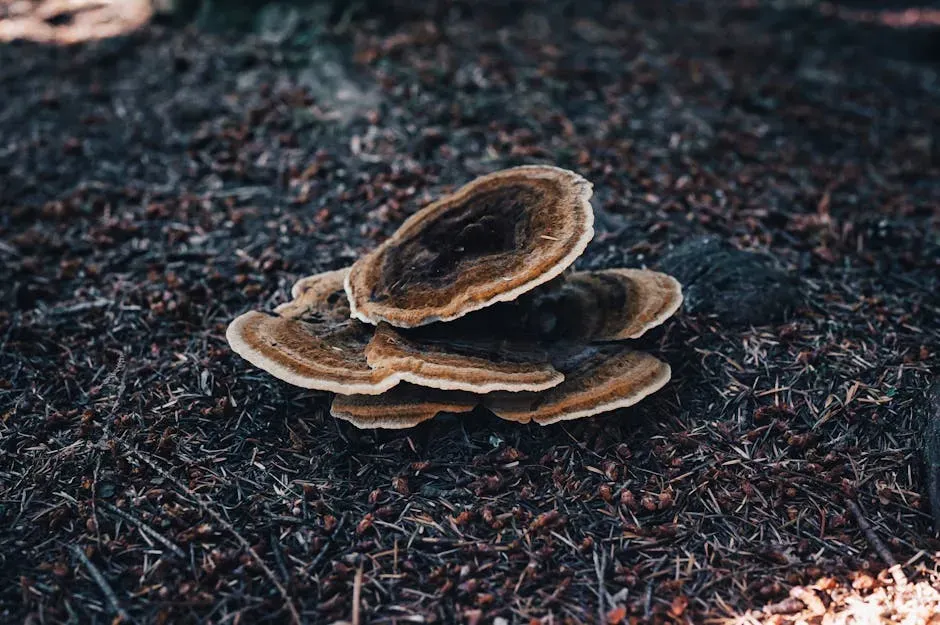
In the soil and at the soil surface, decomposers benefit gardeners by contributing to healthy soil. Decomposers eat decaying plant matter, dead insects, dung, and even natural mulches. These are broken down into smaller and smaller bits, eventually contributing structure to soil and nutrients to plants. Without them, the garden’s recycling system would simply grind to a halt.
Insect decomposers include a variety of beetles, flies, termites, and carpenter ants. You can encourage these beneficial organisms in the garden by maintaining healthy soil. Some practices that promote healthy soil include keeping the soil covered, maintaining diverse plant populations, increasing water filtration, and avoiding tilling when possible. The soil itself is an ecosystem, and decomposers are its maintenance crew.
Why Pesticides Are Working Against You
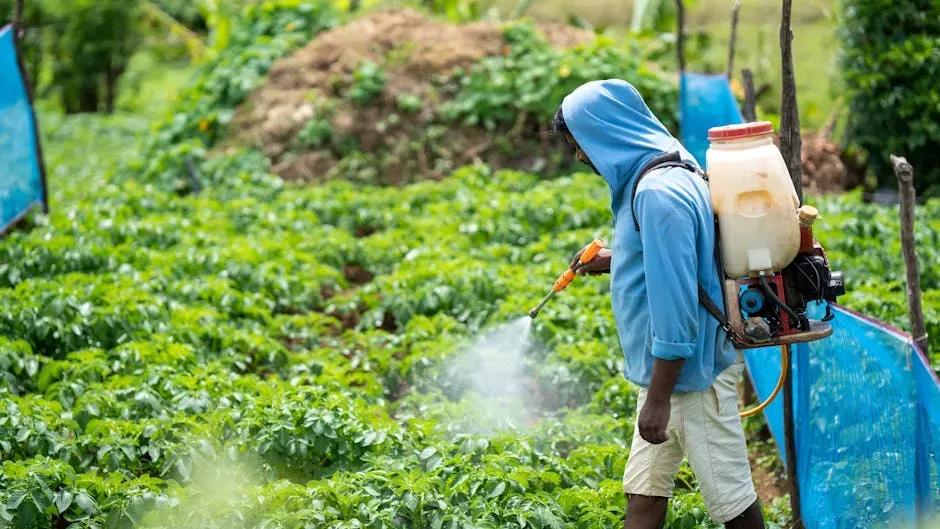
If you resort to using chemical pesticides to control insects, you will often kill good and bad bugs alike. Even the so-called “natural” pesticides like pyrethrum and rotenone will kill many beneficial insects. Broad-spectrum sprays often kill both pests and the insects that control them, disrupting the garden ecosystem. This is a problem gardeners rarely see coming until the balance tips.
Pesticide use can kill all insects in the area – good and bad, including food for future generations of beneficials. Because beneficials have a smaller population, they have a harder time bouncing back than pests, allowing pests to come back faster and stronger. Plants treated with systemic insecticides in the nursery can produce toxic pollen and nectar which may harm pollinating insects. Even the plants you buy to attract good bugs could be working against them.
The Plants That Bring Beneficial Insects In
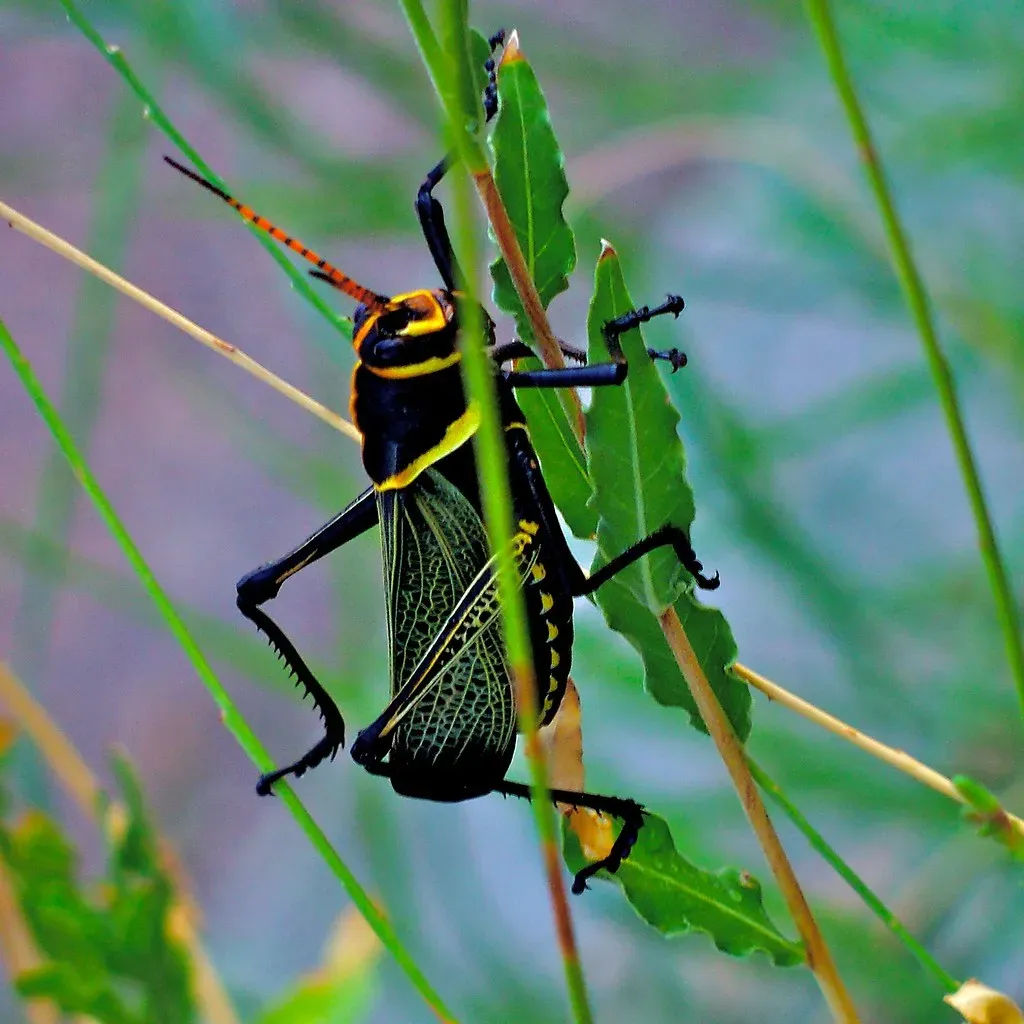
Garden spaces well-suited for beneficial insects have a diversity of flower types, shapes, and colors. Most beneficial insects have short mouthparts and lack the specialized mouthparts needed to access nectar from deep or tubular flowers, so they need small flowers with shallow, exposed nectaries. Flowers with shallow nectaries include those of the Umbelliferae family, which have flowers born in flat-topped clusters, such as fennel, dill, cilantro, parsley, and carrot.
Yarrow is a hardy perennial that blooms clusters of small flowers, making it ideal for attracting ladybugs and lacewings. It provides nectar while also serving as shelter for predatory insects. Yarrow is drought-tolerant and grows well in poor soil, making it a low-maintenance choice. Borage features star-shaped blue flowers that attract pollinators and beneficial bugs alike. Ladybugs, lacewings, and bees all benefit from its steady nectar supply. These aren’t exotic choices – they’re accessible, easy plants that pay dividends all season.
Water and Shelter: The Basics That Get Overlooked
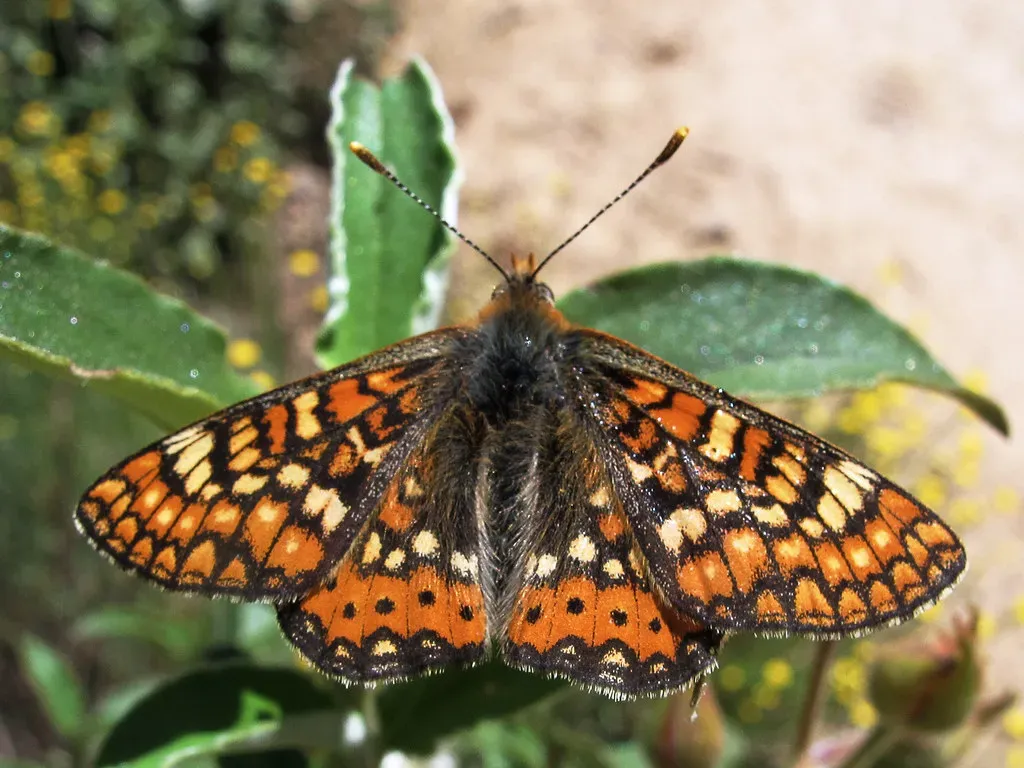
Like all living creatures, insects need water to survive. Add a pond, use shallow birdbaths, or create insect water dishes using plant saucers and stones, allowing insects to drink safely. It’s a small addition to the garden that makes an outsized difference. Many gardeners focus on food sources for beneficial insects while forgetting water entirely.
Shelters such as piles of rocks, logs, and densely planted areas offer protection and breeding sites for beneficial insects. These shelters can shield insects from predators and give them a place to lay eggs. By providing these natural hideaways, gardens can become safe havens for generations of beneficial insects. Include both annual and perennial ground covers, shrubs, trees, turfgrass, and some permanent arrangements such as stone paths and decorative rock accents, which will provide shelter for insect predators. Clumps of native grasses make good overwintering sites for a variety of predatory insects.
Native Plants: The Single Best Investment You Can Make
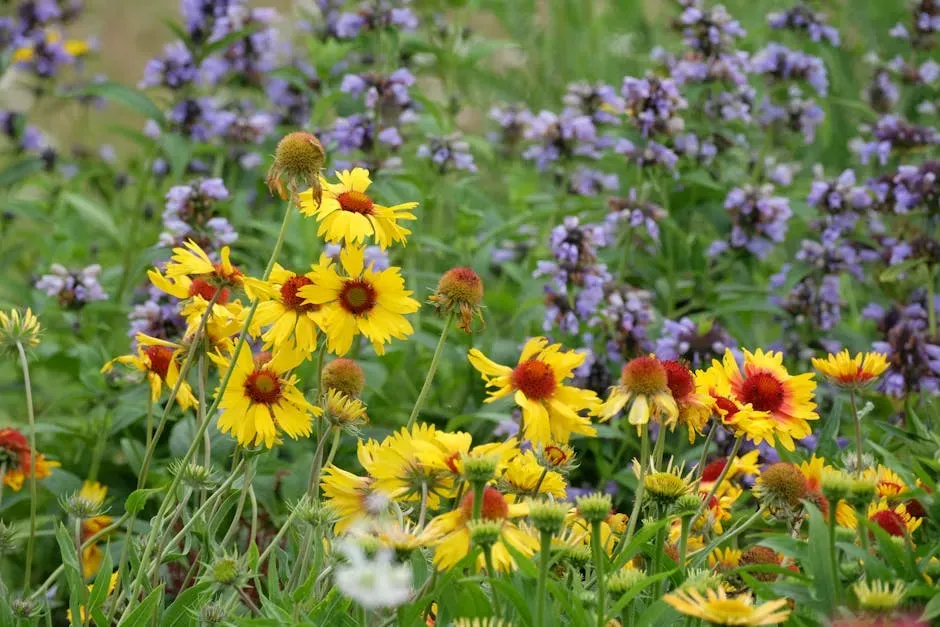
Native plants play a significant role in attracting beneficial insects. They are well-adapted to the local climate and soil, requiring less maintenance, and are often preferred by native insect species. Integrating native plants into the garden landscape helps establish a more sustainable and self-regulating ecosystem. There’s a natural familiarity between local insects and local plants that no cultivar can fully replicate.
Native plants are considered the best choice because of their abundance of nectar and pollen, in addition to being low maintenance, generally pest free, drought tolerant, and able to control erosion. They are good sources of food and shelter for wildlife, and naturally beautiful. The adults of many beneficials feed primarily on pollen and nectar, so it is important to have something in bloom from early spring until late fall. Stagger your bloom times and you’ve created a year-round support system.
Monitoring Your Garden’s Insect Balance
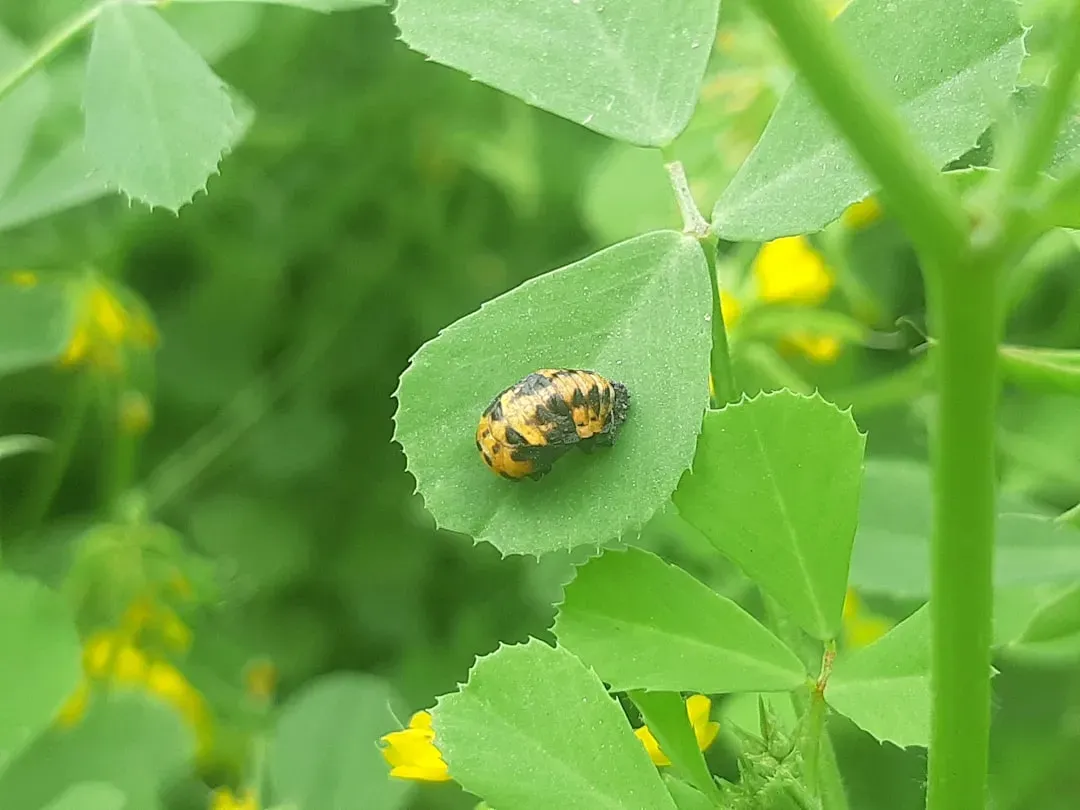
Regular monitoring of insect populations can inform gardeners about the health of their pest management system. By keeping track of both pest and predator numbers, one can identify any imbalances and take action to restore equilibrium. This doesn’t require expertise or equipment – just a habit of looking closely and often.
Research confirms that low levels of plant biodiversity equate to a significant reduction in natural pest enemy populations. However, in a healthy ecosystem with species-rich insect communities, the beneficial natural pest enemies far outweigh the harmful species. A deeper understanding of insect life cycles can enhance natural pest control efforts. Knowing when beneficial insects are in their most active stages and what conditions they prefer can inform planting and maintenance schedules. Timing garden activities to coincide with these cycles can optimize the impact of beneficial insects.
How to Shift to a Beneficial Insect Mindset
Attracting beneficial insects is not a one-and-done trick – it’s a gardening mindset. Plant for continuous bloom, leave pockets of shelter, water wisely, and reach for sprays last. It’s a shift in how you see the garden, from a production zone you control to a living system you participate in.
Tolerate a small number of pests. This will provide a continuous food supply for beneficials. When you abandon chemical control for biocontrol, you may experience a sudden increase in pests. It may take a while for the beneficial insect population to expand to the point that you can relax your guard. In the meantime, rely on less-harmful botanical and natural controls to slow down the bad guys until the good guys show up. Patience isn’t a flaw in this approach – it’s part of the method.
The Bigger Picture: Biodiversity as a Garden Strategy
By understanding and supporting the intricate relationships between pollinators, plants, and beneficial insects, we can create healthier, more resilient ecosystems – whether in our own backyards or on a larger ecological scale. The garden you tend is not an isolated patch of dirt. It connects to a broader web of life in ways most of us rarely see.
Better pollination and yield: bees and hoverflies increase fruit set on vegetables, berries, and ornamentals. Resilience: diverse gardens bounce back faster from weather swings and pest spikes. Lower inputs: less spraying, less cost, and more time to actually enjoy the garden. Attracting beneficial insects is a dynamic and rewarding approach to pest control that enhances garden health and contributes positively to the local environment. By providing food, water, and shelter, avoiding harmful pesticides, and encouraging a diverse ecosystem, gardeners can create a haven for these natural helpers.
Conclusion: The Garden Was Never Really Yours Alone
Here’s the honest truth: the most productive garden you’ll ever grow won’t be the one you controlled hardest. It’ll be the one you trusted enough to let work.
We’ve spent decades treating gardens like machines – inputs in, outputs out, anything in between is a problem to solve. Beneficial insects challenge that entire framework. They ask us to slow down, look more carefully, and accept that a garden teeming with life is not a garden in chaos. It’s a garden that’s working.
The ladybug on your rose bush, the lacewing larva on the underside of a leaf, the ground beetle lurking beneath a flat stone – these are not accidental visitors. They are the result of every right decision you make: the flower you chose, the spray you didn’t reach for, the leaf litter you left in the corner over winter. Your garden is, in the most literal sense, what you make it. Make it welcoming, and the helpers will come. They always do.
