
Walk into any professional grooming salon and there’s an unspoken truth that hangs in the air between the clippers and the conditioner. There’s a common assumption among dog owners: a pretty coat means a manageable one. Walk into any grooming salon and you’ll quickly discover that assumption has limits. The reality is that some of the most adored, most photographed, most sought-after breeds in the world are quietly making groomers’ lives genuinely hard.
The gap between what an owner imagines grooming involves and what a groomer actually deals with can be staggering. It isn’t just about the coat. It’s about time, technique, temperament, and the very real health consequences of falling behind on a maintenance schedule. These are the twelve breeds that groomers consistently flag as far more demanding than their owners ever anticipated.
#1. Afghan Hound
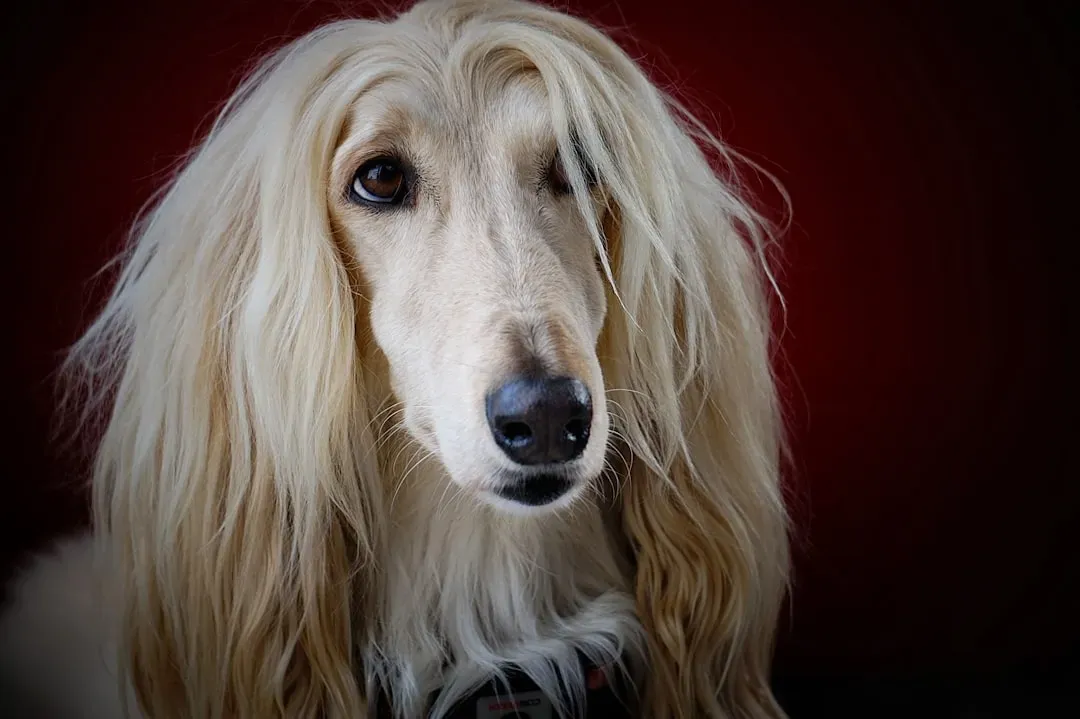
Few dogs turn heads like the Afghan Hound. That long, silken cascade of coat is genuinely breathtaking, which is precisely why so many owners underestimate what it takes to keep it that way. Afghan Hounds need to have their long hair brushed for several hours a week to keep them free of tangles and matted clumps, and they tangle and mat easily, with their coat also holding onto dirt.
For an Afghan in full coat, baths are needed roughly every one to two weeks, and the drying process alone can stretch well beyond an hour. Groomers who’ve worked with the breed often say the time investment alone is enough to make many owners underestimate just how demanding this dog truly is. On top of the sheer volume of work, Afghan Hounds tend to be shy and suspicious, and a full-coated one takes forever to hand dry, with many of them tending to shrink and slouch on the drying table, away from the dryer.
#2. Poodle
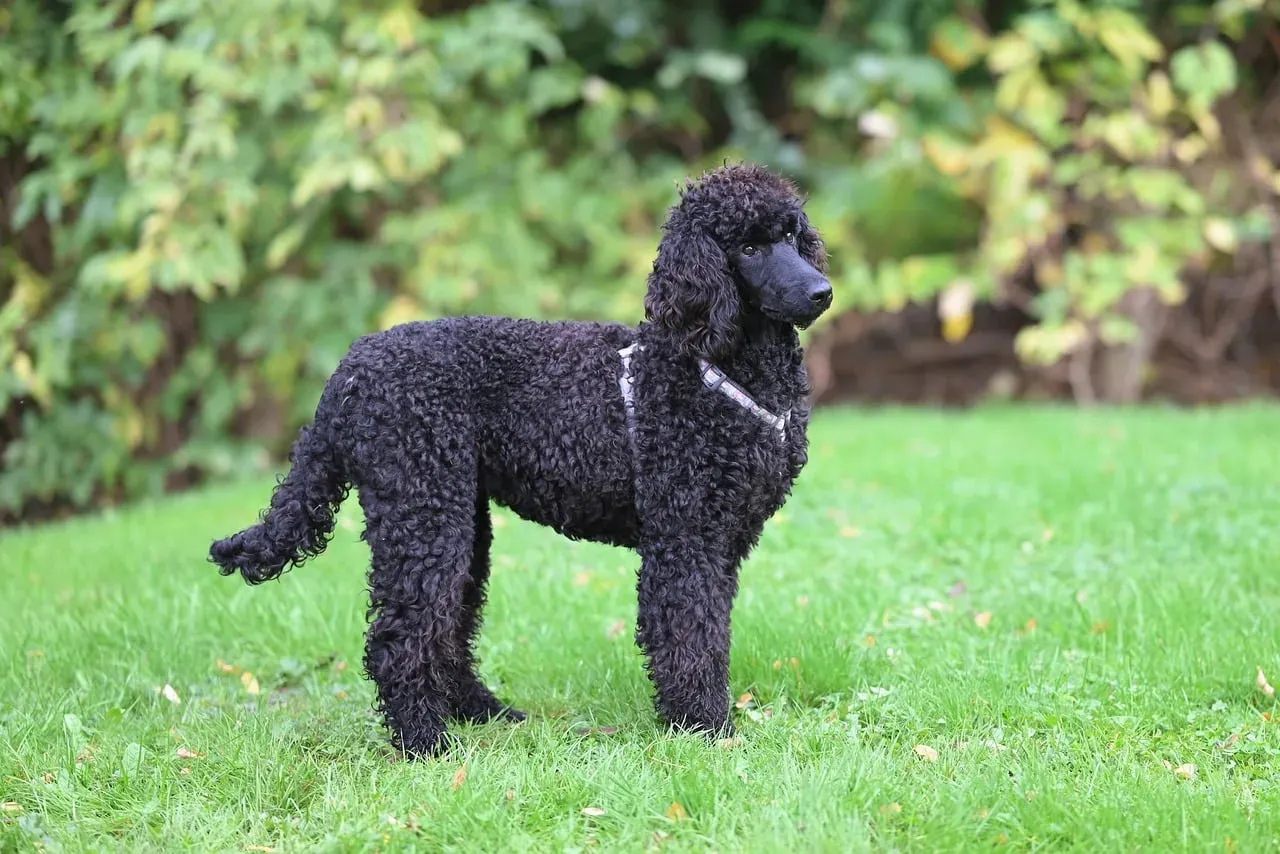
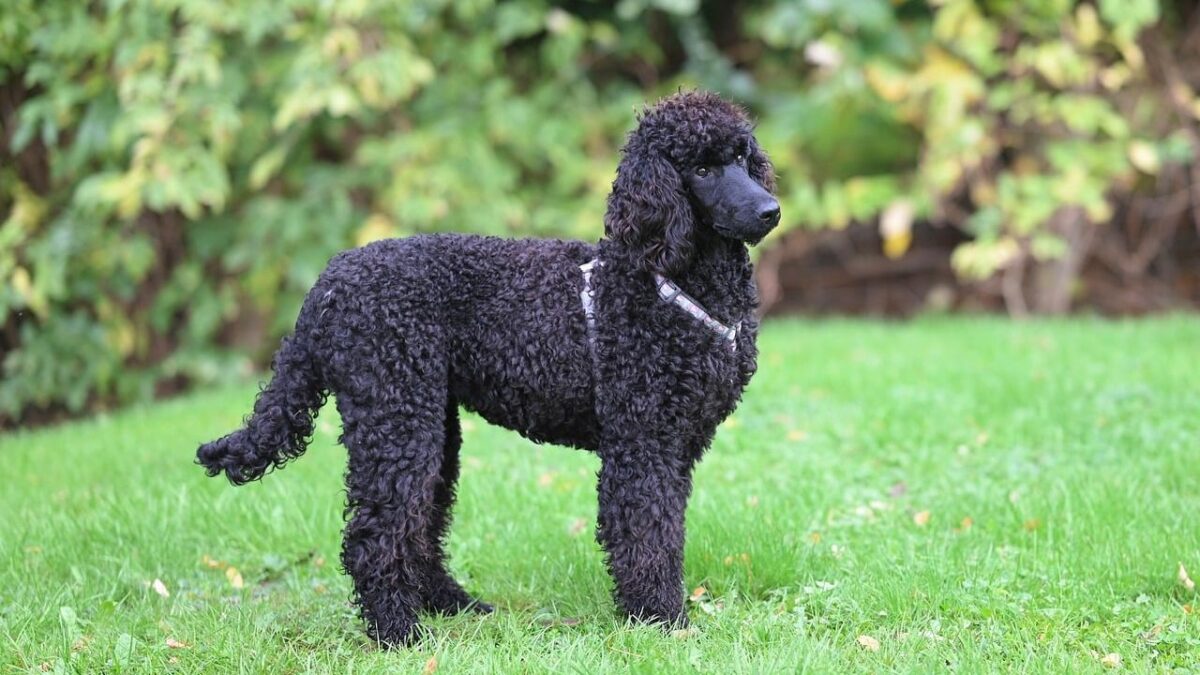
Poodles are the epitome of grooming challenges, thanks to their dense, curly coats. Their hair requires regular brushing to avoid matting and professional grooming every four to six weeks. Many owners assume poodles are simply clipped and sent on their way. In practice, the sessions are long, technically demanding, and leave little room for error.
Poodles often sport intricate styles, such as the Continental or English Saddle clip, which demand precision and expertise, and groomers must be familiar with breed standards or customer preferences, adding further complexity. The texture of the coat is thick and tightly curled, which can trap dirt and debris, plus it knots very easily, and due to coat friction especially between the legs, these areas should be groomed at least twice a week. The skill level required is genuinely high, and badly groomed poodles are among the most common sights in groomers’ chairs.
#3. Komondor
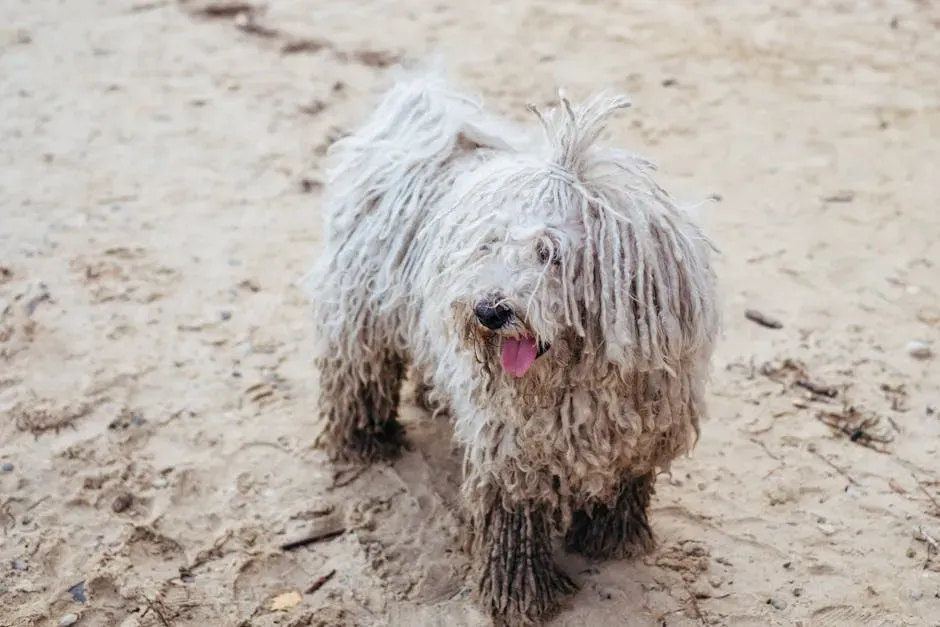
The Komondor is one of the most visually distinctive dogs on the planet, with its heavy white cords often drawing comparisons to a living mop. What owners rarely appreciate is that those cords require an entirely different kind of grooming, one that has nothing to do with brushing. The whole approach must be rethought from scratch, and most home grooming instincts simply don’t apply here.
According to the AKC, an experienced breeder noted that they never brush a Komondor’s hair, but the dogs are washed regularly. When the coat starts to club, they split the clubs into areas of around a quarter, which then grow out into the cords. Komondors require specialty or professional grooming. One breeder emphasized that it is important to rinse out every hint of shampoo and then dry by squeezing, using towels, and then in front of a strong fan overnight, warning that if the coat doesn’t get dry or has residual shampoo, it might smell badly.
#4. Old English Sheepdog
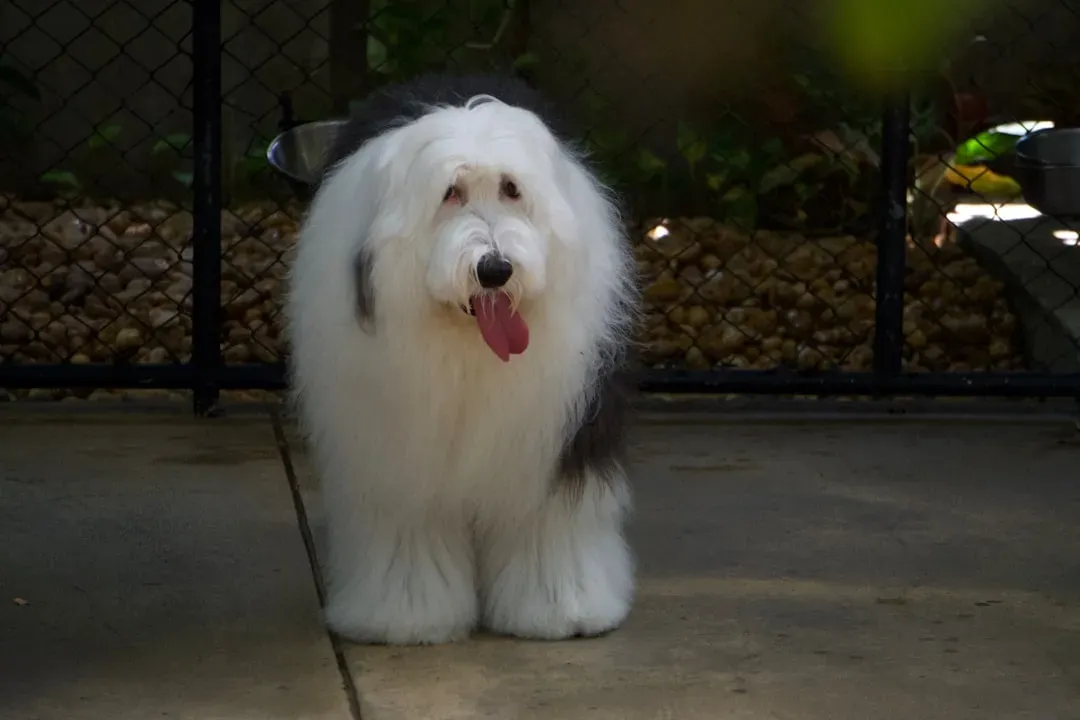
Known for their abundant, shaggy double coats, Old English Sheepdogs are prone to matting and require extensive upkeep. Groomers and pet owners must ensure thorough brushing to avoid painful tangles and skin irritation. The coat of an Old English Sheepdog is one of its most distinctive features, and it is naturally coarse, with a slight wave in some dogs. The sheer volume of coat on a fully grown specimen is something owners often see as charming until they’re three hours into a grooming session.
Old English Sheepdogs have a double coat that requires extensive grooming down to the skin over the entire body at least once a week. Daily brushing and regular trips to a professional groomer are required according to the American Canine Association. Groomers who work with this breed regularly note that owners routinely arrive with dogs in far worse condition than they realize. This breed’s shaggy coat can grow over a foot long, is thick and coarse and full of undercoat, grooming one takes hours, and most owners give up and let their dog look like a walking mop.
#5. Bichon Frisé
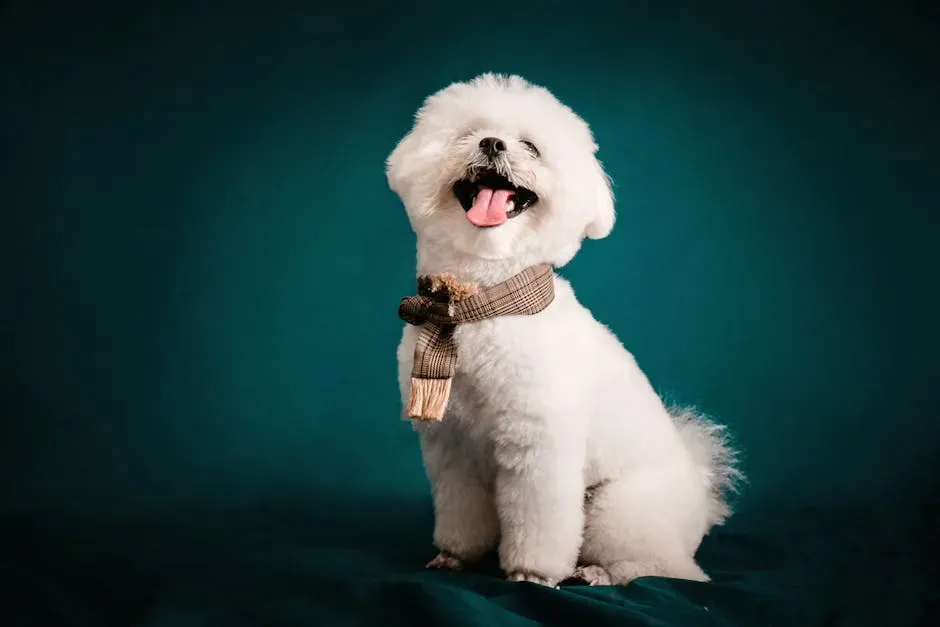
The Bichon Frisé looks like a small, cheerful cloud, and owners are drawn to its powder-puff appearance and sunny temperament. Bichon Frisés have hair rather than fur, which means it grows continuously and needs regular trimming to maintain that signature powder-puff look. The distinction between hair and fur isn’t just semantics; it means a lifetime commitment to regular professional grooming.
Mats occur most frequently behind the ears, armpits, and at the junction of the body and legs. Dead hairs will quickly form mats and, if left unattended, will turn into a felt-like patterned mat. This will require one of two drastic measures to remove: either shave the dog to the skin to get underneath of the mats or break up and remove the mats one at a time, which can be a very painful process. Removing mats can be stressful for the dog, and professional groomers will charge additional fees for excessive matting. The Bichon Frise Club of America recommends a full professional groom every four weeks, a schedule that surprises many first-time owners.
#6. Shih Tzu
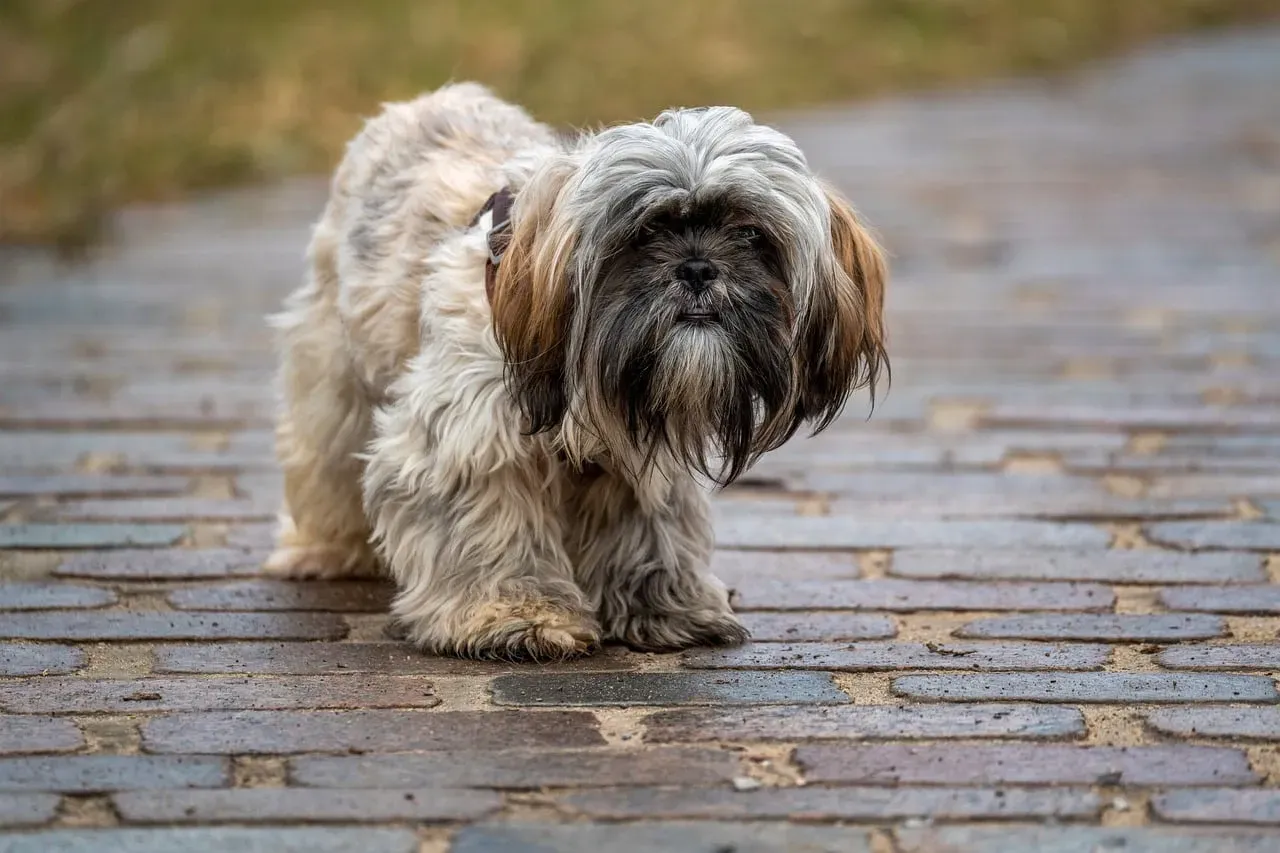
The Shih Tzu’s luxurious, flowing coat is one of the breed’s most enchanting features, evoking elegance and charm. However, behind this beauty lies a demanding grooming routine that requires dedication and expertise. For both pet owners and professional groomers, maintaining a Shih Tzu’s coat involves addressing its high-maintenance needs and overcoming specific challenges.
Shih Tzus have a dense double coat that grows continuously, much like human hair. Not only does the Shih Tzu require daily brushing, but they also need daily attention paid to cleaning the ears and wiping the eyes. Keeping this dog’s coat trimmed would lower the thorough brushing needed. Many owners opt for shorter “puppy cuts” to reduce the workload, but even trimmed Shih Tzus require frequent professional maintenance. Neglecting their grooming can lead to severe mats that are painful to remove, and beyond regular brushing and trimming, eye cleansing and ear hygiene must be done routinely to prevent long-hair-related infections.
#7. Cocker Spaniel
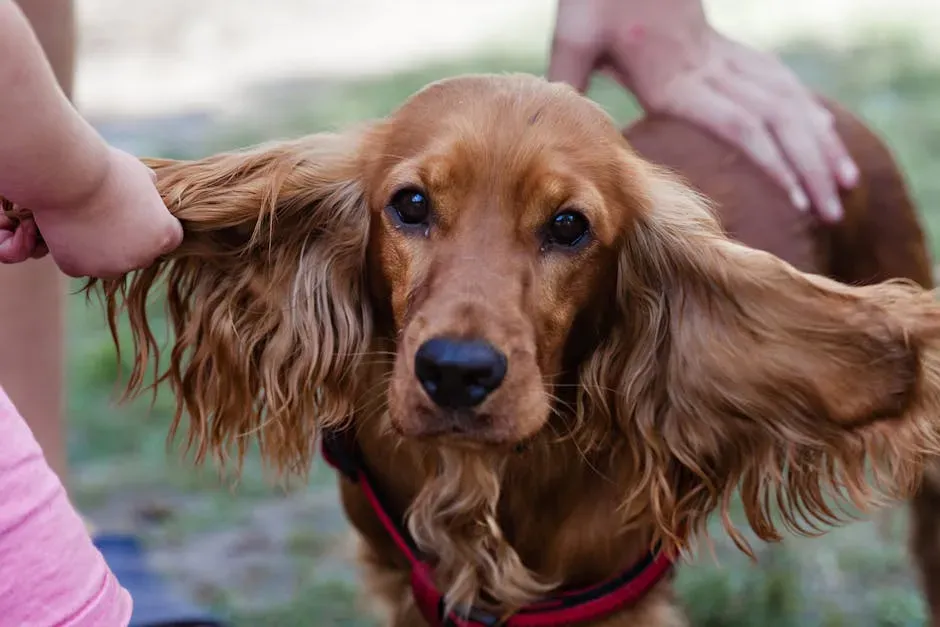
Cocker Spaniels carry an air of classic elegance, with their expressive eyes and long, feathered ears. They are beloved for their affectionate nature and striking appearance, especially their silky, feathered coats and long, floppy ears. However, maintaining their beauty requires a significant grooming effort. Grooming a Cocker Spaniel presents unique challenges that demand skill, time, and the right techniques.
Depending on the owner’s individual taste, the Cocker Spaniel may be trimmed short or retain its long, full coat. Either way, this breed requires daily brushing and regular baths to maintain a healthy coat. The ears are a particular concern, as their length and density make them prone to matting and infection if not kept properly clean and dry. Groomers point out that ear health in Cockers is closely linked to grooming regularity, making it a health issue as much as an aesthetic one.
#8. Maltese
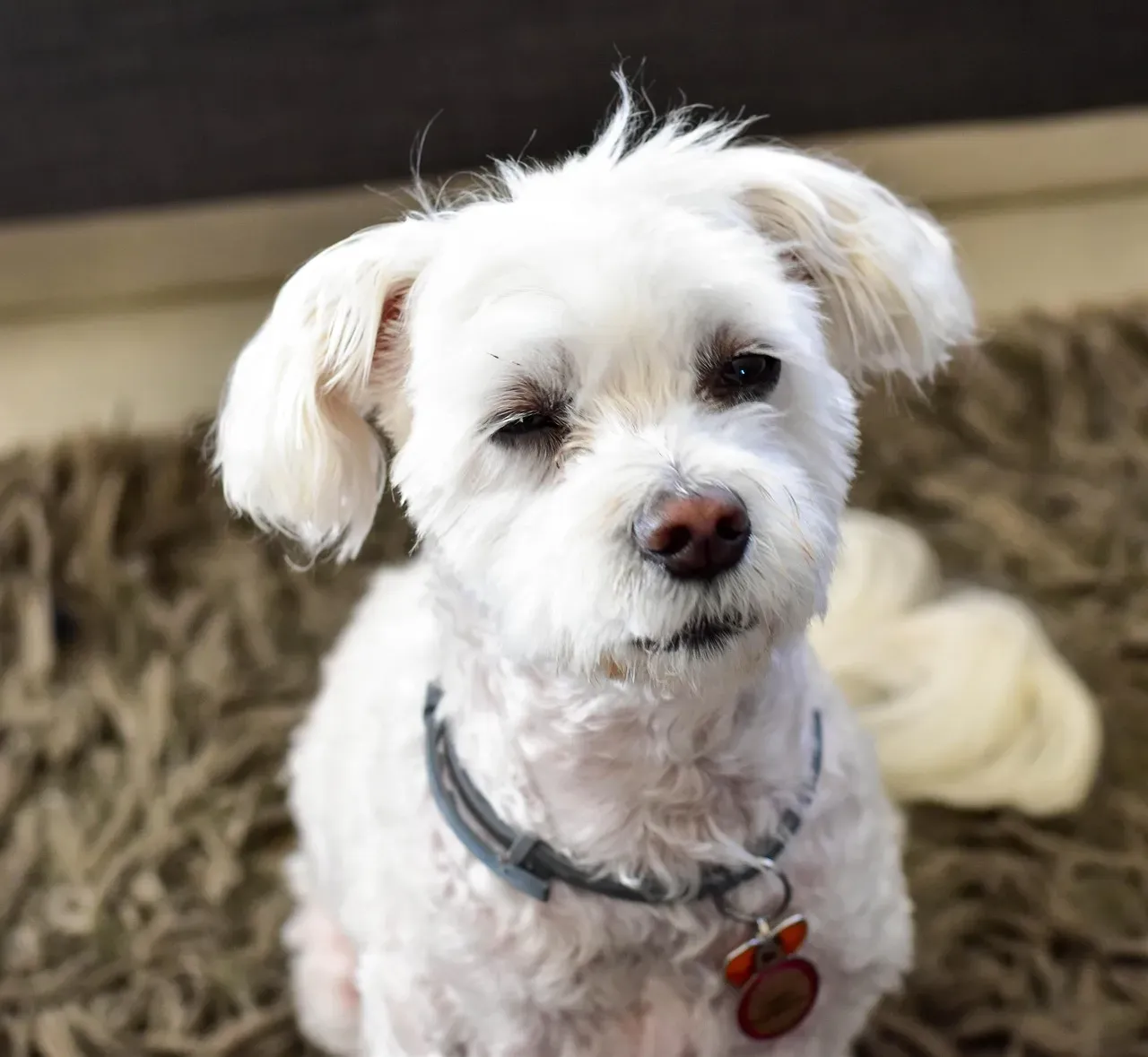
The Maltese has one of the most eye-catching coats in dogdom: long, white, and silky to the touch. It looks effortless. It very much isn’t. Maltese dogs have long, white coats that need to be gently brushed every day, on top of regular baths and coat conditioning. Combing down to the skin helps prevent tangles and mats.
The Maltese has a beautiful long, silky coat that requires regular grooming to prevent tangles and matting. They should be brushed every day if they have a long show coat, or every two days with moderate hairstyles, making them a high-maintenance breed to groom from home as it can be very challenging to keep on top of their needs. A Maltese coat is incredibly soft, and daily brushing and combing are required to prevent matting, with a professional groomer needed for regular bathing and trimming. The staining that affects their white coats around the eyes and muzzle adds yet another layer of grooming complexity that owners rarely factor in.
#9. Puli
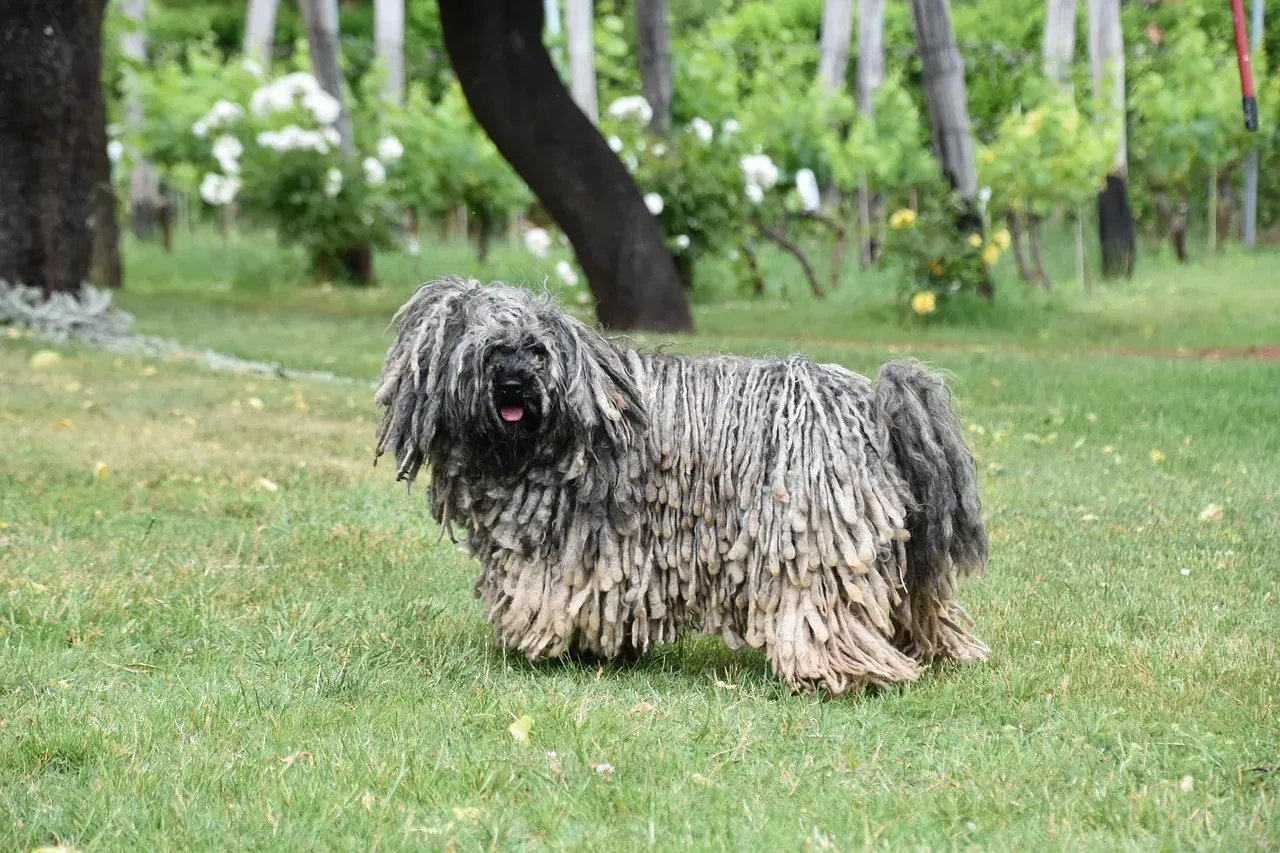
The Puli is a compact, energetic Hungarian herding dog with a coat that naturally forms into tight, springy cords. It’s a striking look, but it comes with grooming requirements that genuinely confuse owners who’ve never dealt with a corded breed before. Pulis are tough to work with because of their signature corded coat that resembles dreadlocks, and while utterly striking, this coat is a grooming challenge.
Those cords can easily become matted if not separated and cleaned individually. It’s time-consuming and requires a great deal of patience. When rinsing a Puli after a bath, it is necessary to make sure all shampoo has been rinsed away from each dreadlock, as shampoo residue may cause skin irritation. Generally, a Puli coat takes several hours to dry with a blow dryer, or a few days on its own. The drying challenge alone is something most owners are wholly unprepared for when they first bring one home.
#10. Siberian Husky
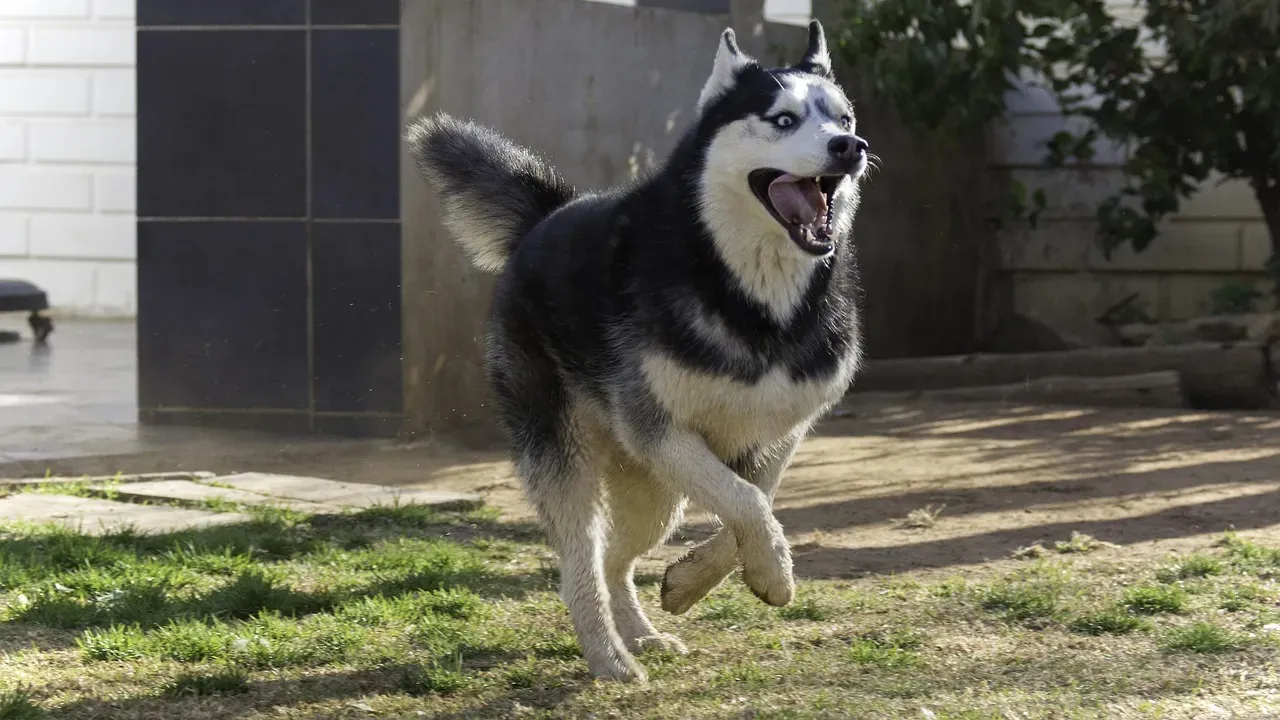
Siberian Huskies are renowned for their striking appearance, athletic build, and thick, luxurious double coat. While their coat is shorter compared to some long-haired breeds, it presents unique grooming challenges that require attention, skill, and persistence. For both pet owners and professional groomers, maintaining a Husky’s coat involves managing its density, texture, and natural shedding cycles.
Twice a year, Huskies undergo a dramatic shedding phase known as “blowing coat,” during which they lose their undercoat in large quantities. Huskies can be difficult to groom at home due to their size and the time and effort it takes to properly care for their coat, and it can be difficult to remove shed fur without the proper grooming tools and techniques. Groomers and owners must also avoid shaving their coat, as this can interfere with its natural temperature-regulating properties, and instead, proper grooming to remove excess undercoat is the only correct solution.
#11. Lhasa Apso
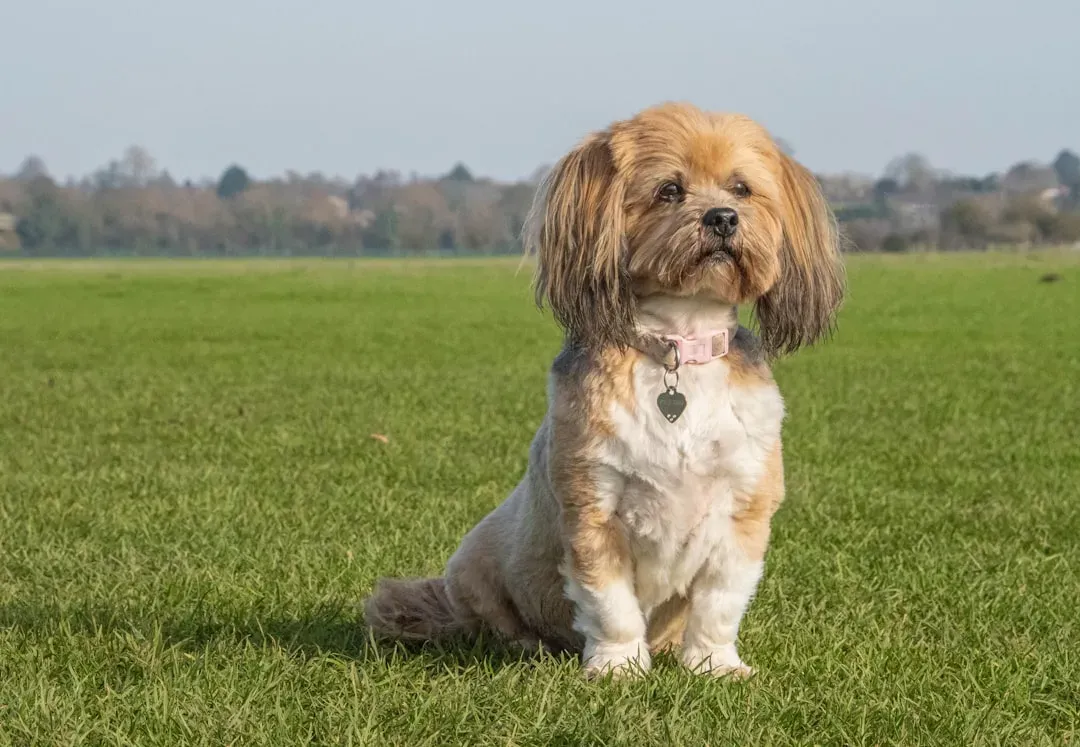
These joyful and mischievous dogs have long, thick coats that easily mat and tangle. Regular grooming to prevent tangles and matting is essential to their needs. Grooming a Lhasa Apso can be a time-consuming task, even for experienced dog owners. It’s recommended that these breeds get brushed four to five times a week and are taken to a professional groomer every four to six weeks.
Lhasa Apso dogs need to be brushed and bathed in between visiting the groomer. Those with long hair will need to be brushed regularly using specific tools and techniques, and this breed needs to be bathed at least every two weeks. Both long hair and puppy cut Lhasa Apso dogs require a good amount of maintenance. The ACA highly recommends regular trips to a professional groomer to ensure proper care of their coat, noting that those in a puppy cut or other clip still should be brushed regularly and bathed between visits to the groomer. The deceptively small size of this breed tricks many first-time owners into thinking the workload will be proportionally small. It isn’t.
#12. Pomeranian
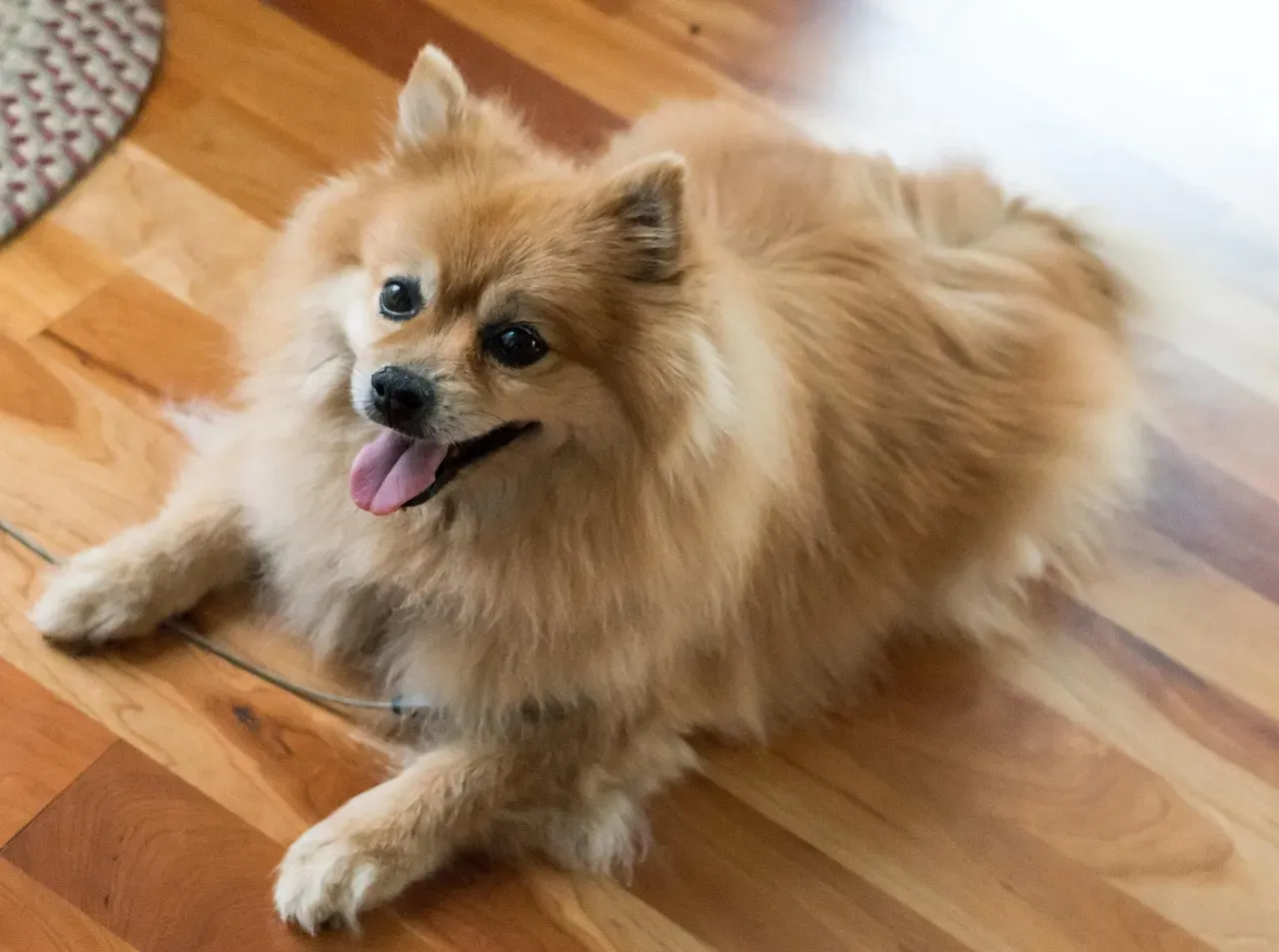
The Pomeranian has a thick, fluffy coat that requires regular grooming to keep it looking its best. Pomeranians can be difficult to groom at home due to their small size and the time and effort it takes to properly care for their coat. Their thick coat can be prone to tangles and mats, which can be difficult to remove without the proper grooming tools and techniques. It is important to groom Pomeranians regularly to keep their coat healthy and prevent any potential health issues that may arise from neglecting their grooming needs.
A Pomeranian’s extravagant double coat requires frequent brushing down to the skin once a week to keep the hair from matting. The AKC advises that it is highly recommended to find a groomer to do a full groom, including bath, brushing, ears, nails, and anal glands, every four to six weeks. Professional groomers have pointed out that owners don’t realize they need to be brushing with a comb as well as a brush, and also need to be lifting the coat to brush it to make sure they are getting the undercoat. For a dog that weighs less than ten pounds, the grooming commitment is one that routinely catches owners completely off guard.
The Bigger Picture: Grooming Is Never Just Cosmetic
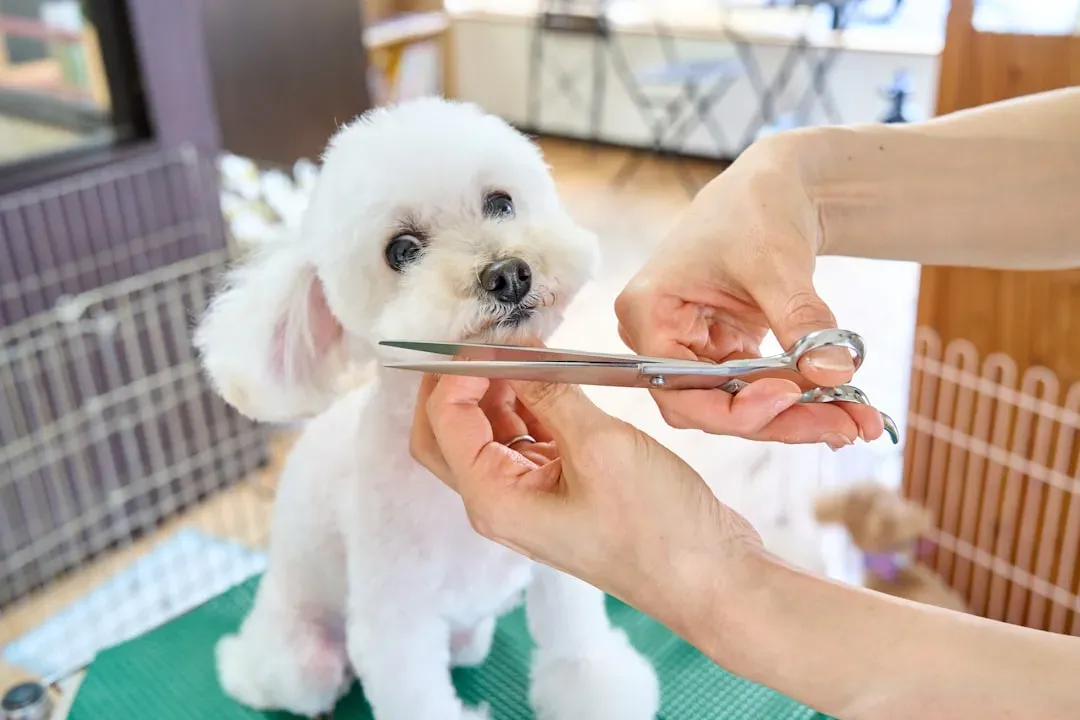
It would be easy to read this list and think it’s all about aesthetics. It isn’t. Matting refers to dense tangles, knots, and clumps that form in a dog’s fur, and by restricting airflow and trapping moisture, mats can cause irritation, sores, and hematomas, with certain breeds and coats being significantly more prone to matting than others. The grooming chair is, in many ways, a health check in disguise.
Matting can lead to skin issues such as irritation, hot spots, and even infections due to trapped moisture and reduced air circulation, while regular grooming helps avoid this and aids in distributing natural oils, promoting a healthy and shiny coat. The honest conclusion here is a pointed one: if you’re drawn to one of these breeds for their looks, that’s completely understandable. The gap between expectation and reality is widest precisely with the dogs that look most glamorous, whether it’s the Afghan Hound’s cascade of silk, the Komondor’s dramatic cords, or the Bichon Frisé’s perfect white puff, all of them carry a maintenance commitment that owners routinely underestimate until they’re already months into ownership. The grooming table doesn’t lie, and neither do the groomers. Do yourself and your dog a favor and find out what you’re really signing up for before you fall in love with the look.
