
Misconception 1: Wolves Are Controlled by a Ruthless “Alpha”
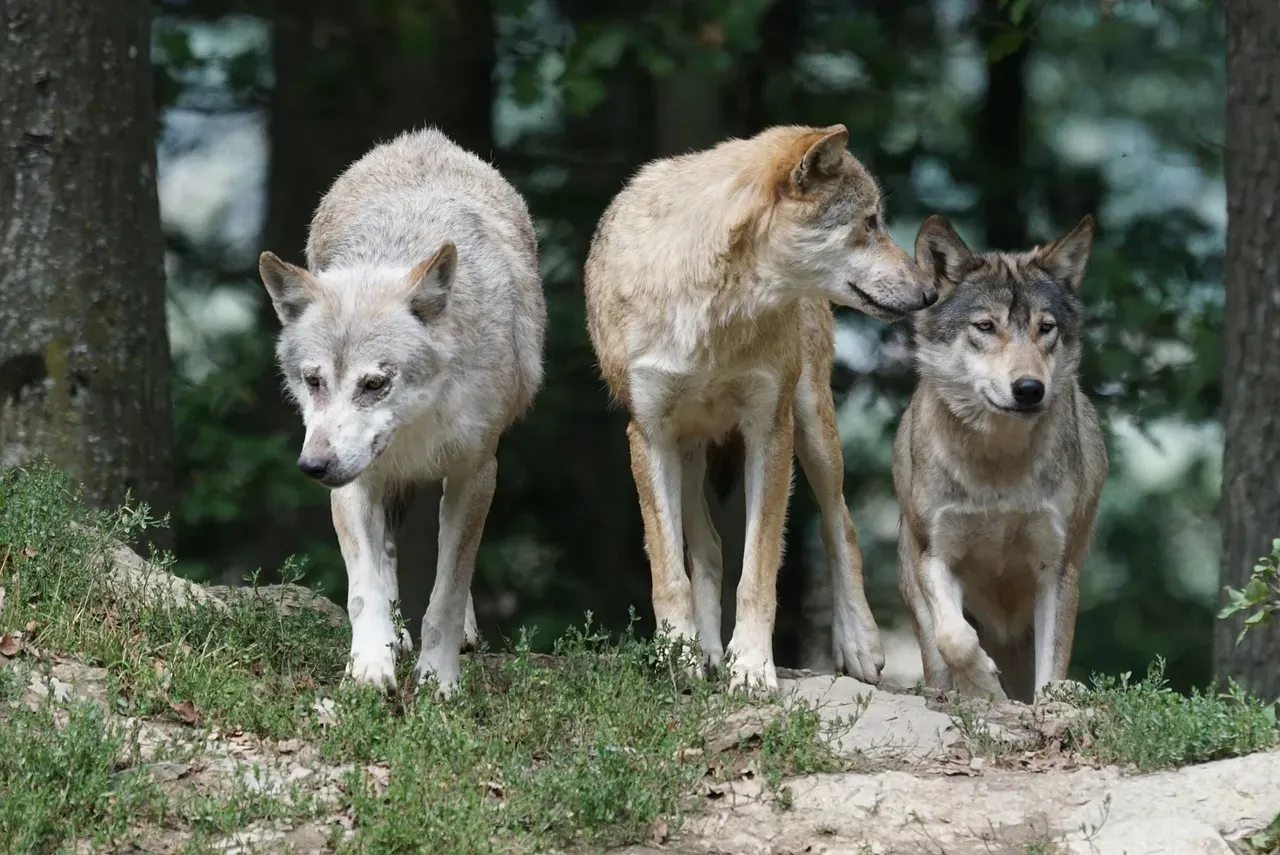
This is probably the most stubborn wolf myth in circulation today. The idea of a fierce, dominant alpha wolf fighting its way to the top of a hierarchy has worked its way so deeply into popular culture that it’s become a metaphor for human ambition. The idea that wolf packs are led by a merciless dictator is pervasive, lending itself to a shorthand for a kind of dominant masculinity. In the wild, researchers have found that most wolf packs are simply families, led by a breeding pair, and bloody duels for supremacy are rare.
The term itself came from a 1947 study on captive wolves, and the problem was that those wolves weren’t actually a natural pack. The alpha concept was started by the German behaviorist Rudolf Schenkel, who wanted to study wolves. At the time he could only do that with animals in captivity, so he got wolves from different zoos and put them together, thinking that was a real pack. Researchers later learned that a wolf pack in nature is really a family, but Schenkel didn’t know this. Even the scientist whose 1970 book popularized the alpha concept later tried to walk it back. In 1999, to correct this view, biologist L. David Mech published an article arguing that the term “alpha wolf” does not apply to wolves in the wild, as they do not dispute leadership – they just form families.
Misconception 2: Wolves Howl at the Moon
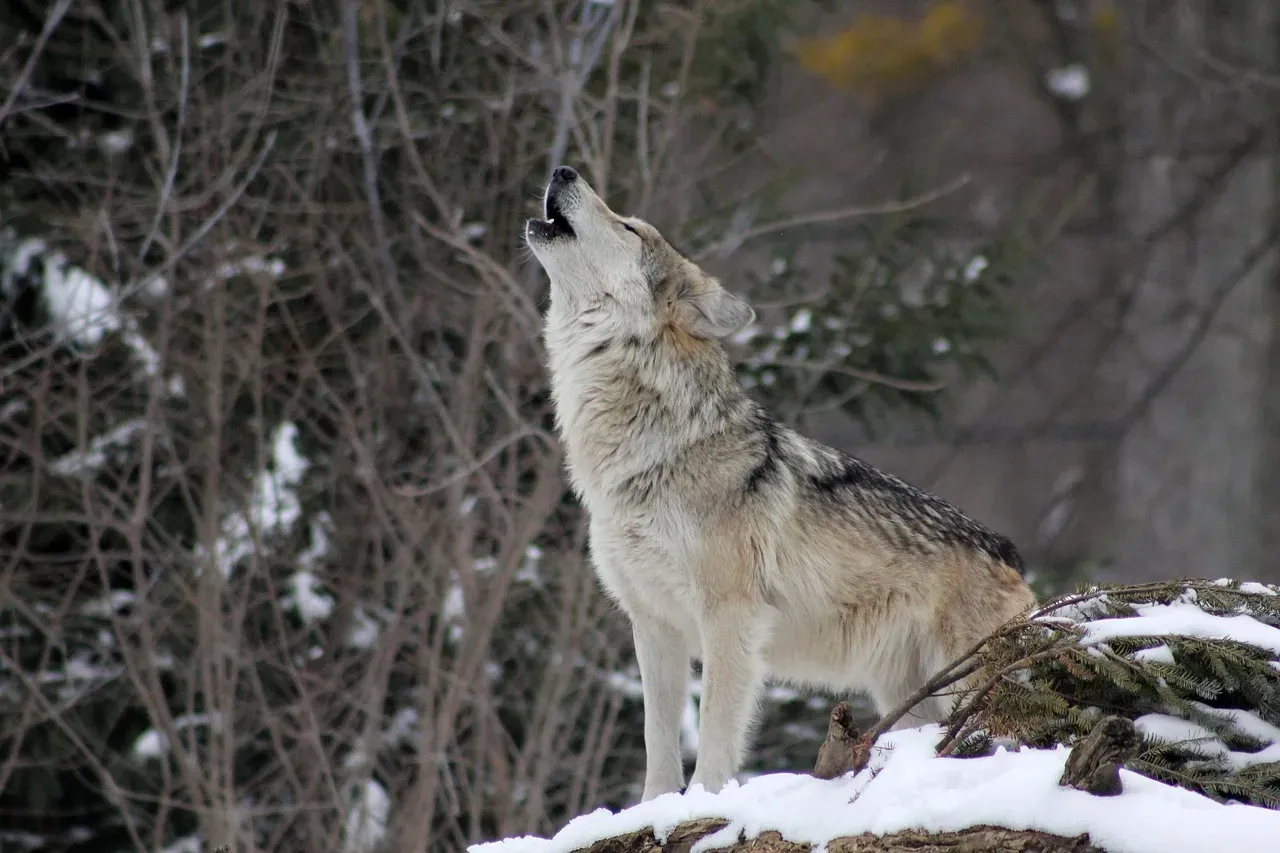
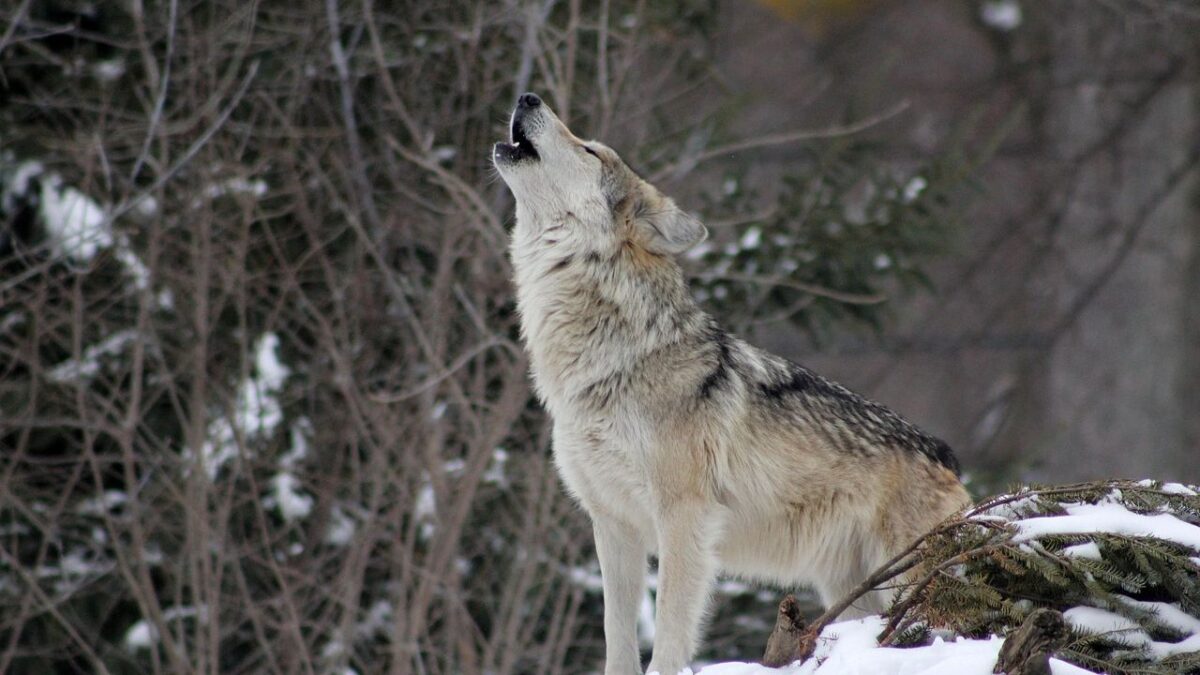
It’s one of the most iconic images in nature: a lone wolf silhouetted against a full moon, head tilted back, releasing a long haunting cry into the night. It’s also completely fictional. It is a myth that wolves howl at the moon. Howling may be heard at night, but it is not a behavior directed at the moon. Instead, it is used as a social rally call, a hail to hunt, or as a territorial expression.
Canine experts have found no connection between the phases of the moon and wolf howling. Wolves pipe up more often during the night because they’re nocturnal. The reason wolves tilt their heads back when howling is purely acoustic. Projecting their calls upward allows the sound to carry farther. On open terrain, the sounds of wolf howls can carry as far as 6 miles in the forest and even 10 miles across the treeless tundra. The moon just happens to be visible when wolves are most active, and centuries of mythology did the rest.
Misconception 3: Wolves Kill for Sport
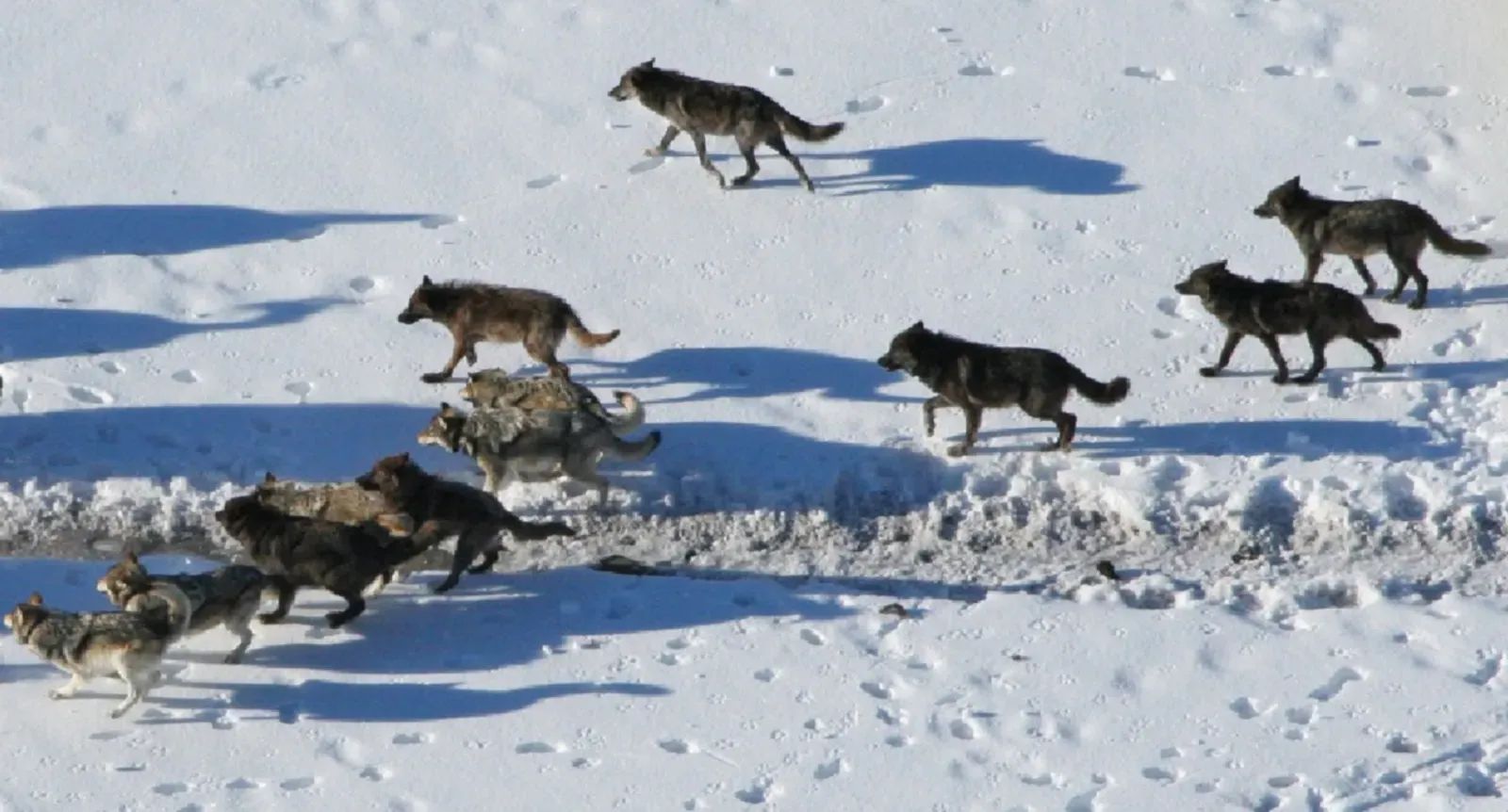
The idea that wolves slaughter prey for the thrill of it is one of the oldest and most damaging myths attached to the species. Unlike humans, wolves do not kill for sport. Wolves and all other predators kill for sustenance and survival. Sometimes carcasses are found that are only partially consumed, leading to the assumption that the kill was abandoned and wasted. The reality is, wolves are very wary and alert, and are therefore easily chased from their kill if other predators or people approach.
Hunting is also far harder and more dangerous for wolves than most people realize. The success rate for wolf chases that result in kills is only 14%, with 86% of the chases ending with no food. These predators can’t afford to waste energy chasing and killing for reasons other than getting food. Hunting is also dangerous for wolves because they are trying to take down prey much larger than they are. Working together as a pack may reduce the risks, but a swift kick from an elk or bison can cause injury and death to an individual. When wolves do leave a carcass behind, research reveals that wolves return to their food repeatedly, sometimes over weeks and even months, and most often eat the entire animal.
Misconception 4: Wolves Are a Serious Threat to Human Life
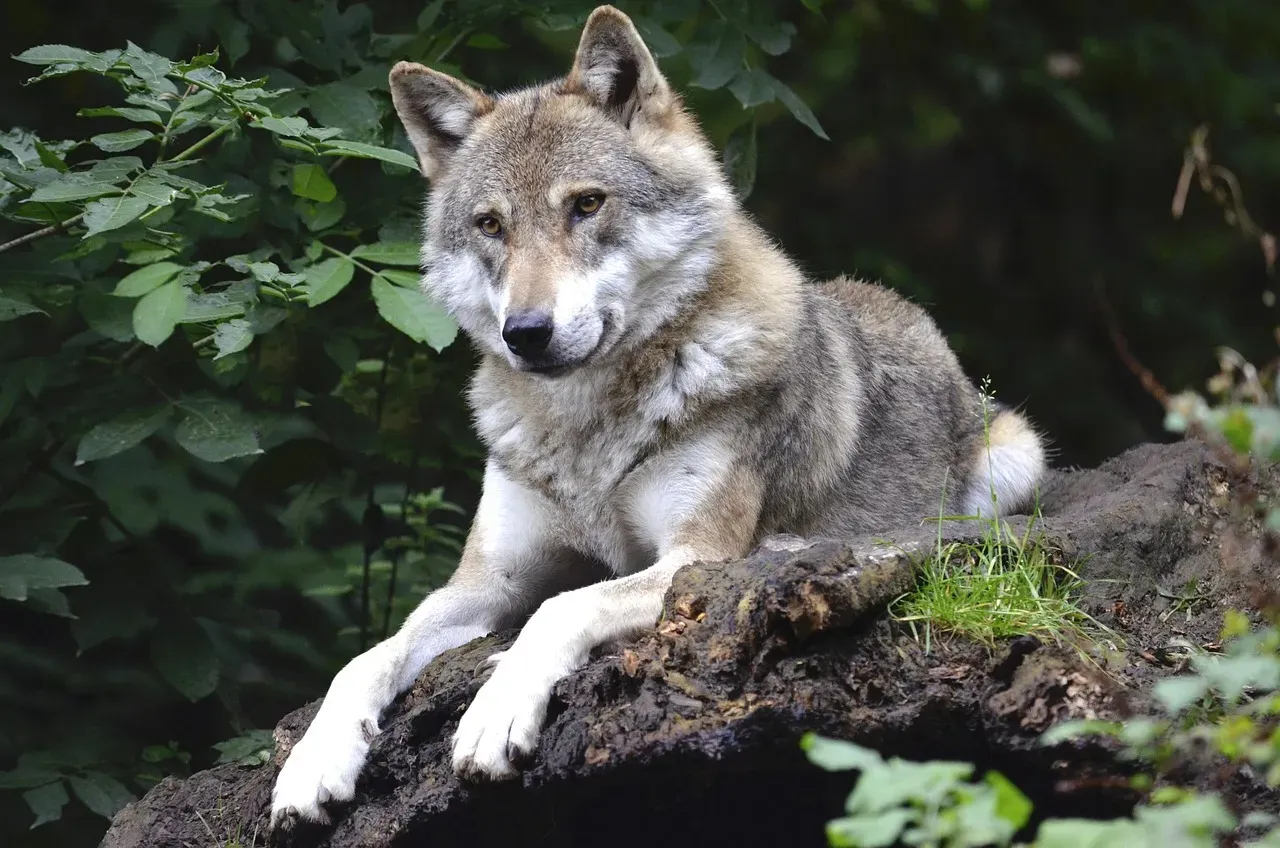
Movies and folktales have spent centuries positioning wolves as a mortal danger to people. The reality, backed by a full century of data, tells a very different story. There have been only two incidents where wolves have killed humans in North America in the past 100 years, once in 2005 and once in 2010. This is an extremely rare rate of occurrence. Wolves have a natural fear of people that is only eroded when they learn to associate humans and human settlement with opportunities to find food.
To put that risk in proper perspective, in truth, a wolf attacking a person is exceedingly rare. Lightning, by contrast, kills about 28 Americans per year. Wild wolves, when left undisturbed, simply don’t see humans as prey. They are naturally wary and tend to avoid human settlements. Instances of aggression are often exaggerated or based on misunderstandings of wolf behavior. Wolves’ cautious nature leads them to be more curious than confrontational. Encounters with humans typically result in wolves retreating rather than attacking.
Misconception 5: Wolves Are Decimating Livestock and Ruining Ranchers
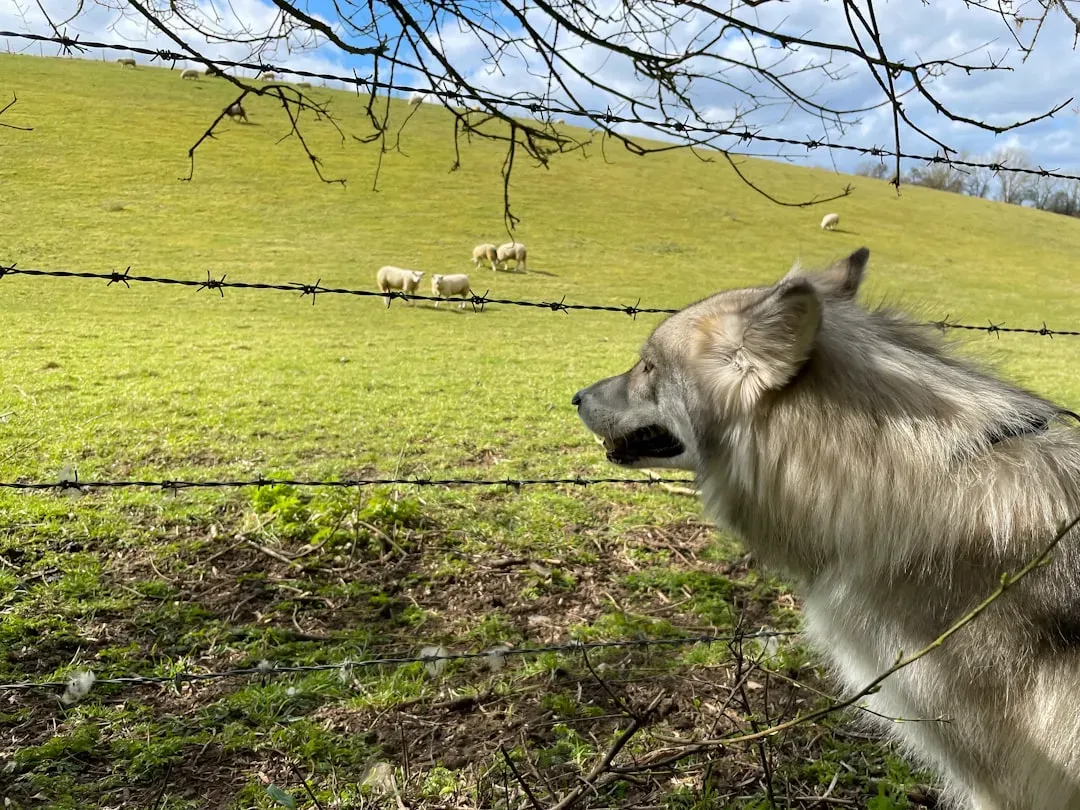
Few claims stoke more conflict around wolf conservation than the belief that wolves are systematically destroying livestock operations. Ranchers do face real challenges when wolves move into an area, and those challenges shouldn’t be dismissed. The scale of the problem, however, is frequently exaggerated. Experts have learned that wolves only turn to livestock as a food source if their other food sources are not available, or if the wolf in question is weak or old. In states where wolves are the most common, including Montana, Idaho, and Wyoming, wolf attacks account for less than 1% of cattle deaths caused by predators.
While wolves can prey on livestock, studies show that they are responsible for only a small percentage of livestock deaths. In many cases, other factors such as illness, accidents, harsh weather, or attacks from other predators like coyotes or bears are more common causes of loss. Non-lethal deterrents have also proven effective in protecting livestock. Livestock guardian dogs, secure fencing, and human presence in grazing areas all significantly reduce wolf attacks. The problem is real in specific cases, but the widespread narrative of wolves single-handedly bankrupting ranchers simply doesn’t hold up against the data.
Misconception 6: Wolves Wipe Out Elk and Prey Populations
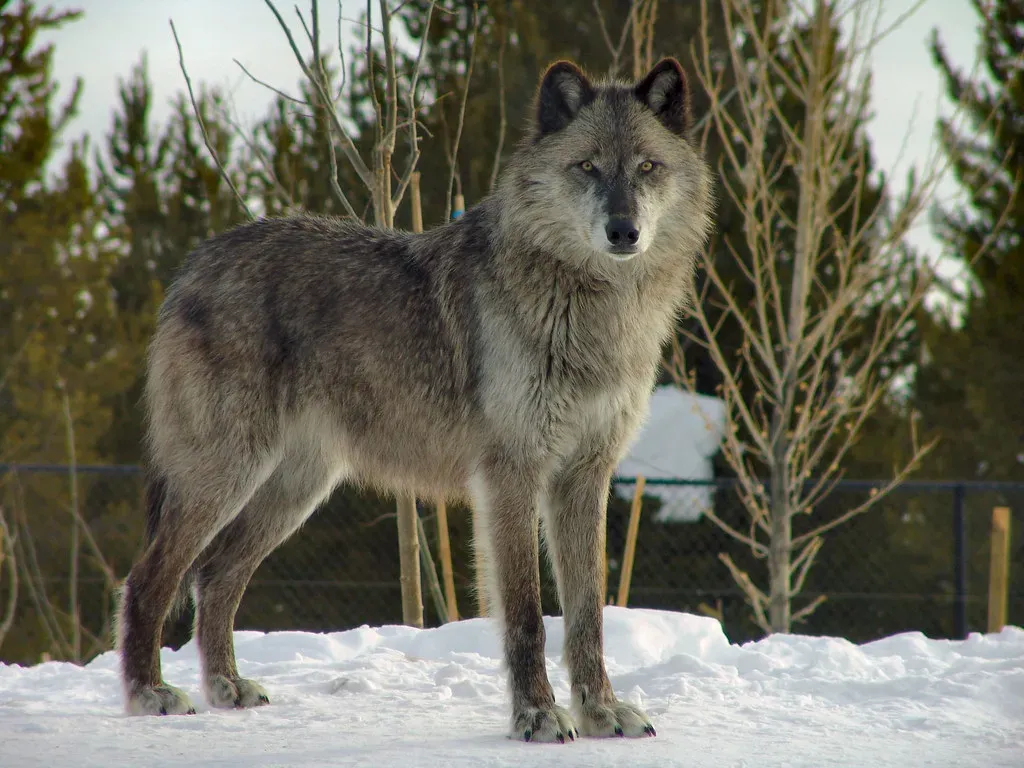
One of the loudest arguments against wolf reintroduction has been that they will simply devour every elk in sight, leaving nothing for hunters and destabilizing prey populations. The evidence from Yellowstone, now spanning three decades, points somewhere more complicated and more interesting. Twenty-five years after gray wolves returned to Yellowstone National Park, the predators that some feared would wipe out elk have instead proved to be more of a stabilizing force. New research shows that by reducing populations and thinning out weak and sick animals, wolves are helping create more resilient elk herds.
The relationship between wolves and prey is not a simple zero-sum equation. Elk herds naturally increase and decrease in size over time. They do so in response to changes in habitat, nutrition, disease, hunting pressure, predation, weather, and a number of other factors. Sometimes predators may cause local impacts on local prey populations, but predator numbers are primarily driven by the availability of their prey, which in turn is controlled by the availability of food and the uncertainty of the weather. These intertwined factors demonstrate nature’s inherent balance, and ensure that elk, deer, and other ungulates are not “wiped out” by the animals that eat them.
Misconception 7: Wolves Are Lone Wanderers by Nature
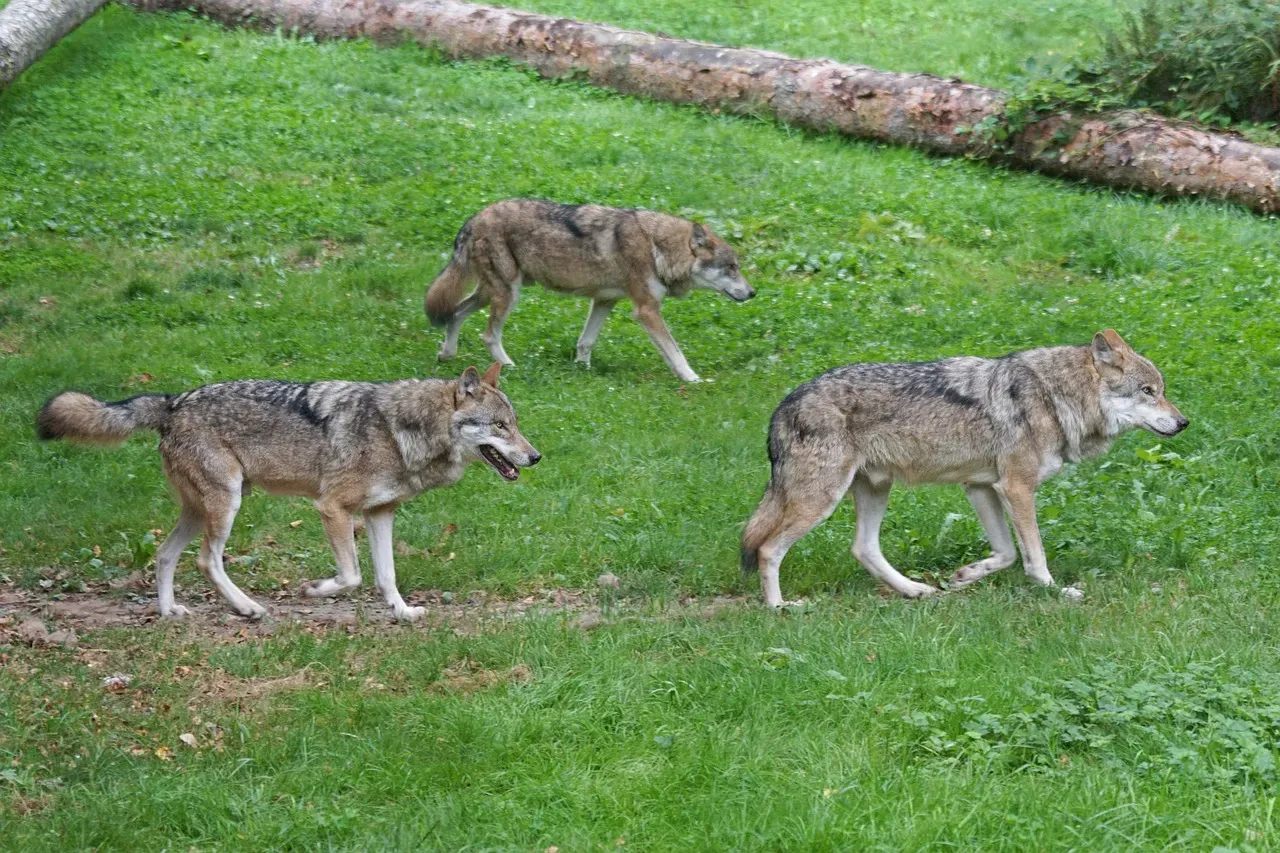
Popular culture loves the lone wolf. It’s become a symbol of fierce independence, the solitary creature that needs no one. In reality, wolves are among the most socially bonded animals in the wild, and isolation is generally something they work hard to avoid. Wolves are social animals that thrive in family-oriented packs. A typical pack consists of a breeding pair and their offspring, working together to hunt, raise pups, and defend their territory. While some wolves may venture alone temporarily, usually to find a mate or establish new territory, they ultimately seek to form or join a pack. Being part of a group provides survival advantages, such as increased hunting success and protection from rival predators.
The depth of that social bond goes further than mere cooperation. Research tracking wolf pairs in Scandinavia found remarkable results. Wolf pairs are described as unbelievably faithful. They stay together all the time, with more than 70 percent of GPS positions from wolf pairs showing they remain within 100 meters of each other. They are incredibly dependent on each other. A wolf that is truly alone is almost always one in transition, searching for its next family rather than choosing permanent solitude.
Why Getting This Right Actually Matters
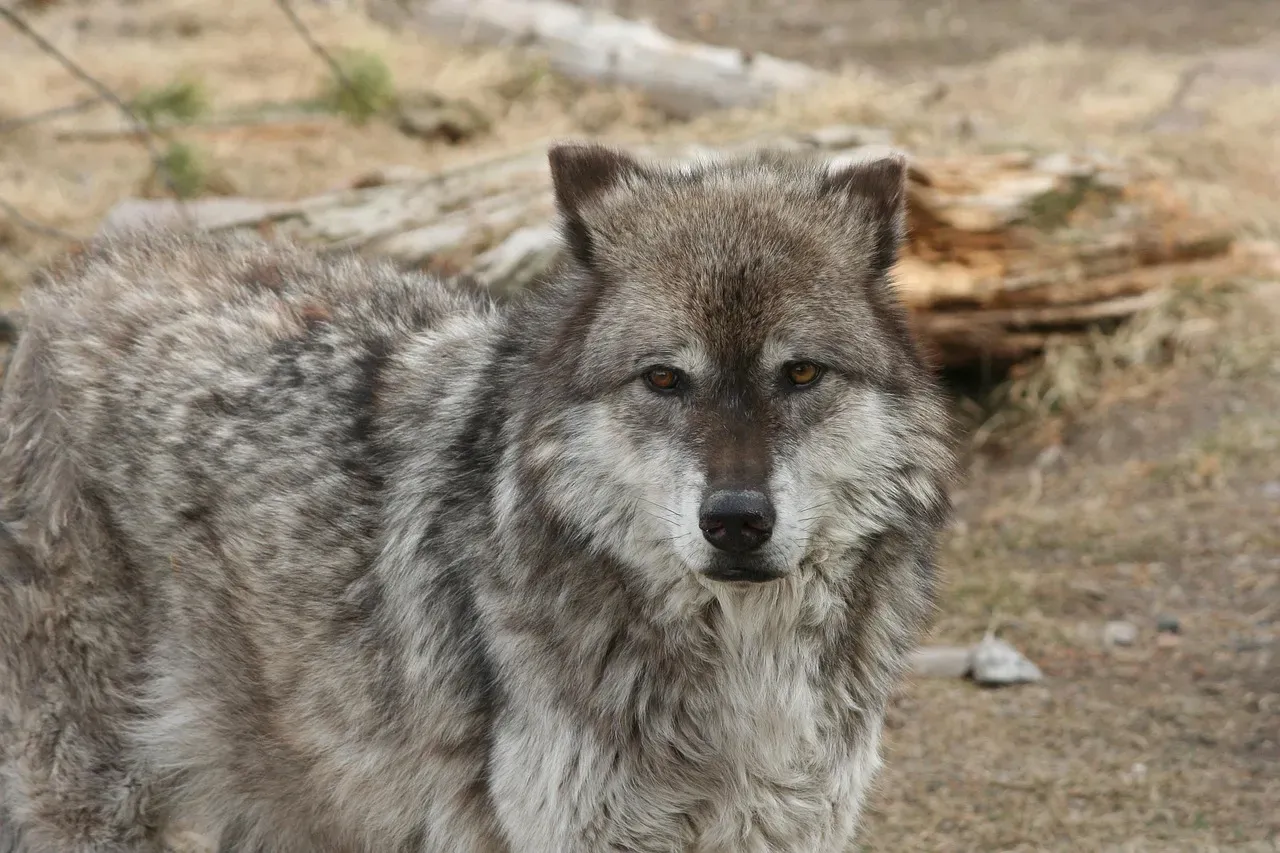
These myths aren’t harmless curiosities left over from campfire tales. Wolves have long been subjects of myth and legend, leading to misconceptions that often paint them as villains. These misunderstandings not only affect the perception of wolves but also influence conservation efforts and policies. When fear and fiction drive policy, the results tend to be harmful, for ecosystems, for wildlife management, and ultimately for the communities that depend on healthy landscapes.
The Yellowstone story is a reminder of what’s at stake. Wolves are causing a trophic cascade of ecological change, including helping to increase beaver populations and bring back aspen and vegetation. The reintroduction of wolves to Yellowstone not only restored predator-prey dynamics but also physically reshaped the landscape. By reducing elk overgrazing, wolves allowed trees and shrubs to regrow along riverbanks, stabilizing the soil and preventing erosion. With stronger banks, rivers meandered less, deepened, and retained water more effectively, creating healthier wetland habitats. This, in turn, supported beavers, birds, fish, and countless other species, increasing overall biodiversity.
Conclusion: The Wolf Deserves Better Than the Story We’ve Told
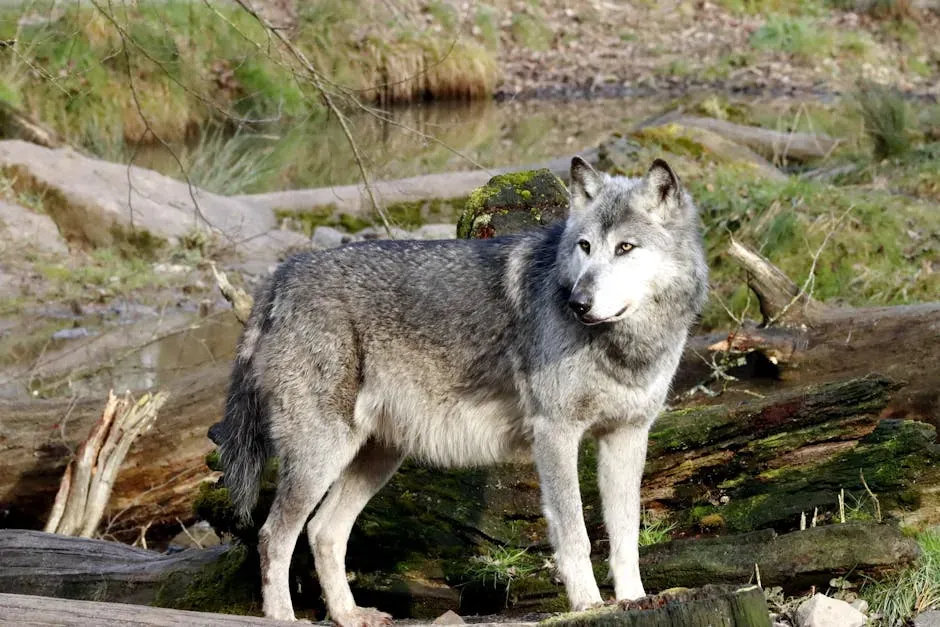
The wolf has, for most of recorded human history, been cast as the villain. That framing has made it easier to eliminate them, restrict their recovery, and resist the science that consistently shows how vital they are. Every misconception on this list carries a cost, measured in policy decisions shaped by fear rather than evidence, in species pushed toward the edge, and in ecosystems that can’t fully function without their apex predators.
Getting wolves right isn’t just an academic exercise. It’s a test of whether we’re willing to let uncomfortable facts revise comfortable assumptions. The wolf is not the monster of the fairy tale, the reckless sport killer, or the lone wanderer. It’s a family animal, a careful hunter, and a species that quietly holds ecosystems together in ways scientists are still uncovering. The least we can do is stop telling stories that aren’t true.
