
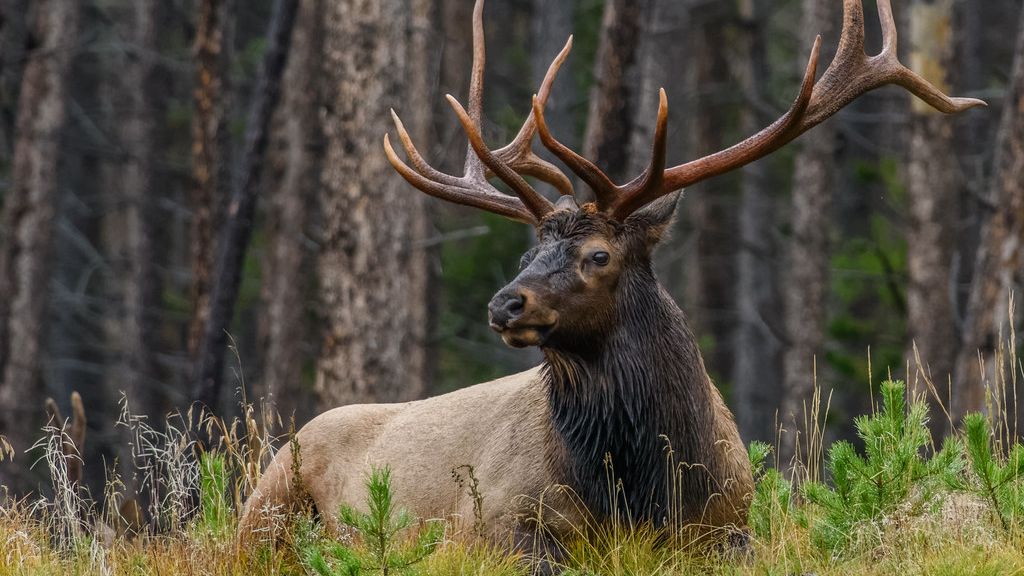
The elk holds a place of profound reveance in Lakota spirituality, far beyond what most people might imagine when they think about animals in Indigenous culture. This majestic creature, known as Heȟáka in the Lakota language, wasn’t simply viewed as another animal to hunt or observe. The relationship was deeper, more spiritual, more interconnected with the fabric of daily life and ceremonial practice.
To truly grasp what the elk represented, you need to understand that the Lakota didn’t even use a word equivalent to “animal” in their traditional language. Think about that for a moment. Every living being was considered part of nations – Oyaté – with minds, communication systems, and spiritual significance. Let’s explore the layers of meaning this remarkable creature held for the Lakota people.
The Elk As Sacred Relative And Protector

Native American tribes hold the elk in high esteem and consider him a relative – a relative who brings strength, endurance, and patience. For the Lakota specifically, the elk is part of their 4-legged nation, not merely an “animal”. This distinction matters immensely.
The elk protects the oyaté (tribe/nation), and members of the Elk Nation bear the responsibility bestowed upon them by their relative the elk. Perhaps the most prominent member of the Elk Nation was Nicolas Black Elk, Oglala Lakota medicine man and healer, who throughout his lifetime led his people with wisdom and strength – offering them hope for unity and peace. His very name carried the weight of this sacred connection, demonstrating how deeply elk symbolism penetrated Lakota identity itself.
Strength, Courage, And Supernatural Power
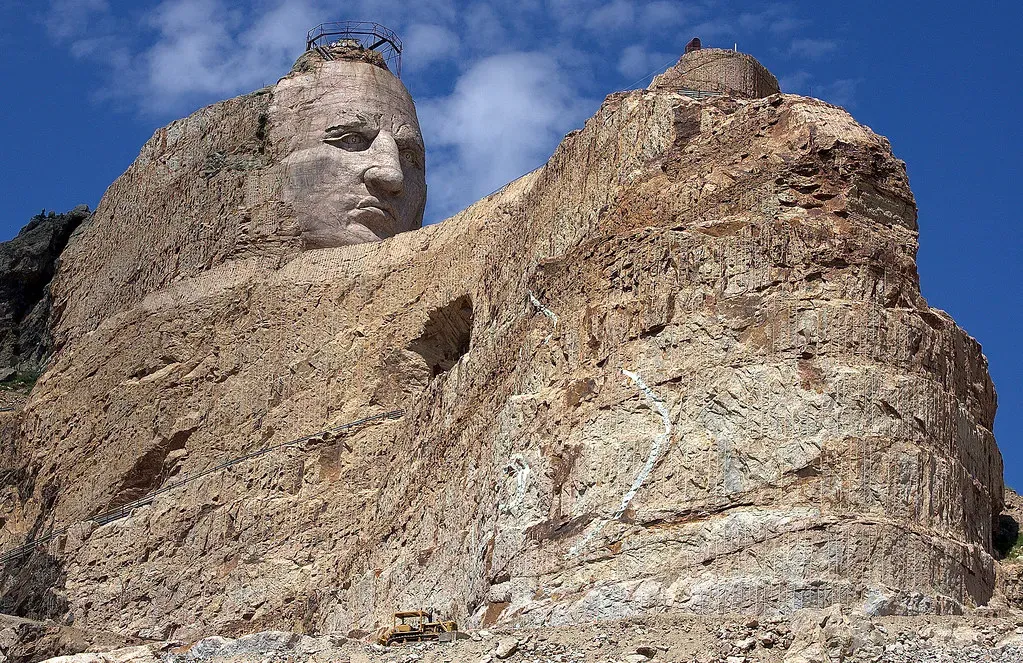
Embodying strength and stamina, the elk spirit animal – Heȟáka – symbolizes courage, respect, and deep connection in Lakota tradition. Here’s the thing: the elk wasn’t just admired for physical prowess. From the elk, the Lakota learned about relationships between men and women, and the supernatural power called into being at creation.
The elk have strength, speed, and courage, and the elk’s ability to maneuver massive antlers that can be six feet wide through dense foliage is amazing and graceful. Beauty, gallantry, and protection became the emblems of the elk. This combination of raw power tempered with grace offered spiritual lessons about how to move through the world – strong yet elegant, powerful yet controlled.
The Sacred Medicine Of Love And Courtship

One of the most fascinating aspects of elk symbolism within Lakota culture involves romance and courtship. The Oglala admired the elk’s ability to attract a mate with one mating call and used this as inspiration to create the love flute, which was thought to bestow amorous medicine and mimicked the elk mating bugle call to attract the woman that would be a perfect match for the suitor playing the flute.
Young men seeking brides would look to the elk for guidance and inspiration. The male elk, in particular, stood for health and long life to the Lakota. The elk’s powerful bugle during mating season became woven into Lakota romantic traditions, transforming animal behavior into human ceremonial practice. This wasn’t mere imitation – it was recognizing and honoring the elk’s inherent wisdom about relationships.
Physical Attributes And Spiritual Significance
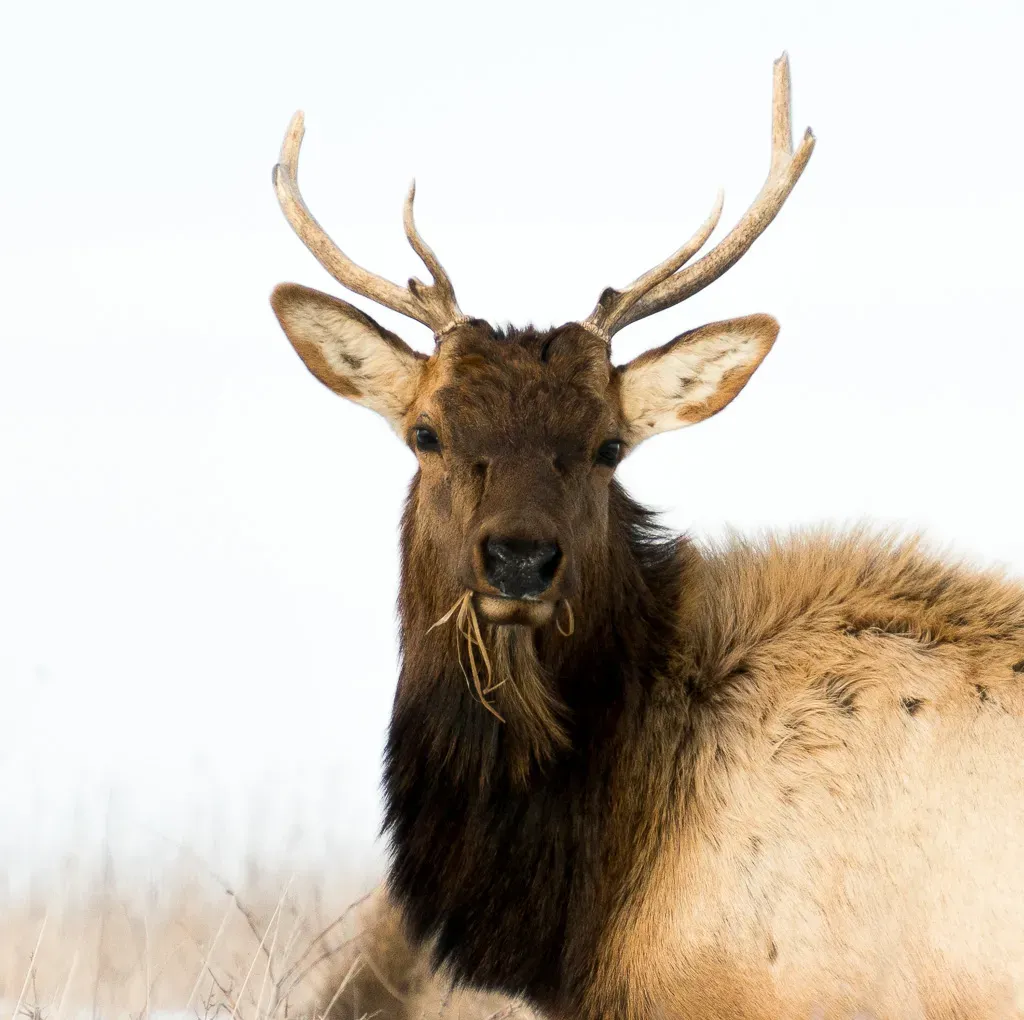
Understanding the elk’s physical reality helps illuminate its spiritual symbolism. Bulls can weigh around seven hundred pounds and possess antlers spanning approximately four feet. Their sheer presence in nature commanded respect. Yet despite their imposing size, elks are largely docile unless threatened.
Male members of the Lakota tribe are traditionally presented with an elk tooth at birth, a symbol of longevity and connection to the natural world. Elk teeth are highly valued and remain a symbol of wealth – often used for jewelry or to adorn traditional regalia. These practices demonstrate how thoroughly elk symbolism permeated life stages and material culture within the tribe.
Endurance As Parallel To Tribal Resilience
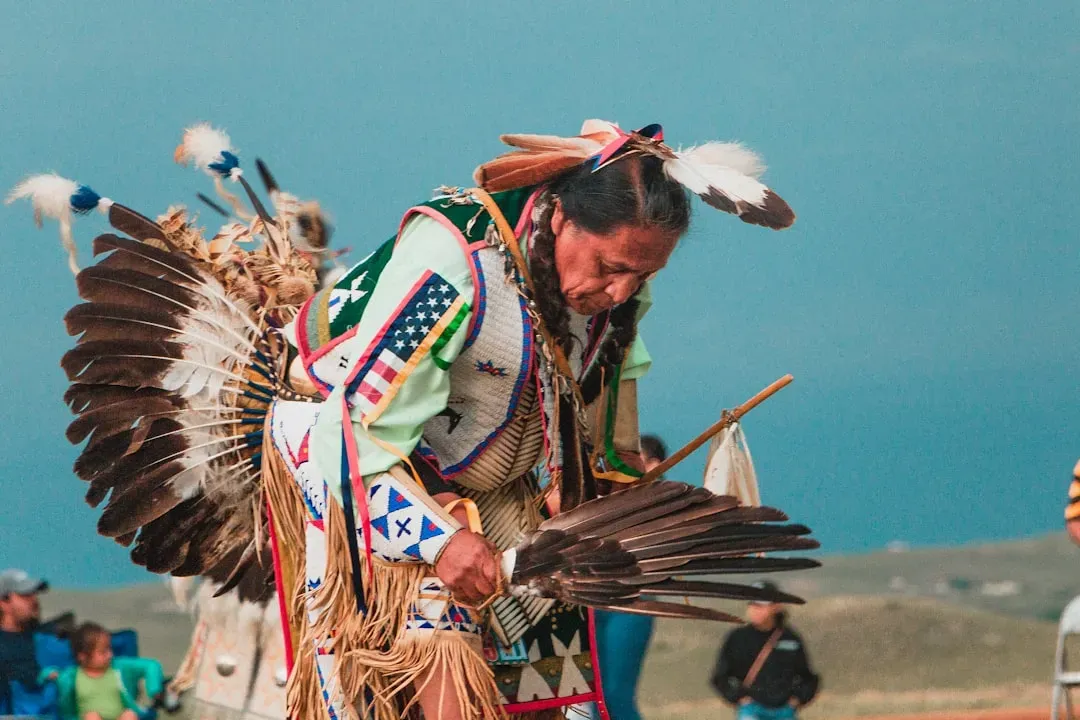
The Heȟáka’s (elk) endurance over the past century closely compares to that of Native people, as the elk’s numbers dwindled from 10 million to under 50,000 by 1900. This devastating decline mirrored the suffering experienced by Indigenous communities during colonization and forced relocation.
The elk’s resilience and rise to over 1 million today offers Native American people a vision to rise and use their voices to bugle: “We are still here, we are strong, we are valuable.” The elk became more than spirit guide – it transformed into a symbol of survival itself. If the elk could recover from near extinction, so too could Native peoples reclaim their cultural heritage and spiritual practices.
The Elk In Lakota Ceremonial Life
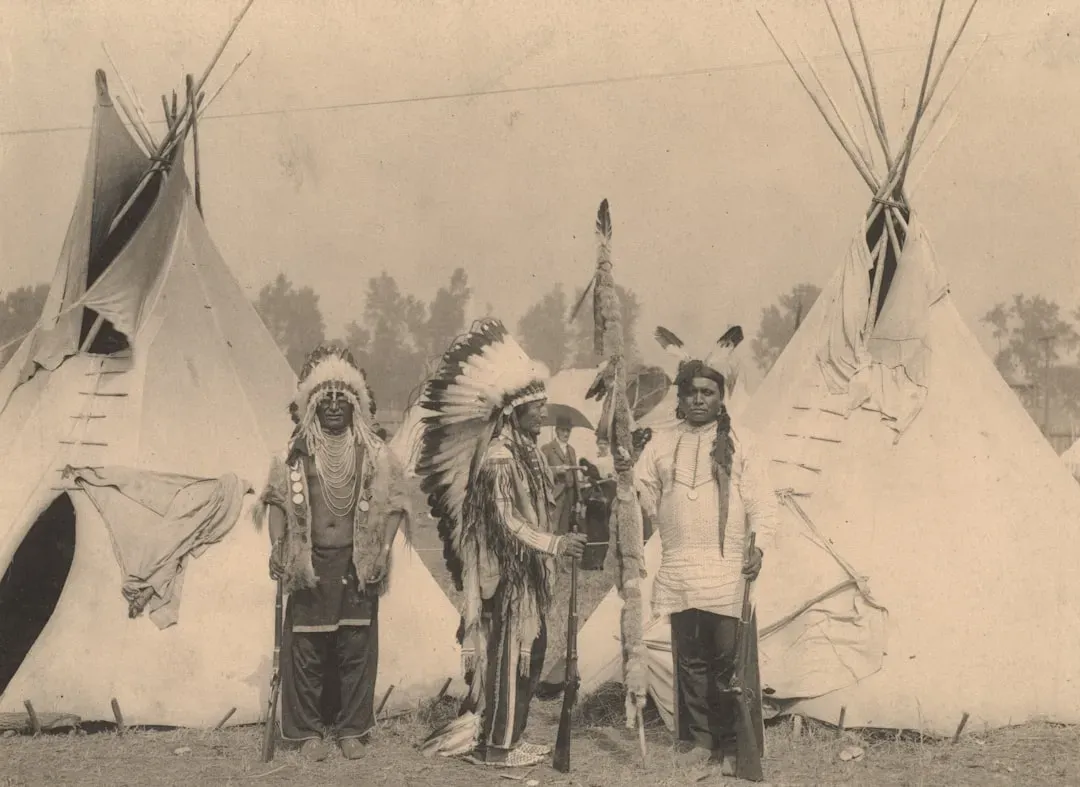
Elk symbolism wasn’t confined to abstract spiritual concepts. It actively shaped ceremonial practices and sacred rites within Lakota communities. Warriors drew strength and courage from elk medicine before battle. Healers invoked elk energy when treating the sick or injured.
The elk represented qualities essential for spiritual leaders: patience, endurance, the ability to protect one’s community, and connection to supernatural forces. Medicine people understood that channeling elk energy meant accessing ancient wisdom that predated human memory. The elk had walked these lands for countless generations, witnessing the turning of seasons and the flow of sacred waters.
Elk Wisdom About Balance And Community

Elks live in herds, typically segregated by gender except during mating season. This social structure offered spiritual lessons about the importance of same-sex friendships and community bonds. Yet bulls also demonstrate leadership during breeding season, protecting their harems and bugeling dominance.
The Lakota Sioux revered the elk’s unmatched strength and bravery, capable of defending against formidable predators, and many tribes believe the elk possesses unique powers bestowed by nature, combining speed with the intelligence to evade threats. This balance between community living and individual strength provided a model for human social organization. You needed both the support of your community and the courage to stand alone when necessary.
Living Connection To Ancient Teachings
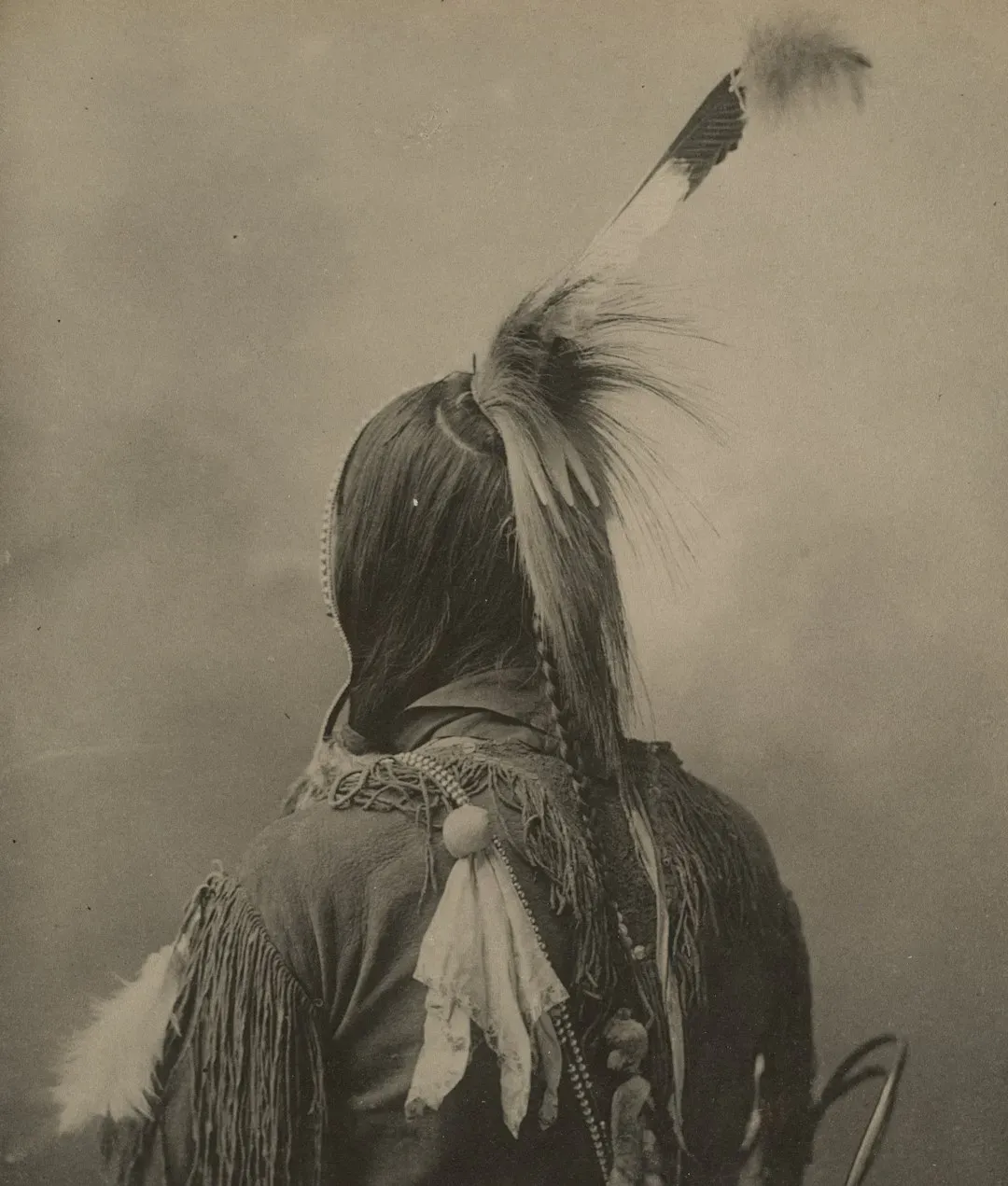
The elk’s spiritual significance hasn’t diminished in modern times. Contemporary Lakota communities continue honoring elk medicine and incorporating these ancient teachings into their lives. The renaming of Harney Peak to Black Elk Peak in two thousand sixteen represented a powerful reclamation of sacred geography and spiritual legacy.
Traditional knowledge holders still teach young people about elk symbolism, ensuring these connections remain vital rather than becoming mere historical footnotes. Every elk sighting carries potential spiritual significance. Every ceremonial invocation of elk power links present practitioners to countless generations who came before. The elk remains a living bridge between material and spiritual realms, between past and present, between human and more-than-human worlds.
What strikes me most about elk symbolism in Lakota culture is how it transcends simple metaphor. This wasn’t about assigning random meaning to an animal. It emerged from centuries of careful observation, spiritual revelation, and lived experience. The Lakota understood something profound: humans don’t exist separately from nature but within an intricate web of relationships with all beings. The elk taught them courage, patience, love, resilience, and protection. Those lessons remain as relevant now as when White Buffalo Calf Woman first brought sacred teachings to the people. How does understanding these deep spiritual connections change the way you view the natural world around you?
