
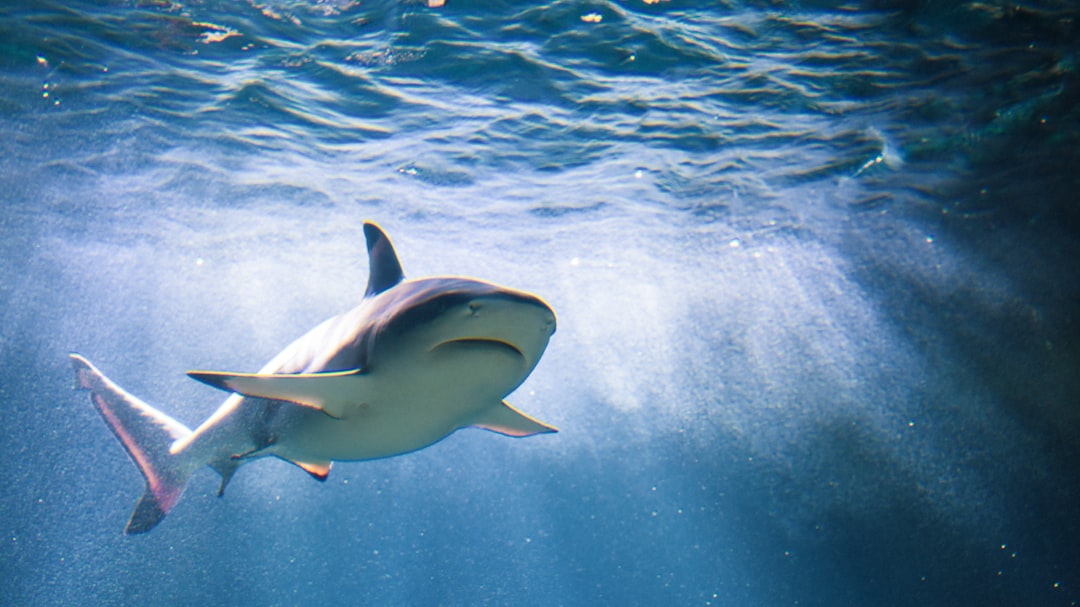
Most people never think about it until they’re already in the water. You’re floating, relaxed, maybe watching the light scatter across the seafloor, and then something catches the corner of your eye. A shadow. A fin. A shape moving with quiet, deliberate purpose. What happens next depends almost entirely on what you know before that moment arrives.
Sharks hang out close to humans far more often than most people are aware, and normally, they just swim on by, leaving swimmers none the wiser. The fear, understandable as it is, tends to outpace the actual risk by a wide margin. Understanding what to do – and what not to do – closes that gap in a meaningful way.
The Odds Are More Comforting Than You Think

Before panic takes over, it helps to have some context. The yearly average of unprovoked shark bites on humans globally is around 70, resulting in about five deaths. Those worldwide numbers are small given the millions of humans who enter the water.
The vast majority of the 500-plus species of sharks are not dangerous to human beings. Most often, all sharks, including bulls, tigers, and whites, typically go out of their way to avoid us and often display fear towards humans.
Hit-and-run bites happen near beaches where sharks try to capture fish. In pounding surf, strong currents, and murky water, a shark may mistake the movements of humans for those of their normal food. The shark makes one grab, lets go, and immediately leaves the area. Legs or feet are often bitten, and injuries usually are minor. That profile is very different from the predatory attack most people imagine.
Read the Shark’s Body Language First
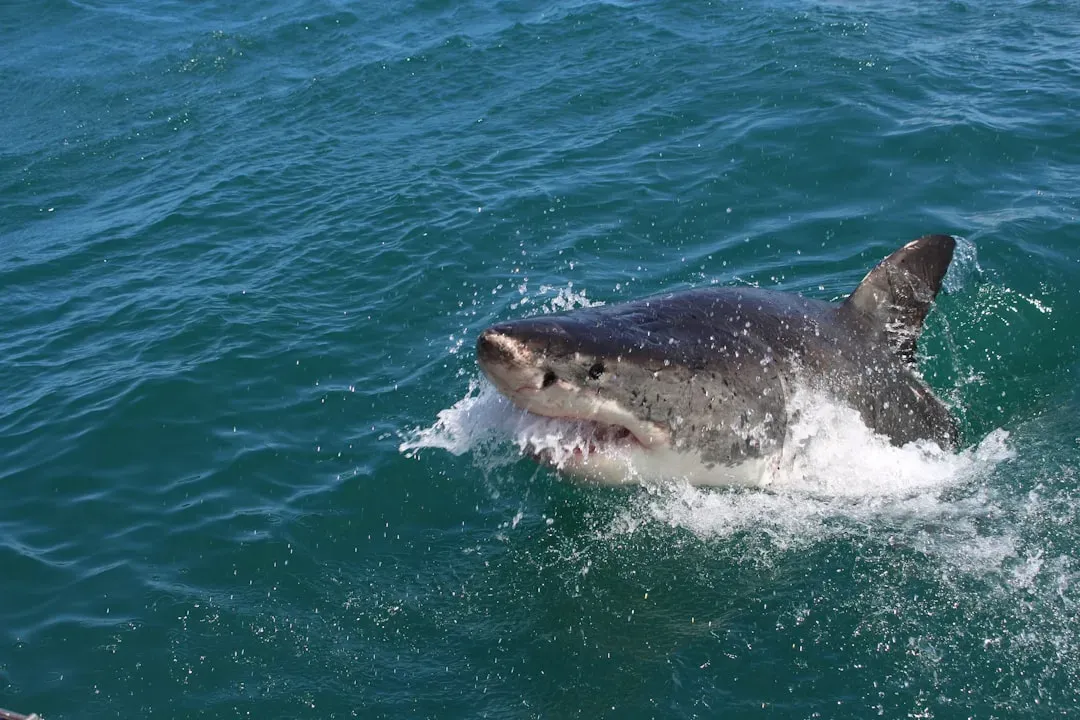
It’s important to pay attention to the shark’s behavior and see if its movements are erratic, if it’s moving backwards and forwards, circling, or just has a swimmer at the center of its attention. A shark cruising past is a very different situation from one that is actively sizing you up.
An agitated shark will display a hunched appearance as its belly contracts. The movement will also change from a maintained slow gentle pace to displays of acceleration and deceleration, rapid depth changes, and zig-zagging or erratic swimming.
Watch for agitated behavior in the form of fast bursts of speed, jerky movements, lowered pectoral fins, and exaggerated side-to-side head movements. These all indicate that a shark is feeling stressed. A stressed shark is one you should start moving away from, calmly and without hesitation. Any one of these behaviors alone is not cause for concern, but if the shark exhibits several of them together, it is wise to leave the area.
Stay Calm and Keep Your Eyes on It
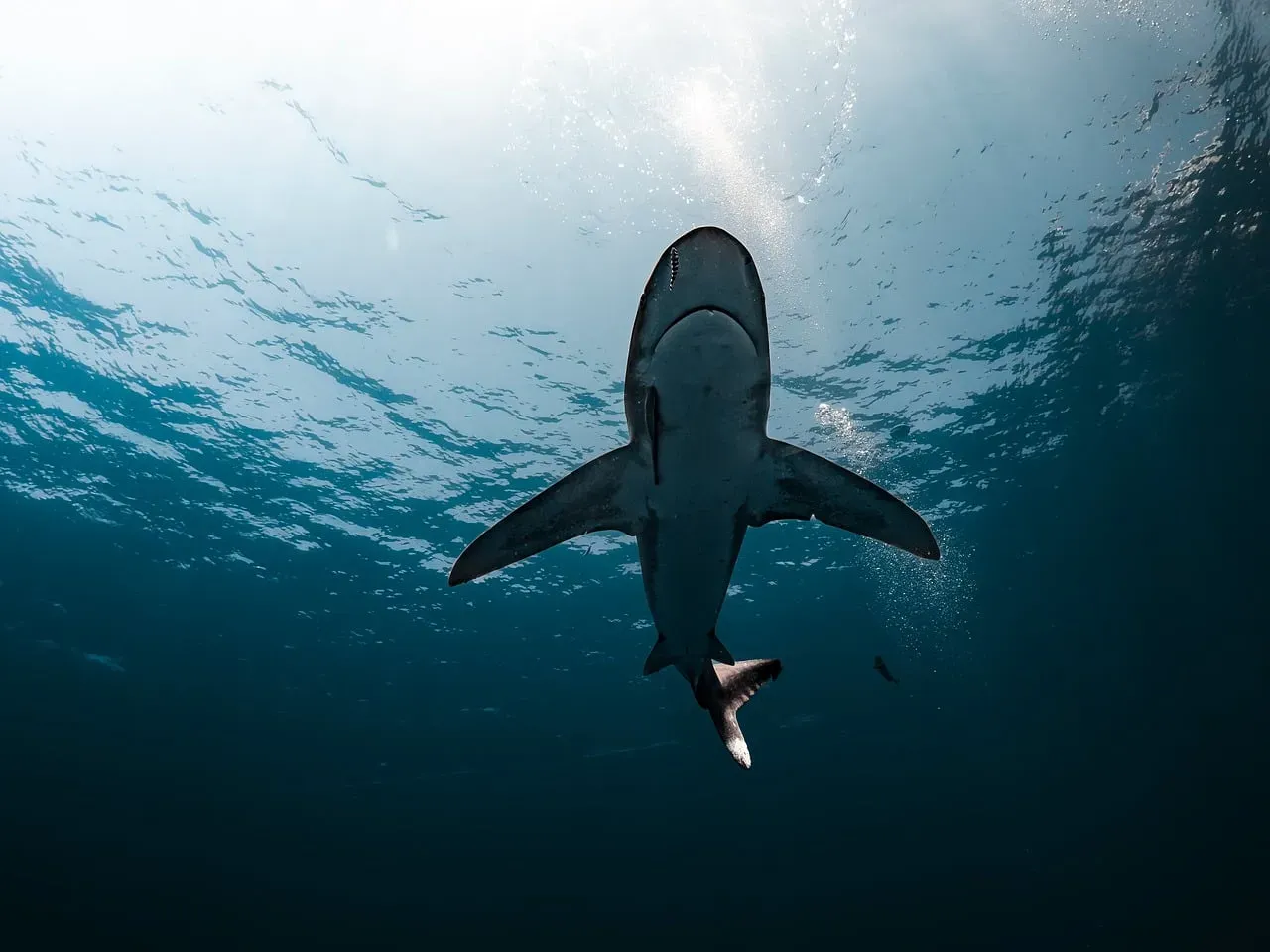
The first and most crucial step is to remain calm and maintain eye contact. Avoid sudden movements, which might trigger a predatory response. Easier said than done, obviously. Still, your behavior in those first few seconds shapes everything that follows.
Sharks are typically not interested in humans as a food source, and attacks are usually a result of mistaken identity or defensive behavior. Staying calm can help you think clearly and make rational decisions. A calm demeanor can also communicate to the shark that you are not prey.
Sharks are ambush predators, meaning they prefer to attack from below or behind. They’ll feel less comfortable swooping in if you look at them head-on. Keeping the shark in your line of sight is one of the most effective things you can do. Sharks are ambush predators. If you are watching one the whole time, its behavior changes completely. They much prefer the sneak attack.
Back Away Slowly, Never Turn and Run

Swimming away quickly can trigger a shark’s predatory instincts, as it resembles the behavior of fleeing prey. Instead, maintain eye contact and slowly back away, if possible, while continuing to face the shark. The instinct to bolt is completely understandable, but it’s the exact wrong move.
It is generally best to stay calm and slowly back away from the animal. Don’t splash or scream; simply keep an eye on the shark while quietly swimming toward the shore. If the shark is blocking your access to the beach, give the animal as wide a berth as possible so it can go about its business undisturbed. Don’t turn your back on it and keep as calm and splash-free as you can.
Do not flail your arms and legs, and do not create surface splashes. Get out of the water as soon as you see a shark if possible. Remember that some sharks can attack in surprisingly shallow waters, so as soon as you are alerted to the threat of a shark, seek dry land immediately.
If the Shark Becomes Aggressive, Fight Back
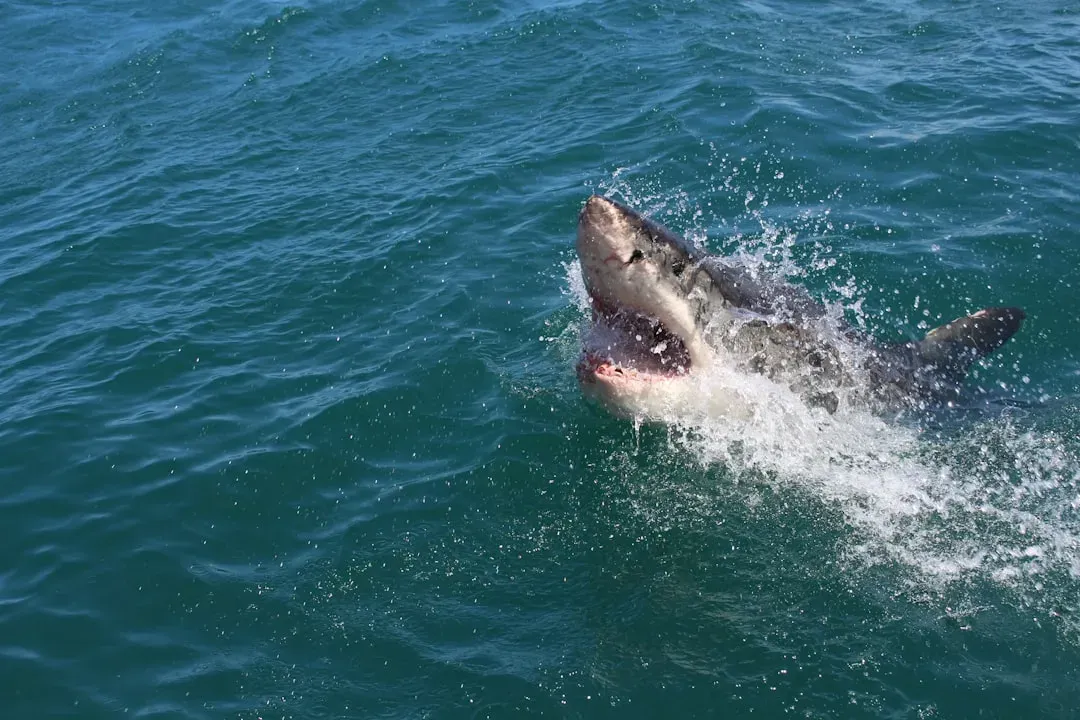
If you encounter a shark that’s in full-on attack mode and lunging toward you, do your best to punch or kick the shark in sensitive spots such as the eyes or the gills. The shark wants the easiest meal possible, so fighting back may make it change its mind and veer away.
If the shark charges, hitting it in the snout very hard will usually spook the animal off. If that does not work and a shark tries to bite a swimmer, the best course of action is to poke the shark hard in the eyes. Then, reverse out of the water, keeping eye contact with the shark and making sure to never leave your back toward the animal until you are back on the beach.
Defend yourself and do everything you can to get away. Playing dead will not trick the shark. Once you are safely out of the water, it is imperative to seek emergency medical care as quickly as possible. Even a bite that seems minor can carry serious risk of infection and blood loss, so do not delay. Alert others about the presence of the shark and call for help, remembering that sharks are less likely to attack if you are in a group than if you are alone.
The Smart Moves You Make Before You Even Enter the Water
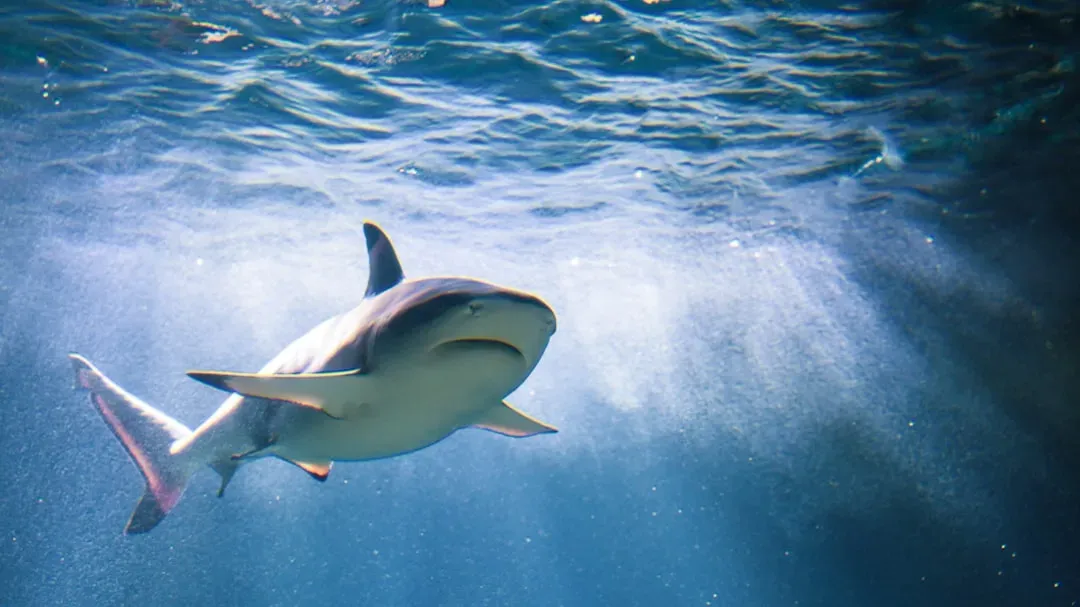
Avoid swimming at dawn and dusk, as these are prime feeding times for many shark species. Avoid murky water, which limits visibility and increases the chance of mistaken identity. These two rules alone remove a significant portion of the risk before you’ve taken a single stroke.
Do not swim near schools of fish, fishing boats, or piers. If you see schools of fish jumping out of the water or birds diving into the sea, you should consider exiting the water, as large groups of fish can draw sharks. Both recreational and commercial fishermen often discard unwanted fish and fish parts, which can also attract sharks.
Avoid wearing shiny jewelry or bright clothing. In murky water, a shark may confuse shiny jewelry or high-contrast clothing with the reflection of fish scales and mistake it for prey. It’s also worth noting that refraining from excess splashing, particularly in a single spot, matters more than many people realize. Sharks can hear the low-frequency sounds from splashing and may investigate to see if there is a fish or prey in distress.
Conclusion

The honest truth is that sharks are not hunting us. They never really were. The fear that has followed these animals for decades, amplified by cinema and sensational headlines, has done far more damage to shark populations than it has ever done to protect swimmers. What we owe these animals, and ourselves, is a more grounded relationship with the facts.
Knowledge is genuinely protective here. Knowing how to read a shark’s behavior, how to exit the water without triggering a predatory response, and how to defend yourself in a worst-case scenario are not niche survival skills. They’re practical, learnable, and potentially life-saving. The ocean belongs to everyone, sharks very much included. The swimmers who understand that tend to make better decisions when it counts.
Fear is a reasonable starting point. Staying there, though, is a choice. Next time you’re in the water and something dark moves beneath you, what you do in those first few seconds will matter far more than the panic. Stay calm. Stay facing it. Keep moving toward shore. That’s really what it comes down to.
