
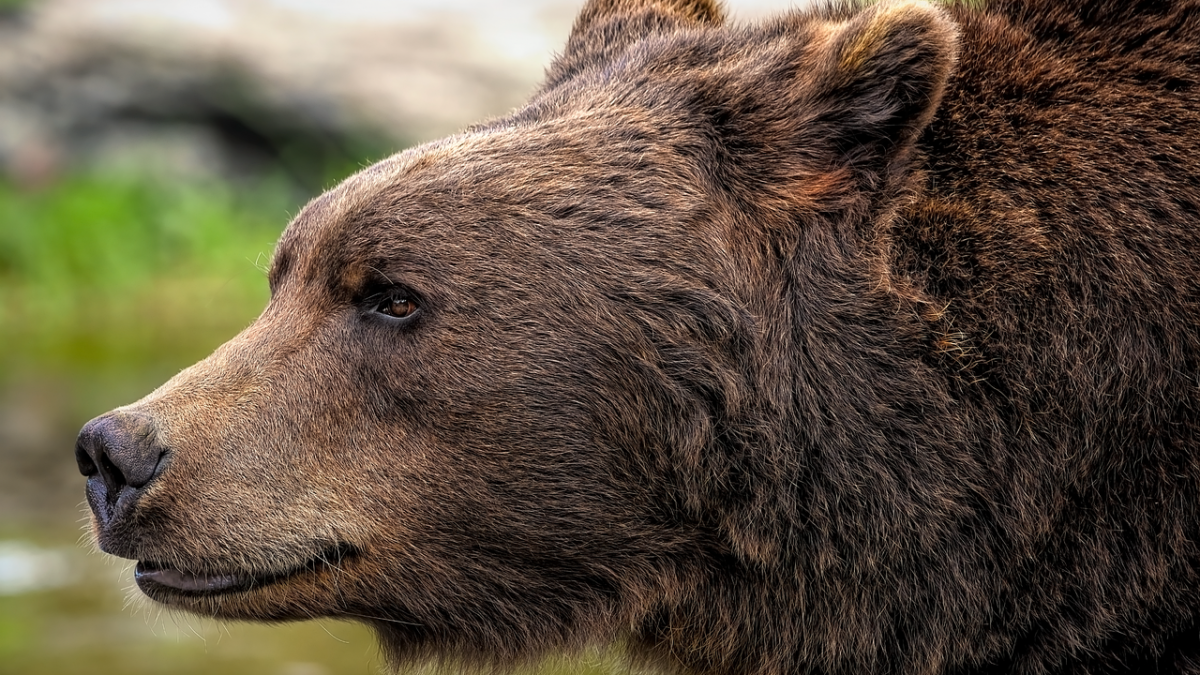
Most people feel like they know bears fairly well. Movies have shown them as lumbering villains. Campfire stories have turned them into ravenous predators waiting around every trail bend. Childhood cartoons made them cuddly enough to hug. The truth, as it turns out, sits nowhere near any of those versions.
Bears are genuinely complex animals, and the gap between popular belief and documented reality is surprisingly wide. Some of these myths are just harmless misconceptions. Others are the kind that could get someone seriously hurt in the wild. Either way, they deserve to be examined honestly.
#1: Bears Are Naturally Aggressive Toward Humans
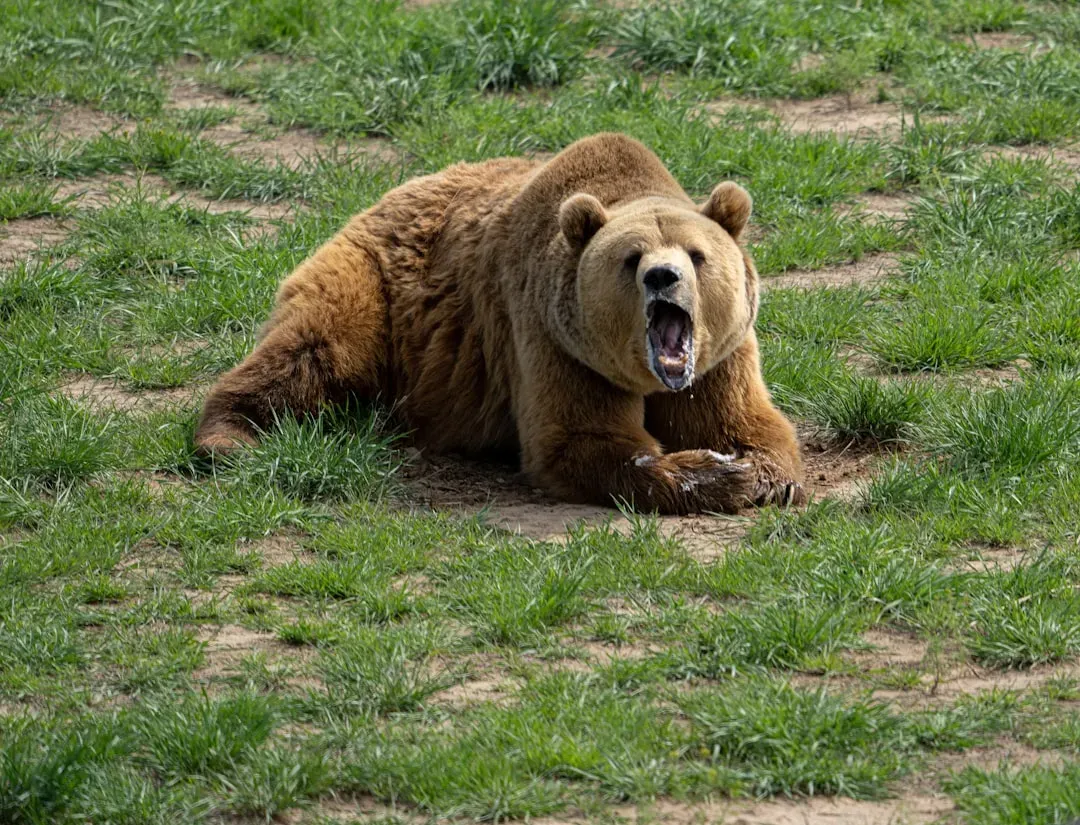
This is probably the most deeply rooted misconception of them all. Many people are under the impression that bears are born killers, aggressive, angry, and ready to strike down two-legged intruders at a moment’s notice. It makes for great cinema, but it doesn’t hold up against the evidence.
Bears usually avoid conflict with people. Most dangerous encounters happen when the bear is surprised, protecting cubs, or guarding a large food source. Bears very rarely exhibit predatory behavior toward humans. That distinction matters enormously. A defensive reaction is not the same thing as aggression, and conflating the two leads to unnecessary fear and poor decision-making in the wild.
Researchers examining thousands of human-bear encounters have found a common thread: people doing things, often unwittingly, that predispose bears to conflict. The bear is usually reacting to something a person did, not hunting them down. Understanding that changes the entire dynamic of how we think about these animals.
#2: Bears Hibernate Deeply for the Entire Winter
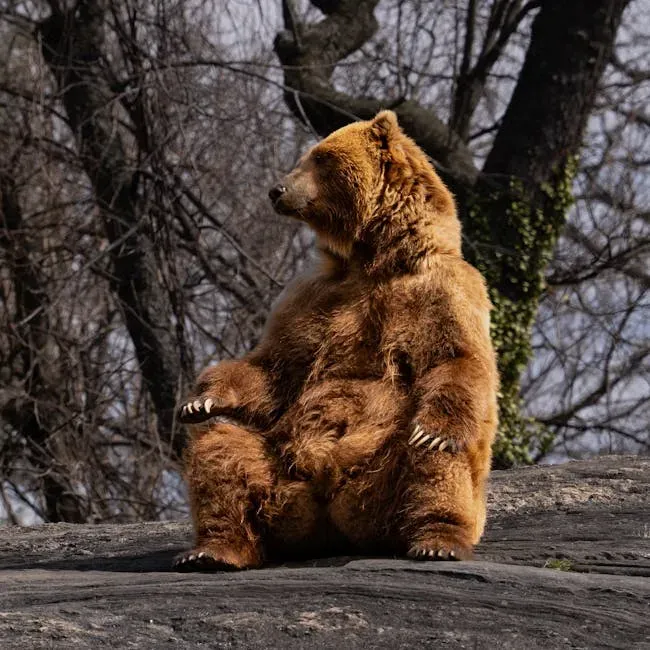
Ask almost anyone what bears do in winter and they’ll say hibernate. That’s not exactly wrong, but it’s far from the complete picture. While bears do enter torpor or “winter sleep,” it’s not the deep, three-month-long slumber associated with true hibernation, and bear attacks can occur and have occurred year-round.
Grizzly bears often hunker down in very shallow dens and can be roused from sleep quite easily. If bears have access to an abundant food source all winter, they may not enter winter sleep at all. That last part tends to surprise people. The idea of a bear skipping its winter sleep entirely challenges the image we’ve held for decades.
While pregnant females are the first to enter their dens and typically remain there until their cubs emerge in late spring, some adult males and non-breeding bears may have shorter denning periods or even forgo denning entirely in milder winters, especially in areas where food sources remain accessible. In short, never assume a bear is safely asleep just because it’s January.
#3: Bears Have Poor Eyesight
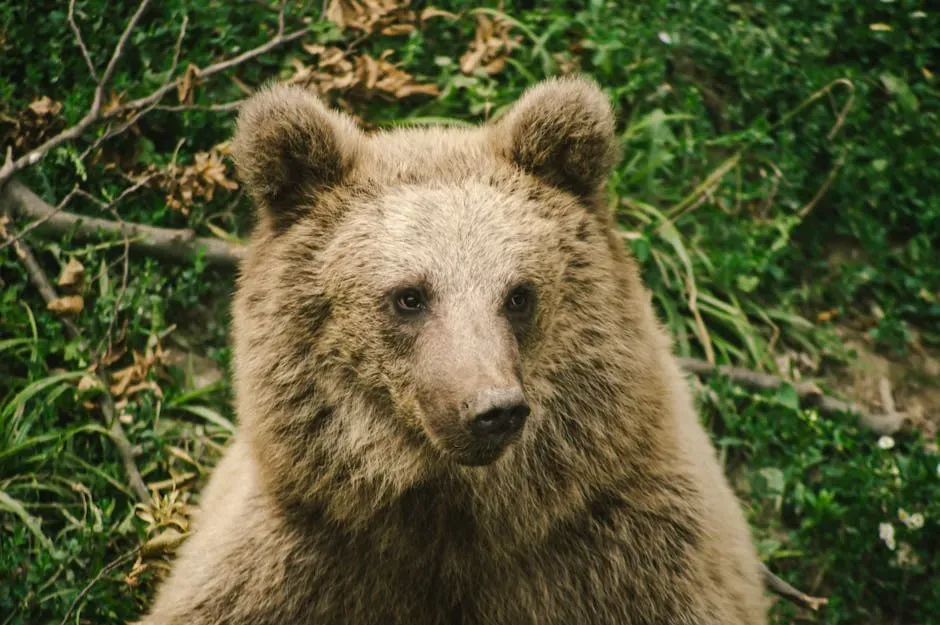
The legend goes something like this: bears can’t see well, so just stay still and they won’t notice you. This is one of those myths that sounds vaguely plausible and is almost entirely false. Most people are aware that a bear’s sense of smell is spectacular, but some assume their eyesight is poor. That’s a dangerous myth if you’re counting on an animal not seeing you. Studies suggest that bears’ eyesight is at least as good as humans’ during daylight hours.
During the day, bears can see just as well as humans. At night, they can see even better, thanks to a tapetum lucidum, which is a reflective membrane on the back of their eye. That membrane is the same feature that makes a cat’s eyes glow in the dark. Bears have it too, and it gives them a genuine advantage in low light.
So standing perfectly still in hopes that a nearby bear won’t spot you is not a strategy worth betting on. They likely already know you’re there, and probably knew before you even saw them.
#4: You Can Outrun a Bear by Running Downhill
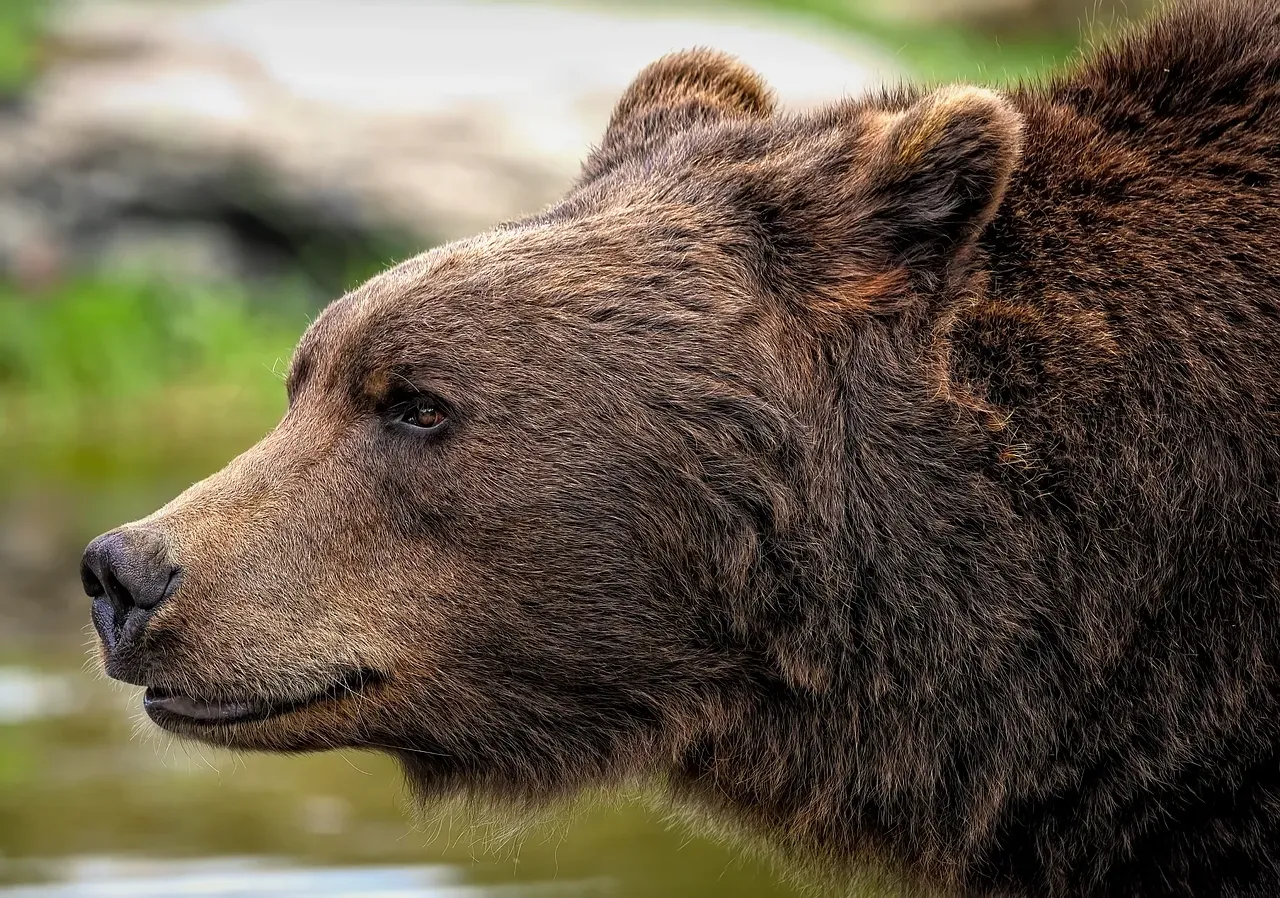
This one has been passed around campgrounds for generations. The theory is that bears are top-heavy and will tumble if they run downhill. It’s creative, but completely untrue. Bears can run more than 60 kilometers an hour uphill, downhill, or along a slope. That’s more than twice as fast as the average human, and a bear can outrun a racehorse over short distances.
Running away will likely trigger a chase response, and you can’t outrun a bear. Bears can run as fast as a racehorse for short distances, and can run faster than the fastest human in any direction, including uphill. So the “run downhill” variant of this myth fails on every level, both the running part and the directional part.
Running from a bear is a bad idea because it might trigger the bear’s instinct to chase. Instead, back away slowly, make noise, and do whatever you can to make yourself look bigger. That’s the advice wildlife professionals consistently give, and it’s backed by observed bear behavior rather than campfire folklore.
#5: A Bear Standing on Its Hind Legs Is About to Attack
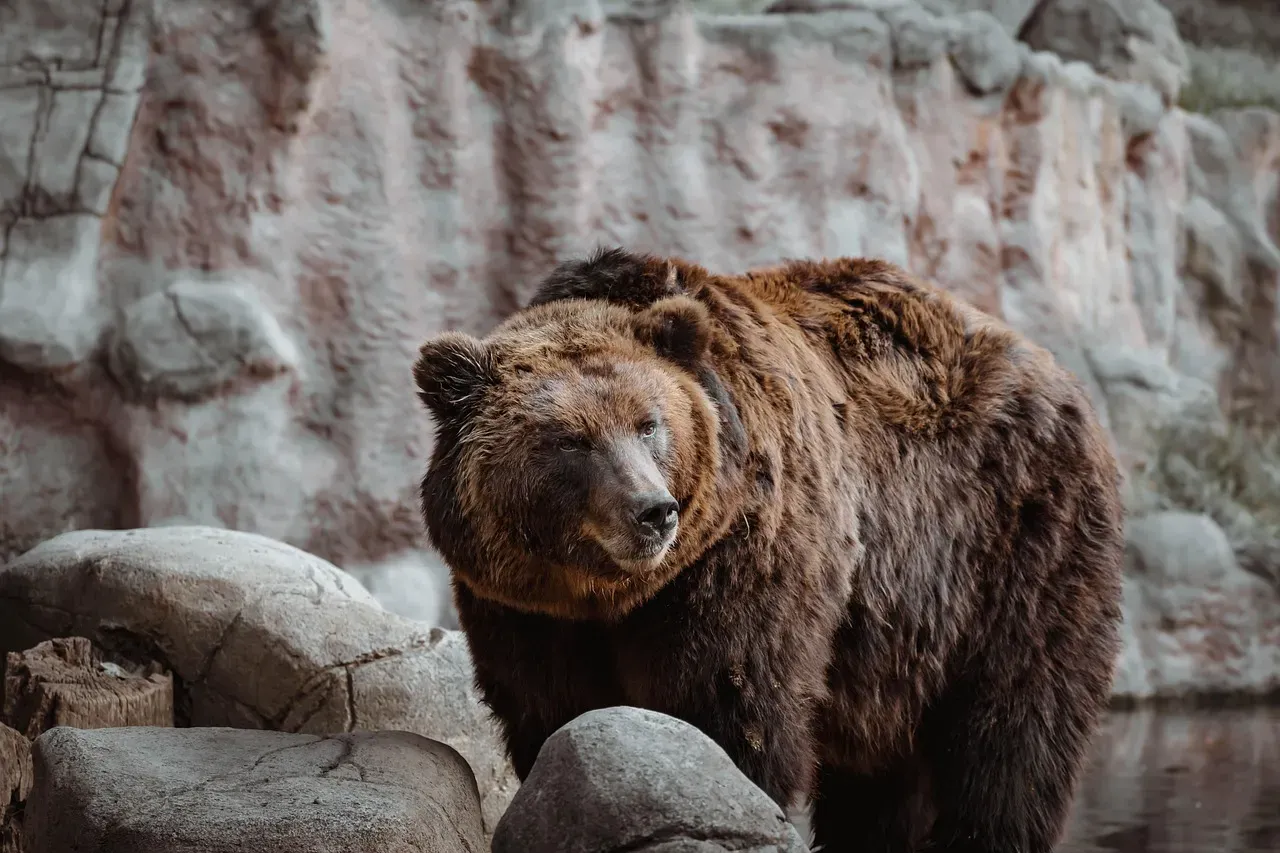
Few moments in the wild feel as heart-stopping as a bear rising up on two legs and staring directly at you. The instinct is to assume the worst. The reality, though, is considerably less dramatic. You don’t have to be too concerned about a bear standing on its hind legs. It is likely just trying to better identify what has caught its attention. It is much easier for bears to see things from a standing position than from all fours.
In reality, bears standing on their hind legs are simply trying to get a better idea of something they have heard, seen, or smelled. It is a far better vantage point than standing on all fours. Think of it as curiosity, not hostility. The bear is gathering information, same as you would if you stood on your tiptoes to look over a fence.
Bears are curious animals. They often do a lot of sniffing and may stand up on hind legs to get a better view and smell their surroundings. This is normal behavior and is not a sign of aggression. Misreading this posture has caused people to panic, which can actually escalate the situation unnecessarily.
#6: Bears Are Pure Carnivores
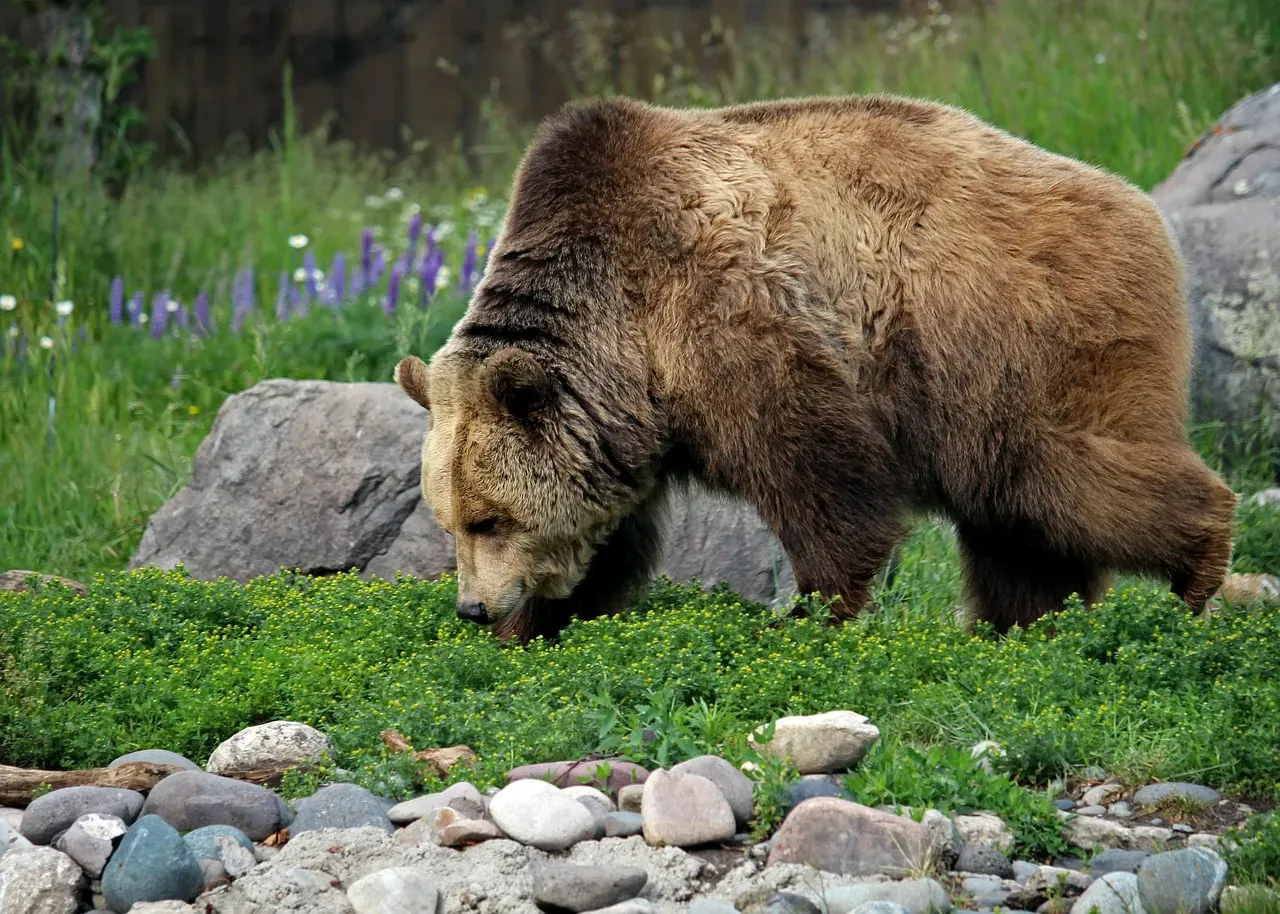
The image of a grizzly snatching salmon from a river is iconic, and it has probably contributed to the idea that bears are mostly meat-eaters. Bears are not carnivores. Although classified in the order carnivora, grizzly and black bears are omnivores that eat both plants and animals. Only a small percentage of their diets consist of meat, which includes fish, insects, and other mammals.
Over 90 percent of a bear’s natural diet is grasses, berries, fruits, nuts, and plants. The rest is primarily insects and scavenged carcasses. That’s a remarkably plant-heavy diet for an animal so often portrayed as a relentless predator. Berries, roots, and grasses form the backbone of what most bears eat throughout most of the year.
Bears are true omnivores whose diet is incredibly diverse and changes with the seasons. In spring and early summer, they feast on grasses, sedges, and other emerging vegetation. As berries ripen in late summer and fall, these form a significant part of their diet, helping them pack on crucial fat reserves for winter. The salmon runs get the camera time, but berries do most of the heavy lifting nutritionally.
#7: Menstruation Attracts Bear Attacks
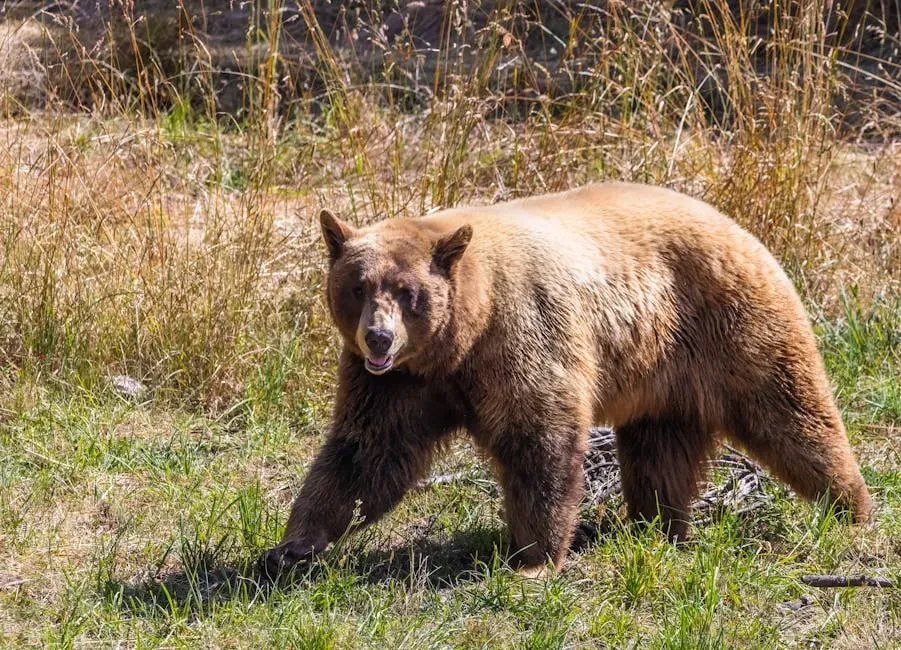
This myth has kept people, particularly women, away from outdoor activities for decades. It’s the kind of claim that sounds just plausible enough to stick. There is simply no evidence to suggest that menstruation attracts bears. Studies have been conducted to specifically examine this question, and the conclusion is consistent.
The idea that bears are drawn to the smell of menstrual blood appears to be a myth, at least for black bears and grizzlies. The concern arose partly from real-world incidents that were later found to have other explanations, including improperly stored food and scented products. The menstruation link was an assumption that didn’t hold up under scrutiny.
Many people think you cannot go camping or hiking while menstruating because a bear will be more likely to attack. This is not true. However, you should treat sanitary products as you would any other garbage when hiking or camping. Wrap waste in plastic and store it properly. Responsible waste management applies to everyone in bear country, regardless of the reason.
#8: Black Bears Are Safe; Grizzlies Are the Dangerous Ones
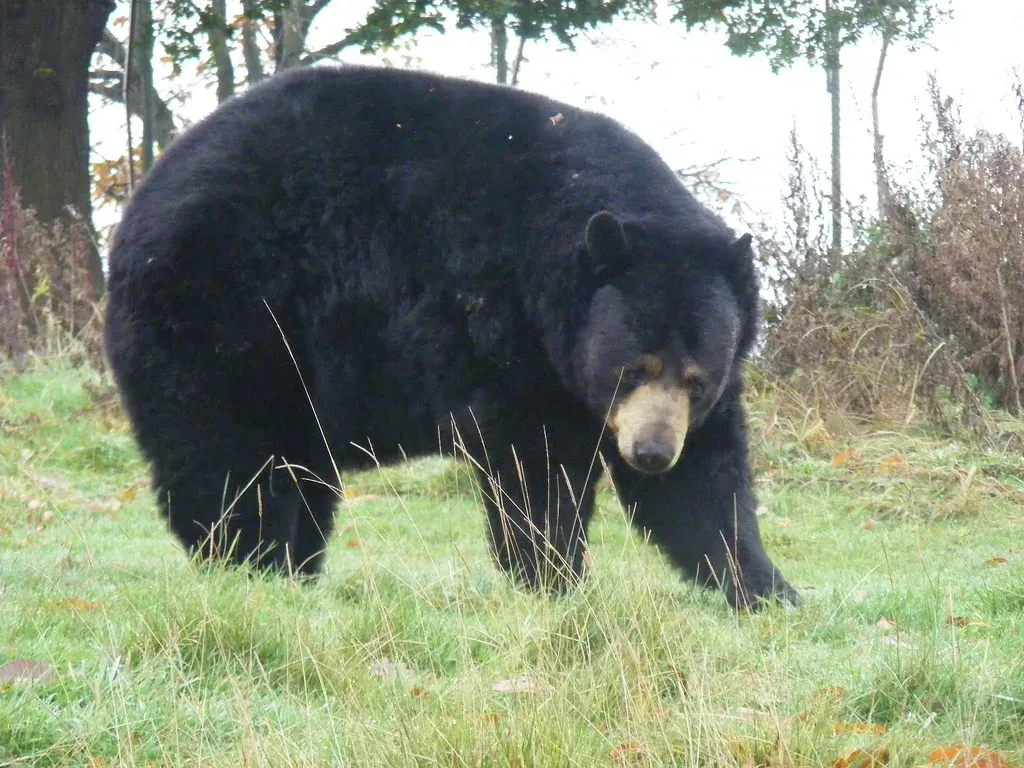
This split reputation has created a false sense of comfort around black bears and an exaggerated fear of grizzlies. The reality is more nuanced than a simple safe-versus-dangerous ranking. Black bears are often viewed as a non-threat. These assumptions stem from the fact that black bears evolved in forested habitat where they typically had thick cover to run into or a tree to climb when threatened. This common behavior does not mean black bears are not capable of hurting you or will always run away. They can act aggressively, occasionally harm, and even kill humans.
Black bears are excellent climbers and, when faced with a perceived threat, are more likely to run away or go up a tree. Although black bears may be more likely to retreat from people, they are still incredibly strong animals that can cause injuries. While grizzlies aren’t as good at climbing trees, they still can. Brown bears evolved in treeless habitats, which influenced their behavioral response, and are often more likely to stand their ground rather than retreat.
Both species deserve respect. Treating one as harmless and the other as inevitably deadly oversimplifies the behavior of animals that respond, above all, to context and circumstance.
#9: A Charging Bear Is Always Going to Make Contact
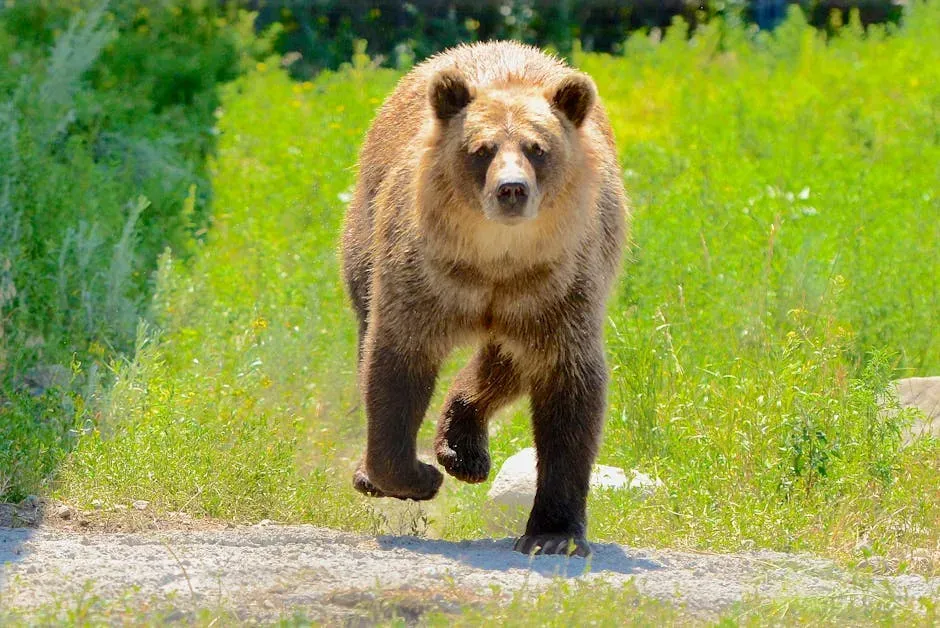
A bear charging toward you feels like a certainty, an unstoppable force heading in one direction. In practice, most charges don’t end in physical contact. Charging and vocalization are often thought to lead to an attack. This is rarely the case. Coming into physical contact expels a lot of energy, and it’s not something a bear does unless it thinks it’s necessary. Bears will bluff charge to show dominance and try to move another bear or person out of the area.
A bear that feels threatened does not necessarily roar or growl. They may slap the ground, huff, or blow air forcefully through their nose or mouth. If these behaviors don’t scare off the source of their unease, the bear may bluff charge, running toward the source and then veer away. That veer at the last moment is the bluff, and it happens more often than people realize.
Standing your ground calmly during a bluff charge is widely recommended by wildlife officials precisely because it works. Turning and running, on the other hand, can convert a bluff into a real chase in an instant.
#10: Bears That Taste Human Food Will Never Eat Wild Food Again
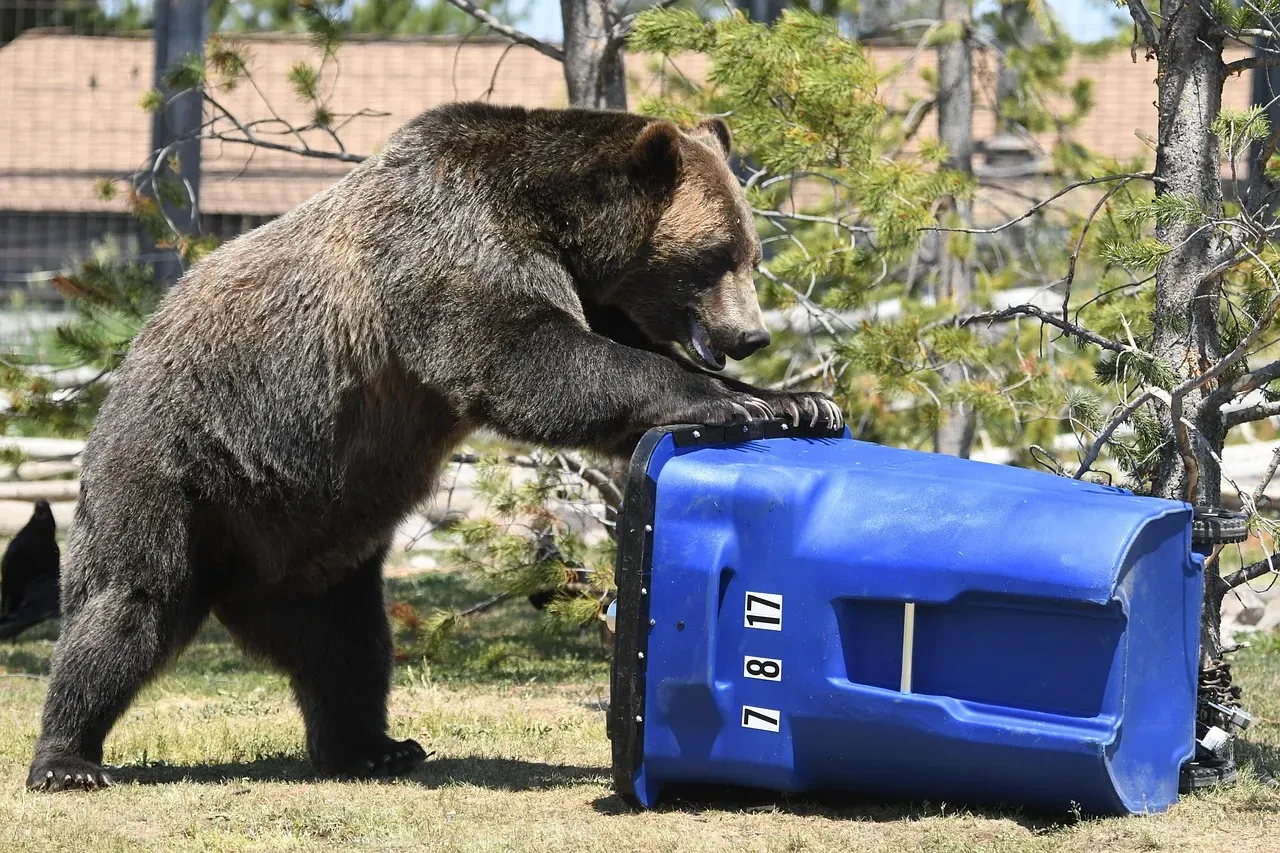
Once a bear raids a campsite or gets into a trash can, many people assume it’s permanently “turned” and will only seek human food from that point forward. Bears prefer natural, wild food unless it is difficult to find and human food is too easy to get. Even the worst food-conditioned bears still eat natural foods whenever they’re plentiful. The preference for human food is largely a function of availability, not an irreversible change in appetite.
Most conflicts between people and bears can be traced to human food, garbage, pet food, bird seed, or other attractants. When people, intentionally or unintentionally, leave food out for bears to find, a bear’s natural drive to eat can overcome its wariness of humans. Bears that get too comfortable around people can destroy property or even become a threat to human safety. The problem, in other words, is usually on the human side of the equation.
Conflicts usually increase when natural foods run out, which makes that a particularly important time to be more vigilant about bear attractants on your property, such as bird feeders, pet food, fruit trees, barbecue grease, and compost. Remove the temptation and the incentive largely disappears. Bears are pragmatic foragers, not creatures with a vendetta against human food storage.
What All of This Actually Means
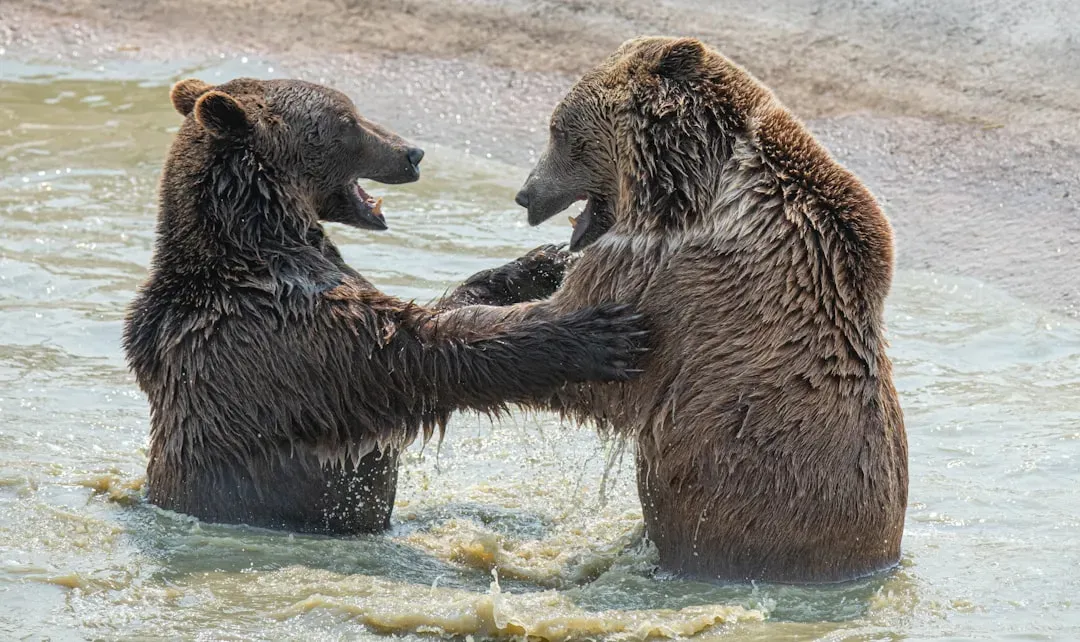
Bears are some of the most misunderstood animals in the wild. That’s likely thanks, at least in part, to books, movies, and news stories about negative encounters that are often sensationalized and blown out of proportion, causing many outdoor lovers to develop a skewed perception of these oft-misrepresented omnivores.
The honest conclusion here is one worth sitting with: our fear of bears has been shaped more by storytelling than by science. That fear isn’t entirely irrational, but when it rests on myths, it makes us worse at responding to real encounters and worse at coexisting with wildlife in general. By shedding light on the true nature of bears, we can foster a greater appreciation for these magnificent creatures. They are not just symbols of raw power, but complex, adaptable, and largely peaceful inhabitants of some of the world’s most incredible wilderness areas.
The better we understand what bears actually are, the less we need to fear what we imagined them to be. That shift in perspective doesn’t make the wilderness less wild. If anything, it makes it more honest.

- Why These Unique Bird Species Are Choosing to Nest in Urban Areas - July 31, 2026
- 7 US States With the Largest Moose Populations - July 31, 2026
- Which Zodiac Signs Bond Best With Large Dogs - July 31, 2026