

1. Midland, Michigan: The Midwest’s Quiet Overachiever
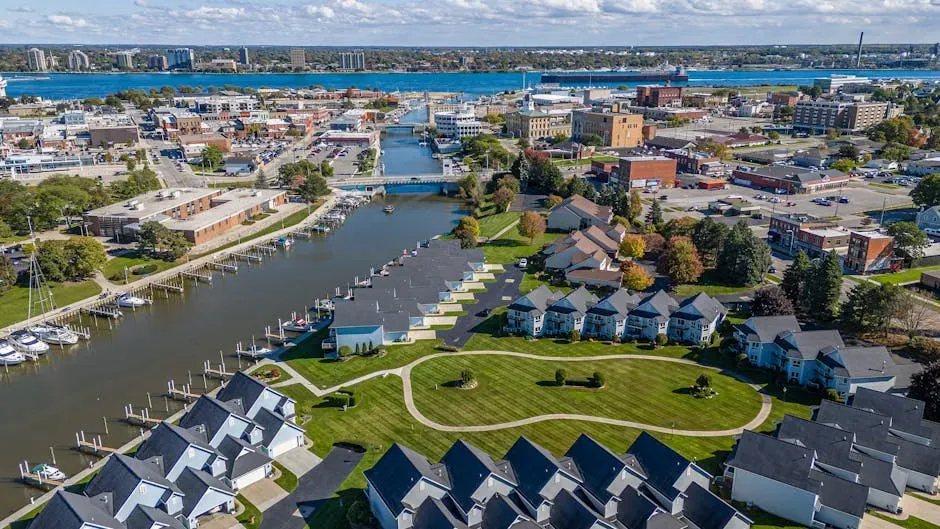
Most Americans have never put Midland on their retirement radar, and that’s exactly what makes it so interesting. First-time entrant Midland, Michigan, secured the number one rank in the 2026 U.S. News Best Places to Retire rankings, having scored high in affordability and retiree taxes. That’s a remarkable debut for a city that many Americans outside the Midwest have never even heard of.
For 2026, the rankings placed greater emphasis on quality of life, affordability, healthcare access, tax considerations, opportunities for continued engagement, and where adults ages 55 and above are choosing to relocate. Quality of life ranked highest overall, reflecting a growing focus on community connection, safety, and simplicity in everyday living. Midland delivers on nearly all of those fronts at a price point that genuinely surprises people. For retirees who want a peaceful, well-supported life without the cost burden of coastal cities, this little Michigan gem is hard to argue with.
2. Orlando, Florida: Where the Fun Actually Has Staying Power
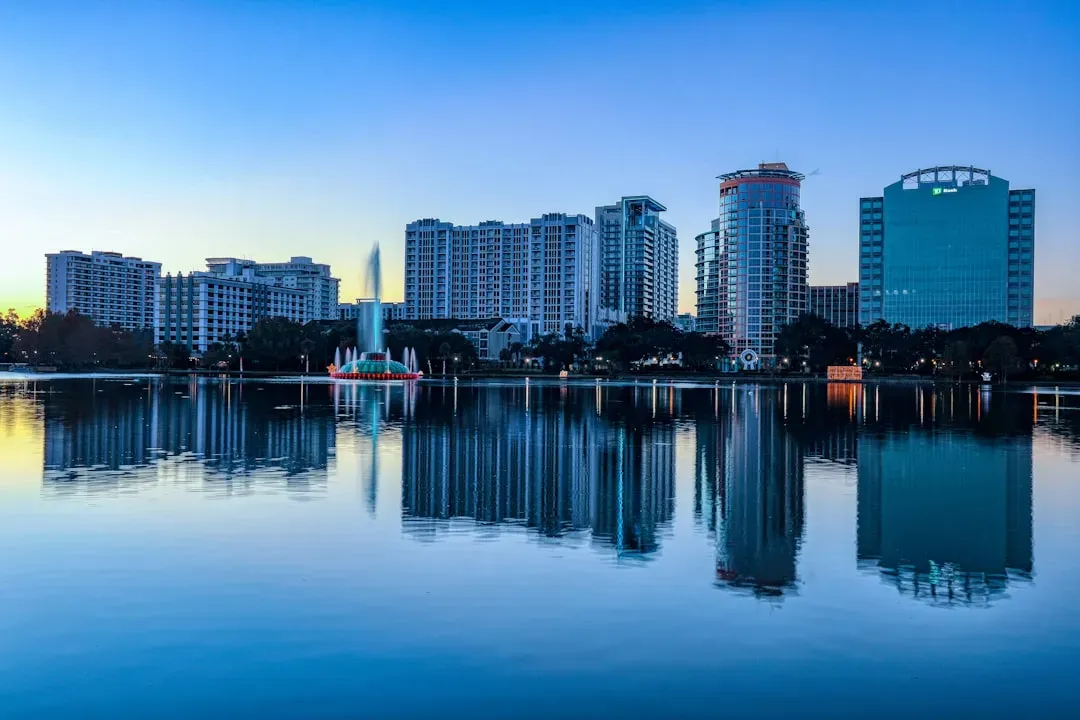
Theme parks are just the beginning. Orlando, Florida, ranks as the best place to retire according to WalletHub, living up to its reputation as a haven for seniors. One big reason is the lack of taxes, as Orlando is one of the most tax-friendly cities, and Florida does not have an estate or inheritance tax or even income tax.
Orlando provides a plethora of recreational activities for retirees, ranking as the third-best city for recreation overall. It has an especially high number of music venues, fishing facilities, art galleries, and adult volunteer activities. Orlando also ranks 19th when it comes to gerontologists and sixth-highest for home health care facilities per capita. Beyond the tax benefits and recreation, while Orlando doesn’t have a particularly low cost of living, it is the ninth-cheapest city for homemaker services and the 20th-cheapest for adult day health care out of the more than 180 cities studied. That balance of lifestyle richness and practical senior support makes Orlando genuinely compelling.
3. Scottsdale, Arizona: Desert Luxury Meets Senior-Smart Living

Scottsdale has long attracted a certain kind of retiree: active, health-conscious, and unwilling to compromise on sunshine. Scottsdale ranks fourth in the nation for mild weather, and second among the most caring cities, offering residents a welcoming community and year-round comfort. The city’s outdoor life is remarkable, with the McDowell Sonoran Preserve offering hiking and nature access that most cities simply can’t match.
Arizona has no tax on Social Security benefits, helping ensure fixed income goes further, plus reasonable property taxes. Arizona has a robust healthcare system, anchored by renowned facilities such as the Mayo Clinic in Phoenix. Retirees benefit from specialized geriatric care and wellness programs, and accessible healthcare services in both urban centers and smaller communities. It’s worth noting that summer temperatures can be intense, with Arizona’s 300-plus sunny days and dry heat genuinely comfortable for most retirees, though July temperatures of 105 to 110 degrees limit outdoor activity for three to four months. Plan for that, and Scottsdale is an exceptional choice.
4. Minneapolis, Minnesota: Cold Winters, Warm Community

Minnesota winters are real and relentless, but the rewards for those who stay put year-round are surprisingly rich. Minneapolis is among the best places to retire, with one of the most elderly-friendly labor markets in the country, meaning a large percentage of jobs that are easy to perform even for elderly residents. Many retired people choose to continue working for some extra income or simply to stay occupied, and there are plenty of opportunities to do that, since over 22 percent of the working population is over age 65.
Minneapolis also provides a friendly environment for retirees, ranking as the 34th-most caring city in the U.S. It has the eighth-best hospital system, along with a high number of nursing homes and gerontologists per capita. The largest city in Minnesota offers access to outdoor activities, a vibrant cultural scene, and a diverse community for retirees. Within the city limits, you’ll also find beautiful lakes and dozens of scenic parks. For seniors who want a city that truly invests in them, Minneapolis makes a persuasive case.
5. Charleston, South Carolina: History, Charm, and Real Tax Savings
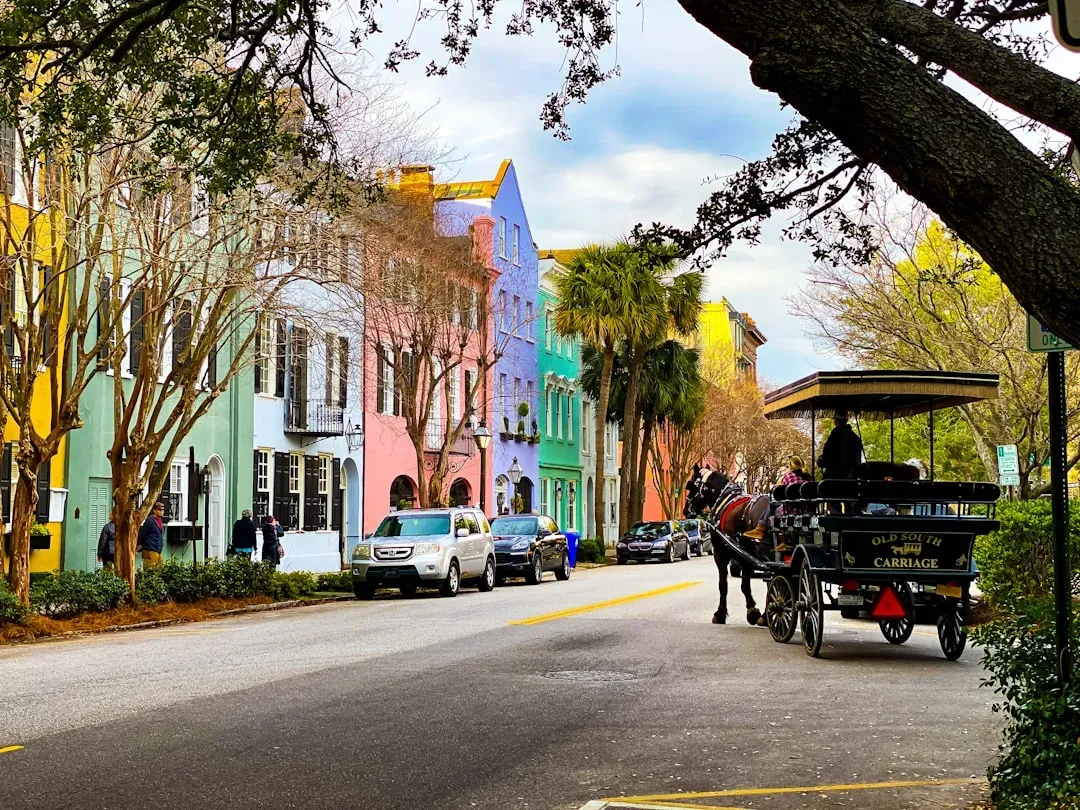
Charleston has a way of making people fall in love with it quickly. The cobblestone streets, the antebellum architecture, the ocean air. But beyond the aesthetics, the financial case for retiring here is genuinely solid. South Carolina’s tax policies create significant savings for retirees, including no state tax on Social Security income and up to $15,000 in retirement income deductions per person annually on other sources like pensions and IRA withdrawals.
Healthcare costs in Charleston fall 16.1 percent below the national average, helping to balance higher prices in other cost-of-living categories. Doctor visits are around 16.6 percent lower, and residents also save on other medical services like dental and vision care. Prescription medications are also reasonably priced, trending 11.8 percent lower than average. The weather in Charleston is considered to have one of the most favorable climates in the country based on comfort and number of days with clear skies. That combination of climate, culture, healthcare savings, and tax friendliness is difficult to beat on the East Coast.
6. Colorado Springs, Colorado: Mountain Views and Medical Excellence
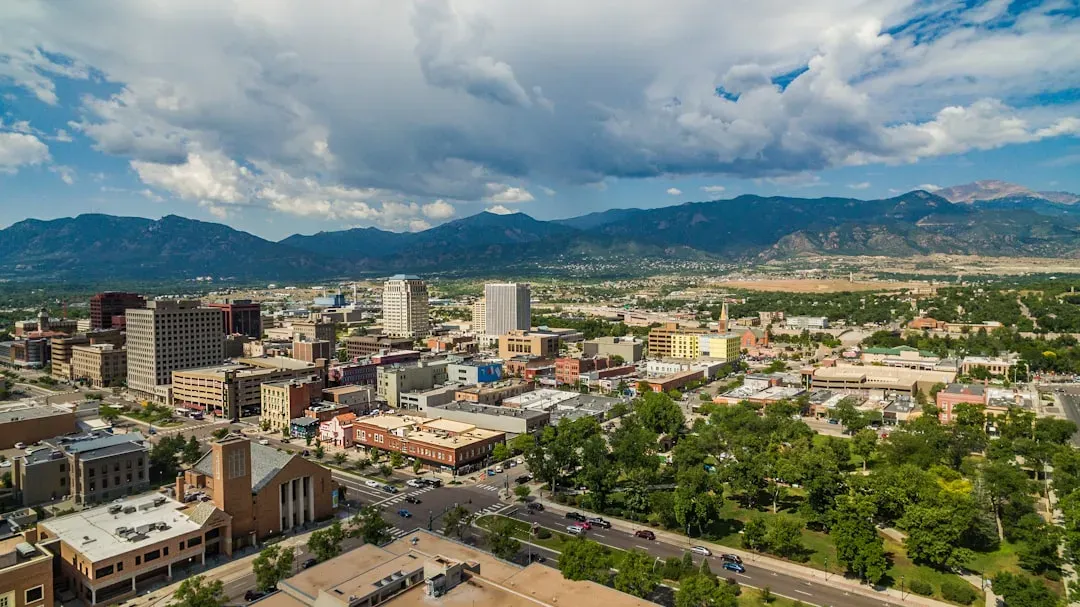
For the senior who refuses to slow down, Colorado Springs offers something rare: an outdoor lifestyle that rivals any city in the country, paired with serious medical infrastructure. Located in one of the best states to retire, Colorado Springs is a favorite among retirees and one of the best places to live in Colorado. Proximity to stunning mountain views and outdoor recreation cement it as a top mid-sized city, especially for seniors. The city also has low property taxes and is home to some of Colorado’s top hospitals, including UCHealth Memorial Hospital and CommonSpirit Penrose Hospital.
Retirees who love the outdoors can admire sprawling sandstone formations or try out rock climbing, hiking, and horseback riding at the monumental Garden of the Gods. Hiking with the backdrop of beautiful mountain scenery is available at Red Rock Canyon, Seven Bridges Trail, and Palmer Park. Colorado does carry a higher cost of living than some Midwestern alternatives, but for active retirees who prioritize nature, wellness, and year-round outdoor access, Colorado’s 300-plus sunny days per year and access to skiing, hiking, and cycling make it the top choice for active retirees willing to accept higher costs.
7. Clearwater, Florida: Beaches, Affordability, and Sunshine in Equal Measure
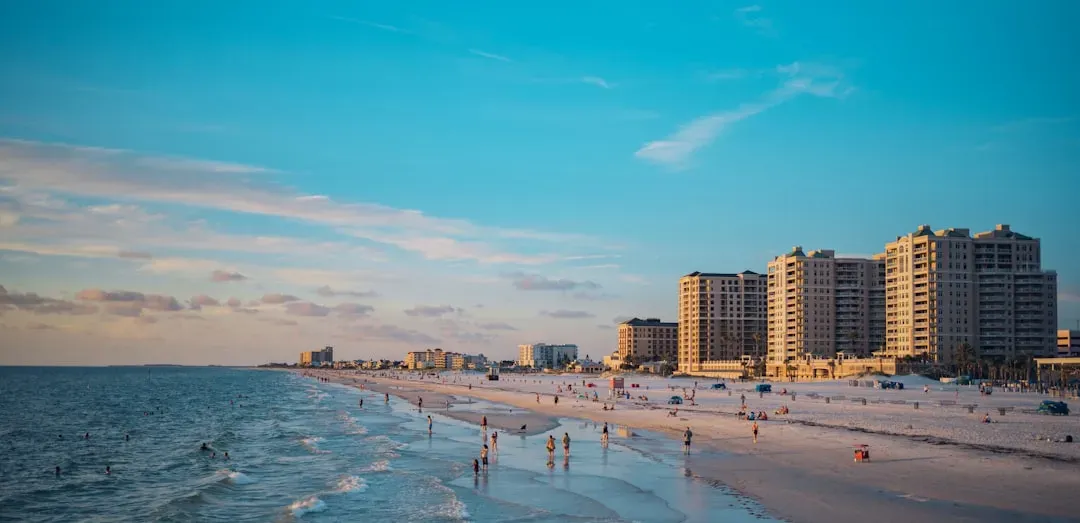
If the idea of retirement conjures images of sand and surf, Clearwater delivers without apology. Living in Clearwater is affordable, thanks to Florida’s lack of income tax, property tax exemptions, and personal exemptions for low-income senior residents. The Clearwater climate is typically humid and tropical, making it particularly ideal for retirees seeking warm, sunny weather and year-round activities.
Florida is one of the few states with no state income tax, allowing retirees to retain more of their Social Security benefits, pension payments, and other retirement income. There are also no estate or inheritance taxes, making wealth transfer to family members more straightforward. Additionally, seniors can benefit from homestead exemptions, which reduce property taxes and lower annual housing costs significantly. Clearwater also offers a strong social fabric. Retirees can browse local art, see street performances, or attend year-round festivals with beachside views at Sunsets at Pier 60, and even catch minor league baseball at the stunning BayCare Ballpark. It’s a well-rounded coastal life at a genuinely manageable price.
8. Sioux Falls, South Dakota: Small City, Outsized Benefits

Sioux Falls tends to surprise people who haven’t visited. It’s compact, calm, and quietly exceptional for seniors. Sioux Falls was ranked fifth among the best small cities for successful aging by the Milken Institute, due to its low-cost hospitals, abundant medical professionals, and strong funding for older adults. That ranking isn’t just a number; it reflects a city that has consciously invested in its aging population.
The Milken Institute recognized Sioux Falls among the best small metro areas for successful aging because of its recreational activities alongside its affordable costs. Along with low living costs, the median home value sits well below that of many comparable cities. The state’s tax picture is one of the best for retirees, with no income, estate, or inheritance taxes. The waterfalls at Falls Park, a 128-acre park north of downtown on the Big Sioux River, are a key attraction that gives the city an unexpectedly scenic quality. Sioux Falls is the kind of place that earns your respect quietly, then keeps it.
9. Greenville, South Carolina: An Underrated Gem That Keeps Rising
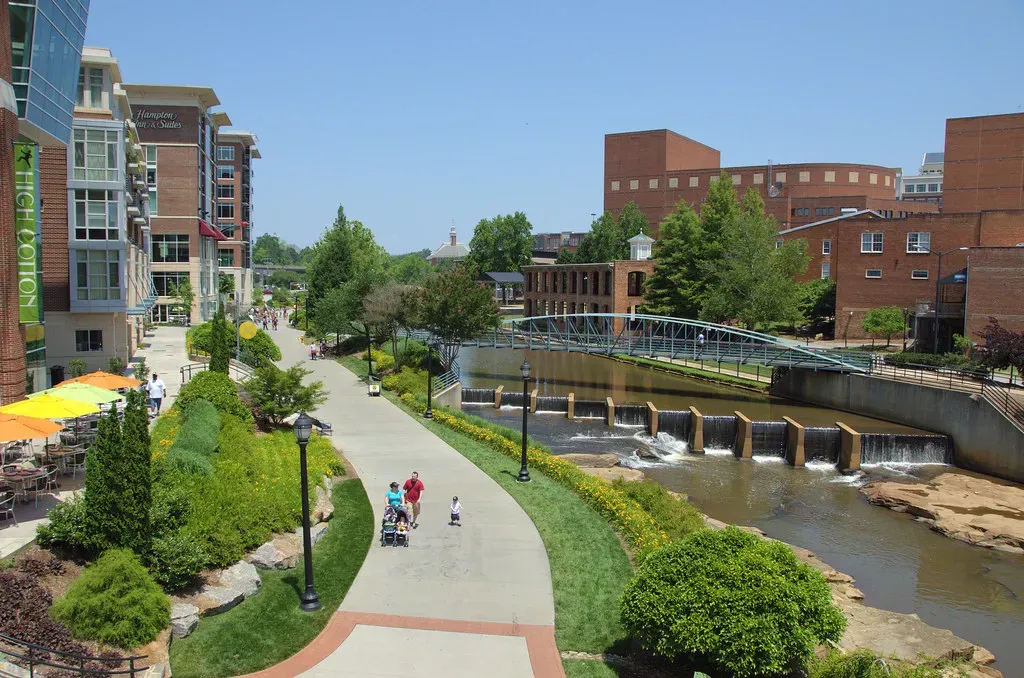
Greenville has been quietly winning retirement awards for years, and the retiree migration numbers are starting to reflect that. U.S. News & World Report ranked Greenville the number one best place to retire in South Carolina for 2025 to 2026 and included it in national retirement lists. Greenville has been quietly winning awards for years, and the retiree migration into this city tells its own story. Greenville’s overall cost of living sits about 8 percent under the national average, thanks mainly to modest housing costs and low transportation expenses.
According to Zillow, the median sale price for homes in Greenville was around $312,000 as of early 2025. That’s well below prices in comparable Southern cities like Charleston or Charlotte. The city has also developed a strong cultural identity, with a growing food scene, walkable downtown, and access to both the Blue Ridge Mountains and the Atlantic coast within a short drive. For retirees who want affordability, charm, and a place that’s actively growing rather than stagnating, Greenville is one of the most compelling options in the entire Southeast.
10. Des Moines, Iowa: Big-City Amenities on a Fixed-Income Budget
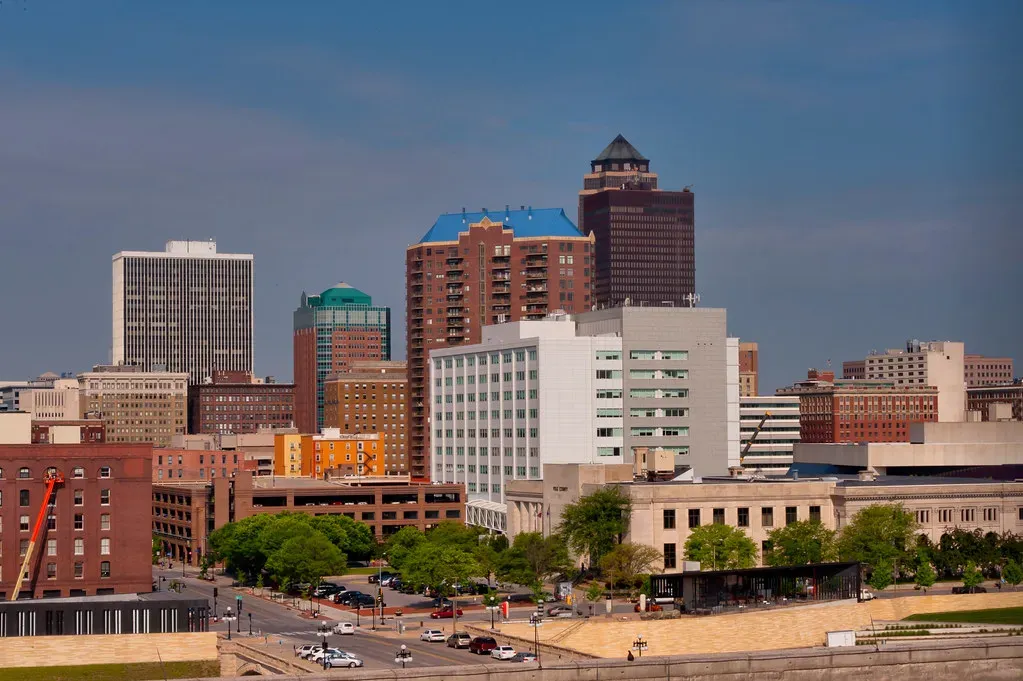
Des Moines doesn’t get the retirement headlines it deserves, and that’s a genuine shame. For retirees looking to live in a big city on a small budget, Des Moines is a good choice. Affordability is one reason the Milken Institute ranked the state capital among the 100 large U.S. metro areas for successful aging in 2025. Des Moines also boasts a strong economy and plenty of healthcare facilities specializing in aging-related services.
Iowa made a notably retiree-friendly move in recent years when it fully phased out retirement income taxes in 2023, and several other states are trending in that direction. That means Social Security, pensions, and retirement distributions are treated far more generously than in many other states. Each of the top-ranked livable communities carries a high livability score, plus average monthly housing costs that remain attainable for fixed-income retirees. Des Moines checks that box convincingly, offering a genuine urban life with museums, restaurants, and green spaces without the financial pressure that comes with larger metros.
What Really Matters When Choosing a Retirement City

Beyond any single city’s charms, the smartest retirement decisions tend to start with a clear-eyed look at the factors that actually sustain quality of life over decades, not just the first few years. Top criteria in the most credible retirement rankings consistently include quality of life, overall value, tax rates, senior population and migration trends, and healthcare quality. Taxes, in particular, can have a startling impact on your bottom line. The difference between the most and least tax-friendly states can mean over $15,000 per year on a $100,000 retirement income. Factor in healthcare costs, housing, and cost of living, and the gap widens even further.
Healthcare access deserves especially careful thought. Healthcare access remains essential. Proximity to hospitals and specialists helps support continued independence and long-term peace of mind. It’s also worth noting that rising insurance costs in hurricane-prone states are eroding part of the tax savings that made Florida and Texas so attractive, and climate risk is becoming a real financial consideration, not just a lifestyle one. The best retirement city isn’t just the one with the nicest weather brochure. It’s the one where the math, the healthcare, and the daily life all point in the same direction.
The Verdict: Your Retirement Destination Is a Decision Worth Getting Right
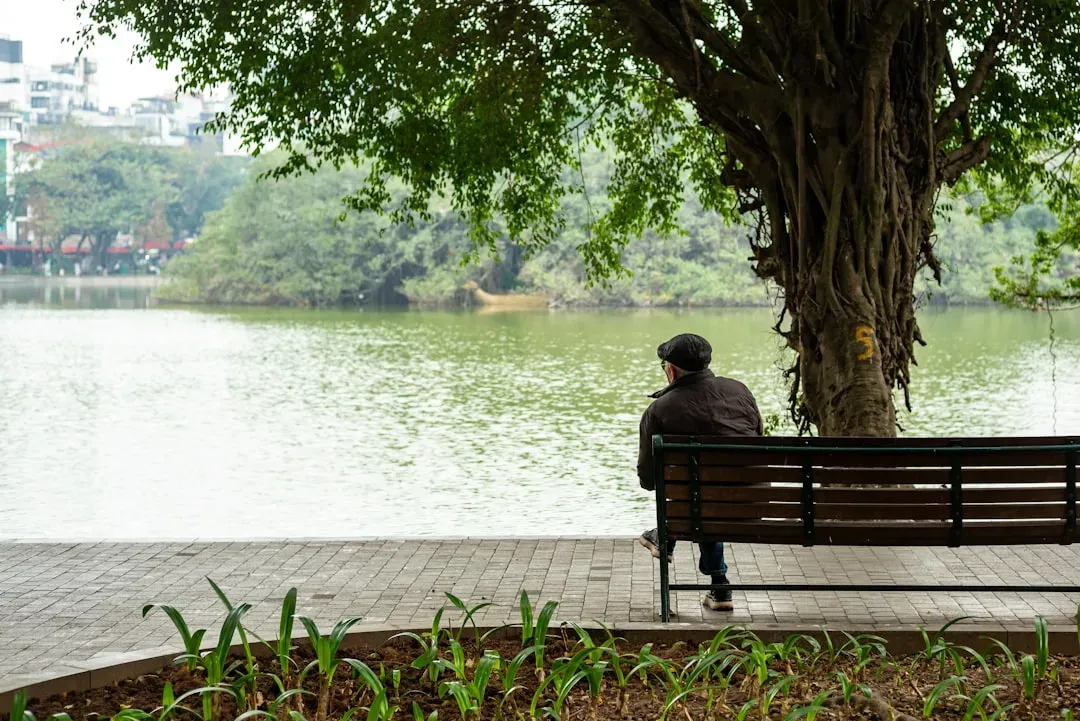
The ten cities on this list represent a genuine range of climates, cultures, costs, and lifestyles. Some will resonate immediately; others might surprise you. The expansion of cities evaluated resulted in a brand-new top 10 list, opening the door for smaller cities to top the popular rankings. The Midwest occupied nearly one-third of this year’s top 30 places to retire. That shift matters, because it signals that the best retirement destination isn’t always the one you’ve been told about for decades.
Ultimately, opinions on this are strong and deliberate: no one city is perfect for everyone, but every retiree deserves a city that was chosen with intention rather than inertia. Where you live in retirement can be the single biggest variable between financial comfort and financial stress. Visit before you commit, talk to residents, and weigh the full picture. The right city will not just extend your savings; it will quietly enrich every ordinary Tuesday for years to come. That, more than any ranking or metric, is what a great retirement city actually delivers.
