
There’s a question most of us never think to ask ourselves when we’re scrolling through real estate listings or daydreaming about where we’d live if money were no object: why does that particular landscape feel like home? Why does one person feel instantly at ease surrounded by mountains and pine trees, while someone else only exhales properly when they can hear waves?
The answer, it turns out, is more than aesthetic preference. The principle that “somewhere can influence who we are” sits at the core of geographical psychology, a sub-discipline that examines the ways in which humans shape their environments and are, in turn, shaped by the world they inhabit. The research is growing, the patterns are fascinating, and what emerges is a portrait of identity written not in words, but in terrain.
#1: The Mountain Dweller – Independent, Introspective, Fiercely Open-Minded
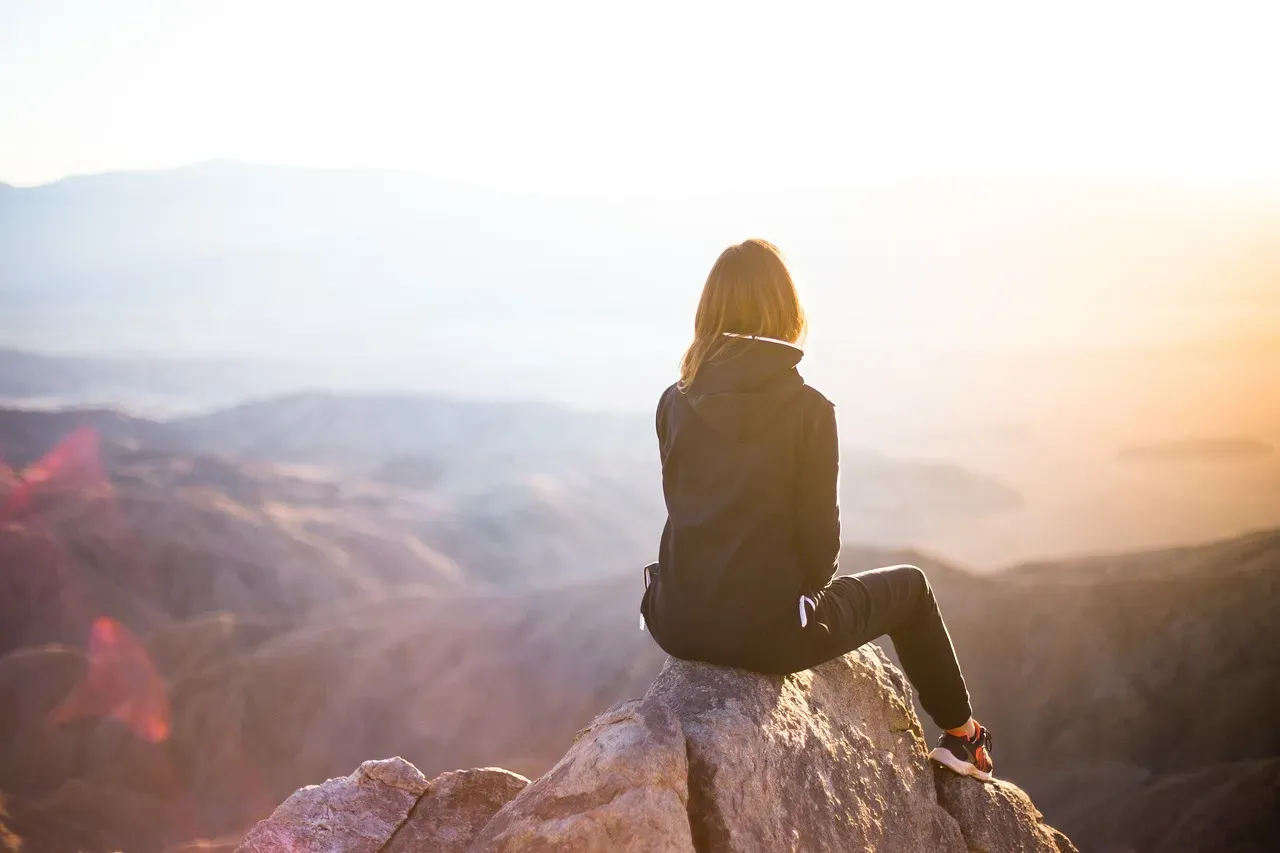
If you’re drawn to the mountains, there’s a strong chance you prize your own company more than most people realize. Research has found that mountain-lovers were more introverted than ocean-lovers, and that people preferred mountains when they wanted to decompress alone just as much as the ocean. That pull toward the peaks isn’t just about the view. It says something about your need for quiet, unhurried self-reflection over social stimulation.
What’s particularly striking is how consistently this shows up in large-scale data. Research involving millions of participants revealed that mountainous areas were associated with lower agreeableness, extraversion, neuroticism, and conscientiousness, but notably higher openness to experience. Mountain people tend to be independent thinkers, a little skeptical of convention, and resistant to groupthink. The harsh conditions imposed by mountainous terrain have been hypothesized to contribute to regional differences in independence, individuality, and resourcefulness.
Wooded, mountainous environments have what psychologists describe as low press for affiliation, whereas a wide-open beach carries high press for affiliation and exhibition. In plain terms, mountains don’t naturally push you toward other people. They reward self-sufficiency. If that feels like relief rather than isolation, you probably belong there.
#2: The Coastal and Ocean Dweller – Extroverted, Emotionally Complex, Socially Alive
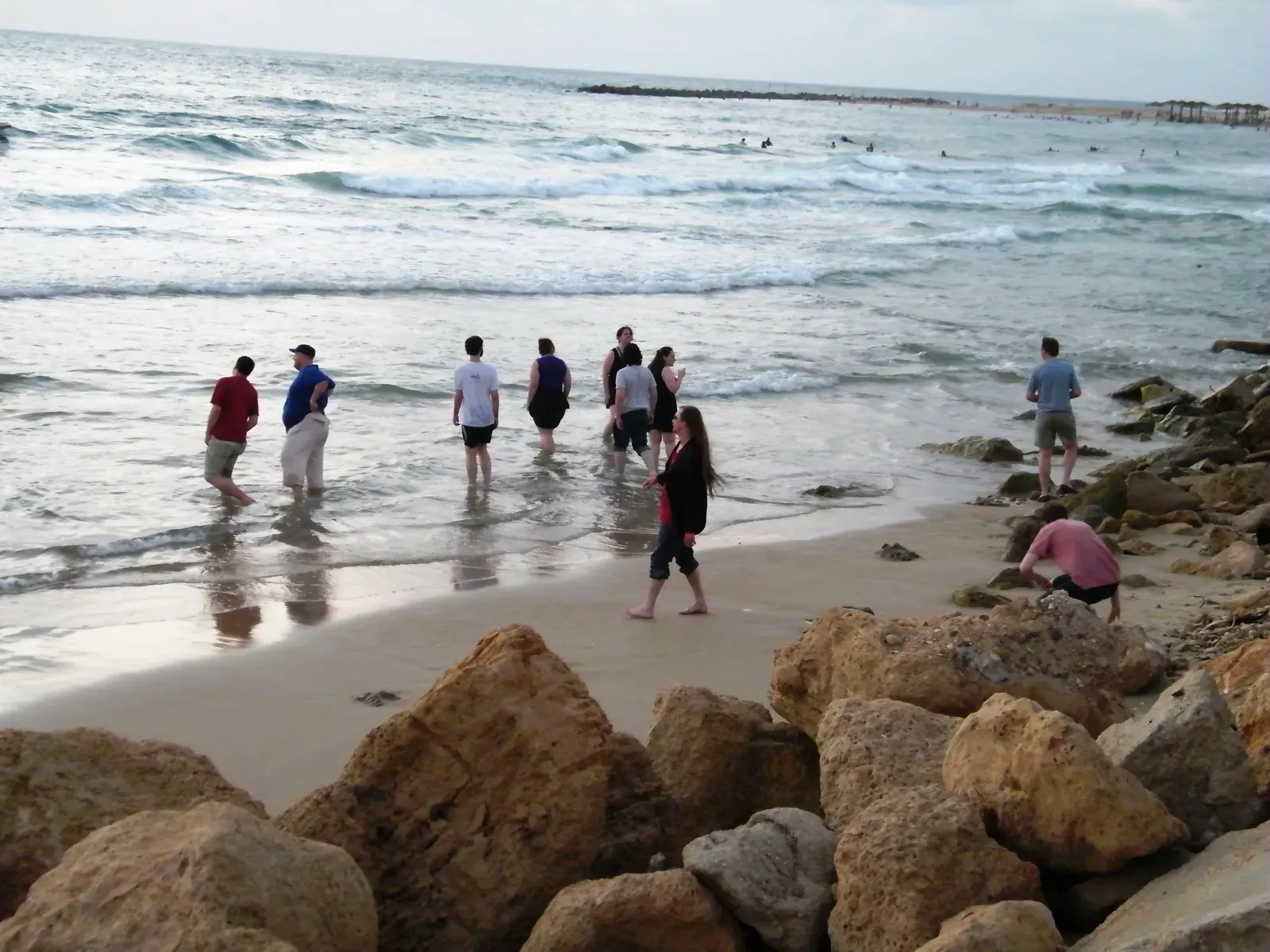
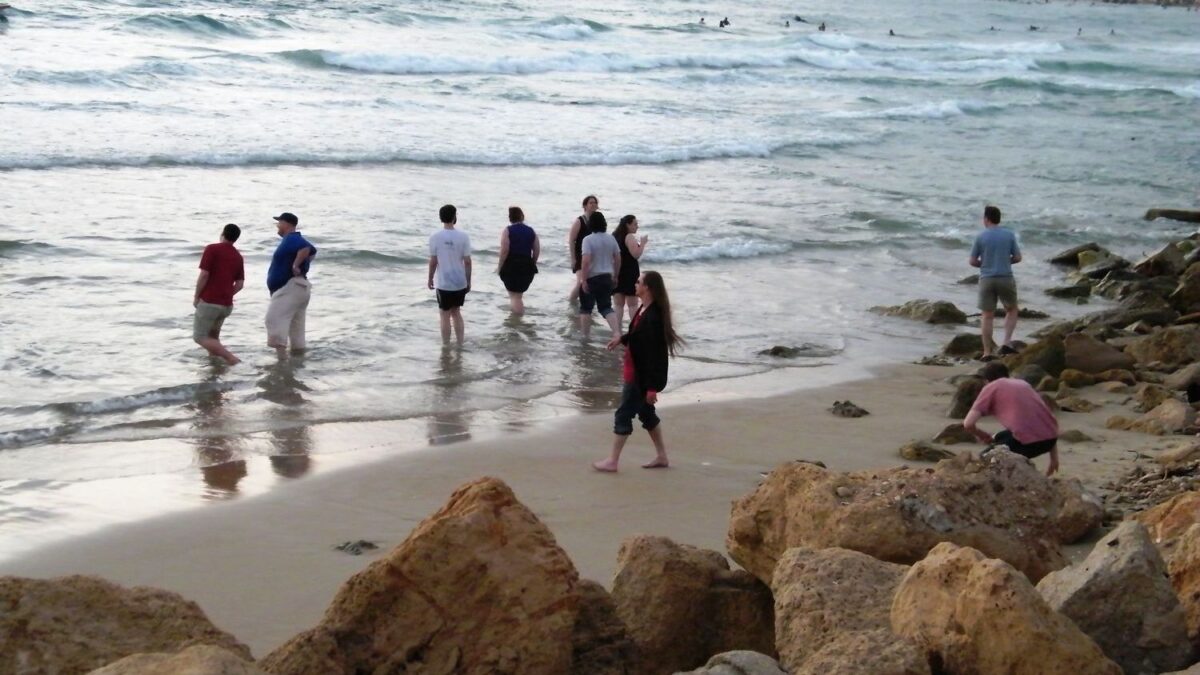
The beach has never really been a quiet place, and the people who gravitate there tend to reflect that energy. Research found that when people want to socialize with others, they prefer the ocean far more than the mountains, with about three-quarters choosing the coast for social occasions. Extroverts don’t just like the ocean by chance. They’re drawn to open, visible, interactive spaces where the world feels like a stage rather than a sanctuary.
Coastal areas have been positively associated with openness to experience and neuroticism, but negatively associated with agreeableness and conscientiousness. That combination is intriguing. Coastal personalities tend to be imaginative, emotionally sensitive, and attuned to the world around them, though not always the most structured or agreeable of neighbors. Across multiple studies investigating geographical preferences, extraversion has been associated with a preference for oceans, with extraverted participants more likely to choose places close to oceans when they wanted to socialize.
There’s a vitality that ocean-dwellers often describe: the sense of being connected to something moving, fluid, and larger than themselves. The psychological research appears to back that feeling up. Openness and emotional depth cluster around coastal landscapes in ways that are hard to dismiss as coincidence.
#3: The Urban Dweller – Curious, Creative, and Perpetually Stimulated
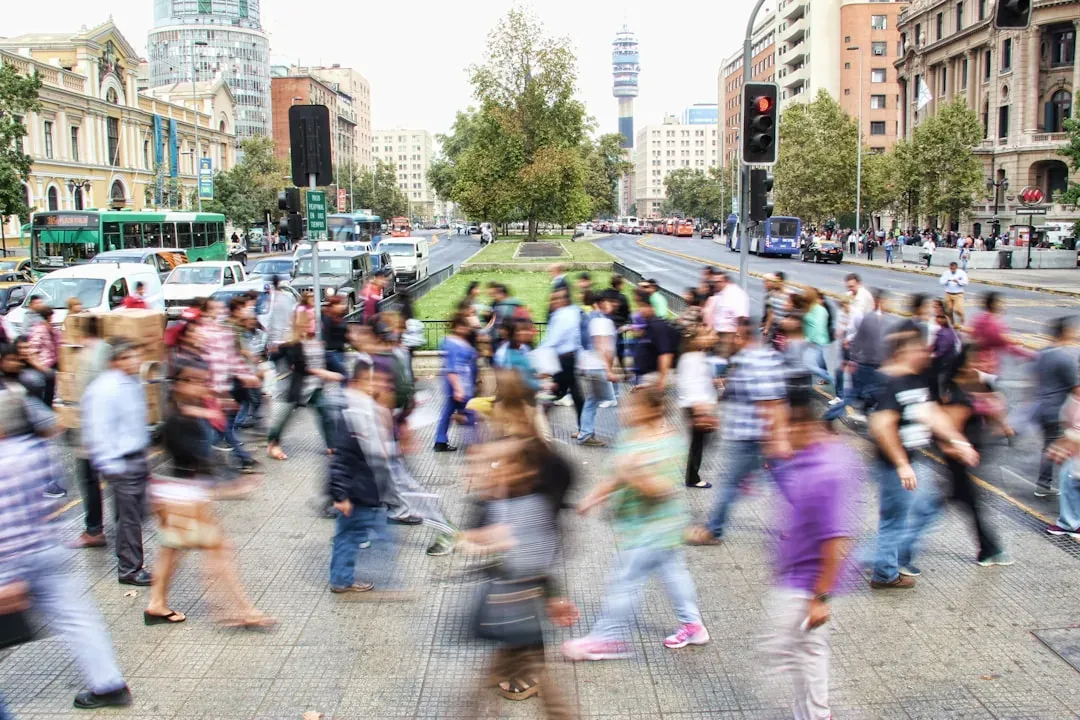
Cities attract a particular kind of mind. Research has uncovered a positive association between openness to experience and measures of urbanity, and it’s plausible that residents of urban environments regularly engage in new experiences and have diverse social interactions, which might foster characteristics linked to openness, such as curiosity, creativity, and open-mindedness. Cities aren’t just locations. They’re environments that reward novelty-seekers.
Those living in densely populated, urban areas have ample opportunities to engage in new experiences and interact with diverse people. Being exposed to diverse activities expands your horizons, increases your open-mindedness, and enhances your creativity, all characteristics linked to openness to experience. There’s a feedback loop at play here. Creative people choose cities, cities then deepen that creativity, and the culture that emerges becomes its own gravitational pull for more of the same personality type.
It’s worth noting the trade-off. Urban areas are positively associated with openness to experience but negatively associated with conscientiousness. The city rewards the explorer, the idea-chaser, and the connector, but it doesn’t particularly reward the planner or the methodical. If structure and discipline are central to your identity, the relentlessness of urban life may quietly erode rather than amplify you.
#4: The Farmland and Rural Dweller – Disciplined, Grounded, and Deeply Habitual
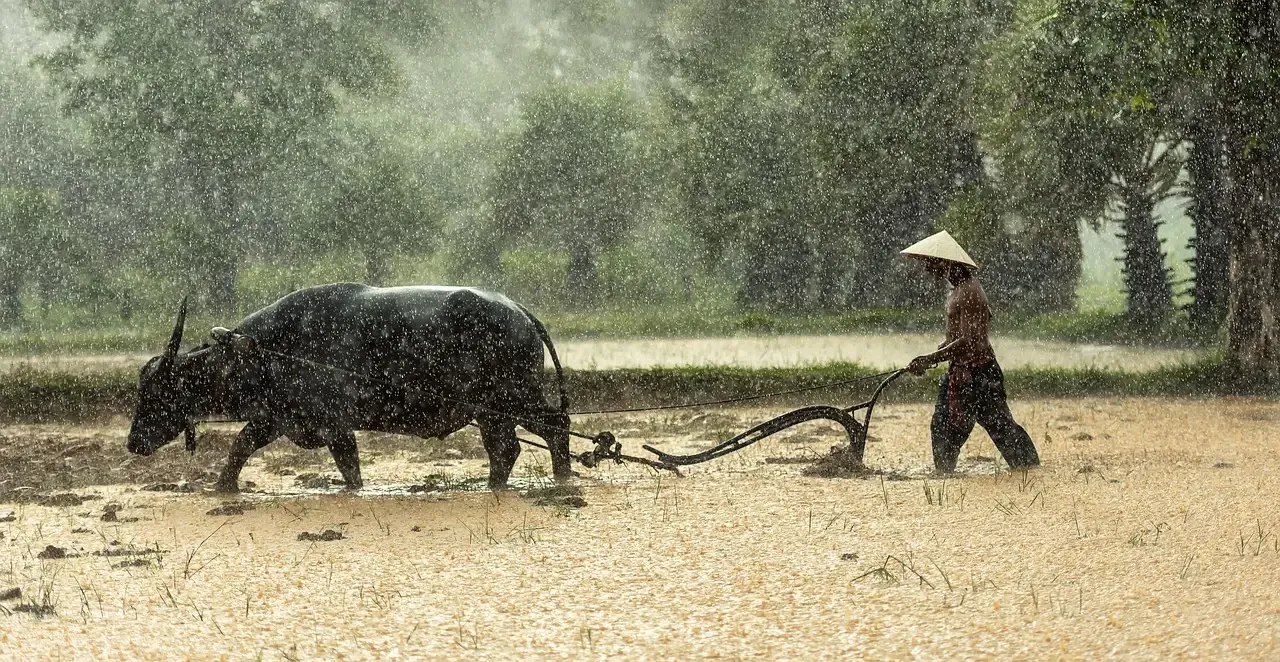
Rural and agricultural landscapes attract a genuinely different temperament, one that is often underestimated in popular conversation. Conscientiousness was higher in regions with more farming areas. This is not surprising, since farming requires hard work, careful planning, and sticking to a strict schedule, all attributes of a highly conscientious individual. The rhythms of rural life aren’t accidental. They select for people who find meaning in routine, duty, and reliability.
The negative association with openness in cultivated landscapes can perhaps be explained by the nature of agricultural practices. Agriculture requires time to be spent locally, close to the cultivated land and, in turn, can diminish the time to explore and travel. This isn’t a criticism. It’s a different orientation toward life, one that values depth over breadth, commitment over experimentation. Rural dwellers tend to know their land, their neighbors, and their values with a precision that urban residents rarely achieve.
Selective migration, or one’s interest in living in places that suit their personality, plays a key role in shaping community personality. People who place a high value on social relationships tend to favor small towns, while people who value novelty and excitement may leave for big cities as soon as they are old enough. The people who stay in rural landscapes often do so because the pace matches something fundamental in how they’re wired.
#5: The Forest and Wooded Landscape Dweller – Restorative, Nature-Bonded, and Emotionally Stable
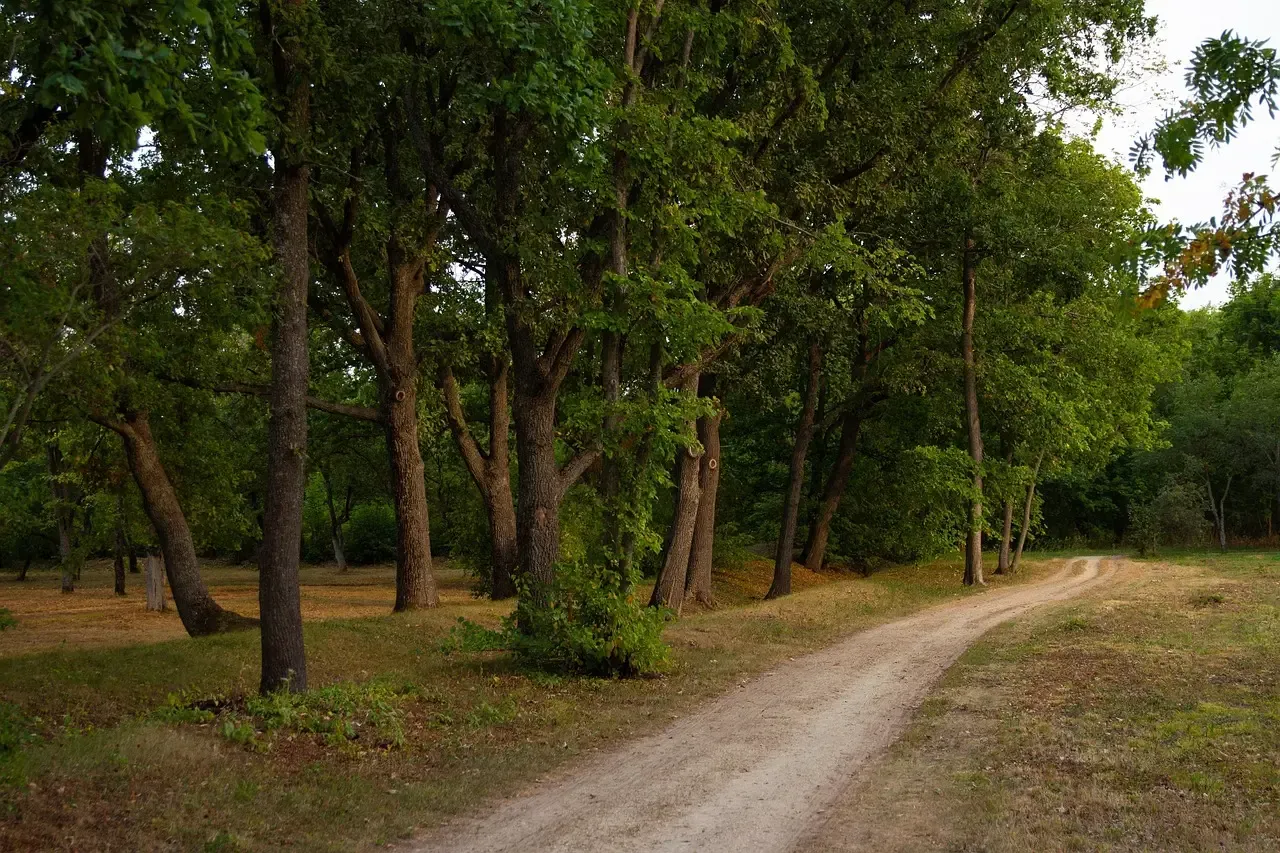
Some people don’t need the drama of a mountain summit or the social charge of a beach. They need trees. Participants in psychological studies perceived wooded and secluded terrain to be calmer, quieter, and more peaceful than any other landscape type. The person who chooses to live among forests is often someone who has deliberately chosen restoration over stimulation.
Studies have found that people who score high on personality traits such as openness to experience, conscientiousness, and emotional stability tend to have a stronger connection with nature. Openness to experience is related to curiosity, creativity, and a willingness to explore new ideas, and people who score high in openness tend to have a more positive attitude toward nature and are more likely to engage in nature-related activities. The forest dweller tends to be someone who moves thoughtfully through the world. They notice things. They’re less reactive, more deliberate, and often more environmentally minded than average.
Research has found that emotionally stable people prefer landscapes containing structure, rhythm, and recurrent patterns. Few environments deliver that more reliably than a dense forest, with its repeating canopy, seasonal cycles, and predictable silence. Choosing to live among trees may signal not a retreat from life, but a deliberate alignment with the pace that suits you best.
Conclusion: Your Landscape Is a Mirror, Not a Coincidence
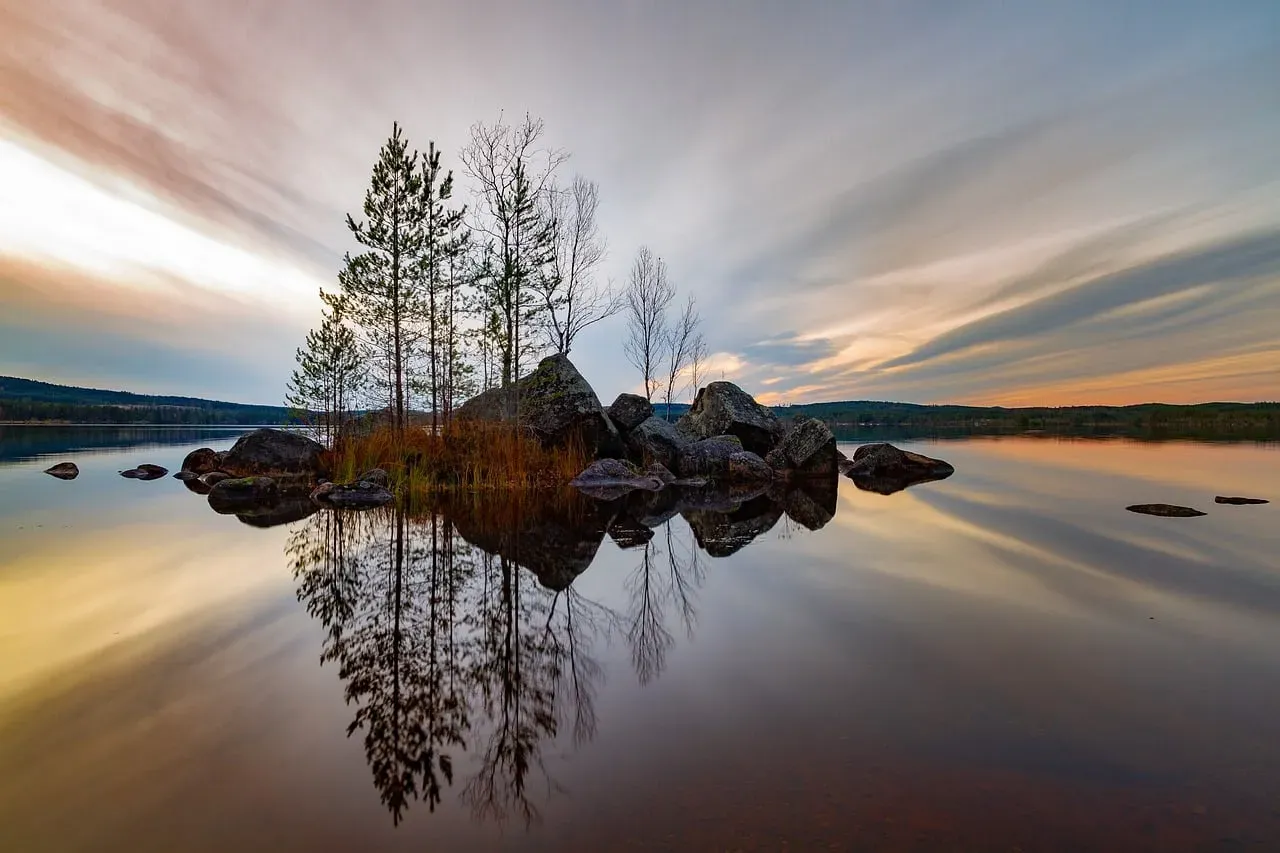
The research is clear enough to take seriously, even while acknowledging that no single factor determines who we are. The places we live likely shape the types of behaviors we engage with, which can lead to changes in personality traits over time. That relationship runs in both directions. We choose landscapes that match us, and those landscapes then reinforce and, over time, reshape who we become.
Some researchers believe they can predict a great deal about one’s personality simply by learning their ZIP code, due to the location’s ecological influences and social influences such as the way residents affect each other’s thoughts and attitudes as they interact. That’s a remarkable claim, and it deserves to be taken with appropriate nuance, since personality is shaped by far more than geography. Still, the patterns hold across millions of data points, which makes them worth reflecting on honestly.
What this research ultimately reveals is that landscape choice isn’t arbitrary. It’s a quiet form of self-knowledge, an expression of what kind of stimulation you need, how much solitude you require, and what kind of environment makes you feel, at a fundamental level, like yourself. The mountains don’t create introverts. The city doesn’t manufacture curiosity from nothing. They simply attract the people who were already shaped that way. The landscape you call home may be one of the most honest things you’ll ever choose about yourself.

- 8 Flowers Hummingbirds Never Ignore - July 26, 2026
- 8 Animals That Are Smarter Than Most People Think - July 26, 2026
- Neuroscience Says When You Lock Eyes With Your Dog Both Brains Release Oxytocin Simultaneously – and the Cross-Species Biochemical Loop Between You Is the Only One of Its Kind That Science Has Documented - July 26, 2026