
Most people picture a desert and see emptiness. Cracked earth, relentless heat, a horizon shimmering with nothing. It’s one of the most persistent misconceptions about these landscapes, and it couldn’t be further from the truth. America’s harsh desert landscapes may appear inhospitable at first glance, but they teem with remarkably adapted life forms. From the iconic Sonoran Desert spanning Arizona and California to the vast Chihuahuan Desert extending through New Mexico and Texas, these arid ecosystems host a stunning array of wildlife that has evolved specialized traits to thrive where water is scarce and temperatures fluctuate dramatically.
What’s genuinely surprising isn’t just that animals live there. It’s how they live, and what biology has quietly engineered to make it possible. Some of these creatures drink no water at all. Others glow in the dark, hunt venomous prey without fear, or nest underground in borrowed tunnels. The following ten animals push every assumption about what life in the desert actually looks like.
#1. The Kangaroo Rat: A Rodent That Never Needs to Drink
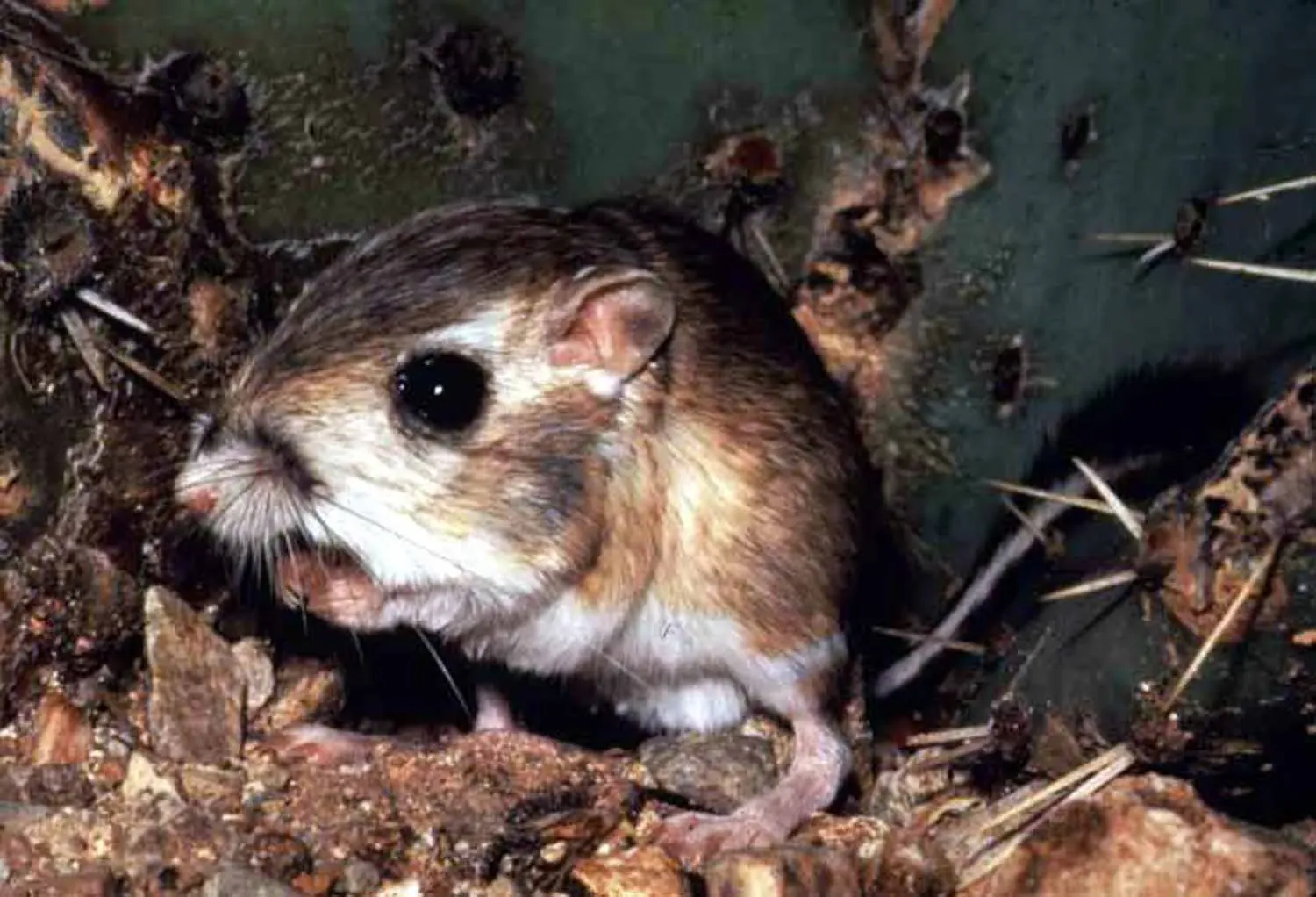
Of all the desert’s unlikely residents, the kangaroo rat might be the most genuinely astonishing. Kangaroo rats are unique in the animal world because nature has provided them with the ability to survive with very little water and, in the deserts, with no free water at all. They do not store water in their bodies for future use like other animals, yet their bodies have about the same water content as other animals. That’s not a survival compromise. That’s an evolutionary masterpiece.
They have the ability to convert the dry seeds they eat into water, and they neither sweat nor pant like other animals to keep cool. They also have specialized kidneys, which allow them to dispose of waste materials with very little output of water. In addition, they spend their days in their burrows where the air is moist and humid. The burrows themselves are carefully sealed during daylight hours. To maintain a constant temperature and relative humidity in their burrows, kangaroo rats plug the entrances with soil during the day. When the outside temperature is too hot, a kangaroo rat stays in its cool, humid burrow and leaves only at night.
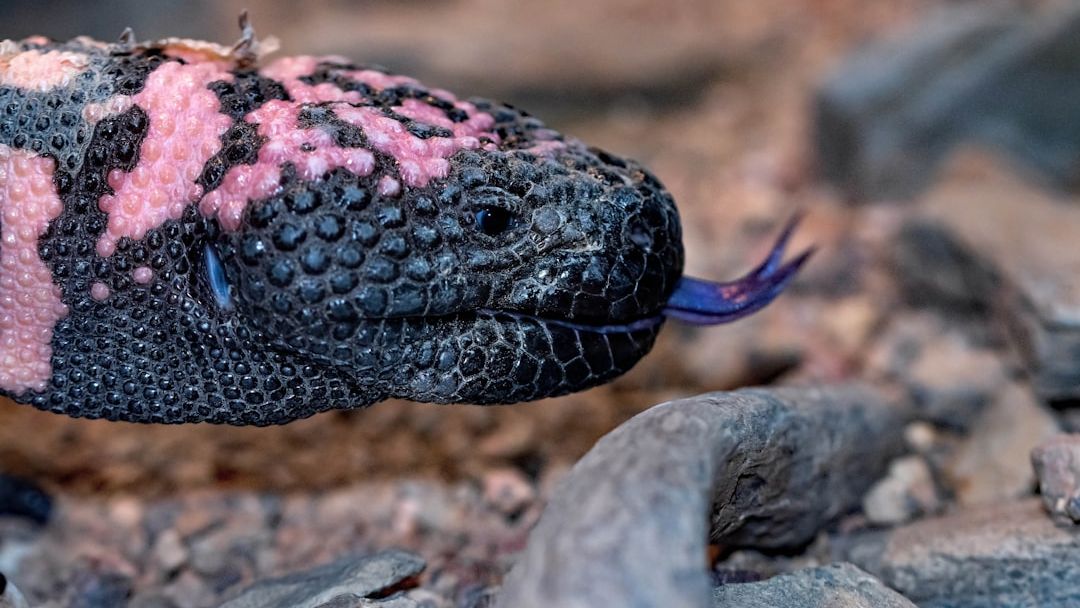
#2. The Gila Monster: America’s Only Venomous Lizard
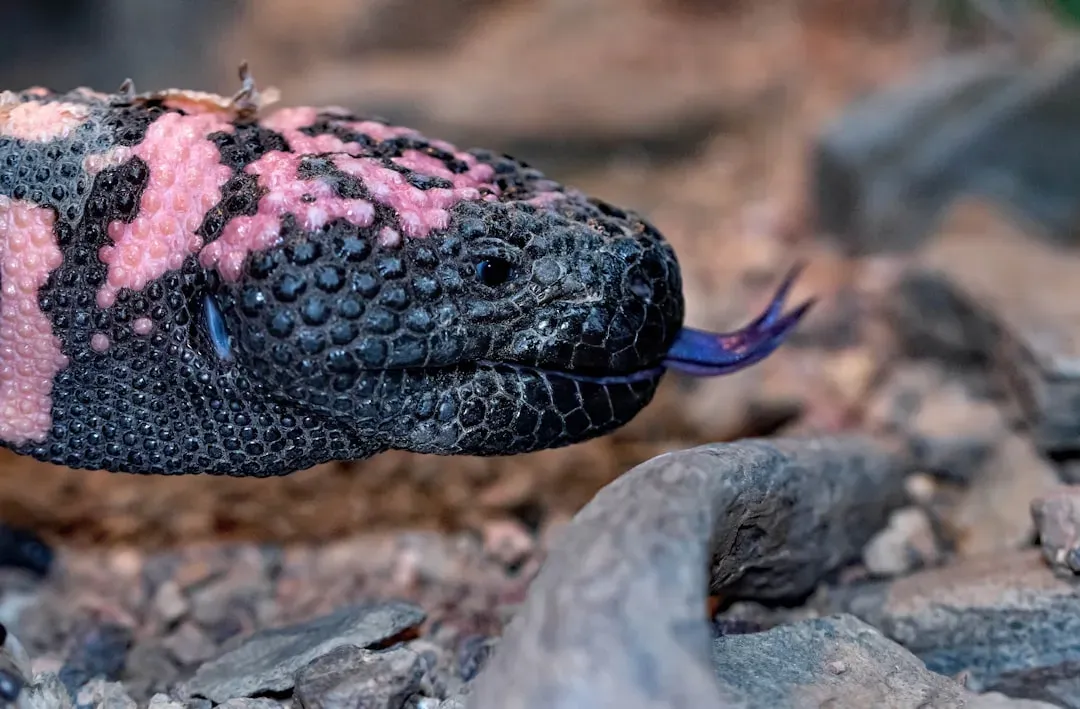
The name alone is enough to make someone take a step back. The Gila monster is a species of venomous lizard native to the Southwestern United States and the northwestern Mexican state of Sonora. It is a heavy, slow-moving reptile, up to 22 inches long, and it is the only venomous lizard native to the United States. Despite what the name implies, this creature is far more reclusive than monstrous.
It has been suggested that Gila monsters can consume all the calories they need for a year in three or four large meals. That’s an extraordinary fact. In between feedings, which can be extremely infrequent, Gila monsters survive on fat stored inside their tails. There’s also a remarkable medical footnote to this species: a drug for the management of Type 2 diabetes is based on a protein from the Gila monster’s saliva. The drug is sometimes referred to as lizard spit.
#3. The Desert Tortoise: A Living Time Capsule
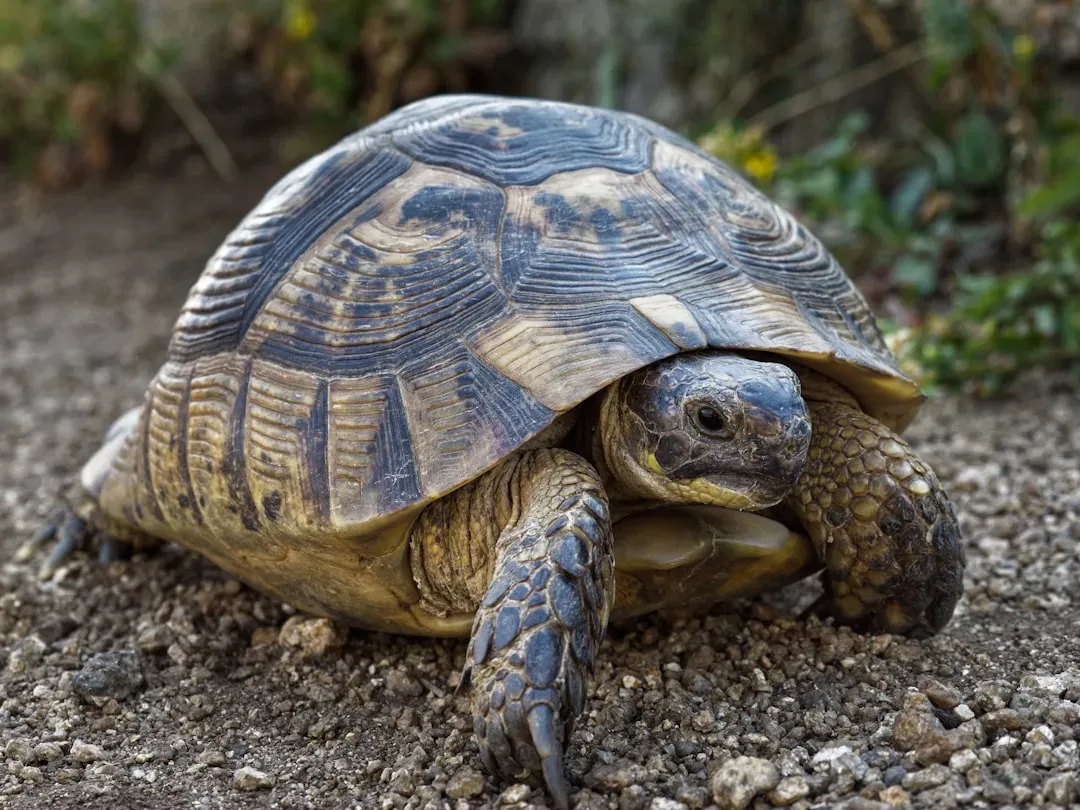
The desert tortoise moves slowly, and it has every reason to. The desert tortoise spends most of its life underground in burrows, using this natural shelter to escape the heat and conserve water. These slow-moving animals graze on grasses, cacti, and wildflowers after rare rains. There’s something almost meditative about an animal that waits for rain before it eats.
The Chuckwalla Bench boasts one of the highest densities of desert tortoises in the California desert. This threatened keystone species can live for up to 80 years. Eight decades of life in one of the harshest environments on Earth. The Mojave Desert tortoise is known to inhabit burrows and rock shelters, spending up to 95 percent of its time in these cool, protected areas. Most of its existence happens in quiet darkness underground, and it seems to have perfected the art of patience.
#4. The Burrowing Owl: The Owl That Lives Underground
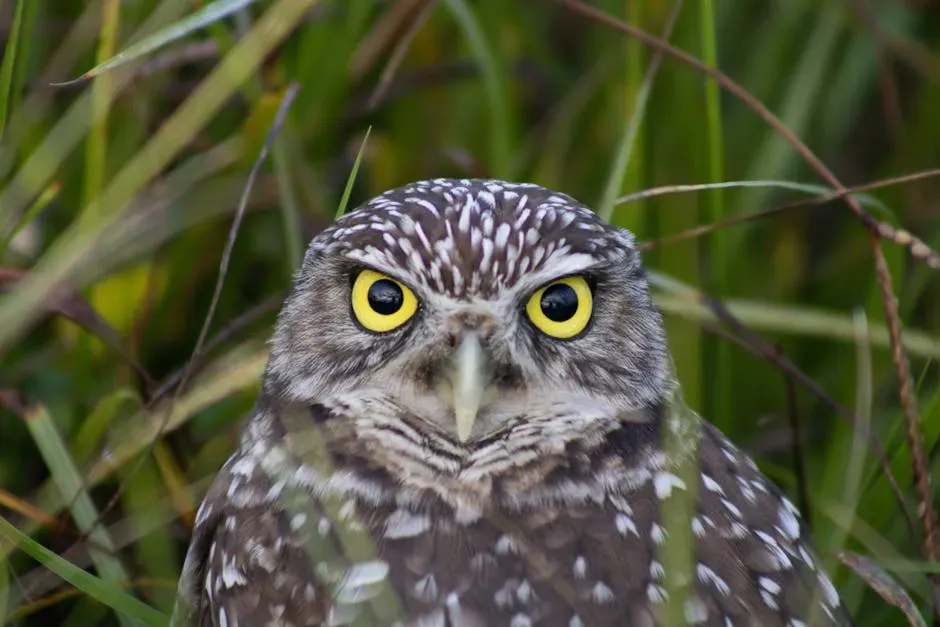
Owls are supposed to live in trees. Nobody told the burrowing owl. Burrowing owls nest underground instead of in trees. They are not exclusively nocturnal; they hunt around the clock, often eating insects by day and catching small mammals at night. They have unusually long legs and spend much of their time on the ground. They’re essentially the desert’s resident rule-breakers.
While burrowing owls can dig their own nests if necessary, more often they will occupy a hole that has been abandoned by a prairie dog, badger, desert tortoise, or other small creature. When building a nest, they often surround it with animal waste to attract dung beetles. That last behavior is genuinely clever. Attract insects to your doorstep and you’ve essentially created a doorstep diner. Key among desert birds, burrowing owls have carved a niche in this challenging landscape and are integral to the desert’s ecological balance, thriving amid the harsh conditions and sparse vegetation of the Mojave, particularly around areas like Joshua Tree National Park.
#5. The Sidewinder Rattlesnake: The Snake That Moves Sideways
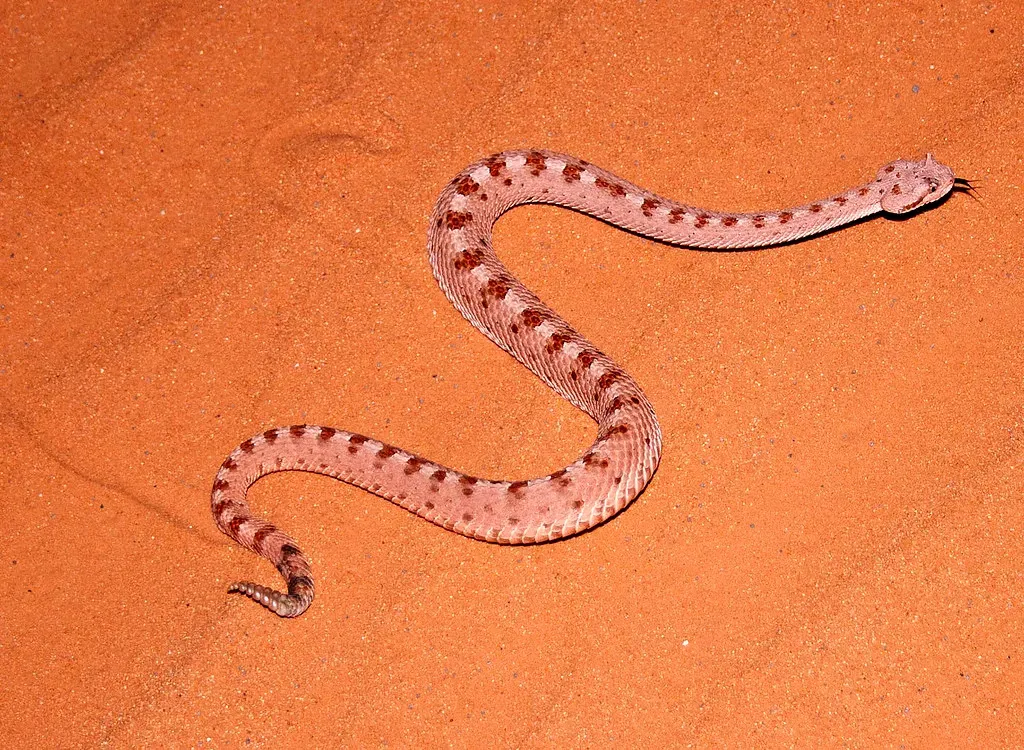
Most snakes move in a fairly predictable way. The sidewinder took a different approach. The sidewinder performs one of nature’s most elegant locomotion displays, and watching one move across desert sand offers real insight into remarkable evolutionary adaptation. You’ll recognize these relatively small rattlesnakes, typically 18 to 30 inches long, by the horn-like scales above their eyes and their unique sidewinding movement pattern.
Its distinctive sidewinding movement allows it to maintain only two points of contact with the ground at any given time, avoiding overheating from excessive contact with the hot desert sand. That’s not just dramatic locomotion. It’s thermodynamic efficiency. Sidewinder snakes use a unique gait to reduce friction and heat exposure, and their movement patterns have even inspired desert robotics research. An animal whose walking style is influencing engineering in 2026 is no ordinary creature.
#6. The Kit Fox: Built for the Desert Night
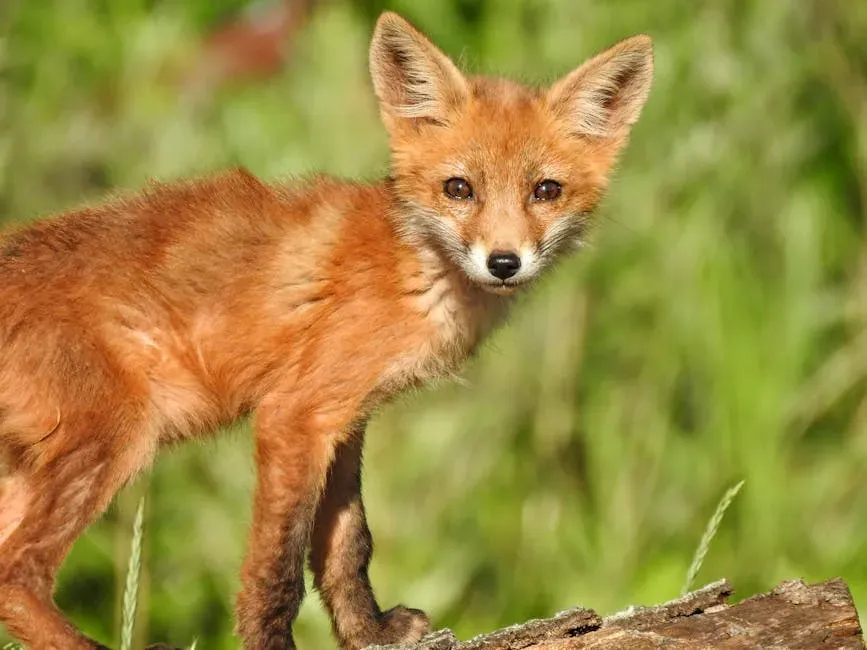
The kit fox is, quite frankly, one of the most physically elegant animals living in American arid lands. The kit fox, one of North America’s smallest canids, embodies elegant desert adaptation with its distinctive oversized ears and compact frame. Weighing just 3 to 6 pounds and standing about 12 inches tall at the shoulder, these diminutive foxes rely on their disproportionately large ears not only for detecting prey but also for radiating excess body heat, a critical adaptation in their arid habitat. Their pale, sandy-colored coats reflect sunlight and provide excellent camouflage against desert soils, while their thick, insulating fur helps them withstand cold desert nights.
Kit foxes have evolved a primarily nocturnal lifestyle to avoid daytime heat, emerging at dusk to hunt kangaroo rats, rabbits, insects, and small birds. Their water-efficient metabolism allows them to derive most needed moisture directly from their prey. They’ve essentially solved the hydration problem the same way the kangaroo rat did. Complex underground den systems, which may contain multiple entrances and chambers extending up to 40 feet, provide crucial shelter from temperature extremes.
#7. The Desert Bighorn Sheep: Mountain Climbers of the Arid West
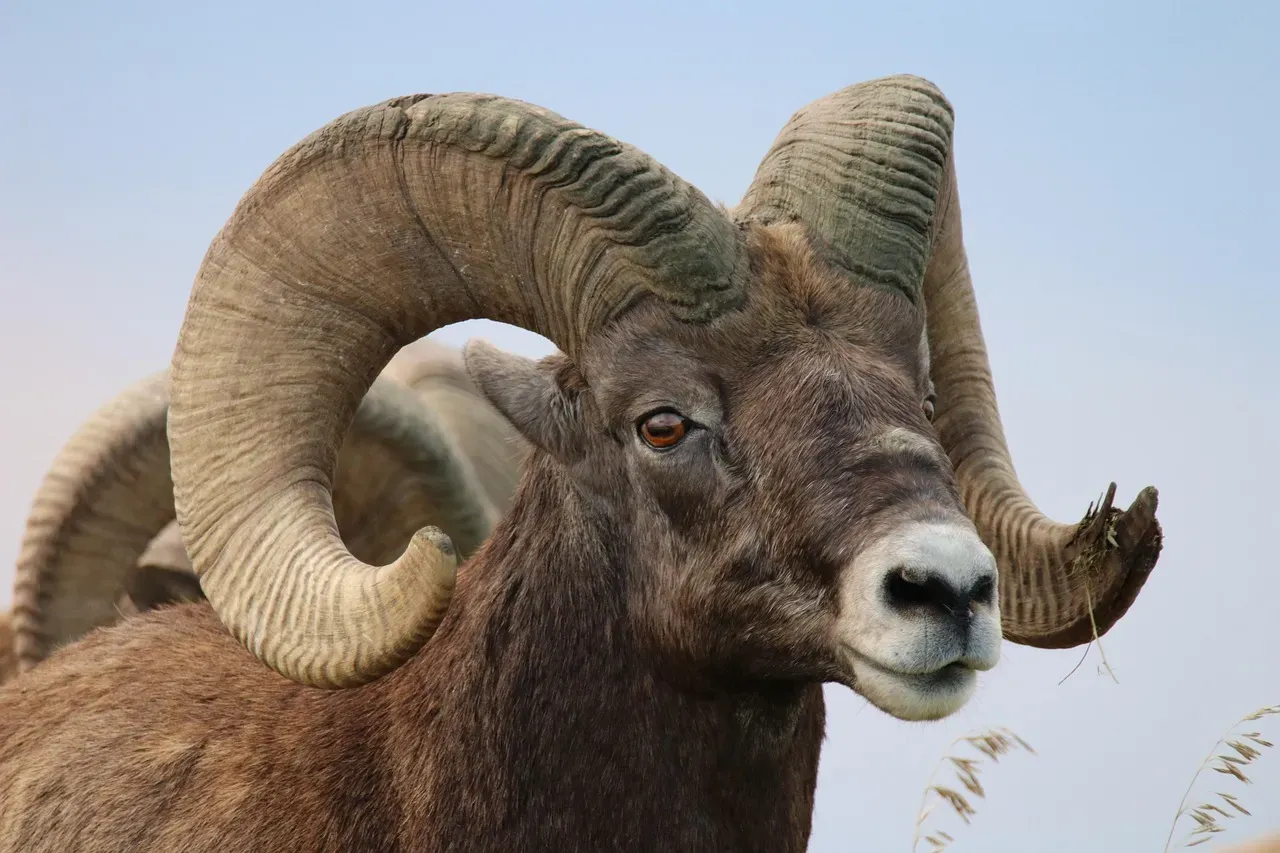
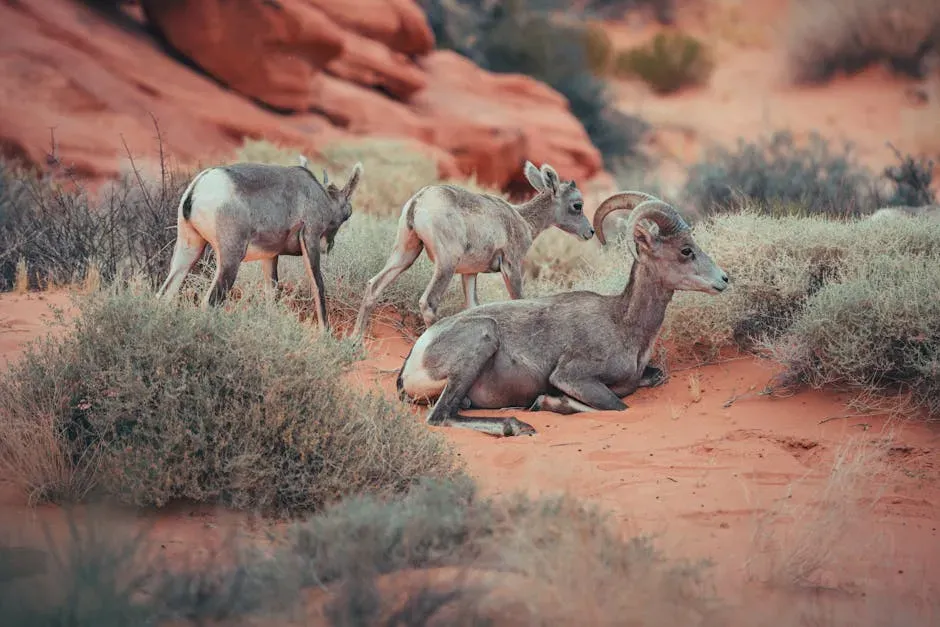
Few animals look as improbable in a desert setting as the bighorn sheep, and yet they’re remarkably at home there. These magnificent mammals are perfectly adapted to the region’s rocky mountain ranges and canyon lands, possessing specialized hooves with rough, textured pads that provide exceptional traction on steep, rocky terrain. Males, known as rams, display impressive curved horns that can weigh up to 30 pounds, nearly 10 percent of their body weight, which they use in dramatic head-butting contests during mating season.
Desert bighorns can lose up to 30 percent of their body weight to dehydration and rapidly rehydrate when water becomes available. Their population faced severe decline in the 20th century due to diseases transmitted from domestic sheep, hunting, and habitat fragmentation. Recovery efforts have been ongoing for decades. The total population of desert bighorns is estimated to be about 13,000, and some of the biggest threats they face are disease from livestock and loss of habitat. Still, wherever rocky cliffs rise from the desert floor, bighorn sheep are likely somewhere above you.
#8. The Pallid Bat: The Scorpion Hunter
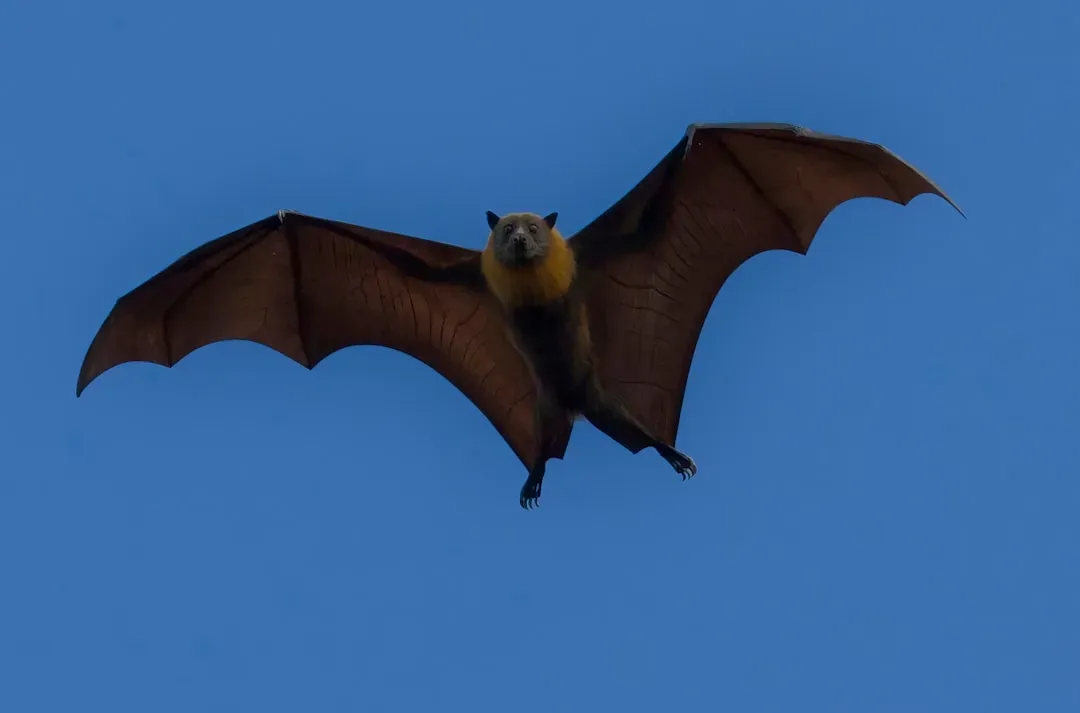
Of all the desert’s hunters, the pallid bat has one of the most audacious diets. The pallid bat, found in western North America, is known for feeding on insects like crickets and beetles and can even handle scorpion stings. Let that sink in for a moment. A bat that intentionally hunts and eats scorpions, and survives the encounter.
Bats are unsung heroes of desert wildlife. The pallid bat, found in western North America, is known for feeding on insects like crickets and beetles and can even handle scorpion stings. Its apparent resistance to scorpion venom sets it apart from nearly every other desert predator. Many desert animals are nocturnal, seeking shelter during the hottest parts of the day, or they burrow underground to escape the heat and conserve moisture. The pallid bat fits this pattern perfectly, spending its daylight hours roosting in rock crevices or building overhangs, then emerging after dark to patrol the desert floor for prey that most other animals wisely avoid.
#9. The Greater Roadrunner: Speed Over Flight
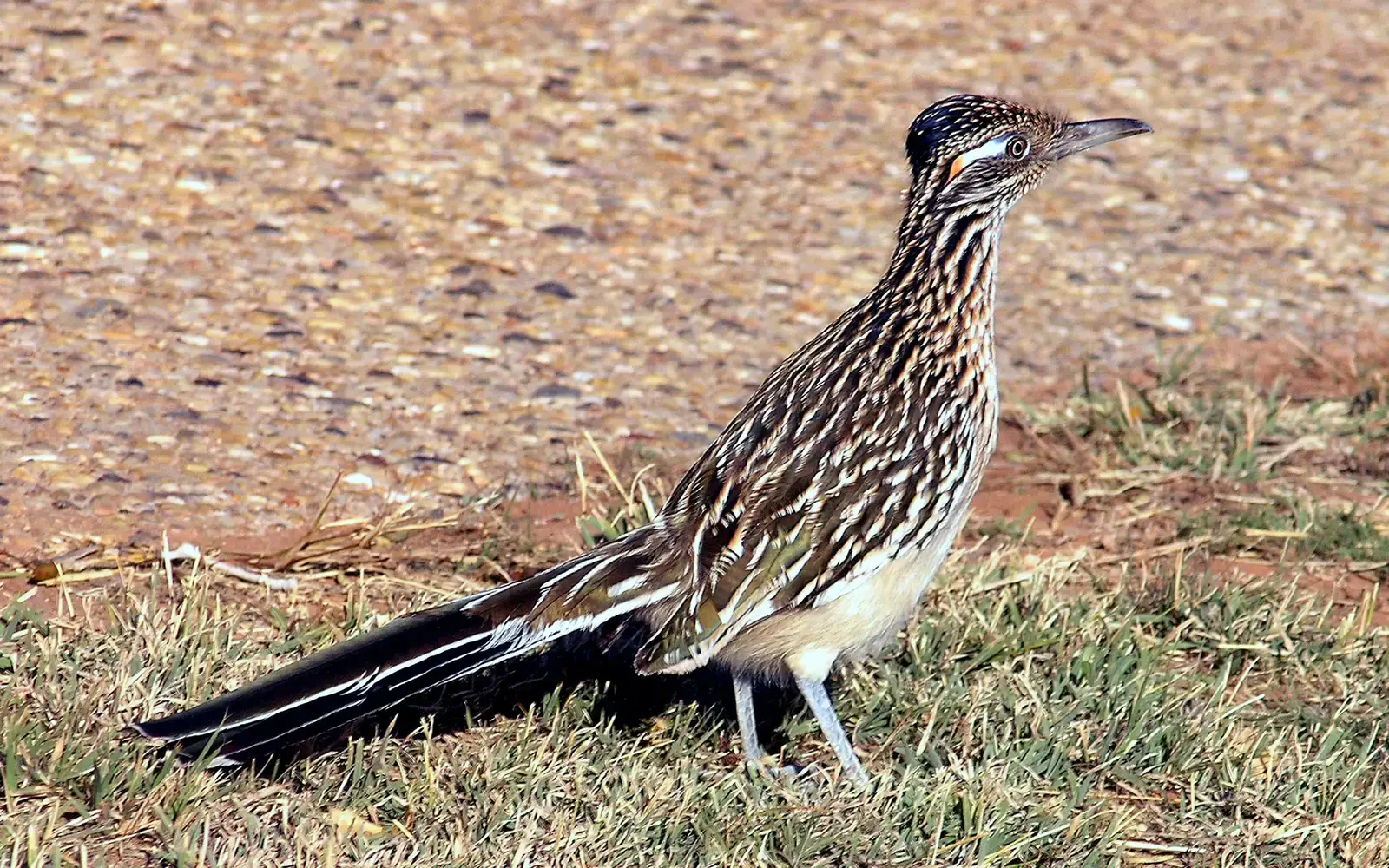
The greater roadrunner gave up serious flight and traded it for something arguably more useful in the desert: speed on land. The greater roadrunner is a ground-dwelling bird capable of running at speeds up to 25 miles per hour, allowing it to catch lizards, snakes, and insects. This iconic member of desert wildlife lives in the Sonoran Desert, Mojave Desert, and nearby aridlands of the American Southwest, thriving in open scrub and desert flats where it can sprint to escape predators.
This quirky looking bird, with its tufted feather crest, long legs, and zippy demeanor, is the largest member of the diverse cuckoo family. Most people know the roadrunner from cartoons, but the real bird is genuinely impressive. These vocal desert dwellers communicate through harsh, chattering calls that carry across the arid landscape. Their diet showcases impressive adaptability, shifting seasonally between insects, spiders, and small reptiles during warmer months to fruits, seeds, and nectar during cooler periods. A bird that hunts rattlesnakes and eats cactus fruit depending on the season is nothing short of a desert generalist at its finest.
#10. The Desert Pupfish: A Fish Living in the Desert
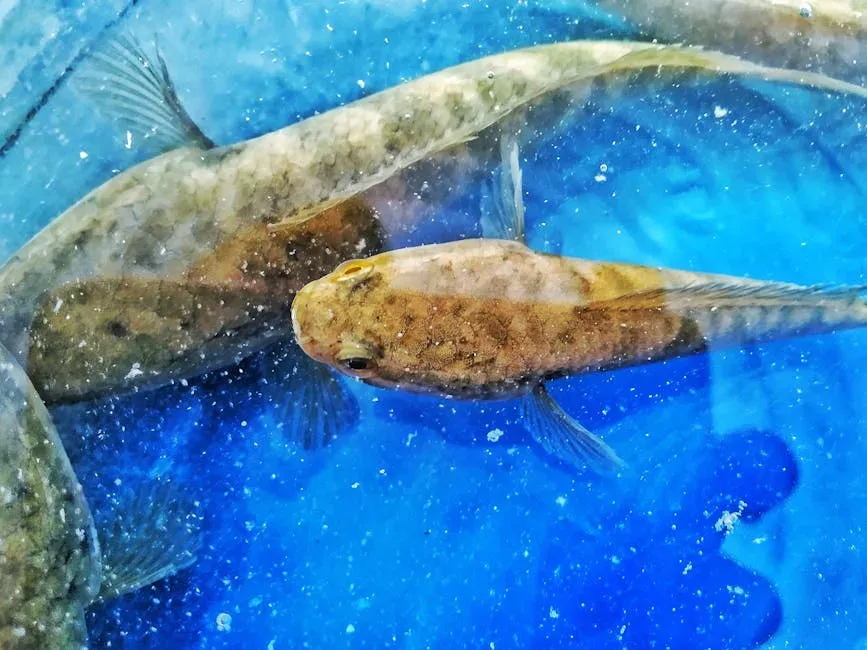
A fish. In the desert. It sounds wrong, and yet the desert pupfish is very real, and its story is one of the most remarkable survival tales in the American Southwest. The various species of pupfish offer evidence that the now-disconnected desert lakes were once a single, interconnected lake. When the lake evaporated some 10,000 years ago, the pupfish were isolated in the remaining desert pools. That isolation shaped an animal unlike almost anything else alive.
This tiny fish tolerates warm, salty water. When water temperatures cool each winter, they can burrow into their underwater home’s muddy bottom to survive, feeding mostly on green and brown algae. Mating season for pupfish starts in February and runs through the summer. During mating, male pupfish become iridescent blue and fiercely defend their territory, chasing away everything except females ready to spawn. Several species of pupfish are endangered due in large part to habitat loss and threats from non-native fish that have been introduced into their habitats. A fish that survived the drying of an ancient inland sea now faces threats from the modern world, and its future depends entirely on protecting the few desert springs it still calls home.
Final Thoughts: The Desert Is Never Empty
There’s a temptation to view arid land as a failure of nature, a place where life gave up. These ten animals make a convincing case for the opposite. From the iconic Sonoran Desert spanning Arizona and California to the vast Chihuahuan Desert extending through New Mexico and Texas, these arid ecosystems host a stunning array of wildlife that has evolved specialized traits to thrive where water is scarce. These desert specialists employ fascinating survival strategies, from nocturnal lifestyles to water-conserving physiologies, demonstrating nature’s incredible adaptability.
The desert doesn’t reward weakness. It rewards ingenuity, patience, and precision, and every creature on this list has all three in abundance. A lizard that can survive on three meals a year, a rat that manufactures its own water, a fish stranded by a vanished sea and still thriving 10,000 years later. These aren’t edge cases of survival. They’re the desert’s answer to the claim that nothing lives here. The answer, it turns out, is breathtaking.
If anything, the real surprise isn’t that these animals exist. It’s that most of us have walked through this world without ever knowing they were there, just beneath the sand, watching us from the shadows, thriving in the silence we mistook for emptiness.

- 7 Apex Predators That Are Actually Afraid of One Specific Animal Smaller Than Themselves and the Encounters That Confirmed It - July 18, 2026
- 10 Animals That Researchers Confirmed Can Recognize Themselves in a Mirror – and the One Near the Bottom of the List That Rewrote the Criteria Entirely. - July 18, 2026
- 6 Most Shark-Dense Coastlines Outside the United States That Tourism Boards Have Been Very Quiet About - July 18, 2026