


In the vastness of the Amazon rainforest, countless wonders await the curious traveler. Among these marvels, one stands out as particularly vibrant and captivating: the macaws of Manu National Park in Peru. This park is a dazzling showcase of avian beauty and ecological richness, making it an unparalleled destination for bird enthusiasts and nature lovers alike. In this article, we’ll explore why Manu National Park is the ultimate spot to observe these magnificent birds in their natural habitat.
The Jewel of Amazon Biodiversity

Nestled in the Peruvian Amazon, Manu National Park is recognized as one of the most biodiverse areas on the planet. Its lush expanse covers over 1.5 million hectares, providing an ideal sanctuary for countless species of flora and fauna. This rich biodiversity creates a haven for macaws, offering them a supportive ecosystem teeming with food sources and nesting sites.
A Glimpse into Macaw Species Diversity

Manu National Park is home to a variety of macaw species, including the dazzling scarlet macaw, the great green macaw, and the vibrant blue-and-yellow macaw. Each species adds a unique splash of color to the emerald canopy, and the diversity of macaws here is unmatched, providing visitors with a unique opportunity to observe these birds coexisting in one environment.
The Spectacle of the Clay Licks

One of the most fascinating attractions in Manu is the macaw clay licks, where hundreds of these birds congregate daily. These natural walls of clay are vital for the birds’ diet, providing essential minerals that aid in digestion. Witnessing a flock of macaws descend upon a clay lick is a mesmerizing spectacle, as brilliant hues of red, yellow, and blue swirl against the green backdrop of the jungle.
Easily Accessible Viewing Points
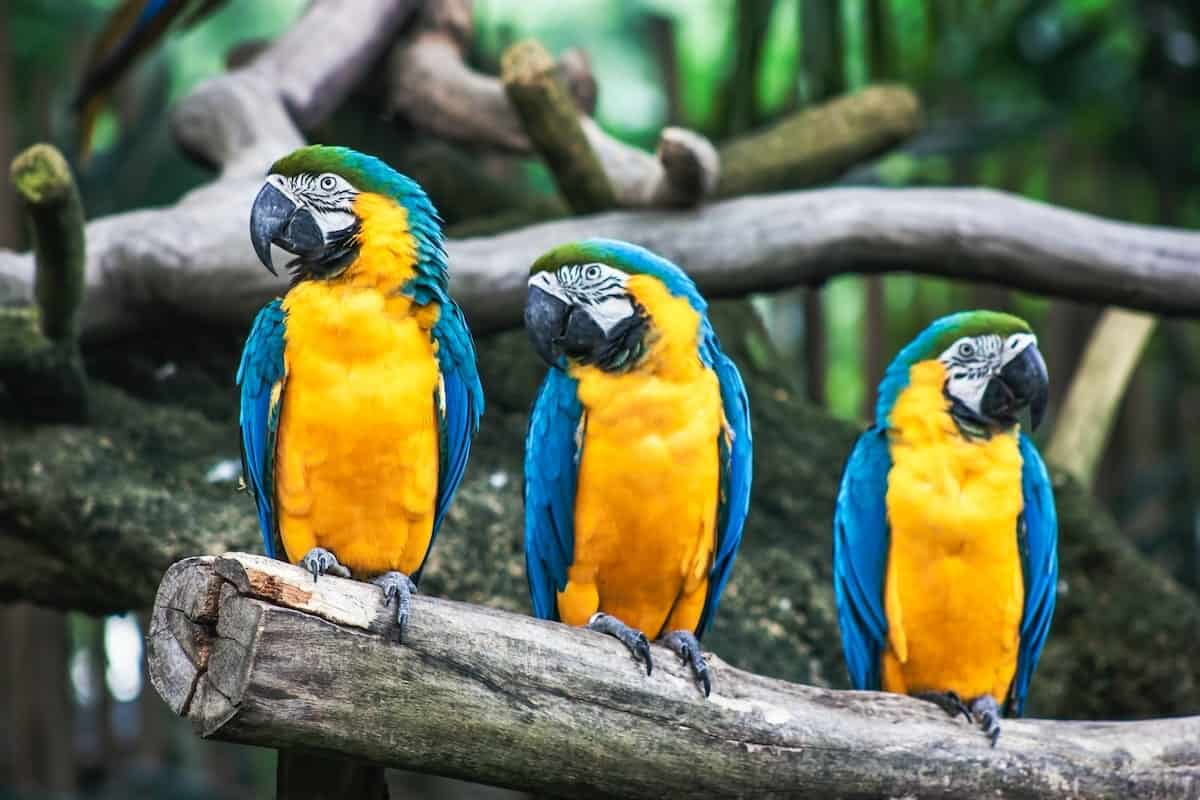
Manu National Park offers expertly guided tours that lead visitors to prime viewing spots with minimal disturbance to the wildlife. Many lodges and observation points are situated near key macaw habitats, ensuring that enthusiasts can experience these birds up close without compromising their natural environment.
The Role of Conservation Efforts
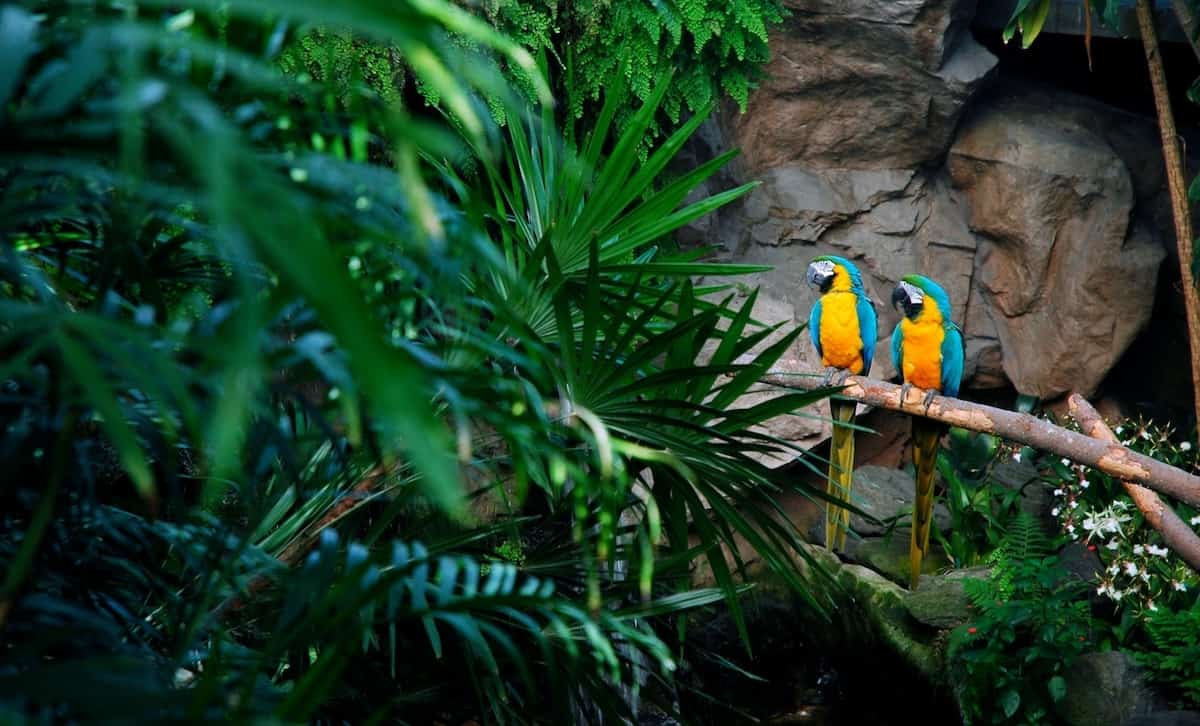
The park is not just a sanctuary but also a focal point for conservation efforts. Initiatives led by local and international organizations strive to protect the macaws’ habitat from threats like deforestation and illegal trade. These efforts are crucial in maintaining the delicate balance of the ecosystem, ensuring that macaws continue to thrive in their natural habitat.
Supporting Local Communities
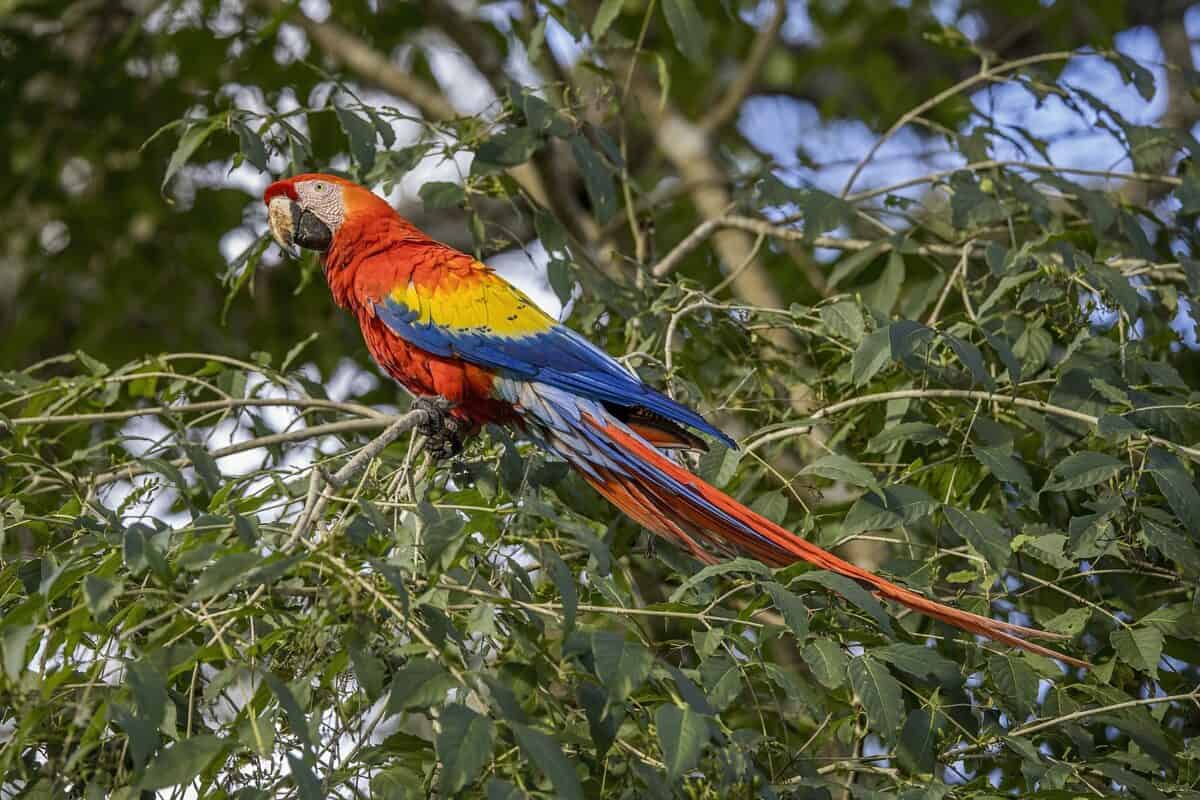
Tourism centered around macaw observation plays a significant role in supporting local communities. Many indigenous groups are involved in eco-tourism activities, providing them with sustainable income while fostering a commitment to protecting their natural resources. This symbiotic relationship enhances conservation efforts and promotes cultural exchange between visitors and locals.
Understanding Macaw Behavior

Observing macaws in their natural habitat provides invaluable insights into their behavior. Visitors can witness these birds’ complex social interactions, courtship rituals, and remarkable communication methods. Such firsthand experiences enrich our understanding of these intelligent creatures and their role in the ecosystem.
The Seasonal Spectacle

Manu’s climate ensures that macaws are visible year-round, but the most spectacular sightings occur during the dry season, from May to October. During this time, the receding waters make it easier to access remote areas of the park, and the reduced foliage provides clear lines of sight for birdwatching.
Accommodation that Embraces Nature
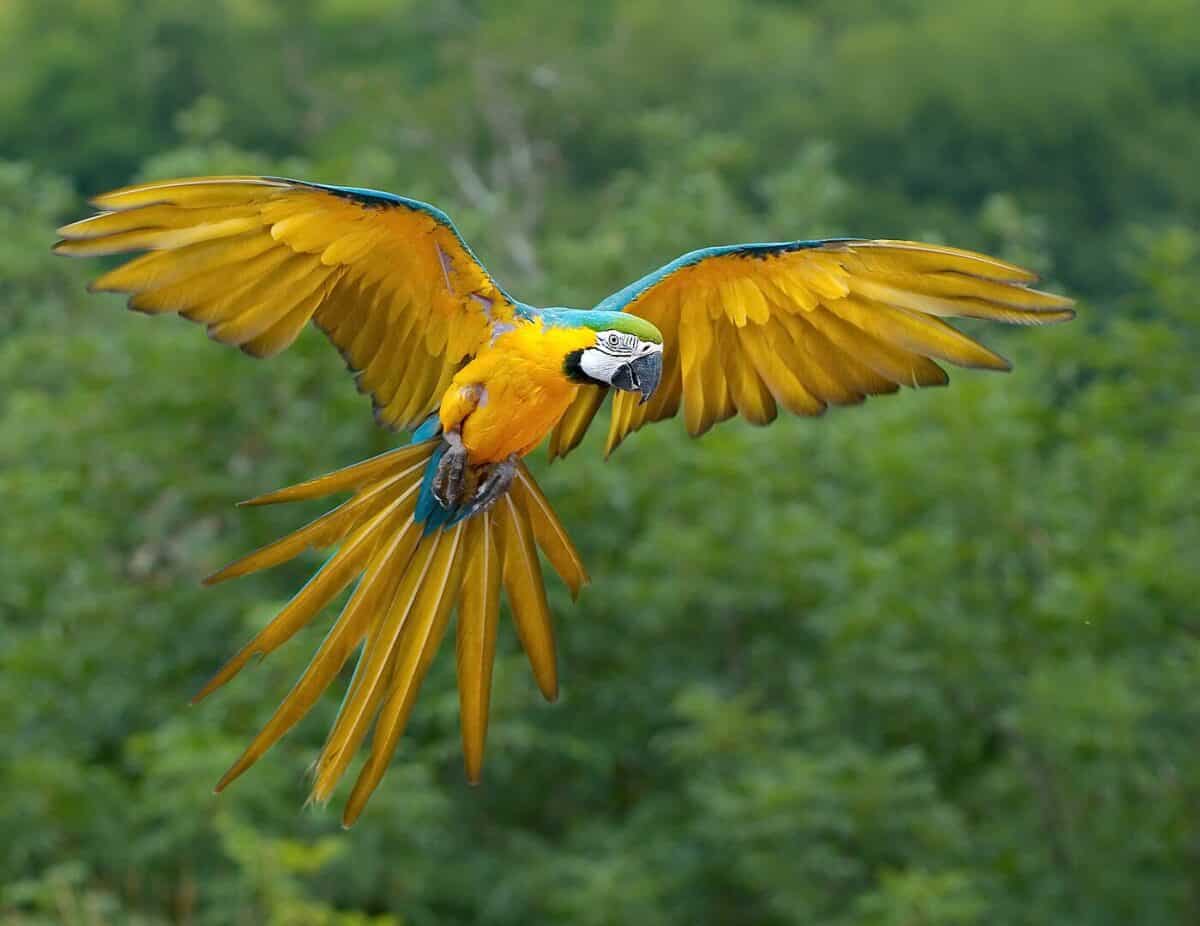
The lodges in Manu National Park are designed to minimize environmental impact while maximizing comfort. Many are built with sustainable materials and practices in mind, providing visitors with a cozy base from which to embark on their birdwatching adventures. These lodges often offer guided tours, adding to the educational aspect of the visit.
An Educational Experience

Guided tours and workshops provided in the park offer educational experiences for all ages. Visitors learn about the ecological roles of macaws, their habitats, and the threats they face. These programs underscore the importance of conservation and inspire a deep appreciation for preserving these magnificent birds.
The Photographer’s Paradise

For photographers, Manu National Park is a dream destination. The vivid plumage of the macaws against the lush green framework of the rainforest offers endless opportunities for stunning shots. Photographers can capture not only the beauty of these birds but also their dynamic interactions and behaviors.
A Commitment to Sustainable Tourism

Sustainable tourism in Manu National Park ensures that the natural beauty and ecological integrity of the area are preserved for future generations. By adhering to eco-friendly practices and promoting responsible wildlife viewing, the park ensures that visitors can enjoy the spectacle of the macaws while contributing to their conservation.
Conclusion: An Unforgettable Wildlife Encounter

Manu National Park stands out as a premier destination to witness the splendor of macaws in the wild. Its unparalleled biodiversity, conservation efforts, and commitment to sustainable tourism create a haven where these colorful birds can thrive. A visit to Manu offers more than just a visual feast; it provides an unforgettable journey into the heart of the Amazon, deepening our appreciation and respect for the natural world. Whether you’re a seasoned birdwatcher or a curious traveler, Manu National Park promises an unforgettable encounter with one of nature’s most breathtaking spectacles.

From exploring the marine wonders in the Azores and witnessing the vast savannas of Kenya, to delving deep into the rich biodiversity of South Africa and traversing iconic landscapes in Australia and the US like Yellowstone, Chris's experiences are vast.
With a penchant for diving alongside sharks, the ocean holds a special place in his heart.
Through his academic insights, he champions wildlife conservation, striving with 'Animals Around The Globe' to cultivate a profound connection between humans and animals, enhancing our mutual appreciation.
Connect with him at Feedback@animalsaroundtheglobe.com.
- Meet the Mantis Shrimp: The Sea Creature That Punches Like a Bullet - July 18, 2026
- Dugongs and Their Slow Mating Rituals in the Ocean - July 18, 2026
- How Animal Exhibits Are Evolving to Promote Conservation - July 17, 2026