
#1. It’s a Boundary Declaration You Don’t Have to Explain
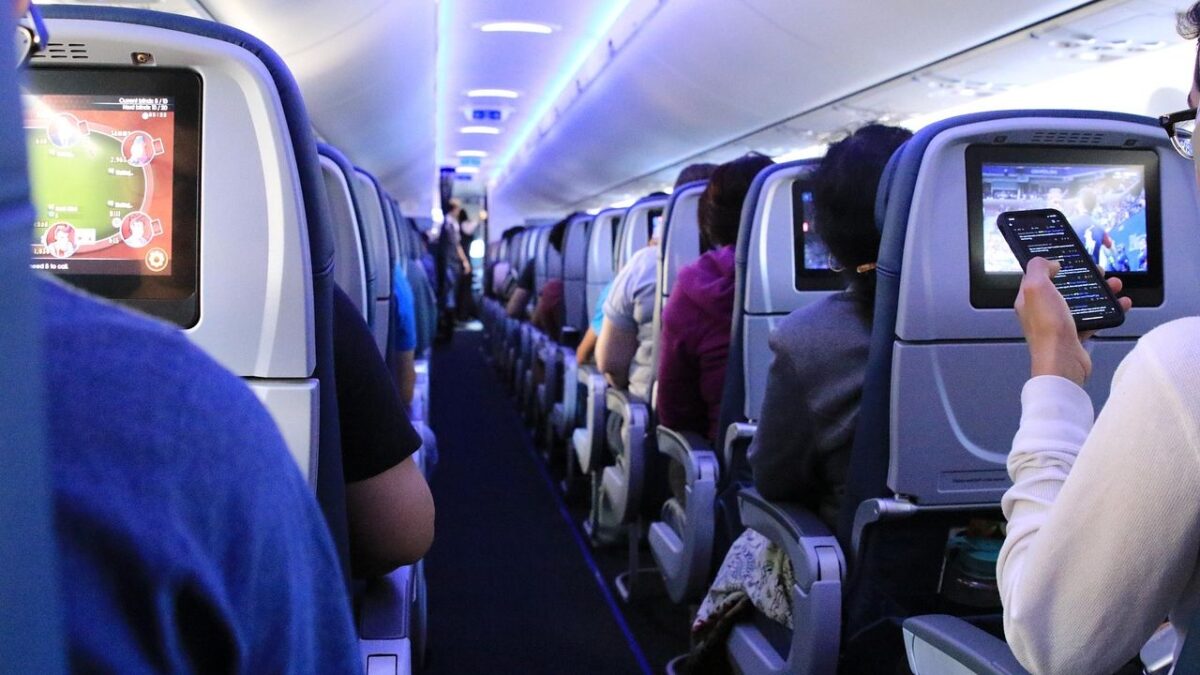
There are rows of strangers in front of you who can recline into your space, whose children can peer over headrests, and whose conversations you absorb whether you want to or not. That dynamic, that constant low-level social friction, is exactly what the last row eliminates from behind.
The last row is a boundary declaration. Nobody reclines into you from behind. Nobody exists behind you. You’ve effectively removed an entire direction of vulnerability, and that’s not a small thing on a crowded aircraft. The geometry of the aircraft enforces the boundary your personality has always tried to negotiate in softer ways.
#2. The Psychology of Having Your Back to the Wall

There’s a deeply human instinct at work here that goes back much further than commercial aviation. People who gravitate toward corner tables in restaurants, seats facing the door, and are all responding to the same internal signal. It’s a desire to have full situational awareness without being caught off guard.
This reflects a desire for safety, awareness, and emotional control rather than fear or dominance. For many people, this habit supports inner calm, strong boundaries, and mental clarity. It’s not paranoia. It’s an orientation toward safety that feels instinctive, almost automatic, the way some people just can’t sit with their back to a busy room.
#3. The Quiet Gift of Being the Least Watched Person in the Cabin
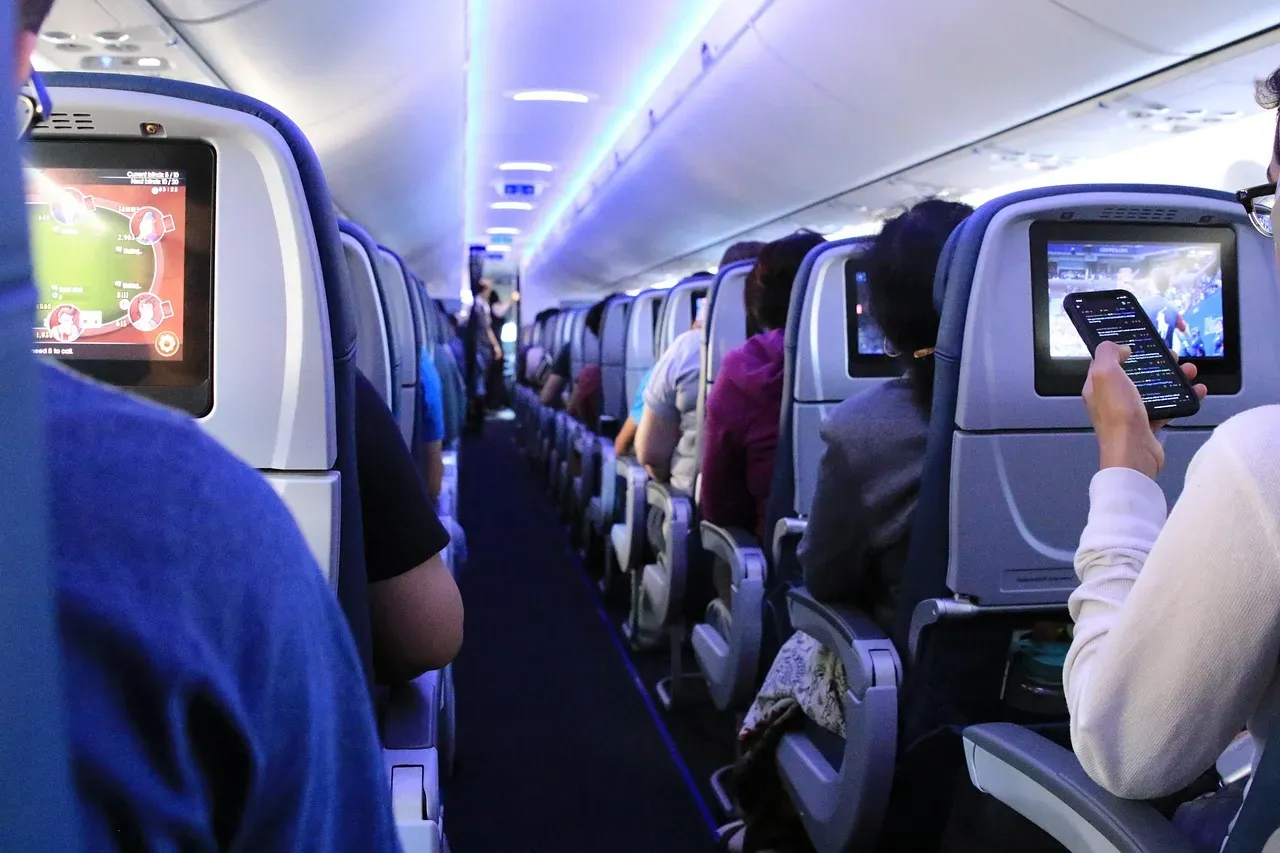
Many back-row passengers aren’t a fan of being easily seen by lots of people when resting or relaxing. People tend to be quite observant on planes, and the back of the cabin means all of the other seats in the cabin are facing away from you. That invisibility is not trivial. On a ten-hour flight, being unobserved is a genuine luxury.
The rear sections of an aircraft, often less popular with travelers, can surprisingly offer benefits like increased privacy and a greater sense of personal space. Sitting further away from the main walkways and the bustling galley areas creates a more secluded and peaceful ambiance. For introverts especially, this is less of a preference and more of a need.
#4. The Unspoken Safety Advantage
Most airlines won’t advertise this, because frankly they’d prefer everyone fought over the same premium forward seats. A TIME investigation that looked at 35 years of aircraft accident data found the middle rear seats of an aircraft had the lowest fatality rate: 28%, compared with 44% for the middle aisle seats. That’s a real statistical difference, not a myth.
Seats at the back of an airplane are close to exit rows while providing more cushion from any collisions that may impact the front of the plane first. The people who choose the last row and know this fact carry a quiet confidence about it. They’re not anxious about flying. They’ve simply done the math, and they like their odds.
#5. The Empty Seat Advantage Nobody Talks About
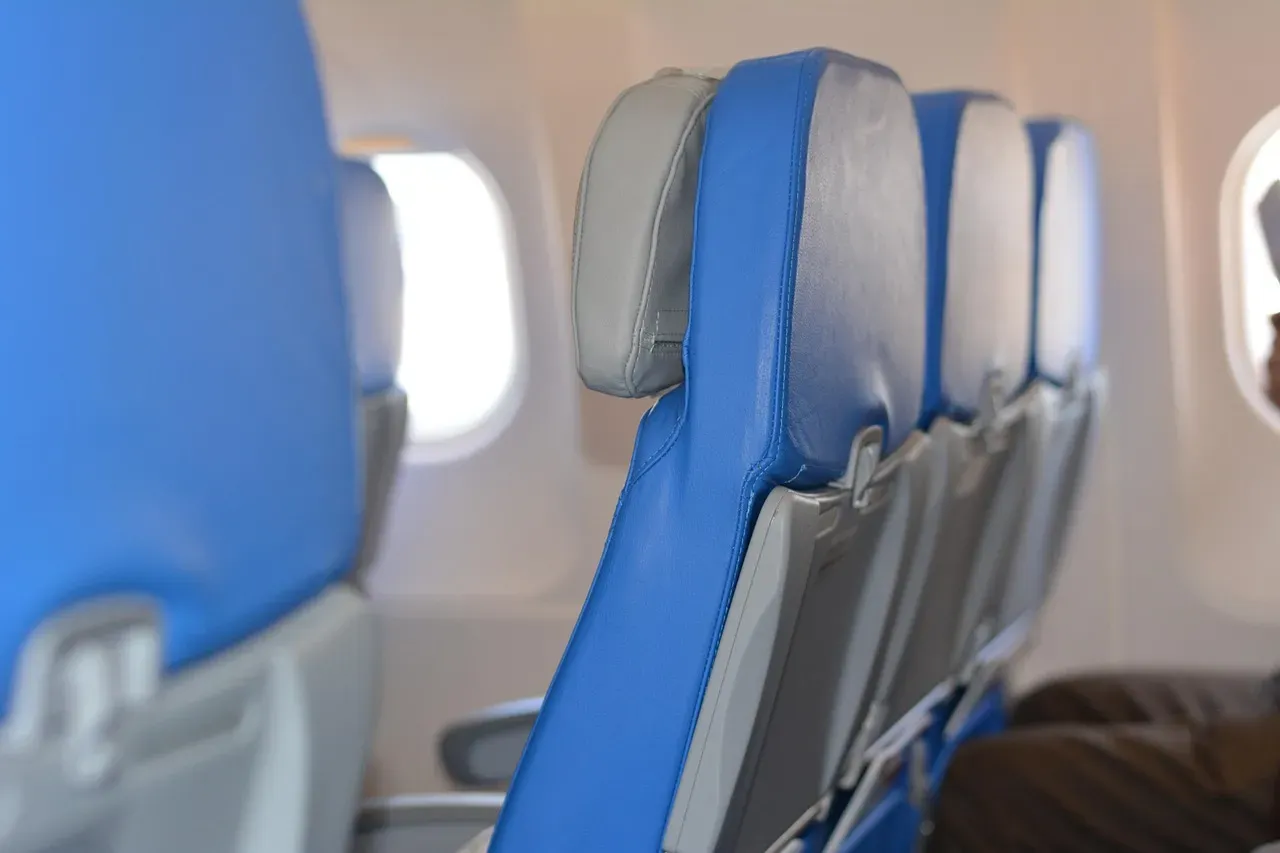
Since many people psychologically prefer to sit towards the front, the last rows of the plane are often the last to get filled, at least on some airlines. This creates a window of opportunity that experienced back-row travelers exploit almost every time they fly. An empty seat next to you on a long haul flight isn’t a minor perk. It’s practically business class.
Many flyers know that the back is the least desirable row of the aircraft and will choose seats elsewhere. This means if you’re hoping to get a row all to yourself and don’t mind the other negatives, you’ll have a better chance of flying solo if you pick the back row. The main advantage of the back row is that no one loves it. That unpopularity is precisely what makes it so useful for the people who know better.
#6. The Exit Architecture and What It Says About You
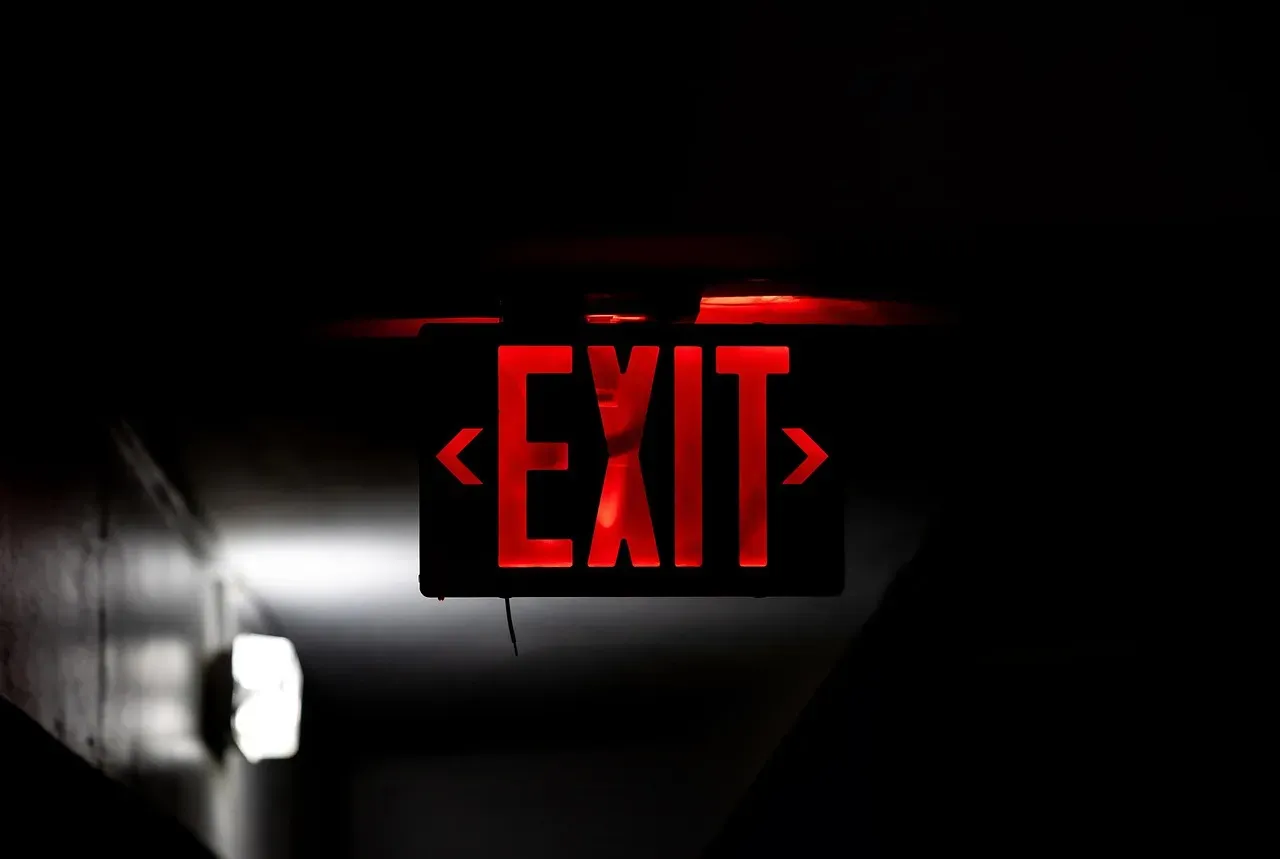
Even if you have no intention of leaving, just knowing you could provides immense psychological comfort. The last row is the ultimate expression of exit architecture. The rear emergency doors are feet away. The galley is your buffer zone. That proximity to an exit is something the brain registers on a primal level, even when the rational mind isn’t paying attention.
This same pattern shows up in how people choose restaurants, where they park, and even in relationships where they might keep one foot out the door “just in case.” It’s a consistent behavioral fingerprint. The exit is rarely the point. The option is everything. And people who default to the last row understand this in their bones, even if they’d describe their preference as simply wanting “more space.”
#7. The Flight Attendant Effect
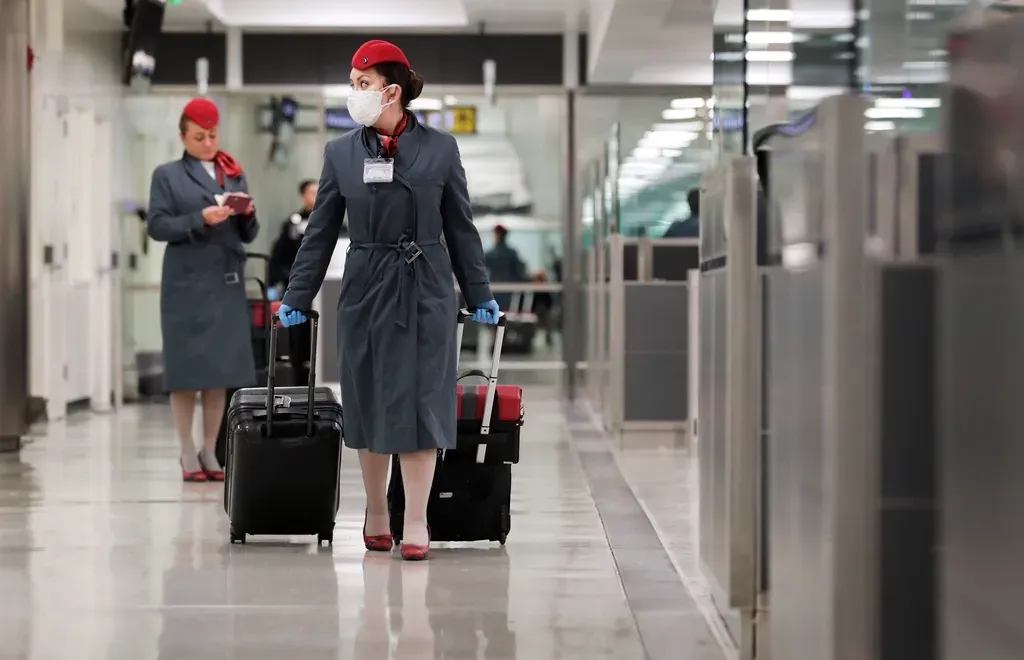
Sitting in the last row means you can chat with the cabin crew, who are always friendly, and get them to keep your choice of food and an extra drink should you wish one. That’s a small social currency, but across a long flight it matters more than people admit. The galley crew are right there. They remember the passenger who said hello.
Nervous flyers at the back sometimes get a better chance of having a casual conversation with cabin crew to settle their nerves. Flight attendants tend to be more relaxed in the rear of the aircraft, away from the formal visibility of the front cabin. The back row gives you quiet access to the most experienced, composed people on the plane. That’s not nothing.
#8. The Trade-Offs Are Real, But So Is the Reward
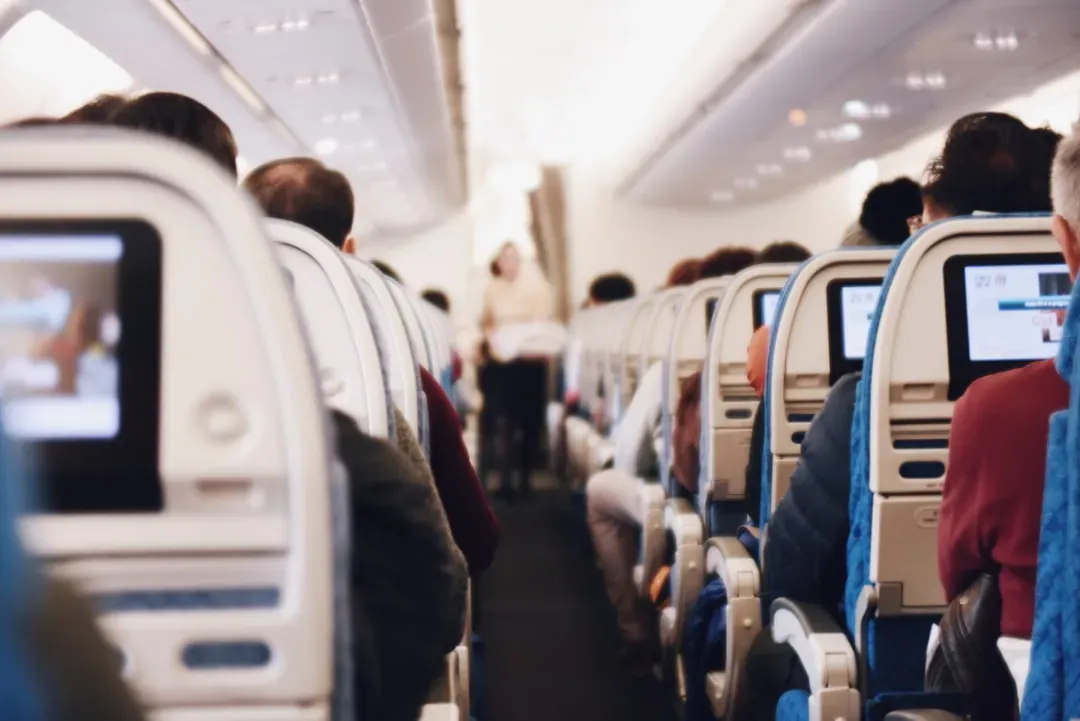
The honest truth is the last row isn’t perfect. Passengers seated in the back are prone to feeling more turbulence. The back row is also located near the galley and bathrooms on many planes, which can get a little crowded during peak bathroom times, noisy during meal prep, and sometimes get a little stinky once the bathrooms have been heavily used. Nobody who regularly sits back there is pretending otherwise.
Back-row legroom is typically equal or reduced, with fixed bulkheads, tray tables, and seat or galley constraints often limiting recline and under-seat space. You’re also the last one off the plane, which stings when you have a connection to catch. Still, for a specific type of traveler, someone who values calm, space, privacy, and a clear line of sight down the entire cabin, none of those trade-offs are dealbreakers. They’re just the small admission fee for a genuinely different kind of flying experience.
Conclusion: The Last Row Knows Something the Front Row Doesn’t
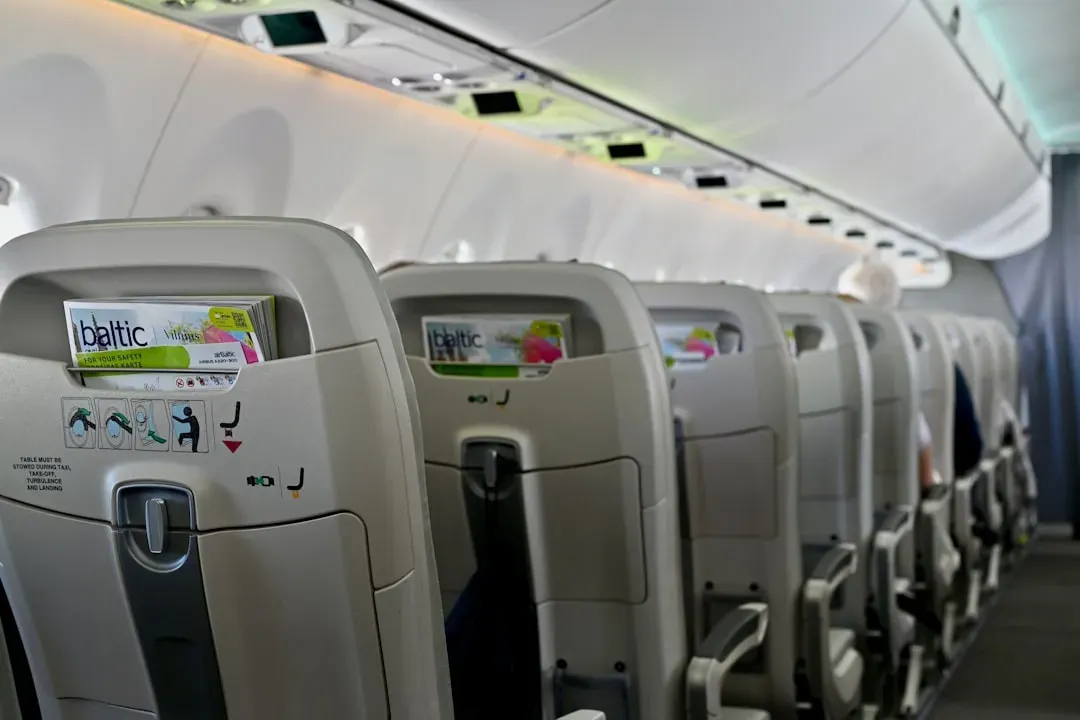
Here’s an opinion worth sitting with: the people who consistently choose the last row aren’t making a compromise. They’re making a deliberate, undervalued decision that most travelers are too habituated or too status-conscious to consider. The herd moves forward, pays for priority boarding, and scrambles for row 10. The back-row traveler boards quietly, stretches across three empty seats, and watches the cabin fill up in front of them like a private show.
There’s something almost philosophical about it. The last row strips away the performance of air travel. No one’s watching. No one’s jostling you from behind. You have a wall at your back, an exit in reach, and a flight crew who’ll actually talk to you. It’s not the prestige seat. It’s the honest one. And maybe that’s exactly why you keep choosing it.
