

#1. San Bernardino, California – Dead Last, and Not By Accident
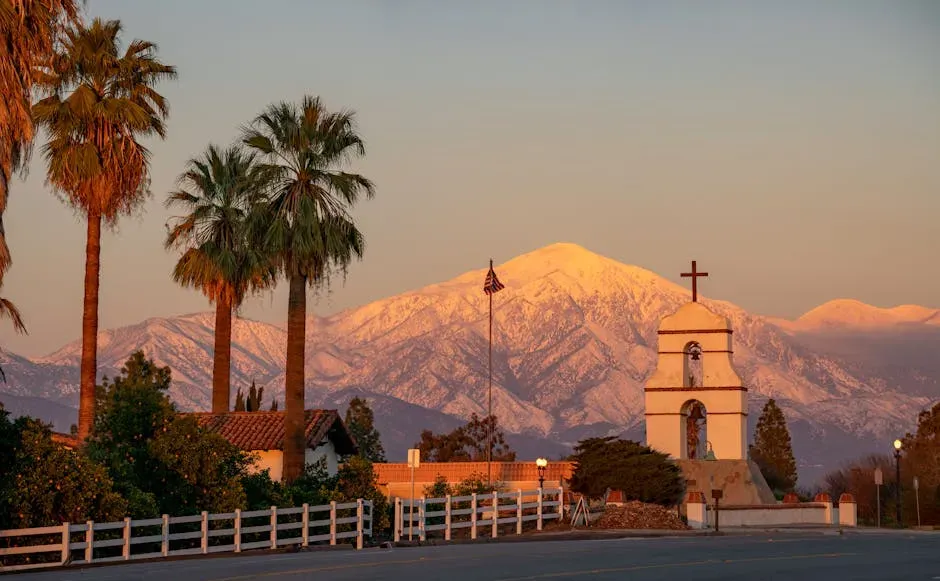
San Bernardino, California, came in last place out of 182 cities in WalletHub’s rankings, with the California cities of Stockton, Rancho Cucamonga, and Bakersfield rounding out the bottom four. This is not a one-year anomaly. That is not a one-year fluke. That is a pattern. Just as Orlando held on to its top overall ranking, so did San Bernardino on the other end of the spectrum.
San Bernardino ranked 174th for healthcare, 171st for quality of life, 157th for activities, and 128th for affordability. There is almost no category in which this city performs well for seniors. The poverty rate tells part of the story: the city has a poverty rate of around 26%, almost double the U.S. national average, making it one of the most underserved areas in the country. For a senior on a fixed income, that level of systemic underfunding shows up in every corner of daily life.
#2. Stockton, California – Bankruptcy Scars That Never Healed

Like San Bernardino, Stockton also went through a bankruptcy, which affected public services significantly. Despite these economic issues, housing costs in Stockton remain high, not aligning with the quality of life or services provided. This mismatch is exactly what makes Stockton so dangerous for retirees on a budget. You pay city prices for a city that can no longer fully function like one.
Stockton remained near the top across several violent crime categories, continuing its long struggle with high crime rates rooted in decades of economic decline, population loss, and inadequate resources following the city’s 2013 bankruptcy. For seniors, personal safety is non-negotiable. Detroit, despite genuine revitalization efforts, still struggles to provide that peace of mind. Stockton’s combination of elevated housing costs and compromised infrastructure represents a retirement nightmare that data repeatedly confirms.
#3. Rancho Cucamonga, California – High Costs, Low Rewards

Thanks largely to low across-the-board rankings, and particularly being penalized on affordability and healthcare, six California cities landed in WalletHub’s bottom 10, including the bottom four. Rancho Cucamonga is consistently in that group. For a city with a name that almost sounds like a vacation destination, the reality for seniors is sharply disappointing.
Rancho Cucamonga scores low in terms of activities for retirees, with few recreational or social options tailored to older adults, and the city’s overall rank is relatively low among retirement destinations. California as a whole compounds the problem. California is also among the least tax-friendly states for retirees overall. When you combine limited senior-focused infrastructure with a high state tax burden and housing costs far above the national average, Rancho Cucamonga becomes one of the most difficult places in the country to grow old comfortably.
#4. Bakersfield, California – Heat, Taxes, and Little Else

Bakersfield rounds out the grim California quartet near the very bottom of retirement rankings. The bottom portion of WalletHub’s 2025 ranking featured Bakersfield, California at 180th, followed by Rancho Cucamonga at 181st, Stockton at 182nd, with San Bernardino holding the last spot. Being the “best” of the bottom four California cities is faint praise at best.
California has the reputation of being an expensive place to live, but Bakersfield is actually more affordable than over half the cities considered in this study. However, Bakersfield ranks close to the bottom for quality of life and access to activities for retirees. Extreme summer heat, limited cultural amenities, and poor air quality make this a particularly rough environment for older adults who may already be managing respiratory or cardiovascular conditions. Affordability alone is never enough.
#5. Newark, New Jersey – Big-City Costs Without Big-City Perks
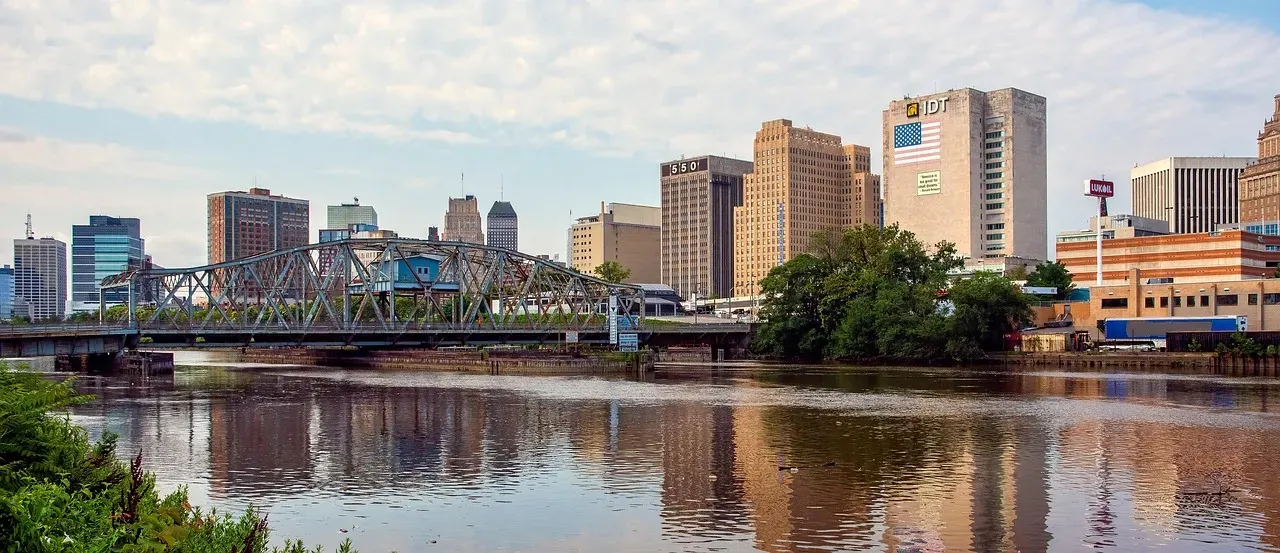
A poor hospital system, lack of retirement-friendly activities, low affordability, and low quality of life all factor into Newark being one of the worst places to retire. You’ll pay around $565,000 for the average home and have the sixth-highest tax burden of all states. There are few advantages to retiring here besides an airport and access to New York City.
WalletHub ranked Newark, New Jersey, as a next-worst retirement city. The proximity to New York City brings the cost without bringing the amenities. New Jersey’s largest city had particularly poor grades for affordability and quality of life, and didn’t exactly overperform in the other two contributing categories, health care and activities. For seniors who imagined living near a major metro would translate to convenience and good services, Newark is a sobering reality check.
#6. Detroit, Michigan – A City Still Fighting Its Past
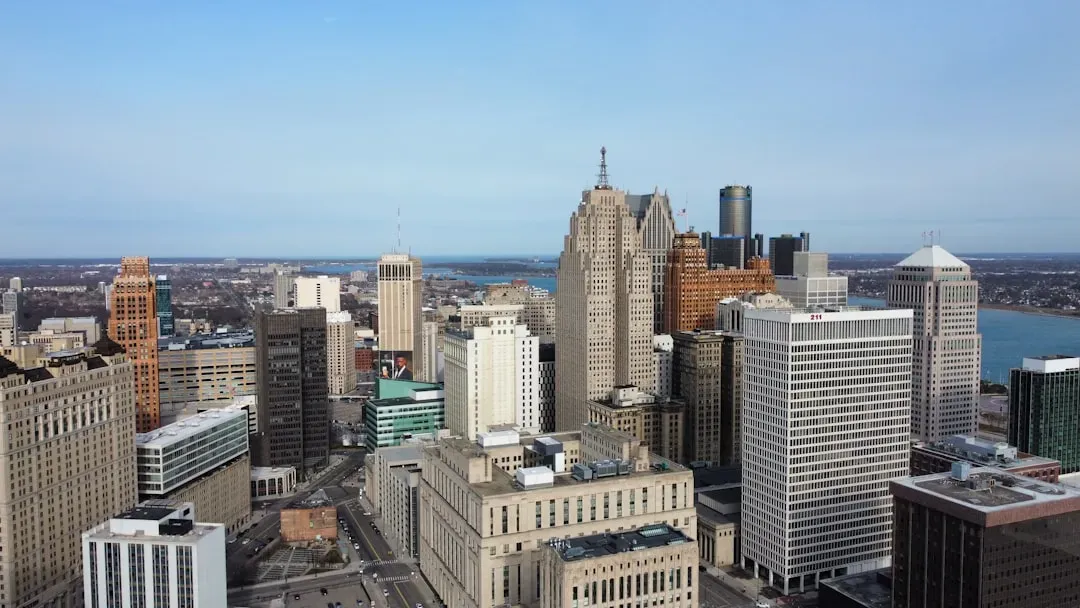
Detroit has been a cautionary tale in urban decline for decades now, and its retirement ranking reflects that long story. Once a booming industrial city, Detroit has faced a severe economic decline that affects city services and infrastructure. High crime rates further make the city a risky place for retirees looking for peace and stability in their retirement years.
Detroit ranks poorly in both its health care system and quality of life, which are important when you’re looking to enjoy your later years. The Motor City ranks in the bottom half of every parameter, but it’s worst in the nation when it comes to quality of life. That’s a devastating score for a city where seniors depend on functional public systems and safe streets every single day. Some pockets of Detroit are genuinely improving, but the overall picture for retirees remains grim.
#7. Memphis, Tennessee – Beautiful History, Brutal Crime Statistics
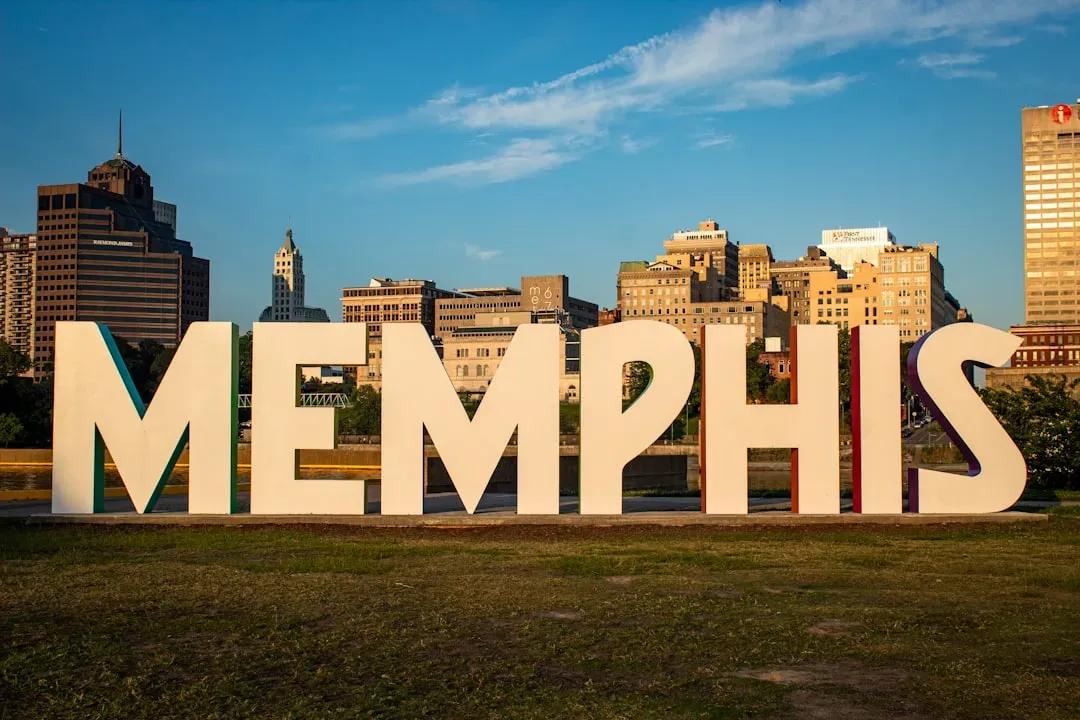
Memphis has beauty, soul music, and a rich cultural history. It also has one of the most alarming crime pictures in the country. Memphis, Tennessee, stands out with a total crime rate more than three times the national figure. For a retiree weighing where to spend their later years, that statistic alone is hard to overlook.
Memphis ranked among the top large cities for both violent and property crimes, leading in aggravated assault, larceny-theft, and motor vehicle theft. Safety concerns and limited healthcare make Memphis a less favorable option for retirement. The cultural attractions are genuine, but the day-to-day reality of living with elevated crime poses real physical and psychological risks for older adults, particularly those living alone or with limited mobility.
#8. Baltimore, Maryland – High Taxes, High Crime, Limited Upside
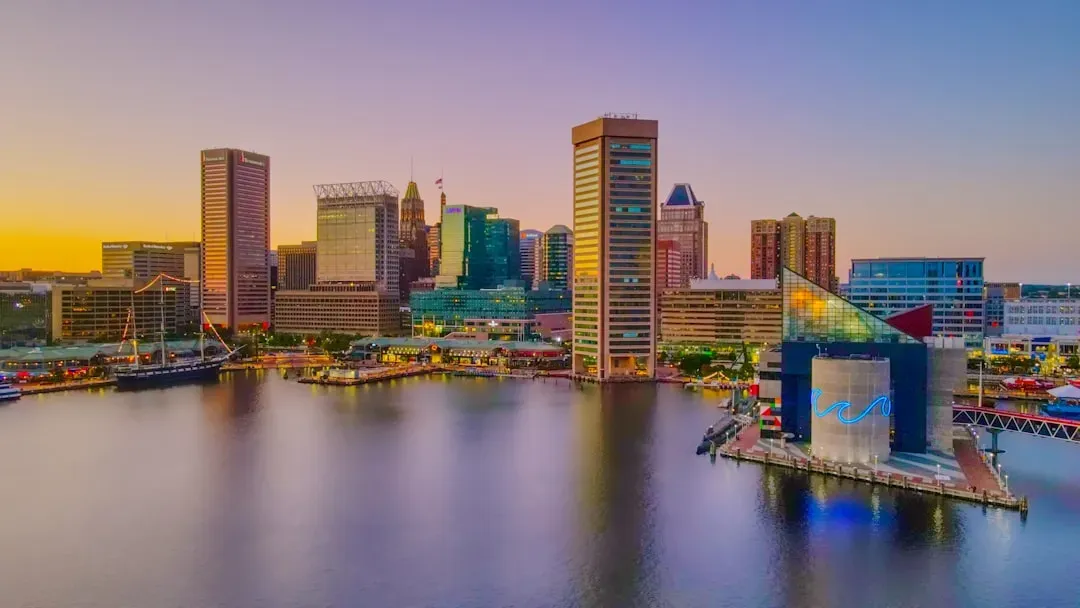
Baltimore faces safety issues with high rates of violent crime, which is a major concern for anyone, especially retirees. The cost of living is relatively high, making it a financial challenge for those on fixed retirement incomes. Baltimore’s challenges are well-documented and long-standing, making it consistently one of the more difficult urban environments for seniors to navigate.
With housing and groceries above the national average and a Maryland overall tax burden that ranks ninth-highest in the country, Baltimore is not a friendly place for retirees. Healthcare access in some parts of the city is reasonable, but that advantage gets quickly offset by the cost of living and genuine safety concerns. For seniors who need to carefully manage both their finances and their physical wellbeing, Baltimore asks too much and gives back too little.
#9. Chicago, Illinois – Winter, Taxes, and a Crime Problem That Lingers
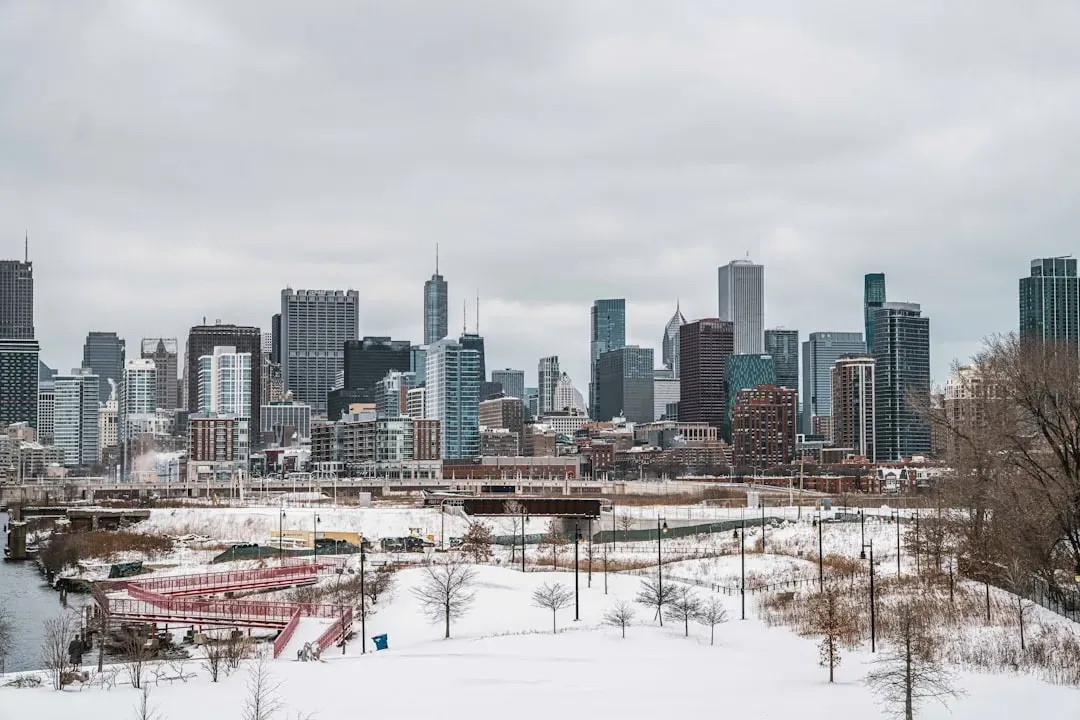
Chicago faces challenges with high taxes and crime, which are concerning for retirees. The city’s winters are notably harsh, featuring bitter cold and heavy snowfalls that can be hard on older adults. Illinois also taxes retirement income more heavily than many competing states, further squeezing seniors who rely on pensions or 401(k) distributions.
Chicago offers genuine cultural richness, world-class museums, and excellent dining. But those benefits are mostly relevant to people who can still easily navigate one of the most spread-out and weather-challenged cities in the country. When you combine longer lifespans with rising costs, it becomes more critical than ever to retire in a place that is affordable, has accessible healthcare, and offers a strong community and social life for seniors. Chicago’s combination of cold winters, high property taxes, and persistent crime concerns in several neighborhoods make it a city where the energy costs more than many retirees can afford to spend.
#10. Fresno, California – Air Quality and Limited Amenities

Fresno struggles with poor air quality, which can affect respiratory health. The city also offers limited recreational amenities, which can impact the lifestyle and leisure activities available to retirees. For older adults managing conditions like asthma, COPD, or cardiovascular disease, poor air quality isn’t just inconvenient. It’s a legitimate health risk that worsens over time.
Fresno sits in California’s Central Valley, where agricultural activity and geography combine to trap pollutants and create some of the worst air quality readings in the nation on a regular basis. Thanks largely to low across-the-board rankings, and particularly being penalized on affordability and healthcare, six California cities landed in WalletHub’s bottom 10. Fresno rounds out that grim California showing with a retirement environment that offers neither the affordability of inland alternatives nor the lifestyle infrastructure that seniors genuinely need to thrive.
Why These Rankings Matter More Than Ever

WalletHub recently compared the retirement-friendliness of 182 cities, including the 150 most populated U.S. cities, plus at least two of the most populated cities in each state, across four key dimensions: affordability, activities, quality of life, and healthcare. These aren’t arbitrary categories. They’re the exact pillars that determine whether retirement feels like freedom or financial survival.
Retirees want to live in a place where they enjoy safety and access to good healthcare, especially in light of significant inflation and economic uncertainty. The ideal city will also have lots of ways to spend leisure time, along with good weather. A recent AARP study found 20% of adults ages 50 and older have no retirement savings, and 61% are worried they will not have enough money to support themselves in retirement. Choosing the wrong city doesn’t just mean disappointment. It can mean genuine financial crisis.
The California Problem Is Real and Documented

Four of the bottom eight cities in retirement rankings were located in California, specifically Stockton, Bakersfield, San Bernardino, and Rancho Cucamonga. Fresno and Fontana were only ranked slightly better. This is a striking concentration of retirement failure in one state, and it speaks to systemic issues that aren’t going away soon.
New analysis shows 12.5 million senior households are cost-burdened, with California hardest hit. High property taxes, California’s state income tax structure, and housing costs that have ballooned even in inland cities make the Golden State considerably less golden for retirees on a fixed income. The sun is real, but it doesn’t pay the bills.
Healthcare Access Is the Factor Most People Underestimate
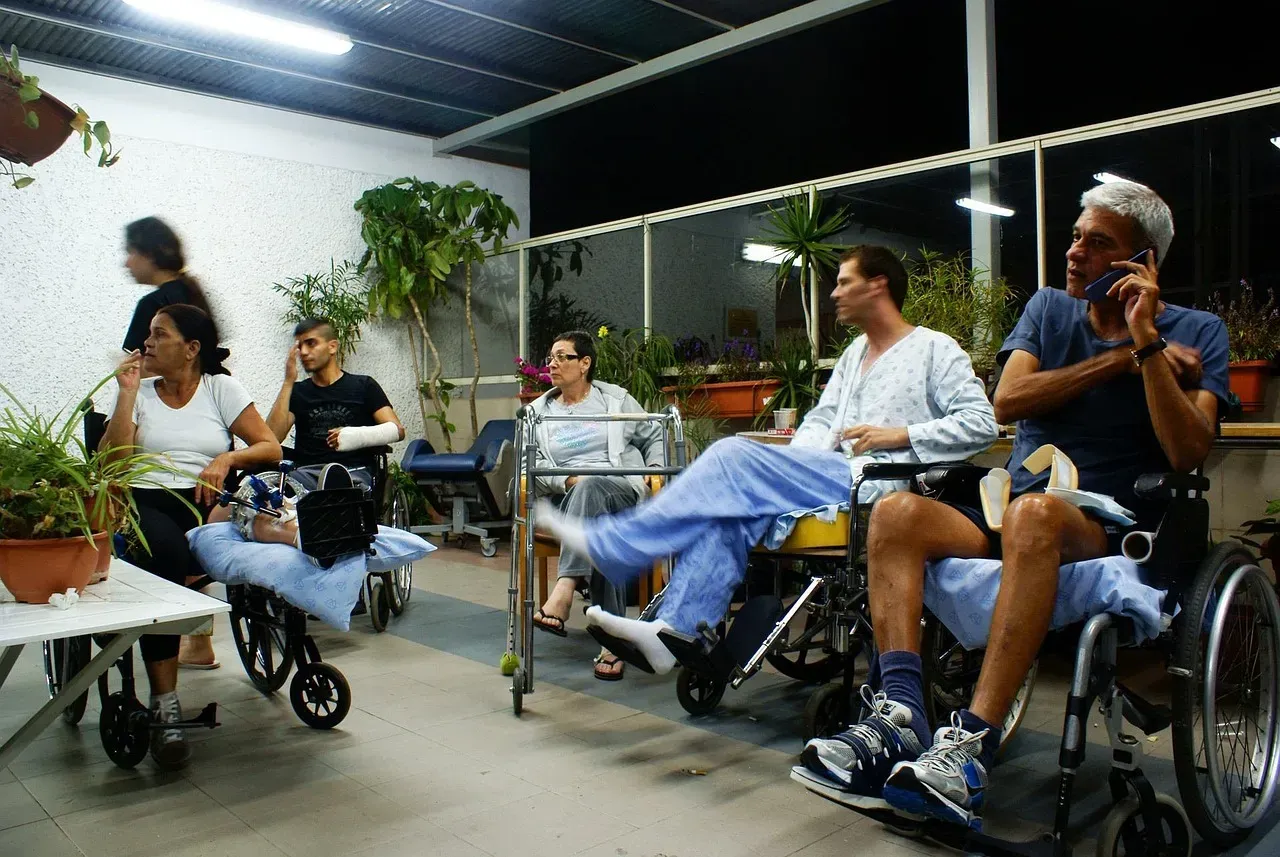
Healthcare availability plays a key role when retirees pick a city. Good access to doctors and hospitals helps people stay healthy. Cities with many family doctors and top-notch hospitals score higher in retirement rankings. Older adults often need special care, so cities with geriatric hospitals are preferred. This becomes more important with every passing year of retirement.
Healthcare costs are also skyrocketing. The Centers for Medicare and Medicaid Services reported national health spending surged across the board, including for Medicare by over 8% and for out-of-pocket costs by over 7%. Cities that already have thin healthcare infrastructure push seniors into expensive out-of-network situations or long travel times to reach adequate care. For someone managing a chronic condition, that gap can be genuinely life-altering.
The Tax Burden No One Talks About Enough

It’s important to choose wisely when picking where to retire, as many retirees are on a fixed income. As a result, the best cities for retired people are those that minimize taxes and expenses, as well as have good opportunities for retirees to continue paid work for extra income, if they choose to do so. Cities in high-tax states compound this burden in ways that are easy to underestimate during the planning phase.
New Jersey is among the worst states to retire, driven by its high cost of living and income tax rate of 10.75% for top earners. When a city sits inside a state with that kind of tax architecture, the municipal problems and the state tax structure reinforce each other. Retirees in Newark, for instance, aren’t just dealing with a difficult city. They’re dealing with one of the most aggressive state tax environments in the country, layered on top of it.
Crime Is a Quality-of-Life Issue, Not Just a Safety Statistic
High crime rates and low safety scores also impact quality of life. This seems obvious, but it’s worth spelling out what that actually means for older adults. High crime doesn’t just raise the risk of becoming a victim. It changes how freely people move through their own neighborhoods, whether they feel comfortable walking after dark, and how isolated or anxious they become over time.
San Bernardino’s crime grade indicates that the rate of crime is higher than that of the average U.S. city. San Bernardino ranks in the 20th percentile for safety, meaning it is safer than only about 20% of cities but less safe than 80%. For seniors who may be vulnerable to targeting or who simply want to live without constant vigilance, these numbers carry real weight. Peace of mind is not a luxury in retirement. It’s a necessity.
What the Data Tells Us About Where Not to Go

In weighing factors like cost, healthcare, crime, ease of travel, and more, it is clear that some cities are nightmare destinations for retirees, while other locations represent an excellent fit. The data points in a consistent direction: cities that fail across multiple categories simultaneously are the most dangerous retirement choices, because there’s no single strong factor to compensate for the weak ones.
Given these challenges, choosing where to spend your third act has never been more important. Location can determine whether retirement becomes a stable, comfortable chapter or a period of uncertainty. The cities on this list have been flagged repeatedly and consistently by multiple major studies. That persistence in the rankings isn’t coincidence. It reflects structural realities that individual seniors are unlikely to outmaneuver on their own.
Conclusion: Where You Retire Is One of the Biggest Financial Decisions You’ll Ever Make

There’s a tempting tendency to romanticize certain cities simply because they’re familiar, or because you’ve always imagined them as retirement destinations. The data above cuts through that sentiment fairly quickly. San Bernardino, Stockton, Newark, Detroit, and the others on this list aren’t bad places because of bad luck. They’re difficult retirement environments because of compounding, structural problems that affect the things seniors need most: affordable housing, accessible healthcare, personal safety, and a community that actually supports aging well.
The honest takeaway here is that no city is perfect, and there are good reasons people choose places that rank poorly. Family ties, familiar surroundings, and existing community connections matter enormously. It’s likely there is no one perfect place to retire that matches all of your needs. If that were the case, choosing an area of the country would be simple. To find the best place that makes sense for you, carefully consider various factors such as access to healthcare, climate, taxes and how you plan to spend your well-earned free time.
Still, if you have flexibility in your choice, the cities on this list deserve serious scrutiny before you commit. Retirement is too hard-earned, and too short, to spend it fighting a city that was never designed to support you in the first place. Choose the city that works for you, not the one that sounds good on paper until the bills start arriving.
