
There’s something quietly maddening about walking out to your vegetable garden one morning to find your lettuce clipped clean at the stem, your bean seedlings reduced to stubs, and a fluffy brown cottontail calmly hopping away without a care in the world. Rabbits are voracious feeders that can cause extensive damage to vegetable gardens, and their persistent feeding can result in significant financial and time investments for gardeners who may have to replant or repair the damage.
The good news is that you don’t have to surrender your harvest. Nature has quietly equipped certain plants with the exact properties rabbits find most repulsive – sharp scents, bitter tastes, unusual textures. Some garden plants are more rabbit-resistant than others, and rabbits are less likely to eat plants with a strong fragrance, bitter taste, rough or prickly texture, and toxic properties. What follows is a grounded, practical guide to nine plants you can place strategically around your vegetable beds to discourage those persistent little nibblers.
#1 Lavender
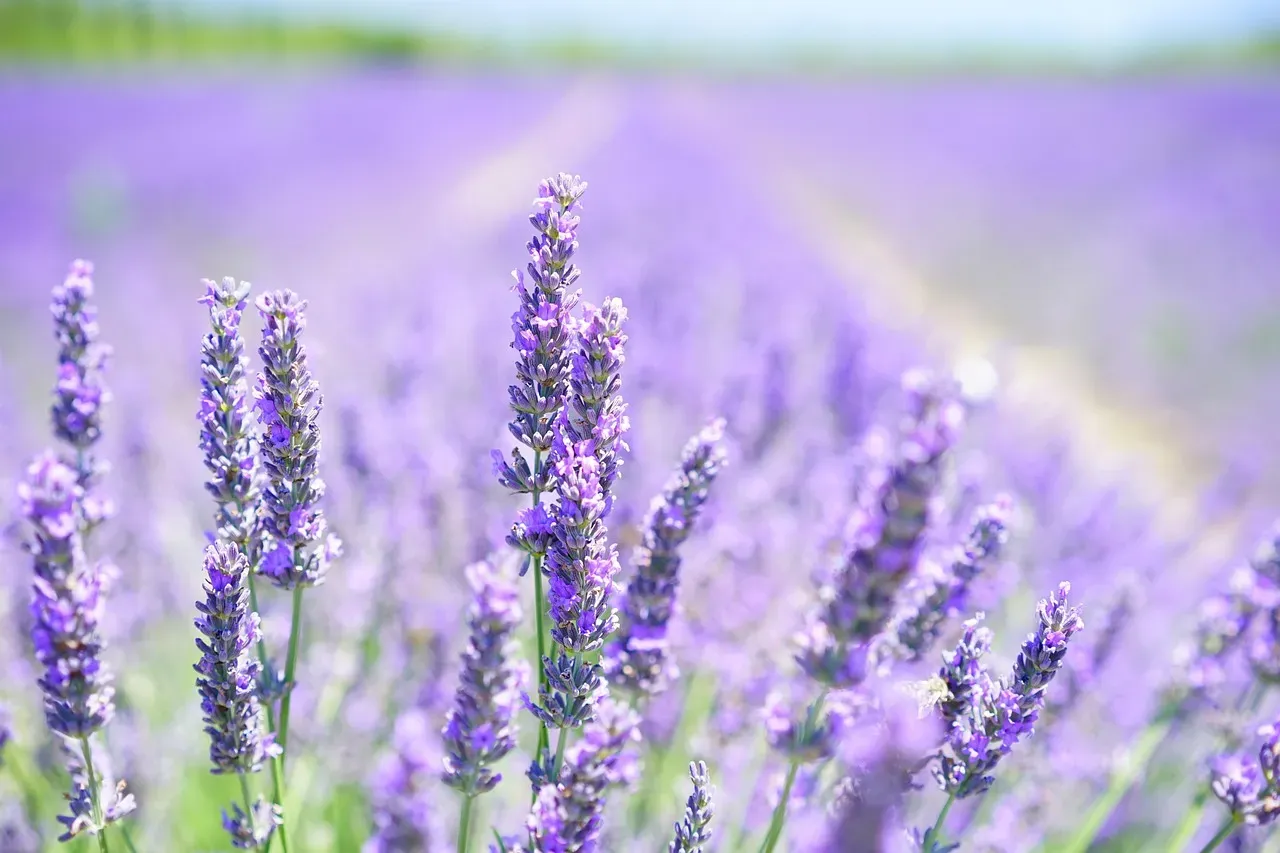
Few plants do as much double duty in a garden as lavender. It’s beautiful, it draws pollinators, and it happens to be one of the more reliable deterrents for rabbits. It all comes down to the potent scent of this plant that makes rabbits hop away. Lavender has a strong woodsy smell that can permeate the air if you plant enough stalks, and that smell acts as a strong deterrent, keeping rabbits at a distance from these purple beauties.
Placing lavender along the perimeter of your vegetable beds creates a fragrant barrier that serves both the eye and the nose. Most lavender grows as a perennial in USDA zones 5 through 8, and to keep it looking its best it does require a bit of pruning. Lavender prefers sunny conditions and is drought-tolerant – in fact, overwatering can kill it, so plant it where it isn’t likely to be drenched by lawn sprinklers.
Lavender does well in poor soil, making it a genuinely low-maintenance option. Space your plants two to three feet apart from other blooms and give them plenty of sunshine, around six to eight hours per day. For gardeners who want something beautiful that actually earns its keep, lavender is hard to argue against.
#2 Marigolds
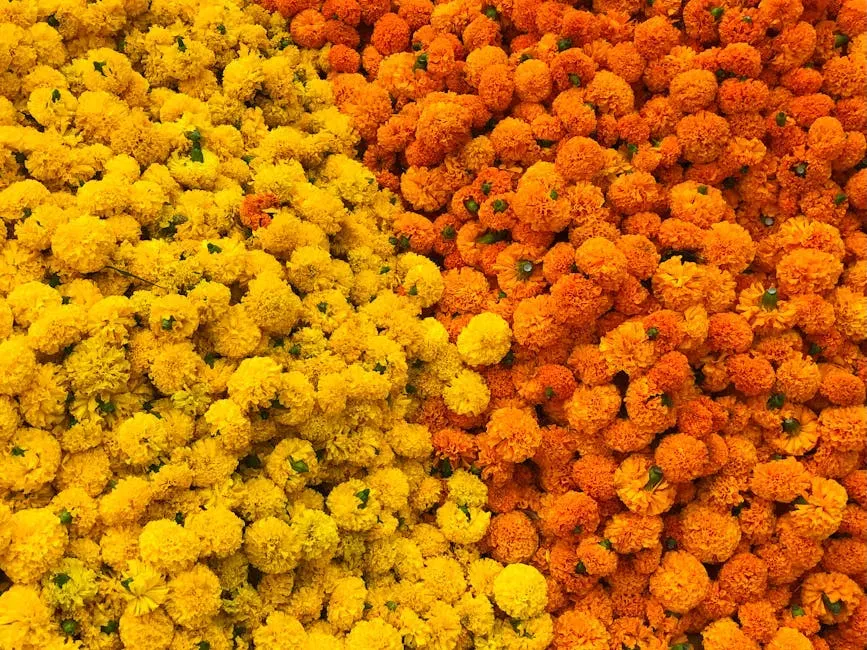
Marigolds have earned an almost legendary status in vegetable gardening circles, and for good reason. Marigolds are not only stunning with their vibrant yellow and orange hues but also unappetizing to rabbits, and their scent seems to repel more than just rabbits, making them a multi-purpose garden ally. They’re one of the most widely recommended companion plants for vegetable beds precisely because they pull pest-deterrent and pollinator-attracting duties simultaneously.
Marigold is an annual flower with a distinctive smell that rabbits will leave alone. They vary in size from six inches to several feet and come in colors ranging from yellow to orange and even white. They’re easy to grow from seed sown directly in the garden after all threat of frost has passed, and they bloom from mid-summer all the way to fall, often grown around the vegetable garden to keep pests away.
It’s worth being honest here: results with marigolds are not universal. Few plants are completely rabbit-proof, as rabbits will nibble on almost anything if they are hungry enough, and their preferences can shift with food availability, rainfall, and temperature. That said, planting marigolds as a dense border rather than a sparse accent gives them the best chance of working.
#3 Garlic
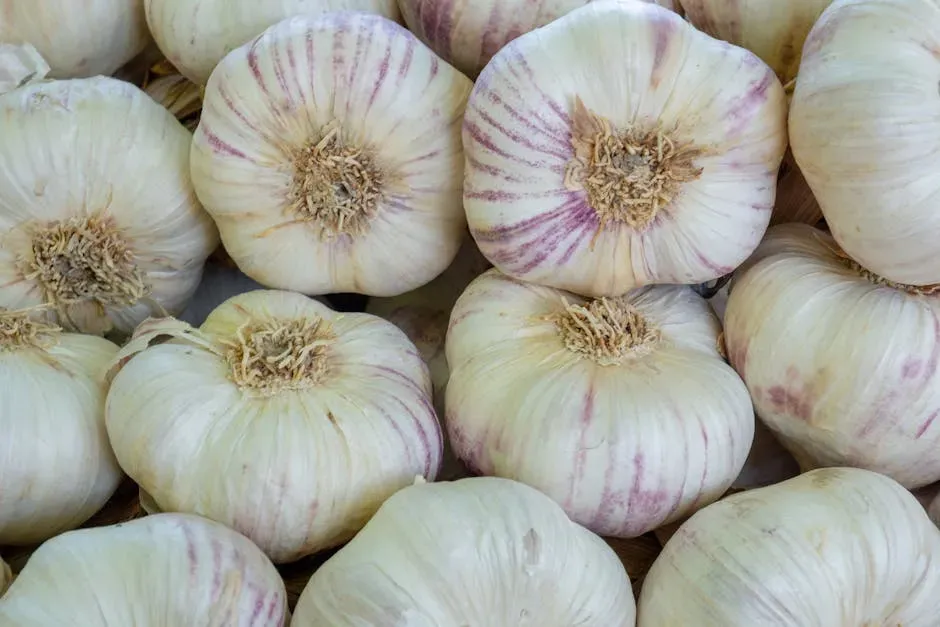
Garlic is one of those plants that genuinely pulls its weight in the vegetable garden from multiple directions. Garlic’s potent aroma acts as a natural rabbit repellent, and this versatile plant can also protect other vegetables by masking their scent. That masking effect is particularly useful when you’re growing crops like lettuce and peas, which rabbits genuinely love.
Onions, garlic, and other alliums will stop a rabbit in its tracks, especially when planted in clusters along row edges or between more vulnerable crops like lettuce and peas. Garlic is also easy to grow and rewarding to harvest. Rabbits tend to stay away from plants that have a pungent scent, and planting highly aromatic herbs such as garlic acts as a deterrent alongside the broader allium family including onions and chives. Few vegetables serve double duty as effectively as this one.
#4 Mint
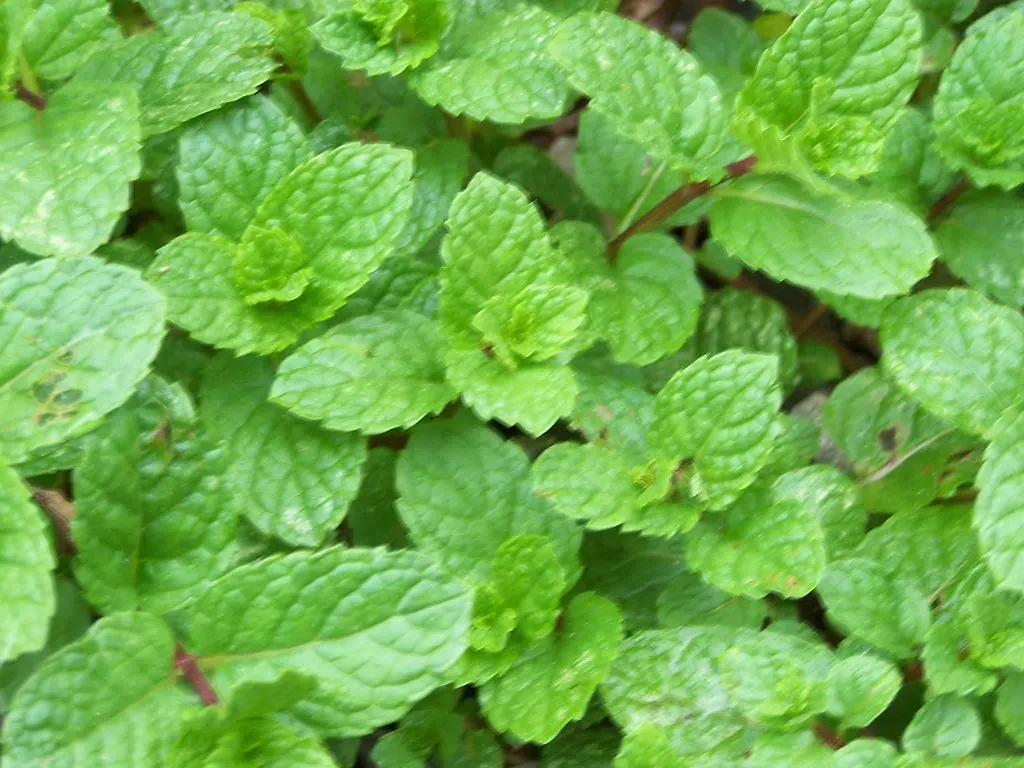
Mint is the plant that keeps giving, sometimes a little too generously. Mint pairs well with lamb, cocktails, and dessert, but rabbits detest the strong aromatic menthol smell of this plant, so they won’t touch it. Although the perfect pest-repellent plant, be mindful that mint has a fast-growing root system with runners that can take over your garden as quickly as rabbits can take over a vegetable patch.
As a bonus, mint is a perennial herb that you probably couldn’t kill if you tried, making it a three-for-one: it repels rabbits, is easy to grow, and you only have to plant it once. The key is containment. To prevent mint from spreading too aggressively, try growing it as a border plant or in containers placed around your garden, planted in warm, moist soil in full or partial shade. A container of mint positioned near a bed entrance is a practical and tidy solution that makes full use of its repellent properties.
#5 Sage
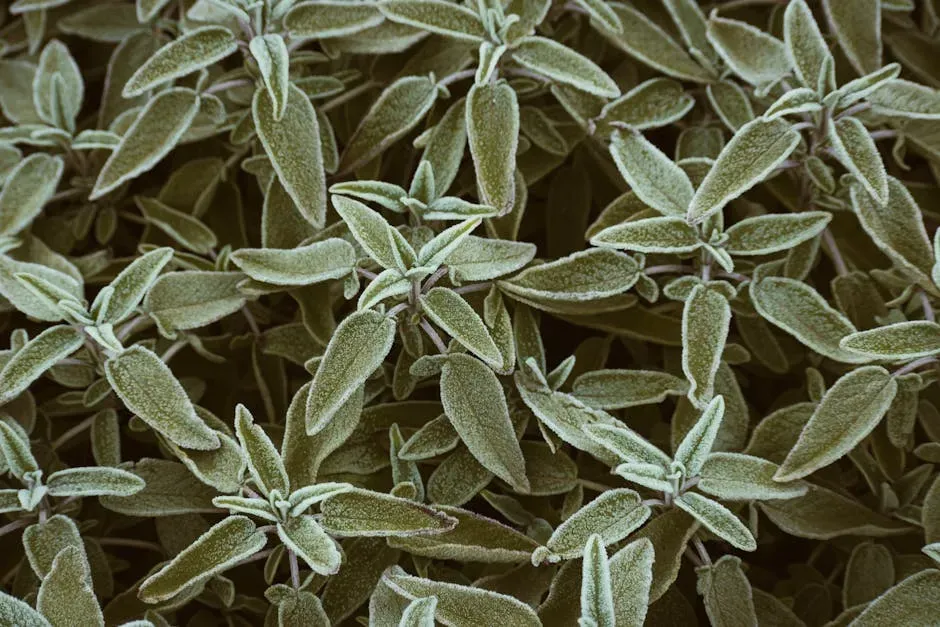
Sage doesn’t get nearly enough credit as a rabbit deterrent. Sage’s leathery texture and earthy aroma are highly effective at keeping rabbits away. That combination of a tough physical surface and a strong scent checks two of the main boxes that make a plant unappealing to foraging rabbits. It’s the kind of plant that works quietly in the background while you focus on your tomatoes.
The strong scent and flavor of sage can make it less appealing to rabbits. From a practical standpoint, sage is also a very agreeable herb to grow in the vegetable garden. Sage is just as distasteful to rabbits as it is to deer, and like deer, rabbits simply don’t care for strongly scented herbs. Tucking a few sage plants along the edges of raised beds adds culinary value alongside its pest-deterrent role, which is a combination any practical gardener can appreciate.
#6 Rosemary
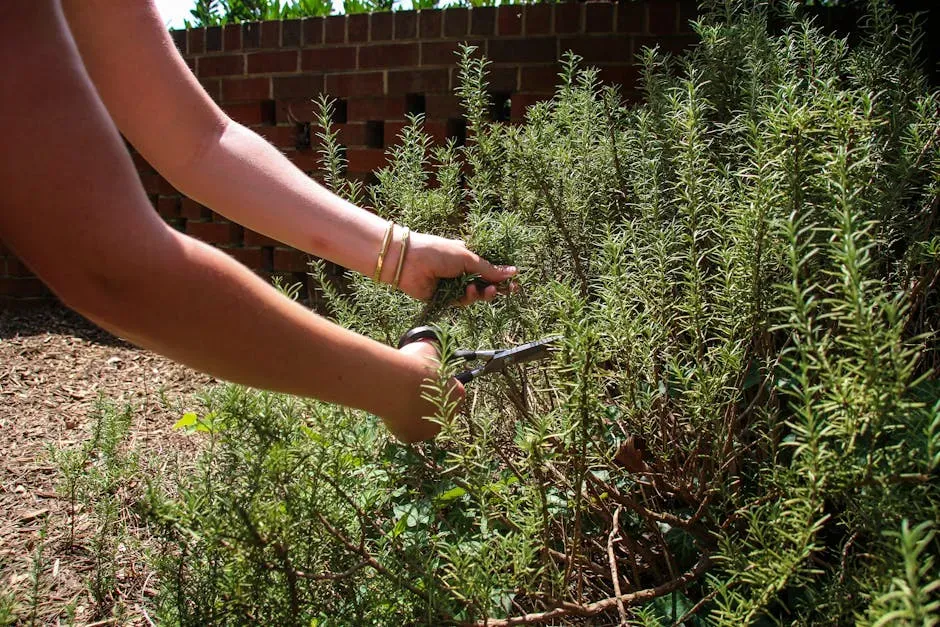
Rosemary is another Mediterranean herb that rabbits would rather avoid entirely. Like lavender, the strong scent of rosemary can help deter these animals. It grows into a dense, woody shrub over time, giving it a structural presence in the garden that serves as both a scent barrier and, in mature form, a mild physical one.
Fortunately, a lot of the same plants that deer don’t like are also disliked by rabbits, and when you plant rosemary, lavender, thyme, bee balm, and mint to discourage deer, you are also planting rabbit-resistant herbs. Rosemary thrives in well-drained soil with full sun and handles dry spells well once established. Herbs can be powerful deterrents when planted densely around the edge of raised garden beds, in the ground nearby your vegetables, or along key access points. A rosemary hedge along a bed border is genuinely one of the most elegant and functional things you can do in a kitchen garden.
#7 Alliums (Ornamental Onions)
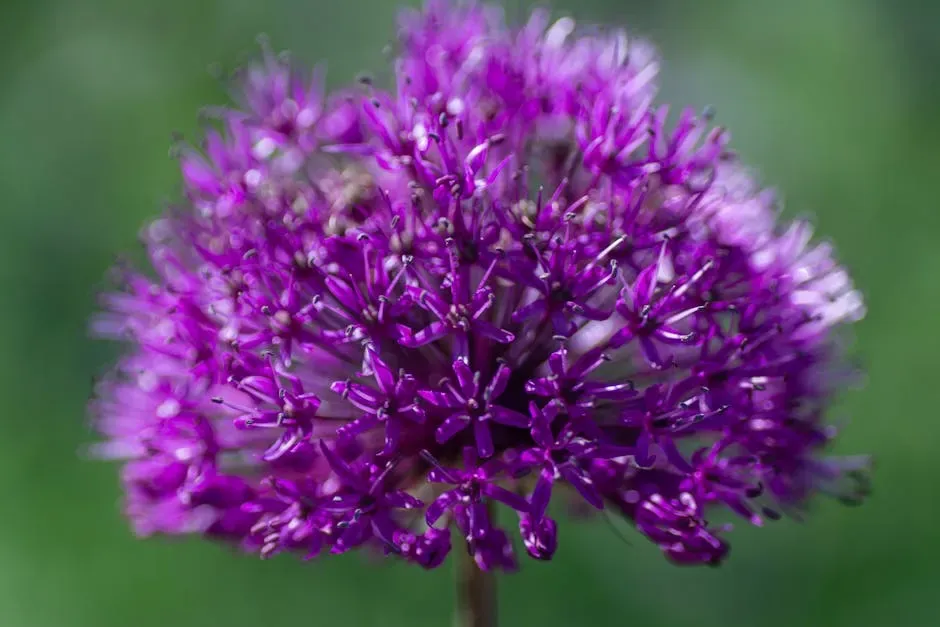
Beyond the edible members of the allium family, ornamental alliums bring something spectacular to the garden visually while sending rabbits in the opposite direction. These brilliant flowers that look like purple lollipops are perfect plants to discourage roaming bunnies, since the pungent onion odor emitted from the stems and leaves is too much for rabbits. Plant these bulbs in the fall between September and November, making sure your bulbs are four inches deep in the soil and exposed to full sun.
Rabbits are repelled by alliums due to the strong odor and taste, and most ornamental alliums are hardy in USDA Hardiness Zones 3 through 9. Ornamental alliums range in size from a foot to several feet tall and bloom in spring to mid-summer. For a border plant, consider Allium ‘Millenium,’ which slowly spreads, and for a tall accent flower, Allium ‘Globemaster’ works beautifully. Alliums in general prefer full sun and well-draining soil. They’re one of the rare options that genuinely dazzle and deter in equal measure.
#8 Oregano
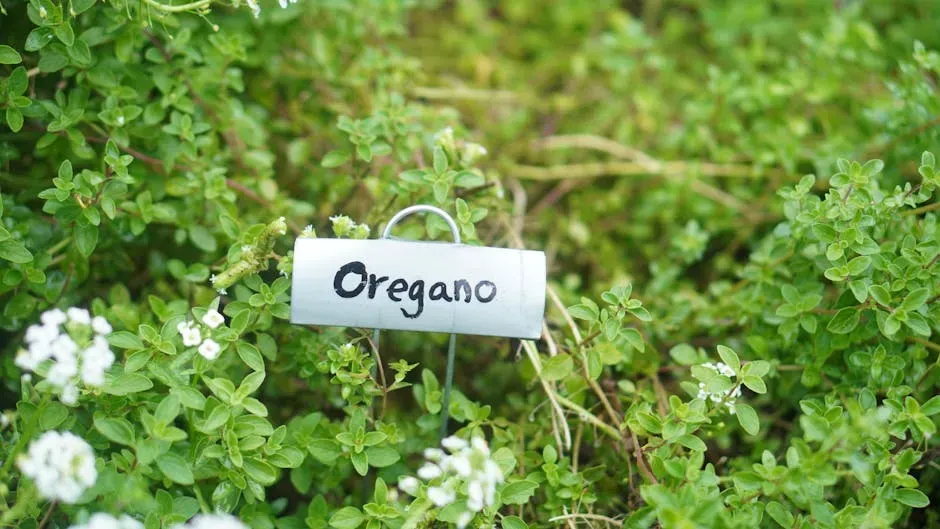
Oregano is easy to overlook, especially when lavender and marigolds get so much of the spotlight. Oregano is an aromatic herb that rabbits dislike due to its strong scent, and it’s ideal as a ground cover or for use in herb gardens where you can easily harvest it for culinary purposes. That ground-cover quality is particularly useful along the front edges of vegetable beds, where rabbits often probe for entry points.
Oregano is an aromatic herb that rabbits dislike due to its strong scent, and its versatility as a ground cover or herb garden plant means you can harvest it easily for cooking while it does its protective work. This quick grower prefers dry soil and full sun, and can be planted as a border or a ground cover to deter rabbits as they approach. Regular trimming keeps oregano from becoming too woody and actually encourages more vigorous, fragrant new growth, which is exactly what you want from a deterrent.
#9 Daffodils
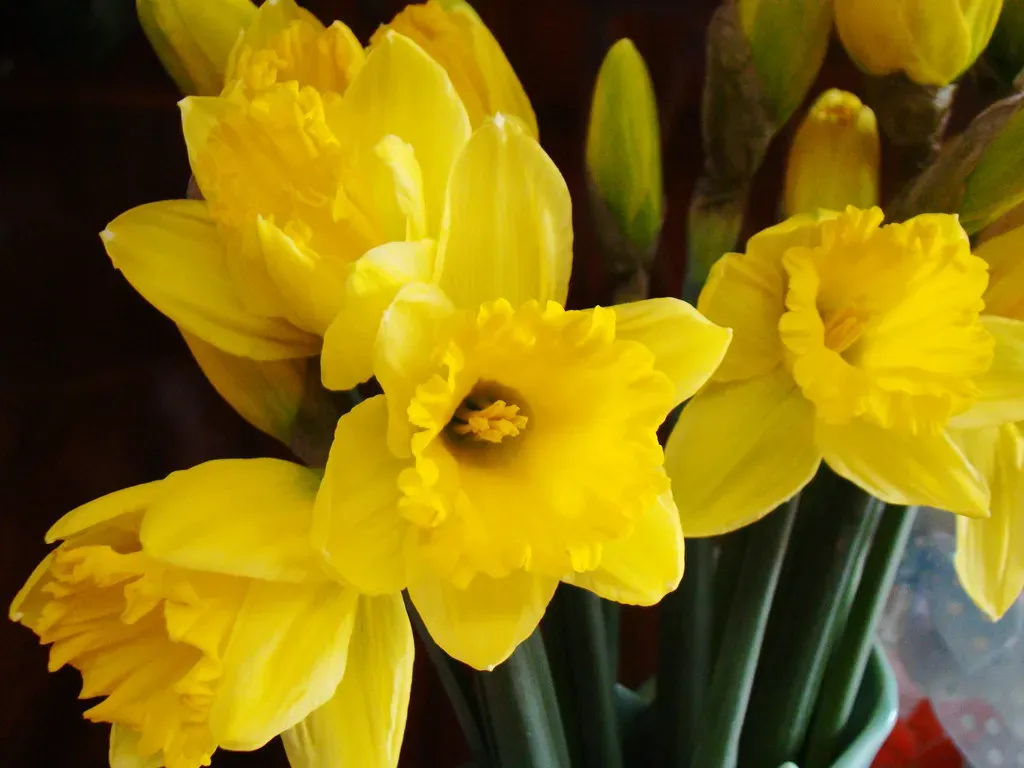
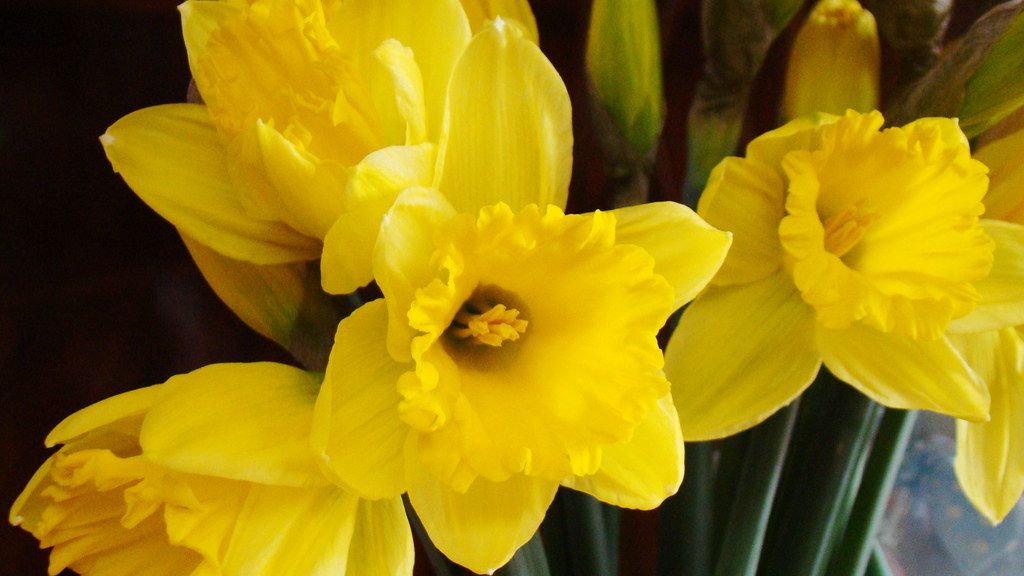
Daffodils round out this list as one of the most dependable options because they don’t just smell unpleasant to rabbits. These cheerful flowers are one of the most rabbit-resistant bulbs, and all parts of daffodils, including their leaves, flowers, and bulbs, are toxic to rabbits, so they tend to steer clear. That toxicity gives daffodils a distinct advantage over most scent-based deterrents, whose effectiveness can vary by rabbit, region, and season.
Daffodils are all in the Narcissus genus and come in a variety of types. Some are only hardy in USDA zones 8 through 10, but there are thousands of other varieties hardy in zones 4 through 8. Plant the bulbs in the fall for spring bloom, and many daffodils will naturalize and spread from year to year. Planting daffodil bulbs along the perimeter of a vegetable garden in autumn creates a naturally recurring spring barrier that requires almost no effort to maintain year after year. That kind of set-it-and-forget-it reliability is genuinely hard to beat.
A Practical Strategy Worth Keeping
The honest truth about plant-based rabbit deterrents is that no single plant is a guaranteed solution. While no plant is completely failproof, creating a diverse garden with highly aromatic, bitter, or tough plants will help discourage rabbits and protect more tender crops from becoming a snack. The approach that tends to work best is layering: combining several of these plants into a multi-scent, multi-texture perimeter rather than relying on just one.
The above plants are recommended as deterrents for voracious rabbits. They work well in keeping these critters away because the plants have unpleasant scents, residue, toxins, unusual textures, and unpalatable tastes. There’s also something worth appreciating in this approach beyond the practical benefit. A garden bordered by lavender, marigolds, alliums, and rosemary isn’t just defended, it’s genuinely beautiful. Interplanting resistant plants creates a less inviting environment, and maintaining a variety of resistant plants can enhance overall deterrence.
Rabbits are persistent, adaptable, and frankly quite clever. They’ve been testing gardeners’ patience for as long as people have been growing food. The plants on this list won’t eliminate the problem entirely, but they tip the odds back in your favor in a way that’s chemical-free, low-maintenance, and visually rewarding. That’s not a bad trade for a handful of bulbs and a few seed packets planted at the right time of year.
