
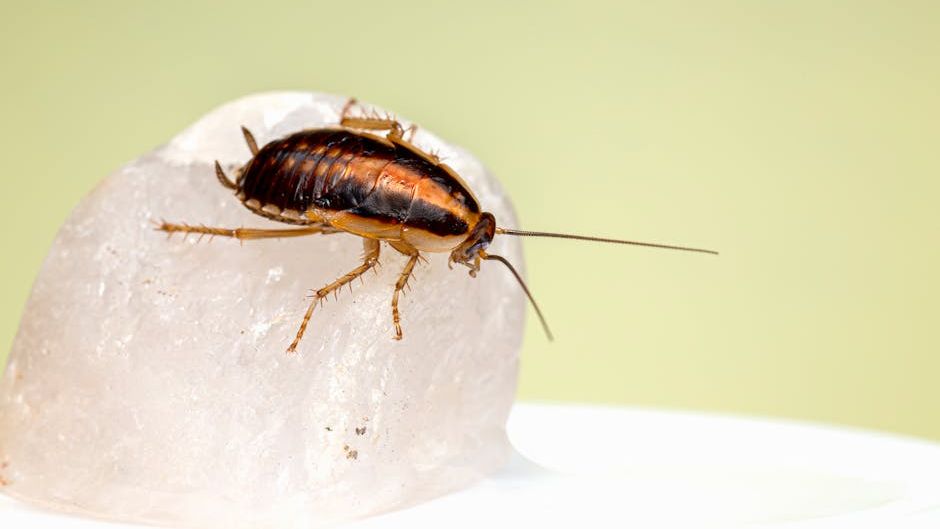
Most people assume they have a cockroach problem because their home is dirty. That assumption, while understandable, misses the real story entirely. Cockroaches are survivalists at a level that would impress most biologists, and the reasons they return every night have far less to do with housekeeping standards than you might think.
What these insects are actually looking for is simple: warmth, moisture, darkness, and access to food. The troubling part is that our homes often check every one of those boxes. The mistake most homeowners make is fighting the symptoms instead of the source. They spray, they trap, they clean, and then they wonder why the same scurrying silhouettes reappear the moment the kitchen light goes off. Understanding what actually keeps cockroaches returning is the only way to break the cycle for good.
The Real Problem: Ignoring Food Signals You Can’t Even See
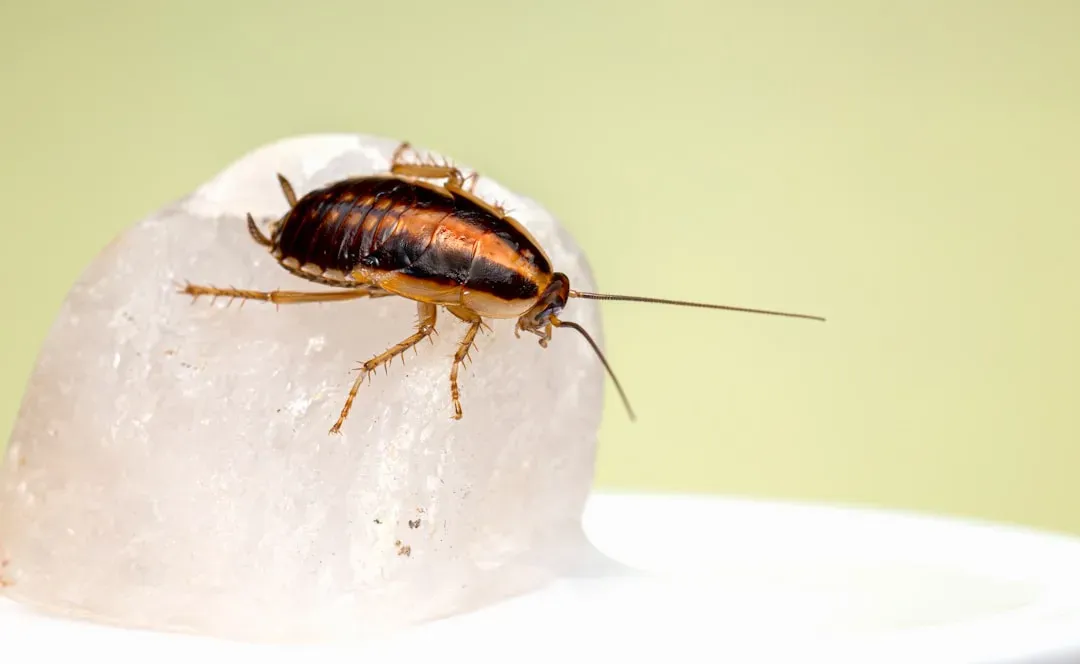
The single most common mistake driving nightly cockroach returns is leaving accessible food signals behind, not just obvious leftovers, but the microscopic kind. For you, a crumb may be insignificant, but for cockroaches that feed on these morsels, a crumb is a feast. In some cases, a crumb may be enough for several cockroaches to eat for a few days.
Unsealed food containers, crumbs on countertops, dirty dishes in the sink, and overflowing trash cans all attract cockroaches. Even small amounts of grease or food residue behind appliances can sustain them. This is the part most people skip: cleaning what they can see while leaving behind what they can’t.
Many people do not know this, but cockroaches eat the glue on the bottoms of the paper in the bottom of kitchen drawers. Removing this and other adhesives will remove one more attraction that cockroaches enjoy feeding on. So, while your counters look spotless, the inside of a kitchen drawer could be quietly feeding a colony.
Eating in bedrooms or on couches can lead to crumbs falling into hard-to-clean places. Limiting this where you can cuts down on food sources for cockroaches. The fix isn’t dramatic. It’s consistent, thorough, and slightly inconvenient in the best possible way.
Moisture Is the Magnet Nobody Talks About
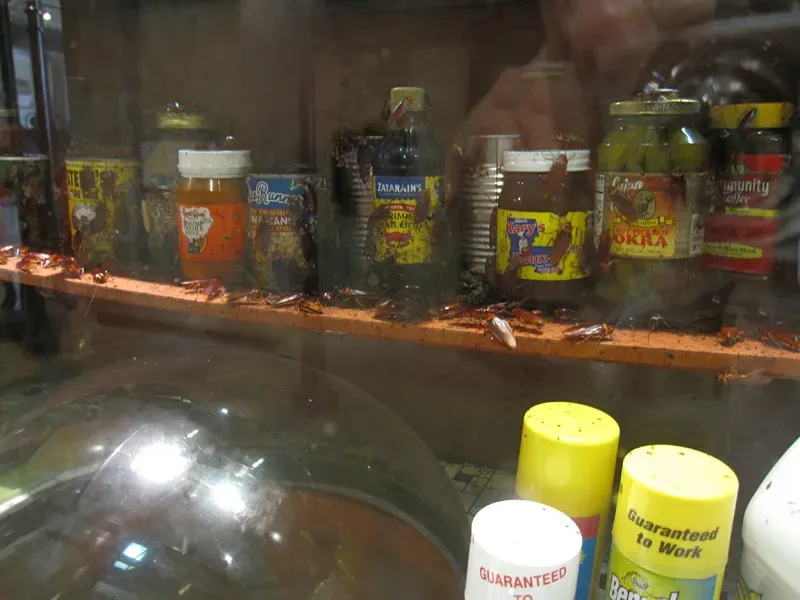
Roaches are life forms, and like all known life forms, they require water to live. Often, cockroaches will hide in spaces such as your kitchen or bathroom because of the moisture. This is not just about large amounts of water you can easily see, but any water. A slow drip under the sink, a puddle left around a pet bowl, condensation on pipes – all of it counts.
Cockroaches cannot live long without moisture and humidity, especially when they are at the nymph stage. This means that even if you’ve stripped away every crumb in your kitchen, a leaking pipe behind a cabinet wall could be sustaining an entire colony independently. Water is their lifeline, and it often goes completely unnoticed.
Eliminating all standing water with a wet vac and running a dehumidifier in basements and attics can reduce moisture that could attract cockroaches. It sounds like a lot of effort, but it’s the kind of step that actually addresses the problem rather than just pushing it sideways. Empty water dishes at night and avoid overwatering indoor plants to remove tempting moisture sources.
Hidden Entry Points: Where They Keep Getting Back In
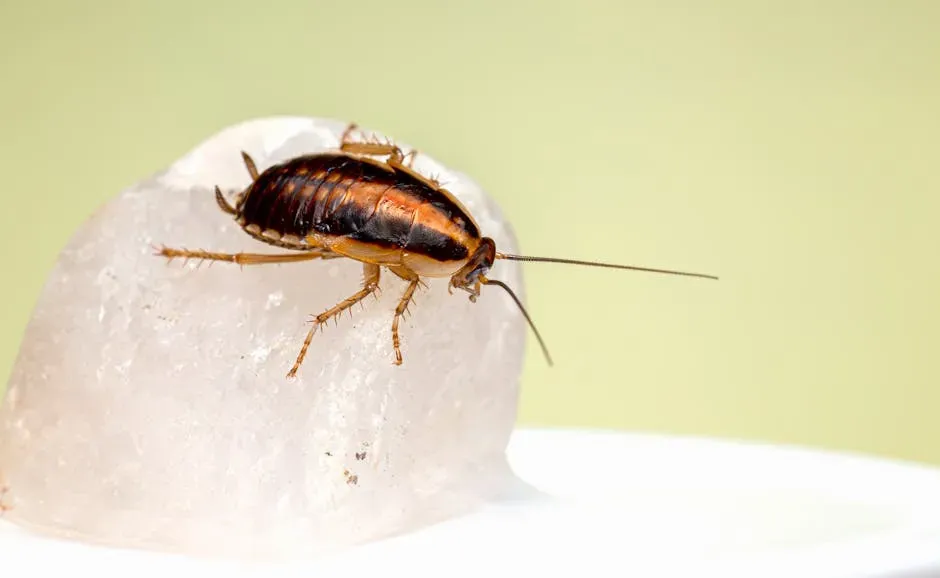
Cockroaches are basically escape artists. They can flatten their bodies to fit through gaps you’d swear were too small. This is one of those facts that sounds exaggerated until you watch it happen. An American cockroach can squeeze through a crack the height of two stacked pennies in less than a second.
Roaches may be hiding in hard-to-find areas such as inside walls, in between floorboards or other small gaps, and may have laid eggs in secluded spots, so sealing all gaps and repairing holes can help prevent the spread of cockroaches within your home. Most homeowners focus entirely on killing the roaches already inside while completely neglecting the perimeter. That’s a critical oversight.
Cockroaches can flatten their exoskeleton to squeeze through tiny cracks. Check around baseboards, walls, pipes, and under sinks. Seal any holes you find using caulk or weather stripping to block their way in. It’s tedious work, admittedly. Sealing a home properly takes patience and a good flashlight.
Cockroaches often hitch a ride indoors. Always inspect grocery bags, boxes, used furniture, and deliveries before bringing them inside. This can help stop roaches from spreading from one place to another. The entry point isn’t always a crack in your foundation. Sometimes it’s the cardboard box from your last online order.
Why Spraying Alone Makes the Problem Worse

Spraying for cockroaches is often the first step people take after spotting one in the kitchen or bathroom. The spray promises fast results, and initially, it may seem effective. A few roaches are gone, activity appears lower, and the problem feels manageable. In many cases, however, this improvement is short-lived and does not address the underlying infestation.
Spraying for cockroaches may only take care of visible roaches, while hidden roaches and egg cases survive and can restart the infestation. Many sprays act as repellents, which can scatter roaches into new hiding spots and make the problem harder to control. Essentially, you spray the kitchen and they relocate to the bedroom. The problem hasn’t been solved; it’s been relocated.
Cockroaches are notoriously hard to kill because they’re built for survival. Their tough exoskeletons, rapid reproductive cycles, and ability to squeeze into the tiniest cracks make them difficult to eliminate completely. Even worse, many cockroach populations have developed resistance to common pesticides, meaning the sprays that once worked may now do little or nothing.
Insecticide sprays do not provide long-term control. The focus should be on limiting sources of food, water, and shelter and preventing cockroaches from coming indoors. That shift in thinking, from reactive spraying to proactive prevention, is where most people finally start winning the battle.
The Egg Problem: Why Killing Adults Isn’t Enough
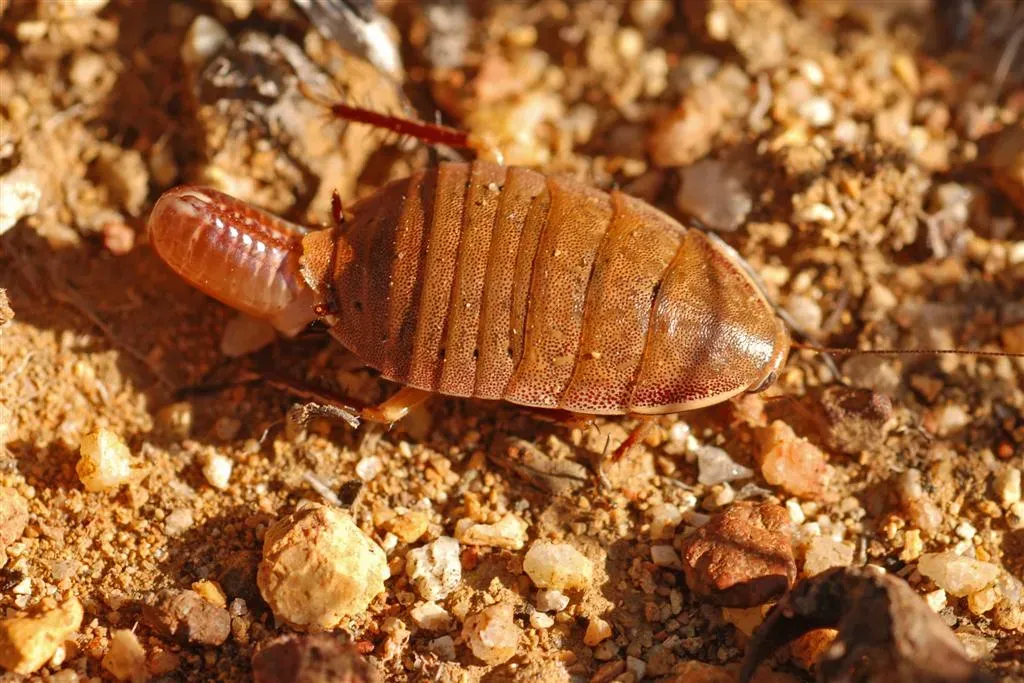
Roach eggs are protected by a hard shell called an ootheca. Killing adult roaches alone won’t eliminate these eggs, which can hatch weeks later and restart the infestation. A comprehensive approach is critical to breaking this cycle. This is the hidden engine of every recurring infestation.
Another key factor in the persistence of cockroach infestations is their rapid reproduction rate. A female cockroach can produce hundreds of offspring in its lifetime, ensuring a constant influx of new individuals to replace those eliminated through control measures. You can clear out the visible adults and feel like you’ve won, but weeks later the next generation hatches right on schedule.
Cockroach infestation is one of the few that need to be treated multiple times for a full eradication. A consistent follow-up schedule helps break the breeding cycle and prevent survival of new cockroaches. One treatment, whether DIY or professional, is almost never enough on its own. Timing follow-ups correctly is where the real difference gets made.
What Actually Works: Strategic, Sustained Prevention
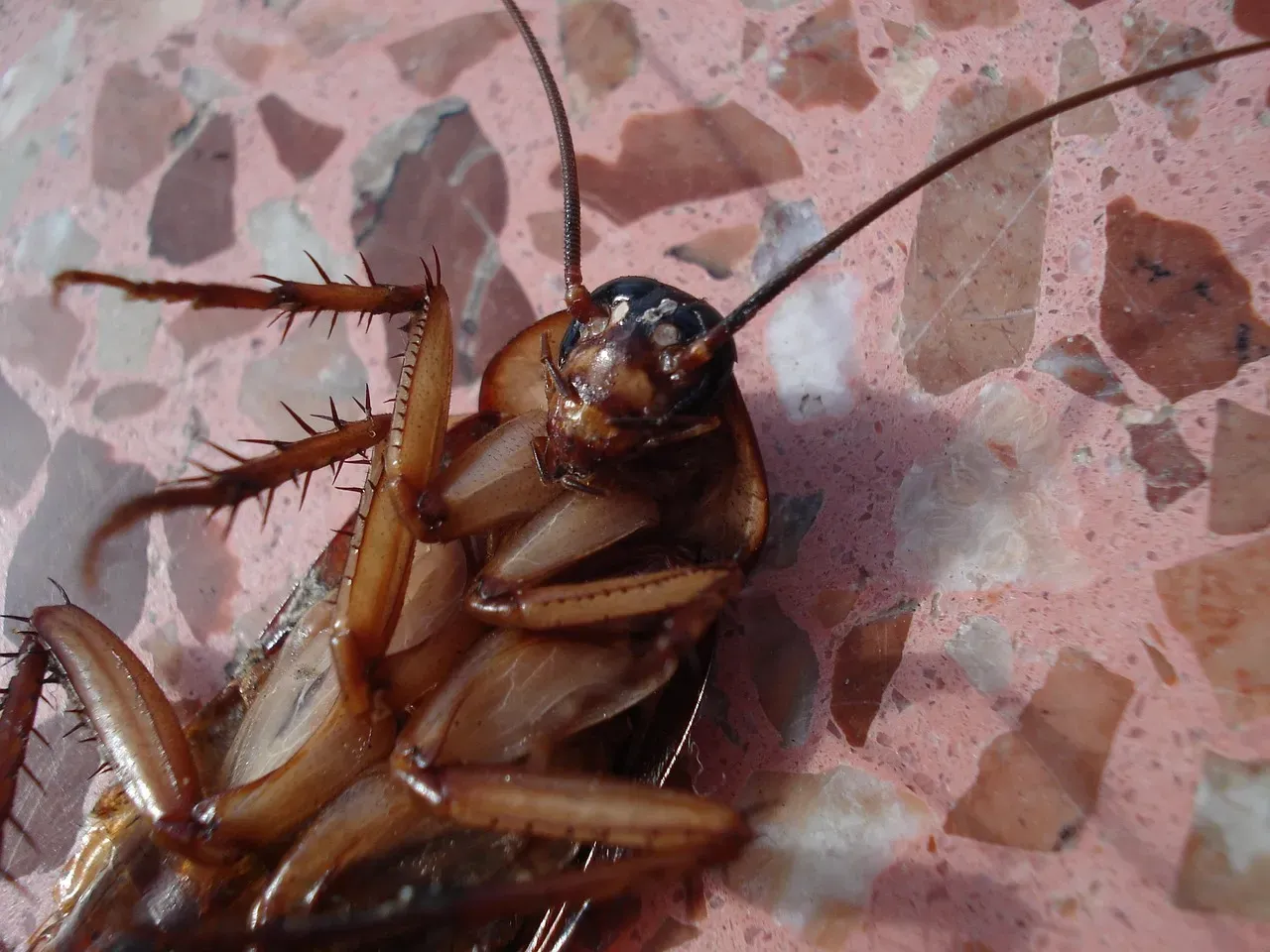
What actually works is gel baits and boric acid dust applied strategically. These products allow roaches to take poison back to their nests, spreading it throughout the colony. It’s slower than a spray but infinitely more effective. The key word there is “strategically.” Placement matters far more than quantity.
Boric acid powders and desiccant dusts may be applied within hollow walls, under refrigerators, and other undisturbed hiding places. This approach is very effective if the material remains dry and undisturbed but may require a pest control professional. Done correctly, this approach targets the colony where it actually lives, not just where it occasionally wanders.
General maintenance and cleaning are important because they remove the food, water, and shelter on which cockroaches depend, and block the entrances cockroaches use to get into housing. None of this is glamorous work. It’s consistent, methodical, and frankly a little unglamorous. But it’s what actually stops the nightly visits.
When cockroach populations are under control, continue monitoring with traps on a regular basis to make sure re-infestation is not taking place. Maintain sanitation and exclusion techniques to avoid encouraging a new infestation. Prevention, in this case, is genuinely less painful than the cure.
Conclusion: The Mistake Was Never About Cleanliness
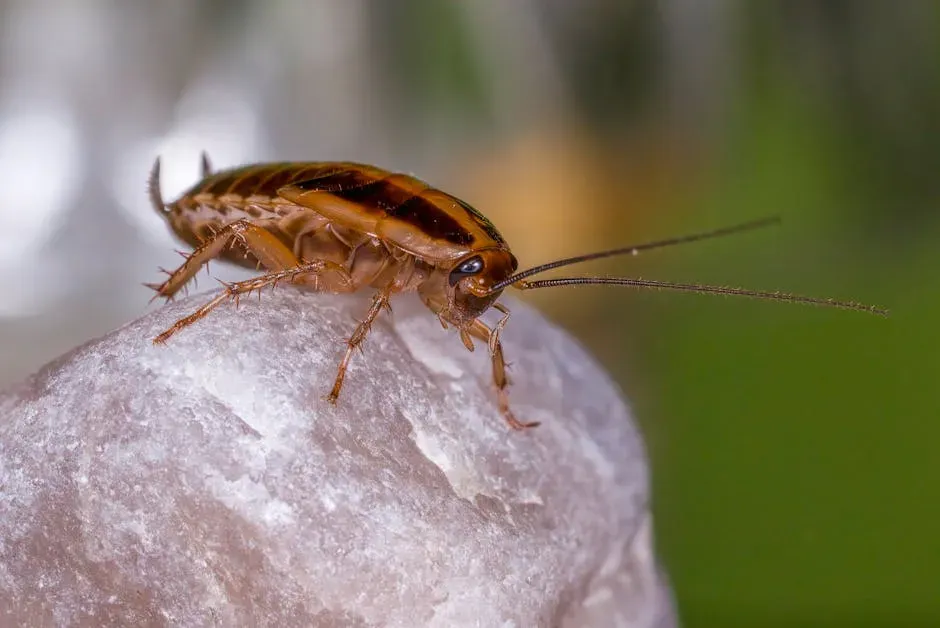
Here’s the uncomfortable truth that this whole conversation points to: cockroaches don’t return every night because your home is dirty. They return because the conditions your home offers, even the subtle ones, haven’t actually changed. The mistake isn’t neglect in the obvious sense. It’s the gap between thinking you’ve addressed the problem and genuinely addressing the source.
Cockroaches are, in a very real way, diagnostic tools. Their persistence is telling you something specific about your home: a dripping pipe you’ve ignored, a gap around the plumbing you’ve never checked, a shelf liner that’s been there since before you moved in. If you’re spotting cockroaches in your home, it’s not fate or bad fortune. Your home is offering something they want. The power to change that is in your hands.
The winning approach isn’t a single heroic act. It’s the accumulation of deliberate, sustained habits that make your home genuinely inhospitable to something that has survived, largely unchanged, for hundreds of millions of years. That’s a meaningful challenge. Respect it accordingly, and you’ll stop seeing those shadows scatter every time you flip on the kitchen light.
