

There’s something quietly extraordinary about living with a dog. Most people will tell you their dog just “gets them” in a way that’s hard to explain, and the longer you look into the science of canine behavior, the more that feeling makes perfect sense. Dogs aren’t simply reacting to treats or commands. They’re reading you, mirroring you, and choosing you, over and over, in dozens of small but profound ways each day.
The companionship of dogs has added meaning to human lives for thousands of years, and amid shifting social structures and declining birth rates, that bond may now be more important than ever. What’s remarkable isn’t just that dogs love us. It’s how specifically they do it. Each of the behaviors below reveals something deeper about what it truly means to have a dog in your life.
#1. The Soft Gaze That Actually Bonds You Together
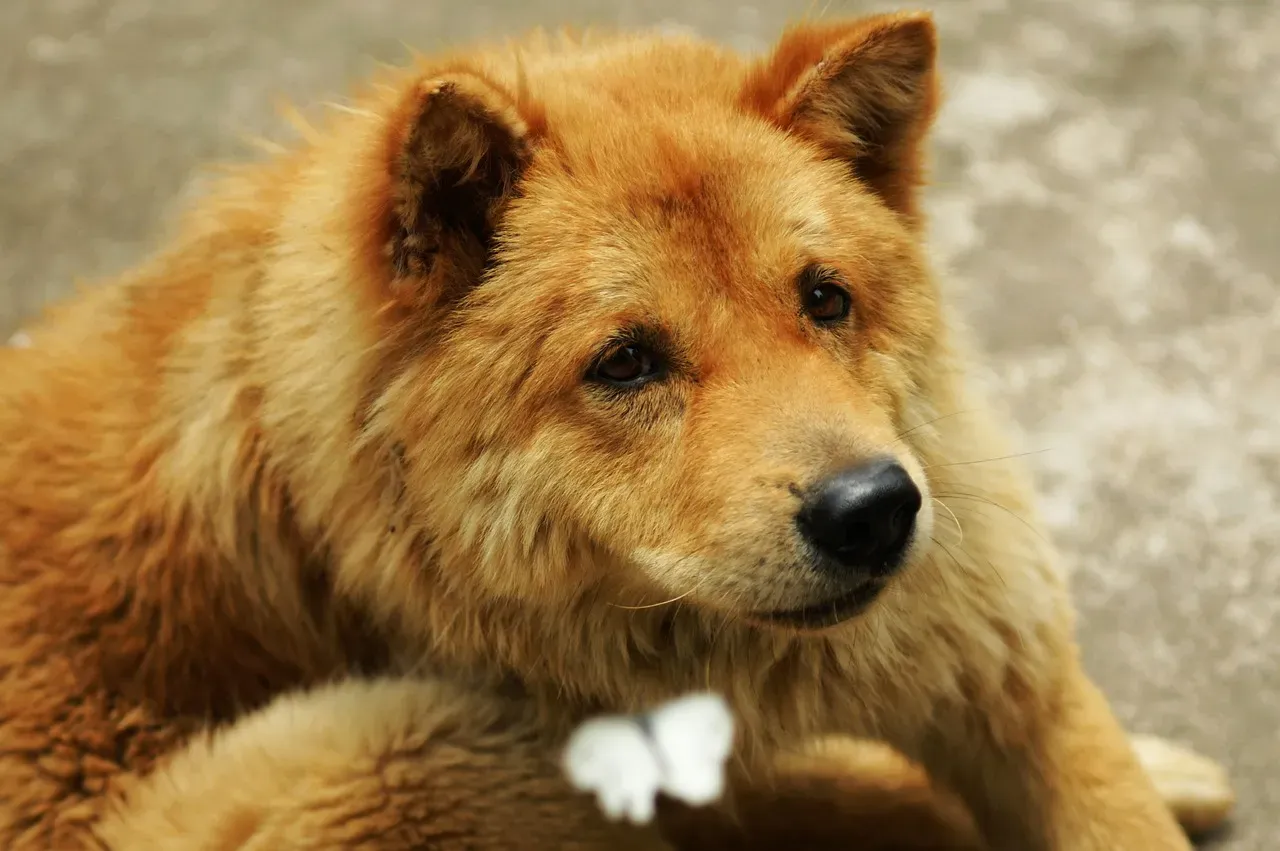
When your dog looks up at you with those slow, soft eyes, something chemical is actually happening. Research suggests that when dogs and humans engage in mutual gazing, oxytocin levels increase in both parties, and this reciprocal gaze enhances the emotional bond and reinforces the sense of connection. This isn’t accidental. It’s a deeply wired behavior.
Studies indicate that when dogs make direct eye contact with their owners, it triggers the release of oxytocin in both the dog and human. This “love hormone” is the same one that bonds mothers to their infants, further affirming the special relationship between humans and their canine companions. So the next time your dog holds your gaze a moment longer than necessary, it’s not staring. It’s bonding.
#2. Following You From Room to Room
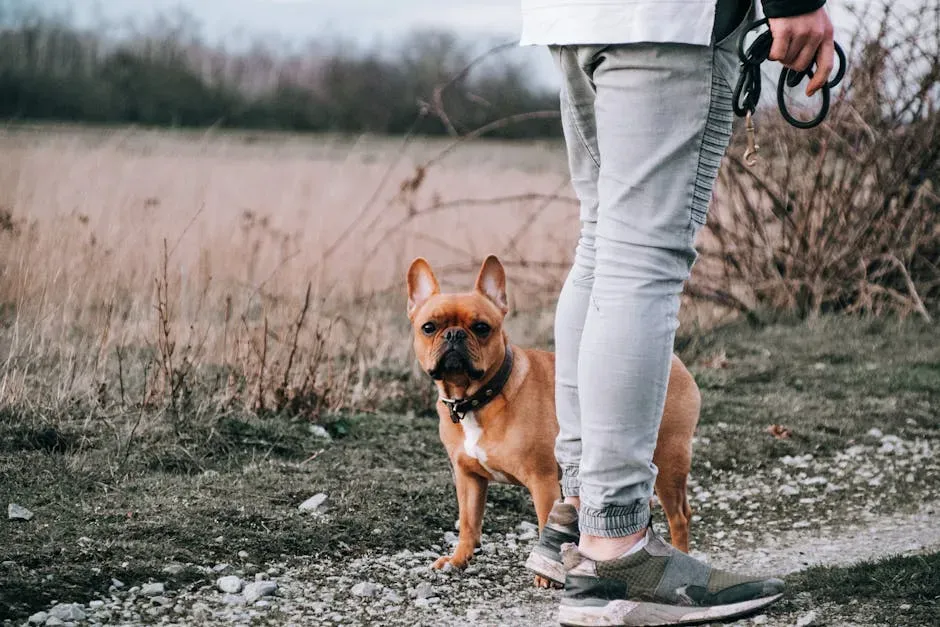
You’ve probably noticed it. You stand up and suddenly there are four paws clicking behind you, whether you’re heading to the kitchen or just walking three feet to get a glass of water. Dogs are pack animals with a strong instinct for social bonding, and when your dog follows you from room to room, it’s a display of loyalty and a desire to be close to their pack leader.
This behavior isn’t just about seeking attention. It’s also about the comfort and security they get from your presence. There’s a real difference between a dog that tolerates your company and one that actively seeks it out. Dogs that follow their person around the house have made a deliberate social choice, and that choice is you.
#3. Bringing You Their Favorite Toy
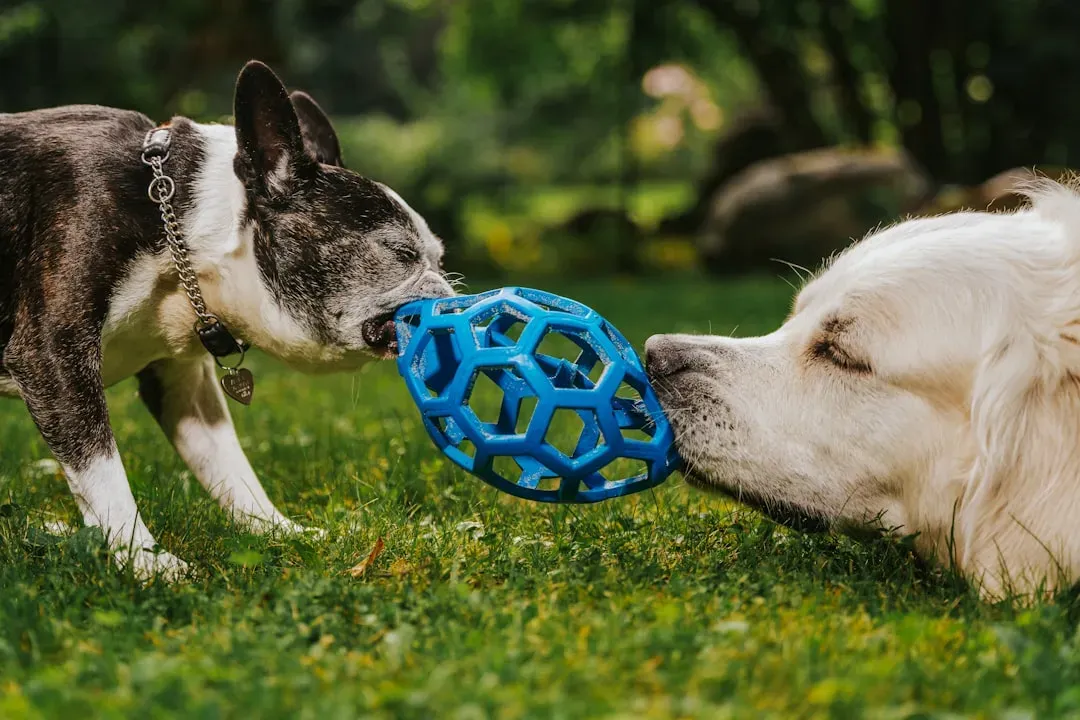
It might seem like a simple invitation to play, but the gesture carries more weight than that. Dogs often bring their favorite toys to their owners as a gesture of sharing and affection, and this behavior indicates that your dog wants to include you in their playtime and values the interaction. Consider what they’re actually handing over.
Dogs don’t share their beloved items with just anyone. By offering their toy, they are sharing something valuable with you. It’s like a heartfelt gesture of love and loyalty. When your dog presents you with a cherished item, it’s their way of sharing, bonding, and including you in their pack. That slobbery tennis ball is a genuine offering of trust.
#4. Yawning When You Yawn
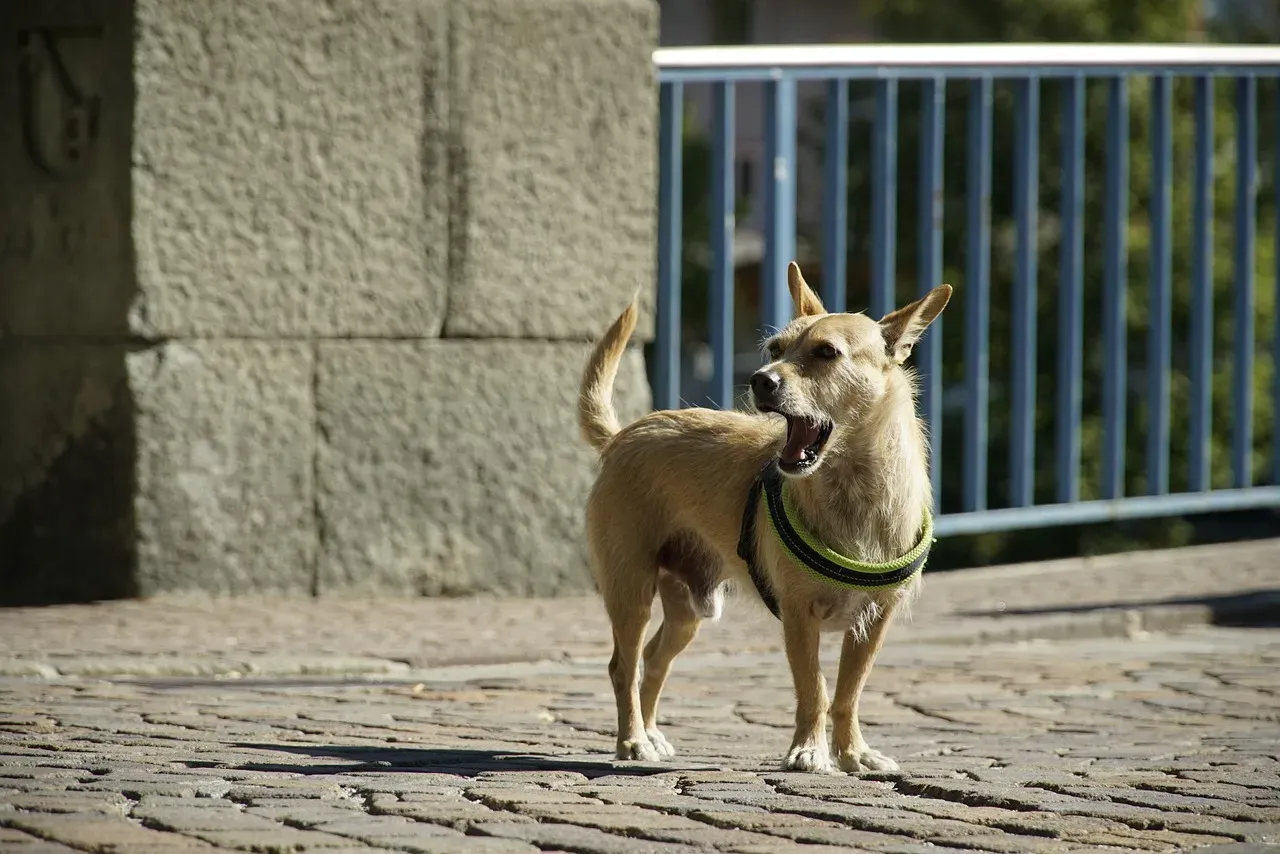
This one surprises people. You yawn, and your dog yawns back. It feels coincidental, but it’s actually a sign of something meaningful. This phenomenon, known as contagious yawning, suggests a strong emotional connection. Scientists believe that dogs who yawn in response to their owners’ yawns are showing empathy, and it’s a subtle way of mirroring your behavior, indicating they are tuned into your emotions.
Not all dogs will yawn when their owners do, but those that do likely share a deep bond with them. Research has shown that contagious yawning is linked to social bonding, and in humans, it often occurs among family members or close friends. When your dog catches your yawn, they’re quietly placing themselves in your inner circle.
#5. Leaning Their Weight Against You
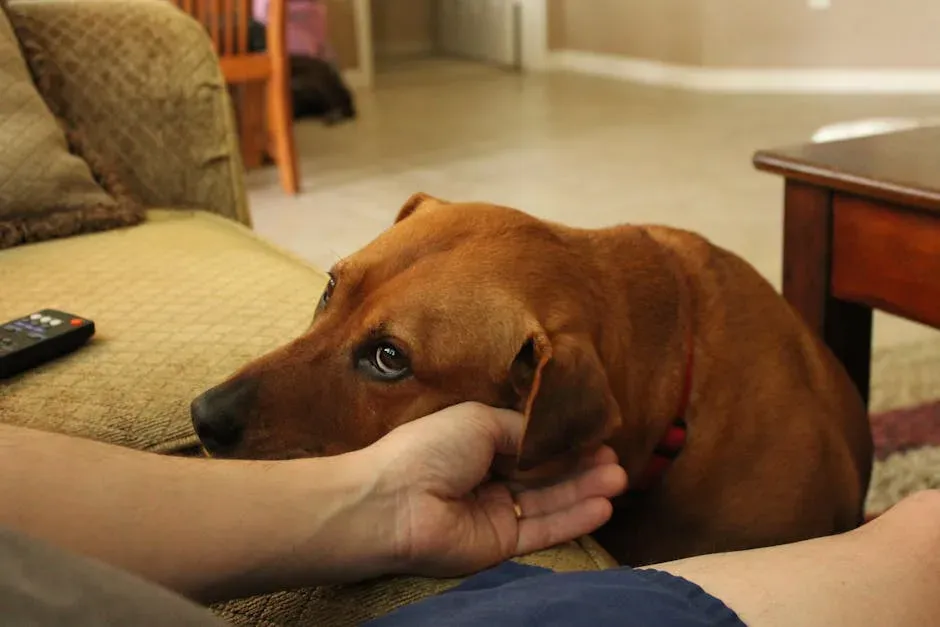
A dog that leans into your legs or settles their full body weight against your side is communicating something that words can’t quite capture. Leaning on you indicates trust, comfort, and love for your companionship. It’s physical language, simple and completely unambiguous.
Leaning isn’t just for attention; it’s also a sign of attachment. Dogs lean on people they have a strong bond with, and if your dog leans on you often, it’s a good indication of their attachment to you. Some dogs do this constantly. Others do it only in unfamiliar situations, pressing into their person the moment the world feels a little too large. Either way, the meaning is the same: you are their anchor.
#6. Detecting Your Emotions Before You Say a Word
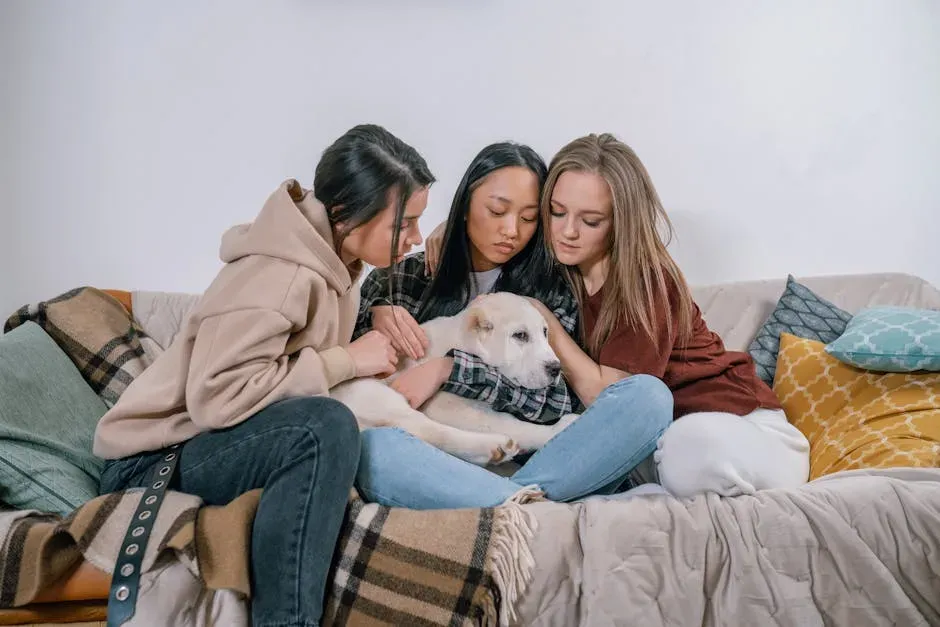
Dogs don’t wait for you to explain how you’re feeling. They already know. Dogs are remarkably attuned to human emotions. They can sense when you’re happy, sad, stressed, or relaxed, and often adjust their behavior accordingly, with this sensitivity being a result of their keen observational skills and their desire to maintain harmony within their social group.
Dogs can pick up on subtle cues in our tone of voice, facial expressions, and behavior, and this emotional sensitivity allows them to empathize with us, whether it’s comforting us during tough times or sharing in our joy. Many dogs respond to sadness by staying physically close or resting their head on their owner’s lap. There’s no performance in this. It’s instinct shaped by thousands of years of living alongside us.
#7. Sleeping Near You or Seeking Physical Contact at Rest
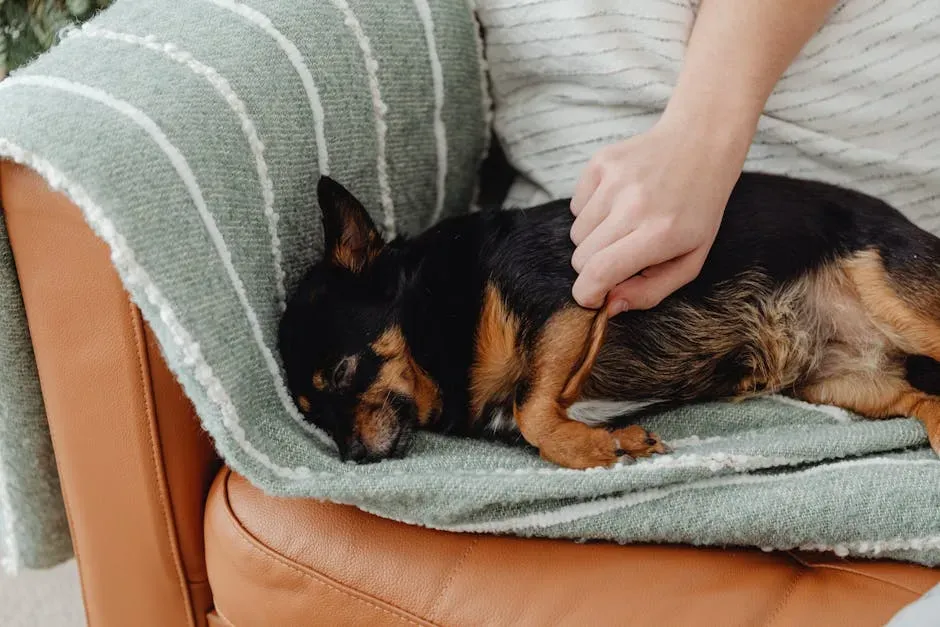
Where a dog chooses to sleep tells you a great deal about how they feel. The overwhelming majority of American dog owners report that they feel as if their dog is a member of their family, and many Western owners allow their dogs to sleep in their beds with them and report lessened anxiety. That arrangement usually starts because the dog initiated it.
Whether it’s snuggling on the couch, leaning against you, or resting their head on your lap, these gestures demonstrate their desire to be close to you and their trust in your companionship. Physical closeness during rest is one of the most vulnerable states for any animal. When a dog chooses to sleep beside you, they’re extending a level of trust that shouldn’t be taken lightly.
#8. Mirroring Your Emotional State

Dogs do something that even many close human relationships struggle with: they match your energy without being asked. Research has shown that dogs often mimic our emotions, a phenomenon known as emotional contagion, which is another way they show love. When you’re bouncy and excited, they’re right there with you. When you’re quiet and low, they soften.
Researchers found that the heart rate variability of a dog and its owner often mirror each other during interactions, with heart rate variability referring to the slight fluctuations in the time between heartbeats. This physiological mirroring goes beyond behavior. The connection is literally happening at a biological level, which says something remarkable about just how deeply attuned dogs have become to the humans they love.
#9. Choosing You Over Strangers
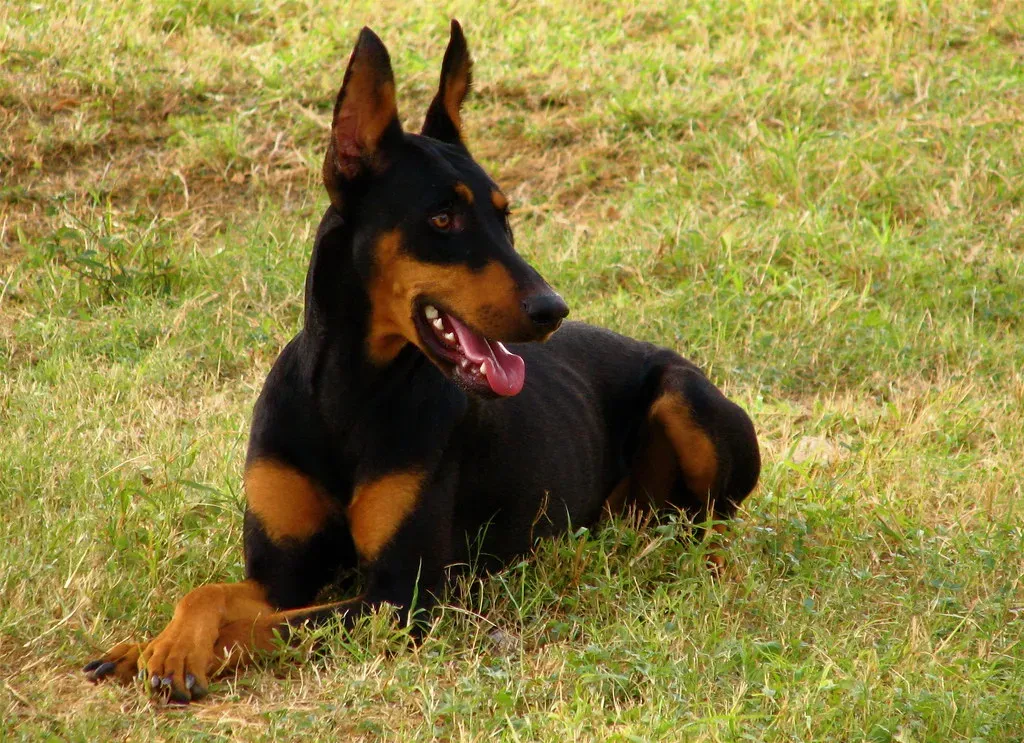
Dogs don’t just love people in general. They love their person. Canines are capable of assessing humans’ emotional states, as well as discriminating humans by levels of familiarity. This isn’t random preference. It’s a deliberate social hierarchy that places their chosen human at the top.
Research demonstrated that dogs could discern and react to human social interactions, favoring individuals who were kind or neutral to their guardians over those who were unhelpful. This ability to gauge human behavior and show preference for supportive individuals underscores the depth of dogs’ loyalty and their sophisticated social awareness. Your dog isn’t just attached to whoever feeds them. They’re watching how people treat you, and they’re forming opinions about it.
#10. Offering Comfort Without Being Prompted
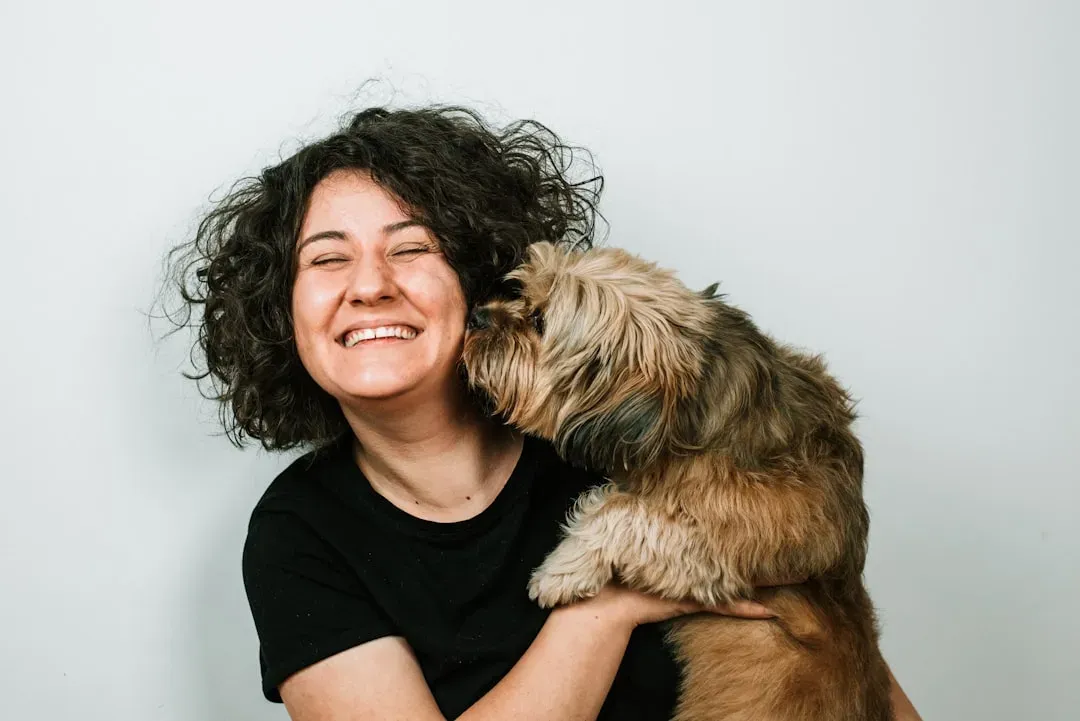
Perhaps the most quietly remarkable thing a dog does is show up for you before you’ve asked. No prompting, no signal, just presence. One of the most psychologically significant aspects of the human-dog relationship is the unconditional acceptance dogs provide. Unlike human relationships, which can be complicated by expectations, judgments, and conditional approval, dogs offer consistent affection regardless of their owner’s mood, appearance, or circumstance.
This creates a safe emotional space where humans can experience unconditional acceptance and companionship. Dogs respond to human emotions and provide comfort during difficult times without judgment or expectation of reciprocal emotional labor. That last part matters more than it might seem. A dog doesn’t comfort you because they expect something back. They do it because, to them, your wellbeing and their own happiness are simply the same thing.
Final Thoughts
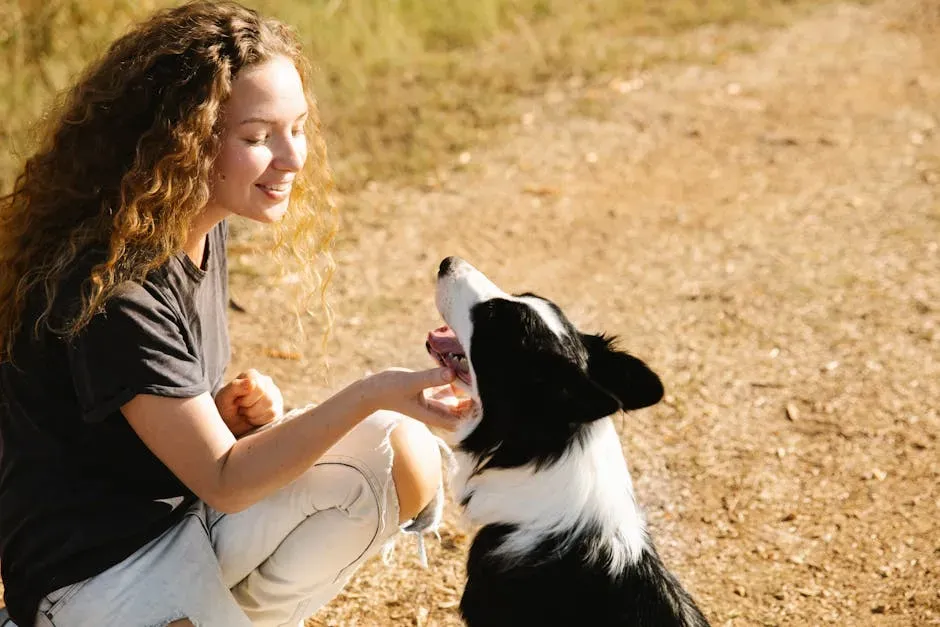
When you look at all ten of these behaviors together, a clear picture emerges. The dog-human bond is a unique connection that goes beyond mere pet ownership, offering profound emotional support, unwavering loyalty, and often a sense of purpose to their human companions. Dogs don’t relate to us the way other animals do, and science is only beginning to fully understand how sophisticated that relationship really is.
Research shows that dog-human relationships combine the upsides of best friend relationships and parent-child bonds, making them more supportive and positive than most relationships between humans. That’s a striking finding, and honestly, most dog owners won’t be surprised by it at all.
What dogs offer us isn’t unconditional love in some vague, greeting-card sense. It’s active, attentive, daily devotion. They study us, mirror us, protect us, and choose us every single morning. The behaviors listed here aren’t tricks or training outcomes. They’re the quiet vocabulary of a species that decided, somewhere across tens of thousands of years, that humans were worth staying close to. The least we can do is notice.
