
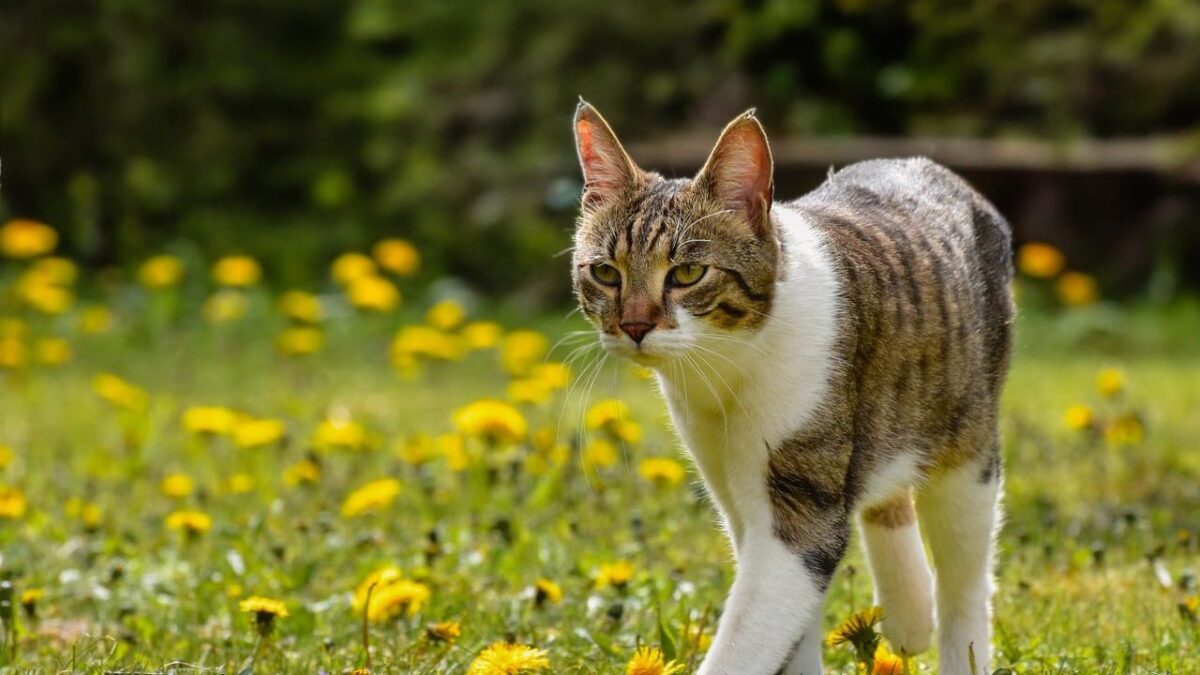
There’s a particular kind of dread that settles in when you realize your cat hasn’t come home. You check the usual spots. You rattle the treat bag. You open and close the back door more times than you’d like to admit. Then, somewhere between panic and resigned waiting, your cat reappears. Calm, unhurried, perhaps a little smug, as though they simply stepped out to run an errand.
This vanishing act is one of the most puzzling things about living with a cat. It feels personal. It feels mysterious. The truth, though, is that these disappearances are almost always rooted in deeply wired biological instincts that have nothing to do with loyalty or indifference. Understanding those instincts changes everything about how you see your cat’s behavior.
#1: The Predatory Instinct That Sends Them Farther Than You Think
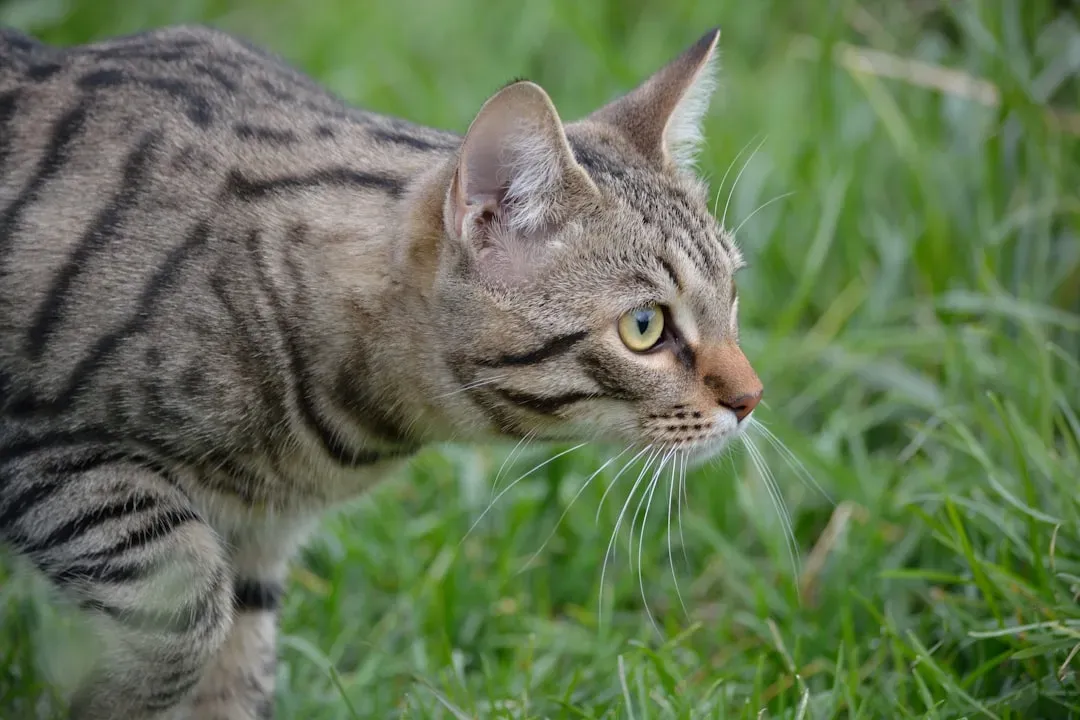
Cats are born with a predatory instinct, and as soon as they sense a bird, a mouse, or any other wild prey, the hunt is well and truly on. That pull is immediate, involuntary, and completely absorbing. A cat mid-hunt isn’t thinking about dinner time or the warmth of the couch waiting at home.
Even if your cat has plenty of food and toys at home, they may still feel the need to fulfill that basic hunting instinct. If your outdoor cat is a good hunter, they may go to new places to find prey, particularly if their territory lacks it. This curious behavior can cause them to look in areas further than planned, sometimes making it hard to find their way back home.
Cats are natural hunters, and even the most pampered housecat has the genetic imprint of a predator lurking within. A well-fed domestic cat will sometimes bring home a mouse or a bird it has caught, simply because cats are predators by nature. The impulse doesn’t switch off because there’s kibble in a bowl. It’s not about hunger. It’s about being what they are.
Because cats are “ambush predators” and spend large parts of their hunting excursions watching and stalking their prey, outdoor roaming might be intrinsically rewarding, driven by their evolutionary heritage in establishing, patrolling, and defending territories. In other words, a cat on a long hunt isn’t misbehaving. It’s thriving.
#2: Territory Disputes and the Need to Stand Their Ground
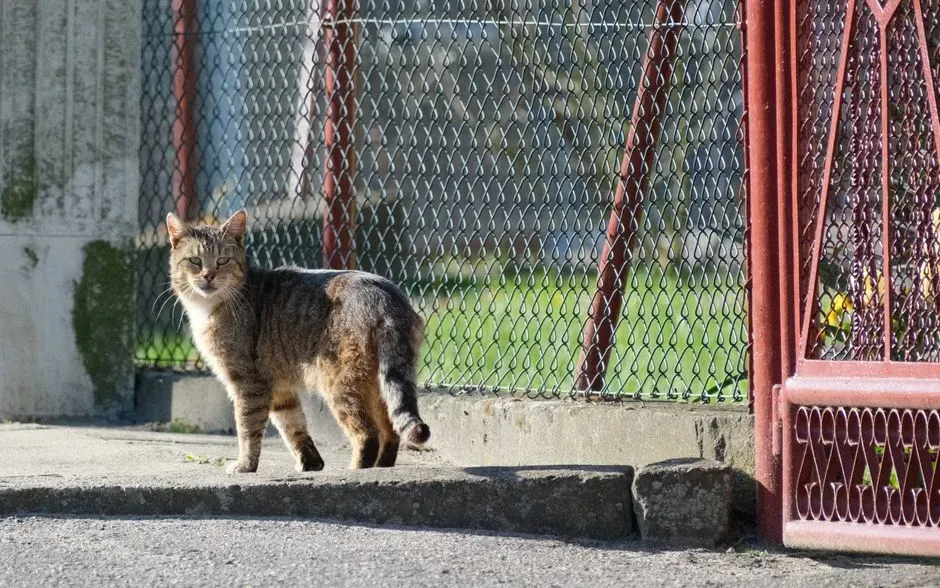
Cats are very much territorial animals. If someone, another cat for instance, is trespassing on their territory, they may leave the comfort of their surroundings in order to warn off the unwelcome visitor, returning only once they’ve made sure the threat is gone. That can take hours. Sometimes it takes days.
A cat’s territory is more than just the physical area it occupies. It’s a network of sensory cues, routines, and personal comfort zones. Through scent marking, scratching, and patrolling, cats establish boundaries that help reduce conflicts and stress. In multi-cat households or dense outdoor areas, these boundaries may overlap. Cats resolve this through time-sharing, visiting areas at different times, or through aggression and territorial displays.
Territorial disputes can send cats on long journeys, especially when new animals enter the area. Once things settle, they often return home as if nothing unusual occurred. That serene return, completely unbothered, can feel almost insulting after days of worry. It makes far more sense when you understand that, from the cat’s perspective, they simply resolved a problem and came home.
#3: The Mating Drive That Overrides Everything Else
If you have a cat who hasn’t been spayed or neutered, there’s a very high chance that they will disappear for a few days to find a partner during mating season. A male cat will trace the scents emitted from a female in heat, even if it leads them very far from home. For female cats, if they can’t find a suitable mating partner nearby, they can roam very far to find one. The mating drive is so strong, they can’t help but follow what instinct is telling them to do.
Unneutered males are by far the most ambitious roamers. Driven by hormones, they’ll risk fights, cars, and unfamiliar territory to find a mate. Neutering reduces this behavior dramatically. This isn’t willfulness. It’s biology operating at full volume, and no amount of coaxing is likely to compete with it.
Unneutered males and unspayed females go to great lengths to find another cat to mate with, and even indoor cats may try to escape their homes when the door or window is opened. The practical implication here is clear: spaying and neutering significantly reduces the frequency and duration of these disappearances, not just for population reasons, but for safety.
#4: Illness, Injury, and the Instinct to Hide Vulnerability
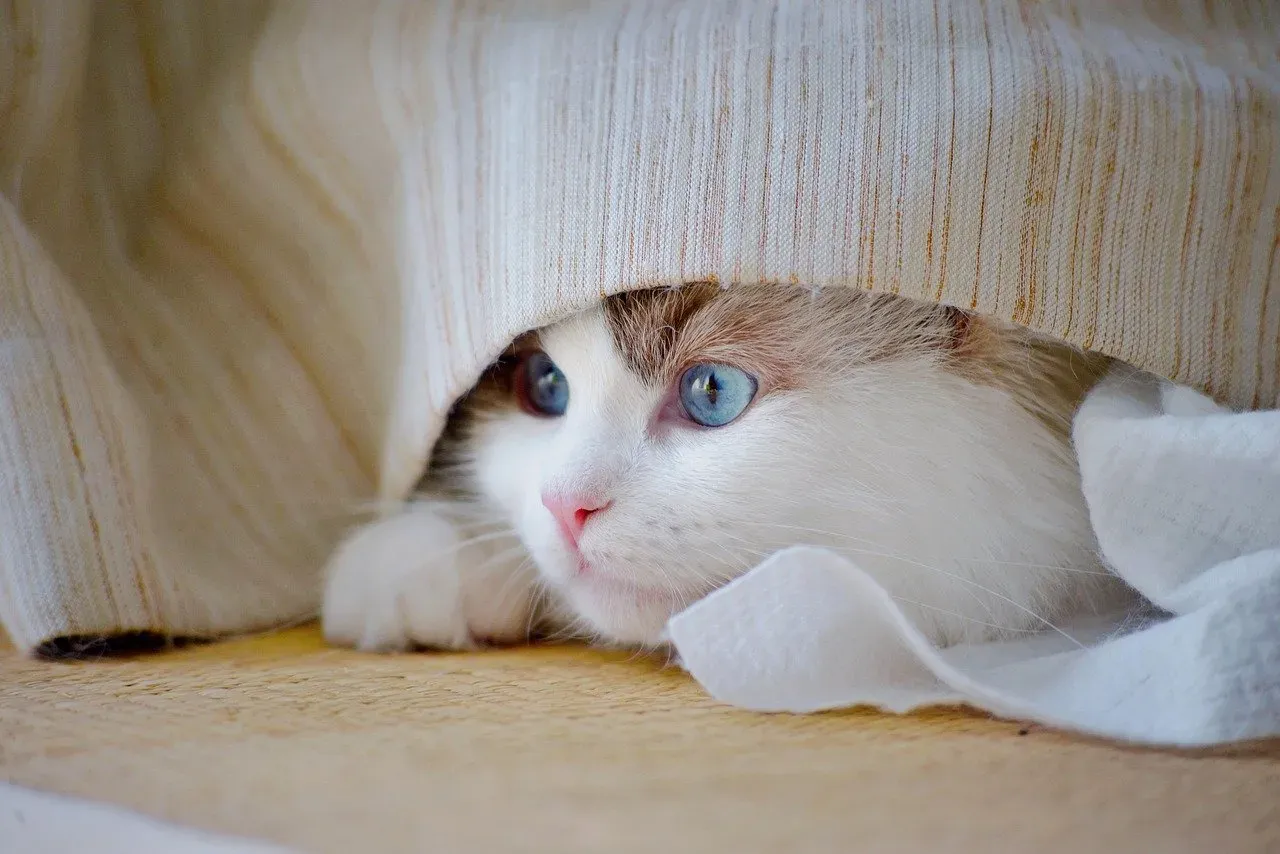
When a cat feels unwell, its instinct tells it to hide to avoid appearing vulnerable. A sick or injured animal may be seen as an easy target by predators, so hiding becomes a defense mechanism. This is one of the more sobering reasons behind a cat’s disappearance, and it’s also one of the easiest to miss entirely.
Cats are hardwired to hide signs of illness and pain, a survival instinct inherited from their wild ancestors. In the wild, a sick or injured cat that shows vulnerability becomes a target for predators. That instinct doesn’t dissolve simply because the cat now lives in a warm house. It runs far deeper than domestication has managed to reach.
Drawing on their wild ancestry, cats will often hide signs of being sick or in pain, which helps them avoid looking vulnerable to predators. As a result, it can be difficult for owners to know that something is wrong. When your cat isn’t feeling their best, they might choose a safe place elsewhere to rest and focus on healing. Often, this is somewhere close to home and within their territory.
The key factor to consider is change. If your cat suddenly begins hiding more frequently than usual, or if the behavior is accompanied by shifts in appetite, energy, or mood, it deserves closer attention. A cat that comes back lethargic, disoriented, or thinner than before should be seen by a vet without delay.
#5: The Remarkable Science Behind Why They Always Find Their Way Back
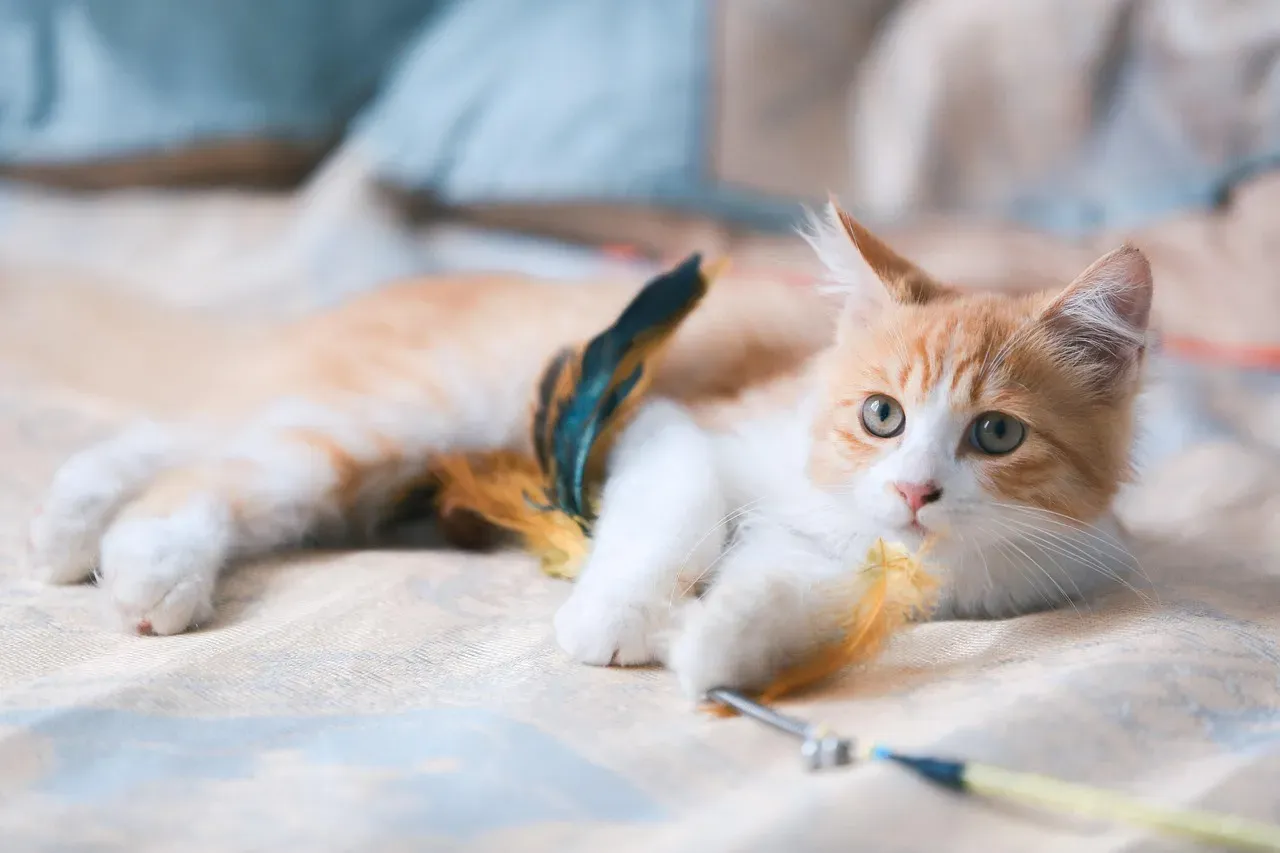
As remarkable as it sounds, cats do have a special ability called a homing instinct that helps them find their way back home. Although we don’t know for certain how it works, evidence supports the idea that cats are able to use the earth’s geomagnetic fields, potentially combined with scent cues, to locate their homes. It’s an ability that feels almost unbelievable until you watch it work firsthand.
A 1954 experiment placed cats in a very large maze to see if they could exit and head home. It turned out that most of the cats exited the maze in the area closest to their home location. When the researchers attached magnets to the cats, however, the cats weren’t able to do this as well, supporting the idea that magnetic geolocation was involved.
Researchers state that cats use their scent to build “olfactory maps,” which are mental maps of an area, to help them home in on a specific location, which may influence their homing instinct. Cats possess an astonishing sense of smell, housing up to 200 million scent receptors in their noses, allowing them to create detailed olfactory maps, which are mental blueprints composed entirely of scents.
Cats are creatures of habit, but their curiosity can override comfort. Some develop regular “routes” through neighborhoods, visiting familiar spots, sheds, or even friendly humans who offer food or shelter. What feels like a mysterious disappearance to us may just be part of their daily adventure circuit. That reframe alone can save a lot of anxious nights.
When to Worry and When to Wait
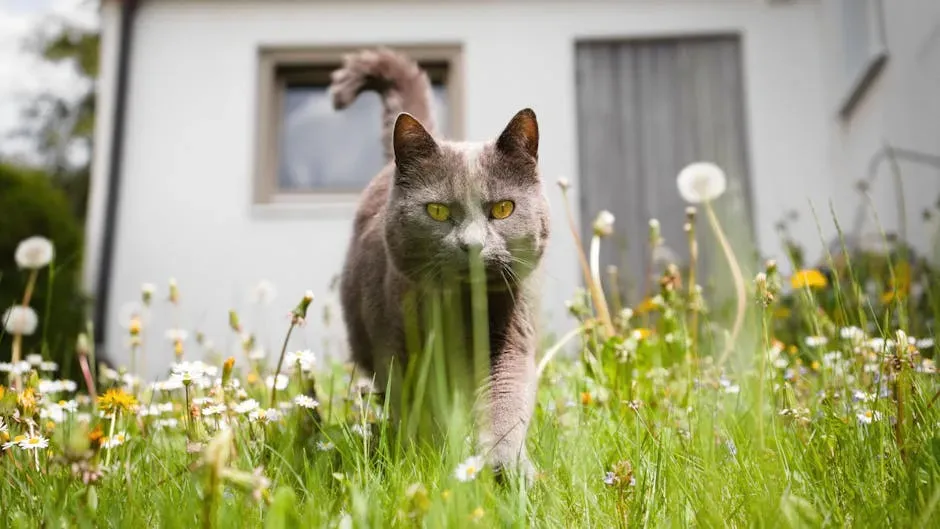
Cats can return home many days, weeks, months, and even years after they wandered off or were lost. That’s genuinely reassuring to know. Still, there are real situations where a disappearance signals something more serious than a territorial patrol or a long hunt.
While brief absences are common, sudden changes in behavior can be cause for concern. If your cat stays away longer than usual or returns injured, lethargic, or disoriented, it’s worth contacting a vet. The distinction matters. A cat that disappears on a Tuesday and trots home on Thursday, eats well, and behaves normally is probably fine. A cat that returns and seems off deserves immediate attention.
A survey found that most missing cats, about three-quarters, were found within 500 meters of where they disappeared. The same survey revealed that out of 1,210 missing cats, well over half were found within a year, and roughly a third were reunited with their owners within seven days. The odds, in most cases, are on your side.
What You Can Actually Do About It

Consider having your cat microchipped and have them wear an identification collar that displays your name and number. This will greatly increase the chances of you and your cat being reunited if they do ever end up lost. These details should be kept up to date at all times.
Spaying or neutering your cat significantly reduces the desire to roam and reduces the likelihood of them venturing far from home. This is probably the single most effective thing an owner can do to limit prolonged disappearances driven by mating instinct. It doesn’t eliminate the cat’s roaming nature entirely, but it removes one of the most powerful triggers.
A cat’s homing center can be disrupted by a move, which is why keeping them indoors for at least three weeks allows it to reset for their new place. Research shows the largest percentage of lost or missing cats involve an outdoor-access cat going missing very soon after a house move. If they have not come to understand where their new home is, they will instinctively try to get back to where home was, no matter how far away.
Conclusion: What the Disappearing Act Is Really Telling You

There’s a temptation to take a cat’s vanishing personally, to read it as indifference or ingratitude. Honestly, that interpretation says more about us than about them. Cats aren’t running from something. They’re running toward something: a scent trail, a territorial rival, a mate, a quiet dark corner to heal in. They are, at their core, still small wild animals who happen to have chosen to live with us.
The worry is real and valid. The wait is genuinely hard. Having a microchipped, spayed or neutered cat with up-to-date identification makes a significant practical difference in how those disappearances end. So does understanding the instincts behind them, because a cat owner who knows why their cat leaves is far less likely to panic and far more likely to respond effectively.
Cats come back not because they’re obligated to, but because home, to them, is a territory they’ve chosen, built a scent map of, and invested in. That’s not nothing. In a creature this instinct-driven and this ancient, choosing to return is actually the closest thing to loyalty they know how to show.

- 12 Common Mistakes Pet Owners Make That Can Harm Their Beloved Animals - July 19, 2026
- Why Mangroves Are Vital to Florida’s Coast - July 19, 2026
- How Did Reindeer Become a Symbol of Christmas? - July 19, 2026