


In the vast expanse of our world’s oceans, a remarkable spectacle unfolds as certain fish break the boundary between water and sky. Flying fish, members of the Exocoetidae family, have evolved an extraordinary ability that seems to defy the conventional limitations of aquatic life. These remarkable creatures don’t merely leap out of water—they actually glide through the air for impressive distances, showcasing one of nature’s most fascinating adaptations. Their aerial journeys, which can extend up to 650 feet and reach heights of 20 feet above the water’s surface, have captivated scientists, sailors, and nature enthusiasts for centuries. This article explores the biology, mechanics, evolutionary advantages, and cultural significance of these extraordinary ocean dwellers that have truly mastered the art of flight.
The Biology Behind Aerial Fish
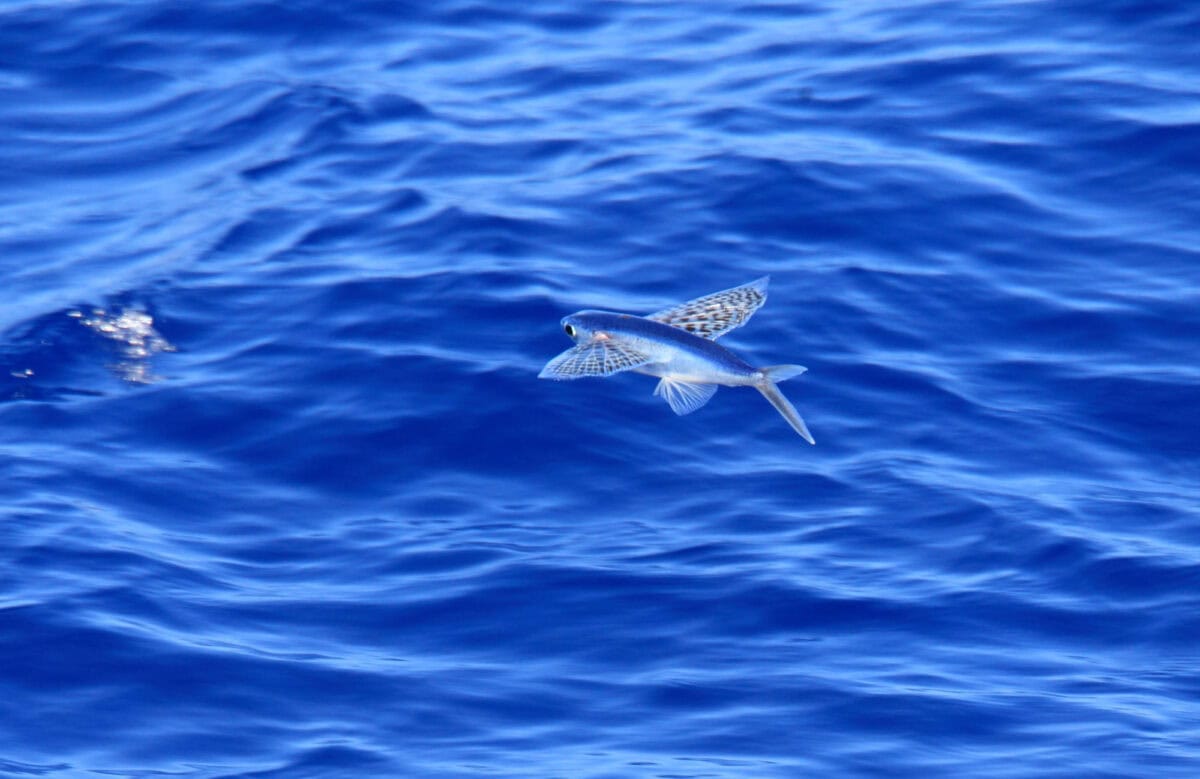
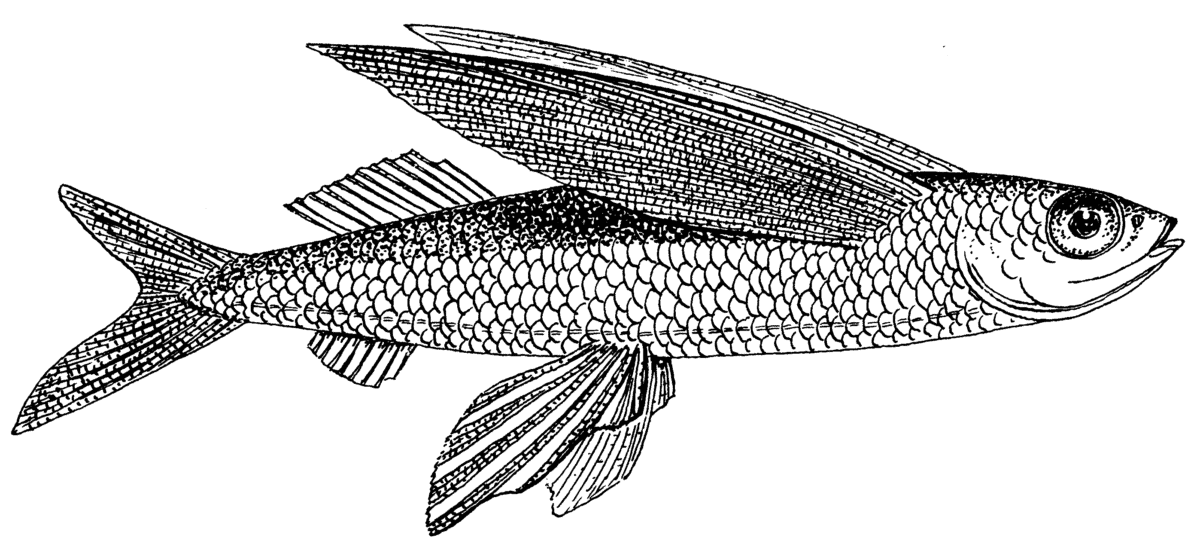
Flying fish belong to the family Exocoetidae, which includes approximately 40 to 50 species distributed throughout tropical and subtropical waters worldwide. These fish typically measure between 7 and 12 inches in length, though some species can reach up to 18 inches. Their most distinctive physical feature is their enormously enlarged pectoral fins, which serve as wings during their aerial journeys. These specialized fins can span up to 70% of the fish’s body length, providing the necessary surface area for gliding through air.
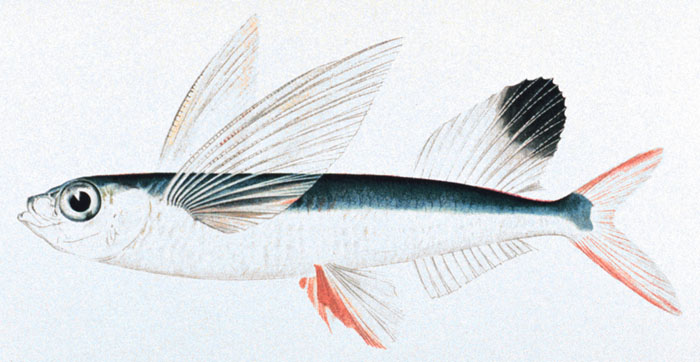
Beyond their wing-like pectoral fins, flying fish possess several other adaptations that facilitate their unique locomotion. They have a torpedo-shaped body optimized for rapid acceleration in water, a necessary prerequisite for launching into the air. Their tail fin (caudal fin) is asymmetrical, with the lower lobe longer than the upper lobe—a design that enables them to build up sufficient speed before takeoff. Some species also have enlarged pelvic fins that serve as stabilizers during flight, similar to the way an airplane’s horizontal stabilizers function.
The Mechanics of Fish Flight

The process by which flying fish take to the air involves a remarkable sequence of coordinated movements. It begins underwater, where the fish builds up speed by vigorously beating its tail up to 70 times per second. Once it reaches a sufficient velocity—typically around 37 miles per hour—it breaks through the water’s surface at an angle. As it emerges, it spreads its enlarged pectoral fins to their full extension, creating wing-like surfaces that generate lift in the same aerodynamic manner as an airplane’s wings.
What makes this ability even more impressive is that some flying fish are capable of what scientists call “taxiing.” When they begin to lose altitude, they can dip their specialized tail fin back into the water’s surface and rapidly vibrate it, generating enough additional thrust to propel themselves back into the air for an extended glide. Through this technique, known as multiple-jet propulsion, flying fish can extend their aerial journey significantly, with some documented flights covering distances of up to 1,300 feet in a series of consecutive glides.
Evolutionary Advantages of Aerial Adaptations
The flying fish’s remarkable adaptation did not develop arbitrarily but evolved as a sophisticated survival mechanism. The primary evolutionary advantage of this aerial ability is predator evasion. When threatened by underwater predators such as tuna, mackerel, or swordfish, flying fish can rapidly escape the aquatic environment where these hunters excel, transitioning to an aerial space where most marine predators cannot follow. This temporary escape into a different medium significantly increases their chances of survival in predator-rich tropical waters.
Additionally, this adaptation potentially offers energy efficiency benefits. Gliding through air presents less resistance than swimming through water, allowing flying fish to cover greater distances with less energy expenditure when traveling long distances. Some scientific studies also suggest that these aerial journeys might play a role in migration patterns or in locating new feeding grounds, though more research is needed to fully understand these potential advantages. The evolutionary success of this adaptation is evidenced by the wide distribution of flying fish across multiple oceanic regions.
Diversity Among Flying Fish Species

The Exocoetidae family showcases remarkable diversity in its flying adaptations. Two-winged flying fish, belonging to genera such as Exocoetus, primarily use their pectoral fins for gliding. In contrast, four-winged species from genera like Hirundichthys and Cypselurus have evolved enlarged pelvic fins that provide additional lift and stability during flight, functioning essentially as a second pair of wings. This differential adaptation demonstrates the various evolutionary paths these fish have taken to optimize their aerial capabilities.
Geographic variation is also evident among flying fish species. Those inhabiting the Pacific Ocean often display different flight patterns and physical adaptations compared to their Atlantic counterparts. For instance, the California flying fish (Cypselurus californicus) can reach larger sizes than many other species and has been observed achieving particularly impressive flight distances. The Japanese flying fish (Cypselurus agoo) exhibits distinctive seasonal migration patterns related to its aerial capabilities. These variations highlight how environmental factors in different oceanic regions have influenced the evolution of flying fish characteristics.
Record-Breaking Flights
While the average flying fish glide typically covers distances of 160 to 330 feet, some extraordinary flights have been well-documented by marine biologists and ship crews. The longest reliably recorded flight, observed by scientists during a research expedition in the Indian Ocean, measured approximately 1,312 feet (400 meters). This remarkable journey was achieved through the fish’s ability to perform a series of consecutive glides, each time dipping its tail back into the water to generate additional propulsion before becoming airborne again.
In terms of flight duration, observations have recorded flying fish remaining airborne for up to 45 seconds, an impressive feat for a creature primarily adapted to aquatic life. Height records are equally notable, with documented cases of flying fish reaching elevations of 20 feet (6 meters) above the water’s surface. These exceptional performances typically occur when flying fish encounter favorable wind conditions that provide additional lift to their wing-like fins. Some sailors have even reported flying fish landing on the decks of ships, which can be 20-30 feet above the waterline, although such occurrences are relatively rare.
The Physics Behind the Flight
The aerodynamics of flying fish flight have fascinated biophysicists and engineers alike. Studies conducted using wind tunnel experiments and computational fluid dynamics have revealed that flying fish achieve a glide ratio (the distance traveled horizontally relative to the vertical distance descended) of approximately 4:1. This is remarkably efficient for a creature not primarily evolved for atmospheric travel, approaching the glide ratios of some birds and comparable to early aircraft designs.
Research published in the Journal of Experimental Biology has shown that flying fish generate lift in two principal ways. First, their wing-like pectoral fins create conventional aerodynamic lift similar to airplane wings. Second, they benefit from a phenomenon known as ground effect—an increase in lift and decrease in drag that occurs when flying close to a surface. Flying fish typically maintain a height of just 50-60 centimeters above the water, maximizing this ground effect advantage. Additionally, the microscopic structure of their fins has been found to reduce drag during flight, with tiny ridges and grooves that help to control airflow over the fin surface, demonstrating an advanced natural engineering solution.
Challenges and Limitations of Fish Flight

Despite their remarkable aerial capabilities, flying fish face several significant limitations and challenges during their time above water. Perhaps the most critical constraint is their inability to actually fly in the true sense—they cannot generate thrust while airborne and are limited to gliding. This means they must eventually return to the water once their momentum is exhausted. Weather conditions also substantially impact their flight performance; strong headwinds can dramatically reduce flight distance, while tailwinds can extend it.
Another crucial challenge is vulnerability during flight. While airborne, flying fish become visible and accessible to aerial predators such as frigate birds, gulls, and other seabirds that have evolved to capture them mid-flight. Additionally, the energy expenditure required for takeoff is considerable, with studies estimating that the initial burst of speed needed to break the water’s surface may consume up to 20% of the fish’s available energy reserves. This energy cost means that consecutive flights without adequate recovery periods can lead to exhaustion, potentially making the fish more vulnerable to predation when they return to the water.
Flying Fish in Human Culture
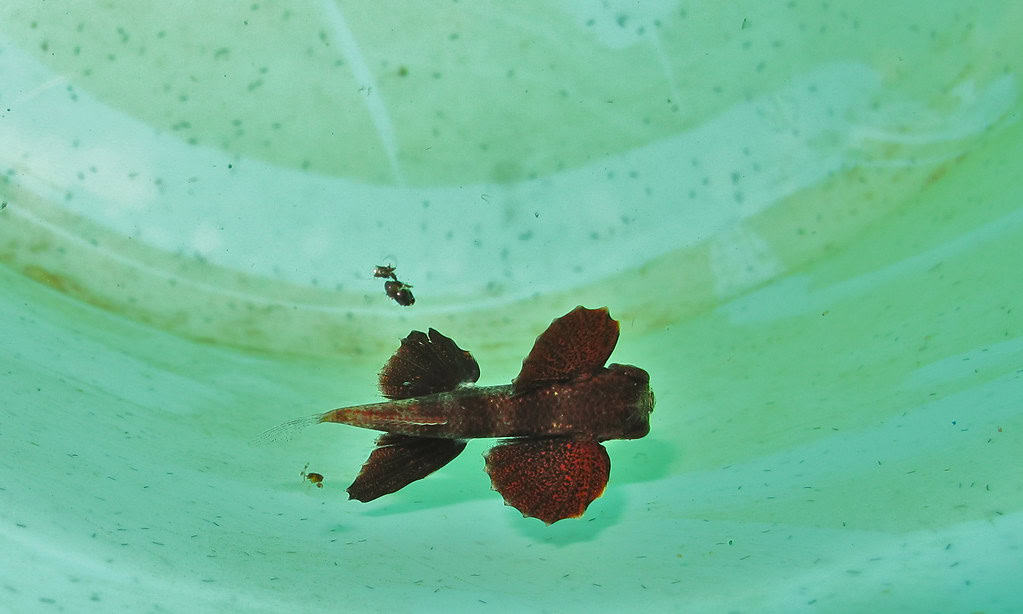
Flying fish have held significant cultural importance across various maritime societies throughout history. In Barbados, the flying fish has become a national symbol, featured on coins, in artwork, and as a central element of the country’s cuisine. The traditional Barbadian dish of “flying fish and cou-cou” is considered the national dish, highlighting the cultural significance of this species. Similarly, in parts of Japan, Korea, and other Pacific island nations, flying fish have been incorporated into traditional fishing practices, culinary traditions, and even mythology.
Literary and artistic representations of flying fish date back centuries. Early maritime explorers often included descriptions and illustrations of these remarkable creatures in their journals, sometimes with embellishments that contributed to their mysterious reputation. In modern times, flying fish continue to inspire artists, filmmakers, and designers, appearing in nature documentaries, as logos for various organizations, and as subjects in marine-themed artwork. Their unique ability to transcend the boundary between water and air has made them powerful symbols of freedom, adaptability, and the extraordinary capabilities that can evolve in nature.
Ecological Role and Conservation

Flying fish occupy a crucial middle position in oceanic food webs. They primarily feed on plankton and small crustaceans, making them important transferers of energy from lower to higher trophic levels. As prey, they serve as a vital food source for numerous larger marine predators including tuna, marlin, mackerel, and various seabirds. This intermediate position makes them an indicator species for ocean ecosystem health—changes in flying fish populations can signal broader ecological shifts.
From a conservation perspective, flying fish face several challenges. While they are not currently listed as endangered, they are heavily harvested in some regions, particularly in parts of the Caribbean and Asia, both for direct human consumption and as bait for larger commercial species. Climate change also poses potential threats, as rising ocean temperatures and changing current patterns may affect their distribution and breeding cycles. Additionally, increasing ocean pollution, particularly plastic waste, poses risks to these surface-dwelling species. Conservation efforts focused on sustainable fishing practices and marine ecosystem protection are essential for ensuring the continued presence of these remarkable aerial fish in our oceans.
Scientific Research and Discoveries

Modern scientific research continues to uncover fascinating aspects of flying fish biology and behavior. Recent studies using high-speed cameras and motion analysis have provided unprecedented insights into the precise mechanics of takeoff, flight stabilization, and water reentry. Researchers at the University of California have discovered that flying fish can actively adjust the angle of their pectoral fins during flight to optimize their glide path in response to changing air currents—a level of in-flight control previously unrecognized.
Biomimetic research represents an exciting frontier, with engineers studying flying fish to inform designs in aeronautics and marine technology. The unique properties of flying fish fins—lightweight yet strong, flexible yet stable—have inspired innovations in drone design, particularly for vehicles that need to operate at the air-water interface. Genetic studies are also advancing our understanding of how these remarkable adaptations evolved, with comparative genomic analyses identifying genetic sequences associated with the enlarged fin development and specialized musculature that enables their extraordinary aerial capabilities. These scientific investigations not only deepen our understanding of flying fish but also contribute to broader biological knowledge and technological innovation.
Observing Flying Fish in the Wild

For nature enthusiasts hoping to witness the spectacular sight of flying fish in action, certain regions and conditions offer better opportunities than others. The waters surrounding Caribbean islands, particularly near Barbados, Tobago, and the eastern Caribbean, are renowned for abundant flying fish populations. The Gulf Stream region along the southern United States coastline also provides excellent viewing opportunities. The best time for observation typically falls during warmer months when these fish are most active, usually from late spring through early autumn in most locations.
Several practical tips can enhance the chances of successful observation. Viewing from boats during early morning or late afternoon hours often yields the best results, as flying fish are more active during these periods. Areas where ocean currents converge tend to concentrate marine life, including flying fish. Many eco-tourism operations now offer specialized trips focused on observing these aerial fish, particularly in the Caribbean and parts of the Pacific. For photographers, using fast shutter speeds and continuous shooting modes is essential to capture these rapid flyers. Polarized sunglasses can also significantly improve visibility by reducing water surface glare, making it easier to spot flying fish both before they emerge and during their aerial journeys.
Soaring Through the Seas: The Continuing Fascination with Flying Fish

Flying fish represent one of nature’s most remarkable evolutionary innovations, blurring the boundary between aquatic and aerial domains in ways that continue to captivate both scientific researchers and casual observers. Their specialized adaptations—from wing-like pectoral fins to asymmetrical tail structures—showcase the extraordinary pathways that evolution can take when driven by the pressures of predation and the advantages of new locomotion strategies. These oceanic gliders have succeeded not by abandoning their aquatic heritage but by expanding it into a new dimension, demonstrating nature’s incredible capacity for adaptive innovation.
As we face increasing environmental challenges in our oceans, the flying fish serves as both a symbol of natural wonder and a reminder of what stands to be lost without proper conservation efforts. Their position in marine food webs, cultural significance, and scientific importance underscores the need for sustainable management of ocean resources. Whether bursting from the water in coordinated schools to evade predators or inspiring biomimetic designs in modern engineering, flying fish exemplify the extraordinary diversity of life on our planet and the unexpected forms that evolutionary adaptation can take. In their remarkable journey from water to air and back again, they continue to inspire wonder, research, and appreciation for the incredible adaptability of life on Earth.

From exploring the marine wonders in the Azores and witnessing the vast savannas of Kenya, to delving deep into the rich biodiversity of South Africa and traversing iconic landscapes in Australia and the US like Yellowstone, Chris's experiences are vast.
With a penchant for diving alongside sharks, the ocean holds a special place in his heart.
Through his academic insights, he champions wildlife conservation, striving with 'Animals Around The Globe' to cultivate a profound connection between humans and animals, enhancing our mutual appreciation.
Connect with him at Feedback@animalsaroundtheglobe.com.
- Why Flamingos Are Flocking to New Jersey’s Salt Marshes - July 20, 2026
- How a Giant Sloth Skeleton Changed Evolution Theories - July 20, 2026
- The Wildlife Cost of Your Chocolate Bar—and How to Make Ethical Choices - July 20, 2026