

Most dog owners will tell you their dog is smart. Fewer can explain exactly why. There’s something genuinely fascinating about watching a dog work through a problem, read a room, or communicate a need with surprising precision. It raises a real question: when your dog does something that makes you stop and stare, is that just a trained behavior or something more?
Dog intelligence is the process in dogs of acquiring information and conceptual skills, storing them in memory, retrieving, combining, and comparing them, and using them in new situations. That definition makes it sound almost clinical. In practice, it shows up in the everyday things your dog already does, some of which you might be completely overlooking. The habits listed here aren’t party tricks or breed-specific quirks. They’re cognitive signals, and once you know what to look for, you’ll start seeing them everywhere.
#1. Solving Problems Without Being Asked
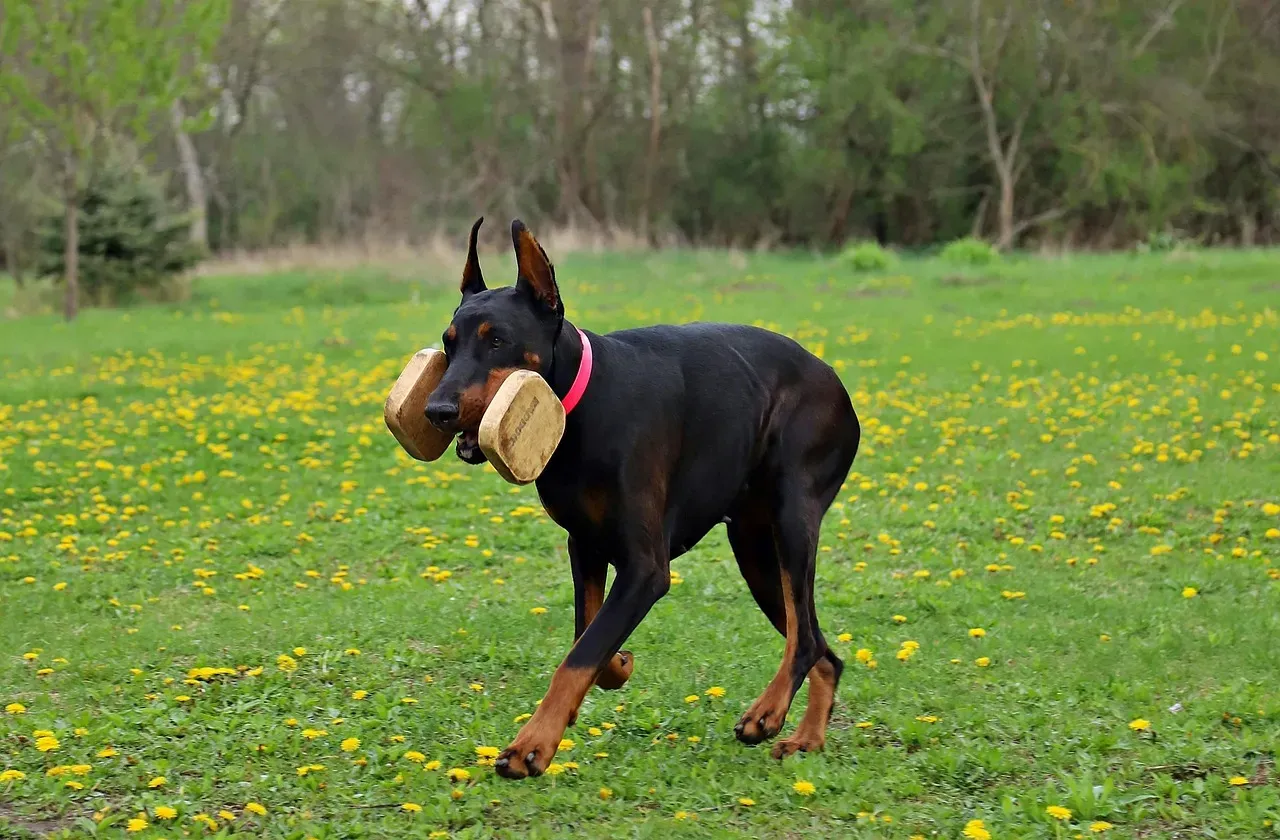
There’s a specific moment every smart dog owner knows. You didn’t teach them anything. Nobody showed them how. Yet there they are, nudging the cabinet open, figuring out the latch, or working a treat out of a toy in a way that seems almost methodical. A few dogs are fast learners in knowing how to open doors, gates, and even containers for accessing food. This kind of behavior highlights their ability to understand cause and effect, manipulate objects, and make decisions based on past experiences.
What makes this habit particularly telling is the trial-and-error process behind it. Dogs that figure their way out of a fenced yard or slip free of a constraint are paying attention to weaknesses in their environment and experimenting with different methods until they find success. This trial-and-error approach is a hallmark of intelligence. It’s not destructive behavior for the sake of it. It’s a mind actively testing what works.
#2. Remembering People, Places, and Things Long-Term

A highly intelligent dog doesn’t just recognize your face. They remember the route to the dog park you haven’t visited in months. They recall which guest played fetch with them six weeks ago and bring out the exact toy that guest used. Dogs with impressive memory skills recall locations, names, and experiences even after a notable passage of time. A dog remembering their favorite route or park after months of absence shows how well they store and retrieve information. Likewise, dogs that recall favorite individuals even after years demonstrate real memory retention.
When your dog recognizes a new guest after only one or two visits, it can be a sign of intelligence. A friendly greeting is a sign of recognition, as is your dog bringing a toy to a guest who has previously played with them, especially if it’s the specific toy the guest used. That’s not coincidence. That’s a dog drawing on stored experience in a deliberate and targeted way.
#3. Reading Human Emotions with Accuracy

You’ve had a rough day. You haven’t said a word. Yet your dog is already pressed against your leg, unusually quiet, watching your face. This isn’t guesswork on their part. Intelligent dogs are very good at sensing and interpreting your emotions. A smart dog will read your sadness and effectively double as an emotional support companion, cuddling up or refusing to leave your side until things improve.
Emotional intelligence includes empathy, with dogs seemingly knowing what their human needs in terms of support or affection. Along with sensing human emotions, smart dogs express empathy by comforting family members in stressful situations or offering companionship during lonely times. This level of social attunement isn’t accidental. It reflects a finely tuned awareness of the people around them, and it’s one of the clearest markers of a cognitively advanced dog.
#4. Communicating Specific Needs in Creative Ways
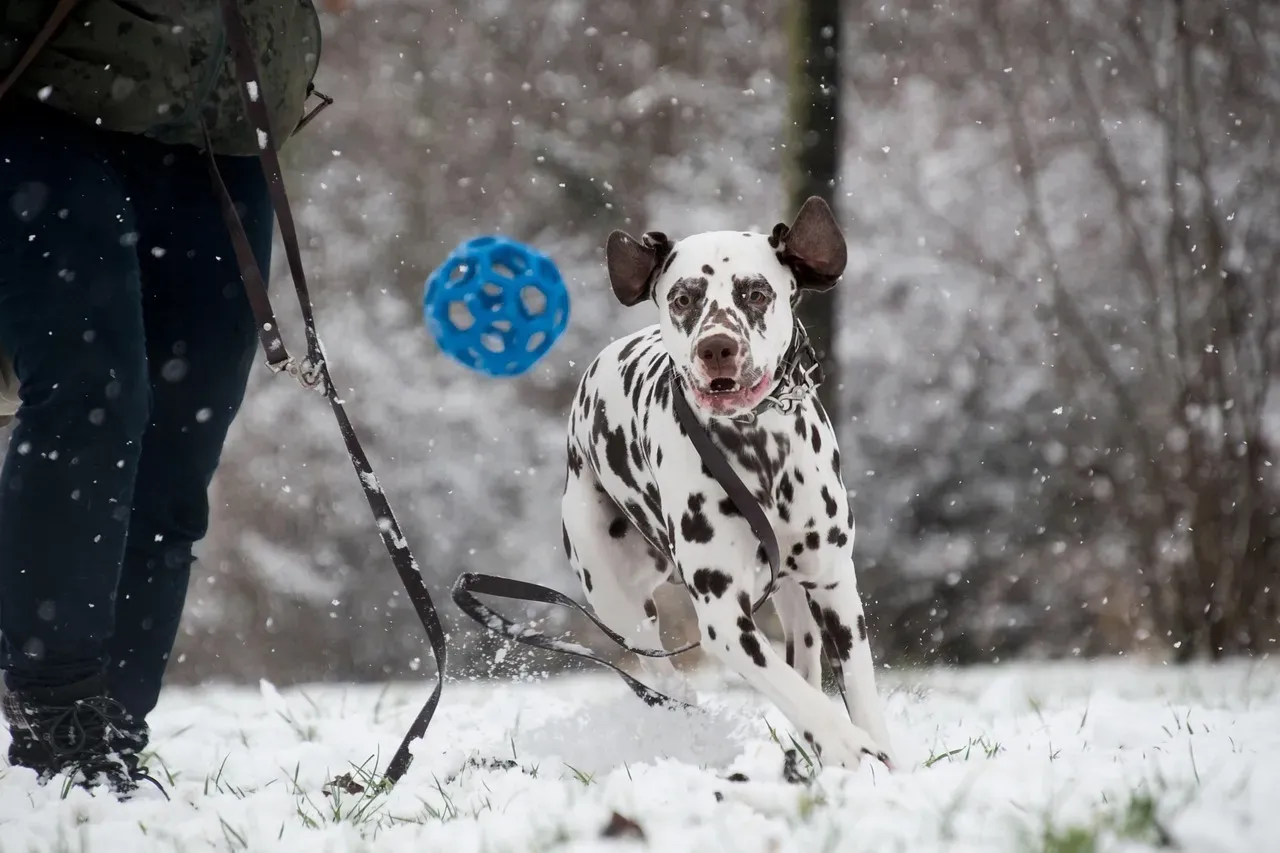
There’s a meaningful gap between a dog that barks for attention and a dog that fetches their leash and drops it at your feet when they want a walk. The second dog isn’t just vocalizing. They’re communicating deliberately. Some dogs become masters at letting you know what they want. Whether it’s pawing at the door to go outside, nudging their water bowl when it’s empty, or bringing you a leash for a walk, these communicative actions aren’t just cute – they’re clever. Dogs who use specific signals to get your attention are demonstrating advanced social intelligence. They know which behaviors get results, and they refine their communication over time.
Since every dog barks or whines to express itself, smart dogs go beyond just vocalizations. These dogs communicate with greater precision by using distinctive sounds, body language, or specific behaviors to make their point. For example, some dogs nudge their leash to signal they want a walk, while others fetch their ball when it’s time to play. Over time, that vocabulary of signals tends to grow, and it’s essentially a dog building their own communication system.
#5. Learning New Commands Exceptionally Fast
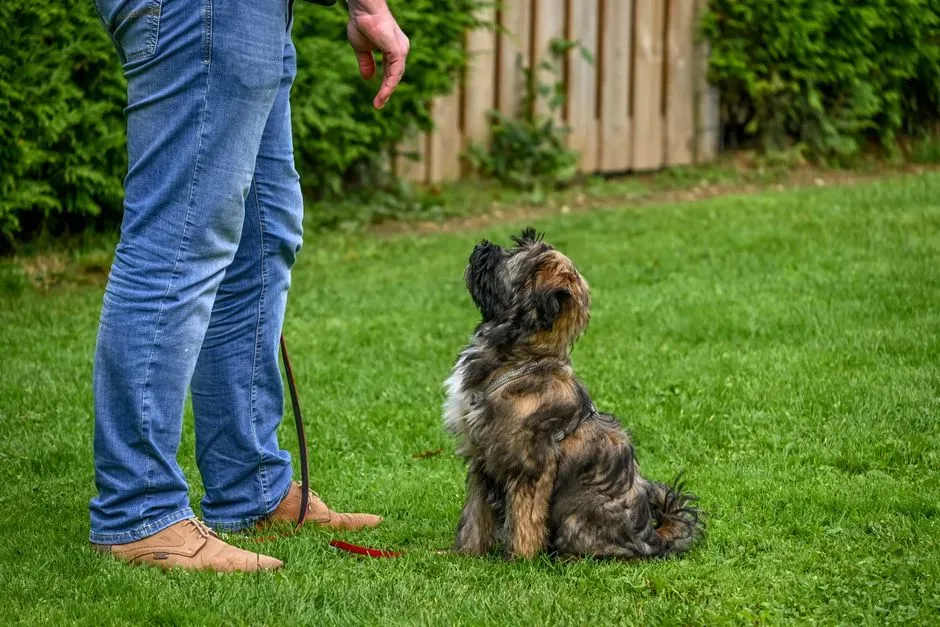
Speed of learning is one of the more straightforward indicators of canine intelligence, though it’s worth understanding what it actually means. Most dogs can be taught to follow commands, though it takes some much longer than others. The faster a dog learns a new trick and the more commands they know, the greater their intelligence. For example, if you only have to tell your dog “no” to jumping on strangers a handful of times, they’re quite smart.
It goes deeper than speed, though. Puppies can be taught various commands early on that will be remembered for a long time. What makes a dog genuinely smart is if they remember commands even if those commands haven’t been used in a while. Retention over time, not just rapid initial learning, is the real signal. A dog that picks something up fast and still performs it months later is operating with genuine cognitive depth.
#6. Watching and Learning from Observation

Some dogs don’t wait to be taught. They watch. They observe how you operate the cabinet, how another dog gets through the gate, how a sequence of events unfolds. Then they replicate it. Puppies learn many behaviors by following the examples set by veteran dogs. What’s even more remarkable is that dogs can also learn from observing humans. Having spent roughly 15,000 years interacting with humans, dogs are quite adept at understanding human messages even without formal training.
Research with Dachshund puppies tasked with pulling a cart to retrieve a reward found that puppies who watched an experienced dog perform the task learned it fifteen times faster than those left to solve the problem on their own. That’s a dramatic difference, and it tells us that social observation is a real cognitive tool for dogs, not just passive watching. A dog that consistently picks up behaviors from watching others has a distinct intellectual advantage.
#7. Adapting Calmly and Quickly to New Situations

Change tends to rattle most dogs. A new environment, an unfamiliar visitor, a disrupted routine – these things can send an anxious dog spiraling. A highly intelligent dog, however, tends to process novelty differently. Some dogs handle changes – like moving to a new home, meeting new people, or adjusting to a new routine – with graceful curiosity. The ability to adapt quickly and calmly is a sign of a flexible, intelligent mind. These dogs aren’t thrown off by surprises; instead, they embrace new experiences as opportunities to learn.
If your dog seems to consider things that might have negative outcomes and then avoids them, they may be showing signs of adaptive intelligence. If they’ve been sprayed by a skunk before and now avoid those situations, or had an unpleasant encounter with another animal and adjusted their behavior accordingly, that’s adaptive intelligence in action. It’s even more impressive if they’ve learned what to avoid by watching others or picking up cues from you. Essentially, they’ve either learned their lesson or evaluated the consequences on their own.
#8. Showing Curiosity, Focus, and Impulse Control Together

This particular combination might be the most revealing of all. It’s not just that a smart dog is curious, lots of dogs are curious. It’s the way their curiosity is structured and controlled. A study published in Scientific Reports identified three key traits that set genius dogs apart: curiosity, focus, and self-control. When all three show up together in a consistent pattern, you’re looking at something genuinely unusual.
Highly capable dogs spend significantly longer interacting with new objects and look at them with more frequency, indicating greater curiosity. These dogs also exhibit targeted interest in specific objects, while average dogs interact more randomly, suggesting they are especially focused. Additionally, high-performing dogs exhibit better impulse control than typical dogs. In everyday terms, this looks like a dog that pauses before acting, examines things carefully before touching them, and makes deliberate choices rather than reactive ones. That’s not just good manners. That’s a thinking dog.
What This Really Tells Us About Our Dogs

Intelligence in dogs is not a single, cleanly measurable thing. There are three types of dog intelligence: instinctive, which covers what a dog is bred to do; adaptive, which reflects how well a dog learns from its environment to solve problems; and working and obedience, the equivalent of formal learning. Most of the habits described in this article fall squarely in the adaptive category, which makes them particularly meaningful because they emerge from the dog’s own processing, not just breeding or training.
Every dog is probably smart in some way, and there are many different types of intelligence. Stanley Coren, Ph.D., of the University of British Columbia, a psychologist, canine researcher, and author of several books including “The Intelligence of Dogs,” claims dogs are about as smart as a 2 to 2.5 year old human child. That comparison might seem modest, but consider what a toddler is capable of – reading faces, forming attachments, learning language, navigating social dynamics. Dogs do all of this, quietly, every single day.
The honest takeaway here is that we’re probably still underestimating them. The habits above aren’t the ceiling of canine cognition; they’re the visible surface of it. If your dog shows even a handful of these signs, take it seriously. They’re paying close attention to you. The least you can do is return the favor.
