
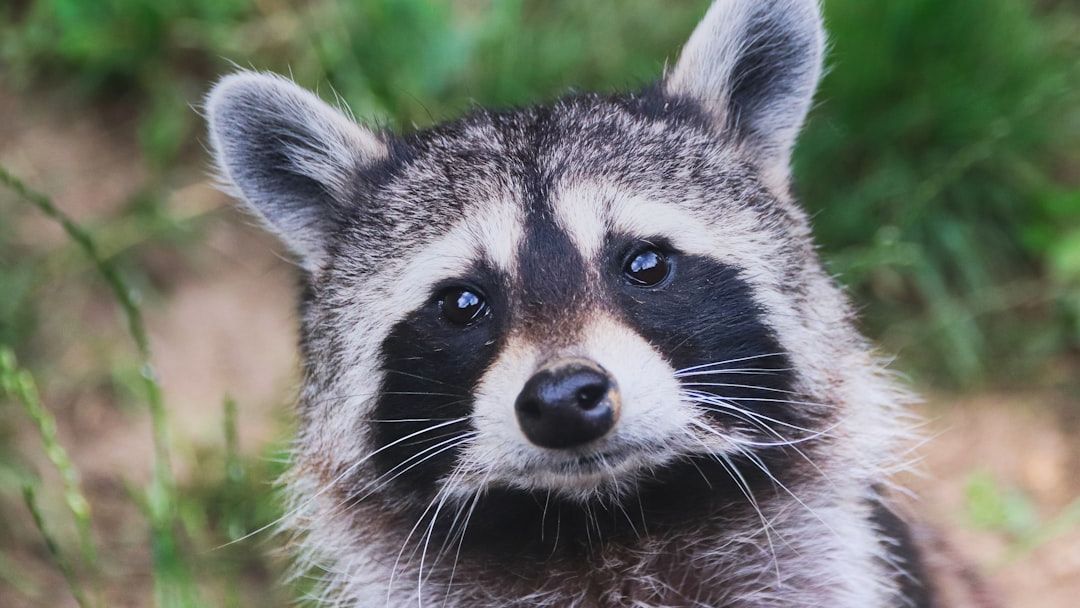
Most people see a raccoon and think: pest. That masked face peering out from behind a toppled trash can doesn’t exactly scream intellectual. Yet the more science looks at these creatures, the more the story shifts in a surprising direction. Raccoons aren’t just opportunistic scavengers crashing the neighborhood at night. They’re navigating complex urban environments, outwitting human-engineered locks, and carrying brains wired in ways that genuinely puzzle neuroscientists.
What’s especially curious is how little formal attention raccoons have received compared to other intelligent animals. That oversight is starting to look like a significant scientific blind spot. The facts below reveal a creature that’s considerably more remarkable than its reputation suggests.
#1: Their Brains Are Packed With Primate-Level Neurons
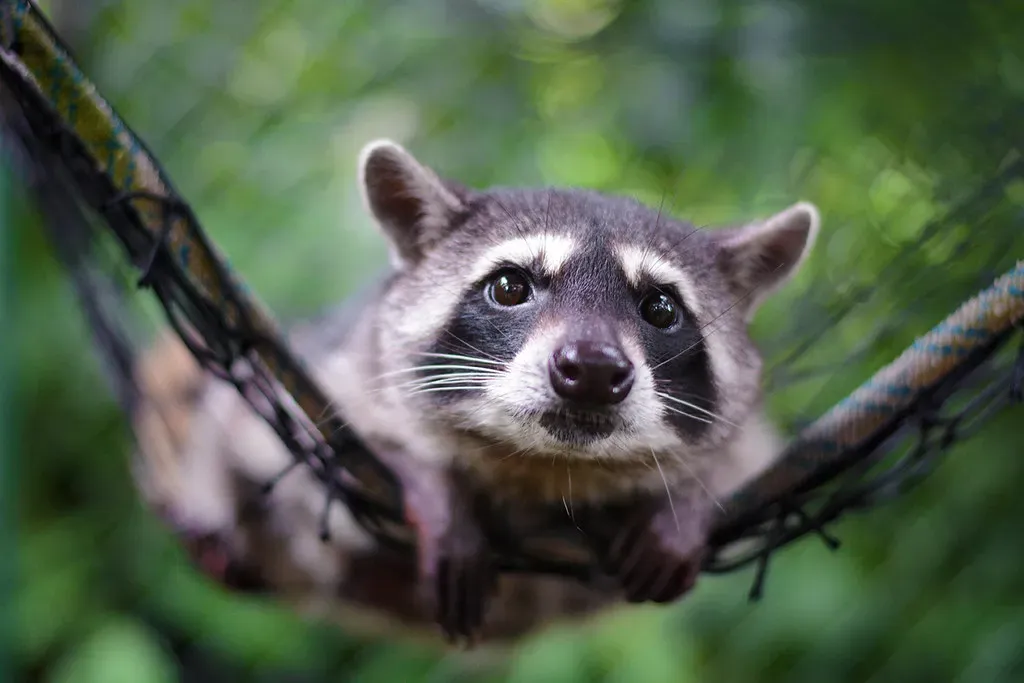
Working with neuroscientist Suzana Herculano-Houzel, researchers at the University of Richmond found that raccoons pack an astonishing number of neurons, comparable to primates, into their brains. That’s not a loose comparison. It’s a structural reality that rewrites the conventional understanding of where raccoons sit on the intelligence spectrum.
Scaled up to size, a raccoon brain would contain roughly the same number of neurons as a human brain. Researchers also found that raccoons possess specialized fast-conducting brain cells known as von Economo neurons, which are also found in humans, other great apes, and a few additional large-brained mammals. These are cells long considered markers of higher cognition, and finding them in raccoons was, to put it mildly, unexpected.
Brain studies from Vanderbilt and other institutions suggest that raccoons have a number of cortical neurons comparable to small primates. Reviews in psychology and behavior journals typically show raccoons outperforming cats and dogs on problem-solving and flexibility tasks, with long-term memory comparable to that of small primates. The masked bandit, it turns out, is neurologically formidable.
#2: Their Hands Are Essentially Living Sensory Organs
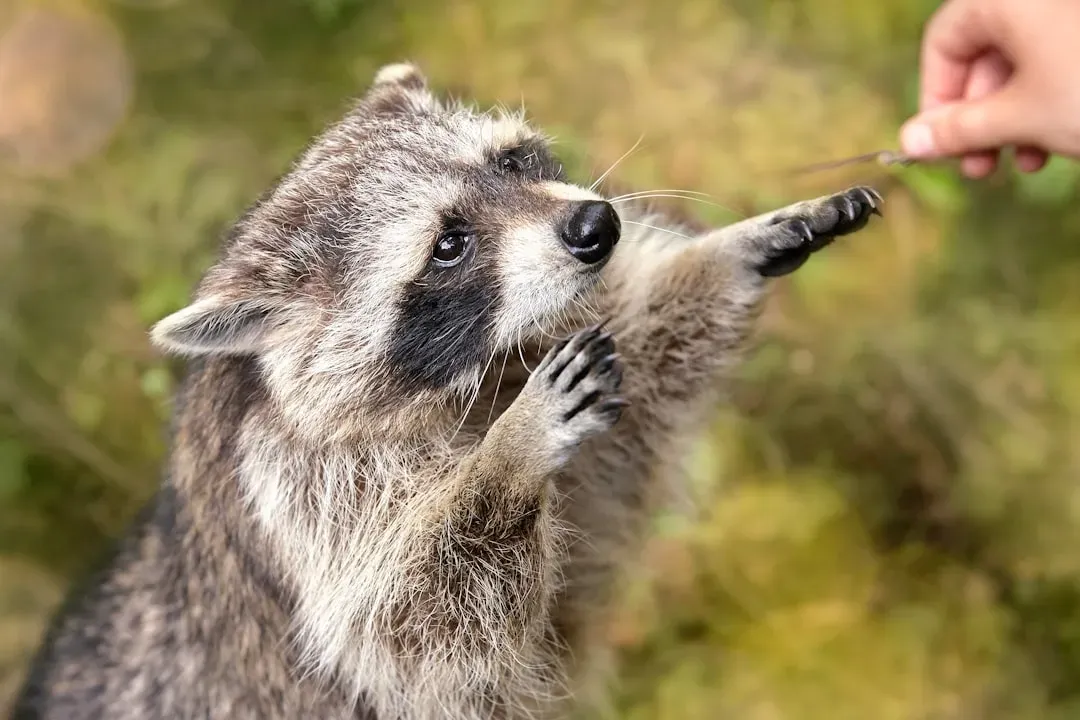
Raccoon front paws are incredibly dexterous and contain roughly four times more sensory receptors than their back paws, which is about the same ratio as human hands to feet. That density of receptors isn’t just about grip. It’s about perception. Their paws function as precision instruments capable of reading the world through touch alone.
The sensitivity of raccoon paws surpasses that of human fingertips by a significant margin, with specialized receptors called Pacinian corpuscles that detect even the slightest vibrations. These receptors are so advanced that raccoons can identify objects underwater without seeing them, relying entirely on touch to determine shape, texture, and even material composition.
Raccoons’ dexterous hands play a key role in their cognitively creative escapades. Researchers have found that raccoon forepaws are mapped onto their cerebral cortex in a similar manner as human hands. Both take up a lot of real estate in the brain. That mapping matters. It means a large portion of raccoon brain processing is dedicated entirely to interpreting what those nimble fingers feel.
#3: They Can Pick Locks in Under 10 Attempts
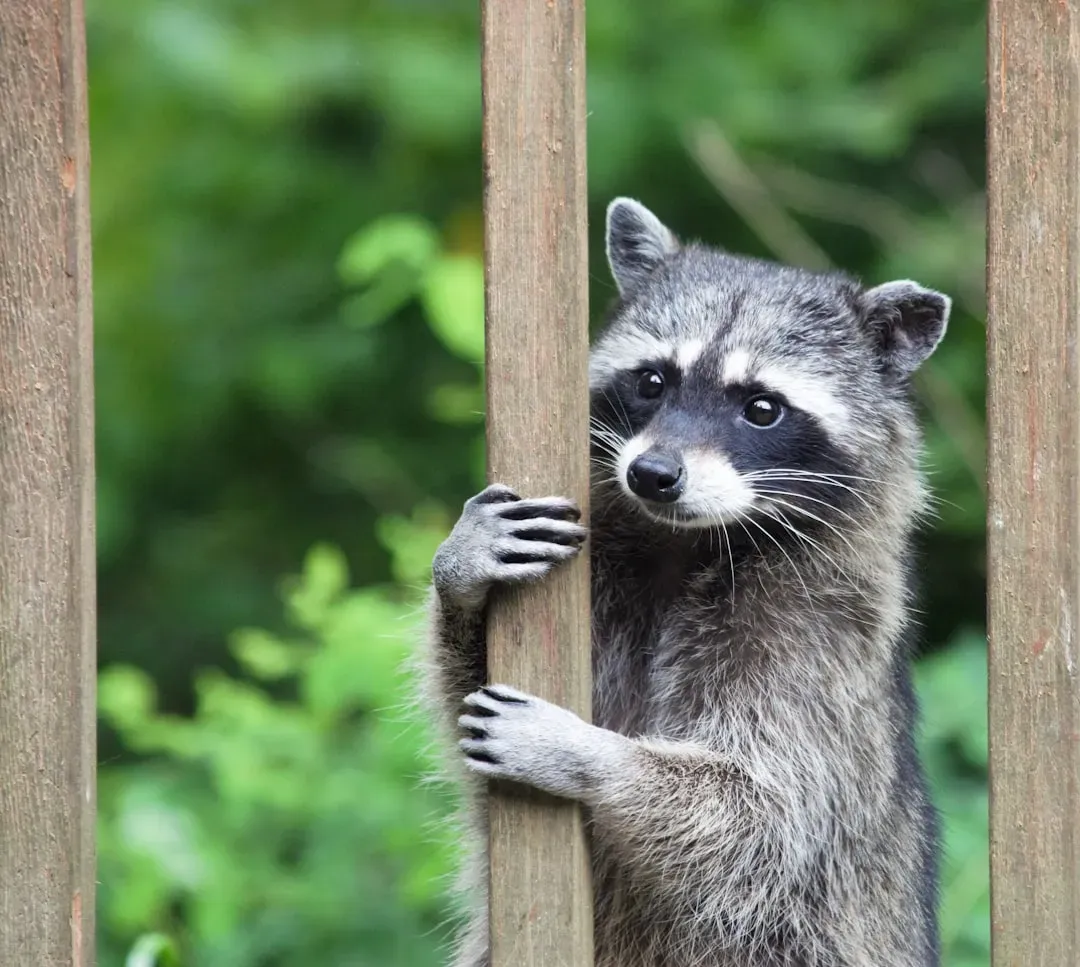
In one experiment, raccoons were consistently able to learn how to pick a complex lock in fewer than 10 attempts. That’s not trial and error in the fumbling sense. Researchers observed raccoons taking a systematic, methodical approach to new fastening mechanisms, trying different things in sequence until something gave way.
Scientists upped the ante by requiring four locks to be picked in a certain order, and if it wasn’t done in the correct order, it would re-lock everything. Raccoons were able to figure out how to undo the system and get to their food. The part that genuinely stunned researchers came after. After one year, raccoons had retained the ability to beat this particular system, showing that they have an excellent memory.
#4: Urban Life Is Literally Making Them Smarter
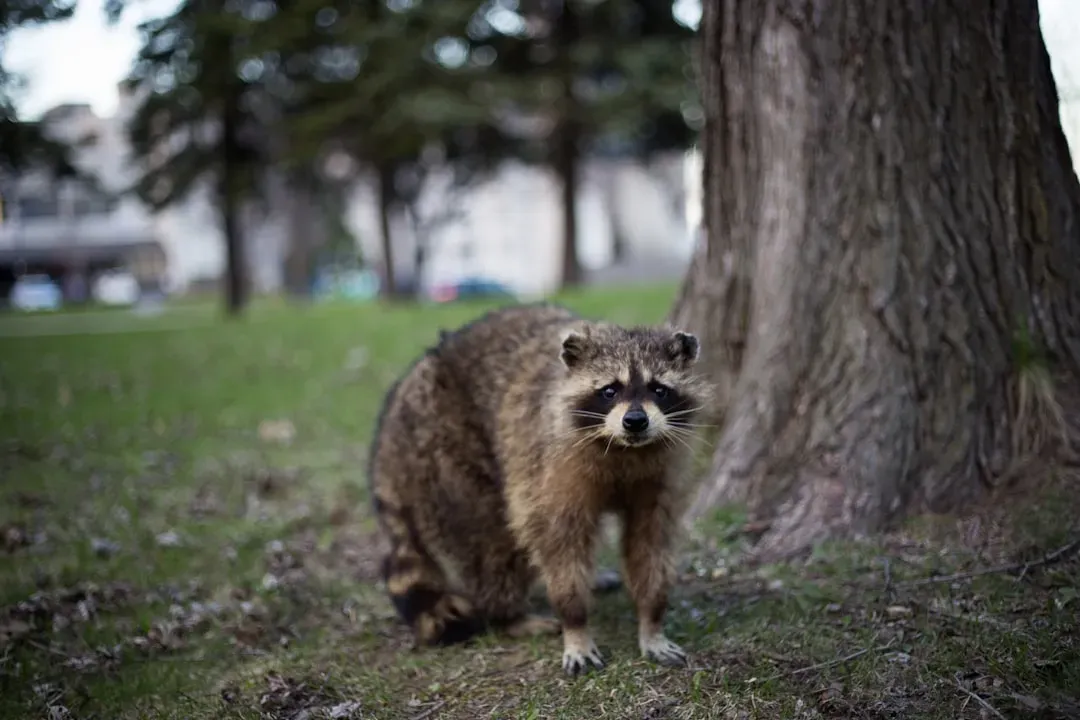
Some scientists have suggested that modern cities and suburbs are “training grounds” for raccoons to increase in intelligence. Less intelligent raccoons die off, whereas smart raccoons reproduce in greater numbers, as they have access to near-unlimited food supplies and shelter. It’s a form of natural selection playing out in real time, in suburban backyards.
Studies comparing the fluid intelligence of urban raccoons versus those from rural areas showed that urban raccoons were more eager to approach new problems and more adept at finding solutions. The city isn’t just habitat for raccoons. It’s a proving ground. By attempting to deter raccoons from rooting through garbage cans, human beings may actually be helping to make raccoons smarter. Latches intended to make garbage cans inaccessible actually present a new and stimulating problem, and the cognitive demand for solving the challenge may provide an enrichment opportunity for mental stimulation.
#5: They Remember Solutions for Years
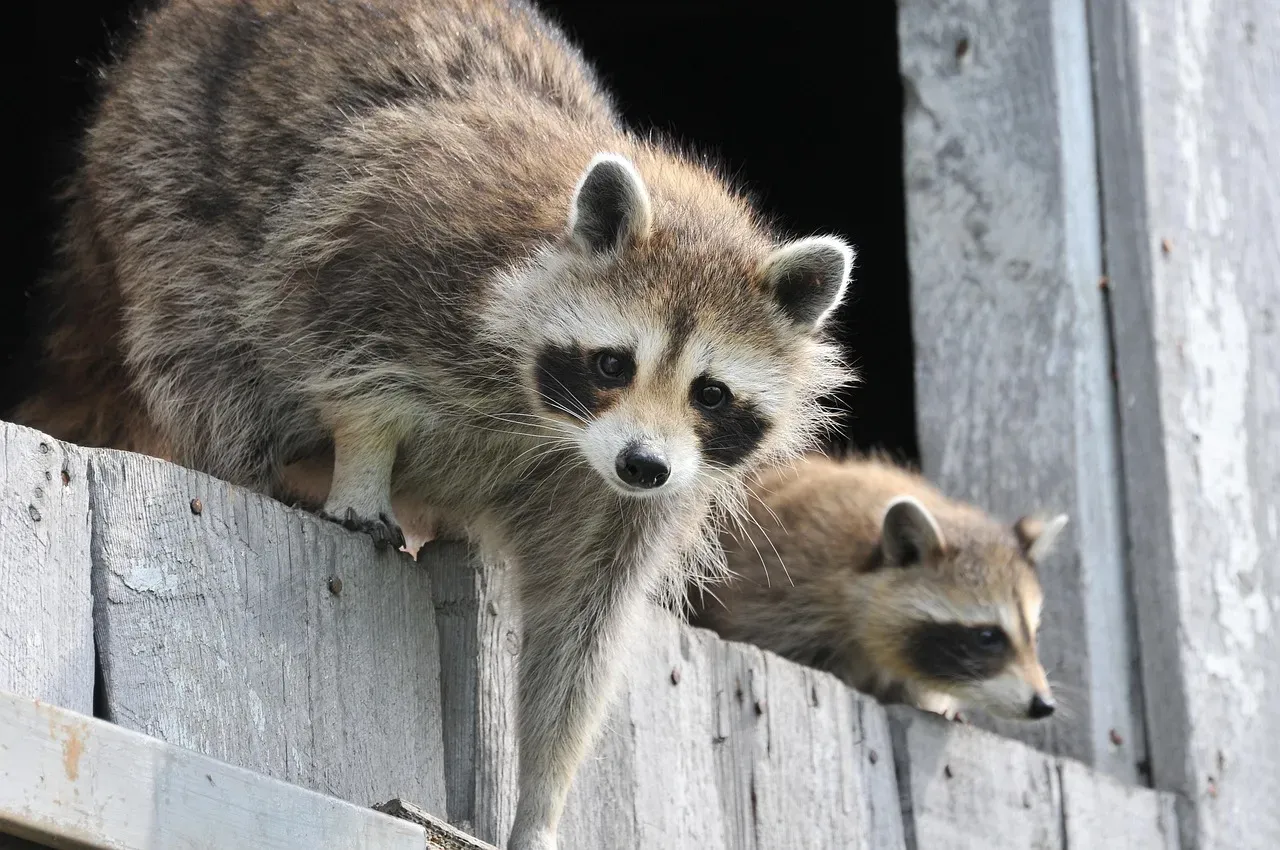
Raccoons are capable of remembering solutions to problems they’ve solved in the past for at least three years, demonstrating that they have an incredibly good memory. That’s not a short-term workaround. That’s a durable mental archive. A raccoon that figured out how to open your specific gate latch in one season hasn’t forgotten by the next.
Raccoon intelligence extends beyond party tricks and quick tests because their long-term memory stays remarkably strong. Classic studies showed raccoons remembering locks and puzzles many months after their last practice session. Recent research shows that urban raccoons demonstrate strong problem-solving skills and behavioral flexibility, allowing them to adapt to new challenges such as different types of trash cans or feeders.
Raccoons with more sophisticated cognitive abilities had more neural cells in the hippocampus, reinforcing the idea that their learning and memory capacities map onto similar brain systems as those in people. Memory isn’t just convenience for a raccoon. It’s survival infrastructure, and the brain structure behind it looks remarkably familiar.
#6: They Learn by Watching Each Other
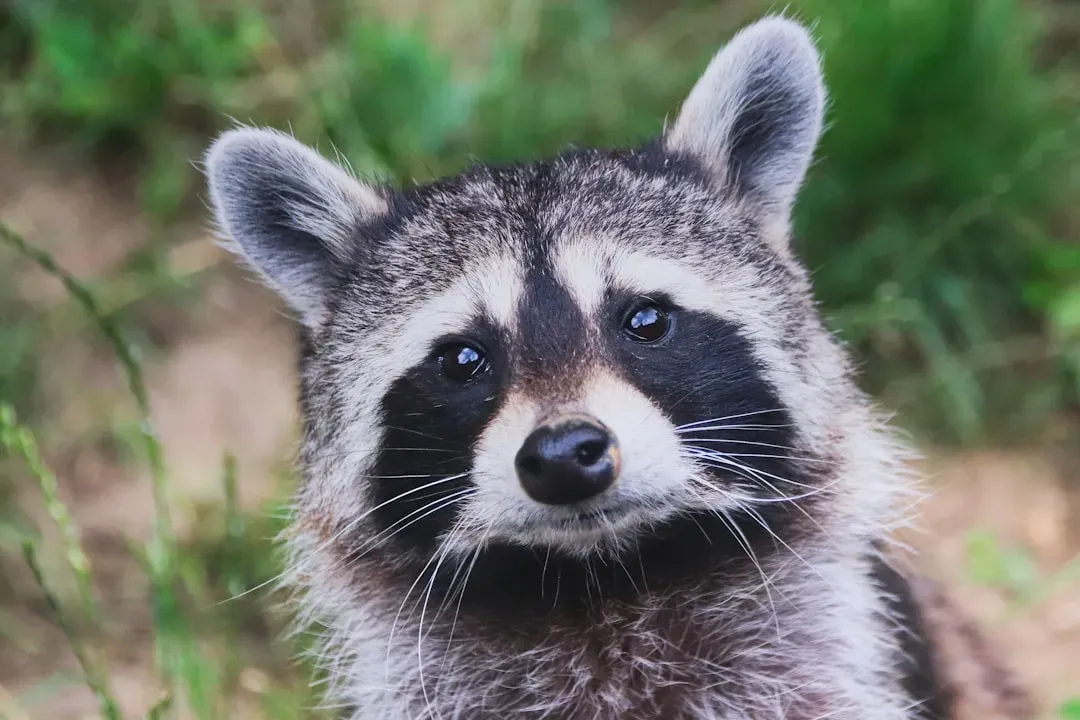
Raccoons are not only smart as individuals but also possess a high degree of social intelligence. They live in loose family groups and often share information about food sources, dangers, and safe resting places. This social learning allows raccoons to benefit from the experiences of others, enhancing their ability to solve problems and adapt to new situations.
If one raccoon discovers how to open a particular type of container, others in the group can learn by observing. This ability to learn from each other means that once a raccoon has figured out how to access your garbage or attic, others may soon follow suit. Social transmission of knowledge is a trait we tend to associate with highly complex animals. Raccoons are quietly doing it in neighborhoods everywhere.
#7: Early Science Placed Them Close to Monkeys
In 1907, psychologist Lawrence W. Cole, who had established a colony of raccoons at the University of Oklahoma, and Herbert Burnham Davis, a doctoral student at Clark University, each published the results of nearly identical experiments on learning, association, and memory in raccoons. They relied on puzzle-box methodology, which involved placing animals in wooden crates from which the animal had to escape by opening a latch or sequence of latches.
Davis’ findings revealed raccoons as adept learners who used trial and error to solve problems. It didn’t take long for them to figure out how to unlock latches to access food, and their rate of progress mirrored those typically seen in higher animals and even humans. Along with work by researchers like Lawrence W. Cole, Davis concluded that raccoon cognition was closely aligned with that of monkeys, considering them a class beyond domestic animals. That was over a century ago. The research has only strengthened since.
#8: They Escape Labs and Outsmart Traps
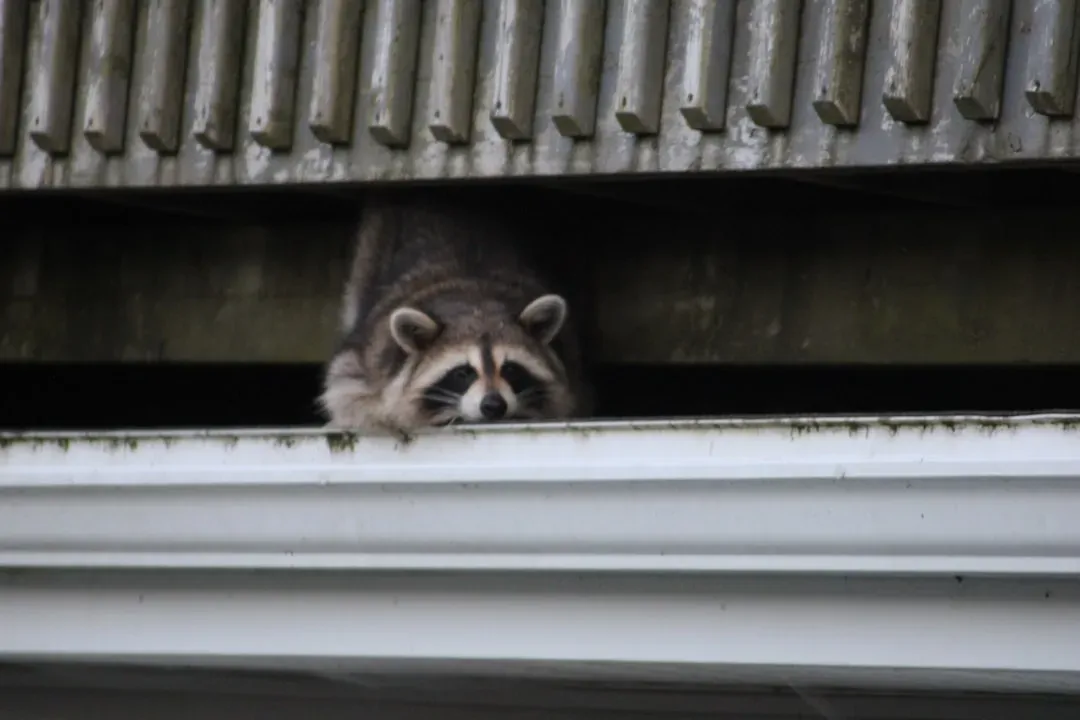
Long before rats dominated psychology labs, raccoons were actually a leading candidate for animal models of problem-solving and intelligence. That ended when scientists realized they’d met their cognitive match. In one study, researchers reported that all raccoon participants escaped through the laboratory ventilation system. That’s not a minor containment issue. That’s a species telling researchers, politely, that the experiment was over.
A raccoon can identify traps and may even learn to evade them after a single failed attempt. This understanding of potential risks underscores the animal’s ability to adapt and complicates removal efforts. Beyond just traps, raccoons adapt quickly to various human intervention methods. They learn to recognize and avoid the lights and sounds of motion-activated deterrents. One encounter with a deterrent is often enough to neutralize it permanently.
#9: Their Brain Wiring Explains Both Genius and Recklessness
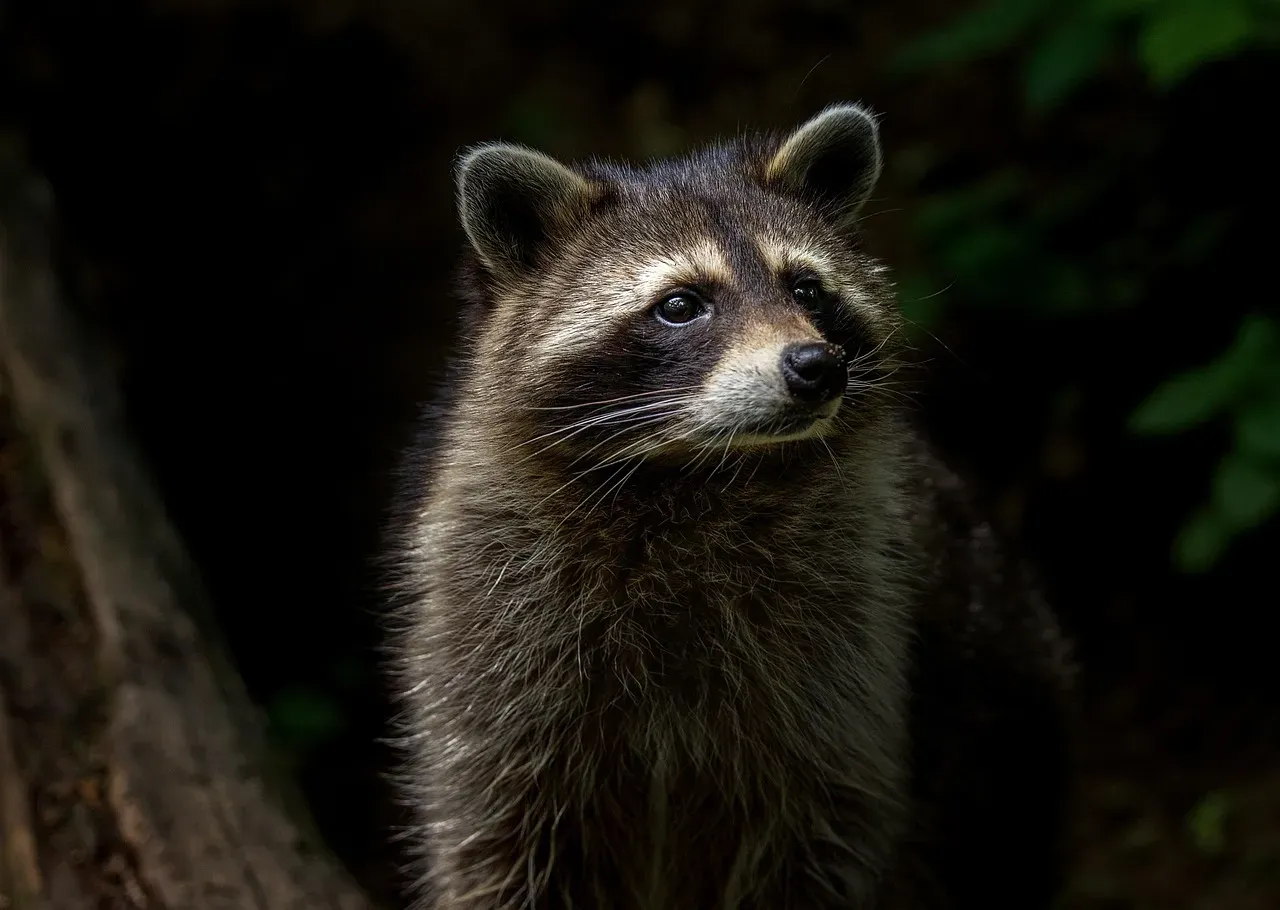
In raccoons, specialized neurons are present only in the insula and not in the anterior cingulate. This neural arrangement may help explain the species’ striking combination of clever problem-solving and rapid decision-making during exploration, frequently leading to risky behaviors that can have unfortunate consequences. It’s a fascinating trade-off. The same wiring that makes them brilliant also makes them bold to a fault.
These findings raise the possibility that raccoon neuroscience could offer useful insights into the neural foundations of impulse control and distracted attention. In other words, raccoons aren’t just interesting to wildlife biologists. Studying raccoons in naturalistic settings may provide valuable insights into neural mechanisms underlying impulse control, attention, and cognitive flexibility relevant to human brain function. The backyard bandit may quietly be helping us understand ourselves.
#10: They Navigate Cities With Deliberate Awareness
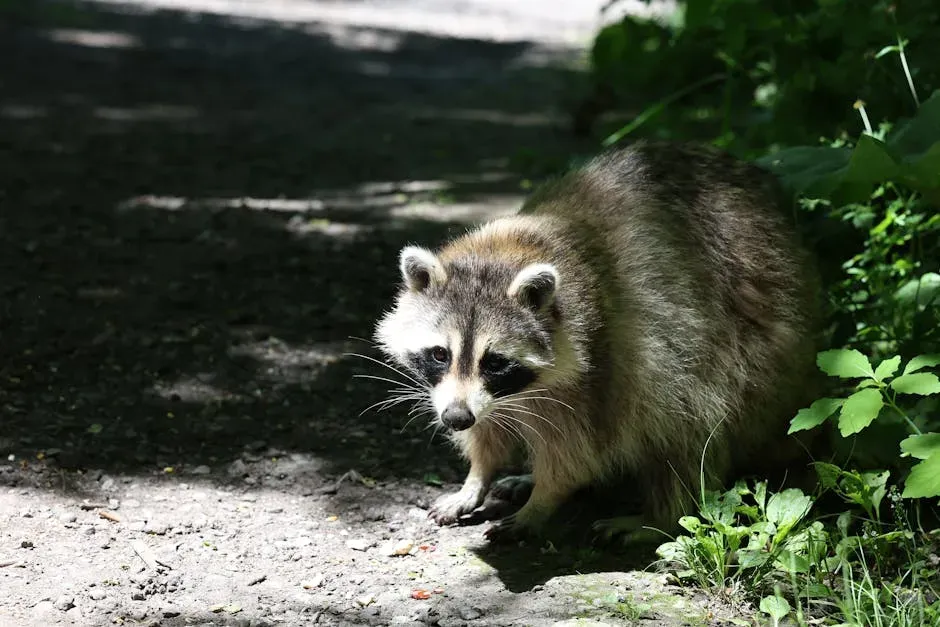
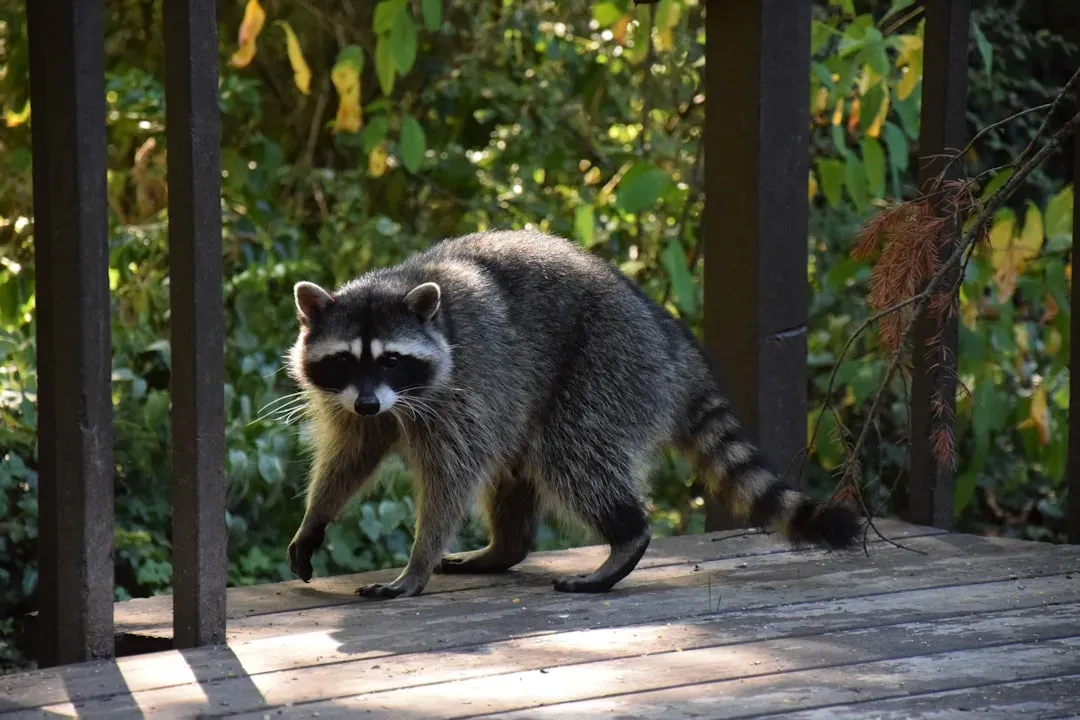
A psychologist from York University outfitted several raccoons with GPS and observed they had learned to avoid major intersections as well as open secure trash cans in order to obtain food. This is spatial cognition in action. They’re not wandering randomly. They’re mapping risk, charting routes, and making calculated decisions about where to move and when.
Raccoons have been observed using storm drains, climbing downspouts, and even waiting for traffic lights to change before crossing busy streets. They also remember food hotspots, safe den sites, and even specific humans who either feed or chase them. That last detail is worth sitting with. They know who you are, and they’ve categorized you accordingly.
As cities expand and human routines shift, raccoons reveal how problem-solving, memory, and creativity can help a species flourish in a changing world. The raccoon isn’t adapting to the city by accident. It’s doing so with something that looks, by every measurable standard, a lot like intelligence.
The Backyard Genius We Keep Underestimating
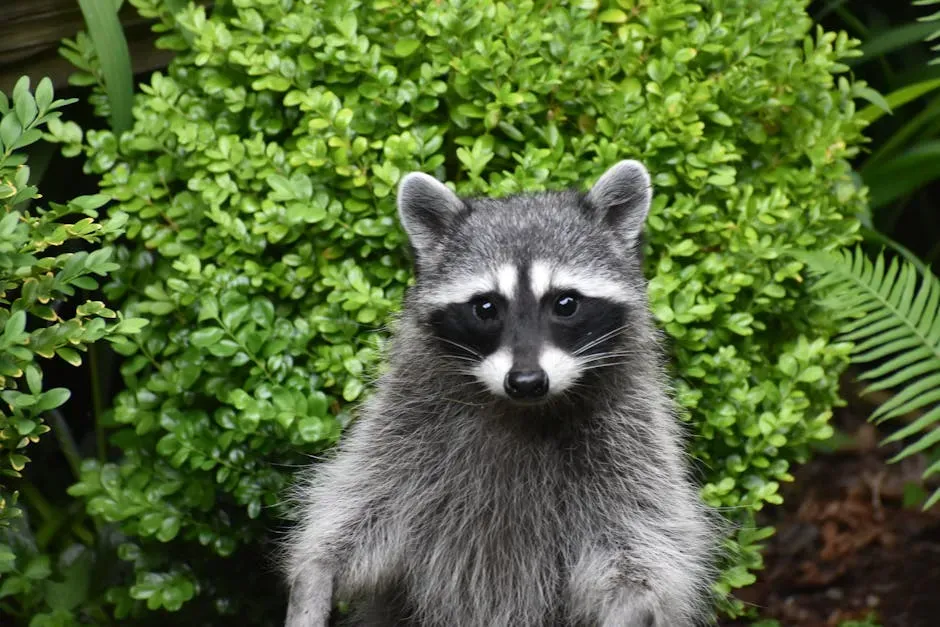
There’s a certain irony in the fact that one of the most cognitively sophisticated animals in North America is the one most people try hardest to keep out of their garbage. Raccoons have endured the label of pest for so long that their genuine complexity rarely enters the conversation.
What the science reveals is a creature operating on a level that genuinely surprises researchers. Primate-equivalent neurons, tactile perception that rivals fingertips, multi-year memory, social learning, and the ability to map and navigate entire city blocks. These aren’t tricks. They’re the traits of a species that has quietly figured out how to thrive alongside one of the most complex species on the planet: us.
The raccoon at the edge of your yard isn’t just looking for a meal. It’s reading the situation, weighing options, and probably remembering the last time it was here. That’s worth a little more respect than a bungee cord on the bin lid.
